Continued Respiratory Therapy Phone: 866-382-0799


How Do Power Distance, Privilege, and Intersectionality Affect Psychological Safety for Respiratory Therapists and Other Healthcare Professionals?

Gabrielle Davis, MPH, MA, RRT, RRT-ACCS, RRT-NPS, TTS, LPC, NCC, FAARC

April 1, 2026

Question

How do power distance, privilege, and intersectionality affect psychological safety for respiratory therapists and other healthcare professionals?

Answer

Power distance refers to the degree to which societally perceived "less powerful" individuals accept and expect an unequal distribution of power. In healthcare, this concept is highly relevant. Those with high power distance have often been conditioned to know their place or have been minoritized by society. Those with lower power distance tend to be more comfortable addressing authority. If you are in a position of lower power distance, meaning you have more privilege in a given space, I encourage you to use it. If a colleague feels afraid to raise a concern because they fear losing their job, ask for their consent to raise it on their behalf.

Intersectionality, a term coined in the 1980s by Professor Kimberly Crenshaw, is a lens through which we can see where power comes and collides, where it interlocks and intersects. It is not simply that there is a race problem here, a gender problem here, and a class or LGBTQ+ problem there. Many times, that fragmented framework erases what happens to people who are subject to all of these things simultaneously.

Identity dimensions that can affect psychological safety include, but are not limited to: race and racism, sexual identity, gender identity, body size, ageism, educational background, geographic location, visible and invisible disability, socioeconomic status, literacy, mental wellness and access to resources, and personal history. These factors compound and intersect in ways that affect every interaction in a clinical setting.

This Ask the Expert is an edited excerpt from the course, Breathing Easy: Building Psychological Safety for Respiratory Therapists and Healthcare Teams, presented by Gabrielle Davis, MPH, MA, RRT, RRT-ACCS, RRT-NPS, TTS, LPC, NCC, FAARC.


gabrielle davis

Gabrielle Davis, MPH, MA, RRT, RRT-ACCS, RRT-NPS, TTS, LPC, NCC, FAARC

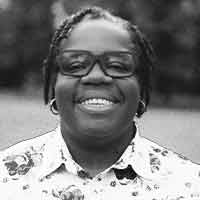
Gabrielle Davis is a registered respiratory therapist and licensed professional counselor (LPC) in her free time. Gabby spent most of her adult career working in Michigan, Illinois, and Idaho ICUs. Before leaving hospital work in 2021, Gabby’s focus was COPD readmission reduction and nicotine addiction treatment.

Gabby has earned a master’s degree in public health and another in counseling. She is the owner and sole counselor of Equitable Counseling & Consulting and serves as the Racial Equity and Food Justice manager for the National Co-op of Grocers. In her free time, Gabby looks for additional ways to leverage her privilege to support the futures of Black, Brown, Indigenous, queer, and trans RT students. Gabby lives in Michigan with her wife and her wife’s dog, and she’s always looking for additional ways to be a professional troublemaker. Community is Gabby’s love language.


Related Courses

Breathing Easy: Building Psychological Safety for Respiratory Therapists and Healthcare Teams
Presented by Gabrielle Davis, MPH, MA, RRT, RRT-ACCS, RRT-NPS, TTS, LPC, NCC, FAARC
Text

Presenter

Gabrielle Davis, MPH, MA, RRT, RRT-ACCS, RRT-NPS, TTS, LPC, NCC, FAARC
Course: #2257Level: Introductory1 Hour
  'easy to read and understand, examples helped'   Read Reviews
This course explores the importance of psychological safety in healthcare, focusing on how creating a supportive environment can enhance communication, teamwork, and patient care outcomes. Respiratory therapists and other healthcare professionals learn strategies to foster trust, reduce fear of mistakes, and promote a culture of openness and mutual respect.

Supporting Neurodiverse Staff, Colleagues and Patients
Presented by Gabrielle Davis, MPH, MA, RRT, RRT-ACCS, RRT-NPS, TTS, LPC, NCC, FAARC
Video

Presenter

Gabrielle Davis, MPH, MA, RRT, RRT-ACCS, RRT-NPS, TTS, LPC, NCC, FAARC
Course: #2258Level: Intermediate1 Hour
  'Excellent topic, and great examples'   Read Reviews
Discussions about neurodiversity have gained momentum, highlighting the need for a greater understanding of this longstanding population. This session introduces respiratory therapists and other healthcare professionals to innovative concepts and strategies for dismantling barriers and promoting affirming and equitable care.

Person First. Patient Last: Equity vs. Equality in Patient Education
Presented by Gabrielle Davis, MPH, MA, RRT, RRT-ACCS, RRT-NPS, TTS, LPC, NCC, FAARC
Video

Presenter

Gabrielle Davis, MPH, MA, RRT, RRT-ACCS, RRT-NPS, TTS, LPC, NCC, FAARC
Course: #1811Level: Introductory1 Hour
  'Good course, good helpful information'   Read Reviews
Appropriate patient education is imperative during appointments and hospital stays to ensure patients are armed with the necessary tools to be successful once they return home. Unfortunately, all people learn differently, and literacy (health literacy as well) levels vary across the nation. Respiratory therapists must personalize general educational information that would best fit that patient versus of using materials and techniques that simply cater to their diagnosis.

Obstructive Sleep Apnea and Anxiety: What is the Connection?
Presented by Kelvin Imo, DDS, IAOS-Diplomate Candidate
Video

Presenter

Kelvin Imo, DDS, IAOS-Diplomate Candidate
Course: #1536Level: Introductory1 Hour
  'The teaching style'   Read Reviews
Evidence in current research suggests sleep apnea and anxiety are connected, creating ongoing consequences for an individual's quality of life if left untreated. The course discusses the interrelationship between the two disorders and the recognition of high-risk groups for practitioners providing care.

Respiratory Therapy Without Borders, An International Perspective
Presented by Dorothy Honny Bendah, BS, RRT
Video

Presenter

Dorothy Honny Bendah, BS, RRT
Course: #1794Level: Introductory1 Hour
  'You are an inspiration!'   Read Reviews
There was a dire need to demonstrate the relevance of respiratory care in The heat of the COVID-19 pandemic which saw an increase in demand for respiratory therapists in Ghana. The course introduces the unique formation of the Ghana Association for Respiratory Care (GARC), in collaboration with the international Council for Respiratory Care (ICRC), highlighting the contributions respiratory therapists make to the multidisciplinary team of healthcare professionals.