iContinued Social Work – Call us: 866-419-0818

Why Should Behavioral Health and Integrated Care Professionals be Prepared to Discuss Cannabis with Their Clients?

Paulette Smith, DSW, MS, LCSW-C

July 1, 2026

Question

Why should behavioral health and integrated care professionals be prepared to discuss cannabis with their clients?

Answer

Cannabis-related conversations are already occurring in healthcare settings on a daily basis, regardless of whether clinicians feel equipped to navigate them. Patients use cannabis for a range of reasons; anxiety, sleep, stress, emotional regulation, and chronic pain, and these uses surface naturally in clinical encounters across nursing, social work, counseling, and advanced practice roles. Yet research indicates that many clinicians do not feel fully prepared to engage in these discussions, creating uncertainty about how to respond when a patient raises the topic.

The clinician's role in this context is not to endorse or discourage cannabis use, but to engage in informed, ethical, and respectful dialogue. Because these conversations happen whether or not professionals are ready for them, preparation becomes an ethical obligation rather than an optional skill. Building this readiness helps ensure that patients receive consistent, coordinated, and nonjudgmental care.


This Ask the Expert is an edited excerpt from the course, "Medical Cannabis in Integrated Care: Patient-Informed Strategies for Emotional Regulation and Therapeutic Dialogue," presented by Paulette Smith, DSW, MS, LCSW-C.
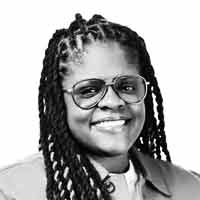

paulette smith

Paulette Smith, DSW, MS, LCSW-C

Dr. Paulette S. Smith, MS, LCSW-C, is a licensed clinical social worker, educator, and consultant with over a decade of experience in behavioral health, trauma-informed care, and integrative wellness. She holds a Doctor of Social Work from Simmons University, a Master of Social Work from Morgan State University, and a Master’s degree in Medical Cannabis Science & Therapeutics from the University of Maryland School of Pharmacy. Dr. Smith is an Assistant Professor in the School of Social Work in the Doctor of Social Work (DSW) program at Morgan State University, and adjunct faculty in the University of Maryland School of Pharmacy’s Medical Cannabis Science & Therapeutics program. Her work focuses on ethical, evidence-informed client engagement, harm reduction, and addressing the social and racial inequities that shape health outcomes. Her teaching and training emphasize practical, nonjudgmental approaches grounded in professional ethics, motivational interviewing, and strengths-based practice.


Related Courses

Medical Cannabis in Integrated Care: Patient-Informed Strategies for Emotional Regulation and Therapeutic Dialogue
Presented by Paulette Smith, DSW, MS, LCSW-C
Video

Presenter

Paulette Smith, DSW, MS, LCSW-C
Course: #2768Level: Intermediate1 Hour
  'unique topic not often explored in treatment process'   Read Reviews
This course presents initial findings from an IRB-approved qualitative study exploring how medical cannabis patients incorporate mindfulness practices to support emotional regulation and self-awareness. The course examines patient-informed insights on intentional use, autonomy, and communication with clinicians, providing interdisciplinary professionals with practical guidance for engaging in cannabis-related conversations within integrated, holistic care settings. Emphasis is on trauma-informed, harm-reduction–focused dialogue that fosters ethical, collaborative practice across disciplines. This course reflects preliminary, evolving qualitative insights intended to inform clinical dialogue and interdisciplinary approaches and does not represent definitive or broadly applicable research findings. This course was designed for an interprofessional audience.

Mental Health & First Responders Part II: After the Call
Presented by Lisa Zoll, MSW, LCSW, Edward Curtis, MSW, LSW
Video

Presenters

Lisa Zoll, MSW, LCSWEdward Curtis, MSW, LSW
Course: #1794Level: Intermediate1.12 Hours
  'enjoyed this presentation very much'   Read Reviews
This course is the second in a two-part series. This course explores trauma responses that impact first responders and how it can have a cumulative effect on their mental health, professionally and personally.

Acceptance and Commitment Therapy for LGBT Clients
Presented by Giselle Levin, PsyD
Video

Presenter

Giselle Levin, PsyD
Course: #2306Level: Advanced2.03 Hours
  'The presenter was knowledgable and had good use of "real life" case studies'   Read Reviews
Acceptance and Commitment Therapy (ACT) is an evidence-based therapy that has been shown to significantly improve mental health outcomes. This advanced course describes the foundations of ACT and discusses presenting problems unique to LGBT individuals. The course presents adaptations of ACT techniques for LGBT individuals and demonstrate the use of those interventions via case studies.

Involuntary Hospitalization: Ethical Considerations for Social Workers
Presented by Jennifer Robertson, MSW, LCSW, RSW
Video

Presenter

Jennifer Robertson, MSW, LCSW, RSW
Course: #1539Level: Intermediate1.02 Hours
  'Jennifer was thorough, answered all questions as they came in and content is not heard of enough!'   Read Reviews
Social workers are on the front lines of psychiatric emergencies and need to be prepared to make ethical decisions. This course discusses the impact, ethics, and the role social workers play in involuntary hospitalizations and in protecting vulnerable populations.

Attachment Theory and Its Role in Relationships Across the Lifespan
Presented by Alison D. Peak, MSW, LCSW, IMH-E
Audio

Presenter

Alison D. Peak, MSW, LCSW, IMH-E
Course: #1285Level: Intermediate1 Hour
  'Speaker was knowledgeable, pleasant and organized'   Read Reviews
This course provides didactic information on attachment theory, attachment styles, and how attachment may present in the therapeutic setting. In addition, this course explores how these attachment styles can be utilized in clinical intervention with clients.