The Importance of Respiratory Therapists in Post Acute Care
Published on 2025-04-30 07:34:49
Learning Outcomes
After this course, readers will be able to:
- After this course, participants will be able to describe the impact of the transitional care program to improve patient and caregiver experience.
- After this course, participants will be able to recognize areas for reduction in hospital readmissions and health care system cost savings.
- After this course, participants will be able to identify post-acute respiratory patient management strategies in education and compliance.
- After this course, participants will be able to explain the role and importance of Respiratory Therapists in the post-acute setting.
The Importance of Respiratory Therapists in Post Acute Care
Editor’s note: This text-based course is a transcript of the webinar, The Importance of Respiratory Therapists in Post Acute Care, presented by Vrati Doshi, MSc, RRT.
Learning Outcomes
After this course, participants will be able to
- Describe the impact of the transitional care program to improve patient and caregiver experience.
- Recognize areas for reduction in hospital readmissions and health care system cost savings.
- Identify post-acute respiratory patient management strategies in education and compliance.
- Explain the role and importance of Respiratory Therapists in the post-acute setting.
Introduction
My name is Vrati Doshi, and I am the director of respiratory programs at Integrated Respiratory Solutions in Chicago. This presentation focuses on the need and importance of respiratory-focused transitional care programs.
What is Transitional Care?
- Coordination and continuity of health care during a movement from one healthcare setting to another or home, between health care practitioners and settings as their condition changes
- Especially important for older adults and their caregivers
- Poor “handoff” can result in adverse events, low satisfaction with care, and high rehospitalization rates
Before we continue, I want to provide you some definitions of transitional care. It is the coordination and continuity of care from one hospital setting to another or home. It encompasses many services and environments to promote patients' safe and timely transfer from one level of care to another. Transitional care is especially important for the older population with multiple chronic conditions. Poor handoffs can result in adverse events, low satisfaction, and high rehospitalizations. Discharging patients from the hospital is a complex process with many challenges.
- Over 35 million hospital discharges annually in the US
- The cost of unplanned readmissions is $15-20 billion annually
(Jencks et al., 2009)
There are over 35 million hospital discharges annually in the U.S. The cost of unplanned readmission is 15 to $20 billion annually. This presentation focuses on identifying and overcoming barriers for high acuity, chronic respiratory patients transitioning home or to a skilled nursing facility from the hospital (Figure 1).
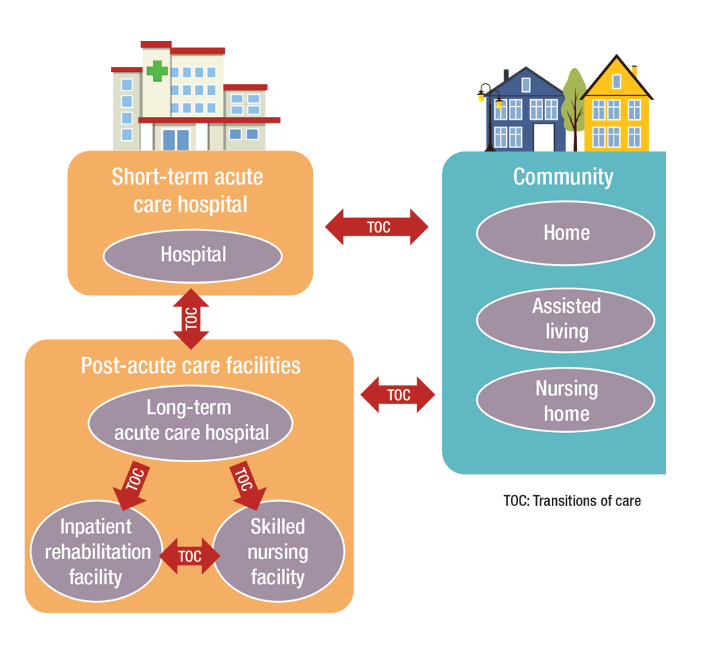
Figure 1. Transitions of care.
Post-Acute Care (PAC) Services
- Long-term care hospital (LTCH) – treat patients with a high level of acuity who need an extended hospital stay
- Inpatient rehabilitation facility (IRF) – treat patients that need hospital-level care and intensive rehabilitation
- Skilled Nursing Facility (SNF) – short term in-patient rehabilitation and medical treatment center
- Home Health Agency (HH) – provide skilled, intermittent nursing and therapy care at home
These include LTCHs, which treat high acuity patients that need a longer hospital stay. In-patient rehab facilities treat patients, and they combine hospital-level care and intensive rehab to regain the level of function needed to return home. Skilled nursing facilities are important for in-patient treatment, and rehab centers provide medically necessary services. Following care in a general acute care hospital, such as surgery or after an acute exacerbation, patients are referred to a post-acute care service known as PAC. SNFs are inpatient treatment and rehab centers that provide medically necessary services around the clock but usually temporarily until they return home. Lastly, home health agencies provide care in the home.
Discharge Interventions
Discharge interventions are in place to reduce hospitalizations.
- Pre-Discharge
- Education
- Discharge planning
- Medication reconciliation
- Follow-up appointments
- Post-Discharge
- Follow-up calls
- Physician follow-up appointment
- Home visits
- Remote monitoring
- Bridging the Gap
- Transition coaches
- Discharge instructions
- Continuity of care
Pre-discharge interventions include; patient and caregiver education, discharge planning, medication reconciliation, and scheduling follow-up appointments. This is completed by a collaborative team ranging from physicians, respiratory therapists, nurses, and social workers. A nursing team and social work conduct post-discharge phone calls. They are communicated with the ambulatory and DME providers, as well as set up for home care. Premature discharge or discharge to an environment that cannot meet the patient's medical needs may result in hospital readmission. Bridging the gap with a transition coach or a clinician can help reduce readmission rates and provide continuity of care.
Barriers to Quality Transitional Care
- Poor integration of transitional care services
- Unmet patient or caregiver needs
- Underutilized services
- Lack of physician buy-in
- Absence of a single point person to ensure continuity of care
It is important to understand the barriers to quality transitional care. Some of these barriers include poor integration of transitional care services due to incomplete transfer of information from one setting or caregiver to another. Next, there are unmet patient or caregiver needs, such as inadequate education for patients and caregivers before discharge from the hospital or the post-acute facility. Post-acute services are underutilized. There can be a lack of buy-in by the physician, who primarily provides recommendations and prescriptions for post-acute care. And lastly, there is an absence of a single point person to ensure continuity of care, allowing patients to fall through the cracks. Later in this presentation, I will discuss programs to overcome some of these barriers to ensure patients are transitioned adequately.
Medicare Readmissions
- 40% of hospitalized Medicare patients receive post-acute services
- 1 in 5 Medicare patients re-hospitalize within 30 days
- Protection and Affordable Care Act (2010) - Medicare payment reforms to reduce readmissions
- From 2010-2016, the readmission rate decreased 7% for Medicare patients and increased 14% for uninsured patients
(Bailey, et al., 2019)
Medicare is the largest payer of post-acute care, spending more than $60 billion in 2015 alone. More than 40% of hospitalized Medicare patients receive post-acute services after discharge. They are mostly done in the home or a skilled nursing facility, and the amount has rapidly been increasing. Since the implementation of the Protection and Affordable Care Act in 2010, Medicare has implemented payment reforms designed to reduce readmissions rates, such as the hospital readmission reduction program. Evidence suggests that rates of readmission have declined.
Average Cost of Admissions 2016
The Healthcare Costs and Utilization Project (HCUP) pulled data to understand how readmission rates have changed since implementing the national initiatives. They found that from 2010 to 2016, readmission rates decreased 7% for Medicare patients and increased by 14% for uninsured patients. The HCUP study also found the average cost of readmissions was higher than the average cost of index emissions for 2/3 of the types of principal diagnoses. This graph shows the top nine diagnoses (Figure 2).
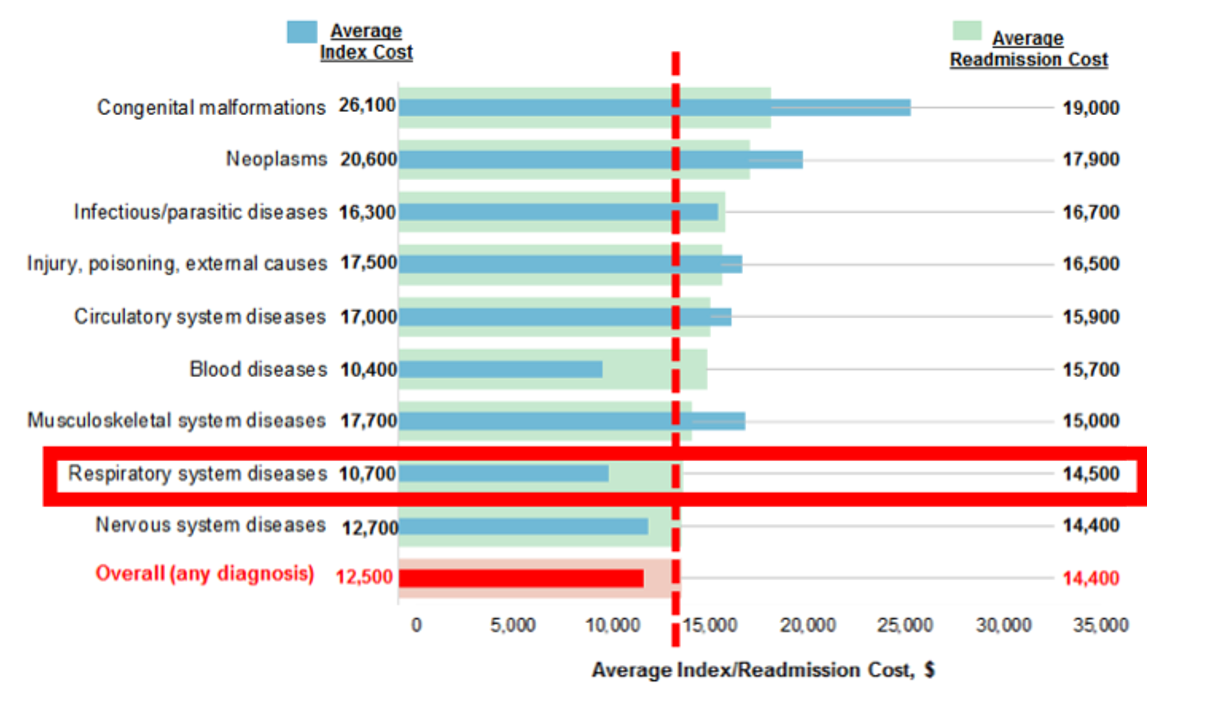
Figure 2. The average cost of readmissions by HCUP study.
Respiratory system disease accounted for one of those nine, with readmission rates at least 10% higher than the overall readmission rate at 16.9%, correlating to almost 435,000 cases. The average cost of readmission overall is about $14,400. The average cost for respiratory readmission is about $14,500. This suggests that interventions incentivized by Medicare have impacted patients' transition home while those uninsured could be falling through the gaps. It also shows a great need for intervention in the respiratory population transitioning out of the hospital (Bailey et al., 2019).
CMS Strategic Initiative: Innovative Payment Models
- CMS has realigned incentives to develop innovative payment models that allow reimbursement to be tied to value rather than volume
- Incentive bonuses to clinicians – increase willingness to develop innovative programs focused on chronic conditions
The Centers for Medicare & Medicaid Services is looking to continue to advance innovative payment structures to help move the healthcare system to one that incentivizes value by rewarding quality and performance, lower program costs, and improved health outcomes. CMS is rewarding clinicians for value-based care over volume-based care. This is important for skilled nursing facilities because it encourages clinicians to engage in preventative medicine with patients proactively. With these types of programs, clinicians are more willing to partner with other providers, such as SNFs, to develop innovative programs focused on managing chronic conditions and improving patient outcomes, such as a robust pulmonary program.
High Acuity Respiratory Discharges from Hospital
- •Home
- Equipment setup
- Environmental assessment
- Follow-up program
- Skilled Nursing Facility
- Stabilize respiratory symptoms
- Provide physical/occupational therapy
- Limitations on admitted patients
- DME provides respiratory equipment
- Goal: Reduce hospital readmissions and better quality of life
When a respiratory patient discharges from a hospital, they are set up at home by a durable medical equipment (DME) company. The RT will do an environmental assessment to ensure safety, and the company may or may not have a follow-up program to ensure compliance. When a patient is discharged to a SNF, respiratory symptoms are stabilized. They are provided physical therapy and occupational therapy during their stay, but a facility can decide whether to take a patient with high acuity respiratory needs. If the patient needs respiratory equipment at the facility, a DME provider will supply the equipment and supplies but normally will not manage them. The goal for home care and SNFs is to reduce hospital readmissions and better quality of life. The following slides will discuss studies and programs initiated to meet this goal.
Home Health vs. Skilled Nursing Facility
- 17 million hospitalizations between 2010 and 2016
- 5.6% higher 30-day hospital readmission rate in-home health discharges than SNF
- No statistically significant differences in mortality rates or improved functional status
(Werner et al., 2019)
A cohort study of Medicare data of more than 17 million hospitalizations between 2010 and 2016 was conducted, which found about 40% of patients were discharged home with home health services and 60% to a SNF. Patients discharged home had 5.6% higher readmission rates than patients discharged to a SNF. There was no significance in mortality rates or improved functional status. It is important to note that this study did not identify the respiratory population but all hospitalizations. Future studies should evaluate the readmission rates of patients with primary respiratory diagnoses, which may prompt further studies on interventions that can be made for home health patients.
Home Health Programs Reduction in Readmissions
- Transitions of care program for patients at high risk of hospital readmission
- Focuses on self-management support and health-literate care
- Jargon-free action plans supported by teach-back process
- Home health nursing visits within 24 hours, with 9 touchpoints within the first 2 weeks
- 41% decrease in hospital readmission rates
(Labson et al., 2015)
After an extensive review of the literature to compare various transitional care models, a home health company developed a transition of care program for patients at high risk of hospital readmissions. These patients are identified as those admitted twice or more in the last year or a patient with a family or caregivers who cannot teach-back or demonstrate low self-care confidence at home. The program focuses on self-management and health literate care. Spotlight action plans are easy for patients to understand and help organize the patient's symptoms into categories. Green means the symptoms are under control, and no action is needed. Yellow means that the patient should take action today. And, red means that the patient should take action now. After discharge, the patient is visited by a home health nurse within 24 hours with nine touchpoints within the first two weeks. Readmission rates decreased by 41% in the first year of the program. Again, there is a lack of information on the types of patients that were seen at home. The program shows that frequent touchpoints that emphasize self-management by healthcare providers can reduce readmission rates. It would be interesting to mimic this research by providing home health patients with a home respiratory therapist focusing on education, medication management, and respiratory disease self-management.
Reducing COPD Re-Admission Rates
- 3rd leading cause of death worldwide, with associated treatment cost of $9,800/year in the US
- 44% re-hospitalization and 55% mortality rate within 5 years of exacerbation
- 30-day readmission rate 22.6%
(Portillo et al., 2018)
I wanted to share some statistics with you about the burden of COPD exacerbations. COPD is the third leading cause of death, with a treatment cost average of $9,800 a year. Within five years of discharge from an exacerbation, the risk of rehospitalization is 44%, with a mortality rate of 55% and a 30-day readmission rate of 22.6%.
- 19 patients admitted to hospital or ED received follow-up through COPD CARE services
- Coordinated post-discharge care facilitated by pharmacists, nurses, and PCP’s
- Pharmacists modified 58% and corrected inhaler technique 52.6% of patients
- 0 hospital readmissions
COPD has a high patient burden and was added to the Medicare hospital readmission reduction program in 2015. It resulted in financial penalties for COPD readmissions within 30 days of hospital discharge. A pilot program was developed to improve timely access to follow-up care and patient education when transitioning from hospital to home. Nineteen patients admitted to the hospital or emergency department received follow-up care through a COPD care service coordinated by pharmacists, nurses, and primary care physicians.
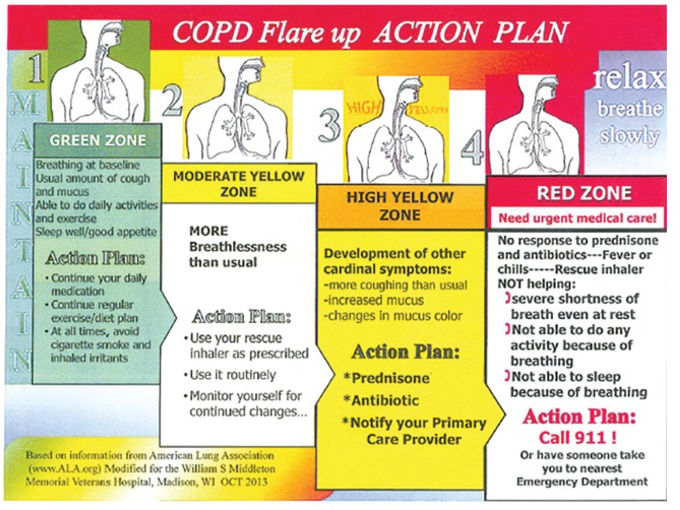
Figure 3. COPD Flare-Up Action Plan (Source: Portillo, EC, et al. 2018).
The program improved access to COPD action plans and follow-up care, which resulted in zero COPD hospital readmissions. There was a higher rate of referrals to tobacco cessation clinics and pulmonary rehab, which could have attributed to positive patient satisfaction and better care management at home. Pharmacists played a larger role in inhaler education where they corrected patient technique in more than half of the patients. The study limitations were that the patients were primarily older adult white males, and it was a smaller sample size. In the future, this COPD care program will be including a collection of CAT scores, spirometry data, and adherence rate for COPD patients. While this study's objective was to reduce readmission rates, future research should evaluate the impact of long-term disease outcomes, and the impact respiratory therapists could have in providing education in a pre-discharge and post-discharge program. The study could also be expanded to mild, moderate, and severe COPD cases.
Improved NIV Compliance with Increase Touchpoints
We will now pivot to high acuity NIV patients at home.
- 462% increase in NIV
- 3-month pilot program analyzing effects of NIV telemonitoring results:
- Significant increase in average hours of daily use, 6.9 hours vs. 4.6 hours in the usual clinical care group (p<0.01)
- Significant increase in the percentage of usage days >6 hours, 83.3 days vs. 36.6 days (p<0.01)
(Moreira, et al., 2014)
With an aging population and the use of non-invasive ventilation growing exponentially, there is a great need for further research on managing these patients at home. A randomized pilot study analyzed telemonitoring's effects on home non-invasive ventilation compliance in 39 patients with hypercapnic chronic respiratory failure. After three months of a follow-up program, the patients had a significant increase in compliance. The average hours of use increased from 4.6 hours to 6.9 hours. There was also an increase in usage days of greater than six hours from 36 days to 83 days. Low compliance correlates to an increased number of adverse events, such as decreased overnight pulse oximetry, readmissions, and poor life quality. Again, the frequent touchpoints showed an increase in compliance. Furthering this research with a larger sample size during a one-year period could capture the impact of a telehealth follow-up program on hospital readmissions. The readmission rate is not the only important measure. Quality of life, functionality, and patient satisfaction are equally important to the success of a patient managing their care at home.
Improved Quality of Life with Transitional Care Intervention
- Transitional care intervention delivered by an APN to 118 CHF patients older than 65 years
- 3-month program of discharge planning and home follow-up protocol
- After 1 year, the intervention group had 104 readmissions vs. the control group, which had 162 readmissions, reducing healthcare costs
- Improvements were demonstrated in overall quality of life and patient satisfaction
(Coleman, et al., 2003)
In a randomized controlled clinical trial, 118 patients that were 65 years or older with CHF were discharged home or enrolled in a transitional care intervention program. An advanced practicing nurse directed a discharge plan and home care follow-up for three months. After one year, the program showed that the intervention had improved quality of life and patient satisfaction and reduced readmission rates, which led to a reduction in healthcare costs. A future program could incorporate a respiratory therapist to provide discharge planning and a home follow-up protocol for specific respiratory diseases, such as COPD. Measurements of readmission rates and patient satisfaction could provide evidence that RTs can greatly impact the respiratory patient population.
Limited Research of RT Impact on Readmissions
- Nurse-directed interventions with social workers as collaborators
- The unique contributions of respiratory therapists have not been identified
- Most research has focused on the transition of older patients from hospital to home or SNF – outcomes among younger patients may differ
(Geng, et al., 2019)
As I have mentioned, there is limited research on the impact of RTs and post-acute care. Most models are nurse-directed interventions. Respiratory therapists contribute knowledge and expertise of many aspects of care, including the effects of transitional care on families beyond the physical ailments and the need for clear communication among patients, caregivers, and healthcare providers. Most research has focused on the transition of older patients from hospital to home with a lack of research from hospital to a skilled nursing facility. The research shows that an effective care transition to a home program can improve outcomes. With rigorous planning and implementation of evidence-based interventions, a respiratory program could yield similar results.
Respiratory Therapist in the Home
- Setup respiratory equipment in the home
- Education on disease management, equipment, and medication
- Communicate with a pulmonologist for a plan of care, equipment settings, socio-economic changes that need to be addressed
There are a lot of paths a respiratory therapist can take. I used to be a MICU RT and never thought I would want to work on the post-acute side. However, I noticed a gap in care after the patient left the hospital that needed to be addressed. I wanted to see the impact on readmission rates and quality of life improvements by building robust at-home and skilled nursing programs. Home and SNF RTs have a lot of autonomy and provide continuity of care to patients long-term. They communicate with pulmonologists about the plan of care and adverse changes they see in the patient. They provide advice on equipment settings and escalation of care, such as the need for airway clearance devices. It is important to note that DME companies do not get paid for their RTs do ongoing patient visits. They are only paid for the equipment ordered by the physician; the frequent visits are actually a value-add. By being a healthcare partner to physicians and skilled nursing facilities, we could help fight to decrease hospital readmissions, reduce healthcare costs, and better our patients' lives.
NIV Workflow
Since there is minimal research done on the impact of RTs in the home, we have developed a workflow for patients on non-invasive ventilation in the hopes of reducing readmission rates, shown in Figure 4.
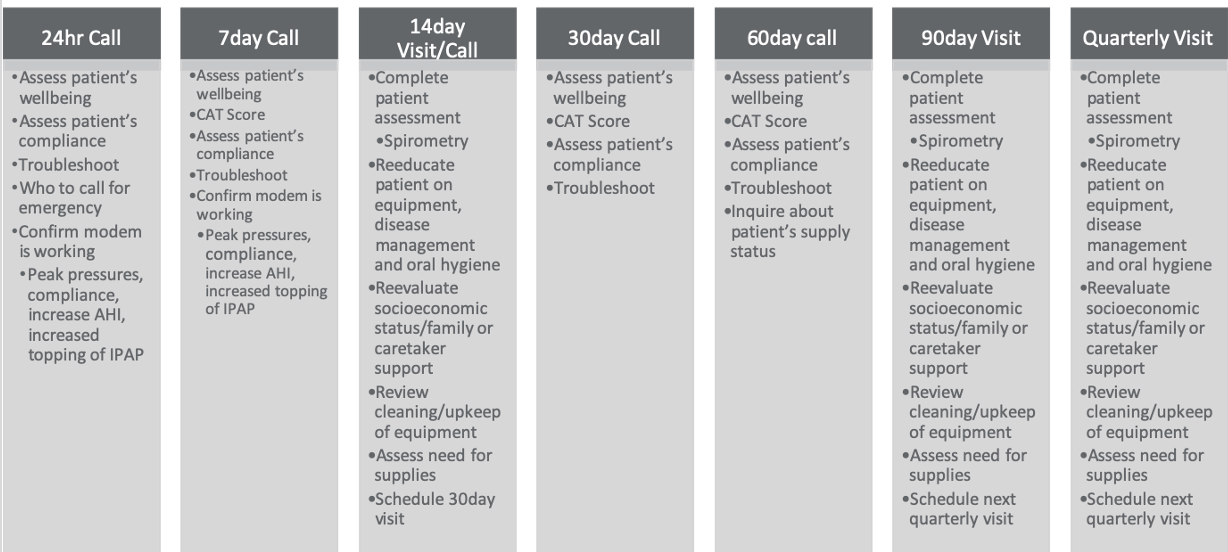
Figure 4. NIV Workflow.
This workflow was based on data from home nursing models that have shown positive results in reducing readmission rates (Moreira, et al, 2014). We considered in-person visits, phone calls, and virtual visits. After the initial home assessment and equipment setup, our home RT follows the schedule. We use the same RT if possible to ensure continuity of care. There are five touchpoints in the first 30 days. If any red flags are raised during these touchpoints, it is immediately communicated to the physician to intervene. This has helped us build relationships with our referral sources as a true partner in keeping patients at home and out of the hospital. We are collecting outcomes from this intervention and can report findings shortly.
Role of a Respiratory Therapist in the SNF
- Education for staff, patients, and family/caregivers
- Initial respiratory assessment
- Care plan development and execution
- Collaborative care
- Follow risk-stratification tool
- Pulmonary rehabilitation
Working at SNF gives you the most autonomy. You are the sole respiratory therapist on-site to educate staff, patients, and family/caregivers on disease management, equipment, and medication. The RT provides an initial respiratory assessment, dictates the care plan, works with the physician to get the necessary orders, and provides bedside care during the patient's stay. Like in the hospital setting, the RT attends rounds to communicate the patient's current condition and care plan.
- Discharge planning
- Insurance coverage
- Coordinate with DME
- Medication
- Patient, family, caregiver education
- Proper handoff to home RT
The main goal of the RT is to provide quality care to ensure the patient is safe to be discharged home to avoid readmission to the hospital. Building a discharge plan is key to attain this goal. The RT can aid in the effort to confirm insurance coverage for respiratory equipment. They can coordinate with the DME company to discharge the equipment from the facility to be taken home (or delivered to the patient home within six hours of discharge from the hospital). They can also provide few days worth of medication or partner with the pharmacy to get the home delivery of medication. Education before discharge is essential for these patients and family members who may have never had to manage equipment at home. RTs play a key role in setting the patient up for success and giving them confidence that they can self-manage their chronic disease. Lastly, like in the hospital setting, a proper handoff can help decrease the gap in care. The RT should explain the patient's stay in the SNF, any difficulties, challenges, and safety concerns, so the home RT is prepared before entering the patient's home. We found that patients and their families have a better experience with more confidence in their caregivers when there is a proper transition from one setting to another.
Pulmonary Rehabilitation
- A supervised program of education and exercise to increase knowledge about lungs and lung disease
- Gain strength, reduce symptoms, manage routine activities
- Offered at an outpatient facility, home, or virtual
- The goal is to build skills and knowledge to manage chronic lung disease
- Only 1.9% of COPD patients nationally started a pulmonary rehab program within months of being hospitalized for COPD exacerbation
(Spitzer, 2019)
Pulmonary rehabilitation is a supervised program focused on education and exercise to build skills and knowledge to manage chronic lung disease, gain strength, reduce symptoms, and manage routine activities. Unfortunately, only 1.9% of COPD patients nationally started a pulmonary rehab program within months of hospitalized for COPD exacerbations. There could be many reasons for this, such as lack of physician awareness of local programs, lack of programs close to a patient's home, or a lack of insurance coverage for this pulmonary program.
- A study compared starting pulmonary rehab during hospitalization vs. within the first month after discharge for patients with server COPD exacerbations.
- Both groups improved in:
- dyspnea with activities of daily living
- Exercise capacity
- Health-related-quality of life indicators (HROoL)
- Outcomes were overall better in the discharge group
Traditionally, nursing, physicians, and occupational therapy have been responsible for a patients' mobility, so protocols have been respiratory-driven. With a multi-disciplinary approach, respiratory therapists can play a larger role in mobilizing patients on and off mechanical ventilation in the sub-acute setting by focusing on pulmonary rehabilitation, education, and disease management. Unfortunately, there is not a consensus by experts on how early, how often, or how long a mobility program should be. Research has focused on early mobility strategies in the ICU with little evidence in the sub-acute arena. A recent study did compare starting pulmonary rehabilitation during hospitalization or within the first month after discharge for patients admitted for a severe COPD exacerbation. There was an improvement in dyspnea with activities of daily living, exercise capacity, and HRQoL indicators in both groups. Overall, the outcomes were better in the discharge group, where patients were more stable and stronger than in the hospital.
Pulmonary Rehabilitation & COVID-19
- Pulmonary rehab in COVID-19 patients shows improvement in dyspnea and anxiety, reduction in complications, minimized disability, and improved quality of life
- Telemedicine for outpatient or home setting
- Non-ambulatory: bed mobility exercises, breathing exercises, inspiratory muscle training
- Ambulatory: pursed-lip breathing technique, lung volume recruitment, positioning, forced expiratory maneuvers, vibration
(Grabowski, 2020)
Pulmonary rehab for COVID-19 patients shows improvement in dyspnea and anxiety, reduces complications, minimizes disability, and improves life quality. Telemedicine is considered for education, physical exercise, breathing exercise, activity guidance, and anxiety management in an outpatient or home setting. In a facility setting for moderate to severe disease, data suggests that non-ambulatory patients should receive bed mobility exercises, breathing exercises, such as diaphragmatic breathing, and inspiratory muscle training. If ambulatory, the progression of exercise with a pursed-lip breathing technique to improve oxygenation above 90% is suggested. Airway clearance techniques would include lung volume recruitment, positioning, forced expiratory maneuvers, and vibration therapy.
2019 Medicare Spending (Billions)
According to the MedPAC's 2019 report to Congress (Figure 5), Medicare spent $28.4 billion on SNFs, which was 50% of all PAC spending, double that of home health. Only 13% of spending went to in-patient rehab facilities (Bailey et al., 2019).
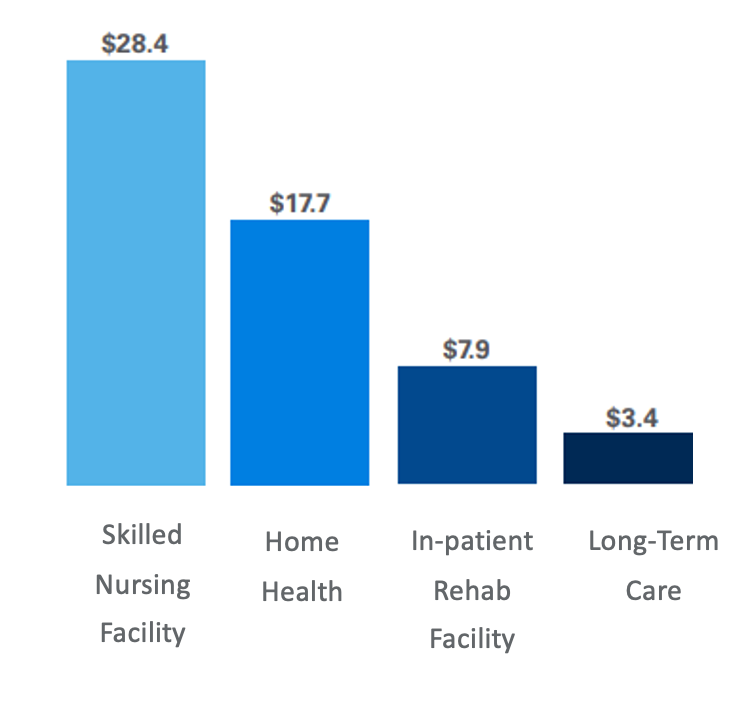
Figure 5. Medicare spending in billions in 2019.
Effective October 1st, 2019, CMS implemented a SNF patient-driven payment model known as PDPM to improve payment appropriateness by focusing on the patient's individualized needs, characteristics, and goals encouraging a more patient-driven care model. There are five case-mix adjusted components: physical therapy, occupational therapy, nursing, speech therapy, and non-therapy ancillary services. SNFs receive higher reimbursement for accepting higher acuity patients such as ventilator-dependent patients. This payment model incentivizes facilities to take in these patients and employ qualified staff to manage them, such as respiratory therapists. As I mentioned earlier, most SNFs do not have an RT onsite.
Top 4 Reasons to Have RT in SNF
From our experience and data provided by our SNF partners, I found there are four main reasons that a SNF would want and need an RT onsite, as noted in Figure 6.
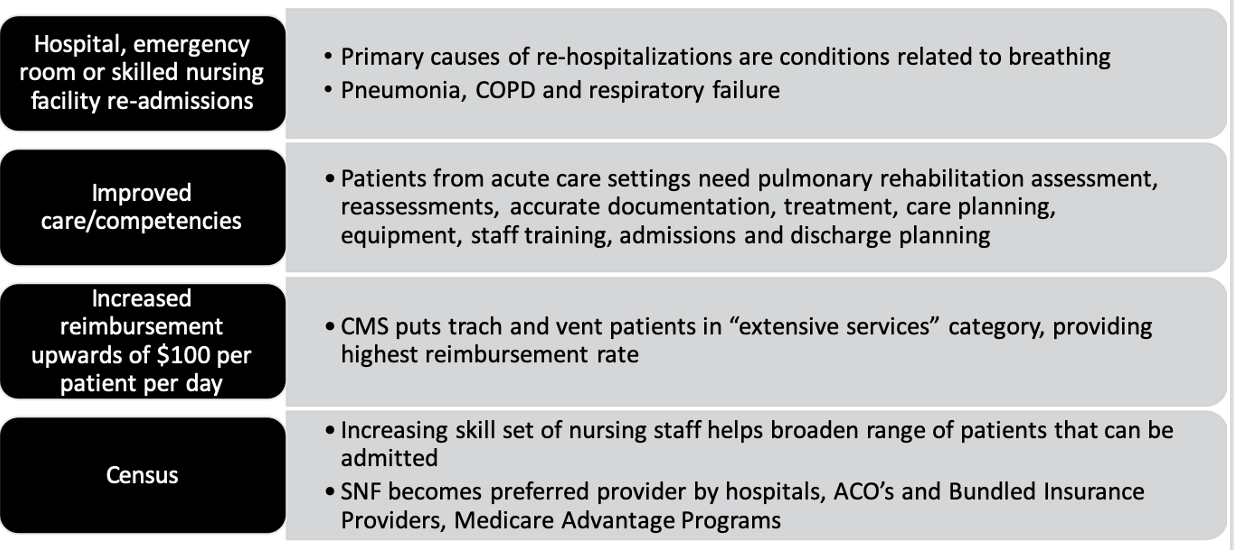
Figure 6. Top 4 reasons to have an RT in a SNF.
One reason is to reduce hospital ER or SNF readmissions due to pneumonia, COPD, and respiratory failure. Two, this can improve care and competencies. While in the hospital, managing the critical phase of the patient's illness or disease is usually the focus; in the SNF, a patient needs a pulmonary rehab assessment, reassessments, accurate documentation, treatment, care planning, equipment, staff training, admissions, and discharge planning. Three, CMS has increased reimbursement upwards of a hundred dollars per patient per day for patients with high acuity respiratory conditions with vent and trach needs at the top of that list. The next categories include COPD and shortness of breath when lying flat, pneumonia with a fever, and oxygen therapy with respiratory failure. And four, this is the increase of daily census. By having an RT onsite, a facility can confidently accept high acuity respiratory patients, increase the nursing staff's skillset and become a preferred provider by hospitals, ACOs, and Medicare advantage programs.
Building a SNF Pulmonary Program
- Pulmonary readmissions were the highest readmit
- Pulmonary diagnoses were the second most costly DRG to the main hospital
- The facility had 26% of the market share of pulmonary diagnoses
- Discussions with key stakeholders:
- Inappropriate respiratory equipment
- Non-compliance with medications at home
- Untimely follow-up with PCP
(Scott, et al., 2017)
In 2016, one of our partner's skilled nursing facilities was interested in building a full pulmonary program. They conducted a data review, which showed pulmonary readmissions were the highest readmit for both local hospitals. Pulmonary diagnoses were the second most costly diagnoses in the hospital. And, the facility was receiving 26% of the market share of patients with pulmonary disease. They followed up with group discussions with key stakeholders. They learned there were problems getting pulmonary patients appropriate for DME because they were non-compliant with following up with sleep studies and medications at home, leading to exacerbations of symptoms. Additionally, pulmonary patients tended to wait longer before contacting their primary care physician when there was a change in condition.
Strategy Implementation
- Implementation of Pulmonary Program
- Develop Policies and Procedures
- Provide Training and Education to Staff and Partners
As part of our pulmonary program's strategy implementation, we built an action plan in coordination with the SNF. We developed policies and procedures regarding how to identify potential pulmonary patients before admission. The RT would work with the interdisciplinary team to assist with the patient's care during the SNF stay. We also created protocols that would be followed to help facilitate a seamless transition home, including ensuring the appropriate respiratory equipment, communication protocols between partners and patients, and proper education for the patient and family before discharge and transition of care protocols. As part of the action plan, we identified how the organizations could conduct joint training and education so that staff from both organizations understood expectations and protocols. Furthermore, we developed education about the program that we could share with our referral sources.
Case Study
- Patient’s Background:
- 78yo female admitted to SNF on 8/26 with a primary diagnosis of COPD, acute respiratory failure with hypoxia, Parkinson’s disease, Bipolar Disorder, HTN, OSA, tobacco use, and dysphagia
- Hospitalized 8/23 due to SOB and hypoxic during a sleep study
- Received Solumedrol for COPD exacerbation
- Lives in an assisted living facility (ALF)
- 3-4 hospitalization due to COPD exacerbations and pneumonia
When evaluating the program's success, it is important not only to assess the outcomes generated but also to evaluate the personal impact it has on each patient. After all, the patient is the center of why we do what we do. I want to share a quick case study with you of a patient that participated in the pulmonary program. This patient was 78 years old female and admitted to the hospital from an assisted living facility with shortness of breath. Three days later, she was transferred to a SNF with a primary diagnosis of COPD, acute respiratory failure with hypoxia, Parkinson's disease, bipolar disorder, hypertension, OSA, tobacco use, and dysphasia.
- Patient’s SNF Stay:
- Followed by a nurse practitioner, respiratory therapist, pulmonologist, and attending physician
- Received physical and occupational therapy
- Chronic steroids, a long-acting COPD inhaler, and rescue nebs PRN
- CPAP initiated and tolerated well
- Bronchitis, productive cough with green secretions 9/10- Zpak and steroids
- After completion of antibiotics, still presenting with symptoms - IV antibiotics and steroids BID on 9/13
- PEP therapy QID
- 9/23 overnight pulse oximetry onsite -24 minutes of SaO2 of 89% à continuous oxygen and CPAP
When the patient was admitted to the SNF, she was evaluated and determined to be a pulmonary program candidate based on her diagnosis. During the course of her stay, she was assigned a team that included a nurse practitioner, respiratory therapist, pulmonologist, and attending physician. She received physical and occupational therapy to increase her endurance, balance, and strength. She was treated with steroids, a long-acting inhaler, and a short-acting nebulizer PRN. A CPAP was initiated to help with apnea, and the patient was monitored for her ability to tolerate it. The patient's stay was complicated with bronchitis, and she ended up requiring oral and IV antibiotics. She was educated on using PEP therapy four times a day. An overnight sleep study was conducted, and the need for continuous O2 and use of CPAP was confirmed.
- Training and education on the telehealth machine to communicate with a care coordinator, track vitals, and medication compliance
- Team meeting between SNF, home health, NPs, and respiratory therapists to facilitate a proper handoff
- 10/5, the patient transitioned from the SNF to ALF
- RT conducted proper handoff to home RT
- Home RT met the patient at ALF within 6 hours of discharge to set up the CPAP and education
Because the patient was in the pulmonary program, her care team continued to follow her beyond her SNF stay into the community. As part of the SNF discharge planning, the patient received training and education on a telehealth machine to communicate with her care coordinator and track her vitals and medication compliance at home. A team meeting held at the SNF included the home health agency (that would follow the patient in the community), the nurse practitioner, and the respiratory therapist. The plan for a safe transition home was communicated and discussed with the patient, including communication strategies to reach practitioners and resources for home. The patient transitioned back to the assisted living facility and was visited by a respiratory therapist within six hours of discharge to set up the equipment and provide vital education and training in the home. This was key because, during the program's evaluation, an opportunity for improvement was identified as many patients responded well to training on the respiratory equipment in the SNF. Still, they struggled with it once they were in the home. They often had issues with setup and equipment use.
- The patient was seen 10/26-12/6 by:
- Home health
- RT
- APN
- Telehealth
- Through the above collaboration of multiple entities and a comprehensive treatment and communication plan, at a minimum 3 hospitalizations have been prevented
- The total cost of these hospitalizations is approximately $27,000 per episode or $81,000 total
- Other benefits:
- Patient education
- Patient compliance with medication and CPAP
- Patient satisfaction
The patient continued to participate in the pulmonary program at home and received routine visits from the NP, respiratory therapist, and home health agency. Because of the intervention to keep the patient connected with her care team, her team quickly responded when she developed a health issue or encountered a barrier to her treatment. Some of the common barriers this patient experienced were access to her medication, exacerbation of her respiratory conditions, and non-compliance. However, the team quickly identified and implemented solutions to these barriers before any of them escalated to the point where hospitalization may have been warranted. For this patient, the prevention of three hospitalizations resulted in savings to the hospital over $81,000. It also prevented a rehospitalization penalty for the SNF. We shared this case study with the hospital.
Outcome: Increased Respiratory Admissions
As a result and noted in Figure 7, the hospital began referring pulmonary patients specifically to the pulmonary program, and the facility saw a significant increase in pulmonary referrals.
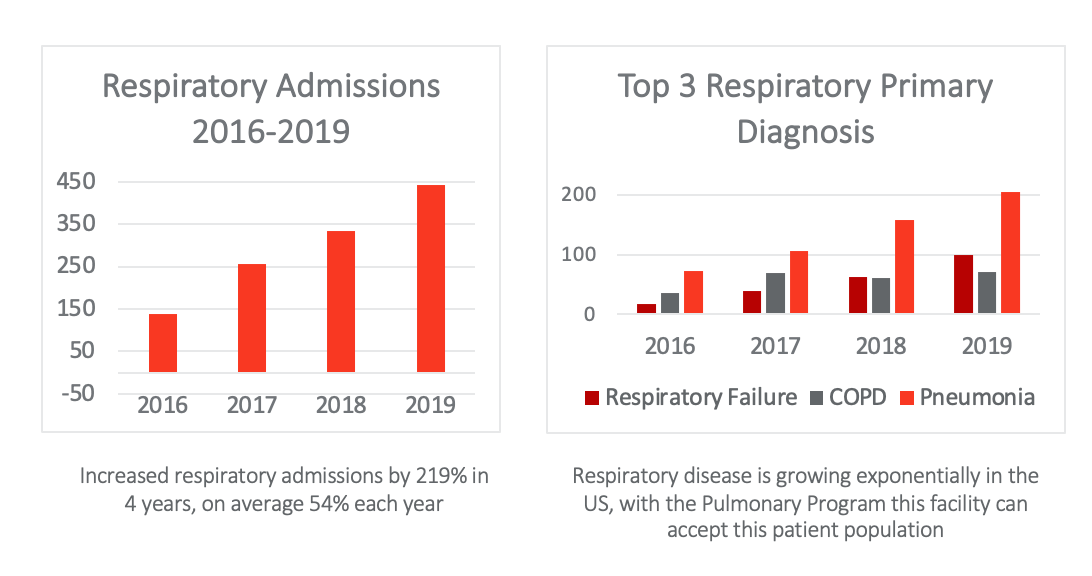
Figure 7. Graphs showing increased respiratory admissions and diagnoses.
This facility was our first pulmonary program. We have been a partner since 2016. Looking at the numbers, we have increased respiratory admissions by 219%, with the top three respiratory diagnoses being respiratory failure, COPD, and pneumonia.
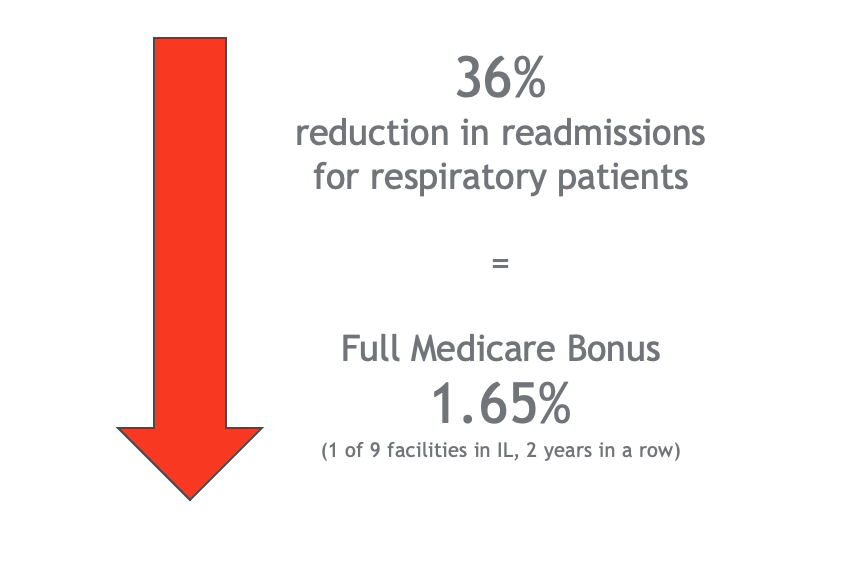
Figure 8. Reduction in readmissions.
By implementing the pulmonary program onsite with an RT five days a week, the facility reduced respiratory hospital readmissions by 36%, allowing them to be one of nine facilities in Illinois, two years in a row, to receive their full Medicare bonus. This facility has become the gold standard for respiratory care. The respiratory therapist is the pulmonary expert who focuses on education, quality bedside care, and discharge planning.
Building a Discharge Plan
- Work alongside a multi-disciplinary team
- Assessment:
- Patient, caregiver, family member’s ability to perform self-care
- Patient’s goals, treatment preferences, and post-acute care needs
- Medication and equipment
- Post-discharge instructions
- Signs/symptoms management
- A follow-up appointment with specialists
(Labson, et al., 2015)
Discharge planning is an integral part of patient care. CMS has provided specific hospital requirements to ensure the discharge plan is patient-centered and reflects the patient's goals, preferences, strengths, post-discharge needs, and potential risk of readmissions. RTs have expertise in assessing a patient with chronic conditions such as COPD, asthma, pulmonary hypertension, cystic fibrosis, and pulmonary fibrosis.
RTs must be part of the multidisciplinary discharge team. They can ensure that pulmonary patients receive the most appropriate respiratory equipment based on the individual's condition and needs. It is vital that this recommendation is formally written in the discharge plan and medical equipment suppliers are ready to deliver equipment, so there are no delays in care. Another part of the discharge plan is providing the patient with post-discharge instructions. This includes information on signs and symptoms that may indicate the need to seek immediate medical attention and what to do and who to contact if these signs and symptoms are present.
The Discharge Process
- Patient education on self-management
- Observation and assessment of ability to use aerosol medications
- Education and training on proper medication use
- Collaboration with physician and other clinicians on the appropriate selection of aerosol medication
- Smoking cessation counseling
- Education and training on oxygen use
- Develop an action plan for patients to recognize the appropriate response to symptoms
- Monitoring disease treatment plan to ensure compliance
The respiratory therapist should educate and train a patient on self-management of the disease. Next, they should directly observe and assess the patient's ability to self-administer aerosol medications. Training and education on the proper inhaler, nebulizer, meter dose inhaler, dry powder inhaler techniques, and proper device selection by an RT can improve medication adherence. Next, they should collaborate with the physician and other practitioners on the appropriate selection of aerosol medications. Smoking cessation counseling and vaccination education should also be incorporated. Education and training on the appropriate dose of oxygen should be provided, depending on the patient's activity. Next, the RT needs to develop an action plan that enables patients to recognize the appropriate response to self-managing their chronic disease according to their symptoms. Finally, they need to monitor the disease management treatment plan to ensure patient compliance.
Benefits of Discharge Planning
- Benefits of self-management education and training by an RT:
- Recognize and reduce symptoms and triggers
- A slow progression of the disease
- Improve health status
- Reduction in hospital and ED admissions
Some key benefits to a proper discharge plan include that the patient will learn to recognize and reduce symptoms and triggers. They can also help slow the disease's progression, improve the patient's health status, and ultimately reduce hospital and emergency room admissions. Respiratory therapists have all the skills and expertise to make a difference in their patients' lives, succeed at home, and improve their quality of life.
Telehealth
- Real-time interactive audio and video system
- Allows face-to-face communication with a clinician
- Benefits:
- Comfort and convenience
- Control of infectious illness
- Better assessment
- Family connections and engagement
- Primary Care and Chronic Condition Management
- Cost savings
In this presentation, you have heard me talk about frequent touchpoints, and one of those touchpoints can be virtual. Telehealth is an interactive audio and video telecommunication system that allows real-time face-to-face communication between a physician or other qualified practitioner located at one site and a patient located at another site, such as their home. One benefit of telehealth is the comfort and convenience of speaking to a clinician from your home. A patient does not have to get ready, drive, park, and then take time out of their work or family to see a provider. They can schedule an appointment on their own time. It helps prevent the spread of infectious diseases such as COVID-19 due to a reduction in exposure to other people in the hospital or doctor's office. Less exposure to other people's germs helps everyone, especially those who are chronically ill, pregnant, elderly, or immunocompromised.
Next, specialty practitioners can see you in your home environment, allowing for a better assessment. For example, an allergist can see the patient's home and identify triggers in your surroundings that can cause your allergies. They can make an on-the-spot recommendation and monitor the client. Fourth, telehealth allows the ability to loop in a family member if the patient allows it. A family member can help provide information, ask questions the client may not have thought of, and take notes on the doctor's answers. Having an engaged support system allows for a patient to succeed in managing their health and take accountability.
Next, regular visits with a PCP are essential to your health. Telemedicine makes it easy to connect with your practitioner for ongoing appointments, to manage chronic diseases such as COPD. Patients with severe COPD or unstaged ALS may not be able to leave their homes easily. They could connect through a virtual visit to give status updates on their condition and schedule ongoing visits daily, weekly, and monthly.
And lastly, by not having to go to the hospital or doctor's office, patients can save on fuel costs, parking costs, and time off work. Patients living in a rural community are more likely to miss one day of work due to their distance to travel to their provider.
Remote Patient Monitoring
- Technology to enable monitoring of patients outside of the conventional clinical setting
- Used for chronic disease management
- Trend analysis of physiological parameters
- Enables early detection of deterioration
- Reduces ED visits, hospitalizations, and duration of hospital stay
Another aspect of telehealth is remote patient monitoring (RPM). RPM uses one or more home-based or mobile monitoring devices such as Bluetooth-enabled pulse oximeters, blood pressure cuffs, spirometers, scales, et cetera to monitor a patient's physiological parameters. The device information is wirelessly transmitted through an app to a healthcare professional to interpret and review. This enables early detection of deterioration such as an exacerbation allowing for early intervention through a telehealth visit. This results in a reduction in emergency room visits, hospitalization, and duration of that hospital stay.
RT Telehealth Visits
- Focus on:
- Disease education
- Medication management and education
- Equipment education
- Compliance
- Currently, not covered by Medicare
In a previous slide, I showed you a non-invasive workflow. It explained frequent touchpoints to ensure that a high acuity patient is managed appropriately. During these visits, this is what a respiratory therapist can do. They can provide disease education which includes going over signs and symptoms of an exacerbation, what to do and who to call in an emergency, and how to navigate daily life with respiratory disease. Teaching self-management skills and counseling patients on recognizing triggers to minimize acute exacerbations can go a long way in prolonging a patient's life with chronic disease.
Next, medication education is critical as only 40% of people using an inhaler are using it correctly, making the drug ineffective. It is also helpful to have an extra set of eyes to look for expiration dates on medications. Third, equipment education will help the patient, family, and caregiver set up, maintain, and clean the equipment. By ensuring that all filters in the tubing are clean, the risk of infections is minimized.
Lastly, telehealth visits can allow a clinician to monitor equipment and medication compliance, leading to decreased readmission rates and emergency room visits. As stated earlier, studies show that ongoing education of disease, medication, equipment, and compliance results in a better quality of life for a patient as they are learning to manage their chronic disease at home with some support by a respiratory therapist. Unfortunately, Medicare does not cover a virtual respiratory therapist visit as it does for physicians, physician assistants, nurse practitioners, clinical nurse specialists, midwives, psychologists, social workers, dieticians, physical therapy, occupational therapy, and speech therapy. But, telehealth is becoming an integral part of healthcare today.
Advocacy
- CONNECT for Health Act to increase access to RTs as telehealth providers
- SOS Act to Protect Payment for Cardiac and Pulmonary Rehab
- Contact your Representative and Senators to support!
Advocating for RTs as telehealth providers will enhance our profession, bringing us to the forefront of chronic disease management. These are current legislative initiatives that could impact RTs and pulmonary patients. CONNECT for Health Act of 2019 is bipartisan legislation that allows Medicare to add registered and certified respiratory therapists to healthcare professionals that could provide telehealth. Passing this piece of legislation could promote more RT-led programs to reduce respiratory readmission rates and improve these patients' quality of life.
The SOS Act to Protect Payment for Cardiac and Pulmonary Rehab is an action to expand rehab services and settings outside of the hospital. Pulmonary rehab run by RTs could provide patients with chronic lung disease improvement in lung function and reduce symptoms and improve quality of life.
You can contact your representatives and senators by emailing or connecting through social media, or you can go to the AARC page under the advocacy tab and fill in your information in a pre-populated form.
RTs Plan an Important Role in Transitional Care
- RT focused transitional care programs specialized in disease self-management, medication, and equipment education
- Frequent touch points with ongoing education
- Goal: reduce readmission rates, reduce the progression of the disease, improve quality of life and increase patient satisfaction
Respiratory therapists are experts in pulmonary disease that can bridge the gap in care. An increase in research will provide evidence that RT-focused transitional care programs that require frequent touchpoints with ongoing education can reduce readmission rates and progression of the disease, improve quality of life, and increase patient and caregiver satisfaction. Ongoing education should include the disease process, medication, and equipment. Studies show that programs with frequent touchpoints, whether in person, virtual, or phone calls, can provide ongoing education, impact readmission rates, and reduce healthcare costs.
Thank you all for your time; please feel free to email me with any questions. I would love to continue this conversation and improve the gap in care when transitioning respiratory patients home.
Questions and Answers
What are specific examples that you come across that would help the respiratory therapist take the initiative to unload the burden placed on their colleagues, such as the physical therapist, occupational therapist, or nurses, when working together on the acute care side?
One story that comes to mind is about an RT that started in the SNF about four years ago. In the beginning, when there were codes, he would be the first one in the room dictating to all the nurses and aides about what he needed, like oxygen and tubing, like he was the one in charge. But after the code, he would seek out those who helped him and educated them on why he needed what he needed and how we should move forward with other codes in the future. The nurses and aides learned the drill, and they were empowered to take the initiative in these situations. The process has become seamless. The nurses also took it upon themselves to teach their peers. The RT also thought of himself as part of the team by helping physical therapy and occupational therapy lift patients. He also communicated any changes in the patients and explained ways of helping the patient keep their oxygen up when they were walking. They created trust among the team.
In your experience, what is most effective for respiratory therapy advocacy in certain areas like pulmonary rehab, home visits, or telehealth, even for therapists who may be unfamiliar with best practice recommendations at this time?
In my opinion, the best way to advocate for RTs is to go on the AARC's website, aarc.com, and fill out a pre-populated form supporting all the initiatives in place. The AARC has a team of people who go to Congress and fight for RTs rights. The least I think we could do is support that fight. They have a pre-populated document that all you have to do is put in your name, address, phone number, where you work, and submit. And if you want to do more, you can reach out to your local representatives about the importance of all these acts and bills put forth. It really does make a difference. Many of these initiatives are now at the forefront of getting respiratory therapists included on virtual visits.
Do you have any recommendations for additional resources to further educate the RT on compliance and transitioning clients from acute to post-acute care?
For patients transitioning home from hospital with respiratory disease, the American Lung Association has a lot of literature on disease management on their website. Their website is www.lung.org. There is also the Respiratory Health Association, which I am an associate board member. Their website is resphealth.org. The RHA has great educational materials and programs, including smoking cessation. For specific disease states such as COPD, there is the COPD foundation. They have national events, conferences, programs, and initiatives to help educate and manage the disease at home.
Lastly, what do you most enjoy as an RT working in building chronic disease management programs? You have such a unique position.
I believe that I am where I am because I worked in many different areas: a MICU RT, an educator, consultant, and now work for a respiratory DME company where we really focus on disease management. I have really enjoyed building a program, implementing it, and seeing the positive outcomes that come from it. Our home program focused on multiple touchpoints that have decreased readmission rates. This is a big deal for patients and their families. They do not need to be readmitted to a hospital or emergency room and leave young children or loved ones at home. There is a lot that comes with readmissions, like the cost of the stay, the cost of not being at work, and the cost of childcare. Doing something as simple as educating someone can make a huge impact on their life, and that is really rewarding to me.
References
Available in the handout.
Citation
Doshi, V (2021). The importance of respiratory therapists in post acute care. Continued RespiratoryTherapy, Article 31. Available at www.continued.com/respiratory-therapy

Vrati Doshi
MSc, RRT
Related Courses
Subacute Care Discharge Planning for the Respiratory Patient
This presentation focuses on the importance of discharge planning for respiratory patients leaving the hospital. The course provides a better understanding of the role a respiratory therapist can play in improving health outcomes for patients when discharged home or to a subacute facility.Safe and Effective Staffing for Respiratory Therapists
The course reviews the AARC Safe and Effective Staffing Guide and provides practical implications for implementation in respiratory care departments. Managers and directors will understand the tools and available resources, while staff RTs will understand the methodology and appropriate workload expectations.Pulmonary Rehabilitation: Patient Assessment
Pulmonary rehabilitation is a program of education and exercise to increase awareness about chronic lung diseases. The introductory course focuses on general patient assessment and guidelines for monitoring patient progress.