Course Articles
Inspiratory Muscle Training: A Review of the Evidence
Jessica DeMars, BSc.P.T.
Editor’s note: This text-based course is an edited transcript of the webinar, Inspiratory Muscle Training: A Review of the Evidence, presented by Jessica DeMars, BSc.P.T.
It is recommended that you download the course handout to supplement this text format.
Learning Outcomes
After this course, participants will be able to:
- Describe the benefits and contraindications of IMT
- Discuss how to evaluate and critique the use of IMT in various clinical populations.
- Explain IMT within a cardiorespiratory population
Introduction
I would like to emphasize that my primary role is that of a musculoskeletal physiotherapist, with respiratory physiotherapy being a secondary focus. This distinctive blend of musculo-respiratory expertise forms the foundation of my background. I hope that attendees will gain a comprehensive understanding of initiating inspiratory muscle training (IMT) in their practice.
The majority of my experience with IMT involves working with athletes dealing with milder lung diseases. Despite the increasing evidence supporting the effectiveness of IMT across various respiratory conditions, its widespread adoption remains limited. My aim here is to facilitate the translation of this knowledge and encourage practitioners to delve into the subject, much like I have in several areas.
What Is Inspiratory Muscle Training (IMT)?
When contemplating inspiratory muscle training, the underlying consideration is the potential contribution of inspiratory muscle weakness to shortness of breath or functional limitations. It is important to remember that the diaphragm, being a skeletal muscle, is susceptible to weakness or dysfunction. Thus, it can significantly benefit from targeted strength training.
Identifying respiratory weakness may not be as conspicuous as recognizing, for instance, weakness in the quadriceps that hinders climbing stairs. It does not present itself prominently, except perhaps in certain clinical scenarios. However, this respiratory weakness can manifest in reduced exercise tolerance or exertional shortness of breath. The definition of respiratory muscle weakness lies in diminished muscle contractility, leading to an inability to generate normal pressure and airflow during breathing. Notably, this is not readily apparent without specific testing; it may not be the initial consideration.
In contrast, as a physiotherapist, pinpointing muscle weakness in other areas is often more straightforward. For instance, having someone attempt to walk up a staircase can quickly reveal muscular deficiencies. This lays the groundwork for the historical contemplation of inspiratory muscle training.
Inspiratory muscle testing involves assessing the strength and function of the muscles responsible for inhalation, specifically the muscles that help you breathe in air. It boils down to weight training for the inspiratory muscles. Training these respiratory muscles, particularly the inspiratory ones, necessitates an external load – a specific and targeted resistance. Placing a book on the belly, for instance, does not quite meet the criteria. This testing is often conducted to evaluate respiratory function and can be useful in assessing conditions such as respiratory muscle weakness or dysfunction.
One common method of inspiratory muscle testing is through the use of a device that measures the force generated during inhalation. This information can be valuable in understanding and managing respiratory health. Precision in resistance is key. The primary objective of IMT is to enhance the functionality of respiratory muscles through specialized loading. From my physiotherapist perspective in Canada, where we are commonly referred to as physios, precision is crucial in deriving the benefits of strength training. Numerous studies, a handful of which I will touch upon in this presentation, consistently demonstrate that IMT effectively enhances respiratory muscle strength and endurance. This improvement often translates into a reduction of symptoms and enhanced overall function.
Types of IMT
There are two primary types of inspiratory muscle training methods. The first one is flow-resistive loading. In simple terms, this method obstructs airflow, necessitating an increased force to draw air in. Imagine, for instance, breathing through a straw – if you inhale forcefully, it creates resistance. The smaller the opening, the higher the respiratory load. Some devices offer varying levels of opening. Unfortunately, this method has limitations in terms of measurability. It depends on both the size of the opening and the individual's level of effort. Breathing in slowly through the straw results in minimal resistance, requiring a more substantial effort to generate resistance. It, therefore, tends to be somewhat patient-dependent.
The other widely used and extensively studied type of device is the pressure threshold loading device. In the pressure threshold loading method, generating airflow requires overcoming a pressure load to lift open the valve. This process resembles weightlifting – much like lifting a 10-pound weight- and demands actual effort to initiate movement. Importantly, this method is independent of the breathing rate or the individual's level of effort. Devices employing pressure threshold loading typically offer an adjustable load, making them more measurable. These devices are quantified in centimeters of water, and this measurement can be more accurately calculated based on maximum inspiratory pressure. While flow-resistive devices are generally more affordable and accessible in the general market, pressure threshold devices offer a more precise and measurable approach.
Review of Devices
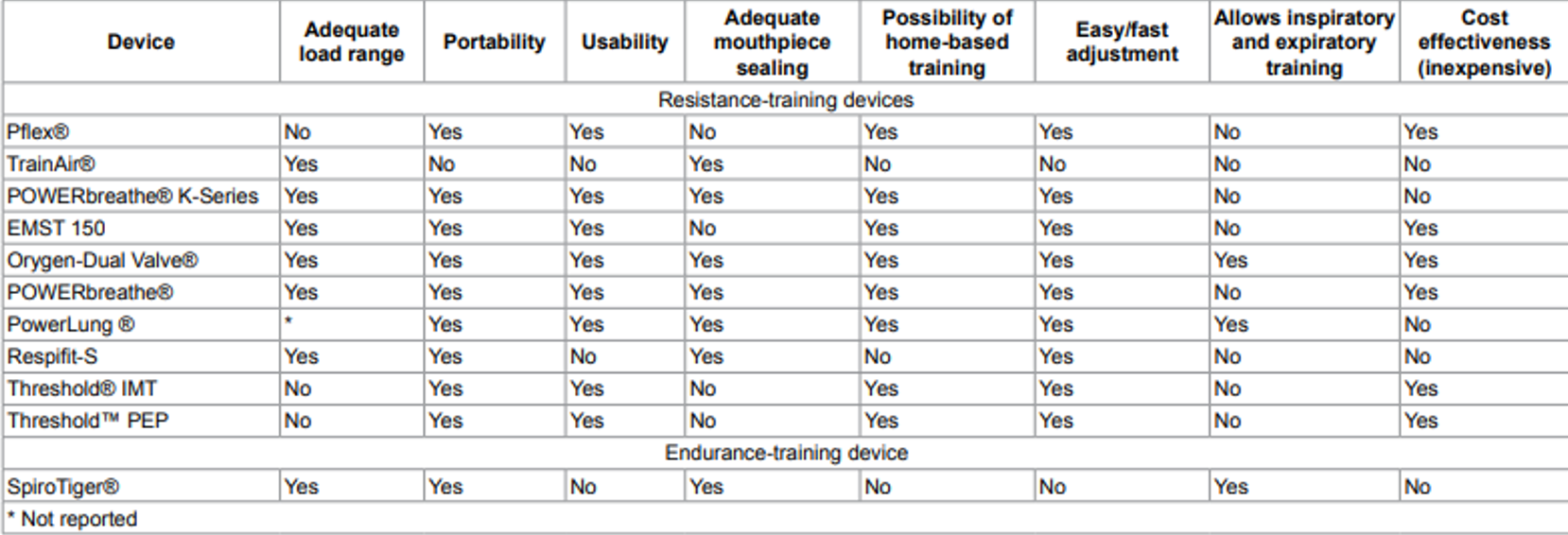
Figure 1. Characteristics of the evaluated respiratory muscle training devices (Menzes et al., 2018, Open Access).
In clinical settings, pressure threshold devices are more commonly used, and the market has seen a proliferation of such devices. This information is based on an article from 2018, and it is worth noting that there may be new devices on the market or ones that are no longer available, like the Phillips threshold device, which is no longer being produced. The Phillips device was widely recognized for being an affordable and straightforward pressure threshold device.
The purpose of this review is to outline the mechanisms and characteristics of various respiratory training devices available at the time, offering valuable insights for those contemplating the integration of IMT into their practice. Examining the table, it is evident that not all devices provide an adequate load range. While the threshold device was accessible in terms of cost, its limited range made it less beneficial for diverse populations. Additionally, some devices lack an ideal mouthpiece, hindering the ability to achieve a proper seal. This aspect is particularly crucial for populations with neuromuscular challenges that may struggle to achieve a secure seal.
Certain devices allow users to create a seal simply by placing them against their mouths. Additionally, there are devices designed for both inspiratory and expiratory training, although previous evidence suggested that simultaneous training for both might not be ideal—favoring a focus on either inspiratory or expiratory training.
It is important to note that some devices may be cost-prohibitive, potentially limiting accessibility for a broader population. Considering these factors is essential when contemplating the implementation of IMT into practice, ensuring that the chosen devices align with the needs and constraints of the intended user base.
Proposed Mechanisms of Benefit
The proposed mechanism behind the benefits of IMT aligns with the principles of strength training applied throughout the body. When a muscle undergoes training, structural changes often occur, and recent advancements, such as real-time ultrasound, allow for the measurement of diaphragm thickness. Increasing thickness and contractility typically signify improved function.
Research, particularly in athletes, reveals that strengthening the diaphragm enhances the respiratory metaboreflex. Some studies demonstrate an increase in oxygen uptake at the lactate threshold or a reduction in lactate buildup. Essentially, this means individuals can exert themselves a bit more strenuously before anaerobic exercise produces a significant buildup of lactate, necessitating a pause. While there is evidence suggesting that IMT can improve lung function, the improvement may stem from the ability to take larger, more forceful breaths and expel air more efficiently.
This differs from addressing changes associated with airway obstruction, as seen in conditions like asthma and COPD. Anecdotal observations and research findings indicate some improvement in pulmonary function, although it is not a cure-all for conditions characterized by airway obstruction.
Metaboreflex
Metaboreflex is a physiological response that comes into play during exercise, particularly in the context of anaerobic exercise. As one engages in physical activity, metabolites such as lactate, potassium, and phosphate accumulate in skeletal muscles. These metabolites are sensed by receptors within the muscles, which then transmit this information to the dorsal horn of the spinal cord through group three and four muscle afferents. From there, the information travels to various areas in the brainstem, including the nucleus tractus solitarius and other cardiovascular control centers, which regulate blood flow and the contraction of skeletal muscles.
This intricate process leads to a series of hemodynamic adjustments. Interestingly, the respiratory muscle metaboreflex is considered even more potent than its counterparts, playing a crucial role in regulating various physiological responses during exercise.
In response to increasing metabolites in the inspiratory muscles during exercise, the metaboreflex is triggered. This reflex prompts a redirection of blood flow and oxygen from the periphery to the respiratory muscles. The rationale behind this response is to prevent fatigue in the respiratory muscles; the body prioritizes ensuring that the respiratory system remains functional. Breathing always takes precedence.
For instance, during high-intensity activities like a time trial on a bike, an individual may experience fatigue in their leg muscles, characterized by a sensation akin to having cement-filled legs due to lactic acid accumulation. However, the body strategically ensures that the respiratory muscles do not reach a point of exhaustion. Preserving the integrity of the respiratory system becomes a priority even when other muscle groups face fatigue.
The metaboreflex, triggered by the accumulation of metabolites, is influenced by IMT. Studies, such as Dempsey et al. (2002), suggest that IMT can effectively delay the onset of this reflex. Using the example of a 40-minute time trial on a bike, if the wall is typically hit at the 30-minute mark, individuals undergoing IMT may experience that challenge closer to the 32 or 33-minute mark. In sports performance, such a shift can have a significant impact.
This observation extends beyond athletics, as research explores the potential impact of the metaboreflex in populations with conditions like COPD. Respiratory muscle weakness and an early onset of the metaboreflex may be contributing factors limiting exercise capacity in these populations. IMT emerges as a potential intervention to address and mitigate these challenges, showcasing its relevance not only in sports performance but also in managing respiratory limitations in various disease states.
Precautions and Contraindications
- A history of spontaneous pneumothorax
- Pulmonary hypertension or large bullae on chest x-ray.
- Marked osteoporosis with a history of rib fractures.
- Desaturation during or following IMT (<94%).
- Asthma patients who have a very low symptom perception and suffer from frequent, severe exacerbations or with an abnormally low perception of dyspnea
- If a patient is suffering from a ruptured eardrum or any other condition of the ear
- Patients with marked elevated left ventricular end-diastolic volume and pressure
- Patients with worsening heart failure signs and symptoms after RMT / IMT
- Active cold, sinusitis, or respiratory tract infection
When considering IMT, it is crucial to be mindful of potential precautions and contraindications, many of which are rooted in the theoretical possibility of generating significant negative pressure swings during training. As individuals draw in a breath, the pressure changes can pose certain risks.
For instance, caution should be exercised if a person has a history of spontaneous pneumothorax or presents with large bullae on a chest x-ray. In such cases, creating intense pressure within the lungs may not be advisable. Similarly, individuals with severe osteoporosis and a history of rib fractures should approach IMT cautiously. The aggressive inhalation involved in the training process may pose risks, especially if individuals experience desaturation during its application. These considerations underscore the importance of tailoring IMT interventions based on an individual's specific medical history and condition.
In the realm of precautions, it is noteworthy to exercise caution with asthma patients who have very low symptom perception and experience frequent severe exacerbations. Additionally, individuals with an active cold, sinus or respiratory infection, or an eardrum issue should approach IMT with care, as the negative pressure generated during training may not be beneficial in these conditions.
When it comes to osteoporosis, it is not necessarily a contraindication but a precaution. In such cases, the approach to IMT may involve adjusting the load and repetitions. Opting for lower loads and longer repetitions could be a more prudent strategy, akin to modifying strength training in any other context. The key takeaway is the importance of tailoring the IMT approach based on individual characteristics and conditions, emphasizing a personalized and cautious prescription. This ensures that the potential benefits of IMT are realized while minimizing any associated risks.
Using IMT in Clinical Populations - What is the Evidence?
When to Consider IMT?
- Symptoms present that might be associated with respiratory muscle weakness, or there is an increased load on the pump:
- Exertional or ‘positional’ dyspnea, impaired cough, ventilatory failure/hypercapnia
- Patients at risk for respiratory muscle weakness:
- COPD/CHF/ICU
- Neurological diseases (MS, Parkinson's, CVA, diaphragm paresis)
- Neuromuscular disease
- Patients with an increased load on the respiratory system
- Reduced chest wall compliance: kyphoscoliosis
- Reduced lung compliance: lung fibrosis
- Patients after prolonged mechanical ventilation and weaning failure
In exploring the application of IMT in clinical populations, we will delve into some of the evidence. It is worth noting that the scope here is not exhaustive, given the intricate nature of IMT and its impact across diverse clinical scenarios. The increasing focus on respiratory muscle weakness and its implications in various clinical settings has spurred a wealth of research and interest in understanding the efficacy of IMT for specific populations. The ongoing research and the expanding interest in this domain emphasize the significance of evaluating its potential applications in different contexts.
The selection of populations for IMT consideration hinges on the underlying rationale for incorporating this training. For those keen on a more in-depth exploration, Rik Gosselink, a physiotherapist, has dedicated considerable time to studying IMT. His extensive research and literature offer insights into the benefits of IMT and guide the process of selecting patient populations suitable for this intervention. This information is drawn from a presentation he gave at the Australia Physiotherapy Association. It serves as an excellent summary of the considerations for inspiratory muscle training. Although the slides are not available for viewing, the details can be accessed online, Research Group for Rehabilitation in Internal Disorders.
Symptoms play a pivotal role in deciding when to incorporate inspiratory muscle training. The presence of symptoms potentially linked to respiratory muscle weakness, such as exertional or positional breathlessness, an impaired cough, or indications of ventilatory failure, suggests a scenario where IMT might be beneficial. Another consideration arises when there is an increased load on the respiratory pump, prompting the thought that reinforcing respiratory muscles could be advantageous.
Patients at risk for respiratory muscle weakness, including those with COPD, heart failure, and those who have undergone ICU treatment, present situations where IMT might be particularly relevant. The subsequent discussion will further delve into the implications of IMT in ICU settings. Neurological diseases are certainly a focus, along with neuromuscular diseases and patients experiencing an elevated respiratory system load. This could manifest as reduced chest wall or lung compliance, and it is especially pertinent in patients who have undergone prolonged mechanical ventilation and experienced weaning failure. The ongoing research in this area is quite compelling. A recent study by Lista-Pax et al. (2023) aimed to define when we should consider inspiratory muscle weakness. It could be a valuable reference to have on hand, even though my colleagues and I playfully jest about the idea of having the reference equation readily available for mental calculations.
Methodology (Lista-Pax et al., 2023)
- Measurements Plmax/PEmax
- SEPAR protocol in agreement with ATS/ERS guidelines
- Flanged mouthpiece
- Pressures sustained 3-5 sec
- Min 6 acceptable manoeuvres, 3 of them with variability <5%
- SEPAR protocol in agreement with ATS/ERS guidelines
Results
- Reference equations
- PImax= 61.48 + 0.66 * age + 1.55 * BMI - 0.01* age2
- PImax= 98.60 + 1.18 * age + 0.76 * BMI - 0.02 * age2
- PEmax= 74.75 + 1.67 * age + 1.75 * BMI - 0.02 * age2
- PEmax= 58.11 + 3.71 * age + 2.64 * BMI - 0.04 * age2
- Cut-offs
- Inspiratory muscle weakness
- Female 62 cmH20
- Male 83 cmH20
- Expiratory muscle weakness
- Female 81 cmH20
- Male 109 cmH20
- Inspiratory muscle weakness
Examining the work of Lista-Pax et al. (2023) adds a layer of complexity to our understanding. The study encompassed a sizable sample of 610 individuals, spanning the wide age range of 18 to 80 years. While the substantial sample size is commendable, the broad age spectrum introduces a challenge, given the potential physiological variations across such a diverse population. The study's key findings provide cutoff values for inspiratory and expiratory muscle weakness. In women, inspiratory muscle weakness is identified below 62 centimeters of water, while in men, the cutoff is 83 centimeters of water. For expiratory muscle weakness, the respective cutoffs are 81 centimeters of water for women and 109 centimeters of water for men. Falling below these thresholds indicates the presence of muscle weakness. It is worth noting that these findings contribute valuable insights, particularly for clinicians working with individuals exhibiting respiratory muscle weaknesses. However, the application of inspiratory muscle training may vary across different healthcare practices. Internationally, physiotherapy colleagues specializing in breathing pattern disorders may adopt unique approaches to inspiratory muscle training, reflecting the diversity in clinical methodologies within the field.
When assessing the impact of diaphragm weakness, our approach differs from setting a rigid cutoff, such as the thresholds mentioned in previous studies. Rather than solely relying on specific numerical values, we consider functional weakness. This means that even if an individual's maximal inspiratory pressure exceeds the defined cutoffs, we still evaluate factors like endurance and performance in real-life situations. For instance, if someone experiences breathlessness during an activity requiring significant core activation and body movement, we may consider IMT even before reaching the defined cutoff levels. Our practice takes into account symptoms and functional limitations alongside objective measurements. If an individual falls below their maximum respiratory pressure and exhibits breathlessness during certain activities, we might initiate IMT earlier, prioritizing the improvement of diaphragmatic function and strength.
Prior to the recent study (Lista-Pax et al., 2023), our reference point was a 2013 study that provided some insight into maximum respiratory pressures. However, the information available in the literature on this topic has been somewhat limited. The 2013 study by Sclauser Pessoa et al., while informative, lacked detailed categorization by age and gender. In contrast, the current study offers a more nuanced breakdown, allowing us to consider age-specific variations. For example, a 30-year-old athlete with a maximum inspiratory pressure of 90 centimeters of water might surpass the general cutoff but would still be identified as someone to work with to enhance diaphragmatic function and strength. This nuanced approach acknowledges the variability in respiratory capabilities across different age groups and genders, enabling a more personalized and effective intervention strategy.
COPD
Let's delve into various population groups, particularly focusing on COPD. This area is intriguing due to the diverse evidence available. The rationale for considering it lies in the fact that hyperinflation can lead to diminished diaphragm function and reduced diaphragm thickness. Notably, a decline in inspiratory muscle strength in COPD was observed as early as 1996 by Gosselink et al.
To illustrate the evolution of studies on this topic, Gosselink et al. (2011) findings indicated that inspiratory muscle training enhances not only inspiratory muscle strength and endurance but also functional exercise capacity, dyspnea, and overall quality of life. However, by 2018 (Schultz et al.), a different perspective emerged, suggesting that three weeks of inspiratory muscle training added to pulmonary rehab enhances inspiratory muscle strengthening. Nevertheless, this addition does not result in improvements in exercise capacity, quality of life, and dyspnea. In summary, the evidence surrounding hyperinflation's impact on COPD and the efficacy of inspiratory muscle training is diverse and has evolved over the years. From initial studies showing improvements in various parameters to recent findings indicating specific limitations, the landscape of knowledge in this area is complex.
I would argue that drawing solid conclusions from a mere three weeks of any intervention, particularly in the realm of exercise, might be overly optimistic—an opinion shared by many. Assessing the efficacy of a practice based on only two measures before and after such a short duration may not offer sufficient insight, potentially explaining the lack of observable functional translation.
However, in 2023, Ichiba et al. completed a study involving a more extended period of inspiratory muscle training—spanning two months at 50% of maximum inspiratory pressure—which yielded more encouraging outcomes. This intervention not only improved maximum inspiratory pressure (MIP), diaphragm thickness, and the six-minute walk test but also led to a reduction in dyspnea and leg fatigue. Once again, the outcomes appear varied, prompting a closer examination of the studies to discern the nuances of how the intervention is implemented.
In 2010, Simms et al. conducted a study at the University of Toronto in Canada, aiming to enhance inspiratory muscle implementation. The research presented a nuanced journey marked by both successes and challenges. Upon inspecting the table's data, a distinct pattern emerges. In 1992, the study concluded that IMT lacked effectiveness in treating COPD. However, a pivotal shift occurred in 2002 when IMT alone exhibited a substantial positive impact on inspiratory muscle strength, endurance, and the mitigation of dyspnea both at rest and during exercise.
The narrative took a downturn in 2003, with a declaration of insufficient evidence to endorse the use of IMT in COPD, prompting a call for additional studies. By 2005, a reversal of fortune is evident, showcasing significant improvements in inspiratory muscle strength and endurance. This positive trajectory is reiterated later in the same year. In 2006, the study recommended considering IMT as a potential therapeutic approach, particularly for patients displaying signs of respiratory muscle weakness.
In 2007, the updated Canadian Thoracic Society Guidelines did not include any mention of IMT. The subsequent year, a systematic review in 2008 revealed enhanced outcomes in exercise capacity and a measure of quality of life, though the clinical significance remained unclear. Concurrently in 2008, there were notable advancements reported.
The trajectory continued with a series of significant improvements, reflecting a fluctuating pattern. Despite these positive findings, the practical implementation of IMT remained elusive. This paper advocated for the use of IMT in the population, lamenting the apparent lack of adoption. Even after two decades, the beneficial aspects highlighted in studies were not universally embraced by the respiratory population. Despite the demonstrated benefits and minimal side effects, IMT continues to face resistance in gaining traction within the respiratory community. The potential for positive outcomes persists, yet widespread acceptance appears to be elusive.
Exploring IMT is a worthwhile endeavor, especially when considering its potential application for patients with COPD. A valuable resource in this context is a practical guide from Hill et al. (2010) that delineates the clinical rationale for its utilization. The guide recommends considering IMT for individuals unable to fully engage in whole-body exercise due to various comorbid conditions. This perspective prompts the consideration of IMT not only as a targeted intervention but also as a potential pre-habilitation strategy. For instance, if a patient finds whole-body exercise challenging or feels too breathless to participate, IMT could serve as an initial step. By focusing on strengthening respiratory muscles, IMT lays the foundation for improved core stability, facilitating progress in overall exercise capacity. This dual approach addresses both respiratory challenges and broader physical conditioning, offering a comprehensive strategy for enhancing patient engagement in exercise programs.
Continuing the exploration of IMT as an adjunct, it is essential to adhere to specific recommendations outlined in the guide. Exclusion criteria involve individuals at risk for spontaneous pneumothorax or rib fractures. Supervision during training is crucial, including the monitoring of respiratory rate and oxygen saturation, aligning with common sense safety precautions. The assessment process, both before and after an IMT program, involves measuring maximum respiratory pressure, dyspnea levels, quality of life, and exercise capacity. This systematic evaluation aims to discern the impact of IMT on individual patient outcomes, contributing to a tailored training program.
Guidelines advocate for the use of pressure threshold training devices, emphasizing their accuracy. Interval-based training programs are recommended, with loads exceeding 30% of the MIP, progressing based on perceived exertion. Implementing IMT is not just about the initial gains in strength; it necessitates a sustained effort through a maintenance program. Strength gains are evident initially, but a consistent approach is required to ensure long-term benefits. For healthcare professionals considering IMT in COPD management, this resource serves as a valuable guide, providing comprehensive insights into implementation principles and exercise strategies.
Asthma
- RCT (IMT vs. sham) of 38 participants found improvements in respiratory muscle strength, exercise capacity, quality of life, daily living activities, reduced perception of dyspnea, and fatigue (Duruturk et al., 2018).
- 2023 systematic review and meta-analysis concluded that IMT causes a significant increase in MIP; more evidence is needed to clarify the effect of IMT on respiratory muscle endurance, rescue medication, exercise capacity, healthcare use, and HRQoL (Lista-Paz et al., 2023).
When considering the asthma population, the evidence surrounding IMT appears somewhat mixed. From a clinical perspective, an increase in maximum inspiratory pressure may be observed, but its translation into functional improvement or enhanced quality of life is uncertain. In practical terms, issues related to breathing pattern disorders in asthma seem more prevalent than actual respiratory muscle weakness, based on clinical experience.
IMT may find utility in addressing breathing pattern disorders by providing a resistance that facilitates biofeedback. It can serve as a tool to enhance awareness of proper muscle engagement during breathing. In the athletic context, IMT might be employed to derive performance benefits or to address exercise-induced laryngeal obstruction or vocal cord dysfunction in athletes with asthma.
However, IMT may not be a routine or go-to option for individuals with asthma in day-to-day clinical practice. The research seems to align with this perspective, suggesting that respiratory muscle weakness is not a predominant feature associated with asthma. Thus, the decision to incorporate IMT into asthma management may be contingent on specific clinical considerations, including the presence of breathing pattern disorders or specific performance goals for athletes with asthma.
Restrictive
- 8 weeks of IMT added to PR improved inspiratory muscle strength, 6MWD, QOL, and dyspnea (Zaki et al., 2022).
- Systematic review of IMT in ILD suggests there is a positive effect of IMT on respiratory muscle function, quality of life, exercise capacity, and dyspnea. However, research is still emerging, and existing study designs are of lower quality (Hoffman et al., 2021).
- Decreased MIP and endurance were related to decreased exercise tolerance in sarcoidosis (Marcellis et al., 2013).
- However, weakness tends to be variable in this population.
There's a growing interest in exploring IMT for individuals with restrictive lung diseases, and it seems to be a promising avenue for potential benefits. In conditions characterized by increased respiratory drive but reduced lung compliance, such as restrictive diseases, the mismatch between demand and the ability to generate required pressures becomes apparent. This creates a scenario where strengthening the respiratory muscles could potentially address the challenges posed by decreased lung compliance.
Approaching IMT on an individual basis rather than a population level is emphasized. Assessing whether a person exhibits signs of respiratory muscle weakness and gauging their potential compliance with a training regimen are crucial considerations. The decision to implement IMT should be tailored to the specific needs and characteristics of the individual.
From a physiotherapist's standpoint, evaluating the rib cage's flexibility and pliability is highlighted. A stiff and non-pliable rib cage may necessitate increased effort from respiratory muscles to achieve expansion and facilitate adequate inspiratory volumes. This mechanical perspective underscores the rationale behind considering IMT for individuals with restrictive lung diseases.
I think this is an area where we could see more increased research focus on inspiratory muscle training, particularly within the context of restrictive diseases. The mechanical reasoning behind its potential benefits makes it a compelling area for further exploration and investigation.
ICU
Allow me to delve into this topic, bearing in mind that I am not an ICU physiotherapist. Back in my student days, I had some exposure to acute care, though not extensively in the ICU. I hope to capture your interest in this matter. If anyone has experience with IMT in the ICU, I would appreciate engaging in a discussion about it. To me, it seems like a straightforward concept.
We are familiar with PICS (Post-Intensive Care Syndrome) or ICU-acquired weakness. It logically follows that the diaphragm weakens after prolonged ventilation. Approximately one-third of adult ICU patients ventilated for seven or more days exhibit impaired inspiratory muscle endurance or diaphragm atrophy (Bissett et al., 2015). In a 2018 meta-analysis by Vorona et al., IMT emerged as feasible and well-tolerated in critically ill patients, linked to shorter ventilation and weaning periods. The recommended protocol for this population involves high intensity, at least 50%, and low repetitions (Bissett et al., 2020).
If you are considering exploring this further, Australian physiotherapist Bernie Bissett has researched and applied IMT in the ICU, providing a practical guide for clinicians. You can find it referenced at the end of the slide handout and available online. There is a notable movement to champion inspiratory muscle training because it aligns with the recognized weakness in patients, which can complicate the weaning process.
As part of that guide, Inspiratory Muscle Training for Intensive Care Patients: A Multidisciplinary Practical Guide (Bissett et al., 2019) outlines considerations for IMT. For patients who are ventilator-dependent, alert, cooperative, and able to trigger spontaneous breaths with a respiratory rate of less than 25, incorporating inspiratory muscle training is advisable. This helps in initiating diaphragm training for those recently weaned from ventilation.
Being alert and cooperative involves the ability to maintain a lip seal around the mouthpiece or follow the guidelines depicted in the diagram. Considerations for strengthening the diaphragm and aiding in weaning or post-ventilation progression are crucial. This aspect forms a substantial area for contemplation in inspiratory muscle training. The application of IMT extends to various populations. I could have easily expanded this discussion with additional slides due to the abundance of information and diverse perspectives on inspiratory muscle training.
Other Populations
Several studies suggest that preoperative IMT may mitigate the risk of postoperative complications, such as pneumonia and atelectasis, particularly in thoracic surgeries (Karanfil & Moeller, 2018). The growing trend is the integration of IMT as a pre-surgical measure. The objective is to bolster muscle strength, focusing on the diaphragm and inspiratory muscles, thereby minimizing the likelihood of post-op complications. This approach has shown positive outcomes in reducing respiratory complications after stroke, as highlighted in a systematic review of five studies (Menezes et al., 2016). However, one challenge lies in achieving a secure mouth seal, with certain devices facilitating this by allowing the mouthpiece to be placed against the lips.
In a pilot study conducted by Human & Morrow (2021), inspiratory muscle training in children and teens with neuromuscular disease was deemed safe, feasible, and acceptable. The intervention correlated with enhanced inspiratory muscle strength, as well as improved upper limb function and coordination, opening up another avenue for exploration. A fascinating tangent in the realm of physiotherapy explores how inspiratory muscle fatigue alters postural strategies. Lotte Janssens, a physiotherapist, delved into this area in her doctoral thesis, available online in PDF format. Her series of studies examined the role of inspiratory muscles in postural control and how fatigue might impact postural control, extending these findings to individuals with chronic obstructive pulmonary disease (COPD).
The work of Janssens et al. (2015) reveals that respiratory muscle fatigue can influence balance issues in COPD, expanding our understanding beyond the traditional respiratory benefits of IMT. The study observed alterations in postural strategies during unexpected movements, typically measured by placing participants on a movable plate. Individuals with inspiratory muscle fatigue exhibited a greater tendency to adopt an ankle strategy instead of the usual back strategy, a pattern commonly seen in those with low back pain. This insight underscores a connection between low back pain, reduced balance, respiratory muscle weakness, and fatigue. The findings suggest a potential avenue for addressing balance and proprioceptive challenges through targeted inspiratory muscle interventions.
Enhancing diaphragmatic strength and function can lead to improvements in postural strategies and balance. This becomes particularly crucial when addressing the observed reduction in balance among individuals with COPD. Consequently, we must explore whether respiratory muscle dysfunction contributes to this imbalance and whether inspiratory muscle training can bring about positive changes beyond respiratory outcomes, potentially influencing balance and proprioceptive strategies and thereby reducing the risk of falls.
Expanding our perspective on inspiratory muscle training, there is a noteworthy study out of Colorado that gained attention for its focus on inspiratory muscle training in sleep apnea. Despite the initial intent, the randomized control, double-blind study involving 36 adults revealed unexpected benefits: inspiratory muscle training not only lowered blood pressure but also improved endothelial function (Craighead et al., 2021). This finding emphasizes the potential broader impacts of inspiratory muscle training, demonstrating its capacity to reduce blood pressure with just five minutes of daily breathing exercises.
Considering the connection between inspiratory muscle training and diaphragmatic breathing, it is worth investigating how these practices compare in terms of changes in blood pressure. Engaging in diaphragmatic breathing, tied to the parasympathetic nervous system and the vagus nerve, typically leads to lowered heart rate and blood pressure. Exploring whether inspiratory muscle training and diaphragmatic breathing yield similar effects on blood pressure could provide valuable insights.
In conclusion, the multifaceted benefits of inspiratory muscle training extend beyond respiratory improvements, encompassing aspects of balance, blood pressure regulation, and its potential impact on obesity-related respiratory challenges. Further research is warranted to delve deeper into these areas and compare the effectiveness of inspiratory muscle training with other therapeutic interventions, such as diaphragmatic breathing.
Obesity
- Obesity can cause impairments to chest wall mechanics, reductions in lung volumes, and increased work of breathing (Severin et al., 2019)
- Respiratory muscle fatigue is higher in obese individuals with poor sleep quality (Severin et al., 2021)
- Patients with obesity demonstrate respiratory muscle fatigue after peak aerobic exercise ((Severin et al., 2022)
- 2023 systemic review determined that IMT improves physical capacity and IM strength (Caicedo-Trujillo et al., 2023)
Turning our attention to obesity, it emerges as an emerging area of interest in the context of inspiratory muscle training. Obesity induces impairments in chest wall mechanics, reductions in lung volumes, and increased work of breathing. Respiratory muscle fatigue is notably higher in obese individuals with poor sleep quality, and those with obesity display respiratory muscle fatigue after peak aerobic exercise.
Recent findings indicate that individuals with obesity may experience potentially abnormal respiratory muscle fatigue compared to those without obesity. A systematic review from 2023 underscores the positive impact of inspiratory muscle training on physical capacity and inspiratory muscle strength. This intervention is not only easy to implement and relatively inexpensive but also holds promise as an accessible option, particularly for individuals for whom exercise may present challenges. It becomes a potentially empowering self-directed approach, offering positive gains in physical well-being. This is particularly relevant for populations facing barriers to traditional exercise methods.
In considering the diverse range of populations that might benefit from inspiratory muscle training, it becomes apparent that this intervention has far-reaching implications. Its easy implementation and potential positive outcomes make it a valuable consideration across various patient populations. The ever-growing list of potential beneficiaries underscores the versatility and broad applicability of inspiratory muscle training in improving both respiratory and overall physical health.
More?
- GERD
- Sport Performance
- Post COVID (CAREFULLY!)
- Heart Failure
Fascinating research has explored the relationship between reflux and diaphragm strength, highlighting that diaphragmatic strength can influence the tone of the lower esophageal sphincter. The lower esophageal sphincter, situated within the diaphragm, is shown to be affected by the strength or tone of the diaphragm, influencing its closure and pressure. IMT has been investigated as a potential means to improve gastroesophageal reflux disease (GERD). Anecdotal evidence, supported by patient reports, suggests that reflux symptoms may improve with IMT, although caution is advised as excessively high loads during training may exacerbate reflux.
In the realm of sports performance, numerous studies have explored IMT as an ergogenic aid. The potential benefits lie in delaying the onset of fatigue, allowing athletes to push their limits further. This avenue is gaining interest, and it would not be surprising if it starts appearing in social media discussions related to inspiratory muscle training for enhanced sports performance.
A noteworthy area of exploration is the use of IMT in the post-COVID context. While some evidence suggests its potential utility, there is a crucial need for caution, particularly in individuals with post-exertional malaise—a common symptom in those with long COVID. Given that IMT essentially involves exercise, its application in this population requires careful consideration of individual circumstances, such as the presence of respiratory muscle weakness without post-exertional malaise.
Heart failure has also been a subject of recent study, with emerging evidence suggesting potential benefits of IMT. Additionally, ongoing research in the area of double lung transplant recovery is anticipated, as some researchers are delving into the application of IMT post-transplant.
Lastly, a new study has delved into the realm of low back pain. This could be particularly intriguing for physiotherapists as it aligns with their focus. The diverse applications of IMT across various conditions underscore its versatility, providing potential benefits in areas ranging from respiratory health to sports performance and beyond. Depending on the patient population and healthcare setting, these applications may offer relevant and valuable interventions.
Training Protocol
- Research based on quantity – 30 breaths, 2x/day, approximately 40% MIP
- Some studies will advocate for higher loads
- Clinical experience
- Quality vs. quantity
- Aim for pattern first
- Strength vs. Speed
When it comes to training protocols for IMT, existing research often supports a regimen of 30 breaths twice a day, with the load set at approximately 40-60% of the maximum inspiratory pressure. However, it is important to note that some studies advocate for higher loads, and the choice depends on the specific population being addressed. For instance, in the case of COPD, there is a recognition that these individuals possess good endurance in their diaphragm, albeit with reduced power. As a result, a higher load may be more beneficial for COPD patients, focusing on generating the necessary force for activities that demand increased respiratory effort.
Clinical considerations also play a role, especially in fields like breathing pattern disorders. Emphasis is often placed on achieving the most efficient breathing pattern, typically favoring diaphragmatic breathing when all components are functioning optimally. In this context, the goal may be to prioritize quality over quantity in training. It becomes crucial to steer away from training individuals to rely on accessory muscles, except in specific patient populations.
Deciding between strength and speed is another aspect to consider. For certain patient populations, particularly those with upper airway dysfunction, the emphasis may be on speed of breath. Athletes, for instance, might benefit from focusing on breath speed to address upper airway issues related to the pace of breathing. This consideration, however, may not be as relevant in all patient populations and may need to be tailored based on individual needs and goals. The key is to customize the training approach to the specific requirements of the population being addressed.
Is How You Cue Important?
The importance of how you cue individuals during inspiratory muscle training depends on the specific goals and characteristics of the population you're working with. In scenarios where the primary goal is ventilation, such as in the ICU or with patients experiencing diaphragm paralysis, the focus may be on engaging any available muscles for inspiration. In these cases, you prioritize ventilation over the specific muscles involved. Additionally, for patients with pectus excavatum (a condition involving chest wall deformities), high-load diaphragmatic inspiratory muscle training might not be suitable, as it could exacerbate negative pressure and draw everything inward. In such cases, alternative approaches, like practicing with hands behind the head and adopting more of a chest pattern, may be more appropriate.
Cueing becomes crucial in these situations, tailored to the individual's needs and circumstances. A study in 2016 by Ramsook et al. compared the effects of different cueing strategies on healthy men. The study found that diaphragmatic-targeted cueing led to a significant increase in electromyography (EMG) activity of the diaphragm, increased transdiaphragmatic pressure, and decreased scalene muscle activity.
- Found that training with tapered flow resistive loading or pressure threshold loading from Functional Residual Capacity improved respiratory muscle function at higher lung volumes
- Pressure threshold loading from residual volume (standard protocol) restricted gains at lower lung volumes (Van Hollebeke et al., 2020)
Another aspect to consider is lung volume during inspiratory muscle training. Research has explored whether it is better to start from the end of expiration and then breathe in or to follow a regular inhale-exhale pattern. A study by Van Hollebeke et al. compared tapered flow resistive (electronic devices) and standard manual pressure threshold devices and found that better muscle function was observed when starting from functional residual capacity (end exhale) rather than almost reserve volume.
Using a Personalized Approach
- Consider training load (Ren-J S et al., 2021)
- Strength vs endurance
- “task failure”
- Concurrent training – training with activity
- Lung volumes
- Expiratory muscle training…
Being specific in how you cue individuals during inspiratory muscle training can have a significant impact on outcomes, including muscle engagement and function. Tailoring your approach based on individual characteristics, goals, and potential limitations is crucial for effective and safe training. Are you prioritizing strength or endurance? Is the focus on enhancing ventilation, particularly in patient populations like the ICU or those with spinal cord injuries? Perhaps the goal is to improve breathing patterns. I specifically emphasize diaphragmatic breathing, using it as a biofeedback tool. For instance, I might introduce a straw, aiming for subtle adjustments, or opt for a more functional approach, incorporating movement while breathing. This is crucial to address potential issues like breath-holding during activity, ensuring an integrated approach to core stability, breathing, and movement.
Creativity plays a key role in tailoring interventions. Introducing devices during training sessions, where individuals move while breathing, can be effective. The concern here is addressing potential breath-holding habits during activity, especially when there's a need to integrate core stability, breathing, and movement seamlessly.
The ellipsis after "expiratory muscle training" alludes to a distinct and evolving area of research. The focus shifts to different muscles with unique benefits. Determining if a patient would benefit from expiratory muscle training is a topic for another day, yet it highlights the importance of a personalized approach in treatment decisions.
In conclusion, a personalized approach is fundamental to all aspects of treatment. Whether considering strength, endurance, ventilation, or breathing patterns, tailoring interventions to individual needs is key. The evolving nature of research, as seen in expiratory muscle training, further underscores the need for adaptability and personalized care. It seems I've managed to navigate this discussion within the allotted time. If you have further questions or need clarification, feel free to ask.
Questions and Answers
Would it be reasonable to expect stronger voluntary cough reflex in COPD patients?
If your concern is coughing, then directing attention to expiratory muscle training may be beneficial. Improved inspiratory effort, resulting from effective inspiratory muscle training, may enhance expiratory effort as well. This improvement is attributed to a larger lung volume, supporting increased pressure generation for exhalation. When individuals seem to be taking in limited air, inspiratory muscle training becomes a potential avenue for addressing this concern. Moreover, it is noteworthy that inspiratory muscle training might contribute to improved mucus clearance facilitated by the adoption of deeper and more substantial breaths.
The active cycle of breathing, coupled with the use of the inspiratory muscle trainer followed by the positive expiratory pressure (PEP) device, can be an effective strategy for mucus clearance. This approach is particularly noteworthy in the case of emphysema, where the individual finds value in incorporating both devices. The combination of inspiratory muscle training and the PEP device is perceived as beneficial, aiding in the movement and clearance of mucus. This underscores the versatility and individualized nature of respiratory therapy interventions.
What is the major difference between IMT and EMT?
If the primary focus is on enhancing cough, then directing attention to expiratory muscle training becomes crucial. This type of training primarily targets abdominal muscles, offering improvements not only in the abdominal region but also extending benefits to some of the throat muscles. If optimizing cough effectiveness is the goal, expiratory muscle training would be the more targeted and relevant approach in this context.
- IMT Focus: Primarily targets the muscles involved in inhalation or inspiration.
- Purpose: Aims to strengthen and improve the endurance of the muscles responsible for expanding the lungs during inhalation.
- Training Devices: Involves exercises and devices that provide resistance during inhalation, such as inspiratory muscle trainers.
- EMT Focus: Primarily targets the muscles involved in exhalation or expiration, including abdominal and throat muscles.
- Purpose: Aims to strengthen and enhance the endurance of muscles responsible for compressing the lungs and facilitating exhalation.
- Training Devices: Involves exercises and devices that provide resistance during exhalation, often focusing on abdominal muscle engagement
What method would you use, possibly without a device?
When considering alternatives to specialized devices for inspiratory muscle training, simple and cost-effective methods can still offer benefits. For instance, using a book on the belly or incorporating a straw may not provide the same specificity in terms of strength gains, but they can serve as effective tools for training diaphragmatic breathing. Adding a thick elastic band, akin to what's commonly known as a THERABAND in physio, around the lower ribs can introduce an element of resistance. While this may offer more of a biofeedback effect than explicit strengthening, it remains a viable option, especially for those with budget constraints.
Considering the affordability factor, a metal straw and a piece of theraband could be a more accessible solution, providing some resistance and yielding noticeable benefits. Although these makeshift methods may not be as specialized or targeted as dedicated devices, they can still contribute to improving inspiratory muscle function, making them a practical alternative for individuals with financial constraints.
References
Select references are listed here (frequently quoted). A complete reference list is provided in the course handout.
Sclauser Pessoa, et al. (2014). Reference values for maximal inspiratory pressure: a systematic review. Canadian Respiratory Journal, 21(1), 43-50.
Gosselink, R., et al. (2011). Impact of inspiratory muscle training in patients with COPD: what is the evidence? European Respiratory Journal, 37(416-425).
Schultz, K., Jelusic, D., Wittmann, M., et al. (2018). Inspiratory muscle training does not improve clinical outcomes in 3-week COPD rehabilitation: results from a randomised controlled trial. European Respiratory Journal, 51(1702000).
Dempsey, J et al. (2002). Respiratory influences on sympathetic vasomotor outflow in humans. Respiratory Physiology & Neurobiology, Volume 130, Issue 1, Pages 3-20, ISSN 1569-9048.
Ichiba, T., Miyagawa, T., Tsuda, T., Kera, T., & Yasuda, O. (2023). Changes in diaphragm thickness and 6-min walking distance improvement after inspiratory muscle training in patients with chronic obstructive pulmonary disease: Clinical trial. Heliyon, 9(9), e20079.
Simms, A. L., Li, L. C., & Reid, W. D. (2011). Development of a theory-based intervention to increase prescription of inspiratory muscle training by health professionals in the management of people with chronic obstructive pulmonary disease. Physiotherapy Canada, 63(3), 315–323.
Hill, K., et al. (2010). Inspiratory Muscle Training for Patients with Chronic Obstructive Pulmonary Disease: A Practical Guide for Clinicians. Archives of Physical Medicine and Rehabilitation, 91(1466-1470).
Duruturk, N., Acar, M., & Doğrul, M. I. (2018). Effect of Inspiratory Muscle Training in the Management of Patients With Asthma: A RANDOMIZED CONTROLLED TRIAL. Journal of Cardiopulmonary Rehabilitation and Prevention, 38(3), 198-203.
Lista-Paz, A., et al. (2023). Effect of respiratory muscle training in asthma: A systematic review and meta-analysis. Annals of Physical and Rehabilitation Medicine, 66(3), 101691.
Hoffman, M. (2021). Inspiratory muscle training in interstitial lung disease: a systematic scoping review. Jornal Brasileiro de Pneumologia, 47(4), e20210089.
Marcellis, R. G., Lenssen, A. F., de Vries, J., & Drent, M. (2013). Reduced muscle strength, exercise intolerance and disabling symptoms in sarcoidosis. Current Opinion in Pulmonary Medicine, 19(5), 524-530.
Bissett, B., Leditschke, I. A., Neeman, T., Boots, R., & Paratz, J. (2015). Weaned but weary: one third of adult intensive care patients mechanically ventilated for 7 days or more have impaired inspiratory muscle endurance after successful weaning. Heart & Lung, 44(1), 15-20.
Zaki, S., et al. (2022). Does inspiratory muscle training provide additional benefits during pulmonary rehabilitation in people with interstitial lung disease? A randomized control trial. *Physiotherapy Theory and Practice.
Bissett, B., et al. (2020). Respiratory Muscle Rehabilitation in Patients with Prolonged Mechanical Ventilation: A Targeted Approach. Critical Care, 24(103).
Bissett, B., et al. (2019). Inspiratory muscle training for intensive care patients: A multidisciplinary practical guide
Select references are listed here (frequently quoted). A complete reference list is provided in the course handout.
Menzes, K. K. P., Nascimento, L. R., Avelino, P. R., Polese, J. C., & Salmela, L. F. T. (2018). A Review on Respiratory Muscle Training Devices. Journal of Pulmonary & Respiratory Medicine, 8(451).
Gosselink, R., Troosters, T., & Decramer, M. (1996). Peripheral muscle weakness contributes to exercise limitation in COPD. American Journal of Respiratory and Critical Care Medicine, 153(976-980).
Vorona, S., et al. (2018). Inspiratory Muscle Rehabilitation in Critically Ill Adults: A Systematic Review and Meta-Analysis. Annals of the American Thoracic Society, 15(6), 735-744.
Karanfil, E. O. T., & Moller, A. M. (2018). Preoperative inspiratory muscle training prevents pulmonary complications after cardiac surgery – a systematic review. Danish Medical Journal, 65(3), A5450.
Menezes, K. K. P., et al. (2016). Respiratory muscle training increases respiratory muscle strength and reduces respiratory complications after stroke: a systematic review. Journal of Physiotherapy, 62(3), 138–144.
Human, A., & Morrow, B. M. (2021). Inspiratory muscle training in children and adolescents living with neuromuscular diseases: A pre-experimental study. South African Journal of Physiotherapy, 77(1), a1577.
Craighead, D., et al. (2021). Time-Efficient Inspiratory Muscle Strength Training Lowers Blood Pressure and Improves Endothelial Function, NO Bioavailability, and Oxidative Stress in Midlife/Older Adults with Above-Normal Blood Pressure. *Journal of the American Heart Association, 10.1161/JAHA.121.020980.
Janssens, L., McConnell, A. K., Pijnenburg, M., Claeys, K., Goossens, N., Lysens, R., Troosters, T., & Brumagne, S. (2015). Inspiratory muscle training affects proprioceptive use and low back pain. Medicine and Science in Sports and Exercise, 47(1), 12–19.
Severin, R., et al. (2019). Obesity and Respiratory Skeletal Muscles. In S. Walrand (Ed.), Nutrition and Skeletal Muscle (pp. 197-215). Academic Press.
Severin, R., Phillips, S. (2021). Respiratory muscle fatigability is higher in obese individuals with poor sleep quality. ERJ Open Research, 7(6). DOI: 10.1183/23120541.sleepandbreathing-2021.6.
Severin, R. S., Alshammari, S., Sherman, S. R., & Phillips, S. A. (2022). Acute Respiratory Muscle Fatigue in Patients with Obesity Following Peak Aerobic Exercise. The FASEB Journal, 36.
Caicedo-Trujillo, S., et al. (2023). Inspiratory muscle training in patients with obesity: a systematic review and meta-analysis. Frontiers in Medicine, 10, 1284689.
Ramsook, A. H., Molgat-Seon, Y., Schaeffer, M. R., Wilkie, S. S., Camp, P. G., Reid, W. D., Romer, L. M., & Guenette, J. A. (2016). Effects of inspiratory muscle training on respiratory muscle electromyography and dyspnea during exercise in healthy men. Journal of Applied Physiology, 122(5), 1267–1275.
Van Hollebeke, M., Gosselink, R., & Langer, D. (2020). Training Specificity of Inspiratory Muscle Training Methods: A Randomized Trial. Frontiers in Physiology, 11, 576595.
Ren, J. S., et al. (2022). Time to move beyond a "one-size fits all" approach to inspiratory muscle training. Frontiers in Physiology, 12.
Citation
DeMars, J. (2024). Inspiratory Muscle Training: A Review of the Evidence. Continued.com - Respiratory Therapy, Article 213. Available at www.continued.com/respiratory-therapy
Dec 12, 2023
1 CE HourNon-invasive Ventilation in the Post-Acute Care Setting
Claire Aloan, MS, RRT-NPS, FAARC
Editor’s note: This text-based course is an edited transcript of the webinar, Non-invasive Ventilation in the Post-Acute Care Setting, presented by Claire Aloan, MS, RRT-NPS, FAARC.
It is recommended that you download the course handout to supplement this text format.
Learning Outcomes
After this course, participants will be able to:
- Describe the patients who may benefit from non-invasive ventilation in the post-acute care setting
- List the available methods of non-invasive ventilation for post-acute care
- Explain the advantages and disadvantages of each method
Terminology
- Non-invasive ventilation (NIV) is a form of mechanical ventilation where positive pressure is provided to the airway and lungs through a mask or cannula, or mouthpiece
- Negative pressure ventilation (NPV) is a form of ventilation that promotes air flow using negative pressure applied to the chest wall
- POV® proportional open ventilation, a technology that augments inspired tidal volume
- TAV®: Tidal assist ventilator. Adds bolus to spontaneous tidal volume
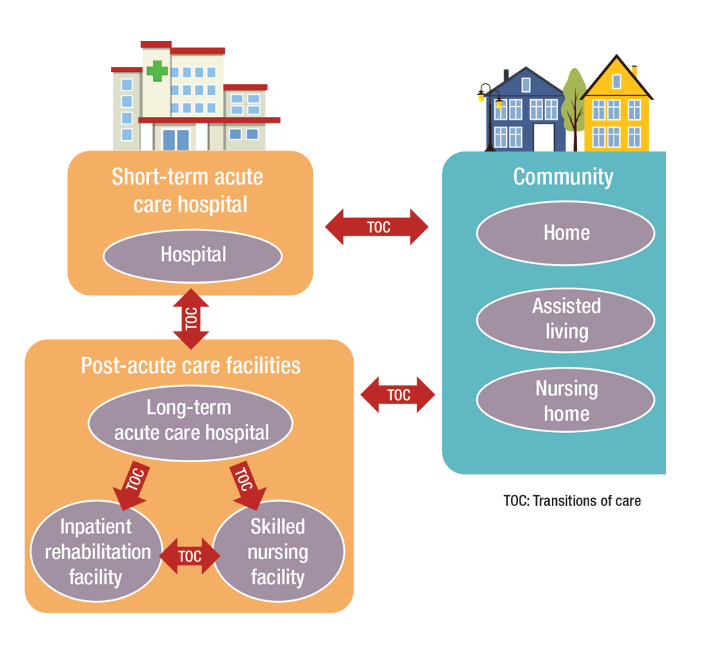
- Post-acute care settings: usually home but may also include long-term care facilities and rehab settings
During this presentation, I will be using certain terminology. Hopefully, most of it is familiar, although some might be new to you. We will be referring to non-invasive ventilation as NIV, which involves mechanical ventilation providing positive pressure to the airway lungs through a mask, cannula, or mouthpiece. Sometimes, you will see this abbreviated as NPPV, denoting non-invasive positive pressure ventilation.
There are a couple of other abbreviations to keep in mind. However, when discussing non-invasive ventilation, our main focus will be on positive pressure. This sets the tone for our discussion. We will also touch upon NPV, which stands for negative pressure ventilation—a method where airflow is encouraged by applying negative pressure to the chest wall.
We will delve into the concept of proportional open ventilation, a technology that boosts inspired tidal volume. We will discuss the tidal assist ventilator (TAV), which essentially supplements spontaneous tidal volume with a bolus.
To clarify, post-acute care primarily refers to the home setting. Usually, when we talk about non-invasive ventilation beyond acute care, whether short-term or long-term, we are considering patients transitioning to home care. However, these interventions may also be relevant in long-term care facilities and rehabilitation settings, catering to the diverse needs of our patients.
Why NIV in Post-Acute Care?
Why do we want to even think about non-invasive ventilation in post-acute care? Well, when we use this, especially in the appropriately selected patients, we can do a number of things. One of the most important things we can do is to improve the quality of life of our patients. Many of our patients with disorders that affect the respiratory system are very limited in what they can do their quality of life tends to go downhill fairly rapidly.
Being able to reverse that and improve their quality of life is such a huge benefit of non-invasive ventilation. If you are involved in this at all with these patients, it is really a very feel-good place to be as a respiratory therapist. We also like the idea of reducing hospital admissions. That is a good thing for a number of reasons. Obviously, the expense of being in the hospital also affects your quality of life. Patients really do not want to be in the hospital, and it is not a great place for them to be. Reducing mortality is something that we work on patients can live longer, better lives with non-invasive ventilation. Oftentimes, we are looking at reducing dyspnea. We will talk specifically about how with some devices improving patients' exercise capacity, non-invasive ventilation has been shown to be helpful in all of those things.
Patients Who May Need NIV
- COPD
- Thoracic restrictive disorders
- Obesity hypoventilation syndrome
- ? Interstitial lung disease
When considering patients who might benefit from non-invasive ventilation beyond the acute care setting, we often think of individuals with a variety of respiratory conditions. While non-invasive ventilation is commonly utilized in acute care for COPD patients to avoid invasive intubation and its associated complications, its potential extends well beyond this setting.
As patients transition from hospitalization to home, rehabilitation facilities, or long-term care, the need for non-invasive ventilation may persist. This includes COPD patients who require ongoing respiratory support beyond the acute phase. However, it is essential to broaden our perspective to encompass other respiratory conditions such as thoracic restrictive disorders, obesity hypoventilation syndrome, and possibly interstitial lung disease.
Thoracic restrictive disorders encompass a range of conditions characterized by reduced lung expansion, potentially leading to hypercapnic respiratory failure. Similarly, obesity hypoventilation syndrome, defined by obesity, daytime hypercapnia, and coexisting obstructive sleep apnea, may necessitate non-invasive ventilation to address respiratory insufficiency.
While the role of non-invasive ventilation in interstitial lung disease remains somewhat uncertain, it is an area that warrants further exploration. By considering these diverse patient populations, we can better recognize the potential benefits of non-invasive ventilation and ensure its appropriate utilization beyond the acute care setting.
COPD
In discussions regarding COPD, there has been considerable controversy in recent years regarding its efficacy. However, the most recent study by William et al. (2021), which serves as the cornerstone publication summarizing various aspects of non-invasive ventilation by Williams and other pulmonologists, presents compelling evidence.
The prevailing belief now is that non-invasive ventilation indeed enhances survival and reduces healthcare utilization. This focus is increasingly favored. Often, in intensive care or step-down units, patients initially on invasive ventilation can be transitioned to non-invasive ventilation as a bridge to home respiratory support. This approach evolves alongside advancements in non-invasive ventilation technology. We can consider weaning non-invasive ventilation patients to settings conducive to home use.
Frequently, we administer non-invasive ventilation at relatively high settings during exacerbations, gradually tapering down but not necessarily discontinuing it entirely. Instead, we adjust the settings to accommodate home use. The timing of initiating non-invasive ventilation is crucial for COPD patients during exacerbations, particularly for those persistently hypercapnic, as they demonstrate the most significant benefits. It is important to note that non-invasive ventilation is not universally applicable to all COPD patients. It is most beneficial for those persistently hypercapnic.
There is evidence suggesting the need for more aggressive settings. Research indicates that patients receiving high-intensity pressure support fare better than those receiving low-intensity pressure support. When prescribing settings for home use, it may be advantageous to opt for slightly higher pressure differentials between inhalation and exhalation, defining pressure support. This calls for a reconsideration of our approach, perhaps leaning towards a more proactive stance than previously adopted.
Hypercapnic COPD patients constitute a distinct phenotype driven by specific physiological factors, such as air trapping, which imposes a significant mechanical disadvantage. Many of these individuals experience nocturnal hyperventilation and are prone to sleep apnea, placing them at heightened risk for adverse health outcomes. They represent a priority target for intervention, as highlighted in the latest GOLD guidelines, which offer a comprehensive discussion of COPD phenotypes worth exploring.
Home non-invasive ventilation holds promise in addressing the underlying physiological issues contributing to hypercapnia. While older literature yielded mixed results regarding its efficacy in various populations, recent clinical trials have demonstrated significant benefits, including improvements in quality of life, reduced hospitalizations, and mortality rates. This emerging body of literature supports a more assertive approach towards its utilization. Additionally, advancements in non-invasive ventilation technology, particularly in optimizing inspiratory pressure, may account for the observed success in home settings.
Effective implementation necessitates a thorough understanding of patient selection criteria and familiarity with available device modes and titration strategies. While literature offers insights into these aspects, practical constraints often limit our options in device selection and mode availability, both in hospital and home settings. Providers typically operate within the confines of specific devices offered by their institution or supplier, thereby influencing treatment decisions. Nevertheless, advocating for access to appropriate devices and modes remains crucial in optimizing patient outcomes.
We are excited about the emergence of telemonitoring, as it addresses a key challenge in the management of patients on non-invasive ventilation transitioning from hospital to home care. In the hospital setting, we have the luxury of being present, continuously titrating the device, and monitoring patient response. However, once patients return home, this level of oversight diminishes significantly. While in-home visits are feasible, they cannot provide round-the-clock surveillance, making telemonitoring an invaluable tool.
Telemonitoring enables us to remotely adjust device settings, enhance patient adherence, troubleshoot issues, and even anticipate exacerbations. Its evolving capabilities hold promise in optimizing non-invasive ventilation outcomes in home settings. Studies have demonstrated the efficacy of non-invasive ventilation in prolonging exercise endurance in COPD patients. However, implementing this during routine activities outside clinical settings poses logistical challenges, as most devices lack portability and usability during normal activities.
Nevertheless, there are exceptions to this limitation, which we will delve into further. Overall, telemonitoring represents a significant advancement in the management of COPD patients on non-invasive ventilation, offering enhanced support and optimization beyond the confines of traditional care settings.
Thoracic Restrictive Disorders
Another group of conditions we frequently consider is what we refer to as thoracic restrictive disorders. This encompasses a broad spectrum of conditions characterized by hypercapnic respiratory failure, where ventilatory defects impede adequate air movement in and out of the chest, resulting in elevated CO2 levels exceeding 45 millimeters of mercury.
A prominent category within this group comprises neuromuscular disorders, including conditions such as ALS, spinal cord injuries, muscular dystrophy, diaphragm paralysis, and spina bifida. Additionally, certain congenital central hypoventilation syndromes may hinder sufficient air exchange. Chest wall deformities, notably kyphoscoliosis, also fall under this classification. Furthermore, ventilatory drive defects, where patients lack the innate urge to breathe adequately, are pertinent considerations.
It is crucial to note that interstitial lung diseases are not typically classified under thoracic restrictive disorders despite causing restrictive pulmonary dysfunction. Consequently, thorough assessment is imperative to rule out obstructive sleep apnea (OSA), which, although less common in these conditions compared to COPD, may still occur. Monitoring CO2 and oxygen levels during wakefulness and sleep is essential post-therapy initiation, with sleep testing reserved for cases suggestive of OSA. Non-invasive ventilation remains a viable therapeutic option for these patients.
Obesity Hypoventilation Syndrome (OHS)
Another disorder to consider is obesity hypoventilation syndrome (OHS), characterized by the combination of obesity (with a BMI greater than 30), daytime hypercapnia exceeding 45 millimeters of mercury for CO2, and a diagnosis of obstructive sleep apnea (OSA). It is crucial to exclude other potential causes of alveolar hypoventilation before confirming this diagnosis.
Given the co-existence of OSA in these patients, continuous positive airway pressure (CPAP) is typically the initial treatment choice. However, CPAP may prove ineffective or poorly tolerated in correcting the ventilation disorder, especially when patients are hypoventilating alongside their OSA. In such cases, non-invasive ventilation becomes necessary to address their respiratory needs effectively.
Careful titration is essential for these patients, particularly regarding pressure selection, to reduce the apnea-hypopnea index to normal levels (less than five). Additionally, treatment must aim to alleviate both hypoventilation and hypoxia. Patients with OHS require comprehensive monitoring and follow-up, including sleep lab titration and clinic visits to assess blood gases and device adherence. Typically, follow-up appointments are scheduled four to six weeks post-initiation of non-invasive ventilation, allowing patients sufficient time to adjust to and utilize the device properly.
Interstitial Lung Disease (ILD)
Interstitial lung disease (ILD) encompasses a diverse array of progressive and debilitating lung conditions characterized by similarities in lung pathology and radiographic findings. However, with hundreds of distinct ILDs identified, the patient population exhibits considerable heterogeneity.
Management of ILD often involves oxygen therapy to maintain adequate oxygen saturation levels, yet achieving this can be challenging due to various factors contributing to limited exercise tolerance in these patients. In instances where oxygen therapy alone proves insufficient, considering adjunctive non-invasive ventilation may be beneficial. Non-invasive ventilation can help improve the ventilation-perfusion (VQ) ratio, reduce respiratory effort, and enhance exercise tolerance, particularly during episodes of exercise-induced desaturation.
While evidence supporting the use of non-invasive ventilation in ILD remains limited compared to other respiratory conditions, preliminary studies have shown promising results. Some studies have demonstrated improved oxygen saturation levels during exercise with the use of non-invasive ventilation, while others have observed enhancements in physical functioning and quality of life following non-invasive ventilation therapy.
Though the evidence base for non-invasive ventilation in ILD is still evolving, it remains a viable option to consider, especially for patients experiencing significant functional impairment. While more research is needed to establish its efficacy definitively in this patient population, non-invasive ventilation stands as a potential intervention to enhance the management and quality of life for individuals with ILD. Now that we have identified the patient groups that may benefit from non-invasive ventilation. Let's discuss the practical aspects of its implementation.
Methods for Non-Invasive Ventilation
- Traditional positive pressure ventilation with various interfaces (NIV)
- Proportional Open Ventilation (POV®)
- Negative pressure ventilation (NPV) or Biphasic Cuirass Ventilation (BCV)
- Tidal Assist Ventilation (TAV®)
Our discussion briefly touches on traditional positive pressure ventilation, which is a commonly utilized method known as non-invasive ventilation. This approach involves delivering positive pressure to the airway through various interfaces, a technique frequently employed in hospitalized patients and increasingly utilized in home care settings.
Next, explore proportional open ventilation, a distinct technique offering notable advantages. Following that, we will review negative pressure ventilation, an older yet still relevant method historically associated with the iron lung, originally developed during the polio epidemics. Negative pressure ventilation, often referred to as Biphasic Cuirass Ventilation (BCV) by the sole provider of this technology, presents unique benefits worth considering. Finally, we will touch briefly on Tidal Assist Ventilation, a newer approach that may gain prominence in the future.
Non-Invasive Ventilation
Traditional NIV
Traditional non-invasive ventilation (NIV), is a widely employed method utilizing interfaces to deliver either volume or pressure ventilation to patients across all age groups, from neonates to adults. These interfaces are meticulously designed to provide a snug fit while allowing for minor leaks to prevent potential pressure ulcers. With hundreds of interface options available, the selection process is critical, considering factors such as patient comfort and tolerance.
One noteworthy interface worth mentioning is mouthpiece ventilation, which is often overlooked in acute care settings but offers substantial benefits to many patients. While some devices feature preset values, others, like AVAPs, offer auto-adjustment capabilities, ensuring consistent tidal volume delivery with each breath.
A primary advantage of NIV is its avoidance of invasive procedures like endotracheal intubation, which come with a host of potential complications. Patients previously tracheostomized due to prolonged invasive mechanical ventilation can potentially transition to NIV, a more tolerable option for many.
However, challenges persist, primarily centered around patient intolerance or discomfort with the interface. Addressing these issues often involves exploring various interface options and rotating between them to alleviate pressure points and irritation. Ensuring access to a diverse range of interfaces is essential, particularly in home care settings, where patient comfort and adherence are paramount.
While traditional NIV offers a plethora of interface options—from full face masks to nasal prongs and minimalist designs—it is crucial to recognize that access to every interface may be limited depending on the clinical setting. Nonetheless, prioritizing interface comfort and patient preference can significantly enhance the effectiveness and acceptance of NIV therapy, mirroring the challenges faced with CPAP therapy. Thus, a comprehensive approach that incorporates patient-centered care and interface variety is essential to optimize outcomes in NIV implementation.
Mouthpiece Ventilation (MPV)
Mouthpiece ventilation (MPV), often overlooked in acute care settings, serves as a vital daytime non-invasive respiratory support method, particularly for patients with neuromuscular disorders. With MPV, patients utilize a mouthpiece or straw to facilitate ventilation. During MPV, patients intentionally initiate a series of disconnections, whether partial or complete, from the ventilator, followed by reconnections. Essentially, with each inhalation, patients have the autonomy to determine the volume of air they wish to intake. By adjusting the seal with their lips on the mouthpiece, patients can modulate their breaths.
A tight, complete seal ensures nearly full tidal volume (approximately 100%), as dictated by the settings of the volume-cycled ventilator. Conversely, a more relaxed or incomplete seal results in either partial tidal volume or, in some instances, no tidal volume intake at all, ranging from 0 to 99%. This flexibility allows patients to tailor their ventilation to their comfort and respiratory needs, promoting a more personalized and effective approach to non-invasive respiratory support.
Devices
A Breas ventilator is equipped with a mouthpiece that simplifies mouthpiece ventilation. It is typically mounted on an adjustable arm for easy positioning directly in front of the patient's mouth. Theoretically, leaks during mouthpiece ventilation will not cause discomfort because they are determined and managed by the patient. However, this holds true specifically for volume-cycled modes of ventilation. In volume-cycled modes, patients have control over the amount of air they inhale, allowing them to adjust the seal with their lips on the mouthpiece to accommodate intentional leaks without discomfort.
Conversely, in pressure-cycled modes of ventilation, leaks can indeed result in discomfort. This discomfort stems from the ventilator's automatic compensation for leaks by delivering additional flow, which can be excessive and difficult for the patient to manage. As a result, patients may experience challenges in speaking and swallowing during MPV, highlighting the importance of utilizing volume-cycled modes to optimize patient comfort and adherence. Mouthpiece ventilation provides a range of devices, and while the following list is not exhaustive, it highlights the importance of identifying the most appropriate option for each patient.
- Vyaire LTV
- ResMed Astral
- Breas Vivo65
- Breas Vivo45
- PhillipsTrilogy EV300
- Ventec VOCSN
- Movair Luisa
- Phillips Trilogy 100
Common options include the Vyaire LTV, ResMed Astral, and various models from Breas, with notable features such as integrated end-tidal CO2 monitoring in Breas devices, enhancing patient care. The Phillips Trilogy and Ventec VOCSN are also prominent choices. The VOCSN, notable for its multifunctionality, integrates ventilation, oxygen concentrator, suction, and nebulizer functions into a single device, streamlining mobility for active patients.
For instance, without the Ventec VOCSN, patients relying on traditional devices like the Phillips Trilogy would need additional equipment for oxygen supply, suctioning, and nebulization, complicating mobility. The Movair Lusia is a newer addition generating considerable excitement, alongside established options like the Phillips Trilogy 100, commonly employed for home use.
While these examples offer insight, collaborating with durable medical suppliers remains crucial to explore available options tailored to individual needs in standard non-invasive ventilation. In addition to the devices mentioned, it is worth noting that advancements in non-invasive ventilation technology continue to evolve, offering enhanced features and capabilities. For instance, some newer models may incorporate innovative algorithms for more precise patient monitoring and therapy delivery. Features such as remote monitoring capabilities, wireless connectivity, and user-friendly interfaces are becoming increasingly common, facilitating seamless integration into patients' daily lives.
Furthermore, considerations such as portability, battery life, and ease of maintenance play pivotal roles in device selection, particularly for patients who lead active lifestyles or require frequent travel. As technology advances, the aim is to provide patients with greater autonomy, comfort, and flexibility in managing their respiratory conditions.
It is important for healthcare providers to stay abreast of the latest developments in non-invasive ventilation technology and collaborate closely with patients and durable medical equipment suppliers to ensure optimal device selection and patient outcomes. By leveraging the benefits of cutting-edge technology, healthcare professionals can enhance the quality of care and improve the overall experience for patients relying on non-invasive ventilation.
Novel Methods of Non-invasive Ventilation
Proportional Open Ventilation (POV)
Let's delve into one of the novel methods of non-invasive ventilation, known as proportional open ventilation (POV). Originally developed by Brief Technologies under the name Non-Invasive Open Ventilation (NIOV), this innovative approach has evolved and is now trademarked by Hillrom as proportional open ventilation or POV. While NILV may still be referenced in the literature as the original terminology, it is essential to recognize the transition to POV.
Proportional open ventilation synchronously delivers positive inspiratory pressure and supplemental oxygen, typically via a nasal pillow interface. It operates by augmenting tidal volume during spontaneous breathing, making it particularly suitable for individuals with limited tolerance for physical activity due to breathlessness. The device offers a myriad of programmable settings tailored to meet the unique needs of each patient. Notably, patients experiencing significant dyspnea during exertion may find proportional open ventilation beneficial.
Baxter Hillrom Life 2000 Ventilator
The interface of this ventilation method incorporates openings that leverage the Venturi principle to entrain room air, which combines with the preset volume from the device and the patient's own effort. The total delivered tidal volume results from the interplay of these factors. Currently available from Baxter Hillrom under the name Life 2000 Ventilator, this technology represents a promising advancement in non-invasive ventilation, offering enhanced support for patients with respiratory challenges.
The Baxter Hillrom Life 2000 Ventilator device has three patient-selectable prescription settings, denoted by pictograms on the right-hand side of the interface. The top pictogram illustrates someone walking, representing the highest level of support suitable for mobility. The middle pictogram depicts someone sitting, which is ideal for home activities and daily routines. The bottom pictogram is designated for restful states.
These three distinct settings offer patients considerable flexibility in tailoring their support levels to match their varying activities and ventilatory needs. Whether they require continuous support or wish to adjust settings periodically, the interface simplifies the process with the push of a button, adapting seamlessly to their breathing patterns.
This adaptability proves invaluable in both clinical and home settings. In the hospital, clinicians can readily titrate ventilation settings to accommodate patients' evolving needs. Conversely, in-home care settings, periodic adjustments by healthcare providers ensure optimal support, as patients may not have the expertise to modify settings independently.
Approved for both invasive and non-invasive use, this device holds promise not only for post-acute care but also for promoting mobility in acute care settings. Streamlining equipment and reducing bulk facilitates patient mobility with ease. Powered by a rechargeable lithium-ion battery, it weighs only about a pound, making it remarkably lightweight and portable—a stark contrast to traditional ventilator setups. Its compact size, akin to a large home telephone, further enhances its practicality and accessibility for patients.
- Clinician adjustable settings:
- PEEP: 0 to 10 cmH2O
- Breath Rate: 1 to 40 BPM
- Breath Timeout Period: 20 or 60 seconds
- Breath Timeout Action: 12 BPM or 3 LPM
- Delivered Volume: 50 mL to 750 mL
- Gas source: Oxygen or Air
- I-Time: 0.15 to 3.00 seconds
- Trigger Sensitivity
The clinician has the flexibility to fine-tune settings within each activity level—rest, sitting, and walking. These adjustable parameters include PEEP (positive end-expiratory pressure), breath rate, and breath timeout period—the duration the machine waits before detecting a cessation in breathing. In the event of breath absence, the device can be programmed to maintain a continuous flow of oxygen or revert to a predefined breath rate, typically 12 breaths per minute.
Furthermore, the clinician can customize settings such as delivered volume, gas source (air compressor or oxygen tank), and inspiratory time—a critical consideration, especially for patients with COPD. Ensuring the device accurately detects patient breaths is paramount, and sensitivity adjustments allow for precise responsiveness.
A comprehensive array of clinician-adjustable alarms is available, covering low respiratory limits, low and high-pressure thresholds, and the breath timeout period. These alarms serve as essential safeguards, alerting clinicians to deviations from desired parameters, including excessively high or low breath rates. Adjustments can then be made promptly to optimize patient comfort and safety—a standard feature across most ventilators.
- Clinician adjustable alarms:
- Low Respiratory Limit: 0 to 119 BPM
- High Respiratory Limit: 5 to 120 BPM
- Low PIP Limit: 0 to 15 cmH2O
- High PIP Limit: 5 to 40 cmH2O
- Breath Timeout Period: 20 or 60 seconds
- High Breath Rate: 5 to 120 BPM
- Low Breath Rate: 0 to 119 BPM
Then there are also some fixed alarms:
- Low/High Source Pressure
- Low Battery
- Low/High Delivery Pressure
- High PEEP Pressure
- System fault
The Life 2000 ventilator incorporates an extensive alarm system designed to alert clinicians to various potential issues. These alarms encompass discrepancies in source pressure, battery status, and delivery pressure, as well as high PEEP (positive end-expiratory pressure) levels, among others. This comprehensive alarm functionality distinguishes the Life 2000 as a full-fledged ventilator, ensuring thorough monitoring and prompt identification of critical situations. The interface commonly paired with the Life 2000 ventilator optimizes its functionality and usability, facilitating seamless integration into patient care protocols.
Breathe Pillows Entrainment Interface
The interface used with the Life 2000 ventilator, known as Breathe Pillows, embodies the principles of POV NIOV (proportional open ventilation, non-invasive open ventilation). It comprises cannulas equipped with tubes for delivering both oxygen and positive pressure alongside small air entrainment ports designed to remain open to allow the machine to draw in air as needed to meet the patient's ventilation requirements. Additionally, the cannulas feature sensing ports to detect the patient's breathing patterns. Despite its advanced functionality, the Breathe Pillows interface resembles a standard nasal cannula, albeit with slightly larger ports entering the nose, available in various sizes ranging from extra small to extra large. Moreover, users have the flexibility to connect this ventilator to alternative interfaces if desired.
Breathe Universal Circuit Connector
The Life 2000 ventilator features a universal circuit connector that offers compatibility with various types of interfaces. Whether the patient prefers using a mask typically utilized for CPAP or BiPAP therapy at night or requires a full face mask or tracheostomy tube during the day, this ventilator can be seamlessly connected to accommodate their needs. This versatility extends to patients with tracheostomies who may benefit from additional respiratory support during periods of activity. The ease of switching between different interfaces makes it convenient for healthcare providers to transition patients from the hospital or acute care setting to the home environment. This universal circuit connector enhances flexibility and adaptability in providing non-invasive ventilation tailored to each patient's requirements.
Versatile Configurations
The Life2000 Ventilation System offers three configurations to maximize versatility. The first is the stationary setup, where the patient remains at home, seated in their chair, connected to a compressor. Additionally, up to 50 feet of tubing can be attached to the compressor, allowing the patient to move around the home while still receiving respiratory support.
For patients requiring support during daily activities such as using the bathroom or preparing meals, the system can be worn while being active within the home environment. It can also be worn outside the home by connecting it to an alternate pressure source, typically an oxygen cylinder. The device is compact and attaches to the patient's waist, with a belt clip for easy carrying. A carrying case is also provided for added convenience.
Research indicates that the Life2000 system can enhance activities of daily living (ADL) performance at home by significantly increasing endurance time, improving oxygenation, and reducing dyspnea, fatigue, and discomfort. This practical solution proves beneficial for oxygen-dependent COPD patients seeking to improve their activity and exercise tolerance.
NIV has demonstrated effectiveness in improving exercise endurance in COPD patients. However, traditional NIV devices are often not designed for portability, making routine use outside of clinical settings challenging. With lightweight devices like POV, providing non-invasive ventilation during exercise becomes much more feasible and convenient for patients, thereby potentially enhancing their exercise tolerance and quality of life.
Novel Methods of Non-Invasive Ventilation
Negative Pressure Ventilation (NPV)
The next type of ventilation we will discuss is NPV or non-invasive positive pressure ventilation. Mechanical ventilation originally began with negative pressure ventilation in the early 1930s, particularly during the polio epidemics of the mid-20th century when many patients developed respiratory failure. Devices such as iron lungs were used, but they required patients to be enclosed, making care challenging. Despite this, negative pressure ventilation saw considerable success. Nowadays, more comfortable devices have been developed, leading to increased interest in using non-invasive negative pressure ventilation due to its improved convenience and comfort compared to earlier iterations.
Hayek Biphasic Cuirass ventilator (BCV)
The Hayek Biphasic Cuirass ventilator (BCV) is a non-invasive ventilator that has gained popularity for its efficacy and versatility. Unlike traditional positive pressure ventilation devices, the Hayek ventilator does not require a mask, eliminating issues related to mask discomfort or interface complications. It utilizes negative pressure ventilation, which helps with lung recruitment, volume expansion, and gas exchange improvement.
One notable feature of the Hayek ventilator is its ability to deliver both negative and positive pressure to the chest wall. This biphasic approach aids in promoting inspiration and expiration, making it particularly beneficial for patients struggling with elevated CO2 levels. With multifunction capabilities, including controlled ventilation, the Hayek ventilator offers clinicians flexibility in tailoring ventilation support to individual patient needs.
The Hayek Biphasic Cuirass ventilator offers several advanced features to enhance patient comfort and respiratory support. One notable feature is its ability to synchronize ventilation with the patient's spontaneous breathing, improving comfort and synchronicity. Additionally, the ventilator includes a built-in high-frequency chest wall oscillation function, which can aid in mobilizing secretions for patients with secretion clearance issues. It also incorporates a cough assist feature, providing additional support for patients with excessive secretions.
The device consists of a shell that is placed over the patient's chest, with a foam backing for comfort. It comes in various sizes to ensure proper fit and comfort for different patients. The ventilator itself is connected to the shell via a simple hose, through which settings such as negative and positive pressure, as well as respiratory rate, can be adjusted. Despite its advanced capabilities, the device is relatively straightforward to use, making it suitable for a wide range of patients, including pediatrics and even infants. Its ability to mimic natural breathing patterns with negative pressure on inspiration makes it particularly advantageous for patients with various respiratory conditions, including those with congenital heart defects who may require extensive surgeries.
The Hayek BCV offers significant advantages in promoting cardiac output and blood return to the chest, thereby supporting better cardiac function. Its multifunctional capabilities, combined with a single interface, simplify respiratory support for patients, eliminating the need to switch between different devices for chest wall oscillation or ventilation. This integrated approach reduces patient discomfort and the need for sedation, particularly in the acute care setting where sedation may be required due to endotracheal tube discomfort.
The synchronization of the ventilator with the patient's spontaneous breathing reduces the risk of hospital-acquired infections associated with intubated patients. Overall, the use of the Cuirass ventilator has been associated with shorter hospital stays, making it a valuable option to consider for patients who could benefit from non-invasive ventilation in both acute and post-acute care settings.
The use of negative pressure ventilation, such as with the Hayek Biphasic Cuirass ventilator, offers several advantages over positive pressure ventilation. Negative pressure ventilation provides more homogeneous lung inflation, ensuring that all parts of the lung receive adequate ventilation, unlike positive pressure ventilation, which may inflate only the already inflated areas. This approach is safer and more effective, reducing the need for lung recruitment maneuvers and potentially harmful interventions.
Negative pressure ventilation mimics the natural intrathoracic pressure wave of spontaneous respiration, promoting cardiac function by facilitating the return of blood to the chest cavity. In contrast, positive pressure ventilation, particularly with PEEP, may decrease cardiac output by impeding blood return to the chest. The biphasic thoracic ventilation provided by the Cuirass ventilator supports cardiac function similarly to spontaneous breathing, offering a significant advantage in patient care. Additionally, the cost-effectiveness and versatility of the device make it suitable for use in both hospital and home settings.
Nocturnal negative pressure ventilation is a highly effective method for preventing sleep-induced reductions in alveolar ventilation, particularly in patients experiencing elevated CO2 levels during sleep. This approach serves as a practical long-term management strategy for individuals with non-obstructive chronic respiratory failure. Unlike positive pressure techniques, negative pressure ventilation supports both inspiratory and expiratory work of breathing in a natural manner, offering patients the ability to eat, speak, and drink without interference.
Moreover, negative pressure ventilation minimizes the risks and complications associated with other ventilation methods, making it a preferred choice for many patients. It has demonstrated effectiveness across various patient groups, including those with neuromuscular disorders, COPD, cystic fibrosis, and even acute respiratory distress syndrome (ARDS). The versatility and favorable patient outcomes associated with negative pressure ventilation highlights its significance in respiratory care.
Inogen TAV
The Inogen Tidal Assist Ventilator (TAV) offers a compact and non-obtrusive solution for patients requiring respiratory support. The device is equipped with three settings: Tidal Assist, Pulse, and Constant. In the Tidal Assist mode, patients can select from five settings ranging from one to five, with each setting delivering varying volumes of air assistance. This mode is particularly beneficial for patients who require additional respiratory support during activities or periods of exertion.
The Pulse mode functions similarly to traditional pulse dose oxygen concentrators, delivering oxygen in short bursts based on the patient's inhalation. The Constant mode provides a continuous flow of oxygen as needed. Patients can adjust the settings based on their oxygen requirements and activity levels.
The device comes with a regulator and specific adapter to ensure compatibility and proper functioning. It offers flexibility and convenience for patients needing respiratory assistance in various situations, whether at home or on the go. The TAV is specifically designed for patients with COPD, providing assisted non-invasive ventilation in a portable and lightweight unit. Similar to the Life 2000 ventilator, it offers simplicity and ease of use. The device features settings ranging from one to five, where each setting delivers a different volume boost to the patient's breathing, ranging from 50 to 250 milliliters.
The technology is integrated into the nasal interface, utilizing two tiny discs surrounded by pillows to provide higher oxygen flow pressure, up to five times the volume per breath compared to oxygen alone. The device operates on a single AA battery, making it convenient for patients to carry with them, weighing only 3.8 ounces with the battery installed.
Although there is limited published literature and reimbursement challenges, studies have shown promising results. A study conducted at a pulmonary rehab center in California demonstrated that patients using oxygen therapy with the TAV were able to increase their exercise tolerance compared to those using oxygen therapy alone. This indicates the potential for the TAV to improve patient outcomes and increase exercise capacity in COPD and other respiratory conditions.
NIV Comparisons
Indeed, traditional non-invasive positive pressure ventilation (NIPPV) with a mask or other interface has several advantages:- Well-established: NIPPV has been extensively used and studied, making it a familiar and reliable option for healthcare providers.
- Hospital to home transition: Hospitals are proficient at setting up NIPPV for patients, facilitating a smooth transition to home care.
- Variety of interfaces and devices: There are numerous interface options available, allowing for customization to meet individual patient needs and preferences.
- Useful across multiple disorders: NIPPV has shown efficacy in various respiratory disorders, including COPD and thoracic restrictive disorders, based on extensive clinical experience and research.
On the other hand, proportional open ventilation (POV) offers unique advantages, particularly for activities of daily living (ADLs):
- Portability: POV devices are designed to be portable, allowing patients to engage in ADLs and other activities while receiving ventilation support.
- Adaptability: POV devices have multiple settings that can accommodate changes in activity level, providing flexibility for patients as they move about.
- Comfortable interface: The nasal pillows interface used with POV devices is comfortable and minimally obtrusive, enhancing patient comfort and compliance.
Overall, while traditional NIPPV is well-established and effective, POV offers additional advantages in terms of portability, adaptability, and comfort, particularly for patients engaging in daily activities. The choice between these options should be based on individual patient needs and preferences, as well as clinical considerations. Certainly, while non-invasive ventilation (NIV) offers many benefits, it also comes with some disadvantages:
- Cumbersome with activity: Standard NIV devices can be challenging to use during physical activity. Patients may require assistance, and the equipment can be cumbersome, hindering mobility.
- Difficulty in adjusting to the interface: Some patients find it challenging to adjust to the interface, such as masks or nasal cannulas used in traditional NIV. Discomfort or dislike of the interface may lead to non-compliance with treatment.
- Risk of pressure sores: Proper application of NIV devices is crucial to prevent leaks, which can lead to pressure sores or skin irritation. Achieving a tight seal without causing discomfort can be challenging.
- Minimal leak requirement: NIV devices typically require a minimal leak to maintain effective ventilation. Balancing the need for a seal with the risk of pressure sores can be challenging for healthcare providers.
In contrast, POV devices, such as the Breathe Pillows, offer a comfortable interface and may mitigate some of these disadvantages. The nasal pillow interface used with POV devices is designed for comfort and may be more tolerable for patients. Additionally, the ability to adjust settings and accommodate changing conditions provides flexibility and may improve patient compliance. Overall, while NIV has its challenges, advancements in technology, such as POV devices, aim to address some of these issues and improve patient comfort and compliance with non-invasive ventilation therapy.
We have encountered some pressure sore issues with NPV, where the pressure may build up on the chest due to the cuirass shell's contact with the skin. However, we have implemented effective strategies to mitigate this problem, so it is typically not a major concern. Negative pressure ventilation, or NPV, is not as widely embraced as other methods. Many healthcare professionals have moved away from NPV, as it may not be as comfortable or familiar as positive pressure ventilation. This highlights a disadvantage that warrants further consideration and exploration. NPV also necessitates good upper airway function, as patients must manage secretions and cough effectively. If a patient struggles with these aspects, NPV may not be suitable for them. Additionally, NPV lacks mobility, meaning it cannot be easily used while performing daily activities or moving around. In summary, I hope this overview has provided valuable insights into the various available non-invasive ventilation methods, along with important considerations for patient care.
Questions and Answers
How are hospitals adapting to the use of newer non-invasive ventilation devices in the post-acute care setting?
Hospitals face limitations in accessing a wide range of positive pressure devices due to budgetary constraints. While some hospitals may have a variety of options, many are restricted to one or two devices. This limitation necessitates careful consideration of available options and familiarity with patient needs. Additionally, hospitals may have access to programs like the hospital-to-home program, which assists in setting up patients for home use of specific devices.
What advice is offered for selecting the appropriate non-invasive ventilation device?
It is crucial to explore all available options and consider patient-specific needs when selecting a device. Understanding the patient population and their requirements is essential. However, certain devices, such as the Life 2000 POV, may require involvement from external companies like Hillrom for setup and support.
Are there specific considerations for non-invasive negative pressure ventilation?
Yes, non-invasive negative pressure ventilation requires specialized equipment and expertise. Companies like Hayek provide assistance in selecting and implementing these devices, offering training and ongoing support. This option presents a unique alternative for patients with specific respiratory needs.
How important is it to recognize that there is no one-size-fits-all approach in selecting non-invasive ventilation devices?
Recognizing the diversity of patient needs is paramount. Each patient may require a tailored approach, and what works for one individual may not be suitable for another. Therefore, understanding the available options and patient-specific requirements is crucial for effective care delivery.
References
Select references are listed here. A complete reference list is provided in the course handout.
Annunziata, A., Calabrese, C., Simioli, F., Coppola, A., Flora, M., Marotta, A., Di Spirito, V., Didonna, F., Cicalese, M., & Fiorentino, G. (2022). Negative-pressure ventilation in neuromuscular diseases in the acute setting. Journal of Clinical Medicine, 11(9), 2589.
Brochard, L. J. (2023). Mechanical ventilation: Negative to positive and back again. Critical Care Clinics, 39(3), 437–449.
Cooksey, J. A., & Sergew, A. (2020). Noninvasive ventilation in amyotrophic lateral sclerosis. Sleep Medicine Clinics, 15(4), 527–538.
Cuerpo, S., Palomo, M., Hernández-González, F., Francesqui, J., Albacar, N., Hernández, C., Blanco, I., Embid, C., & Sellares, J. (2020). Improving home oxygen therapy in patients with interstitial lung diseases: Application of a noninvasive ventilation device. Therapeutic Advances in Respiratory Disease, 14, 1753466620963027.
Dong, S., Lu, W., & Wang, Y. (2023). Positive- and negative-pressure ventilation characterized by local and global pulmonary mechanics. American Journal of Respiratory and Critical Care Medicine, 207(6), 800.
Dretzke, J., Wang, J., Yao, M., Guan, N., Ling, M., Zhang, E., Mukherjee, D., Hall, J., Jowett, S., Mukherjee, R., Moore, D. J., & Turner, A. M. (2022). Home non-invasive ventilation in COPD: A global systematic review. Chronic Obstructive Pulmonary Diseases, 9(2), 237–251.
Frazier, W., van Eijndhoven, E., Murphy, R., & Jena, A. B. (2021). Noninvasive ventilation at home reduces mortality in COPD with CRF. American Journal of Managed Care, 27(9), e308–e315.
Gong Y, Sankari A. Noninvasive Ventilation. [Updated 2022 Dec 11]. In: StatPearls [Internet]. Treasure Island (FL): StatPearls Publishing; 2024 Jan-. Available from: https://www.ncbi.nlm.nih.gov/books/NBK578188/
Citation
Aloan, Claire (2024). Non-invasive Ventilation in the Post-Acute Care Setting. Continued.com - Respiratory Therapy, Article 218. Available at www.continued.com/respiratory-therapyAug 28, 2023
1 CE HourSubacute Care Discharge Planning for the Respiratory Patient
Vrati Doshi, RRT, MSc
Editor’s note: This text-based course is an edited transcript of the webinar, Subacute Care Discharge Planning for the Respiratory Patient, presented by Vrati Doshi, MSc, RRT.
It is recommended that you download the course handout to supplement this text format.
Learning Outcomes
After this course, participants will be able to:
- Describe the characteristics of respiratory patients who require subacute care.
- Describe effective steps for respiratory therapists and their patients in the transition home or to subacute care.
- Explain examples of researched backed discharge plans.
With this demographic shift, health service needs will grow. Older adults often have multiple chronic conditions requiring treatment. Improved healthcare means more survivors of once terminal illnesses now require long-term care. Caring for these complex patients long-term can strain healthcare workers, including respiratory therapists.
Patient Journey
The patient's journey often continues after hospital discharge. Patients may be sent to a skilled nursing facility or receive home health care depending on their needs and current health status. Skilled nursing facilities provide 24/7 rehabilitative care and medical services for patients not yet ready to go home. The goal is to help patients regain mobility, self-care abilities, and baseline functioning so they can eventually transition home with support in place. Skilled nursing facility care plans focus on intensive rehab and nursing to improve the patient's condition.
Home health provides care to medically stable patients in their residences. Home health services include assistance with daily activities like walking, bathing, dressing, meal preparation, medication management, and overall disease management. Care plans ensure patients receive the appropriate level of care to heal and manage health conditions at home, with the coordination of intermittent skilled nursing, therapy, and aide services.
Initial Patient Destinations Following an Inpatient Hospital Stay 2020
Over half of hospital discharges return home, but many require post-acute care services to aid in their continued recovery. Post-acute care settings include skilled nursing facilities for those needing rehabilitative care and nursing services, home health for those more independent but still needing intermittent care, long-term acute care hospitals for those with complex medical needs, and inpatient rehabilitation facilities for intensive therapy.
Utilization of post-acute care services is expected to rise significantly as the population ages. By 2030, all baby boomers will be over 65, leading to a 73% increase in the number of seniors. For the first time in history, the number of people over 65 will outnumber children under 5 globally. This dramatic demographic shift will drive more older adults with chronic conditions and functional impairments to require care in skilled nursing and home health settings. Healthcare systems must prepare for escalating demand for post-acute care services.
An Aging Population and Workforce
This growing aging population highlights another challenge - 92,000 respiratory therapists, key providers of post-acute respiratory care, will retire by 2030. This impending wave of retirements coincides with escalating demands for respiratory services. Healthcare systems must prepare for this staffing cliff. Consumer preferences shaped by COVID-19 are also fueling home health growth into 2022. Value-based care has motivated providers to control costs through new methods focused on care quality over quantity. This payment model has expanded into home health and skilled nursing facilities.
Consumer Preferences and the COVID-19 Pandemic Are Key Drivers of Home Health Growth In 2022
The COVID-19 pandemic also accelerated consumer interest in at-home care. The number of home care patients increased from 5 million to 12 million by the end of 2020 as patients sought to avoid virus exposure in facilities. This surge in demand for in-home services is spearheading an expansion and transformation of home healthcare.
The growth in demand for home health is reflected in increased funding and utilization. Home health funding from Medicare and private insurance grew 9.5% from 2019 to 2020. There is also a clear aging population preference for care at home. Nearly $265 billion worth of care services, representing 25.5% of total costs for Medicare and Medicare Advantage beneficiaries, could shift from traditional facilities to home-based care by 2025 without reducing quality or access.
The COVID-19 pandemic spotlighted the vital role home health can play in alleviating strain on overburdened healthcare facilities struggling with surges in hospitalizations. Keeping vulnerable seniors and chronic disease patients healthy at home helps avoid unnecessary healthcare system utilization. Most patients agree that in-home recovery is more convenient comfortable, and reduces infection exposure risks.
Home health allows patients to continue therapy treatments started in the hospital from the comfort of home. Common home health therapies include respiratory, physical, occupational, speech and nutritional therapies tailored to manage disease and improve quality of life.
Common home health therapies include physical therapy to improve mobility and function, speech-language pathology to work on communication and swallowing disorders, occupational therapy to increase the ability to perform activities of daily living, and respiratory therapy to manage chronic pulmonary diseases and optimize breathing.
The cost savings of home-based care are significant, too. One study found substituting home care for hospital admissions reduces costs by 30% per admission while achieving equivalent health outcomes. There are many factors fueling growth in home health demand, but a key driver is simply that people want to heal and manage care in the comfort of their homes rather than facilities. The patient preference for in-home recovery and care is increasingly being heard and supported across the healthcare system.
Medicare’s Hospital Readmissions Reduction Program (HRRP)
A major value-based purchasing program is Medicare's Hospital Readmissions Reduction Program (HRRP). Since the HRRP began in 2012, hospitals have lost billions in Medicare reimbursement dollars due to readmission penalties. This drives hospitals to prioritize reducing readmissions. This penalizes hospitals for excess readmissions to encourage better care coordination and transition planning during discharge. The HRRP accelerated coordination between hospitals and post-acute facilities to align on care transition processes. Setting up communication pathways and protocols for sharing patient information is key.
Specifically, CMS looks at three prior years of unplanned hospital readmissions within 30 days of discharge, regardless of the reason for that return admission. For example, if a COPD patient is initially admitted for an exacerbation and then comes back 30 days later with pneumonia, the discharging and admitting hospital are both penalized for that readmission. The HRRP has driven more strategic targeting of patients at high readmission risk for care management. Hospitals are investing in dedicated care transition staff and post-discharge services.
The goal is to motivate hospitals to partner more closely with post-acute care providers like home health and skilled nursing facilities to ensure continuity of care after discharge. The HRRP led to the development and adoption of new quality measures around care transitions and post-acute care coordination on top of readmission rates. This allows for more robust measurement. The cumulative impact is that the HRRP is catalyzing hospitals to think beyond their four walls to build bridges with partners like home health and skilled nursing facilities. Managing patients across settings is imperative to avoid penalties and reduce costs.
This program adds further impetus for health systems to invest in smooth care transitions and the ability to manage complex patients at home to avoid readmission penalties. Adequate discharge planning is necessary to ensure patients leave the hospital with proper education on disease self-management and avoid payment reductions.
Common Respiratory Diagnosis Related Groups (MS-DRGs)
Of the top 20 most common diagnosis-related groups (MS-DRGs) discharged from hospital to homecare, four are respiratory, and for the most common readmit diagnoses, 3 are pulmonary conditions. Respiratory conditions are major drivers of 30-day hospital readmissions. Analysis shows three pulmonary diagnoses—simple pneumonia, pulmonary edema, respiratory failure, and respiratory infections and inflammations—are among the top 20 reasons for early unplanned return visits. Further, COPD flare-ups also contribute significantly to readmission rates.
Of particular concern, pulmonary edema and respiratory failure account for over 22% of all-cause 30-day readmits, while respiratory infections and inflammations with major complications or comorbidity make up another 15%. Comparatively, simple pneumonia and pleurisy with major complications or comorbidity drive roughly 19%. Still, pulmonary edema with hypoxemic respiratory failure follows closely behind.
This readmission prevalence indicates respiratory therapists have pivotal opportunities to reduce recurrence through acute and post-discharge intervention. Inpatient treatment optimization, patient and family education, discharge protocol enhancements, and transitional support coordination can better equip high-risk patients to sustain lung health outpatient.
Goal-directed respiratory therapy across the care continuum can target at-risk populations with multiple touchpoints - addressing both acute incidents and long-term disease self-management. Developing this discharge-to-home bridge is crucial for mitigating avoidable readmissions related to preventable pulmonary complications.
Top Respiratory Home Health Disorders
View Full Size Image Figure 1. Top respiratory home health disorders.
In Figure 1, chronic obstructive pulmonary disease (COPD) represents a predominant respiratory disease fueling the growing utilization of home health services post-hospitalization. However, acute conditions like pneumonia, pulmonary edema, and respiratory failure following ICU stays also drive considerable skilled nursing and at-home respiratory therapy needs.
These preventable diagnoses signal opportunities to refine transitional care coordination and discharge education for at-risk groups. Patients hospitalized for pneumonia, volume overload, and hypoxemia often face a high probability of readmission within 30 days after index stay discharge. Enhancing outpatient treatment readiness for those diagnosed with recurrent lung disease can sustain capacity longer term outside the hospital.
Respiratory therapists have pivotal roles in managing both acute incidents and long-term pulmonary disease through optimized ventilation protocols, disease education, smoking cessation, airway clearance techniques, and medication/oxygen adherence coaching. Tightening gaps between inpatient and home care settings can reduce the likelihood of ER returns.
Goal-focused respiratory therapy across the entire care continuum represents a crucial link for mitigating the severity of subsequent exacerbations. As more services shift home-based, therapists must split time between bedside, transitional, and home health responsibilities to maintain incremental patient progress.
Home Respiratory Equipment
A vast array of equipment accompanies patients discharged to home care - ventilators, BiPAP, CPAP, cough assists, oxygen systems, and vest therapy. While introduced in the hospital, the transition to daily self-management proves extremely difficult. Mastering new devices alongside new diseases, medications, and an unfamiliar caregiver role is understandably overwhelming without adequate preparation and support.
Consider our own rigorous RT equipment training - part clinical engineer, part plumber. Now imagine facing that intensity as a wholly new user with a critical illness and minimal medical background. The mountain of operational, maintenance, and troubleshooting education fuels considerable anxiety, improper use, and non-adherence post-discharge.
As frontline therapists, we bear great responsibility for simplifying this transition process. Standardizing discharge coordination and hands-on training can profoundly shape patient trajectories. Thoughtful education and competency checks before discharge may provide the only chance to prepare patients functionally, mentally, and emotionally for integrating respiratory technology successfully into daily living. Our role in promoting self-efficacy persists well beyond hospital walls. The learning curve is steep, and we can play a big role in standardizing and simplifying the process of transitioning home.
When Building a Discharge Plan, Have These Outcomes In Mind- Patient understands their condition, medications, equipment, and where to go for escalation of care
- Patient can live as independently as possible and has control over their life
- Patient can manage care at home to prevent future hospitalizations
When formulating a discharge plan, it is crucial to envision specific outcomes. Firstly, ensure that the patient comprehends their condition, medications, equipment, and knows where to seek escalated care. Secondly, empower the patient to live as autonomously as possible, asserting control over their life. Lastly, equip the patient with the ability to manage their care at home effectively, minimizing the risk of future hospitalization.
During the transition phase, whether at home or a facility, respiratory therapists play a pivotal role by undertaking significant steps to support and guide the patient. One essential aspect involves providing education about what to anticipate upon returning home or entering a skilled nursing facility. This education encompasses information about their disease state, the operation of equipment, medication management, and the appropriate contacts for escalating care. This proactive approach sets the foundation for a smoother transition and empowers the patient with the knowledge necessary for self-care.
Transition to Home or Facility
- Education on what to expect
- Disease
- Equipment
- Medication
- Who to call for escalation of care
- Include family members / caregivers
- Discuss any particulars with discharge nurse
- Patient’s ability to understand instruction
- Socio-economic implications that can impact quality of care at home
When crafting a discharge plan, keep these outcomes at the forefront. Firstly, ensure the patient comprehends their condition, medications, and equipment and knows where to seek escalated care. Secondly, empower them to live as independently as possible, retaining control over their life. Lastly, equip the patient to manage their care at home effectively, minimizing the risk of future hospitalization. The transition, whether to home or a facility, involves significant steps that respiratory therapists can take to support the patient.
Include family members and caregivers in the process. If meeting them before discharge, involve them in the conversation. Discuss specific details with a discharge nurse, such as the patient's ability to understand instructions, potential memory issues, and socio-economic factors impacting home care quality.
Consider adapting communication to the patient's level, avoiding complex language. For instance, explain tasks using relatable examples like blowing out candles. Establish a goal, whether attending a family event or celebrating a new addition, to foster a commitment to the discharge plan. Provide tools tailored to their learning style. For visual learners, create videos demonstrating equipment assembly or inhaler use. Engaging patients in this way enhances commitment to home care.
Recognize the importance of patients sharing personal information, such as job loss or home issues. This data is crucial during the handoff between departments or from hospital to post-acute care. Informing RTs and nurses about these circumstances allows them to tailor care accordingly. For instance, if a caregiver has lost their job, this information can guide the provision of assistance and education to another person in the home, ensuring continuity of care beyond the RT's presence.
Case Study
Let's delve into a compelling case study that underscores the pivotal role of a Respiratory Therapist (RT) in ensuring comprehensive care for a patient both at home and in the hospital. A 68-year-old female was discharged home with a new COPD diagnosis, accompanied by a prescription for oxygen, salmeterol, and albuterol. The durable medical equipment (DME) provider received a thorough handoff from the hospital RT, outlining the patient's history during the hospital stay. Unbeknownst to the physician, the patient, recently widowed, was now living alone. The RT proactively communicated with the primary care physician (PCP) before the initial visit, shedding light on the patient's situation.
During the in-person assessment, followed by a virtual wellness visit 72 hours later, the RT uncovered concerning issues. The patient exhibited wheezing and demonstrated incorrect medication techniques. Furthermore, the living conditions were suboptimal, with the patient appearing disheveled surrounded by dishes in the sink. Recognizing the urgency, the RT took the initiative, ordering an Uber to ensure the patient attended a sick appointment with the physician. This intervention was crucial, as the physician was unaware of the patient's post-discharge struggles. The RT's dedication went beyond the norm, conducting a virtual wellness visit to monitor the patient's progress. These findings were promptly shared with the PCP, initiating a wellness check.
- Impact of RT intervention:
- Prevention of potential COPD exacerbation and hospital readmission
- Patient admitted to SNF
- Coordinated care led to a hospital partnership between the hospital, PCP, and DME to manage respiratory patients
The collective efforts proved instrumental in averting a COPD exacerbation and potential hospital readmission. The patient, unable to manage care independently, was admitted to a Skilled Nursing Facility (SNF) instead of staying home. The coordinated care approach forged a hospital partnership involving the hospital, PCP, and DME to manage respiratory patients effectively. In summary, the proactive measures taken by the RT prevented readmission, facilitated appropriate care, and established a collaborative healthcare framework benefiting all parties involved, particularly the patient. This case exemplifies the significant impact an RT can have in ensuring holistic patient care.
Project Re-Engineered Discharge (RED)
Let's delve into the details of the discharge plan project developed by Boston University Medical Center, a culmination of seven years of work supported by funding from the Agency for Healthcare Research and Quality (AHRQ) and the National Heart, Lung, and Blood Institute. The project's primary objective was to enhance the discharge process by developing and testing activities and materials. Subsequently, they expanded the toolkit for hospital implementation. The overarching goal was to promote patient safety and contribute to a reduction in rehospitalization rates.
Crucially, the AHRQ played a pivotal role in funding the discharge toolkit for hospital implementation. This funding underscores the recognition of the project's significance in improving the quality of patient care during the crucial transition from hospital to home or another care setting. By investing seven years in research and development, the Boston University Medical Center has contributed valuable tools and strategies to healthcare institutions, aiming to optimize the discharge process and ultimately enhance patient outcomes. The collaborative support from AHRQ and the National Heart, Lung, and Blood Institute highlights the commitment to advancing healthcare practices and addressing the challenges associated with post-discharge care.
RED Components
The RED (Re-Engineered Discharge) framework encompasses a set of 12 mutually reinforcing actions, with certain actions standing out as having a direct impact on respiratory therapists. Let's explore these actions and the potential involvement of RTs in ensuring a smooth and effective transition at discharge:
- Ascertain the need for and obtain language assistance:
- RTs can play a crucial role in ensuring that patients with limited English proficiency have access to language assistance. This includes arranging for interpreters during the hospital stay and communicating this need for continued language support post-discharge.
- Make appointments for follow-up care:
- While RTs may not directly schedule appointments, they can emphasize the importance of follow-up care to both patients and their families during their interactions. Advocating for post-discharge medical appointments ensures continuity of care.
- Plan for follow-up of results from tests and labs:
- Collaborating with the care team, RTs can contribute by highlighting the importance of timely follow-up on pending test and lab results. This involves communication with the discharge coordinator to address any necessary adjustments to the patient's care plan.
- Organize post-discharge outpatient services and medical equipment:
- RTs can actively participate in coordinating outpatient services and ensuring the provision of necessary medical equipment. This involves working closely with the discharge coordinator to align hospital equipment with what the patient will use at home, reinforcing consistent education.
- Identify the correct medicines and plan for the patient to obtain them:
- RTs can reinforce medication education, especially in the case of respiratory medications. Ensuring that patients are proficient in using inhalers and understanding the prescription details contributes to a well-informed discharge plan.
- Reconcile the discharge plan with national guidelines:
- Although not solely an RT responsibility, ensuring alignment with national guidelines is crucial. RTs can collaborate with the broader care team to confirm that the discharge plan adheres to relevant guidelines.
- Teach a written discharge plan the patient can understand:
- Recognizing diverse learning needs, RTs can support patients by providing written discharge plans that cater to individual understanding. This might involve written instructions, visual aids, or notes to enhance comprehension.
- Educate the patient about their diagnosis and medications:
- From the initial encounter, RTs can consistently educate patients about their respiratory condition, emphasizing the manageable nature of diseases like COPD. This ongoing education is vital for patient empowerment.
- Review with the patient what to do when a problem arises:
- RTs can contribute by providing patients with clear action plans for potential issues. This includes educating them on whom to contact in case of emergencies or worsening symptoms, helping prevent unnecessary emergency room visits.
- Assess the degree of the patient's understanding of the discharge plan:
- RTs should actively engage patients in discussions to assess their understanding of the discharge plan. Encouraging questions and seeking feedback ensures comprehension and compliance.
- Expedite transmission of the discharge summary:
- While direct involvement in transmission may not be an RT responsibility, collaboration with the care team ensures that key information is conveyed during the handoff to clinicians providing post-discharge care.
- Provide telephone reinforcement of the discharge plan:
- RTs can contribute to reinforcing the discharge plan through telephone follow-ups. This involves checking in with patients, answering questions, and addressing any concerns, promoting continuity of care beyond the hospital.
In summary, RTs can actively participate in several key actions outlined in the RED framework, contributing to the overall success of patient transitions and reducing the likelihood of readmission. Their involvement is particularly impactful in actions that directly relate to respiratory care and patient education.
RED Hospital Implementation
- How to begin implementation at your hospital
- How to deliver the Re-Engineered Discharge
- How to deliver the RED to diverse populations
- How to conduct post-discharge follow-up telephone call
- How to monitor RED implementation and outcomes
The RED toolkit offers comprehensive guidance for hospital implementation, covering essential steps to enhance the discharge process. Let's delve into the key components outlined in the toolkit:
- How to Begin:
- The toolkit is initiated by exploring the advantages and disadvantages of integrating discharge education functions into the responsibilities of the staff nurse responsible for patient discharge. It also considers the option of hiring dedicated discharge educators for these functions. This step is crucial for determining the most effective strategy for implementing the RED components within the hospital setting.
- Tasks for Discharge Educators:
- This section outlines various tasks that discharge educators can undertake to implement RED components. Tasks range from reconciling medicine lists to reviewing the After Hospital Care Plan (AHCP) with the patient. The toolkit provides instructions on creating an AHCP—a patient-friendly booklet with clear instructions on self-care after hospital discharge.
- Delivering the RED to Patients from Diverse Backgrounds:
- Recognizing the diversity among patients, this step focuses on delivering RED to individuals from varied backgrounds, including considerations for language, culture, race, ethnicity, education, literacy, and social circumstances. Ensuring that discharge education is accessible and tailored to diverse needs is crucial for effective implementation.
- Post-Discharge Reinforcement and Phone Call:
- A critical component this step involves scheduling a phone call within 72 hours of a patient's hospital discharge. The objectives include reviewing appointments, medicines, addressing medical issues, and providing guidance for non-emergent problems. The toolkit offers a script for the phone call, a documentation form, and a role-play script for training callers, ensuring consistency in post-discharge follow-up.
- Examine Readmission Rates and Implement Monitoring Programs:
- To drive continuous improvement, the toolkit encourages hospitals to examine current readmission rates and implement monitoring programs. It emphasizes the reasons for measuring transitional care, suggests implementation and outcome measures, and reviews the availability of data to create benchmarks. This step is essential for hospitals to assess their progress and make informed adjustments.
In summary, the RED toolkit provides a structured approach for hospitals to enhance the discharge process. From initial considerations of how to begin to the detailed tasks discharge educators should undertake, the toolkit addresses the multifaceted aspects of patient transition from hospital to home. The emphasis on diverse patient backgrounds, post-discharge reinforcement, and ongoing monitoring ensures a comprehensive and patient-centered approach to transitional care.
Impact of RED
The impact of the RED (Re-Engineered Discharge) framework is substantial, as evidenced by the following key findings:
- 30-Day Readmission Decrease:
- Implementation of the RED framework resulted in a remarkable 25% decrease in 30-day readmissions. This reduction is a significant indicator of the effectiveness of the discharge process improvements facilitated by RED.
- Cost Savings per Patient:
- The implementation of RED led to a cost savings of $412 per patient. This financial impact is a testament to the efficiency and positive outcomes associated with the RED framework.
- Prevention of Readmissions or ED Visits:
- Notably, one readmission or Emergency Department (ED) visit was prevented for every seven patients who received RED. This statistic underscores the preventive nature of the RED framework, contributing to improved patient outcomes and healthcare resource utilization.
- Lower Observed Cost:
- RED demonstrated a lower observed cost of 33.9%, emphasizing the potential for significant cost savings in healthcare delivery. This reduction in cost aligns with the broader goal of optimizing resource utilization and improving the overall efficiency of care.
- Improved Primary Care Follow-Up:
- The RED framework facilitated improved primary care follow-up, a critical aspect of post-discharge care. A nurse discharge advocate actively worked with patients during their hospital stay, arranging follow-up appointments, ensuring medication reconciliation, and conducting patient education. This personalized approach contributed to better patient engagement and adherence to the discharge plan.
The study utilized a randomized trial design involving English-speaking hospitalized adults with a mean age of approximately 50 years. The trial was conducted in general medical service at an urban academic safety net hospital, involving 749 participants. Funding from reputable organizations, including the Agency for Healthcare Research and Quality, the National Heart and Lung and Blood Institute, and the National Institute of Health, underscored the significance of the research.
Given the success of the RED framework, particularly in the roles played by discharge nurses and pharmacists, there is potential for respiratory therapists (RTs) to adopt similar responsibilities in follow-up care. RTs could actively engage in post-discharge calls, reinforcing education, ensuring equipment adherence, and contributing to the reduction of costs and readmissions. This approach aligns with the patient-centered and comprehensive care principles promoted by the RED framework. It provides an opportunity for RTs to play a vital role in enhancing the continuity of care for patients transitioning from the hospital to home.
COPD Caregiver’s Toolkit
The COPD Caregivers Toolkit, launched by the Respiratory Health Association (RHA) with support from the National Heart Lung and Blood Institute's Learn More, Breathe Better Program, has proven to be highly effective. In a study conducted in 2018 to assess the toolkit's acceptance, notable findings were observed:
- High Acceptance Rate:
- The study revealed that 68% of participants found the COPD Caregivers Toolkit helpful. This high acceptance rate indicates that the toolkit effectively addresses the needs of caregivers in supporting individuals with COPD.
- Recommendation Rate:
- An impressive 92% of participants stated that they would recommend the toolkit to someone else. This strong endorsement underscores the perceived value and utility of the toolkit among caregivers.
Designed with a focus on supporting caregivers rather than the patients themselves, the COPD Caregivers Toolkit serves as a valuable resource for those involved in the care of individuals with COPD. This includes respiratory therapists (RTs) working on the home side or in skilled nursing facilities who can provide the toolkit to patients' families during the discharge process. The toolkit offers comprehensive support by providing caregivers with essential information on who to contact, what to expect, and an educational component on the COPD disease state. This proactive approach ensures that caregivers are well-equipped to manage the care of COPD patients effectively, contributing to better patient outcomes and overall caregiver satisfaction.
For RTs, incorporating the COPD Caregivers Toolkit into the discharge process can enhance the continuum of care by extending support beyond the patient to their caregivers. By empowering caregivers with the necessary resources and information, RTs contribute to a more informed and capable support system for individuals managing COPD in a home or skilled nursing facility setting. The COPD Caregivers Toolkit, structured around five common questions, is designed to provide practical and accessible support for caregivers. The toolkit addresses key areas of concern for individuals caring for someone with COPD, making the information easily understandable through a combination of visuals and text. The simplicity of the content ensures that it can be comprehended by individuals up to a fifth-grade level. Let's explore the questions and topics covered in the toolkit:
- How do I help the person I'm caring for manage COPD?
- This section likely includes guidance on assisting with medication management, recognizing symptoms, and supporting the individual in adopting a healthy lifestyle to manage COPD effectively.
- What should I know about managing at home for someone living with COPD?
- This may cover aspects such as creating a COPD-friendly living environment, understanding the use of respiratory equipment, and ensuring a safe and comfortable home setting.
- How do I prepare for a visit to the doctor?
- Caregivers can benefit from information on preparing for medical appointments, questions to ask healthcare providers, and understanding the importance of regular check-ups for COPD management.
- How do I help after a COPD flare-up or hospital stay?
- This section likely provides guidance on recognizing signs of a flare-up, responding to emergencies, and supporting the individual's recovery following a hospital stay.
- How do I take care of myself while managing someone else's care?
- Caregiver self-care is crucial, and this section may include tips on managing stress, seeking support, and ensuring that caregivers prioritize their own well-being.
The toolkit's emphasis on simplicity and visual elements enhances its accessibility, ensuring that caregivers of varying literacy levels can effectively utilize the information. By structuring the toolkit around these common questions, it provides a practical and user-friendly resource for caregivers navigating the challenges of supporting someone with COPD. This approach aligns with the goal of empowering caregivers with the knowledge and tools they need to provide effective care at home.
Research on Discharge Plan Effectiveness
- Systematic review focused on effects of early follow-up after hospital discharge for patients with heart failure or COPD
- Randomized controlled trail, 2 non-randomized controlled trials, and 7 observational studies
- Early follow-up was associated with reduced risk of all-cause readmission, ED visits, and mortality
A 2021 systematic review and meta-analysis examined the impact of early outpatient follow-up after discharge for patients hospitalized with heart failure or chronic obstructive pulmonary disease (COPD). The analysis pooled data from 10 studies - 1 randomized controlled trial, two non-randomized controlled studies, and seven observational cohort studies. In total, the review included 24,730 patients admitted with decompensated heart failure or acute exacerbation of COPD.
Across all studies, an early follow-up visit within 7-30 days of hospital discharge was associated with significantly reduced risks of all-cause hospital readmission, emergency department revisits, and all-cause mortality compared to routine follow-up. Specifically, early clinician follow-up decreased relative odds of readmission by 11%, ED visits by 20%, and mortality by 17%. These findings remained consistent even in sensitivity analysis of the highest quality studies.
Notably, one RCT found a clinic visit within one week of discharge effectively reduced 90-day readmission for high-risk heart failure patients by 36%. The systematic review concluded that early outpatient follow-up represents an impactful, low-cost intervention to improve outcomes after heart failure or COPD hospitalization.
- Randomized clinical trial studied outcomes of standardized transition bundle and care coordinator for patients with acute exacerbations of COPD
- Transition bundle cohort were 83% less likely to be readmitted within 7 days and 26% less likely to be readmitted within 30 days of discharge
- Care coordinator did not influence readmission or ED revisits
A 2022 randomized clinical trial examined the impact of implementing a standardized care transition bundle, with or without an assigned care coordinator, for patients hospitalized for acute exacerbation of COPD. The transitional bundle included enhanced education on disease self-management, medication reconciliation, as-needed action plans, follow-up scheduling, and post-discharge needs assessment. The study randomized 568 COPD patients from 2 hospitals to receive either:
- Usual care
- Transition bundle
- Transition bundle plus assigned care coordinator
The main outcome measures were 7-day and 30-day all-cause and COPD-related readmission rates, as well as ED revisits. The transition bundle group demonstrated significantly lower 7-day readmission - 83% relative risk reduction compared to usual care. The bundle also reduced 30-day readmits by 26%. However, adding a dedicated care coordinator did not confer any additional reduction in readmissions or ED visits. The findings highlight the potential for standardized transition protocols to dramatically improve short-term outcomes for COPD without increasing resource use. Implementation would require interdisciplinary coordination with respiratory therapy to identify high-risk patients pre-discharge.
The insights from these studies highlight the importance of early follow-up and the potential benefits of standardized transition bundles with care coordination. However, it's noteworthy that there is a lack of large, methodologically robust studies specifically focused on the effectiveness of discharge plans for respiratory patients. While there are studies on COPD protocols, much of the emphasis is on nursing care and discharge planners in education and follow-up.
The potential influence of clinicians over care coordinators in readmission outcomes suggests that the roles of different healthcare professionals in the discharge process may have varying impacts. Additionally, replicating some of these studies with a focus on respiratory therapists and their effects on patient care at home and during the discharge process is valuable. This could contribute to a more comprehensive understanding of the role of respiratory therapists in improving outcomes for respiratory patients post-discharge.
In summary, the studies mentioned underscore the importance of early follow-up and the potential benefits of specific interventions in reducing readmissions. There is an opportunity for future research to delve deeper into the specific contributions of respiratory therapists in discharge planning and post-discharge care for respiratory patients.
Respiratory Therapists Taking the Extra Step
Respiratory Therapists (RTs) can collaborate with home care and DME companies to establish a clinician-to-clinician handoff document. This document includes crucial particulars about patients and their family caregivers, especially when dealing with diverse languages, the presence of babies or pets in the home, and assessing the availability of proper electricity for equipment. It is essential to ensure that patients discharged with oxygen have the necessary facilities at home to manage their care effectively. Key considerations include evaluating the patient's ability to take medications correctly and determining if they require constant reminders. Standardizing education is paramount, fostering continuity in communication and care. Utilizing toolkits that maintain consistent communication from the hospital to home reinforces crucial information.
Incorporating videotaped techniques demonstrating equipment cleaning, medication administration, and disease state explanations provides valuable resources for patients and their families to reference. Encouraging patients to document key points during education, akin to taking notes in school, enhances retention. In summary, the shift in care delivery from facilities to homes necessitates robust and standardized processes to minimize hospital readmissions. Discharged respiratory patients require comprehensive education on their diseases, medications, equipment, and self-management. RTs can significantly contribute to patient satisfaction and long-term quality care. It is recommended to consider implementing a standardized discharge protocol tailored specifically for respiratory patients.
Questions and Answers
Do you think we often miss the window of opportunity to apply long-standing solutions in our profession?
Presenter: I won't dismiss the potential inherent in these opportunities; I firmly believe that possibilities abound. Attending webinars like the one we're engaging in now offers a chance to ignite meaningful conversations. It's an avenue to observe the innovative practices shaping our field, allowing us to return to our departments armed with insights and possibilities. These forums empower us to pose the question: Can we implement similar strategies in our own setting? Consider, for instance, the COPD toolkit—a valuable and complimentary resource. Accessible through download or order from the Respiratory Health Association, this toolkit is a tangible asset that can be readily stocked in both clinical departments and on the home health side. Here lies an opportunity waiting to be seized. It involves actively participating in departmental discussions and, when needed, elevating the discourse to higher levels. Collaborating with the pulmonary department to establish it as a standard of care is an impactful role that Respiratory Therapists (RTs) can play. Engaging with nursing staff and physicians, RTs can present compelling studies and their outcomes. The pertinent question then becomes: Can we integrate these findings into our department's practices, especially for COPD patients entering the ED or ICU? It's not a matter of missing opportunities; rather, it's an ongoing pursuit of optimizing patient care to the best of our abilities. In most hospitals, a discharge planning committee is typically led by a nurse who serves as the nexus of resources available to patients upon departure. This encompasses a comprehensive array, including vendor lists for home care and durable medical equipment (DME). Collaborating with this discharge planning nurse becomes crucial for Respiratory Therapists (RTs). It involves assessing the proficiency of home care companies in respiratory care. If there's a gap in knowledge, introducing the discharge planning tool to these entities becomes an imperative step. Engaging with discharge planning nurses in this manner is not just beneficial for patient care; it also aligns with the interests of these home care companies. Those on the preferred provider list inherently desire to fulfill the hospital's expectations. By equipping them with the tools and knowledge specific to respiratory care, we create a win-win scenario. These seemingly minor interventions can make a significant impact, fostering better care for the patient. It's about being a staunch advocate for the patient's well-being and using our influence to push for elevated standards of care.
How does the dynamic nature of various components in the discharge plan, evolving from the beginning to the end of patient care, contribute to promoting patient safety?
Hospitals aim to minimize readmissions, emphasizing the importance of patient safety. Educating patients throughout the team is key, enabling them to implement these measures upon discharge and further reducing the risk of readmission. This aspect resonated with me. In terms of patient safety, hospitals have a vested interest in adopting toolkits and resources to prevent readmissions. Anything that aids in reducing costs and facilitating earlier discharges aligns with the hospital's goals. The RT department plays a crucial role in championing these initiatives, and while many are open to listening, it requires a strong voice within the RT department to effectively advocate for these practices.
Is the toolkit something that we are able to access and download?
To access the COPD toolkit, you can visit the Respiratory Health Association website and navigate to the "Resources" tab. There, you'll find the COPD toolkit available for download or bulk ordering for your facility. It's recommended to provide this toolkit to any new patient diagnosed with COPD and their caregivers present in the room. The widespread distribution of this toolkit is beneficial, as evidenced by positive outcomes data. Users have found it highly helpful, and its utilization can extend to friends and family who may also be dealing with COPD. Furthermore, the toolkit serves as an objective measuring tool. It facilitates the collection of essential information from patients, enabling effective communication with relevant team members such as physicians, nurses, and family members. This structured approach helps prevent miscommunication, ensuring that the information conveyed remains accurate and consistent throughout the healthcare team.
Can the COPD toolkit be used one time, or is it applied both initially and periodically throughout the patient's care journey?
Certainly, I would recommend providing the COPD toolkit to a patient during the initial encounter, particularly when dealing with a new COPD diagnosis. It's beneficial to walk them through the various components of the toolkit. The COPD toolkit is specifically designed for caregivers, allowing you to give it to both the patient and their caregiver. This approach reinforces the support structure that the patient will have at home. For individuals managing COPD at home, the multitude of educational pamphlets provided during hospital visits—accompanying new diagnoses or medications—can be overwhelming. The toolkit serves as a simplified resource, helping caregivers organize and comprehend the information effectively. It streamlines expectations, such as the need for the patient to take medication multiple times a day or use specific equipment for secretion removal. Caregivers gain insights into the level of support required at home, addressing nuances like ensuring accessibility to equipment for less mobile patients. The toolkit proves crucial in highlighting these subtleties, especially for those transitioning to the home care setting. By distributing it from the outset, caregivers have the opportunity to familiarize themselves with the contents, seek clarification, and return with any questions before the patient's discharge. This ensures that key information is reiterated and thoroughly understood.
Why are the respiratory diagnoses so high in readmissions? What are we missing?
Absolutely, it is a critical question to consider. Respiratory patients often present with a multitude of comorbidities, extending beyond respiratory issues to encompass conditions like heart problems and diabetes. The aging population, largely consisting of baby boomers, includes a substantial number of smokers and ex-smokers, contributing to the prevalence of complex health challenges. With this demographic shift, a growing number of individuals are grappling with various health issues and leaving hospitals without adequate education or support for home care. The challenges intensify as the aging population faces a shortage of caregivers—a reality underscored during the COVID-19 pandemic. This shortage extends beyond hospitals to encompass home care, impacting respiratory therapists, nurses, and physicians alike. Consequently, there's an escalating demand for care while the available support for patients is diminishing. A noticeable gap emerges wherein patients receive care at the hospital, but its adequacy for discharge may vary. Upon returning home, they encounter difficulties managing their care, grappling with multiple medications, unfamiliarity with equipment usage, and the complexity of dealing with various vendors for different aspects of their care. The intricacies are compounded for patients lacking a robust support system. Even with a healthcare background, navigating insurance, finding a covered primary care physician (PCP), identifying pharmacies that deliver medications, and addressing other healthcare-related queries can be challenging. Respiratory patients, often dealing with chronic conditions, require ongoing care. The recurrent readmissions observed in these cases underscore the need for a comprehensive and continuous support system. In some instances, the ease of seeking emergency care may appear more appealing than waiting for a physician's appointment, emphasizing the chronic nature of these healthcare challenges.
How can we address the challenge of patients who may not realize the questions they need to ask during their healthcare journey, leading to a sudden influx of overwhelming queries after the acute care phase?
The RED toolkit includes a section with suggested questions to ask healthcare providers such as primary care physicians or pulmonologists. These questions cover aspects like insurance coverage, follow-up appointments, and coordination with DME and pharmacies. Patients may not be aware of these questions, and physicians might lack time to address them comprehensively during visits. In this context, respiratory therapists (RTs) play a significant role, even in reactive situations when patients are already ill upon hospital admission. Educating patients during such overwhelming moments is crucial. Recognizing the complexity of healthcare transitions, utilizing toolkits, and speaking up early can help eliminate barriers, creating a positive domino effect for patients and their families. Despite the challenges RTs may face in gaining attention, finding influential champions within the healthcare system, such as supportive physicians, nurses, or department heads, can drive change. Utilizing evidence-backed approaches and emphasizing the business aspect of healthcare can facilitate the acceptance of initiatives like implementing toolkits, especially when they are offered for free and endorsed by reputable agencies. The gradual nature of change in healthcare emphasizes the importance of building support from key stakeholders.
How can we navigate and overcome common barriers encountered, whether as an RT, nurse, or physician? Examples include dealing with patients or team members lacking enthusiasm for consistent communication, addressing tension within multidisciplinary teams, or assisting patients who don't speak English as their primary language. How do we effectively navigate these challenges?
In the realm of respiratory therapy, individual differences among practitioners are inevitable. We've all encountered environments where dedication levels vary. When you, as an RT, consistently go above and beyond, you are inherently prioritizing patient care. Continuing to uphold these standards is crucial. While disparities in enthusiasm among RTs may become apparent, especially when it affects patient outcomes, it's imperative to communicate such concerns to department heads. Advocating for standardized practices ensures that efforts to improve patient care, such as introducing new toolkits, are embraced across the entire respiratory department. Reflecting on my experience in an ICU with a service-based model, where all RTs adhered to the same protocol, it became evident that a unified approach fosters enthusiasm. Having a shared education script and learning from each other created a contagious enthusiasm. However, disparities in enthusiasm can be detrimental, impacting patient care. Initiatives should focus on creating an infectious culture where all RTs contribute to standardized practices. In a hospital situated in the culturally diverse city of Chicago, language barriers were a common challenge.
Employing strategies such as interpreter services and enlisting nurses fluent in the patient's language proved effective. Collaborating with colleagues who shared language skills not only facilitated communication but also fostered camaraderie among clinicians. Encouraging patients to bring in caregivers during hospital stays for comprehensive education, utilizing interpreter lines, and recording bilingual instructions contribute to setting patients up for success at home. Consistency in communication is vital for patient understanding. Breaking down education into manageable chunks aligns with patients' routines and enhances retention. While the timing may vary based on individual circumstances, providing information incrementally allows patients and their families to absorb, record, and ask questions. The goal is to create a supportive environment that encourages ongoing communication, ensuring that patients feel confident managing their care beyond the hospital stay. Some of the interventions that we did when we were in the hospital were because it was an academic hospital, where a substantial number of residents rounded regularly. We identified key gaps in their understanding of respiratory therapy, particularly when it came to ventilators and durable medical equipment (DME). Physicians generally possess a foundational knowledge of anatomy but may lack specific expertise in equipment and medication intricacies. Recognizing this, our respiratory department took the initiative to enhance overall understanding and communication among healthcare professionals. Acknowledging the absence of a dedicated course for physicians on ventilators and DME, we implemented a series of 15-minute courses throughout the year. These sessions aimed to reinforce effective communication with patients and ensure that both nursing teams and physicians were equipped with the necessary knowledge. The approach was well-received, emphasizing collaboration rather than condescension. We emphasized the importance of being collectively well-informed to guarantee that patients leave the hospital with a comprehensive understanding of equipment usage.
Encountering situations where patients had nebulizers running without medication due to incomplete instructions, we viewed these instances as opportunities for education rather than shortcomings. The respiratory department actively engaged nursing teams, offering assistance without judgment and encouraging future collaboration. By providing clear guidelines on equipment use and communicating openly, we successfully fostered a cohesive team dynamic. Over time, our department became recognized as experts, not only in respiratory care but across various aspects of patient management. Recognizing the importance of a unified approach, I stress the significance of showing the value of our expertise through actions. While one person cannot carry the entire team, having a strong leader who listens, pays attention, and champions evidence-based initiatives are crucial—establishing trust within the multidisciplinary team and showcasing the ability to teach and ensure patient well-being positions respiratory therapists as vital contributors in various healthcare aspects. This collaborative approach and effective communication are pivotal for achieving comprehensive and patient-centered care.
How important is networking?
Absolutely, networking is a crucial element. Demonstrating your value within the team is not only beneficial for your department and the respiratory field but also impacts the long-term trajectory of patient care. You never know the lasting effects of your contributions. Patient safety is paramount, and ensuring that the patient receives the care they need is the ultimate goal.
I work in the hospital setting, and we have an eval and treatment protocol that MDs will order as RCP. We evaluate the patient and develop a care plan for the patient while they are in the hospital. What are ways that we can help manage the care at home?
Firstly, that iss fantastic. Not all hospitals have such protocols. To manage care at home effectively, consider creating a document for the patient's chart or discharge planner. Include details about the patient's home environment, such as living alone, recent life changes, or any factors affecting care. Outline the treatment provided during the hospital stay, including educational videos, and note the patient's understanding and motivation for improvement. Highlight upcoming events or milestones important to the patient, as this can serve as a motivator for both the patient and the RT managing care at home. Foster relationships with home care organizations and ensure a smooth handoff of information between hospital and home RTs. Advocate for the patient's needs, ensuring that the receiving facility, whether home health or a skilled nursing facility, is equipped to manage respiratory patients. Leverage your relationship with the discharge coordinator to communicate crucial information for effective post-hospital care. Managing the care transition from hospital to home involves collaboration and effective communication, ensuring the patient continues to receive comprehensive and tailored respiratory care.
Is it important to have a well-defined plan and process, ensuring continuity of care and the seamless transfer of information between facilities, even if the information is documented electronically in systems like Epic or other hospital systems?
In the case of readmission, especially for frequent flyers, having a documented history proves invaluable. With prior documentation, you can recall details about the patient, such as recent widowhood, allowing you to approach them with empathy and discuss relevant aspects of their care. Inquiring about their experiences at home and any potential improvements they would suggest enables you to gather crucial insights. It becomes your responsibility to ensure that the primary care provider, nurse, and coordinator are well-informed about the factors contributing to the patient's return, facilitating better care coordination. As a hospital RT, the post-discharge phase typically involves a hands-off approach. However, establishing a system, be it in the form of documentation or communication with the coordinator, becomes crucial. These measures are important not only for advocating for the patient but also for contributing to more informed and effective care. Recognizing the significance of socioeconomic factors and identifying barriers to care is a process that may not yield immediate results but can lead to substantial positive outcomes in the long run. These seemingly minor adjustments and insights into patient motivation can have a profound impact on the patient, their family, the hospital, and your role as an RT.
References
Bestsennyy, O., Chmielewski, M., Koffel, A., & Shah, A. (2022, February 1). From facility to home: How healthcare could shift by 2025. McKinsey & Company. https://www.mckinsey.com/industries/healthcare/our-insights/from-facility-to-home-how-healthcare-could-shift-by-2025.
The COPD Caregiver’s Toolkit | NHLBI, NIH. (n.d.). NHLBI, NIH. https://www.nhlbi.nih.gov/education/copd-learn-more-breathe-better/copd-caregivers-toolkit.
Haddad LM, Annamaraju P, Toney-Butler TJ. Nursing Shortage. [Updated 2023 Feb 13]. In: StatPearls [Internet]. Treasure Island (FL): StatPearls Publishing; 2023 Jan.
Holly, R., & Holly, R. (2021, December 15). Accelerated by pandemic relief programs, national home health spending hits $123.7 billion. Home Health Care News. https://homehealthcarenews.com/2021/12/accelerated-by-pandemic-relief-programs-national-home-health-spending-hits-123-7-billion/.
Hosp. Readmission Reduction | CMS. (n.d.). https://www.cms.gov/medicare/quality/value-based-programs/hospital-readmissions.
Jack BW, Chetty VK, Anthony D, Greenwald JL, Sanchez GM, Johnson AE, Forsythe SR, O'Donnell JK, Paasche-Orlow MK, Manasseh C, Martin S, Culpepper L. A reengineered hospital discharge program to decrease rehospitalization: a randomized trial. Ann Intern Med. 2009 Feb 3;150(3):178-87.
Le, N. C., Rahman, T., Kapralik, J. L., Ibrahim, Q., Lear, S. A., & Van Spall, H. G. C. (2022). The Hospital at Home Model vs Routine Hospitalization for Acute Heart Failure: A Survey of Patients’ Preferences. CJC Open, 4(3), 263-270.
Leaders, O. T. (2019, April 19). 4 major In-Home Healthcare Market Drivers to watch. HIT Consultant Media. https://hitconsultant.net/2019/04/18/4-major-in-home-healthcare-market-drivers-to-watch/.
McIlvennan, C. K., Eapen, Z. J., & Allen, L. A. (n.d.). Hospital Readmissions Reduction Program. Circulation. https://doi.org/10.1161/circulationaha.114.010270.
Mcconnell, T. (2022, March 3). 2022 Outlook: Home Health and Hospice - HealthCare Appraisers. HealthCare Appraisers. https://healthcareappraisers.com/2022-outlook-home-health-and-hospice/
Popowitz, E. (n.d.). The growing demand for at-home care. Definitive Healthcare. https://www.definitivehc.com/blog/growing-demand-home-care.
Project RED (Re-Engineered Discharge): Toolkit. (n.d.). https://www.bu.edu/fammed/projectred/toolkit.html.
Citation
Doshi, V (2023). Subacute care discharge planning for the respiratory patient. Continued.com - Respiratory Therapy, Article 208. Available at www.continued.com/respiratory-therapy
Apr 11, 2023
1 CE HourThe Importance of Respiratory Therapists in Post Acute Care
Vrati Doshi, RRT, MSc
Editor’s note: This text-based course is a transcript of the webinar, The Importance of Respiratory Therapists in Post Acute Care, presented by Vrati Doshi, MSc, RRT.
Learning Outcomes
After this course, participants will be able to
- Describe the impact of the transitional care program to improve patient and caregiver experience.
- Recognize areas for reduction in hospital readmissions and health care system cost savings.
- Identify post-acute respiratory patient management strategies in education and compliance.
- Explain the role and importance of Respiratory Therapists in the post-acute setting.
Introduction
My name is Vrati Doshi, and I am the director of respiratory programs at Integrated Respiratory Solutions in Chicago. This presentation focuses on the need and importance of respiratory-focused transitional care programs.
What is Transitional Care?
- Coordination and continuity of health care during a movement from one healthcare setting to another or home, between health care practitioners and settings as their condition changes
- Especially important for older adults and their caregivers
- Poor “handoff” can result in adverse events, low satisfaction with care, and high rehospitalization rates
Before we continue, I want to provide you some definitions of transitional care. It is the coordination and continuity of care from one hospital setting to another or home. It encompasses many services and environments to promote patients' safe and timely transfer from one level of care to another. Transitional care is especially important for the older population with multiple chronic conditions. Poor handoffs can result in adverse events, low satisfaction, and high rehospitalizations. Discharging patients from the hospital is a complex process with many challenges.
- Over 35 million hospital discharges annually in the US
- The cost of unplanned readmissions is $15-20 billion annually
(Jencks et al., 2009)
There are over 35 million hospital discharges annually in the U.S. The cost of unplanned readmission is 15 to $20 billion annually. This presentation focuses on identifying and overcoming barriers for high acuity, chronic respiratory patients transitioning home or to a skilled nursing facility from the hospital (Figure 1).
Figure 1. Transitions of care.
Post-Acute Care (PAC) Services
- Long-term care hospital (LTCH) – treat patients with a high level of acuity who need an extended hospital stay
- Inpatient rehabilitation facility (IRF) – treat patients that need hospital-level care and intensive rehabilitation
- Skilled Nursing Facility (SNF) – short term in-patient rehabilitation and medical treatment center
- Home Health Agency (HH) – provide skilled, intermittent nursing and therapy care at home
These include LTCHs, which treat high acuity patients that need a longer hospital stay. In-patient rehab facilities treat patients, and they combine hospital-level care and intensive rehab to regain the level of function needed to return home. Skilled nursing facilities are important for in-patient treatment, and rehab centers provide medically necessary services. Following care in a general acute care hospital, such as surgery or after an acute exacerbation, patients are referred to a post-acute care service known as PAC. SNFs are inpatient treatment and rehab centers that provide medically necessary services around the clock but usually temporarily until they return home. Lastly, home health agencies provide care in the home.
Discharge Interventions
Discharge interventions are in place to reduce hospitalizations.
- Pre-Discharge
- Education
- Discharge planning
- Medication reconciliation
- Follow-up appointments
- Post-Discharge
- Follow-up calls
- Physician follow-up appointment
- Home visits
- Remote monitoring
- Bridging the Gap
- Transition coaches
- Discharge instructions
- Continuity of care
Pre-discharge interventions include; patient and caregiver education, discharge planning, medication reconciliation, and scheduling follow-up appointments. This is completed by a collaborative team ranging from physicians, respiratory therapists, nurses, and social workers. A nursing team and social work conduct post-discharge phone calls. They are communicated with the ambulatory and DME providers, as well as set up for home care. Premature discharge or discharge to an environment that cannot meet the patient's medical needs may result in hospital readmission. Bridging the gap with a transition coach or a clinician can help reduce readmission rates and provide continuity of care.
Barriers to Quality Transitional Care
- Poor integration of transitional care services
- Unmet patient or caregiver needs
- Underutilized services
- Lack of physician buy-in
- Absence of a single point person to ensure continuity of care
It is important to understand the barriers to quality transitional care. Some of these barriers include poor integration of transitional care services due to incomplete transfer of information from one setting or caregiver to another. Next, there are unmet patient or caregiver needs, such as inadequate education for patients and caregivers before discharge from the hospital or the post-acute facility. Post-acute services are underutilized. There can be a lack of buy-in by the physician, who primarily provides recommendations and prescriptions for post-acute care. And lastly, there is an absence of a single point person to ensure continuity of care, allowing patients to fall through the cracks. Later in this presentation, I will discuss programs to overcome some of these barriers to ensure patients are transitioned adequately.
Medicare Readmissions
- 40% of hospitalized Medicare patients receive post-acute services
- 1 in 5 Medicare patients re-hospitalize within 30 days
- Protection and Affordable Care Act (2010) - Medicare payment reforms to reduce readmissions
- From 2010-2016, the readmission rate decreased 7% for Medicare patients and increased 14% for uninsured patients
(Bailey, et al., 2019)
Medicare is the largest payer of post-acute care, spending more than $60 billion in 2015 alone. More than 40% of hospitalized Medicare patients receive post-acute services after discharge. They are mostly done in the home or a skilled nursing facility, and the amount has rapidly been increasing. Since the implementation of the Protection and Affordable Care Act in 2010, Medicare has implemented payment reforms designed to reduce readmissions rates, such as the hospital readmission reduction program. Evidence suggests that rates of readmission have declined.
Average Cost of Admissions 2016
The Healthcare Costs and Utilization Project (HCUP) pulled data to understand how readmission rates have changed since implementing the national initiatives. They found that from 2010 to 2016, readmission rates decreased 7% for Medicare patients and increased by 14% for uninsured patients. The HCUP study also found the average cost of readmissions was higher than the average cost of index emissions for 2/3 of the types of principal diagnoses. This graph shows the top nine diagnoses (Figure 2).
Figure 2. The average cost of readmissions by HCUP study.
Respiratory system disease accounted for one of those nine, with readmission rates at least 10% higher than the overall readmission rate at 16.9%, correlating to almost 435,000 cases. The average cost of readmission overall is about $14,400. The average cost for respiratory readmission is about $14,500. This suggests that interventions incentivized by Medicare have impacted patients' transition home while those uninsured could be falling through the gaps. It also shows a great need for intervention in the respiratory population transitioning out of the hospital (Bailey et al., 2019).
CMS Strategic Initiative: Innovative Payment Models
- CMS has realigned incentives to develop innovative payment models that allow reimbursement to be tied to value rather than volume
- Incentive bonuses to clinicians – increase willingness to develop innovative programs focused on chronic conditions
The Centers for Medicare & Medicaid Services is looking to continue to advance innovative payment structures to help move the healthcare system to one that incentivizes value by rewarding quality and performance, lower program costs, and improved health outcomes. CMS is rewarding clinicians for value-based care over volume-based care. This is important for skilled nursing facilities because it encourages clinicians to engage in preventative medicine with patients proactively. With these types of programs, clinicians are more willing to partner with other providers, such as SNFs, to develop innovative programs focused on managing chronic conditions and improving patient outcomes, such as a robust pulmonary program.
High Acuity Respiratory Discharges from Hospital
- •Home
- Equipment setup
- Environmental assessment
- Follow-up program
- Skilled Nursing Facility
- Stabilize respiratory symptoms
- Provide physical/occupational therapy
- Limitations on admitted patients
- DME provides respiratory equipment
- Goal: Reduce hospital readmissions and better quality of life
When a respiratory patient discharges from a hospital, they are set up at home by a durable medical equipment (DME) company. The RT will do an environmental assessment to ensure safety, and the company may or may not have a follow-up program to ensure compliance. When a patient is discharged to a SNF, respiratory symptoms are stabilized. They are provided physical therapy and occupational therapy during their stay, but a facility can decide whether to take a patient with high acuity respiratory needs. If the patient needs respiratory equipment at the facility, a DME provider will supply the equipment and supplies but normally will not manage them. The goal for home care and SNFs is to reduce hospital readmissions and better quality of life. The following slides will discuss studies and programs initiated to meet this goal.
Home Health vs. Skilled Nursing Facility
- 17 million hospitalizations between 2010 and 2016
- 5.6% higher 30-day hospital readmission rate in-home health discharges than SNF
- No statistically significant differences in mortality rates or improved functional status
(Werner et al., 2019)
A cohort study of Medicare data of more than 17 million hospitalizations between 2010 and 2016 was conducted, which found about 40% of patients were discharged home with home health services and 60% to a SNF. Patients discharged home had 5.6% higher readmission rates than patients discharged to a SNF. There was no significance in mortality rates or improved functional status. It is important to note that this study did not identify the respiratory population but all hospitalizations. Future studies should evaluate the readmission rates of patients with primary respiratory diagnoses, which may prompt further studies on interventions that can be made for home health patients.
Home Health Programs Reduction in Readmissions
- Transitions of care program for patients at high risk of hospital readmission
- Focuses on self-management support and health-literate care
- Jargon-free action plans supported by teach-back process
- Home health nursing visits within 24 hours, with 9 touchpoints within the first 2 weeks
- 41% decrease in hospital readmission rates
(Labson et al., 2015)
After an extensive review of the literature to compare various transitional care models, a home health company developed a transition of care program for patients at high risk of hospital readmissions. These patients are identified as those admitted twice or more in the last year or a patient with a family or caregivers who cannot teach-back or demonstrate low self-care confidence at home. The program focuses on self-management and health literate care. Spotlight action plans are easy for patients to understand and help organize the patient's symptoms into categories. Green means the symptoms are under control, and no action is needed. Yellow means that the patient should take action today. And, red means that the patient should take action now. After discharge, the patient is visited by a home health nurse within 24 hours with nine touchpoints within the first two weeks. Readmission rates decreased by 41% in the first year of the program. Again, there is a lack of information on the types of patients that were seen at home. The program shows that frequent touchpoints that emphasize self-management by healthcare providers can reduce readmission rates. It would be interesting to mimic this research by providing home health patients with a home respiratory therapist focusing on education, medication management, and respiratory disease self-management.
Reducing COPD Re-Admission Rates
- 3rd leading cause of death worldwide, with associated treatment cost of $9,800/year in the US
- 44% re-hospitalization and 55% mortality rate within 5 years of exacerbation
- 30-day readmission rate 22.6%
(Portillo et al., 2018)
I wanted to share some statistics with you about the burden of COPD exacerbations. COPD is the third leading cause of death, with a treatment cost average of $9,800 a year. Within five years of discharge from an exacerbation, the risk of rehospitalization is 44%, with a mortality rate of 55% and a 30-day readmission rate of 22.6%.
- 19 patients admitted to hospital or ED received follow-up through COPD CARE services
- Coordinated post-discharge care facilitated by pharmacists, nurses, and PCP’s
- Pharmacists modified 58% and corrected inhaler technique 52.6% of patients
- 0 hospital readmissions
COPD has a high patient burden and was added to the Medicare hospital readmission reduction program in 2015. It resulted in financial penalties for COPD readmissions within 30 days of hospital discharge. A pilot program was developed to improve timely access to follow-up care and patient education when transitioning from hospital to home. Nineteen patients admitted to the hospital or emergency department received follow-up care through a COPD care service coordinated by pharmacists, nurses, and primary care physicians.
Figure 3. COPD Flare-Up Action Plan (Source: Portillo, EC, et al. 2018).
The program improved access to COPD action plans and follow-up care, which resulted in zero COPD hospital readmissions. There was a higher rate of referrals to tobacco cessation clinics and pulmonary rehab, which could have attributed to positive patient satisfaction and better care management at home. Pharmacists played a larger role in inhaler education where they corrected patient technique in more than half of the patients. The study limitations were that the patients were primarily older adult white males, and it was a smaller sample size. In the future, this COPD care program will be including a collection of CAT scores, spirometry data, and adherence rate for COPD patients. While this study's objective was to reduce readmission rates, future research should evaluate the impact of long-term disease outcomes, and the impact respiratory therapists could have in providing education in a pre-discharge and post-discharge program. The study could also be expanded to mild, moderate, and severe COPD cases.
Improved NIV Compliance with Increase Touchpoints
We will now pivot to high acuity NIV patients at home.
- 462% increase in NIV
- 3-month pilot program analyzing effects of NIV telemonitoring results:
- Significant increase in average hours of daily use, 6.9 hours vs. 4.6 hours in the usual clinical care group (p<0.01)
- Significant increase in the percentage of usage days >6 hours, 83.3 days vs. 36.6 days (p<0.01)
(Moreira, et al., 2014)
With an aging population and the use of non-invasive ventilation growing exponentially, there is a great need for further research on managing these patients at home. A randomized pilot study analyzed telemonitoring's effects on home non-invasive ventilation compliance in 39 patients with hypercapnic chronic respiratory failure. After three months of a follow-up program, the patients had a significant increase in compliance. The average hours of use increased from 4.6 hours to 6.9 hours. There was also an increase in usage days of greater than six hours from 36 days to 83 days. Low compliance correlates to an increased number of adverse events, such as decreased overnight pulse oximetry, readmissions, and poor life quality. Again, the frequent touchpoints showed an increase in compliance. Furthering this research with a larger sample size during a one-year period could capture the impact of a telehealth follow-up program on hospital readmissions. The readmission rate is not the only important measure. Quality of life, functionality, and patient satisfaction are equally important to the success of a patient managing their care at home.
Improved Quality of Life with Transitional Care Intervention
- Transitional care intervention delivered by an APN to 118 CHF patients older than 65 years
- 3-month program of discharge planning and home follow-up protocol
- After 1 year, the intervention group had 104 readmissions vs. the control group, which had 162 readmissions, reducing healthcare costs
- Improvements were demonstrated in overall quality of life and patient satisfaction
(Coleman, et al., 2003)
In a randomized controlled clinical trial, 118 patients that were 65 years or older with CHF were discharged home or enrolled in a transitional care intervention program. An advanced practicing nurse directed a discharge plan and home care follow-up for three months. After one year, the program showed that the intervention had improved quality of life and patient satisfaction and reduced readmission rates, which led to a reduction in healthcare costs. A future program could incorporate a respiratory therapist to provide discharge planning and a home follow-up protocol for specific respiratory diseases, such as COPD. Measurements of readmission rates and patient satisfaction could provide evidence that RTs can greatly impact the respiratory patient population.
Limited Research of RT Impact on Readmissions
- Nurse-directed interventions with social workers as collaborators
- The unique contributions of respiratory therapists have not been identified
- Most research has focused on the transition of older patients from hospital to home or SNF – outcomes among younger patients may differ
(Geng, et al., 2019)
As I have mentioned, there is limited research on the impact of RTs and post-acute care. Most models are nurse-directed interventions. Respiratory therapists contribute knowledge and expertise of many aspects of care, including the effects of transitional care on families beyond the physical ailments and the need for clear communication among patients, caregivers, and healthcare providers. Most research has focused on the transition of older patients from hospital to home with a lack of research from hospital to a skilled nursing facility. The research shows that an effective care transition to a home program can improve outcomes. With rigorous planning and implementation of evidence-based interventions, a respiratory program could yield similar results.
Respiratory Therapist in the Home
- Setup respiratory equipment in the home
- Education on disease management, equipment, and medication
- Communicate with a pulmonologist for a plan of care, equipment settings, socio-economic changes that need to be addressed
There are a lot of paths a respiratory therapist can take. I used to be a MICU RT and never thought I would want to work on the post-acute side. However, I noticed a gap in care after the patient left the hospital that needed to be addressed. I wanted to see the impact on readmission rates and quality of life improvements by building robust at-home and skilled nursing programs. Home and SNF RTs have a lot of autonomy and provide continuity of care to patients long-term. They communicate with pulmonologists about the plan of care and adverse changes they see in the patient. They provide advice on equipment settings and escalation of care, such as the need for airway clearance devices. It is important to note that DME companies do not get paid for their RTs do ongoing patient visits. They are only paid for the equipment ordered by the physician; the frequent visits are actually a value-add. By being a healthcare partner to physicians and skilled nursing facilities, we could help fight to decrease hospital readmissions, reduce healthcare costs, and better our patients' lives.
NIV Workflow
Since there is minimal research done on the impact of RTs in the home, we have developed a workflow for patients on non-invasive ventilation in the hopes of reducing readmission rates, shown in Figure 4.
Figure 4. NIV Workflow.
This workflow was based on data from home nursing models that have shown positive results in reducing readmission rates (Moreira, et al, 2014). We considered in-person visits, phone calls, and virtual visits. After the initial home assessment and equipment setup, our home RT follows the schedule. We use the same RT if possible to ensure continuity of care. There are five touchpoints in the first 30 days. If any red flags are raised during these touchpoints, it is immediately communicated to the physician to intervene. This has helped us build relationships with our referral sources as a true partner in keeping patients at home and out of the hospital. We are collecting outcomes from this intervention and can report findings shortly.
Role of a Respiratory Therapist in the SNF
- Education for staff, patients, and family/caregivers
- Initial respiratory assessment
- Care plan development and execution
- Collaborative care
- Follow risk-stratification tool
- Pulmonary rehabilitation
Working at SNF gives you the most autonomy. You are the sole respiratory therapist on-site to educate staff, patients, and family/caregivers on disease management, equipment, and medication. The RT provides an initial respiratory assessment, dictates the care plan, works with the physician to get the necessary orders, and provides bedside care during the patient's stay. Like in the hospital setting, the RT attends rounds to communicate the patient's current condition and care plan.
- Discharge planning
- Insurance coverage
- Coordinate with DME
- Medication
- Patient, family, caregiver education
- Proper handoff to home RT
The main goal of the RT is to provide quality care to ensure the patient is safe to be discharged home to avoid readmission to the hospital. Building a discharge plan is key to attain this goal. The RT can aid in the effort to confirm insurance coverage for respiratory equipment. They can coordinate with the DME company to discharge the equipment from the facility to be taken home (or delivered to the patient home within six hours of discharge from the hospital). They can also provide few days worth of medication or partner with the pharmacy to get the home delivery of medication. Education before discharge is essential for these patients and family members who may have never had to manage equipment at home. RTs play a key role in setting the patient up for success and giving them confidence that they can self-manage their chronic disease. Lastly, like in the hospital setting, a proper handoff can help decrease the gap in care. The RT should explain the patient's stay in the SNF, any difficulties, challenges, and safety concerns, so the home RT is prepared before entering the patient's home. We found that patients and their families have a better experience with more confidence in their caregivers when there is a proper transition from one setting to another.
Pulmonary Rehabilitation
- A supervised program of education and exercise to increase knowledge about lungs and lung disease
- Gain strength, reduce symptoms, manage routine activities
- Offered at an outpatient facility, home, or virtual
- The goal is to build skills and knowledge to manage chronic lung disease
- Only 1.9% of COPD patients nationally started a pulmonary rehab program within months of being hospitalized for COPD exacerbation
(Spitzer, 2019)
Pulmonary rehabilitation is a supervised program focused on education and exercise to build skills and knowledge to manage chronic lung disease, gain strength, reduce symptoms, and manage routine activities. Unfortunately, only 1.9% of COPD patients nationally started a pulmonary rehab program within months of hospitalized for COPD exacerbations. There could be many reasons for this, such as lack of physician awareness of local programs, lack of programs close to a patient's home, or a lack of insurance coverage for this pulmonary program.
- A study compared starting pulmonary rehab during hospitalization vs. within the first month after discharge for patients with server COPD exacerbations.
- Both groups improved in:
- dyspnea with activities of daily living
- Exercise capacity
- Health-related-quality of life indicators (HROoL)
- Outcomes were overall better in the discharge group
Traditionally, nursing, physicians, and occupational therapy have been responsible for a patients' mobility, so protocols have been respiratory-driven. With a multi-disciplinary approach, respiratory therapists can play a larger role in mobilizing patients on and off mechanical ventilation in the sub-acute setting by focusing on pulmonary rehabilitation, education, and disease management. Unfortunately, there is not a consensus by experts on how early, how often, or how long a mobility program should be. Research has focused on early mobility strategies in the ICU with little evidence in the sub-acute arena. A recent study did compare starting pulmonary rehabilitation during hospitalization or within the first month after discharge for patients admitted for a severe COPD exacerbation. There was an improvement in dyspnea with activities of daily living, exercise capacity, and HRQoL indicators in both groups. Overall, the outcomes were better in the discharge group, where patients were more stable and stronger than in the hospital.
Pulmonary Rehabilitation & COVID-19
- Pulmonary rehab in COVID-19 patients shows improvement in dyspnea and anxiety, reduction in complications, minimized disability, and improved quality of life
- Telemedicine for outpatient or home setting
- Non-ambulatory: bed mobility exercises, breathing exercises, inspiratory muscle training
- Ambulatory: pursed-lip breathing technique, lung volume recruitment, positioning, forced expiratory maneuvers, vibration
(Grabowski, 2020)
Pulmonary rehab for COVID-19 patients shows improvement in dyspnea and anxiety, reduces complications, minimizes disability, and improves life quality. Telemedicine is considered for education, physical exercise, breathing exercise, activity guidance, and anxiety management in an outpatient or home setting. In a facility setting for moderate to severe disease, data suggests that non-ambulatory patients should receive bed mobility exercises, breathing exercises, such as diaphragmatic breathing, and inspiratory muscle training. If ambulatory, the progression of exercise with a pursed-lip breathing technique to improve oxygenation above 90% is suggested. Airway clearance techniques would include lung volume recruitment, positioning, forced expiratory maneuvers, and vibration therapy.
2019 Medicare Spending (Billions)
According to the MedPAC's 2019 report to Congress (Figure 5), Medicare spent $28.4 billion on SNFs, which was 50% of all PAC spending, double that of home health. Only 13% of spending went to in-patient rehab facilities (Bailey et al., 2019).
Figure 5. Medicare spending in billions in 2019.
Effective October 1st, 2019, CMS implemented a SNF patient-driven payment model known as PDPM to improve payment appropriateness by focusing on the patient's individualized needs, characteristics, and goals encouraging a more patient-driven care model. There are five case-mix adjusted components: physical therapy, occupational therapy, nursing, speech therapy, and non-therapy ancillary services. SNFs receive higher reimbursement for accepting higher acuity patients such as ventilator-dependent patients. This payment model incentivizes facilities to take in these patients and employ qualified staff to manage them, such as respiratory therapists. As I mentioned earlier, most SNFs do not have an RT onsite.
Top 4 Reasons to Have RT in SNF
From our experience and data provided by our SNF partners, I found there are four main reasons that a SNF would want and need an RT onsite, as noted in Figure 6.
Figure 6. Top 4 reasons to have an RT in a SNF.
One reason is to reduce hospital ER or SNF readmissions due to pneumonia, COPD, and respiratory failure. Two, this can improve care and competencies. While in the hospital, managing the critical phase of the patient's illness or disease is usually the focus; in the SNF, a patient needs a pulmonary rehab assessment, reassessments, accurate documentation, treatment, care planning, equipment, staff training, admissions, and discharge planning. Three, CMS has increased reimbursement upwards of a hundred dollars per patient per day for patients with high acuity respiratory conditions with vent and trach needs at the top of that list. The next categories include COPD and shortness of breath when lying flat, pneumonia with a fever, and oxygen therapy with respiratory failure. And four, this is the increase of daily census. By having an RT onsite, a facility can confidently accept high acuity respiratory patients, increase the nursing staff's skillset and become a preferred provider by hospitals, ACOs, and Medicare advantage programs.
Building a SNF Pulmonary Program
- Pulmonary readmissions were the highest readmit
- Pulmonary diagnoses were the second most costly DRG to the main hospital
- The facility had 26% of the market share of pulmonary diagnoses
- Discussions with key stakeholders:
- Inappropriate respiratory equipment
- Non-compliance with medications at home
- Untimely follow-up with PCP
(Scott, et al., 2017)
In 2016, one of our partner's skilled nursing facilities was interested in building a full pulmonary program. They conducted a data review, which showed pulmonary readmissions were the highest readmit for both local hospitals. Pulmonary diagnoses were the second most costly diagnoses in the hospital. And, the facility was receiving 26% of the market share of patients with pulmonary disease. They followed up with group discussions with key stakeholders. They learned there were problems getting pulmonary patients appropriate for DME because they were non-compliant with following up with sleep studies and medications at home, leading to exacerbations of symptoms. Additionally, pulmonary patients tended to wait longer before contacting their primary care physician when there was a change in condition.
Strategy Implementation
- Implementation of Pulmonary Program
- Develop Policies and Procedures
- Provide Training and Education to Staff and Partners
As part of our pulmonary program's strategy implementation, we built an action plan in coordination with the SNF. We developed policies and procedures regarding how to identify potential pulmonary patients before admission. The RT would work with the interdisciplinary team to assist with the patient's care during the SNF stay. We also created protocols that would be followed to help facilitate a seamless transition home, including ensuring the appropriate respiratory equipment, communication protocols between partners and patients, and proper education for the patient and family before discharge and transition of care protocols. As part of the action plan, we identified how the organizations could conduct joint training and education so that staff from both organizations understood expectations and protocols. Furthermore, we developed education about the program that we could share with our referral sources.
Case Study
- Patient’s Background:
- 78yo female admitted to SNF on 8/26 with a primary diagnosis of COPD, acute respiratory failure with hypoxia, Parkinson’s disease, Bipolar Disorder, HTN, OSA, tobacco use, and dysphagia
- Hospitalized 8/23 due to SOB and hypoxic during a sleep study
- Received Solumedrol for COPD exacerbation
- Lives in an assisted living facility (ALF)
- 3-4 hospitalization due to COPD exacerbations and pneumonia
When evaluating the program's success, it is important not only to assess the outcomes generated but also to evaluate the personal impact it has on each patient. After all, the patient is the center of why we do what we do. I want to share a quick case study with you of a patient that participated in the pulmonary program. This patient was 78 years old female and admitted to the hospital from an assisted living facility with shortness of breath. Three days later, she was transferred to a SNF with a primary diagnosis of COPD, acute respiratory failure with hypoxia, Parkinson's disease, bipolar disorder, hypertension, OSA, tobacco use, and dysphasia.
- Patient’s SNF Stay:
- Followed by a nurse practitioner, respiratory therapist, pulmonologist, and attending physician
- Received physical and occupational therapy
- Chronic steroids, a long-acting COPD inhaler, and rescue nebs PRN
- CPAP initiated and tolerated well
- Bronchitis, productive cough with green secretions 9/10- Zpak and steroids
- After completion of antibiotics, still presenting with symptoms - IV antibiotics and steroids BID on 9/13
- PEP therapy QID
- 9/23 overnight pulse oximetry onsite -24 minutes of SaO2 of 89% à continuous oxygen and CPAP
When the patient was admitted to the SNF, she was evaluated and determined to be a pulmonary program candidate based on her diagnosis. During the course of her stay, she was assigned a team that included a nurse practitioner, respiratory therapist, pulmonologist, and attending physician. She received physical and occupational therapy to increase her endurance, balance, and strength. She was treated with steroids, a long-acting inhaler, and a short-acting nebulizer PRN. A CPAP was initiated to help with apnea, and the patient was monitored for her ability to tolerate it. The patient's stay was complicated with bronchitis, and she ended up requiring oral and IV antibiotics. She was educated on using PEP therapy four times a day. An overnight sleep study was conducted, and the need for continuous O2 and use of CPAP was confirmed.
- Training and education on the telehealth machine to communicate with a care coordinator, track vitals, and medication compliance
- Team meeting between SNF, home health, NPs, and respiratory therapists to facilitate a proper handoff
- 10/5, the patient transitioned from the SNF to ALF
- RT conducted proper handoff to home RT
- Home RT met the patient at ALF within 6 hours of discharge to set up the CPAP and education
Because the patient was in the pulmonary program, her care team continued to follow her beyond her SNF stay into the community. As part of the SNF discharge planning, the patient received training and education on a telehealth machine to communicate with her care coordinator and track her vitals and medication compliance at home. A team meeting held at the SNF included the home health agency (that would follow the patient in the community), the nurse practitioner, and the respiratory therapist. The plan for a safe transition home was communicated and discussed with the patient, including communication strategies to reach practitioners and resources for home. The patient transitioned back to the assisted living facility and was visited by a respiratory therapist within six hours of discharge to set up the equipment and provide vital education and training in the home. This was key because, during the program's evaluation, an opportunity for improvement was identified as many patients responded well to training on the respiratory equipment in the SNF. Still, they struggled with it once they were in the home. They often had issues with setup and equipment use.
- The patient was seen 10/26-12/6 by:
- Home health
- RT
- APN
- Telehealth
- Through the above collaboration of multiple entities and a comprehensive treatment and communication plan, at a minimum 3 hospitalizations have been prevented
- The total cost of these hospitalizations is approximately $27,000 per episode or $81,000 total
- Other benefits:
- Patient education
- Patient compliance with medication and CPAP
- Patient satisfaction
The patient continued to participate in the pulmonary program at home and received routine visits from the NP, respiratory therapist, and home health agency. Because of the intervention to keep the patient connected with her care team, her team quickly responded when she developed a health issue or encountered a barrier to her treatment. Some of the common barriers this patient experienced were access to her medication, exacerbation of her respiratory conditions, and non-compliance. However, the team quickly identified and implemented solutions to these barriers before any of them escalated to the point where hospitalization may have been warranted. For this patient, the prevention of three hospitalizations resulted in savings to the hospital over $81,000. It also prevented a rehospitalization penalty for the SNF. We shared this case study with the hospital.
Outcome: Increased Respiratory Admissions
As a result and noted in Figure 7, the hospital began referring pulmonary patients specifically to the pulmonary program, and the facility saw a significant increase in pulmonary referrals.
Figure 7. Graphs showing increased respiratory admissions and diagnoses.
This facility was our first pulmonary program. We have been a partner since 2016. Looking at the numbers, we have increased respiratory admissions by 219%, with the top three respiratory diagnoses being respiratory failure, COPD, and pneumonia.
Figure 8. Reduction in readmissions.
By implementing the pulmonary program onsite with an RT five days a week, the facility reduced respiratory hospital readmissions by 36%, allowing them to be one of nine facilities in Illinois, two years in a row, to receive their full Medicare bonus. This facility has become the gold standard for respiratory care. The respiratory therapist is the pulmonary expert who focuses on education, quality bedside care, and discharge planning.
Building a Discharge Plan
- Work alongside a multi-disciplinary team
- Assessment:
- Patient, caregiver, family member’s ability to perform self-care
- Patient’s goals, treatment preferences, and post-acute care needs
- Medication and equipment
- Post-discharge instructions
- Signs/symptoms management
- A follow-up appointment with specialists
(Labson, et al., 2015)
Discharge planning is an integral part of patient care. CMS has provided specific hospital requirements to ensure the discharge plan is patient-centered and reflects the patient's goals, preferences, strengths, post-discharge needs, and potential risk of readmissions. RTs have expertise in assessing a patient with chronic conditions such as COPD, asthma, pulmonary hypertension, cystic fibrosis, and pulmonary fibrosis.
RTs must be part of the multidisciplinary discharge team. They can ensure that pulmonary patients receive the most appropriate respiratory equipment based on the individual's condition and needs. It is vital that this recommendation is formally written in the discharge plan and medical equipment suppliers are ready to deliver equipment, so there are no delays in care. Another part of the discharge plan is providing the patient with post-discharge instructions. This includes information on signs and symptoms that may indicate the need to seek immediate medical attention and what to do and who to contact if these signs and symptoms are present.
The Discharge Process
- Patient education on self-management
- Observation and assessment of ability to use aerosol medications
- Education and training on proper medication use
- Collaboration with physician and other clinicians on the appropriate selection of aerosol medication
- Smoking cessation counseling
- Education and training on oxygen use
- Develop an action plan for patients to recognize the appropriate response to symptoms
- Monitoring disease treatment plan to ensure compliance
The respiratory therapist should educate and train a patient on self-management of the disease. Next, they should directly observe and assess the patient's ability to self-administer aerosol medications. Training and education on the proper inhaler, nebulizer, meter dose inhaler, dry powder inhaler techniques, and proper device selection by an RT can improve medication adherence. Next, they should collaborate with the physician and other practitioners on the appropriate selection of aerosol medications. Smoking cessation counseling and vaccination education should also be incorporated. Education and training on the appropriate dose of oxygen should be provided, depending on the patient's activity. Next, the RT needs to develop an action plan that enables patients to recognize the appropriate response to self-managing their chronic disease according to their symptoms. Finally, they need to monitor the disease management treatment plan to ensure patient compliance.
Benefits of Discharge Planning
- Benefits of self-management education and training by an RT:
- Recognize and reduce symptoms and triggers
- A slow progression of the disease
- Improve health status
- Reduction in hospital and ED admissions
Some key benefits to a proper discharge plan include that the patient will learn to recognize and reduce symptoms and triggers. They can also help slow the disease's progression, improve the patient's health status, and ultimately reduce hospital and emergency room admissions. Respiratory therapists have all the skills and expertise to make a difference in their patients' lives, succeed at home, and improve their quality of life.
Telehealth
- Real-time interactive audio and video system
- Allows face-to-face communication with a clinician
- Benefits:
- Comfort and convenience
- Control of infectious illness
- Better assessment
- Family connections and engagement
- Primary Care and Chronic Condition Management
- Cost savings
In this presentation, you have heard me talk about frequent touchpoints, and one of those touchpoints can be virtual. Telehealth is an interactive audio and video telecommunication system that allows real-time face-to-face communication between a physician or other qualified practitioner located at one site and a patient located at another site, such as their home. One benefit of telehealth is the comfort and convenience of speaking to a clinician from your home. A patient does not have to get ready, drive, park, and then take time out of their work or family to see a provider. They can schedule an appointment on their own time. It helps prevent the spread of infectious diseases such as COVID-19 due to a reduction in exposure to other people in the hospital or doctor's office. Less exposure to other people's germs helps everyone, especially those who are chronically ill, pregnant, elderly, or immunocompromised.
Next, specialty practitioners can see you in your home environment, allowing for a better assessment. For example, an allergist can see the patient's home and identify triggers in your surroundings that can cause your allergies. They can make an on-the-spot recommendation and monitor the client. Fourth, telehealth allows the ability to loop in a family member if the patient allows it. A family member can help provide information, ask questions the client may not have thought of, and take notes on the doctor's answers. Having an engaged support system allows for a patient to succeed in managing their health and take accountability.
Next, regular visits with a PCP are essential to your health. Telemedicine makes it easy to connect with your practitioner for ongoing appointments, to manage chronic diseases such as COPD. Patients with severe COPD or unstaged ALS may not be able to leave their homes easily. They could connect through a virtual visit to give status updates on their condition and schedule ongoing visits daily, weekly, and monthly.
And lastly, by not having to go to the hospital or doctor's office, patients can save on fuel costs, parking costs, and time off work. Patients living in a rural community are more likely to miss one day of work due to their distance to travel to their provider.
Remote Patient Monitoring
- Technology to enable monitoring of patients outside of the conventional clinical setting
- Used for chronic disease management
- Trend analysis of physiological parameters
- Enables early detection of deterioration
- Reduces ED visits, hospitalizations, and duration of hospital stay
Another aspect of telehealth is remote patient monitoring (RPM). RPM uses one or more home-based or mobile monitoring devices such as Bluetooth-enabled pulse oximeters, blood pressure cuffs, spirometers, scales, et cetera to monitor a patient's physiological parameters. The device information is wirelessly transmitted through an app to a healthcare professional to interpret and review. This enables early detection of deterioration such as an exacerbation allowing for early intervention through a telehealth visit. This results in a reduction in emergency room visits, hospitalization, and duration of that hospital stay.
RT Telehealth Visits
- Focus on:
- Disease education
- Medication management and education
- Equipment education
- Compliance
- Currently, not covered by Medicare
In a previous slide, I showed you a non-invasive workflow. It explained frequent touchpoints to ensure that a high acuity patient is managed appropriately. During these visits, this is what a respiratory therapist can do. They can provide disease education which includes going over signs and symptoms of an exacerbation, what to do and who to call in an emergency, and how to navigate daily life with respiratory disease. Teaching self-management skills and counseling patients on recognizing triggers to minimize acute exacerbations can go a long way in prolonging a patient's life with chronic disease.
Next, medication education is critical as only 40% of people using an inhaler are using it correctly, making the drug ineffective. It is also helpful to have an extra set of eyes to look for expiration dates on medications. Third, equipment education will help the patient, family, and caregiver set up, maintain, and clean the equipment. By ensuring that all filters in the tubing are clean, the risk of infections is minimized.
Lastly, telehealth visits can allow a clinician to monitor equipment and medication compliance, leading to decreased readmission rates and emergency room visits. As stated earlier, studies show that ongoing education of disease, medication, equipment, and compliance results in a better quality of life for a patient as they are learning to manage their chronic disease at home with some support by a respiratory therapist. Unfortunately, Medicare does not cover a virtual respiratory therapist visit as it does for physicians, physician assistants, nurse practitioners, clinical nurse specialists, midwives, psychologists, social workers, dieticians, physical therapy, occupational therapy, and speech therapy. But, telehealth is becoming an integral part of healthcare today.
Advocacy
- CONNECT for Health Act to increase access to RTs as telehealth providers
- SOS Act to Protect Payment for Cardiac and Pulmonary Rehab
- Contact your Representative and Senators to support!
Advocating for RTs as telehealth providers will enhance our profession, bringing us to the forefront of chronic disease management. These are current legislative initiatives that could impact RTs and pulmonary patients. CONNECT for Health Act of 2019 is bipartisan legislation that allows Medicare to add registered and certified respiratory therapists to healthcare professionals that could provide telehealth. Passing this piece of legislation could promote more RT-led programs to reduce respiratory readmission rates and improve these patients' quality of life.
The SOS Act to Protect Payment for Cardiac and Pulmonary Rehab is an action to expand rehab services and settings outside of the hospital. Pulmonary rehab run by RTs could provide patients with chronic lung disease improvement in lung function and reduce symptoms and improve quality of life.
You can contact your representatives and senators by emailing or connecting through social media, or you can go to the AARC page under the advocacy tab and fill in your information in a pre-populated form.
RTs Plan an Important Role in Transitional Care
- RT focused transitional care programs specialized in disease self-management, medication, and equipment education
- Frequent touch points with ongoing education
- Goal: reduce readmission rates, reduce the progression of the disease, improve quality of life and increase patient satisfaction
Respiratory therapists are experts in pulmonary disease that can bridge the gap in care. An increase in research will provide evidence that RT-focused transitional care programs that require frequent touchpoints with ongoing education can reduce readmission rates and progression of the disease, improve quality of life, and increase patient and caregiver satisfaction. Ongoing education should include the disease process, medication, and equipment. Studies show that programs with frequent touchpoints, whether in person, virtual, or phone calls, can provide ongoing education, impact readmission rates, and reduce healthcare costs.
Thank you all for your time; please feel free to email me with any questions. I would love to continue this conversation and improve the gap in care when transitioning respiratory patients home.
Questions and Answers
What are specific examples that you come across that would help the respiratory therapist take the initiative to unload the burden placed on their colleagues, such as the physical therapist, occupational therapist, or nurses, when working together on the acute care side?
One story that comes to mind is about an RT that started in the SNF about four years ago. In the beginning, when there were codes, he would be the first one in the room dictating to all the nurses and aides about what he needed, like oxygen and tubing, like he was the one in charge. But after the code, he would seek out those who helped him and educated them on why he needed what he needed and how we should move forward with other codes in the future. The nurses and aides learned the drill, and they were empowered to take the initiative in these situations. The process has become seamless. The nurses also took it upon themselves to teach their peers. The RT also thought of himself as part of the team by helping physical therapy and occupational therapy lift patients. He also communicated any changes in the patients and explained ways of helping the patient keep their oxygen up when they were walking. They created trust among the team.
In your experience, what is most effective for respiratory therapy advocacy in certain areas like pulmonary rehab, home visits, or telehealth, even for therapists who may be unfamiliar with best practice recommendations at this time?
In my opinion, the best way to advocate for RTs is to go on the AARC's website, aarc.com, and fill out a pre-populated form supporting all the initiatives in place. The AARC has a team of people who go to Congress and fight for RTs rights. The least I think we could do is support that fight. They have a pre-populated document that all you have to do is put in your name, address, phone number, where you work, and submit. And if you want to do more, you can reach out to your local representatives about the importance of all these acts and bills put forth. It really does make a difference. Many of these initiatives are now at the forefront of getting respiratory therapists included on virtual visits.
Do you have any recommendations for additional resources to further educate the RT on compliance and transitioning clients from acute to post-acute care?
For patients transitioning home from hospital with respiratory disease, the American Lung Association has a lot of literature on disease management on their website. Their website is www.lung.org. There is also the Respiratory Health Association, which I am an associate board member. Their website is resphealth.org. The RHA has great educational materials and programs, including smoking cessation. For specific disease states such as COPD, there is the COPD foundation. They have national events, conferences, programs, and initiatives to help educate and manage the disease at home.
Lastly, what do you most enjoy as an RT working in building chronic disease management programs? You have such a unique position.
I believe that I am where I am because I worked in many different areas: a MICU RT, an educator, consultant, and now work for a respiratory DME company where we really focus on disease management. I have really enjoyed building a program, implementing it, and seeing the positive outcomes that come from it. Our home program focused on multiple touchpoints that have decreased readmission rates. This is a big deal for patients and their families. They do not need to be readmitted to a hospital or emergency room and leave young children or loved ones at home. There is a lot that comes with readmissions, like the cost of the stay, the cost of not being at work, and the cost of childcare. Doing something as simple as educating someone can make a huge impact on their life, and that is really rewarding to me.
References
Available in the handout.
Citation
Doshi, V (2021). The importance of respiratory therapists in post acute care. Continued RespiratoryTherapy, Article 31. Available at www.continued.com/respiratory-therapy
Mar 18, 2021
1 CE Hour