Tobacco Management and Smoking Cessation
Published on 2025-04-30 14:54:49
Learning Outcomes
After this course, readers will be able to:
- After this course, participants will be able to identify the hazards associated with tobacco and/or nicotine use.
- After this course, participants will be able to describe the different approaches to tobacco and nicotine management.
- After this course, participants will be able to recognize the role of Respiratory Therapists and/or healthcare providers in smoking cessation education.
Tobacco Management and Smoking Cessation
Editor’s note: This text-based course is an edited transcript of the webinar, Tobacco Management and Smoking Cessation, presented by Jessica Fino Ed.D., RRT.
Learning Outcomes
After this course, participants will be able to:
- Identify the hazards associated with tobacco and/or nicotine use.
- After this course, participants will be able to describe the different approaches to tobacco and nicotine management.
- After this course, participants will be able to recognize the role of Respiratory Therapists and/or healthcare providers in smoking cessation education.
Introduction
I did not grow up with anyone who was a smoker or have firsthand experience with tobacco or nicotine use. I had little information on the topic from my education. As a respiratory therapist, I did not feel prepared to talk with my patients about tobacco and nicotine use. I felt responsible for educating myself with information to share with patients instead of just saying, "It's bad for you. do not do it." Now that I have that information, I want to share it with other respiratory therapy (RT) professionals.
Smoking and Vaping Overview
- Ingredients
- Hazards
- Knowledge
- Cessation
- Our role in quitting
Smoking
Traditional Cigarettes-Ingredients
How many ingredients are there in the traditional cigarette?
- Here are some of the common ingredients.
- Arsenic
- Cadmium
- Nicotine
As you can see, one ingredient is arsenic, which is commonly found in rat poison. Cadmium is a component of battery acid. When I started looking into tobacco and nicotine, I learned that nicotine was initially derived from a pesticide used on tobacco plants. These are just a few of the more than 600 ingredients of traditional cigarettes. When cigarettes are burned, they release nearly 7,000 chemicals and 69 toxins. The majority of these toxins are cancer-causing agents.
As I learned about tobacco ingredients, I thought, "Why would anyone want to put this in their body?" The reason is that nicotine and the byproducts of tobacco are very addictive.
- Here are a few of the chemicals in tobacco smoke and other places they are found:
- Acetone—found in nail polish remover
- Acetic acid—an ingredient in hair dye
- Ammonia—a common household cleaner
- Arsenic—used in rat poison
- Benzene—found in rubber cement and gasoline
- Butane—used in lighter fluid
- Cadmium—active component in battery acid
- Carbon monoxide—released in car exhaust fumes
- Formaldehyde—embalming fluid
- Hexamine—found in barbecue lighter fluid
- Lead—used in batteries
- Naphthalene—an ingredient in mothballs
- Methanol—a main component in rocket fuel
- Nicotine—used as an insecticide
- Tar—material for paving roads
- Toluene—used to manufacture paint
American Lung Association
Many of these chemicals, like acetone, are also found in other places. Acetone is not just in regular nail polish remover; it is among the strongest. It dissolves acrylic nails. It is very potent stuff. Formaldehyde is a preserving agent. If you have ever dissected an animal in a science class, you may be familiar with formaldehyde. It is also used as an embalming fluid in funeral homes. And, these are just a few of the many chemicals found in cigarettes.
Common Hazards of Tobacco Use
- Cancer
- Heart Disease
- Diabetes
- Stroke
- Asthma
- COPD
- Gum Disease
- Hypertension
Much of the information in this section comes from the American Lung Association. Common hazards associated with tobacco and nicotine use include cancer, heart disease, diabetes, stroke, asthma, chronic obstructive pulmonary disease (COPD), gum disease, and hypertension.
- Vision Loss
- Mental Health Conditions
- Infertility
- Increased pregnancy complications
- SIDS
Centers for Disease Control and Prevention
Additional hazards include vision loss, mental health conditions, infertility, increased pregnancy complications, and sudden infant death syndrome (SIDS). I'll discuss some of these in a little more detail.
Smoking is considered the leading cause of preventable death in the United States, with approximately 48,000 deaths per year. In terms of cancer, nine out of 10 lung cancer diagnoses are associated with smoking. Lung cancer treatments and foundations are unfortunately often underfunded because it is deemed a self-inflicted disease.
It is related to cancer in the blood, bladder, cervix, colon, esophagus, larynx, kidney, liver, trachea, mouth, throat, stomach, and pancreatic cancer. Those have all been studied and linked back to the use of tobacco.
In terms of heart disease, smoking in general increases triglyceride production in the body, which can also increase the viscosity of the blood. It makes the blood thicker and causes more plaque buildup. Individuals who smoke become more prone to heart disease. Approximately 34,000 deaths a year are related to smoking-related heart disease. In terms of diabetes, 30 to 40% of smokers have an increased risk of developing type two diabetes.
These all kind of go hand in hand. Heart disease, diabetes, or stroke, all align with each other. In fact, strokes are due to many of the same factors associated with heart disease, but on average, 8,000 deaths a year are from smoking-related strokes.
Tobacco smoke is a very common trigger for bronchospasms and asthma. While smoking is not directly linked to causing asthma, it is a complication associated with asthmatic individuals. This is especially important in children and those who have increased exposure to secondhand smoke.
A major cause of chronic obstructive pulmonary disease (COPD) is tobacco use. It is a combination of two pathologies; emphysema and chronic bronchitis together. It is directly related to smoking or prolonged exposure to secondhand smoke. Unfortunately, many individuals may have never smoked a day in their life, but someone in their house did. They developed COPD just the same as the individual who had smoked because of the amount of secondhand exposure. I will talk more about that in a little bit. However, many with COPD started smoking early on in life. By the time they reached their forties, they may have been smoking for 20 plus years or pretty close to it. Individuals in the early stages of COPD often mistake these early signs as just general aging like difficulty walking or climbing stairs. In the early stages and with a delayed diagnosis, treatment is associated with just aging. This is where it can become really complicated. It is important that individuals who are smokers recognize and know these symptoms so that they can seek treatment early.
COPD, in general, is the third leading cause of death in the United States with approximately $30 billion in costs directly related to healthcare expenditures. Not only is smoking something that is going to be very costly for you, but it is also going to be very costly for insurance and the healthcare system.
There is also a risk of gum disease. Individuals who smoke are two times more likely to develop gum disease than individuals who are non-smokers.
I have a personal story about the next smoking-related illness. My husband's grandfather could not kick the habit and would smoke one in the morning and one in the evening. Over the last few years, he developed what they thought was Bell's palsy when the side of his face started drooping, and they could not figure out what was going on. It took months for a polyp to develop inside of his mouth. When they tested that, it was cancerous and was linked back to smoking. Thus, smoking is definitely not something that is to be taken lightly regardless of the amount that you smoke.
Hypertension is another area that can be affected by smoking as it causes a narrowing of the blood vessels. This makes the heart work harder to pump blood. Again, these are some of the same characteristics associated with heart disease.
Vision can also be affected in two ways. Macular degeneration impacts your central vision, and smokers are two times more likely to develop this condition. They begin to have blackout spots in the center of their vision. Additionally, cataracts can be caused by smoking. This causes blurry vision. Smokers are three times more likely to develop cataracts than non-smokers.
Smoking is significantly higher among individuals with a diagnosis of depression or anxiety. This could be associated with the dopamine effect and the impact that tobacco nicotine has on the brain. I will also talk about this a little bit later.
Infertility can be seen in both men and women who smoke. Specifically, it is linked to sperm damage and even erectile dysfunction. There can also be pregnancy complications or premature births in mothers who smoke. As we know, this can lead to issues related to prematurity. Smoking is also linked to birth defects, in particular, a cleft lip, a cleft palate, or a combination of both. These conditions are more common in mothers who smoke while they are pregnant. The one that really touches my heart is Sudden Infant Death Syndrome or SIDS. Babies that are exposed to secondhand smoke have a higher risk of SIDS death. In fact, autopsies of these children have revealed nicotine in their lungs at the time of death.
Smoking-Related Illnesses
- Approximately 90 percent of lung cancer deaths and approximately 80 percent of deaths caused by chronic obstructive pulmonary disease (COPD) are linked to smoking.
- Among smokers, 73% of their diagnosed smoking-related conditions are chronic and irreversible lung disease.
- In 2017, an estimated 34.3 million, or 14.0% of adults were current cigarette smokers.
American Lung Association
Looking further at smoking-related illnesses, here are some statistics. As I said, 90% of lung cancer deaths and approximately 80% of deaths associated with COPD are linked to smoking. Among smokers, 73% of their diagnosed smoking-related conditions are chronic and irreversible. Unfortunately, our goal here is to get them to quit as soon as possible. There are some benefits for cessation that I will review shortly.
While there are some things that we can do to help them lead a better quality of life, most smoking-related conditions are chronic and incurable. In 2017, it was estimated that over 34 million, or almost 14% of all adults, were cigarette smokers. If you have ever tried to convince someone to quit, whether it be a patient, a friend, or a family member, you could probably quote these statistics all day long, and it will not impact them. However, it is important for us, as healthcare providers, to recognize and know these statistics to support the stances that we make. Unless the individual has already come to the realization that they want to quit, they are often very defensive. If you tell them that 90% of lung cancer deaths are caused by smoking, they are going to tell you about their 92-year-old grandma who has smoked for 75 years who is still going strong or a friend who has never missed a day of work even when smoking a pack a day. They will have their stories, but we need to find a common ground with these individuals. We need to help them to realize how quitting smoking is going to impact their lives. There has been a decline in smokers in recent years, but 34 million are still a lot of people.
Secondhand Smoke
- No amount of secondhand smoke is safe.
- Approximately 7,330 deaths each year are associated with lung cancer and 34,000 deaths from heart disease due to secondhand smoke exposure.
- Secondhand smoking exposure is highest among individuals living below the federal poverty level.
- Secondhand smoke contains hundreds of chemicals known to be toxic
- The health of nonsmokers exposed to secondhand smoke at work is at increased risk. Especially in industries with a higher smoking prevalence such as construction, restaurants, and bars.
American Lung Association
Secondhand smoke contributes to many of the hazards associated with smoking, and no amount should ever be considered safe. Not only is smoking bad and harmful to the individuals who consume the tobacco smoke themselves, but it also affects those around them. Secondhand smoke is actually a mixture of gases and fine particles that include two different things. It is a mixing of the breath or the air that the smoker themselves has just exhaled back into the air. They take a drag and exhale that back into the environment. It is also made up of the smoke that is created from the burning of tobacco products. The actual smoke generated by the cigar, pipe, or cigarette is also secondhand smoke. You have a mixture of those two gases and anyone who is exposed or breathes that has now been exposed to secondhand smoke. A little over 7,000 deaths a year are associated with secondhand smoke alone. This is where I really like to drive it home to individuals, especially parents and those that are caring for other individuals. "Not only are you impacting yourself, but you are also impacting those around you."
Almost 50% of individuals who report being chronically exposed to secondhand smoke live below poverty levels. I will talk more about the disparities and about why this is the case soon. For now, take note that low-income individuals are at a greater risk of being exposed to chronic secondhand smoke.
In addition, certain occupations have higher exposure rates. One example is construction workers. If they are outside, they may not feel that they need to remove themselves from the environment of others. Others at risk for secondhand smoke are restaurant waitresses and bartenders. I personally do not have a lot of exposure. And, if I went to a restaurant or a bar, it may be only for a few hours. However, restaurant workers' exposure is significantly higher. I am very fortunate that the city and local government where I live in Texas has banned smoking in all public indoor locations including bars and restaurants. And, smoking has to occur at least 20 feet from the entrance. Our local police enforce that pretty well. This is something that has changed over the last few years in my area. This is not the case everywhere. I completely understand how people could see that as an infringement on their rights, but secondhand smoke greatly affects others, and this is why there is enforcement of these policies in many places. However, there can be areas where there are no policies or repercussions for smoking. An example may be in low-income housing.
Third-hand Smoke
- Third-hand smoke is the residue and particles left behind on indoor surfaces from secondhand smoke (Matt, 2018). In which this study, found that significant amounts of nicotine were absorbed into pillows when placed in the homes of former smokers who had recently quit.
What is third-hand smoke? Third-hand smoke is a hazard that you may or may not have heard of. It consists of the chemicals that linger after smoking or exposure to secondhand smoke has ended (Figure 1).

Figure 1. Infographic showing how smoke and chemicals get embedded into materials in the home despite smoking cessation. Source: Continued (licensed from Getty Images). Click to enlarge the image.
Even if someone smokes outside, they continue to breathe those particles once they come inside. This leads to exposure of things inside the environment to these chemicals. In this particular study (Matt, 2018), they took brand new pillows and put them in the homes of individuals who had recently quit smoking within at least a week. Then, these individuals did not smoke for the three-week duration of the study. These pillows were placed centrally within the home like on their couches or in a common area. Then, they tested these pillows for nicotine content even as far down as the pillow fillings. Nicotine was still absorbed into the fibers of the pillow through the pillowcase and the pillow fabric. This is extremely important information to know for individuals who are asthmatic as these chemicals can be readmitted to the air.
The biggest contributors or transporters of third-hand smoke are the vehicles of individuals who are smokers and their clothing. This made perfect sense to me when I started reading about it. As this information is becoming more available, many organizations are trying to spread awareness about this. For example, here is an infographic from the World Health Organization.
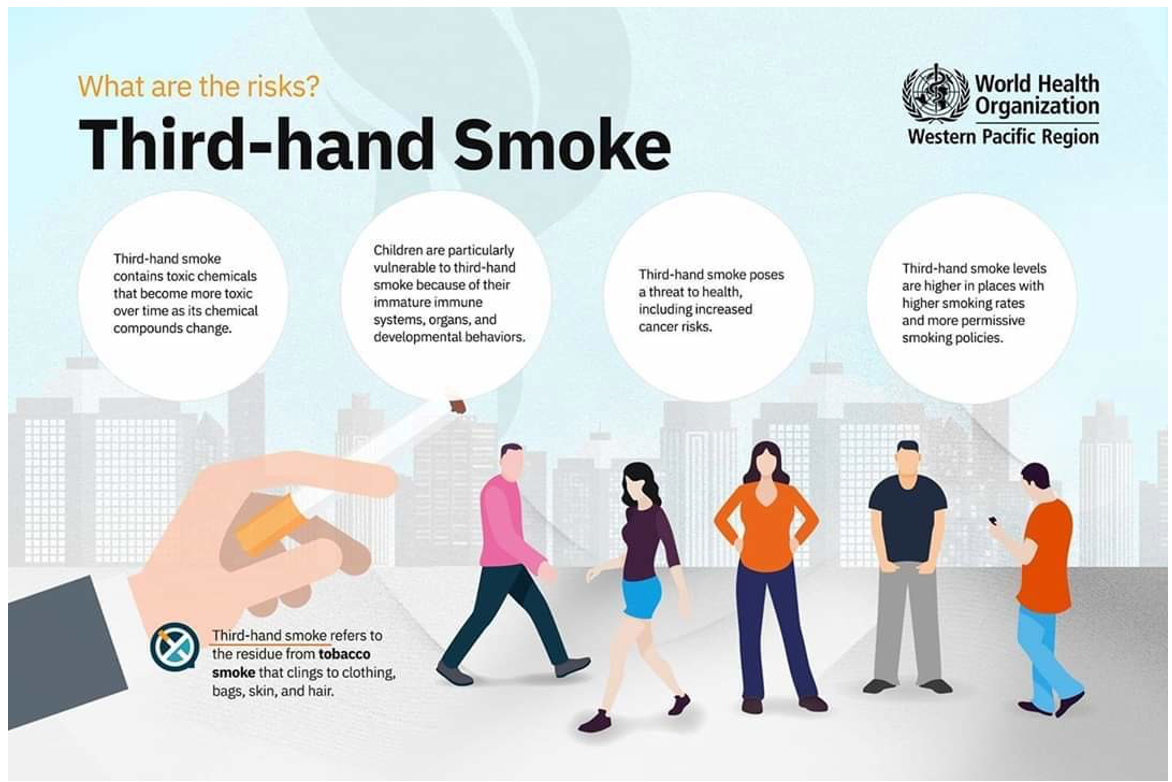
Figure 2. Infographic from WHO about the hazards of third-hand smoke. Click to enlarge the image.
I can remember taking care of children with asthma, and it was abundantly obvious that their caregivers were smokers. They kept coming frequently for treatment. It is important that we share this information with these parents to help them understand that there are things they can do to minimize this even as simple as changing their clothing before coming in contact with their children. Let's say grandma or grandpa is a smoker, and they want to hold a brand new baby. You would want to encourage them to change their shirt. You can also encourage them to smoke outdoors only. This includes no smoking in their vehicle. Many people are set in their ways, but it is important they know that they can be transporters of third-hand smoke (residue and chemicals). They need to know how to reduce that risk even if they are not actively smoking inside or around people, especially children.
I do not know if you have ever experienced repainting a house of a smoker or a previous smoker. When I first entered respiratory school, I worked with a private contractor to paint homes. You can see the buildup of nicotine on the walls in the homes of smokers. We had to put a vast amount of product on these walls to even get the paint to adhere. In some instances, it was cheaper to completely put up a new wall than it was to try to paint the existing wall.
Vaping
Changing gears a little bit, let's look at vaping.
What Makes Vaping Different?
- Electronic cigarettes, or e-cigarettes, are electronic devices that are used to heat a liquid containing nicotine.
- These can include e-pens, e-pipes, e-hookah, and e-cigars, also known as ENDS (electronic nicotine delivery systems.)
- They're also sometimes called JUULs, "vapes" and "vape pens."
- Some e-cigarettes look like regular cigarettes, cigars, or pipes.
- However, a major concern among parents is that some ENDS look like USB flash drives, pens, and other everyday items.
- Larger devices such as tanks or mods do not resemble vaping devices at all.
Centers for Disease Control and Prevention
Something that makes vaping a little bit different is that we remove the actual burning of the tobacco plant. Now, nicotine is in a liquid form. These are often referred to as e-cigs, e-cigarettes, e-pens, e-hookah, and e-cigars. Collectively, they are known as ENDS which stands for an electronic nicotine delivery system. I have also heard them referred to as a JUUL, vape, or a vape pen. They are known as vapes or vape pens because that is what they look like. JUUL is a specific brand. There are several different names, but this mostly depends on the style and the delivery method.
- A rising concern among youth is the ability to make vapes or e-cigs using household items.
- Many of these electronic devices can also be used to deliver other drugs such as marijuana.
Unfortunately, the components of an e-cigarette or an "END" are not very difficult to make and can be made at home. This is a rising concern among today's youth. Some e-cigs or e-cigarettes look like a regular cigarette, a cigar, or pipe. These are the early models and are easily identifiable, A major concern is that over time they have been adapted and look like common everyday household items. For example, the JUUL looks just like a USB device that you would plug into your computer.
A lot of the e-pens and e-devices have become more slimmed down and sleek. If you did not know what you were looking for, they may look like a regular pen or pencil. I personally have not seen many of the larger devices out in public as much. They are palm-sized devices with a mouthpiece on the end of them. Here are a few pictures of those.
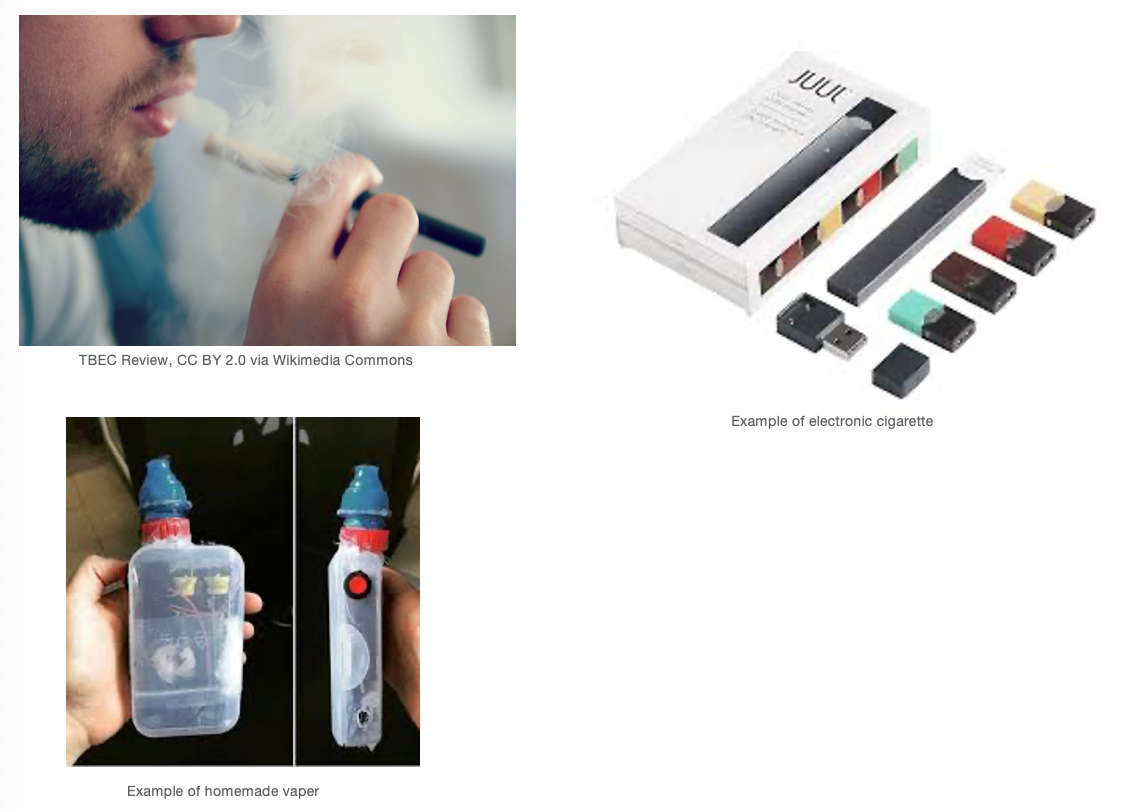
Figure 3. Examples of vaping devices. Click to enlarge the image.
The e-cig of there in the top left corner is something commonly seen. The JUUL brand is the one that charges via a USB port. It looks a lot like a USB stick. It comes in different colors with different nicotine content. Lastly, as I said, they are not very difficult to make and can be seen in the bottom picture. These devices contain a heating element, a battery, and a compartment to hold the liquid. However, the replication of these using household products may put it at risk for combustion. I am sure there are some horror stories that can be found on a Google search where those have exploded or burst. Obviously, hot liquid in someone's face is not safe. Another takeaway from this is that the JUUL has pre-filled cartridges. You figure out the nicotine content that you want, and you put it in the cartridge. You can also see the homemade version on the bottom. They come with a dropper or some kind of measuring device. You add that liquid into the e-cig to determine the amount of nicotine content that you are going to inhale. There is a much stronger nicotine drag or nicotine puff as compared to the traditional cigarette. With a cigarette, you only get what it has, but with the electronic versions, you can adjust the nicotine content.
Another concern with electronic devices is that anything that you want to vaporize, you can. Due to this, it is seen as a gateway into other drugs such as marijuana, CBD oils, and the things like that are all available for vaporization.
Common Misconceptions
1. Vaping ingredients are safer than traditional cigarettes.
- This is simply NOT true!! Some ingredients include:
- Nicotine – a highly addictive substance that negatively affects adolescent brain development
- Propylene glycol – a common additive in food; also used to make things like antifreeze, paint solvent, and artificial smoke in fog machines
- Acrolein – a herbicide primarily used to kill weeds, can cause irreversible lung damage
- Diacetyl – a chemical linked to a lung disease called bronchiolitis obliterans aka "popcorn lung"
- Diethylene glycol – a toxic chemical used in antifreeze that is linked to lung disease
- Ultrafine particles that can be inhaled deep into the lungs
- Diacetyl is an organic compound that is often added to food such a popcorn to give it a buttery flavor.
- When inhaled Diacetyl is known to cause bronchiolitis obliterans or “popcorn lung”.
- Many e-cigs are flavored to make them more appealing to the user.
- Allen (2016) found 51 different types of e-cigarette flavorings were tested, of which 75% contained diacetyl.
I wanted to cover some common misconceptions about vaping. In the beginning, vaping was thought to be safer than traditional cigarettes. Some people even believe that e-cigs are a step down from traditional cigarette use or a way of weaning yourself. There is some truth to that if you are actually monitoring your nicotine content and actually weaning yourself off of nicotine. However, in the majority of cases, it is just a substitute.
Some of the chemicals with vaping are very similar to traditional cigarettes. We know that nicotine is a highly addictive substance that negatively affects the brain, particularly in teens and individuals who are still developing. Propylene glycol is a common additive in food that can also be used to make things like antifreeze, paint solvent, and artificial smoke and fog. Acrolein is a herbicide primarily used to kill weeds that has been directly linked to lung damage. Diacetyl is a chemical linked to a lung disease called bronchiolitis obliterans, which is commonly known as "popcorn lung."
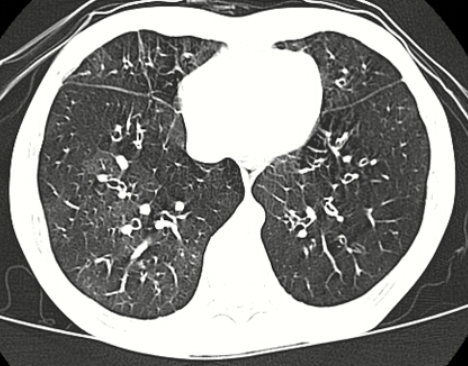
Figure 4. Example of "popcorn lung" or bronchiolitis obliterans. (Bo-Qia Xie, Wei Wang, Wen-Qian Zhang, Xin-Hua Guo, Min-Fu Yang, Li Wang, Zuo-Xiang He, Yue-Qin Tian, CC BY 4.0 via Wikimedia Commons)
I will talk a little bit more about that in a second. Diethylene glycol is a toxic chemical associated with antifreeze and has also been directly linked to lung disease. One of the major takeaways from this is not only are these different chemicals and different ingredients in e-cigs, but they also have ultrafine particles. We know as RTs and healthcare providers, particle size plays a huge role in deposition. If there are smaller particles, then these chemicals can travel further and go deeper than the traditional methods of smoking. Thus, we are now seeing a different effect of vaping as compared to smoking. I think this is one of the main reasons that this popcorn lung has come about. Not only is this a new ingredient that has not been inhaled before, but it is also able to reach deeper down into the lungs as we are vaporizing it at smaller particle sizes.
Looking at popcorn lung a little closer, diacetyl is an organic compound found in foods such as popcorn. It is what gives it the buttery flavor. If you are thinking, "Oh my gosh! I have made microwave popcorn all my life. Is this going to cause me to have some kind of lung disease now?" No. Diacetyl is approved for ingestion, and there are no known concerns when you inhale it. Inhaling is another story. In fact, bronchiolitis obliterans is where you basically cause permanent scarring to the lung. This component is used for flavoring, and those making e-cigs thought flavoring would increase their popularity. There are currently over 7,000 flavors on the market, and many are fruit-flavored. They also replicate alcohol flavors, menthol, cookies, cakes, other sweets, and a combination of any and all of those. One study in 2016 studied 51 different brands and flavors to find out if diacetyl was present in them. Almost 75% of them contained diacetyl. This is definitely not an ingredient that you want to be entering into your lungs.
2. Vaping clouds are less harmful than traditional second-hand smoke.
- There is no amount of second-hand exposure that is safe.
- However, the amount of toxins available for passive inhalation are reduced with vapes as compared to traditional cigarettes (Avino, 2018).
- Another misconception is that vaping clouds are less harmful than traditional secondhand smoke.
Many think that vaping smoke is just water vapor or no different than steam. They think it is not going to hurt them. This is not necessarily true. There is no amount of secondhand smoke that is considered safe, whether it be from traditional tobacco or a vape cloud. None of it is free of toxins. A study by Avino in 2018 compared traditional cigarette smokers to those who vape. The results showed that vaping does have a lot fewer toxins than traditional cigarettes (Figure 5).
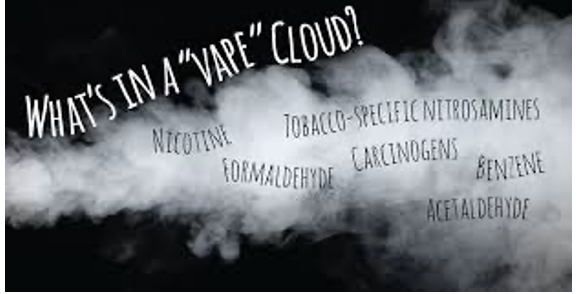
Figure 5. Graphic showing six chemicals found in a vape cloud.
However, that is only for the majority of the toxins. There were a couple of chemicals that had a higher occurrence in the vape cloud than in traditional cigarettes. Thus, it is not that the toxins and chemicals are not present, but some are significantly decreased and a few are higher. You also have to consider that emission doses are variable with e-cigs. What I mean by emission doses is how fast are you smoking, how big of a drag/breath, or how long are you smoking? And, how much are you going to exhale? There are so many variables there that it would be nearly impossible for us to pinpoint that. Vaping is only safer if they do little puffs. It is almost impossible to say that any amount is free of concern.
Why is it Such a Problem?
- Nicotine is an addiction that is not easily overcome alone.
- Nicotine Improves concentration and memory!
- National Institute on Drug Abuse
- Can cause many developmental issues in teens.
- A typically manufactured cigarette contains about 10 mg of nicotine, but most of it goes up in smoke, with approximately one milligram of nicotine being inhaled by the smoker.
- Highly concentrated liquid nicotine can be fatal to infants and children.
- American Lung Association
Why is this such a problem? Nicotine is an addiction. If you have ever dealt with anyone who had an addiction, nicotine really is no different except it is a legal drug. It peaks in the bloodstream very quickly when it is inhaled. This stimulates the adrenal glands to then produce adrenaline, and it activates the pleasure pathways in the brain. These individuals began to have that euphoric high. The high of nicotine is very short-lived in comparison to other illegal drugs.
In individuals who are younger and still developing, nicotine has been shown to improve concentration and memory. And, as you smoke it, you begin to have a calming effect. You can see the appeal. Not only does it make someone feel good, but it helps them concentrate. They also get a calming effect. A major concern of vaping in teens is that they can adjust the nicotine content to fit their desires. So, the higher amounts of nicotine they use, the more nicotine they are going to crave to get that feel-good feeling.
In the self-filling style vapes, the liquid nicotine comes in bright and colorful packaging which makes it attractive to young children and infants. However, nicotine liquid ingestion has been fatal in many cases.
- 16 million individuals in America suffer from smoke-related illnesses.
- Approximately 480,000 people die from smoke-related illnesses each year.
- The estimated annual healthcare costs related to tobacco illness is $226.7 billion.
Tobacco Free Kids
Although there has been a decline in the total number of vape users, it is still a major contributor to preventable disease. So, regardless of if it is a vape or traditional cigarette, both are major contributors to diseases that are considered preventable. As I said, approximately 48,000 people die from smoking-related illnesses each year with estimated annual healthcare costs of almost 227 billion.
I do not know about you, but I can think of a lot of areas of healthcare that could use $227 billion or different ways to spread that money. Realistically, are we going to convince everyone to quit smoking? No, but if we reduce in any way, I deem that a win.
Demographics of Smoking
- In 2017, more men smoked daily than women.
- In 2017, more high school students admit to being current smokers than middle school students.
American Lung Association
Who are smokers? I pulled this from the 2000 study from the American Lung Association. The majority of smokers are men at 56% as compared to 44% of women. Looking at the demographics by ethnic groups, American Indians and Alaska natives were the highest groups at 34%. The numbers are equal among whites and blacks, and then slightly lower for Hispanics and Asians.
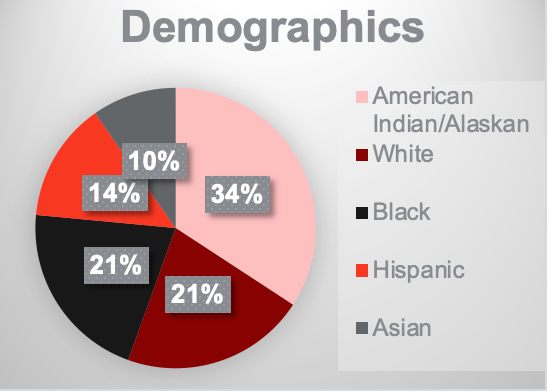
Figure 6. Pie chart of the demographics of smokers.
You may be thinking, "Ok, higher numbers in American Indians may be a cultural thing," but there is more to it than just that.
Why Is That?
- Tobacco products are often advertised and promoted disproportionately to specific racial or ethnic groups further adding to the tobacco disparities in these populations.
Here is some information about how tobacco is marketed. Big tobacco companies' marketing teams are very good at what they do. It may not be the most ethical, but they do an excellent job of targeting their potential audience. Tobacco products are advertised and promoted disproportionately to specific racial or ethnic groups, further added adding to the tobacco disparities in this population (See Figure 7).

Figure 7. Tobacco packaging featuring American Indians.
- Advertising for tobacco products has been more prevalent in African-American communities. In 2007, a review of existing studies found that the occurrence of billboard/outdoor signage advertisements being smoking-related was 70% higher in these neighborhoods.
American Lung Association
The advertising of tobacco products is also more prevalent in African-American communities (Figure 8).
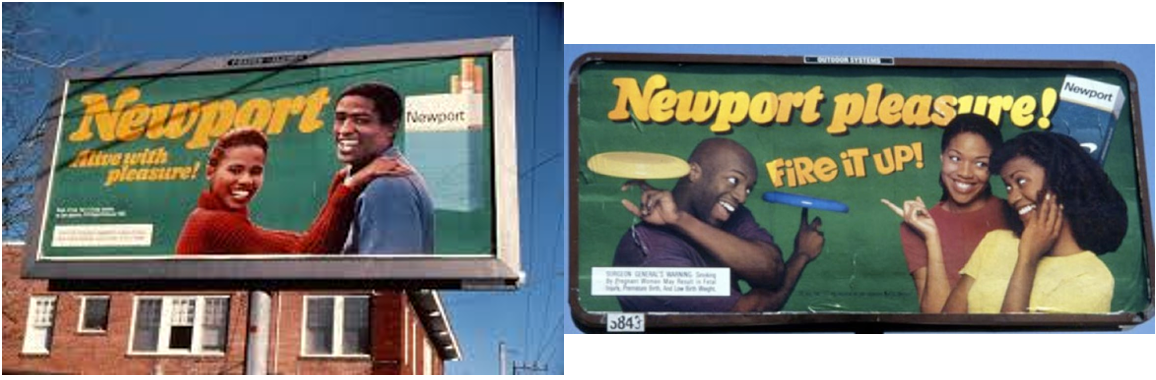
Figure 8. Billboards for cigarettes depicting African Americans.
A study in 2007 reviewed signage and billboard signs and found that smoking-related advertisement was 70% higher in African-American neighborhoods. The tobacco industry was also amongst the first to develop an LGBTQ plus ad as far back as the mid-nineties. They posted that signage in areas that were primarily homeless. Marketing can be so interesting, but it can also make you mad. Some examples include ads in the rural communities depicting very rugged men like cowboys, hunters, and race car drivers as these are popular activities in that area. Women have long been a target due to the appetite suppressant side of smoking. Virginia Slims market to women using a very attractive, thin model in all of their ads.
Vaping and e-cigs use a similar playbook as the big tobacco companies. You can search vaping ads and see direct replicas or recreations of tobacco ads from many years ago. For example, JUUL ads are often depicted as wealthy, attractive individuals. They may be in front of a big house or in front of a nice car. The models are often dressed in nice clothes. They are trying to establish themselves as a premium product. They want you to believe that smoking a JUUL would be the same as carrying that designer handbag or driving a very nice sports car. As a parent, these marketing strategies, in Figure 9, are the ones that make me mad. They even use the same names as popular candies, like the Sour Patch Kids or Runts.
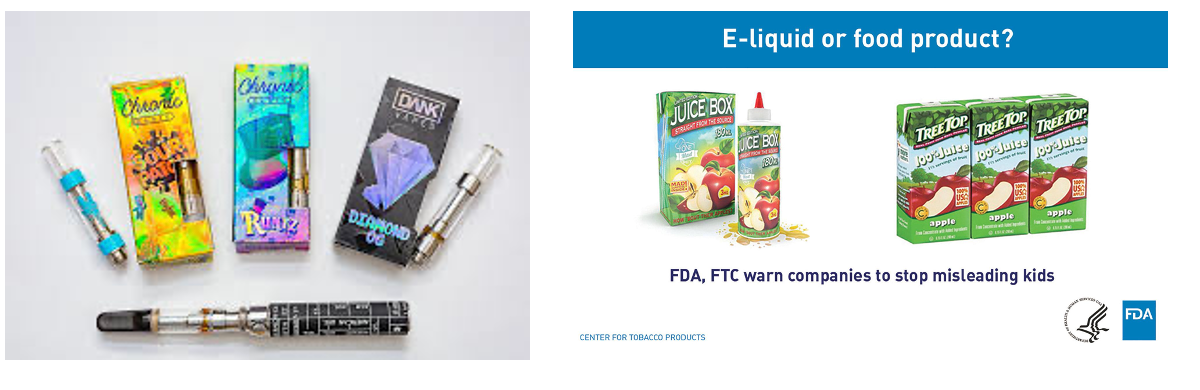


Figure 9. Vaping products that look similar to child food products. Click to enlarge the image.

You can easily see why a child would be enticed to pick that up and potentially ingest these products.
Mental Health
- 70 to 85% of individuals with schizophrenia use tobacco products.
- Individuals with (PTSD) are about 22% more likely to be current smokers.
- More than 80% of youth with substance use disorders report that they are also current tobacco users (McClure, 2015).
American Lung Association
There have not been any definitive links in the studies looking at tobacco use among those with mental health disorders. However, there is a very strong occurrence, and this is usually thought to be associated with the effect that nicotine has on the brain. You get that feel-good high and calming after effect. Again, there is also increased memory and concentration. It is easy to see why individuals who suffer from schizophrenia have PTSD or other substance abuse disorders and why nicotine is appealing to them. More than 80% of youth who admit to using illegal drugs and other drugs and have a substance abuse problem are also are tobacco users. This is why vaping is such a concern as these drugs can be used in vaping devices.
Smoking Cessation and Tobacco Management
Resources
- Although several programs exist, it is important to target the specific needs of each individual.
- American Lung Association
- Centers for Disease Control and Prevention
- American Cancer Society
There are numerous programs, and it is easy to see how someone might be overwhelmed. I wanted to just bring a few of them to your attention. This is by no means inclusive of everything that is out there. These are just some of the ones I know. The American Lung Association has Freedom From Smoking. This is a tobacco cessation program that offers courses online, as well as group clinics, to help individuals gain control and develop a quit plan. They also have a support group associated with them called the Better Breathers Club. When an individual is ready to quit, there is a huge social impact. I will talk a little bit more about that in a second. The Quit Don't Switch program addresses the concerns of vaping and e-cigs. It encourages the client to quit and not switch forms of nicotine. The Lung Helpline is staffed by RNs and RTs that are certified as tobacco treatment specialists. It is offered in over 250 languages. There should be very few barriers to individuals who could seek help through that lung helpline.
The CDC offers Tips From Former Smokers. This is a campaign where individuals share their personal stories and journeys from all different walks of life. You have probably even seen a few of these on TV commercials. One I can think of is a very thin older woman who has a hole in her neck, and she is talking about taking a shower and having to cover it. If you are talking to a patient or a family member who is a smoker with heart disease, you may be able to find an individual sharing a similar story. It also has stories from teenagers. Quit Now is also a hotline provided by the CDC that will connect you with a personal coach to help you develop strategies that are specific to you.
Finally, the American Cancer Society offers How to Quit Tobacco. This is simply just a step-by-step process on how to quit and what to expect at each phase.
Nicotine Replacement Therapy
- Patches
- Gum
- Inhalers
- Lozenges
- Nasal Spray
- Find what best fits your lifestyle.
Some of you are probably familiar with the patches and the gum. There are also inhalers, lozenges, and nasal spray. The reason that there are so many options is that you want to find what meets each individual's needs and lifestyle? I volunteered at our local county health department and helped them teach their smoking cessation programs. This is where I met a lot of these individuals. Many of them besides needing to quit reported having an oral fixation. If you think about it, every time you have something in your mouth, whether it is an e-cig, traditional cigarette, or a pipe, it is satisfying that oral need. This was something that was hard for them to overcome. This is where we encouraged the gum and lozenges. They could even use a plastic straw or a toothpick. They can keep it in their mouth during those urges. We also want to encourage them to not substitute that oral fixation with food. They may have concerns or stories like, "My best friend quit and gained 65 pounds." The way a lot of these work, especially patches and gum, is that you start at a higher concentration or dosage that matches your nicotine use, and you work your way down. We never want it to become a substitution. We want to make sure that it actually becomes a replacement and not a substitution.
Prescription Medications
- Serious dependence may require additional support through prescription medications.
- Signs of severe nicotine dependence in people who smoke include:
- Smoking more than 1 pack a day
- Smoking within 5 minutes of waking up
- Waking up at night to smoke
- Smoking to ease symptoms of withdrawal
American Cancer Society
There are also prescription meds out there such as Chantix and Zyban or some of the most popular ones. You have to see your doctor and get a prescription for these. As these do have some serious side effects, they usually reserve these for the individuals who really need them. Some of the criteria for an individual receiving prescription medicine are 1)they smoke more than one pack a day, 2)they smoke within the first five minutes of waking up, 3)they wake up at night to smoke, 4)they smoke while trying to ease the symptoms of withdrawal, and 5)they are trying to quit, but they continue to smoke throughout their quitting process.
Withdrawal Symptoms
- Many smokers have withdrawal symptoms during the first few weeks after they quit. Some common ones are:
- Irritability
- Difficulty sleeping
- Trouble concentrating
- Feeling anxious or restless
- Weight Gain
- Social Distancing/ Anxiety
There can be many withdrawal symptoms. The best way to prepare patients is to be open and honest that it is going to be difficult in the beginning. They are going to be irritable, have difficulty sleeping, have trouble concentrating, feel anxious, and have some weight gain. They may have trouble with social distancing as there is a huge social dynamic associated with smoking. For example, many take smoke breaks together. I worked with a gentleman who felt very guilty because smoking was in his family. Because his parents were smokers, he smoked. He felt this was the reason his kids smoked. He remembered sitting on the porch talking to his parents and grandparents while they all smoked. This is how he related to them. He was not sure how to quit because he felt he would be cutting off his entire family. This is definitely an aspect that needs to be addressed.
Another common strategy that we use is delaying the urge. Anytime they are experiencing those withdrawal symptoms, you would encourage them to delay the urge by 10 minutes. Encourage them to do something else for at least 10 minutes. Then, they can decide if they are going to give in and smoke or see if the urge has passed.
Preparing for the Mental Struggles
- Emotional concerns when you quit
- Depression
- Frustration
- Anger
- Anxiety
- Irritability
- Boredom
- Loss
- Nicotine Support Groups
Another important thing to prepare them for is struggling mentally. They can have depression and may be isolated from friends and family. There can be frustration, anger, boredom, and sometimes irritability. They may not be able to relate to their friends and family in the same way. They may have enjoyed going to bars or going out to different venues, and now they do not feel like they can do that. It can be a very isolating experience. This is why it is so important that we support these people. We can help them find nicotine support groups.
Know the Benefits
- 12 to 24 Hours After Quitting:
- The risk of heart attack is significantly reduced
- 2 Weeks to 3 Months After Quitting:
- Your risk of having a heart attack begins to drop.
- 1 to 9 Months After Quitting:
- Your coughing and shortness of breath decrease.
- 1 Year After Quitting:
- Your added risk of coronary heart disease is half that of a smoker.
- 5 to 15 Years After Quitting:
- Your risk of having a stroke is reduced to that of a nonsmoker.
- Your risk of getting cancer of the mouth, throat, or esophagus is half that of a smoker.
U.S. Department of Health and Human Services
They need to know the benefits of smoking cessation. As you can see, the longer the time since the client stopped smoking, the greater the benefits. Twelve to 24 hours after cessation, their risk of a heart attack decreases. At two weeks to three months, their risk of a heart attack drops. Cough and shortness of breath also begin to decrease one year after quitting. Their risk of coronary heart disease is half that of a smoker at 1 year, and at five to 15 years, their risk of a stroke is reduced, and getting cancer in the mouth and the throat is decreased by half.
What Is Our Role?
How can we help these individuals?
- Know your facts and stay up-to-date.
- Become knowledgeable about the programs in your area.
- Never approach smoking cessation from a nagging or scolding perspective.
- Offer encouragement even when they have failed in the past.
- Help them determine their “why”? Why they should quit or why they believe that can’t or shouldn’t quit.
- Set attainable goals.
What is our role? How can we help these individuals? Our role is to make sure that we are prepared and have the right facts. We need to be up-to-date and knowledgeable about the programs in our specific area or online. We need to help them know where they can seek help.
We never want to approach smoking cessation from a nagging or a scolding perspective. For a long time, we said, "It's bad for you. Do not do it." I feel like smokers already recognize that and do not want you to judge them. Whenever I was teaching, you could tell from the beginning if someone was invested. For example, one woman said, "I'm just here because my insurance makes me." She was not interested in quitting. She did not want to know anything about her why or her quit date, She was only there to satisfy a requirement. There is a readiness to quit scale from one to 10. One is "I'm not ready," and 10 is "I'm ready." If they are not invested they may not make a 10, but they may move up from a 1 to a 2. Then, you have been successful as you moved them up that scale.
We want to set goals that are attainable. Maybe, our goal is for the client not to quit within the next six months but to significantly decrease the amount that they are smoking. Instead, the goal for the client may be to completely quit within a year. We want them to help determine their "why." "Why do you want to quit?" Or, if you have got those individuals that are dead set on not quitting, help them identify why that is. I had one individual whose "why" was his wife told him he could buy a boat if he quit. I encouraged him in those 10 minutes while he was delaying his urges to smoke to get out his phone and look up facts/information about that boat. He was excited about that so the 10 minutes passed by in no time.
Ways to Get Involved
- Great American Smokeout sponsored by the American Cancer Society.
- Tobacco Free Kids
- Become a Freedom from Smoking Facilitator through the American Lung Association
- Volunteer at your local health department
If you are really passionate about this, like I am, take a look at the Great American Smokeout that is posted by the American Cancer Society. It happens on the third Thursday in November each year. It focuses on encouraging individuals to quit smoking. Some individuals/organizations hand out smoking cessation material. I know this year my students and I are going to make a social media campaign.
Tobacco Free Kids occurs in April every year where we do the same thing. We celebrate Tobacco Free Kids groups and discuss the importance of being tobacco free. You can also become a Freedom from Smoking Facilitator through the American Lung Association. The link will give you that information on that.
You can also volunteer at your local health department or research the tobacco coalitions or prevention groups in your area. There are tobacco coalitions throughout the United States, and you can locally get involved in that way. Ours has helped distribute signs when there have been changes in legislation. In Texas, the House Bill Tobacco 21 occurred a couple of years ago where the tobacco age for purchasing tobacco was raised from 18 to 21. The exception was for active-duty military. This is something that we helped schools and organizations become aware of through the tobacco coalition. As you can see, there are lots of ways to get involved.
Thanks for listening.
References
Available in the handout.
Citation
Fino, J. (2021). Tobacco management and smoking cessation. Continued - Respiratory Therapy, Article 93. Available from www.continued.com/respiratory-therapy

Jessica Fino
EdD, RRT
Related Courses
Neuromuscular Disease Review/ Management, in partnership with Midwestern State University
This course reviews neuromuscular diseases and associated treatment strategies within the scope of Respiratory Therapy. In addition, this course also discusses the importance of an interdisciplinary approach to caring for neuromuscular patients.Interstitial Lung Diseases: What a Respiratory Therapist Needs to Know
Interstitial lung diseases (ILD) are an important, increasingly recognized group of inflammatory and fibrotic lung diseases that pose diagnostic and therapeutic challenges. A multidisciplinary approach to patient-centered care is essential.Respiratory Management of Patients With Neuromuscular Weakness Series: Review Recommendations and Best Practice
An essential concern in neuromuscular diseases (NMD) is respiratory failure. This course reviews guidelines and evidenced-based literature on the best practice respiratory management of patients with NMD. It is part of an NMD series but can be viewed as a stand-alone learning experience.