iContinued Respiratory Therapy – Call us: 866-382-0799

What Strategies Can Help Re-engage a Neurodivergent Person Who Appears Disengaged Or Uncomfortable?

Gabrielle Davis, MPH, MA, RRT, RRT-ACCS, RRT-NPS, TTS, LPC, NCC, FAARC

July 15, 2025

Share:

Question

What strategies can help re-engage a neurodivergent person who appears disengaged or uncomfortable?

Answer

If signs of disengagement are present—such as loss of minimal encouragers, sudden changes in tone, or withdrawn body language—rephrasing information, offering alternative explanations, or inviting feedback can help restore connection. These strategies should be framed collaboratively, using language that maintains dignity and encourages participation. By tailoring the response to the individual’s communication style and remaining sensitive to cultural and personal preferences, healthcare professionals can strengthen understanding and create a more supportive environment.

This Ask the Expert is an edited excerpt from the course, Supporting Neurodiverse Staff, Colleagues and Patientspresented by Gabrielle Davis, MPH, MA, RRT, RRT-ACCS, RRT-NPS, TTS, LPC, NCC, FAARC.
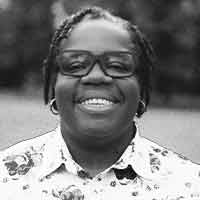

gabrielle davis

Gabrielle Davis, MPH, MA, RRT, RRT-ACCS, RRT-NPS, TTS, LPC, NCC, FAARC

Gabrielle Davis is a registered respiratory therapist and licensed professional counselor (LPC) in her free time. Gabby spent most of her adult career working in Michigan, Illinois, and Idaho ICUs. Before leaving hospital work in 2021, Gabby’s focus was COPD readmission reduction and nicotine addiction treatment.

Gabby has earned a master’s degree in public health and another in counseling. She is the owner and sole counselor of Equitable Counseling & Consulting and serves as the Racial Equity and Food Justice manager for the National Co-op of Grocers. In her free time, Gabby looks for additional ways to leverage her privilege to support the futures of Black, Brown, Indigenous, queer, and trans RT students. Gabby lives in Michigan with her wife and her wife’s dog, and she’s always looking for additional ways to be a professional troublemaker. Community is Gabby’s love language.


Related Courses

Supporting Neurodiverse Staff, Colleagues and Patients
Presented by Gabrielle Davis, MPH, MA, RRT, RRT-ACCS, RRT-NPS, TTS, LPC, NCC, FAARC
Video

Presenter

Gabrielle Davis, MPH, MA, RRT, RRT-ACCS, RRT-NPS, TTS, LPC, NCC, FAARC
Course: #2258Level: Intermediate1 Hour
  'The presenter is addressing topics that are not being addressed normally and is helpful in brining awareness to all who watch it'   Read Reviews
Discussions about neurodiversity have gained momentum, highlighting the need for a greater understanding of this longstanding population. This session introduces respiratory therapists and other healthcare professionals to innovative concepts and strategies for dismantling barriers and promoting affirming and equitable care.

Breathing Easy: Building Psychological Safety for Respiratory Therapists and Healthcare Teams
Presented by Gabrielle Davis, MPH, MA, RRT, RRT-ACCS, RRT-NPS, TTS, LPC, NCC, FAARC
Video

Presenter

Gabrielle Davis, MPH, MA, RRT, RRT-ACCS, RRT-NPS, TTS, LPC, NCC, FAARC
Course: #2257Level: Introductory1 Hour
  'Instructor teach by specific examples'   Read Reviews
This course explores the importance of psychological safety in healthcare, focusing on how creating a supportive environment can enhance communication, teamwork, and patient care outcomes. Respiratory therapists and other healthcare professionals learn strategies to foster trust, reduce fear of mistakes, and promote a culture of openness and mutual respect.

Person First. Patient Last: Equity vs. Equality in Patient Education
Presented by Gabrielle Davis, MPH, MA, RRT, RRT-ACCS, RRT-NPS, TTS, LPC, NCC, FAARC
Video

Presenter

Gabrielle Davis, MPH, MA, RRT, RRT-ACCS, RRT-NPS, TTS, LPC, NCC, FAARC
Course: #1811Level: Introductory1 Hour
  'The topic was very timely'   Read Reviews
Appropriate patient education is imperative during appointments and hospital stays to ensure patients are armed with the necessary tools to be successful once they return home. Unfortunately, all people learn differently, and literacy (health literacy as well) levels vary across the nation. Respiratory therapists must personalize general educational information that would best fit that patient versus of using materials and techniques that simply cater to their diagnosis.

Recognizing the Bias Within Us
Presented by Katie O'Shea, PT, DPT, GCS,CDP, CCRP, Stephanie Long, PT, DPT, GCS, CEEAA
Video

Presenters

Katie O'Shea, PT, DPT, GCS,CDP, CCRPStephanie Long, PT, DPT, GCS, CEEAA
Course: #1554Level: Introductory2 Hours
  'The speakers shared similar experiences'   Read Reviews
This course allows clinicians a safe and informative place to learn about the different types of bias they may encounter within their roles. Clinicians will be provided with a supportive space to gain an understanding of their own personal biases, how these impact patient interactions, and strategies to overcome misinformed preconceived notions. Additionally, clinicians gain knowledge as to the biases patients may approach services in the healthcare industry with.

Beyond Cultural Competency: Addressing Health Disparities Through Awareness, Sensitivity and Communication
Presented by Nancy Nathenson, RRT
Video

Presenter

Nancy Nathenson, RRT
Course: #2517Level: Intermediate1.5 Hours
The purpose of this program is to introduce the concept and skill set of cultural competency for the healthcare provider, including specific examples on how culture can influence health and how personal reflection and communication strategies can reduce discrimination and health disparities in diverse patient populations.