iContinued Respiratory Therapy – Call us: 866-382-0799

What Are Minimal Encouragers and How Can Respiratory Therapists Use Them to Improve Patient Communication and Clinical Outcomes?

Gabrielle Davis, MPH, MA, RRT, RRT-ACCS, RRT-NPS, TTS, LPC, NCC, FAARC

May 1, 2026

Question

What are minimal encouragers and how can respiratory therapists use them to improve patient communication and clinical outcomes?

Answer

Minimal encouragers are verbal and nonverbal cues that signal to a patient or colleague that you are actively listening and that they can continue sharing. Most people use them instinctively without knowing there is a name for them. They foster an environment where patients feel safe to tell their story, and stories yield more clinically useful information than closed-ended yes-or-no questions.

Verbal minimal encouragers include phrases such as "I see," "Go on," "That sounds difficult," "Mhm," and "Tell me more." These signals communicate that you are present, that you hear what is being said, and that the person should continue. The specific phrasing can be adjusted for audience. With a pediatric patient, "That is tough" may feel more natural than "That sounds difficult." The goal is authenticity, not formula.

Nonverbal minimal encouragers include nodding, maintaining eye contact where culturally appropriate, leaning forward slightly, and using facial expressions that convey concern or empathy. I have found in my mental health practice that allowing myself to have genuine reactions, including surprise or visible concern, actually helps patients open up more than a trained neutral expression does. People need to see that you are human.

To illustrate the clinical value: I had a COPD patient, whom I will call Mary, who had been managing well and then was readmitted. Staff described her as non-compliant with her medication regimen. Because I had a relationship with her, I asked open-ended questions. Through that conversation, I learned that her daughter had fractured her femur, was bedridden, and her daughter's husband, overwhelmed by other responsibilities, had not been getting Mary her medications. She was not non-compliant. She did not have access to her medication.

The fix was simple: arrange for the medication to be mailed. But we never would have reached that solution without asking open-ended questions and listening for the story behind the symptom. Minimal encouragers help patients feel heard and understood, promote sharing of critical health information, demonstrate genuine care and attentiveness, and contribute to more accurate diagnoses and treatment plans.

This Ask the Expert is an edited excerpt from the course, Breathing Easy: Building Psychological Safety for Respiratory Therapists and Healthcare Teams, presented by Gabrielle Davis, MPH, MA, RRT, RRT-ACCS, RRT-NPS, TTS, LPC, NCC, FAARC.


gabrielle davis

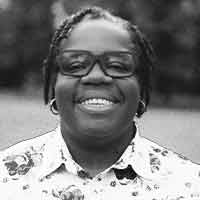
Gabrielle Davis, MPH, MA, RRT, RRT-ACCS, RRT-NPS, TTS, LPC, NCC, FAARC

Gabrielle Davis is a registered respiratory therapist and licensed professional counselor (LPC) in her free time. Gabby spent most of her adult career working in Michigan, Illinois, and Idaho ICUs. Before leaving hospital work in 2021, Gabby’s focus was COPD readmission reduction and nicotine addiction treatment.

Gabby has earned a master’s degree in public health and another in counseling. She is the owner and sole counselor of Equitable Counseling & Consulting and serves as the Racial Equity and Food Justice manager for the National Co-op of Grocers. In her free time, Gabby looks for additional ways to leverage her privilege to support the futures of Black, Brown, Indigenous, queer, and trans RT students. Gabby lives in Michigan with her wife and her wife’s dog, and she’s always looking for additional ways to be a professional troublemaker. Community is Gabby’s love language.


Related Courses

Breathing Easy: Building Psychological Safety for Respiratory Therapists and Healthcare Teams
Presented by Gabrielle Davis, MPH, MA, RRT, RRT-ACCS, RRT-NPS, TTS, LPC, NCC, FAARC
Text

Presenter

Gabrielle Davis, MPH, MA, RRT, RRT-ACCS, RRT-NPS, TTS, LPC, NCC, FAARC
Course: #2257Level: Introductory1 Hour
  'easy to read and understand, examples helped'   Read Reviews
This course explores the importance of psychological safety in healthcare, focusing on how creating a supportive environment can enhance communication, teamwork, and patient care outcomes. Respiratory therapists and other healthcare professionals learn strategies to foster trust, reduce fear of mistakes, and promote a culture of openness and mutual respect.

Supporting Neurodiverse Staff, Colleagues and Patients
Presented by Gabrielle Davis, MPH, MA, RRT, RRT-ACCS, RRT-NPS, TTS, LPC, NCC, FAARC
Video

Presenter

Gabrielle Davis, MPH, MA, RRT, RRT-ACCS, RRT-NPS, TTS, LPC, NCC, FAARC
Course: #2258Level: Intermediate1 Hour
  'Excellent topic, and great examples'   Read Reviews
Discussions about neurodiversity have gained momentum, highlighting the need for a greater understanding of this longstanding population. This session introduces respiratory therapists and other healthcare professionals to innovative concepts and strategies for dismantling barriers and promoting affirming and equitable care.

Person First. Patient Last: Equity vs. Equality in Patient Education
Presented by Gabrielle Davis, MPH, MA, RRT, RRT-ACCS, RRT-NPS, TTS, LPC, NCC, FAARC
Video

Presenter

Gabrielle Davis, MPH, MA, RRT, RRT-ACCS, RRT-NPS, TTS, LPC, NCC, FAARC
Course: #1811Level: Introductory1 Hour
  'Good course, good helpful information'   Read Reviews
Appropriate patient education is imperative during appointments and hospital stays to ensure patients are armed with the necessary tools to be successful once they return home. Unfortunately, all people learn differently, and literacy (health literacy as well) levels vary across the nation. Respiratory therapists must personalize general educational information that would best fit that patient versus of using materials and techniques that simply cater to their diagnosis.

Obstructive Sleep Apnea and Anxiety: What is the Connection?
Presented by Kelvin Imo, DDS, IAOS-Diplomate Candidate
Video

Presenter

Kelvin Imo, DDS, IAOS-Diplomate Candidate
Course: #1536Level: Introductory1 Hour
  'The teaching style'   Read Reviews
Evidence in current research suggests sleep apnea and anxiety are connected, creating ongoing consequences for an individual's quality of life if left untreated. The course discusses the interrelationship between the two disorders and the recognition of high-risk groups for practitioners providing care.

Respiratory Therapy Without Borders, An International Perspective
Presented by Dorothy Honny Bendah, BS, RRT
Video

Presenter

Dorothy Honny Bendah, BS, RRT
Course: #1794Level: Introductory1 Hour
  'You are an inspiration!'   Read Reviews
There was a dire need to demonstrate the relevance of respiratory care in The heat of the COVID-19 pandemic which saw an increase in demand for respiratory therapists in Ghana. The course introduces the unique formation of the Ghana Association for Respiratory Care (GARC), in collaboration with the international Council for Respiratory Care (ICRC), highlighting the contributions respiratory therapists make to the multidisciplinary team of healthcare professionals.