iContinued Respiratory Therapy – Call us: 866-382-0799

How Do We Define Culture?

Sara Pullen, PT, DPT, MPH, CHES

October 11, 2021

Share:

Question

How do we define culture?


    Answer

    • a: the customary beliefs, social forms, and material traits of a racial, religious, or social group; also: the characteristic features of everyday existence (such as diversions or a way of life) shared by people in a place or time (popular culture Southern culture)
    • b: the set of shared attitudes, values, goals, and practices that characterizes an institution or organization (corporate culture focused on the bottom line)

    Merriam Webster

    The million-dollar question is, "How do we define culture?" The Merriam-Webster dictionary defines it as "the customary beliefs, social forms, and materials traits of a racial, religious, or social group." Also, culture is the characteristic features of everyday existence, such as diversions or a way of life shared by people in a time or place, like Southern culture). I live in Atlanta, but I am originally from Massachusetts and New England. Many people say "Baby" or "Bless your heart" and serve sweet tea in the Southern culture.

    Another definition is the shared set of attitudes, values, goals, and practices that characterize an institution or organization, like corporate culture focused on the bottom line. One of my favorite definitions is from the World Health Organization.

    • “Culture should be regarded as the set of distinctive spiritual, material, intellectual and emotional features of a society or a social group, and that encompasses, in addition to art and literature, lifestyles, ways of living together, value systems, traditions, and beliefs.”
      • World Health Organization
    • This definition stresses that culture is not limited to national, racial, ethnic, or religious affiliation – it is comprised of overt beliefs and practices AND the subtle/ assumed conventions that frame our sense of reality define what is normal and abnormal.

    I like this definition of culture as it stresses that culture is not limited to national, racial, ethnic, or religious affiliation. It comprises overt beliefs and practices as well as the subtle and assumed conventions that frame our sense of reality and define what is normal and abnormal to us. Something might be normal to us but not normal to someone else. This is important in healthcare.

    This Ask the Expert is an edited excerpt from the course, Cultural Awareness and Implicit Bias in Healthcarepresented by Sara Pullen, PT, DPT, MPH, CHES.
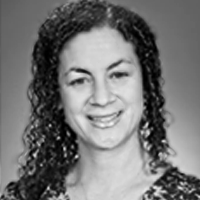

    sara pullen

    Sara Pullen, PT, DPT, MPH, CHES

    Dr. Pullen is an Associate Professor at Emory University School of Medicine, where she coordinates the service-learning program and the pro bono physical therapy clinic. Dr. Pullen’s clinical practice and research focus on the intersection of HIV, chronic pain, and opioid use, especially in underserved areas. Dr. Pullen started the first physical therapy clinic within a freestanding, multiservice AIDS clinic in the southeastern U.S. where she holds weekly clinics and conducts clinical research. She has wide experience in the provision of health services to underserved communities both in the U.S. and internationally. She has published several peer-reviewed journals on the topic of HIV and physical therapy and provided the HIV content of the two major study guides for the physical therapy national board licensure exam. In 2015, she received the IPT-HOPE Award from the World Congress of Physical Therapy for her work in the field of HIV and physiotherapy. In 2018, she received the Emory University School of Medicine’s prestigious Hidden Gem Award for her groundbreaking work with HIV and chronic pain in vulnerable communities.


    Related Courses

    Cultural Awareness and Implicit Bias in Healthcare
    Presented by Sara Pullen, PT, DPT, MPH, CHES
    Video

    Presenter

    Sara Pullen, PT, DPT, MPH, CHES
    Course: #2480Level: Introductory1 Hour
      'Cultural competence training is so important and this was a great class!'   Read Reviews
    This course familiarizes respiratory therapists with cultural sensitivity and competence. The course describes implicit bias and health inequity relating to healthcare delivery.

    Spanish for Respiratory Therapists
    Presented by Sara Pullen, PT, DPT, MPH, CHES
    Video

    Presenter

    Sara Pullen, PT, DPT, MPH, CHES
    Course: #2460Level: Introductory1 Hour
      'very relevant - great instructor'   Read Reviews
    This course will provide respiratory therapists with basic Spanish terminology and phrases to conduct a patient assessment. Participants will learn how to communicate common subjective and objective parts of a patient exam using the Spanish language.

    HIV Education for Respiratory Therapists
    Presented by Sara Pullen, PT, DPT, MPH, CHES
    Video

    Presenter

    Sara Pullen, PT, DPT, MPH, CHES
    Course: #2477Level: Introductory1 Hour
      'Information shared not purely clinical but also input of those affected'   Read Reviews
    This course provides respiratory therapists with essential HIV-related knowledge and clinical insights. The course reviews common respiratory conditions and complications frequently encountered in patients with HIV and AIDS. The course aims to enhance understanding of respiratory care considerations specific to this patient population.

    Recognizing the Bias Within Us
    Presented by Katie O'Shea, PT, DPT, GCS,CDP, CCRP, Stephanie Long, PT, DPT, GCS, CEEAA
    Video

    Presenters

    Katie O'Shea, PT, DPT, GCS,CDP, CCRPStephanie Long, PT, DPT, GCS, CEEAA
    Course: #1554Level: Introductory2 Hours
      'The speakers shared similar experiences'   Read Reviews
    This course allows clinicians a safe and informative place to learn about the different types of bias they may encounter within their roles. Clinicians will be provided with a supportive space to gain an understanding of their own personal biases, how these impact patient interactions, and strategies to overcome misinformed preconceived notions. Additionally, clinicians gain knowledge as to the biases patients may approach services in the healthcare industry with.

    Health Literacy & Delivering Culturally Competent Care
    Presented by Kathleen Weissberg, OTD, OTR/L, CMDCP, CDP
    Video

    Presenter

    Kathleen Weissberg, OTD, OTR/L, CMDCP, CDP
    Course: #2393Level: Introductory2 Hours
      'understandable, organized'   Read Reviews
    The webinar reviews techniques for clear and effective communication, verbal and written communication with those from other cultures, writing and selecting easy-to-read health materials, and assessment tools to use to ensure that clients understand the therapy services provided and have the skills needed to access, understand, and use health information.