Course Articles
Developing Staff Through All Stages of a Career
Carrie Coffman, RRT
Editor's note: This text-based course is an edited transcript of the webinar Developing Staff Through All Stages of a Career, presented by Carrie Coffman, RRT.
It is recommended that you download the course handout to supplement this text format.
Learning Outcomes
After this course, participants will be able to:
- Recognize the different stages of a respiratory therapist career
- Identify various strategies for development opportunities
- Identify issues facing respiratory leaders regarding staffing
First Stage - New Graduate
I am delighted to be here today to discuss the vital topic of staff development. If I were to ask everyone on this webinar—or even walk into any respiratory therapy department across the country—what the top three challenges are, I am confident I would hear the same things. The issues of staff retention, recruitment, and burnout would undoubtedly be on everyone's list, if not at the top.
Speaking from my own experience as a respiratory therapist for over 26 years, with 20 of those years in leadership, I have never seen the staffing crisis reach the level it is at now. While there are no easy solutions to these complex problems, I firmly believe that one essential part of the solution is developing your staff throughout all stages of their careers.
Let's start with the first stage: the new graduate. This group is typically full of energy and enthusiasm, eager to dive into the field and put their newly acquired skills into practice. Their excitement for learning and growth is palpable, as they are ready to tackle challenges, take on new tasks, and immerse themselves in patient care. For leaders, this is a rewarding stage to witness, as these fresh graduates bring a sense of renewal and vitality to the team.
One of the biggest hurdles with new graduates is helping them channel their enthusiasm into focused learning. They are often so eager to excel that they can become overwhelmed by trying to master too many things simultaneously. As a leader, we are responsible for guiding them through this initial phase by helping them focus on one task at a time, allowing them to build a solid foundation of skills before moving on to the next challenge. While this can be a challenge, it is certainly a good one to have—managing enthusiasm and eagerness rather than apathy.
For example, take Antonio—a new graduate on our team. After completing his NICU training, He is already making significant strides and delivering exceptional care. His eagerness to learn and grow has made him a standout, and it is gratifying to see how much potential he has. This phase of development is exciting not only for the new hires but also for the entire team. Their enthusiasm is contagious and can even reignite passion in more experienced team members, including leaders. Working alongside new grads reminds us of why we entered the profession in the first place—seeing their fresh perspective and genuine excitement brings back the drive and inspiration that sometimes fades after years in the field.
It is essential to provide new graduates with structured guidance and mentorship during this stage. They need clear expectations and consistent feedback to build their confidence and competence. Early successes—like mastering key procedures or navigating challenging patient cases—serve as important milestones that keep them motivated and engaged. As they start to find their footing, they gain technical skills and a deeper sense of responsibility and connection to their patients and the team.
However, while new graduates are full of potential, they face steep learning curves. This can lead to self-doubt or frustration as they encounter situations they have not mastered yet. That is where leadership plays a crucial role—being present, offering encouragement, and fostering a safe learning environment where mistakes are treated as growth opportunities rather than setbacks. It is important to remind them that perfection is not expected at this stage and that every challenge they overcome is a step toward becoming a more competent and confident clinician.
What makes this phase so fulfilling for leaders is witnessing the rapid growth and transformation of these individuals. New graduates tend to develop quickly, and with the right support, they can move from nervous beginners to competent professionals in a relatively short time. It is a phase of development where every effort invested in their growth pays off, both for the individual and the department.
Overall, the new graduate phase is a period of high energy, potential, and growth. These new hires are the future of the profession, and by nurturing their development, we are not only helping them thrive but also strengthening the team and enhancing patient care. This stage is about laying the foundation for a long and successful career, and for leaders, it is an opportunity to inspire, guide, and shape the next generation of healthcare professionals.
Second Stage - The Proficient Stage
- The stage our team is going to spend the majority of their career in.
- This proficiency can lead to stagnation.
- Stagnation can lead to disengagement.
The second stage could be called the "proficient stage," where most of our staff will spend the majority of their careers. In this phase, employees have fully mastered their core job skills and can execute their responsibilities with confidence and precision. They are no longer learning the basics but have instead become experts in their day-to-day tasks. Whether delivering patient care, managing complex equipment, or making critical decisions in fast-paced environments, they do it with ease and expertise.
While those in the proficient stage have a firm grasp of their duties, healthcare is an ever-evolving field. They may still need to occasionally learn new equipment, adapt to updated best practices, or master a new charting system. But even when faced with these changes, they are able to incorporate new information without losing the high level of competence they've developed. Their ability to adapt and apply new knowledge to their existing skill set is a hallmark of this stage.
These are the professionals who form the backbone of our departments. They reliably handle the demands of the job, having honed their skills over time through hands-on experience and consistent practice. Because they have moved beyond the learning curve of a new graduate, they are efficient and can manage their workload without constant supervision or direction.
However, it is important to recognize that while this group is highly competent, they may face the risk of becoming stagnant over time. Without opportunities for further growth or development, even the most skilled professionals can lose motivation. That is why, as leaders, it is essential to continue providing new challenges, learning opportunities, and ways for them to remain engaged—whether it is through mentorship roles, leadership training, or specialty certifications. By doing so, we ensure they stay at the top of their game and avoid the disengagement that can come with being in the same role for a prolonged period.
This stage is critical not only for maintaining the quality of care within a department but also for fostering a culture of reliability, consistency, and excellence. These proficient staff members are the ones you can count on during busy shifts or in high-pressure situations. Their experience and knowledge often serve as a resource for newer staff members, and their contributions are vital to the overall success of the team.
Stagnation and Disengagement
- "U.S. employee engagement took another step backward during the second quarter of 2022, with the proportion of engaged workers remaining at 32% but the proportion of actively disengaged increasing to 18%. The ratio of engaged to actively disengaged employees is now 1.8 to 1, the lowest in almost a decade."
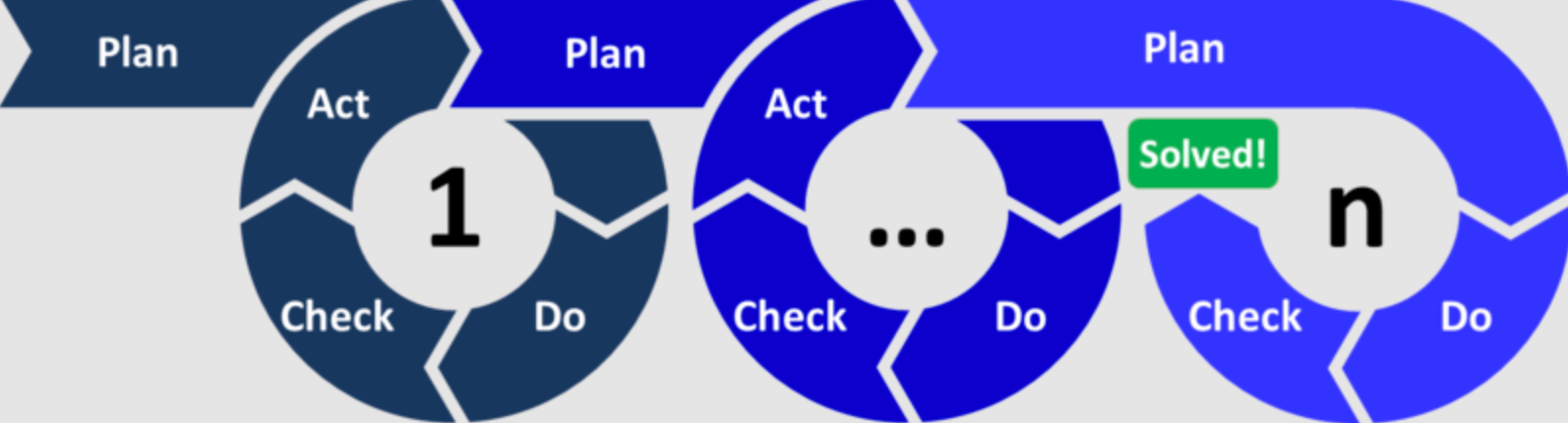
- And that proficiency can lead to stagnation. And that stagnation can lead to disengagement. Now, as mentioned, I am located here in beautiful southern Oregon, and we have this beautiful creek here in southern Oregon. And as I was working on this presentation, what it really reminded me of sort of was a metaphor for me of how we get to this second stage, this proficient stage, and what can happen (Harter, 2022).
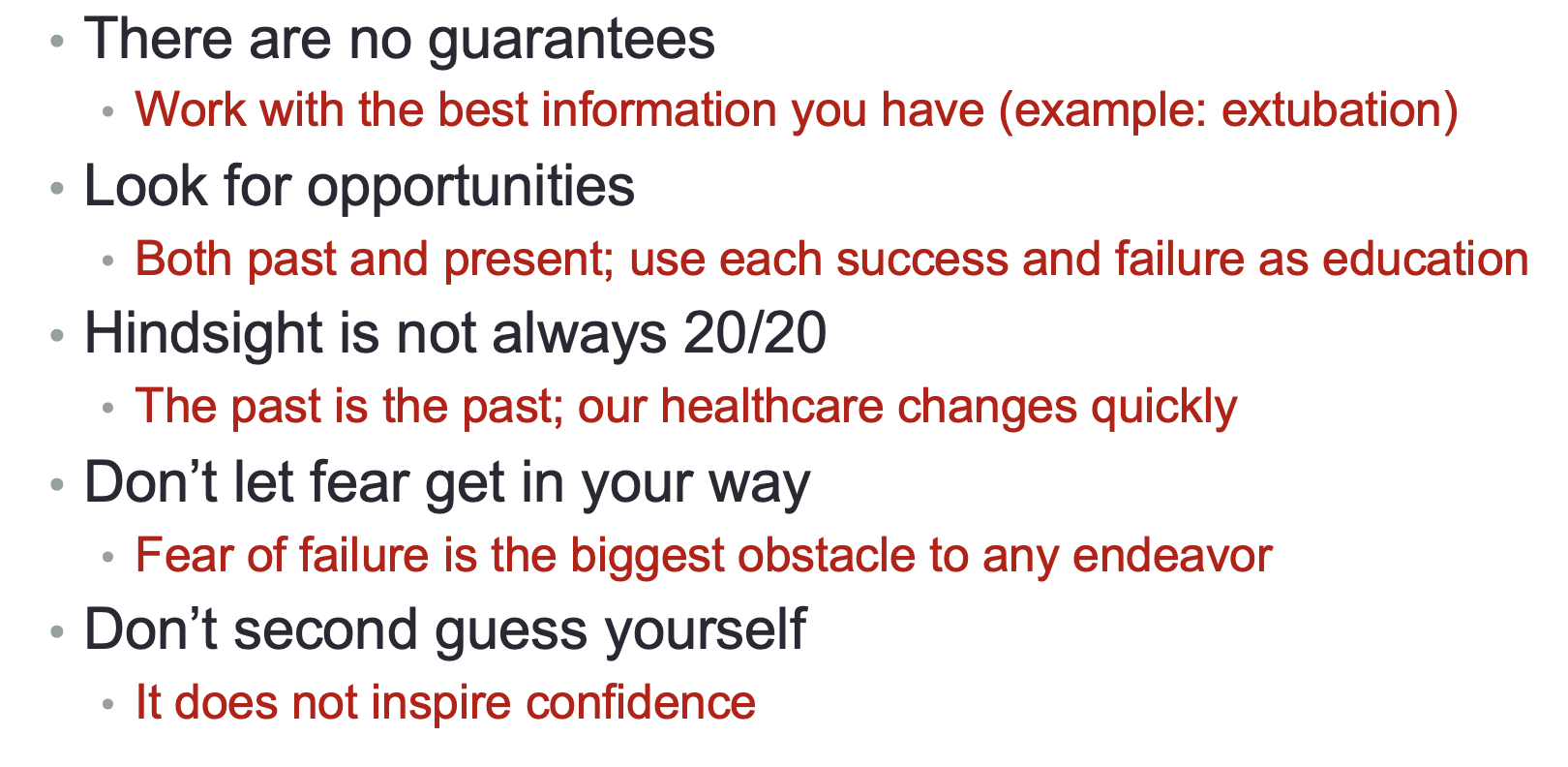
Imagine a beautiful creek, its water flowing swiftly along, full of energy and movement. Suddenly, it opens up into a wide area where small pools of stagnation begin to form. This image mirrors the progression of our careers. In the beginning, we are fast-moving—not necessarily in a physical sense, though that can be part of it. We are quickly learning, growing, and developing, navigating new skills and responsibilities with excitement and momentum.
Then, like the creek, our career path can widen. In these wider areas, pools of stagnation can appear. Without realizing it, we may slow down, fall into routines, and stop seeking out new challenges. What we need at this stage is something to pull us out of that stagnation—some force that pushes us back into the fast-moving current—back into the center of the stream where we can continue rolling forward, learning, growing, and developing, and most importantly, avoiding stagnation.
We all know that stagnation leads to disengagement, which can be dangerous for our personal growth and the quality of care we provide. For years, as leaders, we have discussed disengagement—what many have referred to as stagnation. Disengagement was the buzzword for quite a while. However, in recent years, we have seen a new term emerge: "quiet quitting." This refers to employees who show up, do the bare minimum required to keep their jobs, and then check out mentally and emotionally. Unfortunately, this is not limited to respiratory therapy. It is a growing phenomenon across the entire workforce.
A September 2022 Gallup article highlighted this trend. In their poll, 32% of the workforce reported being engaged, which does not sound too bad at first glance. However, 18% admitted to being actively disengaged—a number that has been steadily rising across industries and is now nearing the highest level in over a decade. This trend is expected to continue.
As leaders, both in respiratory care and across other fields, we must pay attention to this growing problem of disengagement, stagnation, and quiet quitting. Combating these issues will clearly require focused time, energy, and effort. This brings us back to the second stage—the proficient stage. It is in this stage that disengagement can creep in, and if we are not careful, it can lead to stagnation.
Third Stage - The Late Part of a Career
The final stage, often referred to as the "late-career stage," presents its own set of unique challenges and opportunities. By this point, respiratory therapists have accumulated a vast amount of knowledge and experience, having witnessed and managed countless situations throughout their careers. These professionals are invaluable assets to any department, as they have likely encountered almost every scenario the field has to offer. Their deep understanding of the profession, combined with their practical know-how, makes them an essential resource for both patient care and the ongoing development of the team.
At this stage, one of our primary goals as leaders is to tap into that reservoir of wisdom and ensure it is passed down to the next generation of practitioners. Late-career professionals often possess insights that cannot be learned in a classroom or found in textbooks—they know the nuances of patient care, how to navigate complex cases, and how to handle the pressures that come with high-stakes environments. Their wealth of experience can help guide newer staff members through situations that may seem overwhelming at first.
However, the challenge lies in finding ways to effectively harness this expertise. We must ask ourselves: How do we engage these seasoned professionals and encourage them to share their knowledge with those at the beginning of their careers? One solution is creating formal or informal mentorship programs that provide late-career therapists with the opportunity to serve as mentors or preceptors. Through these programs, they can pass on their hard-earned wisdom, guiding younger staff members in areas like critical thinking, advanced procedures, and even the softer skills of patient communication and teamwork.
Yet, while it is crucial to tap into their expertise, we also need to be mindful of the physical realities that come with the later stages of a career. Respiratory therapy is physically demanding work, and over time, some may find it harder to keep up with the physical demands of bedside care. It becomes a delicate balancing act—how do we honor their desire to continue contributing while ensuring they are not overexerted?
This requires thoughtful and personalized leadership. We must have open conversations with late-career staff members about what they still want to contribute and where they feel most effective. Some may wish to step back from the physically demanding aspects of the job, such as high-intensity critical care or emergency response, but still want to remain involved in teaching, training, or administrative roles. Others may want to focus on areas where they feel they can make the most impact, such as complex patient cases or new hire orientation.
Finding ways to offer flexible roles for late-career professionals is key. This might mean transitioning them into roles that involve more teaching, quality improvement projects, or protocol development, where they can apply their knowledge without being on the front lines 24/7. By giving them ownership over projects that allow them to use their expertise in meaningful ways, we can help them continue to feel valued and fulfilled, even as their physical role evolves.
Engaging late-career therapists in this way benefits them and strengthens the entire team. When newer staff members see that experienced colleagues are still learning, growing, and contributing in different ways, it sets a powerful example of lifelong learning and adaptability. It also helps bridge the generational gap that can sometimes arise between more seasoned and younger staff members. By fostering intergenerational communication and collaboration, we create a more cohesive and well-rounded department.
Additionally, retaining late-career professionals in mentoring or advisory roles can have a profound impact on department culture. Their leadership—whether formal or informal—instills a sense of continuity, tradition, and pride in the profession. It can be deeply motivating for younger therapists to have the opportunity to learn from someone who has dedicated decades to the field, reinforcing the importance of commitment, perseverance, and excellence in patient care.
Ultimately, managing the late-career stage requires flexibility, empathy, and creativity. It is about acknowledging the incredible contributions these therapists have made throughout their careers and finding ways to continue benefiting from their experience, even as their roles evolve. The goal is to keep them engaged and appreciated while allowing them to shift their focus in a way that suits both their physical needs and professional desires. By doing so, we not only honor their legacy but also ensure that the next generation of respiratory therapists can learn from the best, contributing to a stronger, more resilient profession as a whole.
Career Ladder
As we consider our employees at each stage, we must ask: What is the gold standard for developing our teams? The answer is a career ladder. And regardless of its structure, any effective career ladder must have two essential components.
First, the career ladder must be fluid. Second, we as leaders must be fluid in our approach. Our staff members will move through different stages at their own pace, and we need to recognize and support that. This flexibility is key to fostering continuous growth, no matter what the career ladder looks like.
I would like to share a snapshot of our current career ladder, which is currently under review as we work on making improvements. Essentially, it looks like this: our first level, RCP I, is our "floor care" role. This is typically where new graduates begin their journey. At this stage, we want our therapists to focus on honing their assessment skills—especially the critical "sick or not sick" judgments. We also expect them to utilize our therapist-driven protocols to the fullest extent.
Once they have mastered these skills, they can move up. Here is where that fluidity comes into play—there is no set timeline. For one therapist, this transition might happen in two months; for another, it could take six months. It all depends on their individual growth and development.
Once our therapists have mastered the RCP I level, they advance to RCP II. At this stage, we train them to work in our adult critical care units, including the emergency department. This is where the mandatory portion of our career ladder ends. Our expectation for every new hire is that they at least reach the RCP II level.
As mentioned, I am with Asante Health System in southern Oregon, a three-hospital system. At our regional center, we offer an RCP III level, which branches into specialized areas. Staff can apply to either the Adult Critical Care Specialist (ACC) team or the Neonatal Pediatric Specialist (NPS) team. However, this specialization is available primarily at the regional center. At our two smaller sister hospitals, RCP III might be a leadership role, but those opportunities are limited, making it more challenging for staff at those facilities to reach RCP III.
Recently, we added another level to the ladder for transport therapists, offering further advancement beyond RCP III. Each level—RCP I, II, III, and Transport—comes with its own pay scale. While there is some overlap between them, they remain distinct, which provides a financial incentive for staff to reach the next level. Currently, we have a NICU transport team in place, and we are actively working on developing an adult critical care transport team.
As I mentioned earlier, flexibility is crucial when it comes to career development. Throughout each stage of a career and within each level of the career ladder, our staff members are navigating their personal lives. They may be getting married or divorced, welcoming children, caring for elderly parents, or dealing with health issues of their own. Any of these life events can significantly impact their ability to focus on their own professional development or contribute additional time and energy to the department.
That is why it is important for us as leaders to meet our staff where they are. Understanding their personal circumstances and adjusting our expectations accordingly is key to helping them succeed. I would like to share some examples to illustrate what I mean by "meeting them where they are."
Let me start with my first example. We had a team member on our RCP III NPS transport team who was incredibly passionate about neonatal care, as many neonatal therapists are. Unfortunately, he experienced a partial loss of vision in his left eye, which significantly impacted his depth perception. This loss affected his ability to consistently and successfully intubate neonates—an essential skill for our NPS team.
As heartbreaking as it was for him—and for us as his leaders—we had to make the difficult decision to move him from RCP III back to RCP II since intubation was a critical requirement at the higher level. The challenge for us as leaders was not just addressing the technical aspect but also finding a way to keep him engaged and motivated in his new role. We had to ask, "Now what? What can we do to help you stay passionate and fulfilled as an RCP II?"
It would have been easy—almost understandable—for him to fall into disengagement and stagnation after such a setback. However, through persistent encouragement and support, we worked with him to find new areas where he could contribute. He took ownership of several key projects and gradually re-engaged in his role at the RCP II level. I am proud to say that, despite the challenges, he found renewed purpose in his work and remained engaged until his retirement.
That first example was challenging, but this second example highlights a different kind of situation. We had a new graduate passionate about respiratory therapy and floor care. She was a real go-getter, and we were confident she would quickly rise up the career ladder. She had all the signs of someone destined for success.
However, just as she was transitioning into the RCP II role, life threw her a curveball. She went through a divorce, and the change in her personal circumstances drastically affected her childcare situation. Unfortunately, this meant she could no longer work the bedside hours required in our department. Despite our best efforts to accommodate her schedule with different shifts, none fit her new reality. Ultimately, she had to leave bedside care and step away from the inpatient respiratory therapy department altogether.
We found her a position in our outpatient setting, where the 9-to-5 hours worked much better for her childcare needs. She thrived in that role for the next seven years. Fast-forward to the present—her childcare situation was no longer a pressing concern, and she came to us excited about returning to bedside care. She was ready to return to the work she loved: bedside floor care.
We started her back at the RCP I level, despite her seven years of experience in respiratory therapy, because that time did not directly translate to the career ladder. However, she quickly moved to RCP II, took on a charge therapist role, and eventually expressed interest in joining the Adult Critical Care Specialist (ACCS) team. She applied, was accepted, and is now excelling in that position.
I am thrilled that we brought her back into bedside care, where her passion lies. These two examples highlight how a career ladder must remain fluid, adapting to both the stages of a therapist's career and the life events that happen along the way. This is what makes it a gold standard for developing your team. However, as leaders, we know there are countless approaches and tactics for fostering growth and development in our teams. Here, I would like to share a small snippet of strategies we use to help our staff grow and succeed.
Other Approaches
- A level: Our solution to allowing a staff member to contribute regardless of level
- Obtaining credentials
- Mentorship with leadership
- Teaching opportunities
- Jobs within the system
- Unit councils leading to project/team leadership
- Journal Club
- Leadership training
- Conferences
- Outside education
- Professional development funds
Let me take a moment to explain what we mean by an "A level" because I know it may sound a bit confusing. An "A level" is our solution for enabling any staff member, regardless of their position on the career ladder, to contribute meaningfully to the department. Whether an RCP I or higher, you can take on a leadership role in a project or initiative that benefits the team.
The key is that the contribution must be both meaningful and measurable. it is not enough to say, "I am going to be the best therapist I can be." While That is important, it is not considered an A level contribution. An A level requires taking charge of a project, leading a team, or driving an initiative that has a tangible impact on the department.
The A level also comes with a financial reward. It adds an extra dollar per hour to the staff member's base wage—not just when they are actively working on a project but across the board. This financial incentive, combined with the personal fulfillment of contributing to the department meaningfully, makes the A level especially rewarding for those at the RCP I level and beyond.
In addition to leading projects, obtaining new credentials and taking on teaching opportunities are excellent ways to keep staff engaged and help them avoid falling into that stagnant pool. Offering leadership training, hosting educational conferences, and encouraging outside education are strategies I strongly advocate for. I have seen firsthand how attending conferences can reignite passion and spark creativity in our team members. These events allow them to come back with fresh ideas, eager to share what they've learned with the department and other teams. it is a fantastic way to get those creative juices flowing and keep staff energized and engaged.
Professional development funds are something I want to highlight because I have seen how impactful they can be. Leadership training, obtaining new credentials, or pursuing outside education can sometimes present financial barriers for our staff. Even though these tools are essential for growth, the cost can prevent team members from taking advantage of them.
If your facility offers professional development funds, it can significantly reduce—or even eliminate—those financial barriers. By providing access to these resources, we empower our teams to take full advantage of leadership training, conferences, and educational opportunities. These tools are invaluable in helping our staff continue to grow, develop, and remain engaged in their roles.
Nursing Career Ladder Pathway to Excellence
The career ladder I shared with you, along with these other strategies, is not only relevant to respiratory therapy. As we have already discussed, the issue of quiet quitting is not unique to our field—it affects many departments within the hospital setting, including nursing. These challenges are widespread, and it is important to apply these development approaches across the board to keep our teams engaged and motivated.
Now, let me give you an example of our nursing career ladder, part of a program called Pathway to Excellence. This program operates on a point-based system and is built around six key standards: shared decision-making, leadership, safety, quality, a culture of well-being, and professional development.
The program is structured annually, and nurses are responsible for accumulating and tracking their points, with proof, across at least three of these six standards. Over the course of the year, they must meet a certain point threshold by engaging in activities that fall under these selected standards. This ensures that they stay on track with their professional growth while contributing to the hospital's goals for excellence.
Nurses gather all their points and supporting documentation throughout the year and submit them annually, qualifying for a bonus based on their total number of points. I like this approach for many reasons. In fact, when we were designing our respiratory therapy career ladder, we seriously considered using a point system before ultimately deciding on levels instead.
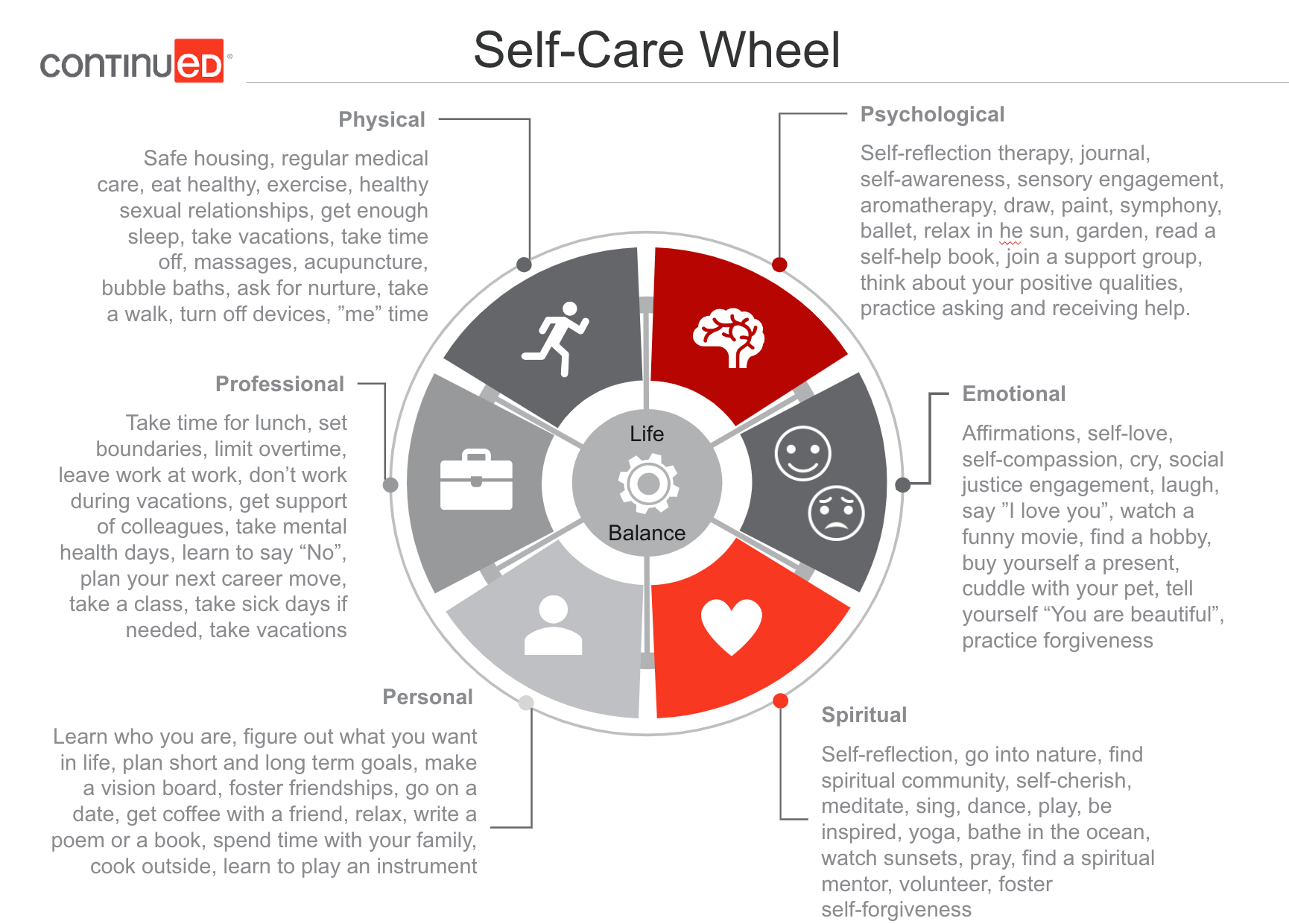
One aspect I particularly admire about the nursing program is the inclusion of well-being activities. I would love to find a way to incorporate similar well-being components into our respiratory therapy career ladder. I truly believe that prioritizing well-being activities could be a powerful tool in addressing staff burnout. If we could help our respiratory therapists find ways to better care for themselves, it would have a tremendous impact on both their personal and professional well-being.
Guiding the Process
- Quarterly rounding
- Yearly evaluations
- Performance feedback
We have established the stages, the approaches, and the strategies for developing our teams. But how do we guide our staff through these processes? This is where gathering feedback becomes crucial.
One effective method is through quarterly rounding. As leaders, we sit down with our staff members every few months to have a candid discussion about what is working well and what is not. When they bring up issues, we encourage them to also come up with possible solutions. This not only engages them in problem-solving but also fosters a sense of ownership and accountability. What better way to motivate and empower them than by having them contribute directly to the solutions they have identified?
Encouraging staff to take ownership of an issue—whether a minor pet peeve or a significant challenge—is one of the best ways to engage them in meaningful solutions. When they are involved in fixing what bothers them, they feel more invested in the outcome.
Of course, we have the yearly evaluations, where we sit down with staff and ask those often dreaded words: "What are your goals for the upcoming year?" For new graduates, the list is endless—they are bursting with excitement and have 1,000 goals. In those cases, our task is to help them focus on just the top three.
However, this conversation can be much more challenging for the proficient group or those in the later stages of their careers. They may not have as many clear goals, or they might feel less certain about what is next for them professionally.
Often, as leaders, we need to think outside the box when guiding staff through goal-setting, especially for those in the proficient or later stages of their careers. This is where performance feedback becomes essential. Let's break down the two types of performance feedback and how we can apply them effectively, starting with the more challenging one: constructive feedback.
Imagine we are preparing for yearly evaluations, or perhaps we have received consistent, credible feedback about a staff member—let's say, Bob. The feedback indicates that Bob is struggling with his communication skills, something you yourself may have noticed or even experienced firsthand.
So, we sit down with Bob and say, "Based on the feedback we have received, it seems communication is an area where you face some challenges. What do you think? What steps do you think we can take to help you improve in this area?"
My recommendation to Bob might be a specific class, a book, a course, or even a leadership program—because leadership courses often include valuable communication training. There are a variety of tactics we can use, depending on the situation and the person. Ultimately, as leaders, our goal is to inspire Bob to actively work on improving his communication skills. In an ideal scenario, Bob returns excited about his learning. He is eager to share his newfound knowledge with his team, coworkers, and you, creating a win-win situation for everyone involved.
Now, That is constructive feedback, which can be challenging. But when done right, it can lead to real growth. On the other hand, positive feedback is something I love to give. it is a win on so many levels. When I sit down with someone and say, "Paul, I have heard nothing but great things about your knowledge of Nitric Oxide in the NICU," it is an easy, rewarding conversation.
"You have become everyone's go-to person for Nitric in the NICU. How would you feel about taking on a bigger role—maybe providing education on Nitric, handling the supply orders, or even becoming the lead for Nitric in the NICU?" By offering this, not only are you acknowledging Paul's expertise and showing your appreciation, but you're also rewarding him with ownership—something he can truly take pride in, especially in an area where he already excels.
This idea of ownership is key, particularly when discussing creating opportunities for late-career professionals to share their extensive knowledge with younger colleagues. Sometimes, there is a significant generational gap in communication, and you're absolutely right—it can be a challenge. In my experience, bridging that gap often requires leadership guidance on how to facilitate these knowledge transfers effectively.
Absolutely—creating mentorship opportunities is key. Take Deb McFarland, the RT who's been with us for 42 years. She faced challenges with the generational communication gap, but at her core, her heart was always in the right place. She wanted to help others become the best they could be in the critical care units. Once my co-leaders and I encouraged her, we coined the phrase, "Take them under your wing." We empowered her to mentor younger colleagues by teaching them everything she knew.
When Deb had concerns or faced challenges, I would guide her on how to approach the situation—offering suggestions on how to communicate feedback effectively or share constructive input. We also shared examples of how others had successfully navigated similar communication barriers.
I think sometimes it really comes down to offering clear examples and providing guidance rather than taking a completely hands-off approach. It is about finding that balance between generations and helping them communicate effectively with one another. This generational gap can go both ways. Take a new grad, for example—someone who has no patience for anything written on paper because they are used to everything being electronic. It is important to help them understand that while we may not expect them to adopt the paper methods of their mentor, they should still recognize the value of learning from someone who relies on those systems because that person may not trust computers as much.
As their leader, I do not expect them to carry on those practices forever, but I do ask them to absorb as much as they can while being precepted. Utilize the paper method to the best of their ability, and once they are on their own, they can adapt their approach—whether that means going fully digital or leaving the paper behind. it is about helping them see the value in both perspectives and how they can use that to move forward. When we talk about the stages of a career, all our tactics, approaches, and strategies for development ultimately come down to guiding our team in a way that fosters engagement and growth.
Development Is Not a Magic Solution
Imagine we all now have a magic wand at our disposal. Suddenly, no more staffing issues—our staffing crisis, retention challenges, recruitment difficulties, and burnout problems are all solved. Magic wand, the problem is completely resolved? If only it were that simple. Unfortunately, development alone is not the magic solution, as much as I wish it were.
Let me give you a snapshot of where we are right now. Despite all our efforts, approaches, tactics, processes, and policies, our current vacancy rate is 14.8%, and our turnover rate is 6.7%. Development cannot solve everything. It is not the magic answer we wish it could be.
We all know that COVID certainly did not help our staffing situation. In 2020, our vacancy rate was 6.2%. So, while things have worsened, I cannot imagine where we would be today if we had not implemented all these strategies. It makes me even more determined to keep asking: What is next? What else can we learn, improve, and develop to keep moving forward?
Forbes published an article in July 2023 titled Why Personal Development is the Solution to Quiet Quitting—there is that catchphrase again. In the article, they emphasized that to retain top talent, boost productivity, and drive innovation, it is crucial to offer more professional development opportunities for employees. This applies across all industries, not just ours. We are not facing these challenges alone—we are in good company. What is becoming clear is that many industries recognize that developing their teams is key to retaining top talent and attracting new talent. Professional development is an essential part of the solution.
What Are Your Areas of Opportunity?
As we have been discussing, what are your areas of opportunity? Do you have a career ladder in place? If not, what could it look like for your team? It could take the form of a point system, a level-based approach, or other career ladder models. There are multiple versions out there, and if you do not currently have one, I strongly encourage you to do your research.
Explore what is available and consider what might work best for your organization. A well-structured career ladder can make all the difference in developing your team, retaining talent, and fostering growth.
As a leader—often pulled in a million different directions—do you have projects that could be handed off as an A-level project or whatever version you might use? Think about what that could look like for your team. Would it involve a bonus or an increase in wages? What form of recognition or reward would make sense for your facility?
I am sure there is something you could delegate. We all have tasks we could pass on. But the key question is: How would that reward your employee? Would it provide personal recognition, increase engagement, or give them a sense of ownership? Or could it be all of those things plus a financial incentive?
Do you also offer professional development funds? I know that, especially during a financial crisis, like many facilities are facing right now—it can be tempting to cut those funds when trimming the budget. But if at all possible, I urge you not to. The benefits of keeping your staff engaged, learning, growing, and developing far outweigh the short-term savings.
What opportunities exist within your system? Do you have relationships with schools or mentorship programs in place? It is important not to overlook those opportunities. For example, we had a traveler come to our system.
She was a wealth of knowledge, having been a traveler and a respiratory therapist for many years. When she came to our facility, she found that she really enjoyed our therapist-driven protocols and the way we operated. As a result, she decided to join us as a full-time employee. We brought her on as an RCP II, given her level of experience.
Shortly after, she applied for the ACCS team and was quickly successful in securing that role. She thrived in it for some time, but then, as life and career stages shifted, she decided it was time to slow down. She came to us and said she wanted to step back from ACCS and return to an RCP II role. We fully supported her decision.
At that very moment, a job opportunity opened at one of our smaller sister hospitals. It was an RCP II position that included PFT (pulmonary function test) responsibilities, and she expressed a strong interest in it. She wanted more time to connect with her patients and felt this role would allow her to do that.
I am incredibly proud of her because she not only took on the role but quickly developed a passion for PFTs. She helped us further develop our cardiopulmonary program and even launched her own Better Breathers Club as part of that program.
This is a perfect example of how meeting your staff where they are—personally and professionally—can help you retain them, even if it means supporting them in a different role or at a different facility. By staying flexible and listening to their needs, they continue to contribute meaningfully to your system as a whole.
Summary
- Better clinicians
- Recruitment
- Retention
- Ongoing development of your staff is an important part of the solutions to the current issues facing our profession
We can all agree that when you invest in developing your staff, you will see better clinicians every time. By preventing stagnation, disengagement, and quiet quitting—where someone only does the bare minimum—you're setting your team up to deliver the high-quality care we all strive for. Engaged therapists provide excellent patient care, and That is something each and every one of us on this webinar is committed to. Not only does development improve patient care, but it also helps with recruitment. For example, we serve as a clinical site for a school in northern California, even though we are in southern Oregon.
The school sends its students to us for their NICU rotation, and every time we welcome a new group into our NICU, we introduce them to our career ladder. We show them exactly what we are willing to do to help them become the best respiratory therapist they can be. We always aim to support their growth and development, and we want them to reach their full potential.
Often, the NICU captivates them during their clinical rotation, though we do have a few who gravitate toward ACCS as well. Do they stay with us forever? Sometimes not. Some are only with us for a handful of years. But I take immense pride in knowing that I have played a part in helping them become the best RTs they could be, even if it means they take those skills to another facility—perhaps even one of yours.
I truly believe that when we focus on developing quality therapists, it makes us stronger as a profession. When we have only the best therapists, it benefits all of us. It also plays a critical role in retention. When your staff sees you as a leader, going out of your way to support them—no matter what stage of their career or the career ladder they are on—builds trust and loyalty. By finding ways to utilize each person's skills to their fullest potential, you create an environment where they can be proud of their work every shift.
This is why I am so passionate about the ongoing development of our staff. It is a key part of the solution to the challenges we face in our profession today, from retention to engagement to overall quality of care.
Questions and Answers
What metrics do you use to measure the success of your onboarding process, such as new hire retention and performance?
While I do not have the hard data in front of me, I can share that we closely monitor several key metrics. For new hire retention, we track how long a staff member stays with us and analyze the reasons for their departure when they leave. In terms of performance, we assess where each employee stands during their yearly evaluations, including the goals they set, and evaluate whether we were able to help them achieve those goals in the following year.How do you account for differences in new hires' backgrounds, such as those from bachelor's programs versus shorter respiratory therapy programs?
We do see clear, measurable differences between new hires from bachelor's programs and those from shorter 14-month programs. In general, bachelor's degree graduates tend to progress more quickly through our career ladder compared to those from shorter programs. The discrepancy is often due to the type of clinical experience they have been exposed to. For example, some graduates from 14-month programs have not performed tasks like arterial blood gas analysis, which can result in a steeper learning curve compared to bachelor's graduates who come in with more hands-on experience.How do you handle onboarding challenges for new hires who are not familiar with your therapist-driven protocols?
There can be a significant learning curve for new hires who have not worked under therapist-driven protocols, where therapists are responsible for decisions like bronchial hygiene treatments or bronchodilator dosages. Our goal is to get them up to speed with these protocols. However, we recognize that it is not always possible to achieve this with every new hire.How does having a union affect your ability to move staff through the career ladder?
Having a union can significantly impact how fluidly we can move staff up or down the career ladder. Before our department unionized, we had more flexibility to make those decisions as respiratory leaders. Now, those decisions are more constrained by union agreements.References
Harter, J. (2022, September 6). Is quiet quitting real? Gallup. https://www.gallup.com
Arruda, W. (2023, July 5). Why personal development is the solution to quiet quitting. Forbes. https://www.forbes.com
Citation
Coffman, C. (2024). Developing staff through all stages of a career. Continued.com - Respiratory Therapy, Article 249. Available at www.continued.com/respiratory-therapy
Oct 23, 2024
1 CE HourOscillating Between Dysfunction and Function in Healthcare
Tabitha Ogle, MS, BCC, RRT
Editor’s note: This text-based course is an edited transcript of the webinar, Oscillating Between Dysfunction Function in Healthcare, presented by Tabitha Ogle, MS, BCC, RRT.
It is recommended that you download the course handout to supplement this text format.
Learning Outcomes
- Describe leadership the necessary skill set for individual team success
- Recognize strategies for improving RT retention value long term
- Discuss focused areas for growth advancement in the RT profession
Introduction
In this course, we aim to provide awareness and understanding of the multitude of factors that impact functionality within healthcare, particularly for respiratory therapists and other clinical care team workers. By increasing awareness, we create an opportunity for individuals to take control of their reactions, responses, and preparedness in the face of these factors. I have a unique background as an Army-trained respiratory therapist, and I am passionate about advocating for others. With over 15 years of diverse clinical care experience, I have observed various trends within different clinical teams and organizations, which has fueled my curiosity about what truly creates functionality in healthcare.
My employee-first mindset has led me to pursue a degree in industrial organizational psychology. My Master of Science program focuses on analyzing the human aspect within organizations, specifically exploring what enables employees to thrive and what factors contribute to their failure. This academic focus, coupled with my personal experience and observations, has shaped my career goal of advocating for and empowering all of you—the individuals who truly matter in the healthcare system. By sharing this information and knowledge with you, I aim to equip you with the awareness and understanding needed to take control of your reactions, responses, and preparedness within your healthcare roles. Together, we can work towards creating a more functional and supportive healthcare environment for everyone involved.
Oscillating Principle
- Defined as the fluctuation between two things
- Even with ideal working environments empowering mindsets, we must honor that some shifts will be more dysfunctional than others despite external influences from the organization
We all know as respiratory therapists that the oscillating principle is the fluctuation between two things, so how fitting for it to be an oscillation between functionality and dysfunctionality in healthcare. Even with an empowering working environment mindset, we must honor that some clinical shifts will be intensely more dysfunctional than others. By honoring that, we can actively prepare to improve the quality of the area environment in which we work. I will navigate this information to highlight the complexities and the dysfunction and touch on the functionality inside the organization's clinical leadership. After I provide that information, I will give you tools and tips on enhancing your functionality within different clinical teams and supportive work environments.
Oscillating in Healthcare
- Healthcare is a challenging organization to work in due to a multitude of factors:
- High emotional cost occupation
- Human exchange
- Complex working environments
- Complex working matrix
- High workloads
- Lack of or limited resources
Working in healthcare can be a challenging occupation for various reasons, including the high emotional cost associated with it. Healthcare professionals often find themselves in life-threatening situations where quick and decisive action is required. Dealing with such situations repeatedly over a prolonged period can take a toll on their emotional well-being. The nature of healthcare work involves intense human emotional regulation, control, and interaction. Healthcare providers need to maintain composure and empathy while handling patients who may be in distress or facing serious health issues. This constant emotional exchange can be draining and impact the well-being of healthcare professionals. To address these challenges, there has been a growing focus on patient psychological safety factors in recent years. The advocacy for patient psychological safety aims to create a supportive environment that not only benefits patients but also recognizes the emotional needs of healthcare professionals. By prioritizing psychological safety, healthcare organizations strive to reduce emotional stress and create a more sustainable work environment. High emotional cost occupations typically refer to roles that involve significant face-to-face or voice-to-voice human interaction, such as healthcare, social work, counseling, emergency services, and similar fields. These professions require individuals to navigate complex emotional situations, making self-care and emotional support crucial for those working in these areas. Couple that with the intensity of life or death or medical issues.
We also work in a complex working environment, I am going to touch more on that psychological safety factor aspect. Inside healthcare, we are operating under some really interesting psychological phenomenons, which sounds super cool, but when you look at it, it creates a very complex working environment, the ability for us to function. In the context of a complex working environment, such as healthcare, the status quo bias can indeed contribute to the acceptance of abnormal or abusive working situations. In healthcare, where the focus is primarily on patient care and well-being, it is crucial to address and rectify any issues related to abusive work environments, bullying, operating with a lack of limited resources, working in unhealthy or unregulated working conditions, not being able to get our breaks and other challenges. However, the status quo bias can hinder the willingness or motivation to challenge these norms and bring about necessary changes.
Then that falls with another concept called "group think." Groupthink refers to the phenomenon where a group of people prioritizes consensus and harmony over critical thinking and objective analysis, leading to faulty decision-making. This concept has been observed in various fields, including healthcare. In clinical rounds, it's not uncommon for groupthink to occur, where individuals may hesitate to challenge a statement or decision made by a more authoritative figure. This can happen even if there are concerns about the accuracy or appropriateness of the suggestion. The fear of speaking up or going against the consensus can contribute to the perpetuation of potentially incorrect or suboptimal practices. For example, an advanced care provider states, "Albuterol for CHF," everyone kind of nods along, even though we know that that is not the most appropriate first choice. That falls into a "blame culture." I know a lot of respiratory therapists can resonate with this blame culture inside healthcare. "It is everyone else's fault," instead of sitting back and looking at the problem, trying to find the root cause analysis, "Why did it happen? What can we do to move forward to find a more functional solution?" Instead of doing that, a lot of times, we point fingers, "Well, the nurse never called, or respiratory never showed up." Blame culture can exacerbate the problem of groupthink. When individuals fear blame or retribution for voicing their opinions or suggesting alternative solutions, they may be more inclined to go along with the majority, even if they have reservations. This can hinder the identification of the root causes of issues and impede progress toward finding more effective solutions.
On top of that, we have a complex working matrix inside healthcare. As respiratory therapists, we tend to be a little bit more nomadic. We jump around throughout the hospital, and with that, we get to see these various working matrices. This mobility allows you to interact with various care teams and gain exposure to different working matrices. It can provide you with a broader perspective and a deeper understanding of how different healthcare professionals collaborate to meet the diverse needs of patients. For example, one patient could have a primary physician, a cardiologist, a post-op, and so forth. Each one of those individuals on that care team creates a complex working matrix because everyone has a say in what is going to transpire for this patient. As a result, creates a lot of frustration when you need to communicate something like an arterial blood gas report. You call one physician, they tell you to call another, and you place the note in the chart. The situation where you need to communicate important information but encounter obstacles, such as having to contact multiple physicians or deal with complex care models, is unfortunately common in many hospitals. The high-volume care models in place in most US hospitals can indeed contribute to increased complexity and inefficiency in communication. This can lead to additional tasks and responsibilities for healthcare professionals, further burdening their already busy schedules.
This complex and challenging working environment, particularly in the healthcare industry, creates issues that include high-volume care models, difficulty in interacting and engaging with others, nomadic behaviors such as status quo and groupthink, a blame culture, and a lack of or limited resources. Moreover, the emotional toll of this environment, coupled with a lack of support from the organization, can intensify the challenges faced by healthcare professionals. When time is limited, and there are numerous tasks to be accomplished, it becomes difficult to maintain a high level of compassion and empathy towards patients and colleagues.
Now when I say resources, that can be a gamut of things. It encompasses various aspects, including human capital (having enough trained and skilled personnel), equipment, education, training, and effective communication channels. These resources are crucial for maintaining a cohesive and collective approach to the job.
In many healthcare organizations, there is often a mission statement that emphasizes innovation and patient care. This mission statement is meant to provide employees with a sense of purpose and connection to something greater than themselves. However, when the organization operates with limited resources and fosters negative emotional exchanges and leadership or employee relationships, it can create mistrust among employees. This mistrust leads to disengagement, which is detrimental in a healthcare setting where active engagement is vital. Conflicting organizational behaviors can also contribute to a toxic work culture. For example, if a hospital promotes itself as the "greatest place to work" while its clinical teams are facing crisis staffing or a massive staffing deficit, it can come across as tone-deaf and lacking awareness of the challenges and conflicts experienced by the clinical teams.
Addressing these issues requires a multi-faceted approach. Organizations should prioritize providing sufficient resources, including staffing, equipment, education, and training, to ensure employees can perform their roles effectively. Open and transparent communication channels should be established to foster understanding and trust within the organization. It's important for leaders to actively address and resolve conflicts, promote a positive work culture, and align their actions with the mission statement to create an environment where employees feel valued and supported.
Organization Complexity
- Healthcare is in a current life-cycle of growth.
- The palpable divide between organizational operations clinical care practices. Demonstration of this divide is reflected in high-volume care models.
- Outdated care models practices.
- Counterintuitive staffing retention practices ultimately cause a decrease in profitability.
- When we participate in interpersonal conflict or engage in dysfunctional work behavior, the organization ultimately wins.
Organizational complexity inside healthcare, every organization throughout the world goes through what we call business life cycles. Healthcare is currently going through a life cycle of growth. There is a lot of push and pull for different regulations and different requirements. It is in that, like puberty, midlife crisis kind of realm. No one really knows which step to take, adding to that mistrust within the organization. For all of us on the clinical side, we have to honor there is a palpable divide between the organizations' operation and clinical care practice. This is demonstrated and reflected in those high-volume care models, which are not only devastating for employees and patients but are financially counterproductive. On top of that, we have our outdated care model practices. If we know what the best care practice states, but we are not following that, it creates animosity and frustration. Our counterintuitive staffing retention practices ultimately add to that decrease in profitability.
When we as employees participate in those interpersonal conflicts or engage in dysfunctional work behavior, the organization ultimately wins, which sounds crazy when I say it, but here is some information to back up that statement. When we are actively fighting amongst ourselves, creating conflict between ICU and OR, or ICU and ER, or the respiratory day shift, versus respiratory night shift, we become distracted. We are at each other for the issues, it is a lack of support from the organizational structure. If we do not have enough people to do the job, of course, we are going to be at odds with each other because we are all stretched incredibly thin. What is more empowering is to work together and ask for systematic change.
When we are fighting amongst ourselves, the organization wins because it can say, "Listen, healthcare is dysfunctional. That is the way it is." I cannot tell you how many times I have heard that statement out of CEOs CFO, 's and CMOs' mouths. When I say, "We have palpable problems within healthcare," it is okay to admit as long as we focus on the solution-driven efforts to improve it. I always get the rebuttal, "But healthcare's dysfunctional." Well, it is at this time, but like any problem, there is a palpable solution.
Complexity in Leadership
It is true that clinical leaders face unique challenges in balancing the clinical and organizational aspects of their roles. They often have to navigate between the need to provide quality patient care and manage the resources and budgets within their organizations. One of the key challenges for clinical leaders is the constant pressure to manage budgets effectively while also ensuring adequate staffing levels. This can create tension between clinical needs and financial constraints, making it difficult to strike the right balance. Clinical leaders are often pulled in different directions, as they need to advocate for the resources and staffing necessary to deliver high-quality care while also being mindful of the financial realities of the organization. Employee turnover and burnout are major concerns in healthcare, and clinical leaders have to address these issues within their teams. They must find ways to create a supportive work environment, promote employee well-being, and implement strategies to reduce burnout and turnover rates. Building trust among the staff is crucial, as mistrust within the organization can impede effective leadership and teamwork.
The working environments in healthcare can be complex, with a variety of stakeholders and competing interests. Clinical leaders need to navigate this complexity while ensuring that patient care remains the primary focus. This involves managing relationships with other departments, coordinating care across different specialties, and addressing conflicts or misalignments that may arise. Miscommunication and misinformation can further complicate the leadership role in healthcare. Clinical leaders need to promote clear and effective communication channels within their teams and address any misunderstandings or rumors that can undermine trust and teamwork. They also have to stay updated on the latest research and best practices to ensure that accurate information is being disseminated within the organization. Leadership development is another area of concern. Clinical leaders often have limited opportunities for formal leadership training and development, which can hinder their ability to manage their teams and navigate complex situations effectively. Investing in leadership development programs can help equip clinical leaders with the necessary skills and competencies to succeed in their roles.
Clinical leadership faces a multitude of challenges, including balancing clinical and organizational priorities, managing budgets and staffing, addressing turnover and burnout, building trust and alignment within the organization, navigating complex working environments, addressing miscommunication and misinformation, and investing in leadership development. Effective clinical leaders must be skilled at managing these complexities to ensure the delivery of high-quality care and the success of their teams.
Leaders that Enhance Function
If any of you peruse LinkedIn, you'll hear this array, a rainbow of sorts of various effective leadership strategies that is confusing for clinical leaders who are trying their best to do well but are being pulled in a multitude of directions. Absolutely, when evaluating leadership in any context, including clinical leadership in healthcare, it is important to focus on behaviors and abilities rather than solely relying on personality traits. The qualities and behaviors mentioned are crucial for effective leadership in healthcare settings. Here is a breakdown of the key points:
- Ability to influence and motivate: Effective clinical leaders should possess the skills to inspire and motivate other medical professionals, encouraging them to perform at their best.
- Alignment with organizational mission: Leaders should actively support the mission and goals of the healthcare organization, working towards its overall success.
- Improved patient care: Clinical leaders should prioritize and strive for continuous improvement in patient care outcomes, ensuring that healthcare services meet or exceed standards.
- Following standard procedures: Leaders need to ensure that established protocols and procedures are adhered to, promoting consistency and safety in healthcare delivery.
- Creating a supportive environment: It is important for leaders to foster a supportive environment that respects and values diverse cultural backgrounds and social needs, allowing all individuals to thrive.
- Employee growth and development: Effective leaders invest in the growth and development of their employees, providing opportunities for learning and advancement within the healthcare organization.
- Equality and fairness: Leaders should advocate for equality and fairness, treating all individuals with respect and ensuring equitable opportunities for growth and recognition.
- Advocacy for best practices: Clinical leaders should support and encourage their employees to adopt best practices, staying updated with the latest research and evidence-based approaches in healthcare.
It's important to remember that while not everyone may personally connect or vibe with every leader, the focus should be on their ability to fulfill their role effectively and serve as a resource for their team. By emphasizing these behaviors and qualities, organizations can strive for effective and impactful leadership in the healthcare sector.
Leaders that Create Dysfunction
- Discourage employees’ ability to advocate for patients, staff, or themselves.
- Intentionally or unintentionally create injustices, mistrust, misalignment, while adding to the chaos.
- Avoid problems or deflect issues rather than finding the solution.
- Allow an abusive work environment.
- Demonstrate counterproductive work behaviors.
- Work from a place of ego.
- Refuse to provide training or employee development
Unfortunately, dysfunctional leadership can have a detrimental impact on organizations and their employees. Your description highlights several negative traits and behaviors that can contribute to dysfunction within a leadership role. Some leaders may indeed discourage employees from advocating for patients, staff, or themselves, which can stifle innovation and prevent necessary changes from being implemented. Leaders who create injustice, mistrust, and misalignment often fail to establish a culture of fairness, transparency, and open communication. This can lead to conflicts, decreased morale, and a lack of cooperation among team members. Additionally, leaders who avoid problems or deflect issues rather than find solutions can perpetuate a cycle of unresolved problems, hindering progress and growth within the organization.
Allowing abusive work environments to persist is not only detrimental to employee well-being but also undermines productivity and organizational success. Counterproductive work behaviors, such as toxic competition or favoritism, can create a hostile atmosphere that hinders collaboration and innovation.
Leaders who operate from a place of ego and prioritize their own interests over the well-being of their team or organization may alienate employees and hinder teamwork and cohesion. Refusing to provide training or employee development opportunities limits growth and can lead to stagnation within the organization.
Overall, dysfunctional leadership behaviors have far-reaching negative consequences and can impede the success and growth of an organization. It is crucial for organizations to recognize and address these issues, fostering a healthy and supportive leadership culture that encourages employee advocacy, growth, and development.
Navigating around the Noise
Creating awareness is an essential first step in navigating around the challenges described in dealing with leaders or colleagues who may perpetuate patient abuse, staff abuse, or discourage best practices. This is unfortunately reflected in quite a few leaders inside healthcare. Whether it is your direct leader, a nursing director, or a nursing manager, you have to interact with people that sometimes allow for patient abuse to the staff, staff abuse to the staff, discourage you from advocating for best practice, or tell you to brush it off, "that is just the way Dr. Blah Blah Blah is, you have to let it go, or this is how this respiratory therapist is, and you need to let it go." If you do not, I will get into that further, but here are some tools to navigate around this noise.
Here are some steps you can take to create awareness and address these issues:
- Self-awareness: Start by understanding your own values, principles, and boundaries. Reflect on what you consider to be ethical and professional behavior in healthcare. This self-awareness will help guide your actions and responses.
What is the powerful influence of this person over me? Is this the physician that I feel muted around because they are brass, the way they respond, or out of fear of embarrassment? We have to honor that everyone is a human, and as long as we are performing our job at or above expectation and doing what is right, the likelihood of having negative retaliation for communicating and advocating is low. If it does happen, you have many steps that you can take to re-advocate for yourself. A tool I learned in the military is to respect the person's position. We do not have to respect the person. In the military, I would respect the rank on their chest, but I did not have to like them, I did not have to agree with them, but I could use them as a resource, a tool. That leads to finding those resources. What are these clinical leaders? What is their good spot? What is their gold star? What about them that you can use to learn from, grow from, and develop from? Then define your ideal leader.
The power of influence is something that I learned about when I read a book by Vanessa Bowens. She is a sociologist who documented a lot of her clinical studies that helped us realize how influential we are, how influential behavior is, and how influential a position of power can be to us as human beings. She referenced in her book the "smoke study," commonly known as the "smoke-filled room experiment" or the "smoke-filled classroom experiment." She provided her own insights based on similar research conducted by social psychologists Bibb Latané and John Darley in 1968. In the original experiment, participants were placed in a room and unaware that they were part of a study. The room would gradually fill with smoke, simulating a potential emergency situation. The researchers aimed to observe how individuals reacted when they were alone versus when they were in the presence of others who appeared to be unconcerned.
What the researchers found was that when participants were alone in the room, they tended to react quickly and seek help. However, when they were in the presence of passive bystanders (confederates of the experiment), who did not show any concern or take any action, the participants' response time was significantly delayed. They often hesitated, looked at others for cues, and adopted a more passive attitude. This phenomenon, known as the bystander effect, suggests that individuals are less likely to intervene in an emergency situation when they perceive that others are not reacting or taking action. The diffusion of responsibility and the desire to conform to social norms play important roles in shaping individuals' behavior in such situations. The smoke-filled room experiment highlighted the power of influence and social dynamics in shaping human behavior, particularly in emergencies. It emphasized the importance of individual responsibility and the need to overcome the bystander effect by encouraging pro-social behavior and intervention.
When there were two people alone in that room, the first person in the study saw that the other person was not reacting and ended up only reporting the smoke 10% of the time. When asked after, "Why did not you speak up when you noticed the smoke was filling the room?" They said, "I was embarrassed because they were acting like it was not a big deal. I did not want to make a big deal of it." When they did that with a group of three, only 38% of people spoke up. Now, when they did that alone, 75% of people spoke up. My question to all of you is, "Have you ever muted yourself when you knew something was inappropriate or an emergency out of fear of embarrassment because those around you were not reacting to it? An important point about the expectations we often place on healthcare professionals, such as doctors and nurses, due to their experience, professionalism, and expertise. While it is reasonable to have trust in their abilities, it is equally important for patients and other healthcare professionals to recognize the possibility of mistakes or oversights. No one is infallible, and it is crucial not to silence our concerns or observations when a red flag arises.
The fear of what others may think should not deter us from speaking up when we have genuine concerns about patient care or any other aspect of healthcare. It is better to risk feeling embarrassed or being wrong about something than to remain silent and potentially allow a mistake to occur. Patient safety and well-being should always take precedence over concerns about personal pride. Additionally, it is essential to acknowledge that leaders in healthcare, like any other field, are human beings. Placing them on pedestals and expecting them to have all the answers or be flawless in their decision-making is unrealistic and can lead to disappointment. Recognizing their fallibility and understanding that they, too, can make mistakes allows for a more realistic and collaborative approach to problem-solving and decision-making within healthcare organizations. It is crucial not to mute ourselves when we have concerns in healthcare settings. Speaking up, even if it feels uncomfortable, can help prevent potential errors and promote a culture of accountability and continuous improvement.
Furthermore, understanding that leaders are human and can make mistakes allows for a healthier and more productive work environment.Regardless of how amazing a leader may be, they are still human and prone to making mistakes or taking actions that some may disagree with. However, it is important to acknowledge and appreciate the positive aspects that a leader brings to the functionality of a team or organization, as well as the aspects that enhance dysfunction.
Respecting the position and authority of a leader is crucial for maintaining a productive work environment. Recognizing that they hold the responsibility for managing your schedule, professional development, work culture, and compensation is essential. They are also a valuable resource, possessing a broader range of capabilities and experiences. As such, effective communication with your leader is vital for addressing any issues or concerns related to equipment, personnel, or training. While it is natural to have differences in opinions and potential disagreements, approaching these situations with respect and open communication can lead to better outcomes. It's important to remember that leaders, like everyone else, are not infallible and may make mistakes. Constructive feedback and dialogue can help address any concerns and foster a positive working relationship.
Documenting your concerns and possible solutions via email is a proactive approach to addressing issues you have observed. It provides a clear record of your communication and allows your leader the opportunity to respond professionally and address the concerns raised. If they do not respond appropriately, it's important to maintain a record of your communication for future reference. Limiting the amount of influence a dysfunctional leader has on you is a sensible strategy to protect your own well-being and maintain a healthy work environment. By seeking resources and support from other individuals or departments within the organization, you can mitigate the negative impact of dysfunctional leadership.
Defining your ideal leadership qualities is an excellent step toward personal growth and development. By identifying the traits and qualities you admire in leaders, such as compassion, strong communication, equality, and leading by example, you can work towards embodying those qualities yourself. This self-improvement approach allows you to contribute positively to your work environment and potentially inspire others through your actions. Remember that even in challenging situations, focusing on personal growth and striving to be the best version of yourself can lead to positive outcomes. It's important to stay resilient and seek support from colleagues or mentors who align with your values and goals.
Shift to EMPOWER
- Express yourself.
- Make your career goals clear.
- Practice professional assertiveness.
- Own your strengths weakness (humility).
- Work on your communication documentation skills.
- Engage with your support network – define your allies.
- Request what you the team need to be successful.
I graduated from respiratory school in the military and received deployment orders within six months of completing my respiratory training. The experience was intensely scary, particularly when I arrived overseas as a female NCO leader, assuming the role of a new respiratory therapist in charge of a respiratory department. In that challenging situation, I took the time to reflect and define my personal vision of a good leader. I actively worked towards embodying that ideal over the past 15 years, hoping that my behavior would positively influence those around me.
To aid me in effective leadership, I found the EMPOWER acronym, developed by Dr. Destiny Petri, an industrial organizational psychologist, to be particularly valuable. The acronym stands for the following: Express yourself professionally, meaning the ability to communicate effectively and create solutions; Make your career goals clear with your leader, articulating your aspirations and intentions, such as advancing to an ICU therapist, then to a shift supervisor, and eventually pursuing specific objectives (e.g., X, Y, Z); Practice professional assertiveness, advocating for yourself even in uncomfortable situations, as growth often arises from such moments; Own your strengths and weaknesses with humility, acknowledging areas for improvement without undue concern about others' opinions. Remember, it is crucial to focus on personal growth rather than worrying about what others may think. By nurturing these qualities, you can cultivate effective leadership skills and foster a positive impact on your environment.
If you are concerned that Nurse Blah Blah Blah may spread the word about your intubation skills, it is important to acknowledge it. It is okay if your intubation skills need improvement. Give yourself the opportunity to grow and enhance this skill, treating it as you would a muscle that needs development. Additionally, focus on improving your communication and documentation skills, which are essential for effective professionalism.
Engaging with a support network and defining your allies is crucial. It is important to note that you do not necessarily need best friends at work, as the popular Gallup survey suggests. Instead, focus on finding allies—individuals with whom you can work cohesively, communicate effectively, and encourage professional growth.When requesting what your team needs to succeed, practicing professional assertiveness is essential. Transformative changes can occur when we communicate directly rather than speaking behind each other's backs. When you face challenges, such as a nurse picking on you or someone throwing you under the bus, it is best to approach that person and address the issue professionally.
One helpful method for addressing such situations is the "what, what, what now" method. Approach the person and express the issue, stating your frustration with their negative comments and how it hinders your ability to work. Emphasize the importance of open adult communication moving forward, and suggest involving the chain of command if necessary. By standing up for yourself, you make it clear that you will not tolerate such behavior. While their response may vary, advocating for yourself is crucial.Furthermore, effective and assertive communication skills extend throughout your entire shift, including interactions with advanced care providers. Remember the quote I lived by during deployments: "The smartest person in the code is always the calmest." This does not mean the person lacks awareness of the situation's importance; instead, they recognize the importance of maintaining a sense of calmness to maximize their cognitive abilities. When addressing chaotic situations or problematic behaviors during codes, I have often approached physicians afterward to express how their behavior added unnecessary chaos. I highlighted the need for collective and cohesive communication as a team.
In terms of documentation, do not hesitate to document important matters boldly and proudly. Use strong language to describe what happened, the outcomes, and the actions to be taken moving forward. Personally, I am skilled in effective documentation, especially after speaking with individuals about their actions. For instance, when working in a level II NICU, I encountered a physician who frequently insisted on placing every newborn on 100% FiO2—a grossly inappropriate practice. I directly spoke to him, my management, and his medical director, but he remained adamant.
Consequently, I began documenting these instances. I did so to protect my license and in the hope that someone with influential power would address and rectify the situation. In my documentation, I included details such as "Dr. Blah Blah Blah requested 38-week change to be placed on 100% FiO2 by blow by. Patient saturation prior to FiO2 administration is as follows..." I also expressed my disagreement with the order based on good care practices, standard operating procedures, and hospital regulations. I communicated this to the physician, who insisted on continuing the practice and stated that I would monitor accordingly. Throughout my 15 years as a respiratory therapist, I have documented similar instances in a factual manner. Although I have encountered warnings and confrontations, including a NICU physician who expressed dislike for me, my purpose was not to please individuals or the organization. I was there to provide safe and effective care, honoring the oath I took as a respiratory therapist to "do no harm."
If you are discouraged from documenting such incidents, I encourage you to do it anyway. Ensure that your documentation is objective, without excessive emotions or personal feelings. State the facts. Documentation can also address counterproductive, dangerous, or abusive work behaviors in the hopes of initiating change. While change may not always occur, documenting such incidents can prevent them from burdening you emotionally. For instance, if there is a patient in room seven who is known to be abusive, to throw things, cuss, or yell at staff, document it in your notes, send emails, inform the charge nurse, and ensure you document your communication with the charge nurse. They may say, "Oh, we already know about that, you do not need to write it in there, or Everybody knows, you do not need to write it," but how many people have they told, "We already know," how many people are actually documenting it in there? Despite potential discouragement, persist in your documentation efforts, as it may not be as widely known or acknowledged as they claim.
Functional Teams in Healthcare
Functional teams possess specific characteristics, and I will cover their functions and dysfunctions and provide you with tools to navigate these dynamics. In healthcare, being a nomad can be powerful as it allows you to explore different units within the hospital. This enables you to observe how different units function, understand their collective behavior, and identify any deficits that may exist. However, at the core of functional teams lies trust. Trust facilitates effective communication, ensuring that information is conveyed in a way that promotes action. Functional teams also create a supportive work environment, strive for happy and functional working conditions, and possess the ability to collaborate despite limited resources. They foster positive emotional and psychological safety within the hospital.
Moreover, functional teams have the capacity to perform their jobs and share knowledge, resources, tools, and training while working together cohesively for the benefit of patients and the unit as a whole. They exhibit coordination and collective effort in achieving their goals. Building trust within a team is essential, and effective communication plays a pivotal role in this process. Teaching people how to treat you and setting expectations of behavior around you are crucial aspects of fostering trust.
Dysfunctional Teams in Healthcare
- Counterproductive work behaviors.
- Judgement vs curiosity.
- Lack of clarity or inconsistencies around tasks, protocols, or procedures.
- Lack of accountability.
- Self-anchoring bias or “group think”
- Lack of resources.
- Inadequate training or professional development.
- Interpersonal or interdepartmental conflicts
Now, let's shift our focus to dysfunctional teams in healthcare. You can all imagine a team or unit that exhibits some of these behaviors. Dysfunctional teams in healthcare often display counterproductive work behaviors, such as gossip, high absenteeism, disengagement, a blase attitude, resistance to change, groupthink, and a blame culture. They operate from a place of judgment rather than curiosity. For instance, a statement reflecting a judgmental attitude would be, "Did you see the way she tried to do that IV? Of course, she missed. She always misses."
On the other hand, approaching the situation with curiosity would involve saying, "I wonder why she struggles with this IV. Is there a particular tool she is using that is not beneficial for her, or is it her hand movements? I should find a way to support her and help her improve." While the previous example is from a nursing perspective, the same principle applies to respiratory therapists. Instead of judging why someone has not finished their first rounds, approaching it with curiosity might involve wondering if something happened that requires support, such as an issue with a patient, their family, or another staff member. We can foster a more positive and productive environment by shifting from a judgmental mindset to one of curiosity.
Dysfunctional teams in healthcare often arise due to a need for clarity or consistency in tasks, protocols, and procedures. When there is confusion or inequality in how things are done, mistrust and injustice can develop. Questions like, "Why do we have to do it this way when Blah Blah Blah does it differently?" create uncertainty and erode trust. Additionally, a lack of accountability contributes to team dysfunction. When no one takes responsibility, or it is unclear who is accountable for certain tasks, it becomes challenging to work effectively.
Self-anchoring bias, also known as status quo bias or groupthink, can further perpetuate dysfunction in teams. Accepting problems or dysfunctions as normal rather than actively seeking solutions or change is a common trap. Anchoring ourselves to the belief that healthcare dysfunction is how things are, prevents us from actively addressing and improving the situation. Inadequate or limited human capital or equipment resources significantly impact team functionality. It would be impossible to dig a moat with beach shovels in a day, and proper equipment is essential for performing our jobs accurately, effectively, and safely. Likewise, no single person can effectively care for an entire unit. Insufficient staffing and resources create challenges and dysfunction within teams.
Similarly, when there is a lack of training or professional development opportunities, it contributes to team dysfunction. It is concerning when hospitals expect employees to know everything within a few shifts, especially considering the limited resources available for training. Adequate training is vital for the functional performance of the team.
Interpersonal and interdepartmental conflicts also contribute to team dysfunction, as they create mistrust and division. Rather than being torn apart by conflicts, teams should strive to work together cohesively. Ironically, conflicts often arise during patient transfers between departments such as the ER and ICU or ICU and OR. Managing these situations differently and seeking more effective solutions can minimize or even resolve conflicts.
Addressing these dysfunctions and striving for functional teamwork is crucial in providing high-quality care and fostering a positive work environment in healthcare settings.Navigating Around the Noise (cont'd)
- Define your objective
- Manage emotions attitudes.
- Professional direct communication.
- Understand your impact purpose.
- Respect the position.
- Document effectively.
- Encourage others to participate empower them through the process.
- Speak up to enhance safety measures.
- Focus on “what's right” versus “who's right”
To navigate around the noise of a dysfunctional team, there are several strategies we can employ. First and foremost, we must define our personal objectives and encourage the team to define them. This clarity of purpose helps us shift our focus from drowning in the problems to navigating around the noise.
Managing our emotions and attitudes is crucial. Our emotions are our number one superpower, and the most powerful move we can make is not to allow someone else to impact those emotions. Refusing to be bothered by someone's attempts to trigger intense emotions or attitudes is a significant gut punch to their intentions. One approach, as suggested by a Harvard executive coach, is to respond to disrespectful behavior by asking the person, "Are you okay? Is everything all right?" This redirects the interaction and allows us to maintain our composure.
Direct and professional communication is key to navigating dysfunctional team environments. We should clearly communicate our needs, expectations, and advocate for ourselves, our patients, and other staff members. Understanding our impact and purpose helps us maintain focus. For example, we can enter a shift with goals such as making patients or families feel safe, completing rounds thoroughly, or supporting other staff members. While we may not have to get along with every individual, we can still respect their impact on the patient's well-being.
Effective documentation remains important. If we have communicated a concern professionally and directly, documenting it ensures the issue is recorded and allows further action if necessary. Encouraging others to participate and empowering them through the process is also essential. We should promote a culture where people feel comfortable speaking up and honoring their impact on patient care.
In navigating dysfunctional teams, we should focus on doing what is right rather than insisting on being right. The focus should be on the best outcomes for patients, their families, and the team as a whole. Additionally, it is important to be aware of behavior contingent theory. This theory suggests that behaviors become a sense of normalcy as a way for individuals to adapt and adjust. Whether superficial or deeply emotional behaviors, we must acknowledge and create awareness around them. We can work towards a healthier and more functional team environment by adapting, adjusting, and fostering change.
Steps to Enhance Teams
To enhance our team, we must avoid gossiping and badmouthing others. Having a best friend at work can sometimes lead to counterproductive behavior, such as engaging in gossip. Instead, we should focus on cultivating allies—people we trust and can work with cohesively. These allies become our support system for creating systematic change and promoting teamwork through collaboration, resource sharing, and professional development.
It is important to stop making excuses for toxic people or behaviors. While we may find certain individuals charismatic or entertaining, we must recognize if their actions are toxic or detrimental to patient care or the work culture. We need to prioritize patient safety and the team's well-being over personal preferences.Encouraging effective communication, trust, and cohesion is crucial for fostering the power of the team. This includes bolstering psychological safety, which is built upon a foundation of trust, advocacy, and empowerment. Clearly communicating team members' roles and priorities is vital. Utilizing opportunities for communication, such as riding in an elevator with a nurse or another care team member, can be beneficial. Taking the time to discuss plans, coordinate actions, and address concerns helps create a smoother workflow and reduces misunderstandings. For example, in a high-risk delivery situation, communicating with the nurse about intubation plans, medication administration, and areas of focus fosters teamwork and clarity.
We should cultivate work relationships rather than seeking best friends. Even if we have personal conflicts or negative feelings towards a coworker, finding ways to communicate effectively and work together towards the common goal is essential. Emotions or attitudes stirred by others should not distract us from maintaining professionalism and effective collaboration.
Following these steps can enhance our team dynamics and create a more positive and functional work environment.Help Retain & Train
To drive the needed changes, it is important to be direct in addressing issues related to policies, procedures, best practices, safety regulations, and roles and responsibilities. Clear communication lines should be established to ensure everyone is on the same page. This may involve being persistent and proactive, such as emailing the manager, copying the director and HR, and following up on important matters. We create an environment that supports staff retention and training by taking these actions.
Understanding team dynamics and actively promoting communication, trust, and advocacy are essential. Emphasizing a sense of curiosity and offering support to help others improve fosters a learning and adaptable environment. Building trust is crucial as it encourages individuals to be humble and open about areas of growth. It also creates a safe space where beneficial feedback can be provided and received, focusing on performance and effectiveness rather than seeking validation.
Rather than seeking a best friend at work, investing in building working relationships and finding allies is more productive. This involves valuing and supporting the talent within the team and engaging in direct, curious, and compassionate conversations. Instead of ostracizing new hires, efforts should be made to provide them with the necessary training, development opportunities, resources, and information. By investing in their growth, they can positively impact patients, and there is a higher likelihood of retaining them within the organization.
By taking these steps, we create a culture of continuous improvement, collaboration, and support within the team, ultimately enhancing the overall performance and effectiveness of the healthcare environment.Soft Skills to Build Success
- Emotional intelligence
- Communication
- Documentation
- Feedback
- Conflict Resolution – What, what, What now
- Interpersonal – Power of perspective
- Leadership
- Adaptability
- Resilience
Personal soft skills play a significant role in building success. Emotional intelligence, for example, involves understanding the impact of our emotions on others and how others' emotions can affect us. It requires the skills and intelligence to navigate these emotional dynamics while maintaining control and regulating our own emotions, especially in high-emotion occupations.
Effective, professional, and direct communication is another vital soft skill for success. The ability to communicate clearly and assertively fosters understanding and collaboration. Powerful documentation is also important, as it ensures that information is recorded accurately and meaningfully.Providing meaningful feedback and practicing conflict resolution are additional soft skills contributing to success. The "what now" method by Dr. Dudley E. Floyd is a useful approach to conflict resolution. It involves identifying the issue, understanding its significance, and determining the next steps or solutions to address the issue.
Interpersonal skills are crucial for building success. Recognizing the power of perspective allows us to transform how we see things and approach challenges. Understanding that we have control over our responses, reactions, and preparations enables us to navigate difficult situations more effectively.Developing leadership capabilities is also important. This includes being adaptable and able to go with the flow, which is a skill often honed by respiratory therapists who regularly face dynamic and unpredictable situations. Resilience is another key attribute to cultivate, enabling us to bounce back from challenges and setbacks.
Developing tactful insubordination can be beneficial in challenging work environments where dysfunction and toxicity prevail. This involves finding strategic ways to navigate such environments while advocating for necessary changes and improvements. Focusing on these soft skills can enhance our effectiveness, contribute to a positive work environment, and build a foundation for success in our careers.Tactful Insubordination
- Smoky room experiment.
- Acknowledge your status quo bias.
- Focus on doing what is right.
- Create noise, even when they don’t want to listen.
- Document - Remove people feelings. State facts, situations, impact.
- Know the policy, procedures & state healthcare laws.
- Be honest in surveys.
- Provide leadership or team feedback.
Tactful insubordination is a way of remaining professional while advocating for change. It means not conforming to the status quo bias, groupthink, or blame culture that may exist in healthcare settings. Instead, it involves professionally and directly advocating for necessary changes and improvements.
Acknowledging the smoking room experiment, where individuals often mute themselves out of fear or expectation that someone else will take action, we recognize the need to challenge the palpable status quo bias in healthcare. Unacceptable behaviors from staff, patients, or the organization itself should no longer be tolerated. Examples include denying restroom breaks for extended periods, not providing lunch breaks within 12 hours, or tolerating an abusive work environment. We must focus on doing what is right, even if it means going against the grain, in order to reduce moral injuries.
Creating noise and documenting situations without relying on personal feelings is crucial. We can assert our position effectively by stating facts, impacting and referring to policies, procedures, and state healthcare laws. When participating in surveys, it is important, to be honest and truthful, rather than giving all top ratings simply because a director requested it. If there is any fear of retaliation, it is wise to keep printed copies of emails and evidence of past expressions to protect oneself.
When asked or prompted for feedback from leadership teams, we should provide it in a way that aligns with what is right rather than who is right. By focusing on constructive feedback that aims to improve the organization, we can contribute to positive changes and a healthier work environment.
In summary, tactful insubordination involves advocating for change while maintaining professionalism. It requires challenging the status quo, being honest in documentation and surveys, and providing feedback to leadership teams in a way that promotes what is right. We can work towards a more positive and impactful healthcare environment by taking these actions.Advancing in Respiratory Therapy
- Find define your passion.
- Advance your skills share those resources.
- Take advantage of educational assistance.
- Explore in-hospital growth opportunities.
- Explore life-science industry opportunities.
- Data science, compliance, regulations, medical & clinical affairs, medical & clinical liaisons.
- Employment services.
- Telehealth (limited)
When considering a career in respiratory, it is important to recognize that advancing in the field only sometimes means staying solely in the clinical setting. To explore career growth opportunities, define your passion and identify what drives you. For example, if your passion lies in advocating for others and ensuring equality, you can pursue avenues within respiratory that allow you to fulfill that passion.
Advancing your skills is crucial for professional growth. If you feel the need to improve your intubation skills, take the initiative to ask for additional training and seek opportunities to enhance your expertise. Once you have acquired new skills, be willing to share your knowledge and resources with others, fostering a collaborative and supportive environment.Take advantage of any in-hospital education assistance programs available to you. These programs can provide valuable resources and support for furthering your education and career development. Additionally, do not limit your exploration to respiratory-specific opportunities within the hospital. Consider expanding your horizons by exploring other areas, such as data analytics, informatics, or the life science industry. These fields offer diverse career paths that complement your respiratory background and open new avenues for growth and impact. By staying proactive, continually seeking growth opportunities, and being open to exploring different paths, you can expand your career options and make a meaningful impact both within and outside the clinical setting.
- Remember your “why”.
- Organizations ultimately fail when they do not place employees first.
- Be an active part of the solution.
- Set your professional standards.
- You get what you tolerate – set the standard.
- You get what you encourage – this takes time.
- Find ways to ensure leadership works for you.
- Speak boldly!
As you explore opportunities outside the clinical setting, it is important to consider various roles in the life science industry that align with your interests and passion. These roles may include positions in data science, compliance and regulation, medical affairs, clinical affairs, or medical clinical liaison. Keep in mind that many of these positions typically require a Bachelor's degree or higher.
While telehealth is a limited option for respiratory therapists in terms of employment services, it is crucial to remember your initial motivation for choosing respiratory as a career. Reflect on what drew you to clinical healthcare and how it serves your purpose. You can stay aligned with your core values and motivations by honoring that connection.Recognize that organizations ultimately fail when they do not prioritize their employees. As an active part of the solution, you can set professional standards and establish boundaries. Remember the adage, "You get what you tolerate." By setting high standards and not settling for less, you encourage others to treat you with respect and professionalism. Teaching people how to treat you takes time, but it is worth the effort.
When it comes to leadership, remember to advocate for yourself and ensure that leadership works in your favor. Boldly express your needs, concerns, and aspirations. Your voice matters, and speaking up assertively can contribute to a healthier work environment and better outcomes.In conclusion, as you navigate your career in respiratory and explore opportunities beyond the clinical setting, stay true to your why, prioritize your well-being, set professional standards, and speak boldly. By doing so, you can shape your career path and contribute to positive change in the healthcare industry.
Questions and Answers
"How do I find ways to work with a manager who is coming from a place of ego?"
Working with a manager who has an ego can be challenging, but there are strategies you can employ to protect yourself and navigate such situations. Documenting your interactions is crucial. Whenever you have a conversation with this manager, follow up with an email summarizing what was discussed and the outcome. This documentation serves as a record and helps ensure that your voice and concerns are heard and acknowledged. In situations where the manager's ego is causing them to become animated or reactive, it's important to remain calm and composed. If the conversation becomes too heated, it can be helpful to suggest taking a break and resuming the discussion at a later time when it can be approached in a more professional manner. After the dialogue, make sure to send a follow-up email to the manager, and if necessary, consider copying HR or your director to bring awareness to the situation.
While it may go against the norm, advocating for yourself in a way that creates effective change is essential if the manager's behavior is creating a negative work environment for you. By taking proactive steps and addressing the issue, you are prioritizing your well-being and promoting a healthier workplace. Managing emotions in a high-stress environment is indeed challenging. It requires developing emotional intelligence and recognizing that your emotional response is within your control. Building the ability to regulate your emotions outwardly, even if you still feel their impact internally, is a powerful skill. Not giving others the reaction they seek, even when you may feel affected, demonstrates resilience and maintains your professional composure. Remember, it is normal to experience emotions in high-stress situations, but having the ability to regulate and manage them effectively is what sets you apart and contributes to your professional growth and success.
How can managers be able to identify dysfunctional culture?
Absolutely, you raise valid points about the challenges faced by clinical managers, especially in respiratory therapy, where they may not be physically present on the floor with the team. As frontline healthcare providers, it becomes crucial for us to effectively communicate with our managers, nursing leads, and advanced care providers to ensure they are aware of the dysfunction happening within units.
By providing them with clear and objective information using the "what, what, what now" method, we can outline the specific issues and their impact on patient care or unit functioning and initiate a conversation about finding solutions. It is important to remove emotions from communication and focus on the facts and the need for improvement. This allows managers to have a clearer understanding of the challenges and take appropriate actions.
Furthermore, we can also collaborate with our managers to address the issues and work towards retaining staff. If we observe new hires being ostracized or facing challenges, we can become their ally and advocate for their integration into the team. By communicating with other staff members, such as respiratory therapists and nurses, and encouraging patience, curiosity, and support for the new hires, we can foster a more inclusive and welcoming environment. Building this allyship and promoting a positive team culture contributes to the growth and success of both individual team members and the overall organization. Effective communication with managers, providing them with clear information about the challenges, and actively working together to address issues can help improve the working environment and support staff retention. Building alliances and advocating for new hires fosters a culture of inclusion and collaboration.
References
Bohns, V. K. (2021). In You have more influence than you think: How we underestimate our power of persuasion and why it matters. essay, W.W. Norton.
Bridges, W. (2017). Managing transitions making the most of change. Da Capo.
Chamine, S. (2016). Positive intelligence. Greenleaf Book Group Press.
Dweck, C. (2016). Mindset: The New Psychology of Success. Random House.
Herman, T. (2019). The alter ego effect: The power of secret identities to transform your life. Harper Business.
Kashdan, T. B. (2022). The art of insubordination: How to dissent & defy effectively. Avery, an imprint of Penguin Random House.
Robbins, S. P., & Judge, T. A. (2018). Essentials of organizational behavior (14th ed.). Pearson.
Robson, D. (2022). The expectation effect: How your mindset can change your world. Henry Holt and Company.
Swann, A. (2018). The human workplace: People-centred organizational development. KoganPage.
Citation
Ogle, T (2021). Oscillating between dysfunction function in healthcare, presented by Tabitha Ogle, MS, BCC, RRT. Continued.com - Respiratory Therapy, Article 187. Available at www.continued.com/respiratory-therapy
Jul 11, 2023
1 CE HourThe Power of You: Unlocking Purpose Within Your Career
Linda Nozart, MPH, BSRT, RRT, AE-C
Editor’s note: This text-based course is an edited transcript of the webinar, The Power of You: Unlocking Purpose Within Your Career, presented by Linda Nozart, MPH, BSRT, RRT, AE-C.
It is recommended that you download the course handout to supplement this text format.
Learning Outcomes
- Recognize their current position while learning to grow professionally
- Determine opportunities for professional growth
- Identify their emotional intelligence skills
Do You Love What You Do?
We will talk about finding your purpose within your career, being in love with what we do, and how we provide services. Let me tell you something, guys. SpongeBob SquarePants is my TV cartoon mentor. Yes, you can have mentors from all kinds of spaces and people. He is my cartoon version. The reason is that SpongeBob loves what he does so much that he counts the sesame seeds on the buns. He pays Mr. Krabs to come to work and does not want him to ever take his vacations. I always loved this character when he first came out. I always wanted to know, can we have this type of love and passion for what we do? Is it real? Can it be real? I am always trying to go after this level of happiness.
Career Development Experiences
There are many decisions to make in our careers. I love this because it is about you and the decisions that you make. What do you become by making these decisions? As presenters, our experiences and perspectives come from our pasts, histories, and other factors we are exposed to, both outside our careers. For example, I started working at the young age of 14. My parents approved me having working papers. My first job was at the local annual carnival, and I was the promoter for the game booth called Prize Every Time.
The Power of You
I am going to circle back to why how this relates to this presentation, but what I want you to know with all these different experiences is that within 14 years as a respiratory therapist and eight years within the public health field, I have learned, I have gained the skills of knowing making decisions that put me on a journey of finding my passion of what I do. I have a lot of experience managing work relationships throughout this journey. That is what we are going to talk about today. Stop thinking you will be happier when you get the promotion, earn more money, get to the day shift, or become the director. Know that you can become. You own your happiness, and there are ways to embrace your position from where you are now.
Keys to Embracing Your Current Position
- Adopt an attitude of gratitude
- Create milestones for yourself celebrate when you reach them
- Have pride in the RT profession
- Start shift on a positive note always look on the bright side
- Reflect on how much you have grown in the position
- Look forward to learning new things
Adopt an attitude of gratitude. I know a lot of gurus say this, people sometimes think this stuff is hocus pocus, but there is a lot of fact to it. There is evidence that shows when people have an attitude of gratitude, it makes their day. It makes getting up in the morning easier. Meaning being grateful so you can put a roof over your family's head, so that you can help grandma and grandpa with their housing. For example, my grandma is in Haiti. She is living her best life because I can help my parents, but they still help financially take care of her. She is glowing at 100 years old. Do you understand what I am saying? That makes us happy. We are grateful for that. This field has helped my family. Create milestones for yourself and celebrate when you reach them. What do I mean by that?
Often, people wait for supervisors to create competencies for them. What you can do is you do not have to wait for them to do that. You can create your competencies and your milestones. For example, I was terrible at intubations, terrible. I made for myself when I first started in my level one trauma center position. I said, "If I could get five successful intubations, this would be such an improvement. I would celebrate that." I kept track of that, and it really helped me to feel happy where I was. I encourage people to do this for themselves, keep track of it, and keep setting milestones throughout their careers.
Have pride in the RT profession. I hear people say many times, "Oh, I feel like I am pushing a ventilator." If you feel like you are pushing a ventilator, then you are going to push a ventilator. Everything starts from the mind. I do not feel like I am pushing a ventilator. I feel like I am the life support. Not the ventilator. I am the life support because, at the end of the day, if something happens to the ventilator, I know what to do, and I am confident in what I have learned.
This is the attitude that we should have as respiratory therapists. Trust and belief that people think: if they can manage their iPhone, they know how to manage a ventilator, because we are pushing buttons. Once you know what a peak pressure is, you know why the tidal volume is what it is. You know when to suction a patient by looking at the ventilator and the patient. Please have pride in what you do. Carry yourself solely, and it will really help you embrace the position that you have.
Start your shift on a positive note. Always look on the brighter side because it really does set the tone at the start of the change. Whether day shift or night shift, start on a positive note. Listen to good music, listen to positive podcasts, and self-improvement stuff. Keep everything on a positive note because, as we all know, respiratory is not glamorous, it is not a glamorous job, we deal with so much. Know that you can create your sense of being in a positive bubble and set the tone for yourself.
Reflect on how much you have grown in the position. Once again, this aligns with the milestones. Progress equals happiness. When we see ourselves from a baseline, then we see how far we have gotten. It is like, "Wow, I cannot believe how far I have come in this amount of time. When we do not often see this, we start to feel we are in a rut. Understand where that can begin to fester. Reflect on how you have grown. During my intubations, I was not able to intubate one person successfully on my own. Then I ended up with 20 intubations, 50 hundred, then so on.
Keep reflecting, and look forward to learning new things. This has helped me a lot because respiratory care is one of those things we have to keep learning. When you leave school, that is not it. We still have to continue. Here is the point of the CEUs: making sure we stay on top of them. Find ways to enjoy learning what you do and learning new information. I created this silly thing called "Linhale." Linhale because I am Linda. Linhale is for me. I say, "Linda, you are about to learn something new. We are going to Linhale." Meaning I am going to inhale something new? I come up with silly songs or silly acronyms to help me remember things. This allows me to look forward to learning new things, which I enjoy. Then piggyback off that, once you learn new things, you have to apply them.
PDSA – Plan, Do, Study, Act Cycle
Figure 1. PDSA cycle.
I have a younger brother who had the Super Nintendo. I was a big fan. If you played Super Mario Bros., remember that when he got a power star, he was invincible for 10 seconds. He could knock everything and do all that he wanted to do. My point is that when we are motivated, we learn something new. When you are motivated, know that it lasts only for a couple of days. It does not last long. You have to apply it. Here is a good way. I actually call this a life hack, the PDSA cycle in Figure 1. The PDSA is a quality improvement technique, a method. Basically, I make many quality improvements. This is where we are because we want to do better, but what do we need to do? Those are the things that we are looking at. The PDSA is to plan, do, study, and act. We are actively focused on trial and error. That is all it is. You are tailoring it as you go. Plan, do, study, act. I really use this for almost everything in life. It is amazing.
Body Mind Set
- Be adoptable welcome change
- Help co-workers with out expecting anything in return – “Helpers High”
- Practice great self-care – Listen to your body (get quality sleep eat well)
Adapt, be adaptable, and welcome change. When I took a management position, I even struggled with this in the beginning. I did not know how quickly things changed in management. You trickle down information from the higher-ups, and you have to quickly find a way to deliver it to your team. This was something I had to learn to unlock my own power in my career and be an adaptable, welcome change. Change is always coming, and nothing stays the same forever. Do you understand what I am saying? We have to find ways to be adaptable and to welcome change. Look what happened with COVID. That is a prime example of change coming and having to roll with it.
Helpers High
- Concept arose in the 1980s
- It consists of positive emotions following selfless service to others
- Greater health increased longevity are associated with this psychological state
- Generosity, selflessness, an extended sense of self-favor are our ability to tackle successfully the environmental challenges we face on our planet
Helpers High is a genuine concept developed by therapists. To describe it, many of us take public transportation in New York City. I take the train. When you are on the train during rush hour, you will frequently not get a seat. You will be standing, and often facing the door. Now, when you are facing the door, you will see somebody hear a message that says, "Stand clear for closing doors."
Furthermore, the door is about to close. Now you may see someone running for their dear life trying to get on this train. They might be holding children in a stroller with suitcases. Now, you decide to put your foot, body parts, or whatever out. New Yorkers get creative, helping to wave them in or watching to see if they make it. When you put your foot out to help them come in, they may or may not say thank you. This is New York City.
Nevertheless, the point is this is about you. That tingly feeling you got from doing that is real. You do not know if you helped them get to that job interview on time or get the flight on time; you do not know. All it is that you took a split second or a minute to decide to help them for absolutely no reason.
Figure 2. Adapted from the self-care wheel.
Once again, we have to listen to our bodies. You cannot find or unlock your purpose if you do not feel good; your body tells you you need rest, so take the time to take care of the things identified in Figure 2. Self-care is another place where I struggle. I am being proactive in real-time. There is plenty of evidence to show that this increases happiness and longevity. People live longer when they are in this state of mind.
An example is when you are helping that mom bring her stroller up the stairs, or helping elders cross the street, without expecting anything in return. Helping people at work, this does create a sense of happiness. You will find ways to flourish where you are, even by doing this alone. Once again, when we talk about the body and the mind, we know there are many factors involved in self-care.
Know that you can be doing well in one aspect, not well in another, and still not understand why you do not feel happy. The aspects are different. Sometimes, we must focus more on some than others. Health is wealth, as we may know. It can mess up your money, relationships, and everything else if you do not feel good. Make time for a timeout or to process all your emotions. Know it is to go backward and forward. I have had to do it. If you take more responsibility or a higher position and feel like you cannot do it, know that it is time to step back. You succeeded. You did not fail. It is a shift. You can always recover from that.
Working with Strong Personalities
- Find a few things even if small that you appreciate about that person
- Give genuine compliments, don’t expect anything back
- Don’t test other team members' or co-workers' egos
- Forgive the co-worker that hurt you
Yes, working with strong personalities does exist. We all know we do not get to choose who we work with. My advice, which has helped me, is to find things you can appreciate about that person. Even if they are small, everyone has something to offer. I am telling you, there are people you know or others who are like, Oh my gosh, this person is the worst. When you see them on the shift, try to find something you admire or appreciate about them.
For example, it could be that their notes are well written. "I read your notes the other day. It was very well written." You are not looking for feedback. It is a genuine compliment; the person may or may not respond to you, but you want to keep finding those things. Somebody is super neat, or their penmanship is fantastic. Keep finding those things because it will cushion working with such a personality. You can continue to bring down the wall. Do not test other teammates' or coworkers' egos. In healthcare, we all have our stories about what got us into this role and this profession.
Suppose we do not know how hard it was for the person to get to where they got, how easy it was, or what challenges or barriers they faced. Know that we all got here in some shape or form, and that we all have a story. Testing other team members' coworkers' egos is not worth it. It might feel good in the short term, but it brings negativity. The negativity lasts longer than the short-lived feeling of good after you tear that person to shreds. That is the advice that I give. Forgive the coworker who hurt you. Forgiveness was hard for me because I had been hurt at work a few times. I am somebody. When I am hurt, my guard goes up. I wall up and will give you surface stuff only. When I start to let my guard down, then someone does something, and the wall goes right back up. Do your best to forgive and move on when dealing with strong personalities and people who hurt you.
I am trying to remember the quote from Steve Harvey. Steve Harvey said something, I do not remember where he got it from, but he said that "Holding resentment, grudges, not forgiving people is like drinking poison expecting the person to die." It is true because they are no longer thinking about you. You carry that to the next shift, to the next month, and the whole year. It is enough. Let it go. Say to yourself out loud that you forgive X for Z. Look in the mirror. You can turn on your selfie camera and press the record button, say. I forgive X for Z. It will make your life much better, then move on. That is it.
Negative Feelings Towards Co-workers
Which stair step are you on as far as forgiving? The arrow moves to build from the bottom of the stairs to the top: I will not do it, cannot do it, want to do it, how do I do it, I will try to do it, I can do it, I will do it, lastly, yes, I did it. I always love the "how do I do it" because that means you know this is the direction that you are supposed to be on.
How do I do it? Know what holding these feelings can lead to. We have all seen some form of passive-aggressive behavior that disrupts quality patient care. Please find a way. Look at the person from the bottom. Think about the bottom of the stairs. That person saying "I will not do it" is not going anywhere. Then, to the top of the stairs, "Yes, I did it." Imagine how happy that person is. It is the way to go when it comes to success.
Success is an Iceberg
Figure 3. Adapted from the success of an Iceberg.
When someone sees someone who is successful or appears to be shining, many people do not realize how much work that person has put in. They may think it came out of nowhere. Oh, that person is lucky. It must be who they know or whatever. Not knowing how much work they did, being persistent while people's heads are on the pillow, that person is the one doing the presentations, that person is the one studying, that person is the one doing self-education. That one is the person who heard the 'no's before the big 'yes'. Understand that a lot is going on underneath that success.
I always love showing the iceberg analogy because people think they got it, but no, they do not. They usually put in the work, have been through a lot, and eventually become the iceberg.
As respiratory therapists, we all know we are the Batmans and the Batgirls of the hospital, saving the day. We know this. We get the call, come in with our gadgets, take care of things, and return to where we came from. Know that we are cardiopulmonary specialists and subject matter experts. Moreover, this is a superpower. Understand that this is a superpower. I have learned to control my superpower and take what I have learned from the hospital and apply it in different settings. Now I am in the communities. I am now at the patient's home.
I am in the inpatient unit, the ER, and other settings, and I am also a communicator. I used my superpower in different places. I value the respiratory care field because there are few professions where you can be in many settings, build multiple relationships, be this person, and figure out where you can go next.
Subject Matter Expert
Figure 4. Adapted diagram of foundational growth.
Foundational growth is seen in Figure 4. Respiratory therapy is the foundation for moving to the next level. You already have the foundation. Invest in your skills. You are here now. You paid for your CEUs. You are investing in yourself. Self-education is scary because when someone does self-education, nothing can knock them down. Trust and believe I know what I am talking about in being proactive and building confidence. I started by volunteering. People do not want to hear that stuff. Volunteering helps people see you doing and saying, even when you have yet to gain the experience. It is a starting place for finding mentorship, and we want to continue to grow and learn. Then you could create your opportunities. Look at someone like me. I am in the communication phase. I am communicating and educating other people. I am creating content. I am confident. The folks at Continued Respiratory Therapy know why they picked me as a speaker.
Being an Asthma Champion
Here I am, the crabby patty formula to improving yourself, leveling up to being an asthma champion—my version of controlling, unlocking my purpose. Still, as a respiratory therapist, I learned to harness my superpower to cater specifically to the communities and the hospital. As an asthma educator, no one nominated, promoted, or picked me to do this. I decided to do this. I nominated myself. After one night in 2010, I was in a level one trauma center, and on one of my shifts, I was on the night shift. I was covering the pediatric ER when I received a five-year-old African-American boy who went into cardiac arrest three times because of status asthmaticus.
The story is that the grandma was in the kitchen cooking, and he was in the living room playing. She had no idea he had a full-blown asthma attack. When she realized what was going on, he was completely blue. As I am putting him on the ventilator, the mom is screaming, "Give him his prednisone, give him his prednisone." Mom knew the routine. Then, when I caught eye contact with the grandma, she was utterly silent because she did not know the routine. I strongly felt he would not make it through the shift because he was in such bad shape, and he did not.
I cried after work. My husband asked me, "Linda, why are you crying? You have seen children die before. What is this case special?" I said, "Strangely enough, it's not for the boy. It is for the grandmother. For the rest of that lady's life, she has to live with the fact that her grandson died in her care. That broke my heart. I never want that to happen to another family again." It was a decision I made. Nobody made that decision but me. Now, when I do what I do, I do it from my heart with passion. It is my why.
Know that in any vehicle I choose, I am educating you on asthma awareness. I shine in this capacity as an asthma champion, educator, and respiratory therapist because I do it from my heart. I want to show you guys how to find the thing in your career that fuels a fire in you, and how to serve people this way. I hope that is the vibe you are getting when you hear my voice and see these slides. Ultimately, my 'why' led me to pursue my master's degree in public health. I wanted to understand why some communities are sicker than others.
Figure 5. Adapted from Theory at a Glance.
I learned about many evidence-based theories that help predict health behaviors and why people make life decisions. One of them is PAPM in Figure 5, which is the Precautionary Adaptive Process Model. All this is a journey from unawareness to awareness in making a decision. We are going from 'I did not know' to 'I do know'. Then what are you doing with that information? Here is an example of what it would look like in the real world, what it would look like for someone with, let's say, diabetes or wanting to lose weight.
Eating veggies is healthy. You would be surprised at what people have yet to learn. I think everybody knows that, but you would be surprised by what patients in different communities and settings know. When they are aware of something like health promotion, or when they find out, where do they go from there? What are they exposed to after? Did they receive a pamphlet or see a friend eating healthy? What do they base that on? Will they change their habit, or will it be like, "Yeah, I know, but it is what it is." That is where we are going with the PAPM.
Figure 6. Professional Growth chart.
See this example in Figure 6, where it says, decide to act on how to become an asthma educator. I always encourage you guys in your careers to be curious. There is nothing wrong with that. You are on different floors. You are meeting other people. Ask people questions. Do you like what you do? If you feel curious, volunteer. This is what this is about. You can take the asthma exam using this example, volunteer at a health fair, and go from there. Then you see where the green arrow is. You are creating an opportunity for yourself where you have moved a step, got another certificate, and now you can work part-time in this specialty. You are creating opportunities for yourself. You see how a manager or a supervisor does not have to tell you any of those things. If they are good, many of them will encourage you to do this. However, you have to do this for yourself.
Opportunities for Growth
- Networking Skills
- Communication skills
- Emotional intelligence
- Unification skills
- Time management
- Mentorship
- Leadership skills
- Change management
- Budget management
- Conflict resolution
- Case management
- Project management
- Chronic disease management
You want to be the manager. There are plenty of opportunities to prepare yourself in advance. You would be surprised by how many folks need to learn how to do this. It might hurt some people's feelings, but it's reality. Just because you have been working somewhere for 30 years, or you have been the most senior respiratory therapist at the institution, the hospital, or whatever, does not mean you deserve to be the supervisor, the director, or the lead therapist, because it takes a whole rack of skills to be in a position of leadership to be able to be successful in this role.
Some people who want these positions do not know how to resolve conflicts. You cannot be in the middle of every conflict and then expect to be in a leadership position. You have to understand how to resolve disputes and manage a budget. I took a management position at my job. I had a million dollars to operate on my first day of work. I am good with budgets, I had thought. In change management, can you guide people through change? Change always comes. Change is in death, getting older, or giving birth to something new. Can you coach people through that? Mentorship: Can you coach someone to be the best version of themselves? Unification skills: Can you unite people for a cause? Emotional intelligence, can you read the room? Communication skills: How do you communicate? Can you communicate effectively? In chronic disease management, can you coach patients to take care of themselves with these chronic conditions that are with them for life? There are many growth areas, and folks will say, "Well, I did not get the position." If you go for these types of positions, assess yourself. Once again, you do not have to wait for a supervisor to do that. See what you are good at. I am strong here, and I need more over there. "Oh, I definitely need to work on that and hit the ground running." Take these classes, and start watching videos and podcasts. There is so much free information out here now.
Another thing, if you are on social media, use it positively. Find ways to learn from it. Do not spend three hours on social media if you are not learning or you should be making money. That is my opinion. It boggles my mind because people will tell you they do not have time to volunteer or to learn to study all these things, yet they are on social media for three hours a day. I understand escapism, but when you need to level up we have to make these decisions.
Gain Allies at Work
Have a piece of humble pie. Not everyone has to be your friend. At work, this is a harsh reality. There will be people who will not like you because you are who you are. It is great to have friends, but you need allies. Allies are people with whom we work together for a common cause. That is it. We are working together. Know that gos are shackles on the feet. I am going to share my humble pie story with you.
When I started my first job, I was their fifth wheel. It was a team of four that needed the extra body. They were a fantastic team. They worked very well together. I was not that warm in the beginning; I do not know, but they did not precisely take me in. They would say, "Oh, the four of us are working together." I would say, "Well, shoot, I am here too," and things like that. They would eat lunch together, and they were a good team. I would call them all types of things, like the super troopers, the fantastic four, or the dream team, but knowing it was coming from a place where I did not feel accepted.
What I started to do was, " Okay, you guys do not need me. I do not need you guys, either." I began to roll by myself. What ultimately did was cut me off. I was not learning; instead, I plateaued. I needed help understanding. As I said, I was struggling with intubations. They were good at that type of stuff. I was unhappy. I returned to my mentor, which is why I mentioned mentorship is crucial. I went back to a mentor, my old school professor, and told her everything that was happening. She listened, said nothing, and let me finish. She said, "Linda, you need a piece of humble pie." I said, "Oh, I like dessert, but humble pie is not one of them that I think I would enjoy." I said, "Humble pie, ma'am, please. They are the ones who were treating me like that, etc." I told her everything. I told her I wanted to quit. She said, "Linda, you need the humble pie. You are the new one. You are the one who has to show your value." I did not want to hear it. I was like, Ma'am, please. I fought it. She said, "Well then quit." She turned around and went to her computer. I thought, No, I am not a quitter. I do not want to let you down.
My mentor was the one who accepted me into the respiratory program. We have a solid mentor-mentee relationship. Ultimately, I did not want to let her down. I took her advice and returned to work with this new thought that I would have a piece of humble pie. I started to go to every trauma team, and for every rapid response, I was there. As I said, they were a fantastic team. They did not need me, but I went anyway. Do you need help? They would say, "Nope." Then I would hand them the scissors, the ET tube, and the pulse ox. I would do little things like that. They would snatch things out of my hands. They gave me that humble pie dry. They did not make it easy for me. Eventually, they started to open up to me. They would be like, "Linda, come here." They would have the endotracheal scope pulled up, and they would say, "Linda, pass me the ET tube, push the ET tube through here, you see the vocal cords?" I would push it through, and it was everything. It helped me so much. Now I was starting to learn.
They opened up to me. They invited me to lunch. I will not lie; it was awkwardly uncomfortable at first. I was not invited to their birthday parties, or their kid's parties, or anything like that, but they were starting to open up to me. Ultimately, when I decided to go back to school to get my Master's degree in public health. I had to leave them. The lead of that group said to me, "Linda, at the end of the day, you were always there." I said, "Yes." He said, "We will miss you." He hugged me. I could not believe it. But at the end of the day, it is a fact. They could not deny it. I was always there. Understand this is my humble pie story.
Have Compassion for Those Who Seem Not to Get Along With Others
- Be an active listener
- Respectfully admit when you don’t know something
- When wrong, apologize sincerely
- Don’t take yourself serious
- Past Give credit to those that give you "aha!" moments
- Value everyone and show appreciation for their time
It is how to get people to open up to you and how you can learn from all types of people. This is how you grow. You can learn from people who do not like you. You can learn from people who are not necessarily like you. You can absorb the good things from people. You do not have to absorb everything from people. For example, sometimes people have difficulty learning from people who make different lifestyle decisions, but know they can still learn from that person. You should not let those things distract you. That is the advice that I give to many people.
Absorb the good. You can pick and choose what you can absorb from people. Here is my advice: Have compassion for those who seem not to get along with others. When you see these types of personalities, think about what happened to that person that made them like that. Why is that wall up like that? Why are they combative or mean? Know that trauma comes through people in different ways. It is easier said than done, but sometimes we have to start looking through their lens, and it will make your life easier to maneuver through people. Then you could learn from those types of people, too.
They will start to open up to you if you are compassionate. They will say, "Hey Susie, you need help? You need something?" "No, I am good." Eventually, the wall will go down, and you can learn from them if they are good at things. Be an active listener. Be good at listening. Know that when people are teaching you something, if you keep saying, "yeah, yeahing," saying, "Oh yeah, I know how to do that. Yeah, yeah, I know how to do that." Well, then, what am I wasting my time with you for?
Do you know what I am saying? Now get cut off. I do not have to teach you anything. Then what happens? You plateau. You are not growing. This is about the decisions you make if you want to grow. Respectfully admit when you do not know something. What I mean by that is to say that you do not know how to do that. There is a sure way to say something. "That is not my area of expertise, but I would love to learn it." Know the vibe you give and how you say things. Do not be scared to admit that you do not know something. "I have been exposed to it, but I need a refresher." Learn different ways to say it because this is how you grow. People will show you. You would be surprised by what people want to share and show you. They will give you all seven spices if you open yourself in a way that allows them to teach you. When wrong, apologize sincerely. "Hey, I messed up. I am sorry. Period." Not "Oh, if you felt that way. It is like whatever." The person felt something. "I am sorry, I was wrong." Be sincere about it. Do not take yourself seriously. What do I mean by that? Respiratory is very serious. We are dealing with life and death, but when learning from others, you want people to feel comfortable teaching you things.
What has worked for me is that I always joke about myself. It makes you harmless when you do this. People say, "Oh, that is Linda, come on, come here, learn this thing." I am making fun of myself, and it allows people to open up to me. That is an extra tip that I give people. Do not take yourself that seriously. You know your stuff, but when you want to learn, you want to let the person give you all you are looking for. Give credit to those who give you "aha!" moments. I always like to do that. When you learn something new, say it came from X, Y, or Z. You did not get that from yourself. Make sure you are giving people credit. Value everyone and show appreciation for their time.
Emotional Intelligence
- Emotional intelligence is the ability to monitor one's own and other people's emotions
Emotional intelligence can get you further than actually being book-smart. Emotional intelligence is the ability to monitor one's own and other people's emotions, classify the different emotions and label them appropriately. I have these feelings, you have these feelings, and what are we going to do about these feelings? That is what it is. Be able to read a room, to read when someone is feeling you or not, to know how far you can get with a patient, how far you can get with a coworker, or how far you can sell something in health promotion. Emotional intelligence is a skill that folks should invest in. It is not something that you are born with. You can continue to work on this.
Take Control of Your Career
Take control of your career. I am dating myself. The Truman Show and The Matrix are movies I enjoyed for their themes of taking control. In both films, the leading actor is unaware tthat hey are being controlled. In The Truman Show, Jim Carrey is the main character. Have you watched the movie yet? He does not know that he is in a reality show. He was born for this reality show. Even though everything looked perfect, he knew something was off.
Know what intuition is when your spirit tells you something is awful, you should be doing more, or you should be somewhere else. I know these things are in us, and these movies show that. They put all these characters in his life to make the show enjoyable and to keep him under control. To make this long story short, he was afraid of water. They put the fear of water in him by having this large body of water at the end of the production set. They said he could in no shape or form get on that water.
Every time he went on the water, he would always wonder what was on the other side of that. They would do something to stop him. One day, he gets out on the sailboat and says, "I want to see what is on the other end of that." The production team panics and turns on the weather storm to stop him. He did not turn back. They put on the weather storm harder, and he almost dies. Now the show's creator says, "Wait, wait, wait a minute, wait a minute. The value... He is the whole show. We cannot kill him." Now they know the value.
The creator starts to speak through the sun, saying, "Truman, this show is about you. This is all about you. You do not need to go see what is out there." Eventually, Jim Carrey notices that in the water, there is nothing behind that. He finds out everything. Look what happens after he gets over the fear of the water. The show's creator gives him a choice. He says, "Listen, there is nothing out there for you. You belong here. You are this." Truman has a choice to make. He created options for himself.
He fades to black, and he leaves the production set. Look at that. What I love about that movie is that we do not know what happens to him when he leaves the set. We do not know if he came right back in, we do not know if he got a job, we do not know. However, what he did was overcome his fear. By doing that, he created options for himself. He had choices to make a decision. "The Matrix." If you do not know this movie, Neo was the one who did not know. He knew, but he did not think he was the one. He took control of what was going on.
Make a Decision
- You won’t always be right, but at least you know it was your choice…..You are the boss of you.
You make the decisions about your career, the red or the blue pill. You will not always be correct, but at least you know it was your choice. Like Truman, he made a choice, and it was his. Are you the boss of you?
Add Value from Any Position on the Team
- When you learn something new or a more efficient way to do a task teach others – Sharing is Caring
- Be resourceful – If you don’t know something, but know someone that does, be the link or coordinator
- Be an extra hand or just be present to brainstorm ideas
- Become good at closed loop communication – help make sure everyone on the team got the memo
Key takeaways: value your reputation. It is everything. Guard that with your life. Know your standards and be passionate about them. I am all things asthma, awareness, and education. I do not play with it. I use every vehicle to promote it. I am fighting asthma disparities, period. People know that, so they come to the asthma lady. That is why they call me that.RTs or subject matter experts, period. It is our superpower. Carry yourself accordingly. Start by volunteering your talent. I already told you guys that this lets you be seen. When you do volunteer, do you volunteer like you are getting paid? You do it as if you are getting paid, because they will think of you when it is time to pay, whether it is one month, one year, or five years from now. Remember that lady or that man who volunteered that time? He was amazing. There you go. You are creating options for yourself. Find a mentor and build a strong mentor-mentee relationship. I told you what happened between me and my mentor, Ellen Becca.
I am still cool with her to this day. When she calls, "Linda, I am coming to New York." You do not have to say anything else. "Where can I meet you? I am available." If she wants the lobster, I will pay, because her relationship has guided me a lot. It is priceless. I recommend you find that—master emotional intelligence because it gets you far. Start from where you are and assess for areas where you can improve. Do it on your own. You do not have to wait for somebody else to do that. Do not be discouraged while waiting for new opportunities; prepare for them in advance. Remember, I showed you areas for improvement. There is a whole list of them we went over that. It is ok if you do not get the position you went for. Prepare for them in advance. People say, "Oh, you are lucky." No, you are not lucky. You prepared for that opportunity in advance. Understand how this works. Challenge yourself. Be comfortable being uncomfortable. This is something that I constantly do—public speaking. I would not say I liked public speaking when I first started. I could not do it. I challenge myself to look at where I am today one day.
I cannot believe who I am today. I became comfortable being uncomfortable, and I actively engaged in meetings. I will tell you guys in many meetings, I am often the youngest, the brownest, the only woman. I had to learn how to be comfortable with being uncomfortable. At first, I was uncomfortable with that. However, here I am, and I get invited. They are inviting me. I know my value. It helps with confidence levels. Keep doing little by little, trying new things, and stepping outside your comfort zone. You will be surprised how far you get.
Doing things will make you afraid because, ultimately, dying is the worst thing that can happen. Once you do not die, it is like, "Oh, that was not that bad." I tell you guys, try that path. Invest in yourself. We have been talking about this the whole time. If you want to truly unlock the power within you in your career, invest in yourself. Continue to learn to pick a subspecialty in the RT field, and you will shine. I found where I shine because it comes from a purpose. It is coming from passion. People know it is coming from my heart to come to me for this thing.
While I initially did not want to be a one-trick pony, I knew I was good at other things, too. Where I shine in this niche, or this area of purpose, is what attracts people to me. Once people enter the store, you can sell whatever you want, right? When you go to the store, everything is on. The sale sticker is on the window because they know that once you come in for the interest in what is on sale, they can sell you whatever they want inside the store. The same thing applies here. Asthma education with passion is me; I am in the patient's home, the ED, and the inpatient unit.
I have been in senior centers and daycares. Any vehicle I can use to provide asthma education and awareness to underserved communities, I will use. I have done back-to-school zoomba parties. I am in high school. I have worked alongside the teen pregnancy prevention program. After sex education, I have come in with asthma education. We have done health fairs. Name it, and I have done it. Understand that asthma education is provided with passion. I am not handing you a pamphlet. I am saving your life. I do not play with that. Understand your shine. Once you know your intentions, you do not have to do anything.
You get to do it. You choose to do it. Choose now to do it with your heart. As a respiratory therapist, you will save lives and unlock purpose within your career.
Questions Answers
What value do you think continuing education, advanced degrees, and licenses bring to us to enhance ourselves in this profession?
Oh wow. It is one of the golden tickets for me, actually. Because you have to keep investing in yourself. I am not saying you always have to spend money on big courses, but if you want to continue to grow. When people see you, yes, we know all the letters behind your name and whatnot, but you want to make sure that you can apply the information. That you are getting behind all those letters. You want to continue adding value wherever you go. Once again, that is a part of the prize every time. That means that you know your stuff, you keep investing in yourself, and your value continues to increase. You can offer more in your service in servicing others.
If I am PRN because I have 5 kids, what advice do you have for advancing my career even if I do not have a lot of time?
I do this because I now have a one-year-old. What I do is if I am on transportation, if I am driving, I surround myself with educational stuff, like podcasts or any type of series, like YouTube. People will tell me things like, "I don't have time to read books." The author will read the book to you. I mean, where they are reading you the main key points. Information is available in many different channels now. That is what I would tell you. If you have downtime or they are not with you, try to set aside a little time for information, then start applying it. Make the time.
References
Glanz K, Rimer BK, Viswanath K, editors. Health behavior and health education: theory, research, and practice. John Wiley & Sons; 2008 Aug 28.
Kelly PJ. Health Program Planning and Evaluation: A practical, systematic approach for community health. Family & Community Health 2006;29(1):72-3.
US Department of Health and Human Services. Theory at a glance: A guide for health promotion practice. Lulu. com; 2018 Nov 22.
Citation
Nozart, L (2023). The power of you: unlocking purpose within your career - Respiratory Therapy, Article 179. Available at www.continued.com/respiratory-therapy
Feb 14, 2023
1 CE HourEffective Conflict Management Between Multidisciplinary Teams
Mira Rollins, OTR/L, BA
Editor's note: This text-based course is an edited transcript of the webinar, Successful Conflict Management Within Multidisciplinary Teams, presented by Mira Rollins, OTR/L.
Learning Outcomes
After this course, participants will be able to:
- Identify management personality styles of self others implement the most effective strategies for interaction based on the identified style
- Express effective strategies for handling crucial confrontational conversations
- Identify the main sources of conflicts in healthcare implement specific conflict resolution strategies for each source
Categories of Healthcare Conflict
View Full Size Image Figure 1. Categories of Healthcare Conflict.
I want to tell you a story that happened yesterday. I went into a gas station for what I thought was be a quick convenience store run. I went to grab myself a Sprite and what I believe was a pack of peanut butter crackers. I am at the counter in front of the person who works at the store behind the register. Then there is a customer I am witnessing a conflict with. The customer is upset because the attendant carded her son. she felt she did not need to continuously card her son because he comes to that store regularly. It was this back-forth interaction, "You carded him twice." She said, "I will card him five times. Oh, are you being rude? I am not being rude, it was you." It was climaxing in front of me. I slid my crackers on the counter and asked, "Can I get these real quick leave?" I quickly take my exit. After I got into the safety of my car immediately, all of these things started to pop into my head, she could have said this differently, or if she had interjected this particular phrase in this particular conflict resolution style, that could have been handled differently, it would have ended it would not have escalated. I go through life looking at situations of, "Ooh, if she would have said this or that could have been different." What I want you to be able to do after we end this particular session is to be able to look at your daily interactions with your coworkers and say in real-time, what can I interject into this situation to make it successful in this conflict that we are having right now?
When I think about the conflicts the drama that we experience as healthcare professionals, I put them into three categories. The first category is territory, next is technique, then tone. Every conflict we encounter as healthcare professionals can be safely put into one or multiple of these three categories. The territory is the perception, and I will stop at that word perception. I do not know if you have heard the expression "perception is reality." Often, what hinders us from successfully managing conflict is that we only look at the situation from what our intent was. It was not my intent to offend them, or I did not say it like that. That is how they interpret it. What happens is we stop there because that was not my intent. I choose not to look into it deeper. I choose not to look at it from their perspective, but if you want to be successful in managing conflict, you have to be willing to say, I will deal with not necessarily with what happened, but what this person's perception of what happened. That takes a lot of maturity and humility, but I promise you that it is one of the critical factors in successful conflict resolution. How did this person perceive my interaction with them? We can handle it from there. That does not mean yielding to what they say or necessarily giving in, but it does mean being aware of where they are coming from and their frame of mind as you navigate that situation. Perception is reality.
Territory conflicts arise when there is a perception of infringing on one's job, schedule, or workplace. The next category is technique. The technique category is a lack of competency, efficiency, or compassion. The last one is tone, the perception of inappropriate communication of needs. As we go through each of these, please think about some recent conflicts that you have had and what category they would fall into. Several times, I will ask you to chime in the chat for some quick examples of territory, technique, or tone conflicts. Then, in the end, we may go back to those situations and see how we could use the strategies we discussed today in our personal conflicts.
Now let's go to each one individually. Territory is when you feel someone infringed on your role, job, or time. Let me give you several examples. Let's say I am an occupational therapist, and everyone knows that I do activities of daily living (ADLs) in the morning with my clients. I have five patients. Everyone knows or should know that Mira gets these patients between 8 to 10 o'clock. I have been doing this for two weeks consistently. As usual, I was ready for Ms. Johnson, and when I came down, I saw that the physical therapist had Ms. Johnson on the arm bike. I think you are infringing on my time. Alternatively, let's say I have a schedule that I gave everyone. The schedule says that at 10 o'clock, Mira sees Ms. Johnson, but then the respiratory therapist needs to take the patient from occupational therapy services to do some of their services with them. However, I am like, no, this is my designated time.
The respiratory therapist says this is the time that this treatment needs to happen. Now we have a territory battle, or another example would often be in speech therapy. In occupational therapy, we both can work on cognition cognitive goals, but we cannot both do them at the same time because, frequently, insurance will not reimburse one of us if we both are working on cognition goals. Then I walk into the clinic and start working with my patient. The speech therapist sees that I am doing some cognitive retraining. She feels that I should yield to that goal as the occupational therapist because she has an active plan of care as the speech-language pathologist. These are some examples of territorial conflicts. What I would love for you to do right now is to tell me some examples of a territory conflict, a perception of infringing on one's job, schedule, or workplace. Take a few seconds. I would love to see some examples of territory conflict you have experienced. Please do not go into a long story, but maybe like my coworker continues to put her belongings in my cubby territory.
Territory Resolution Strategies
Figure 2. Territory Resolution Strategies.
One effective strategy to avoid handling territory battles is establishing roles and responsibilities. This may sound simple, but I have seen many issues amongst coworkers because we do not know whose job it is to do. For example, the hydrocollator is something we put hot pads in moist heat to apply to our clients. It is supposed to be checked and cleaned once a week or daily. No one was doing it. Everyone was bickering over it. I did it last week, yesterday, or two weeks ago until the manager said we would have a rotating schedule.That specific nuance of clearly established roles and responsibilities completely alleviated anyone arguing or bickering. Referring to the example of the occupational therapist and the speech-language pathologist. Both have in their scope of practice cognition training. What I did as a manager is that anytime speech therapy had an active plan of care, if the occupational therapist wanted to address cognition before she wrote the goal, she would have to speak with the speech therapist to ensure there was no overlap. If there were overlaps, the occupational therapist would yield to the speech therapist to address that goal. That was something that established roles.
I want you to think about these strategies. How could I, in my perspective department or job, what is a way that I can establish a role or responsibility that would bring forth less drama in my current work environment? that is the first step in territory resolution. The second is to be aware respect schedules. As we navigate our day-to-day, we all know that the med nurse needs to give the medicine, and physical therapy needs to get them on a piece of particular equipment at a specific time. The doctor makes his rounds at this time. We need to honor and respect each of our coworkers' schedules. Even more, to put the responsibility on ourselves, how can we communicate our schedules? If you, as a respiratory therapist, come to a particular unit at a specific time, pretty much the same time every day, make sure that people know that. Communicate that to the nurses, to new staff, and as you see them, introduce yourself, "Hey, I am the respiratory therapist. I see you are a new nurse on the unit. I typically come between 8 or 10 o'clock." Make sure that everyone knows that if there is a particular procedure, you have to have them in a specific time window. Do you email that? Do you post it? Is there some internal communication that you have between the units? How can you most effectively consistently communicate your schedule and then ask for schedules from other people, so there will not be territory conflict? Then the third thing is being aware of systems. If schedules tell you when and systems, say how.
Systems are like something as simple as the meal schedule at 8, 12, and 5 o'clock. The system may be that the CNAs complete cleaning checks of the patients, ensuring they are clean and dry after each meal. That is not an exact time, but that is a system that everyone knows. As a respiratory therapist, immediately after meal times come, you may not try to take someone from the unit to do any interventions because on this particular unit all patients get back to bed for a check to make sure that they are clean, dry, so it is not a good time. That is a system that you should be aware of. Alternatively, any day a client has an appointment outside the facility, these things are completed before each client leaves the facility. This may not be the best time to come to try to work with them right before an appointment in the community. Knowing the workings of your department in your facility and honoring those systems can prevent many territory battles. Then there is a big one, be an active team member. I know that as respiratory therapists, frequently, you are assigned to many different units or facilities. Whereas other respiratory therapists are housed at one particular department, those who have a home and do not float can integrate themselves a lot easier into a department and a facility. However, for those who maneuver around multiple areas, it is important to integrate yourself into each of those units. Make sure that you are not seen as a visitor or an outsider, that you get to know people, and even lend your assistance to things that may not necessarily be part of your job. Even if it is simple, I am headed in that direction and will drop that off for you. Small things like that begin to allow people to see you as a part of the team. When you need something or want something, or there is a minor conflict, they will be more inclined to assist or yield because you are seen as one of them, not an external person coming into the department, demanding things. These are four simple, practical territory resolution strategies. I would love to go to the chat right now. Did anyone chime in on a territory resolution or battle they have seen before?
[Audience question]: My coworker often interrupts my lunch to have me help her with her work.
[Mira]: Oh, that is a great one. You are infringing on my self-care. I am a respecter of self-care time. I think an excellent way for you to handle this is number one, not at that exact moment. Let's say her name is Katie. I would say to her, maybe as you guys are packing up to leave home, or as you are at the refrigerator, getting your food out, you can say, "Hey, Katie, I enjoy talking to you. You have some great conversations, but I am one of those people that, at lunch, I need to unplug completely. It helps me to get through the day if I can take 30 minutes to not talk about work or talk about anything I like to put on my headphones. That might be another cue you can use to put on your headphones because it sends this soft message, he is doing something and does not want to be disturbed. Even if you do not have anything playing, tell her I need those 30 minutes to unplug. If you would not mind asking me anything work-related during lunch, not that I will not help you at any other time, but I need those 30 minutes of self-care. It may be a little bit awkward for that quick 30-second or two-minute conversation, but it will allow you that boundary that you need going forward. That is a great example.
[Audience question]: The morning meeting is at 8:45, in the middle of the morning treatments and first rounds. They keep adding items to the meeting, taking up more time and throwing off our scheduled treatment times.
[Mira]: There is something that I call how to manage up. That means that where you are on the hierarchy, you either have employees under you or supervisors over you. We often do a decent job managing down people under us but have difficulty managing up. In this particular situation, it is going to take managing up. That means asking for a meeting with the supervisor who schedules this meeting. The reason why I am saying asking for the meeting is that you do not want to do it in passing. You do not want to do it during the meeting when you are frustrated, but you want to carve out some time that they will not be rushed and that you will have the time that you need to discuss. Then you want to present to them the problem, give them some examples, actual patient examples of when this meeting runs long. Last week, I could not get to Ms. Johnson; I had to rush. Give them the problem with specific examples, then come up with some of your suggestions. Can we limit it to 30 minutes? Anything that goes over 30 minutes, maybe we can table it for the next day. Can it be sent in an email? Can we have someone that moderates the meeting that keeps us on time? Your suggestions can now be part of a solution. Those would be some of my suggestions, a great example of territory. I also want to throw out this mindset shift. Sometimes people will say this is an unsolvable problem. The person asking that question might say, " You do not know my boss." They will not listen. We convince ourselves that I will have to deal with it. You have this mindset that this is an unsolvable problem. It prevents you from attempting the four steps I have on the screen. Change your mindset. It might not be perfect. It might not be swift, but implementing these practical strategies can change incrementally or over time.
[Audience comment]: Offer help before lunch and let them know you will eat. Can I do anything for you before I eat?
[Mira]: That is great. Before I go into my zone, I tell my kids that when I come into my office and close my door, that means do not disturb mom. I ask them, does anybody in this house need anything before this door is closed? I think that the person who posted that comment said it much more gracefully than I talk to my kids, but the heart of it was the same thing, hey, can I do anything for you? I am getting ready to, even calling it fun names like, I am going into my zone. Then your coworkers know that when Mira says her "zone," she does not want to be disturbed. You can say I am getting ready to go into my matrix zone. Small signals communicate a message without awkwardness, great solution, or strategy. I appreciate that comment.
Technique Resolution Strategies
- Be proficient and efficient at what you do
- Be able to articulate the why of what you do
- Seek understanding of other roles and responsibilities
Rember that technique is someone's perception that you are not efficient at something that you are doing, or you are doing it incorrectly, or maybe too abrasive. They have a perception that you are not doing something the best way. How do we combat that? The first one is to be proficient and efficient at what you do. It is straightforward. Do your job and do it well. Often in the medical field, we get territorial about our patients. Because we love them, we have the heart of caregivers. As a respiratory therapist, if you come into the physical therapy clinic and see a physical therapist being what you think is rough with Mr. Johnson, then that is a technique battle that will make you infuriated. Alternatively, you may see a physician you do not believe is providing this client the best strategy or intervention. That is a technique conflict.
If you put that on yourself, what strategies are you using? Are those the most recent current effective strategies? This takes on the responsibility of, am I keeping up with my continuing education? If there is anything that I lack efficiency in, what am I doing to increase that skill set? When people see you as proficient and efficient, it will decrease your interactions that circle around technique resolution. Be able to articulate the why of what you do. Again, this takes humility because it rises up in us. When I get upset, my ears get hot because I feel that I have to explain myself to people after being a therapist for 20 years. I know what I am doing. Why is this doctor asking me about this? Why is this nurse micromanaging this? I know what I am doing. Oftentimes that pride prevents me from having a conversation where I say, "Hey, Doctor or Nurse Jessica, the strategy that I am using with Mr. Johnson is because I have seen in the past that it works better because of this. I will update you on how it is going so that you can feel more comfortable—being okay with having those conversations and not seeing it as if I am answering to someone.
It is that I am preventing technique conflicts by increasing understanding. When you increase understanding, you also simultaneously increase compliance. Increasing understanding increases compliance. Those are the first two strategies and suggestions, then also seek understanding of others' roles and responsibilities. Occupational therapists often use pegs for fine motor coordination and cognition retraining. We can do a thousand things with pegs. If someone comes into a clinic saying, I need Mr. Johnson right now, he has to go for a swallow study, or he has to go for some other major procedure. They see Mr. Johnson sitting at my table playing with pegs. They are like, that is not important. You are here playing games. Well, if you took the time to understand what I am doing with those pegs, she is working on sequencing because Mr. Johnson has major difficulties sequencing, affecting his ADLs. This is one technique that they are using to help with that goal. Okay, now it makes sense, now I do not see it as pegs, but I see it as a strategy to improve his deficit of sequencing his global cognition. Now that you have taken the time to understand what I am doing, it allows you a little bit more patience when we have a technique conflict. Did anyone comment on a technique resolution they have used before?
[Audience comment]: Explain your actions in the spirit of education, not validation.
[Mira]: Absolutely. I love that. I am not trying to justify what I am doing to you, but what I am doing is trying to educate. It will not be in the way of talking down to you or not talking at you. It will give you a little more knowledge of this procedure for your own good. It is not defensiveness. It is not being, , no one is talking at one another, we are two clinicians, two medical professionals exchanging information, wonderful.
Tone Resolution Strategies
Figure 3. Types. of resolution styles.
If I had to stack the categories, I think many of our issues come from tone and knowing how to talk to somebody. I am sure you can think about four to five people about how they talk to you. They talk loud, and they talk at you in front of people. The words they use are almost combative. If you could learn how to say that better, it would make people respond much better. I think that you have heard the whole statistics about how much communication is nonverbal versus verbal. Your tone can be in your words, but also in the posturing of your body, in your position. Are you blocking doors when you are talking to another professional? We must be aware of things we do not think about in real-time. Frequently tone reflects itself in our resolution styles.
Some people are passive, others are aggressive, but what we want to achieve and strive for is being assertive. A passive resolution style is when you are avoiding or delaying necessary actions. This person thinks all conflict is bad. It makes you sweat thinking about it. You begin to stuff the things happening to you instead of trying to come up with solutions because you do not want to deal with them. Are you an avoider of conflict? Your tone is almost non-existent because you do not talk about it or discuss it. In the passive style, we see people handle conflict covertly because they do not want to deal with it. It is not that I never deal with it, but I deal with it in almost secretive ways that I will figure out myself. For example, instead of going to your supervisor asking, "Hey, can you not have this meeting this long because it is interfering," what you begin to do is, "Oh, I will sit at the back then quietly leave, thinking she will not notice." Then you end up having a conflict because she will write you up for leaving the meeting, but it is because you are avoiding conflict. The passive resolution style often handles conflict at the height of the behavior or consequence. That means that you avoid, avoid, until you cannot avoid anymore, and you explode. It is incumbent upon you if you see that you are this passive personality to say, "Okay, I either go from zero, I am not handling it all, but then I will go to 10 because I have stuffed considerably." If you are this passive personality, you hold it in your brain. We will discuss what assertive looks like and how we can move you to assertive.
The aggressive resolution style handles conflict, anything, and everything. Aggressive people feel it is incumbent upon them to ensure that the world is always on their "p's" and "q's." They feel they are being helpful but are breeding a negative work environment because they are aggressive in handling all conflicts immediately. They handle conflict overtly, hard, fast, in public, all the time. Alternatively, they address the conflict regardless of the magnitude or the frequency, often with the same technique. I think I will get this saying wrong, "If you think everything is a nail, you'll use a hammer." Aggressive people will come at it with the same energy, no matter how small or large the conflict is. They get labeled as aggressive because no matter the situation, they bring the same high energy to every conflict. We want to be assertive, not passive or aggressive. This is when we carefully consider conflict to decide how and when to address it. Do I even need to address this? Yes, it is an issue, but how small is it? Is it important enough for me to handle this now? If so, when will I do it? The assertive person questions that before acting. They handle conflict appropriately.
The resolution strategies match the level of the conflict. This is huge. Depending on the level of your conflict, what is your energy, and what is your conversation? How much time and energy effort are we devoting to discussing this conflict? We are measuring that based on the actual incident itself. Passive people believe that they are non-confrontational. They wear this badge as I am the easy one in the office, the easy one in my family when the truth is that they are being passive. They often feel that they are in control of their emotions. Everyone else around me gets riled up, but I stay calm. Are you staying calm, or are you not articulating how you feel? There is a difference. I typically go with the flow. Are you going with the flow, or are you burning up inside and not wanting to discuss it? I am an introvert. That is different from being passive. Now here is aggressive, I am overly confrontational, or I confront things head on. They wear that badge proudly. Are you that person that has convinced yourself that I tackle problems, but are you being overly confrontational? This one takes some self-awareness. Because of the conflicts that we see with our coworkers, we always believe that it is them, but even if it is 25% or even 10%, if you are acting in passiveness or aggressiveness, what if you could change the dynamic of your work environment 10%, would it be helpful? Absolutely. Aggressive people feel that they openly express their emotions. , I am in tune with my emotions. I do not mind articulating those. That is a great quality, but you may be a little too aggressive if you do it often. They regularly challenge other people's opinions. That is a huge word, opinions. If it is a perspective or an opinion, it is often okay to allow someone to have that opinion that is separate from yours if it does not negatively affect the department's operations, but aggressive people cannot let it go.
Avoiding Aggression
- Practice crucial conversations
- Consider timing, technique, tone
- Listen. Wait. Restate. Validate.
- Provide appropriate outlets
- Don't push back but lean in
- Define and display directness
- Create opportunities to coach
We will talk about how we do not want to be either of these things. We want to be assertive. If you find yourself in the passive category or working with a coworker or a passive supervisor, these are some strategies you can use to help with that. Practice crucial conversations. If you are passive, you find yourself always avoiding those confrontations. You are constantly letting Katie talk to you at lunch, it is driving you bananas, but you do not want to say, "Can you talk to me in about 15 minutes? I am all yours in 20 minutes." Even that little phrase makes you tense and anxious. Practicing these conversations in the car on your drive home would be best. I am having this problem with Katie. I am having this problem with my boss. This is what I am going to say. This is how I will start the conversation, and she will probably say this in return. If she says that, this is a good response. For those of us who do not have problems with conversations, this may seem like overkill, but trust me, many people struggle with having these conversations. Five minutes of practicing this in your head help you push past being passive.
Consider your timing, technique, and tone. When am I going to address this with this person? I do not want people around because that will make me more nervous. Maybe I should get her in the morning because that is when she is more accessible. Practice, think of how I will say this and my technique. Having this forethought planning helps the passive person have these conversations. Then you want to ask or allow questions. Let people know what you need. Also, get the information from them in those crucial conversations, and do not be afraid to ask for clarification. Passive people will try something two, three four times because they do not want to ask for clarification, but be okay with coming to someone saying, "Hey, I tried it once. I used this strategy, which did not work, but now I need further clarification, okay?" Practice proficiency, and give or provide feedback. When there is something they do not like or agree with or are not benefiting from, the passive person will not want to tell the person, "Hey, this is not working for me because of this." They do not like to give feedback, or when they receive feedback, it pushes them further back into their passiveness. The person constantly acting from a place of passiveness needs to be comfortable practicing a cadence of giving and providing feedback. If you authentically want better conflict resolution within your coworkers or at home, you will say, " what, that is one nugget for me, or this is a second nugget that I want to practice."
You may not remember all the slides, but someone is reading this right now thinking, that is me head on. I do not like to give feedback on things in my department. I allow everyone else to give their opinions. When things change or are added, it is not with my perspective in mind. I need to practice giving feedback, but I also get deflated when I get feedback. It pushes me further away from the team. It pushes me further back from what I need. I will be conscious of being better at receiving critical constructive feedback. Then we need to manage our personal or environmental stress. It does not take much to push a passive person deeper into their passive tendencies. One of the ways that you prevent yourself from falling deeper into that hole, or if you are a manager who has a passive employee, know that the stress level increases automatically and assume that person is retreating, they are going to have fewer conversations and are going to give less feedback. It is going to be more challenging to receive your feedback. How can you manage or reduce the stress level of the department if you are the manager or, specifically, yourself- how can I reduce my stress? I see myself falling into these patterns. If you are aggressive, you should also practice crucial conversations. Not because you have difficulty having them, but because you have difficulty successfully navigating them.
The aggressive person is unaware that the conversation did not go well because they often come away feeling heard because they are the more aggressive person. If you have done a little self-evaluation and have identified yourself as, Yeah, I can be a little aggressive. It will take you understanding that because you came away feeling heard and understood. How did the other person in that conversation feel? If you only give one-way communications in a department, things will not change. You can create an unhealthy work environment. The passive person has to practice it to give it, but the aggressive person has to practice it to ensure that they are not overpowering everyone else in the department.
Listen, wait, restate, validate. If you are more aggressive, you need to practice this strategy in this order. Many of you say I am not an aggressive person, and it is my boss or my coworker. Then you would have to take that strategy of practicing a crucial conversation in your car asking for what you need. You would need to ask your boss about a conversation like this, "When we communicate. I do not feel you fully understand what I am trying to say. It would be better for me or help me if you would allow me time to vet my point entirely. Before you immediately respond, I would like a little time in between for you to think about it and consider it." We must be aware of that crucial conversation as healthcare providers and professionals. That was a perfect example of how you can use a passive person's strategies and know what the aggressive person needs. That is how these all kind of overlap.
People feel that they cannot talk to you if you are an aggressive person. Permitting people to state their points or to talk to you, asking people, "Hey, is there an issue? I see that you did not say anything in the meeting. Is there anything you want to share?" The aggressive person should give people the opportunity, "the safe zone," to express their issues. Do not push back but lean in. A person who operates mainly from aggression will quickly return with a retort, have something to say, or be defensive. If you are noticing that is your inclination, what you want to do is not push back but lean in. That means asking the person in conversation, "Oh, that is how you felt. Tell me more. Can you explain that a little bit? I did not get that from our conversation. Can you tell me how you perceived it?" The aggressive person needs to be willing to lean into someone else's perspective of the situation.
Defining and displaying directness is a great one. The aggressive person often feels that I am not being aggressive. I am being direct. We have to check that. What does being direct look like? What is okay when it is being direct? What does it look like to move from being direct to being aggressive? If you are on the receiving end of aggressive behavior, you have to be willing to explain to the person that is being aggressive, "Hey, I do not mind you being direct. We are all adults here, and I respect that about you. However, when you do these things (you name them), I feel it moves from directness to aggression.
Again, someone taking this course could benefit from saying there is a nurse in hall three that thinks she is direct in handling business. I have let her talk to me crazy long enough, but what I am not going to do is go head to head with her. I will tell her, "I appreciate you being direct, but these specific behaviors make me feel like you are being more aggressive than direct. Having the conversation is going to be awkward. It will not feel good, but it will yield positive results. Also, being willing to be more of a coach, not always trying to operate from the "I am the leader, I am the boss," but being willing to give coaching strategies.
The Soft Skills Gap
- Consistent studies show companies reporting a soft skills gap
- 59% of hiring managers and 89% of executives report difficulty recruiting candidates with an adequate demonstration of communication, teamwork, and leadership
Conflict occurs because we do not know how to speak to someone or we are not being efficient. We can be great clinicians, the best doctor, and the best respiratory therapist in the world, but we can have all this drama around us because we have not worked on our soft skills. Consistent studies show that companies report a soft skills gap, 59% of hiring managers and 89% of executives say they have difficulty recruiting candidates with an adequate demonstration of communication, teamwork, and leadership. We have all these people with doctorate degrees and master's degrees. We go on to get certifications in a particular new strategy. We are becoming some of the most efficient, intelligent respiratory and occupational therapists. Still, we have this vast cataclysmic gap in soft skills. As we build up our skill set, we need to ensure that we are not leaving behind these soft skills that make working in departments either great or awful.
Figure 4. Soft skills.
Examples of soft skills include communication, problem-solving, leadership, teamwork, adaptability, creativity, time management, emotional intelligence, empathy, and flexibility. These are things that you should ask, "Why are we even talking about this?" You look into these boxes, and you could probably put a coworker's name in each box with a gap in one of these soft skills. To be honest, we could probably write our names in some of these boxes. We must commit to working on these skills ourselves to know how to navigate other people who have these gaps.
Why the Gap Is Growing
- Increase in Virtual and Remote Positions
- Less touch points
- Less in services
- In services are replacing trainings
- Less organic learning through observation and modeling
- The “should” trap (develop)
- Fireplace vs. Fire mentality (monitor)
- Generational Workforce Issues (Gen Z, Millennials, Gen Z, G.I. Generation, Silent Generation, Baby Boomers)
The gap is growing because we see an increase in virtual remote positions. Our opportunities to interact are decreasing because of how the world is moving. If I am in my car, I do not have to display or work that muscle of teamwork often in this one-on-one environment. If I already have a gap, it is widening if I work in virtual remote environments. We have fewer touchpoints and in-services as much is on the computer now. We do these modules online. Half the time, we may be drinking coffee, multitasking, and not listening. We are going away from these in-person training services, or even virtual engagements, where we are asking people for response real-time feedback. The efficiency of the training is not being monitored as much. Sometimes the things we educate people on are not penetrating as much because of how we structure our learning modules. In-services are replacing training. Say, "We will work on training together. I am going to see how you practice this skill. I am going to give you feedback on the skill. I am going to going to give you adaptations real-time feedback for you." We have less organic learning through observation modeling.
As leaders and coworkers, an example of the "should" trap is she should know by now not to do that. She should know because she is an adult, is grown, and should know how to talk to someone or keep her schedule. I will not give her resources or feedback on that because I do not feel I should have to waste my time discussing this because she should know. That prevents us from having very crucial conversations. Then we must look at the fireplace versus the fire mentality. That means handling something before it gets out of hand. These soft skills grow because if we had handled it with our coworker or our supervisor or our employee even when we first saw the behavior, we could have given her feedback when the behavior was at a level two, but now that we have let it grow to a level seven, this gap has widened and is creating havoc within our department. Then we also look at generational workforce issues. The technology use or lack of technology and different things that are part of the culture was once important to a generation that now may not be so important. We see clashes there because we do not understand the generational culture gaps, and we need to take the time to dive into them.
Bridging the Gap
- Include soft skills into your professional development strategy
- Make it part of the culture by examples, expectations and emphasis
- Be intentional about increasing interaction with employees
- Less in services and more training (role play, discussion, dissection of videos simulation, etc)
- Change “should” mentality. Make it priority. Have a plan. Be patient.
- Increase check points to avoid “the fire”
- Generational Workforce Issues (Gen Z, Millennials, Gen Z, G.I. Generation, Silent Generation, Baby Boomers)
How do we bridge the gap? Including soft skill strategies in your professional development is the most important thing. Yes, we need to learn about this new cutting-edge equipment that we are using, yes, we need to learn about new strategies, but we also need to have periodic in-service training with our departments on verbal communication. We need to talk about time management strategies, even if everyone rolls their eyes and says, I do not need this. Research is showing that we do okay. Make it a part of the culture through examples and expectations, not a periodic in-service. We infuse our soft skills training healthy work environment into everything we do.
What does that look like for your particular department? Be intentional about increasing interaction with your employees. No avoiding. No, I will stay in my corner, you stay in yours. We are going to increase our interactions. It forces us to practice and build those muscles. As I discussed earlier, moving back into training where we are role-playing, discussing, and dissecting videos, not doing point-click modules. Change the "should mentality." We have to make it a priority. If a negative behavior exists, how do we address it? Having the "should mentality" does not fix it. It makes the behavior worse because it is allowed to grow and fester. Increase your checkpoints. If you have a problem with your boss, and you feel they have a communication soft skills gap, for example, he tends to never talk to me, but when he does, he explodes because I did not do something he wanted. Well, what I am going to ask for with my particular supervisor is, can we have a one-on-one every Wednesday for 15 minutes? If there is anything I am not doing correctly, or you want to counsel or give me some feedback, let's do it weekly, so it does not build up and explode. That is exercising professional maturity. If you have someone in your department with a time management issue, for example, they will have a patient for an hour, but their sessions always run long, how can you have a conversation with them to express that there is an issue with their time management? Do it in a friendly, professional way. Work together to come up with solutions, not allowing them to fester and then understanding the generational workforce issues, knowing things that are prevalent in some age ranges that are not as prevalent in some, and being respectful of those differences.
- Be strategic when employees on projects and task forces
- Switch collaboration teams when necessary
- Growth plans over performance improvement plans
- Provide opportunities for employee implementation of skills
- Provide resources, articles, books, etc based off your observation of employee
To bridge the gap, be strategic when you put them on project task forces, like who needs to be on this committee. Maybe not even committees. Sometimes departments have work teams where there is team one, and they see these patients. Do these employees need to be on the same team? They do not play well together. Is my strategy, I am going to put them on the teams they can hash out their issues and figure them out, or I am going to put people who work better on specific teams, certain committees, certain projects, or knowing yourself, I do not work well with this person. Instead of saying, I do not like her. She gets on my nerves, be able to say to your supervisor using terms from this particular session to say, "Susie is a little bit more aggressive. That does not gel well with my personality. I work better with Mary because Mary does this." You are giving your supervisor tangible, specific things to point back to say, "It is not that she does not want to play nice in the sandbox. She has assessed herself and her coworkers to make some accurate assessments. I agree. Let me shift the teams."
You can have those discussions on awareness and switch the collaboration teams when necessary. Performance improvement plans are saying you are not performing. I have you on paper. If you do not meet these goals by this time, you will be demoted, fired, or transitioned. Performance improvement plans are the fire out of the fireplace mentality. However, growth plans happen before that. They say, "I am noticing that you are not doing this or that." Alternatively, I am noticing that you have a problem with my performance. Can we talk about what your expectations are? Let me give you my expectations. Let's have a conversation. This is what I would like to see, or what do you need from me? What do you want to see? Growth plans are the fire in the fireplace; if you are a manager or even an employee, you can ask your supervisor. I am noticing some tension. Let's talk about it so we can clearly expect what is needed. This conversation often prevents a person from being put on a performance improvement plan.
There is less anxiety around it. It is not fear-based, but it is growth based provides opportunities for employees to implement the skill. If you see someone struggling with the time management issue, or if you are struggling with time management, how do you put yourself on your own growth plan? It comes down to professional awareness. I am a great occupational therapist, but I am not good at communicating with my coworkers. What is my plan to implement soft skills? I do not play well on teams. I am an independent worker. I work much more efficiently in my mind by myself, but I am noticing that it creates an issue with my team. How will I put myself on a growth plan to practice working better within teams? Provide resources, articles books that will help that person with that particular soft skill. Get online and Google on how to have better verbal communication. That might be your issue. Will you devote 15 or 20 minutes to work on that? Whether you are the boss or yourself in seeing this gap. If you say, It is not me. It is my coworker. Then no, I do not expect you to walk up to your coworker and say, "Here is a pamphlet on better time management." Maybe you talk to your boss and say, "Hey, I know we have in-services that are all great. However, do you think we can spend five minutes talking about soft skills in every team meeting?" Just pick one. Some of you are like, I do not want to be the teacher's pet, but I promise you the small things we bake into our culture can cataclysmically change a department.
Conflict Resolution
- Resolving a disagreement by communicating conflicting opinions or strategies and engaging in collective compromise
- One of the most essential soft skills
- Can instantly and intensely improve most of the others
- Assists with self-awareness
- Fosters collaboration
More conflict resolution, resolving a disagreement by communicating conflicting opinions or strategies engaging in collective compromise, is the definition of conflict resolution. It resolves a disagreement by communicating conflicting opinions or strategies and engaging in collective compromise. It is one of the essential soft skills because it incorporates almost all the others. It can instantly intensely improve most of the other soft skills. It assists with self-awareness it fosters collaboration, which is crucial as we work in multidisciplinary teams.
What is Conflict?
What is conflict? We think of conflict as battle, strife, disagreement, screaming unsettled. An example was the people at the gas station from my earlier story arguing and angry. You may immediately get this adverse reaction when I say the word burp like it is gross. However, as a respiratory therapy team, what is burping? It expels the extra gas we need to get out of our bodies. If we did not, it would have many adverse reactions. Burping, even though at first, it is like, ugh, but when we think about it, it is natural and necessary. If I said sweat, we might think sweat is gross, but we know it is how our body cools and regulates our body temperature. If we think of passing gas, we may think it is gross. Again, we know that we are expelling gas from our bodies. As adverse and gross as it sounds, it is natural and necessary. Like conflict, we often think of it as adverse I do not want to deal with it, but as we navigate relationships, conflicts are naturally necessary. They can be positive, mature, healthy, communicate, productive, and helpful. It is necessary. It is good. One of the main ways we can successfully navigate conflict is by first changing our mindset that all conflict does not have to be awful. Implementing strategies effectively could be natural, necessary, mature, and productive.
Successful Conflict Resolution: Step One
Figure 5. Conflict resolution steps.
The first thing you must ask yourself with a conflict is, What is causing this? Is it the catalyst, the pop-off? It is the thing that brings the conflict into manifestation. We are sharing the same office space. We have the same patient you want this time, and I need this time. We cannot avoid conflict. Some catalysts happen every day, all day. However, you must first ask yourself whether this should even be addressed. Chucky Cheese is a small indoor amusement park for kids. They have a whack-a-mole machine where you hold a big club, monsters pop up from random holes, and you hit as many monsters with your stick as possible to get points, tickets, and prizes. Many of us handle conflict that way.
Whenever someone says something that I do not like, such as when someone is in my area, they take my pen, or whenever the doctor interrupts me, will we address every conflict the same way with the same intensity? That is not a successful conflict resolution. We must pick our battles, asking ourselves, should this even be addressed? We need to look at the other three things. What do you look at? What is the more significant issue? Is this going to distract or take away from something else? Is this the right time? After we ask ourselves those questions, will it distract from a more critical issue? Once you determine if it needs to be addressed by looking at the three Ps, it goes to your priority. Is this the main thing at this moment that I need to discuss? Is this the most important thing? Will it yield a good result? Will it yield something that I need to see results in? Is it personal? Is this me? Am I being too sensitive to make sure you are checking yourself? Those are the three Ps. Is it a priority? Will it be productive? Is this my issue? Once you ask yourself those three questions, should this even be addressed, if the answer is no, then keep it moving.
Successful Conflict Resolution: Step Two
Figure 6. Conflict resolution steps.
You do not have to be a real-life whack-a-mole machine. Then if it does need to be addressed, the next question you have to ask yourself is, am I the person that needs to address it? You want to know that there are four categories of people with whom you will be in conflict 1) a stranger, 2) the same level as a coworker, 3) Subordinate, when you have someone under you, 4) as the leader, you have employees underneath you, or you are the team manager or a superior, that you have to manage up. The "stranger" is the riskiest. When you engage in conflict resolution or engage in conflict with a stranger, you do not know them. You do not know what they would do. The picture I get in my mind is in movies, where someone walks up to a stranger who looks a little shorter and is having conflict. The guy tells them, "You are talking to my girlfriend. Do you know what I would do to you?" Then the person scoots back from the table with this screeching sound on the floor. He stands up and is seven feet tall. That is the stranger dynamic that you have to be aware of.
You have to be more careful in implementing these strategies with the stranger because you do not know their level of how angry they get, what kind of language they use, how intelligent or not intelligent they are, or whatever you do not know. This takes the most humility because there are not necessarily rules that govern who is in charge. It is incumbent upon the two people in conflict or the two groups in conflict to use their strategies. At some point, there will have to be an agreement that I will yield, not because you are over me, but because I am choosing to yield because I feel this is the best result and takes the most maturity. The next is subordinate. Someone is under you, and this takes the most respect because we often can use our power or position over people. Then the last one is superior, which takes the most strategy, being very specific and transparent with how you engage with the people you are in conflict with if they are superior. You ask yourself, am I the person to address this? Is it my or my boss's responsibility if my coworker is doing the wrong thing? You ask yourself that question then you make a decision.
A stranger, is this behavior affecting me enough to address it? Do I need to get their supervisor involved? Maybe you see an occupational therapist doing something incorrectly. They are not your superior or subordinate, and you are unfamiliar with them. You go to your supervisor to maybe ask them to talk to another supervisor. It is always best to handle things at the lowest level possible. If this is a stranger dynamic, it might involve getting someone else in the loop. Alternatively, even if it is the same level, maybe you, as a coworker, do not have the clout or the position to bring that particular issue to your coworker.You get your supervisor involved, but only after you have considered can I go to them directly. Each situation will have a different result, depending on your assessment. If you say, what, I am the person to address this. Then the next question you ask yourself is, is this the time to address it? You have to ask yourself about urgency, audience, and atmosphere. Do I have to do it right now,, or can I wait for a time when it may be received better? The audience, are there people around? If there are people around now, both groups involved in the conflict will now have to save face, think that I would say in private, I am going to say something different or how I say it because I do not want to be embarrassed or I have something to prove when people are watching. If you notice that your boss is constantly having conversations with you in public, this might be a situation where you ask them when you give feedback. I would prefer it if you did it in private. You are taking some of these conflict resolution strategies and applying them to yourself, as well as asking people what you would want.
Successful Conflict Resolution: Step Three
Figure 7. Conflict resolution steps.
Then you also look at the atmosphere, meaning that if I bring this up right now, it will change the atmosphere in this direction. If I am okay with changing the atmosphere of this, then I will go ahead and address it. If you determine the appropriate time to have this conversation with urgency, audience, and atmosphere, then your next step is implementing these ten strategies. You mentally role play. You ask permission. That is simply saying, "Hey, can I have a conversation with you about...." When I say a warning statement, it is not like you better prepare for what I will say. However, it is like, this is what the conversation is about. Giving them some context of what you want to bring up, ask for permission if it is an appropriate time to have the conversation—set expectations. It got heated the last time we had this conversation; it ran long. If we try to limit it to 10 minutes, we should keep our voices and tone in check. You are setting those expectations. Do not compete, but a partner. Returning to that definition of conflict resolution, it talks about being collaborative and coming to a compromise. It is not always about what you need when in conflict, but I am not competing. I am partnering with this person or this group to meet our objectives as best as possible. Be clear, concise, and thorough in your conversation. that is why it is good to mentally role play, know what you want, know what you need, and be able to state it without going on on on.
Addressing head-on, not head up. That means not avoiding confrontation, do not be passive, but be assertive, saying, I am not going to beat around the bush. However, I will be transparent in my communication, telling you what behavior I did not like, what I did not need, and what I would prefer going forward. Address your specific need. We often get caught up in, I know how I feel, I know I did not like it, but we do not know what to ask from that person, from your supervisor, like they are torturing you, you hate your job. You are going to leave because of your supervisor. Have you had a conversation asking them, can you talk to me in this tone? Can I not have many patients? You consistently assigned me to this schedule. Can we rotate?
Be clear on the behavior you are struggling with and what you need from the person. Use more facts than feelings to tell them. It is making me feel unheard and unsupported. Maybe 10-15% of your conversation is about your feelings, but you want to spend most of your time on what is happening. I feel that you do not support me. That is one thing, but the facts are that when I asked you for assistance these two times, you have not given it to me. That is a fact. When I asked you for more time to complete a project on this particular issue, you declined to give me more time each time. That is a fact. When you have these conversations, it is okay to say, "I feel unsupported."I do not feel that this is a great team atmosphere, but you want to spend most of your time giving situations things that cannot be argued with because they are facts. Those are ten very specific strategies for helping you to navigate conversations and conflict. Much information, I want to say, none of this is groundbreaking. None of this is new deep research, but I promise you, these are strategies that are not being implemented daily in clinics, hospitals, and across the world. I think that this is twofold. Which of these strategies do I need to practice? Then it goes, which strategies are my coworkers or boss not implementing? Now that I see what I need specifically, will I have these conversations? Be able to articulate what you would prefer from your interactions. Conflict is natural because we move and live around people it is going to be unavoidable. We are going to have conflict, but conflict does not have to be looked at as something bad, it is going to, it is going to happen. These strategies can be used in any environment for sure.
Questions & Answers
What would you suggest for handling a coworker constantly telling everyone what they feel another coworker is doing wrong?
A coworker has appointed themselves as the boss or the person who will ensure that everyone knows the error of their ways. I would say this is a know-it-all coworker. We are going to give the person that title. The first thing I would do is, go back to handling conflict at the lowest level possible. That is important. being able to go to that coworker in a non-confrontational time, when they are not any audience, no one else around, asking them for permission, say, "Hey, can we have a conversation about 10 minutes before we each go home." Now you have carved out the time, no audience. Then you say, "I respect you. You are a very smart person." Even given specific examples, "When you helped me with that or this, it benefited my patient, thank you." That is called the sandwich method, where you start out positive, are not lying, and pick something that you appreciate that is relevant to the conversation. Then you say, There is one thing that would help me in our interactions. Now that is an I statement. You are not saying, I do not like when you do this or whatever, but you are putting it back on you. It would benefit me and help me to work better with you. You are putting these I statements if you would. You tell them clearly what you want. If you would sometimes reserve some of your feedback, because I feel that even though your feedback is often great, it seems to come a lot more often than I would prefer, that is being very direct. Oftentimes we do not have conversations because we are looking for the perfect non-offensive or non-confrontational way to have a conversation. Often, waiting on the perfect language or what will not happen because conversations can be awkward. Do not wait on how can I say this for it not to be awkward, how can I say this, not to necessarily upset her? She may be upset, not at how you said it, but at the information. Once you tell her what you appreciate, the behavior you do not like, and what you need, you put that other piece of bread back on it. I appreciate you listening. You have ended it and started with something positive, but you have been very clear on what you need. If that does not work, you have to go to your supervisor and say, "She is causing problems in the department being clear about what that looks like, can you speak with her about it?"
What do you do when you have got a colleague or anybody else that you are speaking with in trying to address use some of these strategies, but they are very confrontational and get very defensive. What do you do at that moment?
It goes back to knowing the resolution styles, is this person passive or aggressive? If you see that they are aggressive personalities, then you would make sure that number one, you handle it with no one else around, because if there are people around, they will get defensive. You also want to let them know that you respect their position and who they are because if they get that sense, they are not coming for me. You have kind of lowered their guards a little bit. Also, be clear on what you need. It will not take it away, but that helps to set a ripe environment to be more receptive. If you are interacting with a passive person, know they get defensive because they often do not state what they need. They feel that I am getting kind of walked on. Before you ask for behavior training from a passive person, give them the floor first, say, Hey, can we have a conversation? I wanted to know if there are any observations you have of me or anything you need from me that I can do better. Now you have given them this safety to can state what they need. Then you can say, "Great, I will work on that. This is how I am going to work on that. If you do not mind, can I give you some feedback? That helps, but it depends on which person you are dealing with. That is why it is important to know which category they fall into. Then you can approach it from that direction. What I want people to know is that this is not going to alleviate it. It will not eradicate it, but even if this helps incrementally in those situations and conversations, it will be more beneficial than not implementing these strategies. Do not go back into the unsolvable problems scenario.
Any advice on setting a good example to foster a better environment for communication?
Lots of suggestions. Number one, having a communication box. I know that sounds silly, but people want to be heard but do not want to be highlighted. Because of that, if you allow a suggestion box around your office, a work environment, people will use it. Also, asking people and giving them permission on the platform to give feedback. Something as general as, Hey, what did you all like about today? What happened at work today that you enjoyed? They may say, Hey, I like that we got the new Coke machine in the office, or I like that we moved. Give them the platform to say what they like and then say, I appreciate that feedback, but I would also love some opportunity areas. What are some things that we can do better as a department? What are some things that we can do better as a manager? Oftentimes putting people in groups to discuss and then positioning a spokesperson so that it is not coming from one person being highlighted. It is safer to speak in groups than in front of everyone. Email communication is good. Invite people once a week, I want everyone to send me opportunity areas and highlights of your experience. It goes back to creating a culture of that. It is not a one-time in-service. It is how we can strategically and intentionally create an atmosphere where we encourage communication daily. If you are the employee that feels that we do not have safe communication, it is going to your supervisor and HR asking for some of these specific things saying, Hey, I sat on a call. Some suggestions I want to bring is can we have some check-ins and implement them weekly or daily. Ask for what you need.
References
Doyle, A. (2021) “Top Soft Skills Employers Value with Examples." The Balance Careers. July 22, 2021. https://www.thebalancecareers.com/list-of-soft-skills-2063770
Goleman, D. (2008) Working with Emotional Intelligence. Bantam Doubleday Dell Publishing Group.
Maxwell, J. (1997) Becoming a Person of Influence. HarperCollins Leadership.
Citation
Rollins, M. Name (2022). Effective conflict management between multidisciplinary teams. Continued.com - Respiratory Therapy, Article 155. Available at www.continued.com/respiratory-therapy
Sep 23, 2022
1.5 CE HoursLeadership in Healthcare
Claire Aloan, MS, RRT-NPS, FAARC
Editor’s note: This text-based course is an edited transcript of the webinar, Leadership in Healthcare, presented by Claire Aloan, MS, RRT-NPS, FAARC
Learning Outcomes
After this course, participants will be able to:
- Define leadership and its importance to healthcare
- Discuss different leadership styles
- Explain methods for developing leadership skills
Why Leadership Is Important
Why is leadership important? In most businesses, including healthcare, we find over-management occurs. Over-management refers to doing a lot of management tasks rather than leadership tasks. We are over-managed and under-led. Tasks need to be managed, and people need to be led.
Leadership is a learned skill. We think of people as 'born leaders', but that is not true. Leadership is a learned skill and research shows that it is directly connected to outcomes. Good leadership leads to good outcomes. Bad leadership leads to suboptimal outcomes. It's important for us to focus on leadership.
Management v. Leadership
Manager is a job description. Management is something you do. A manager is someone who supervises or directs others; that could be a line supervisor or even a corporate president. Everyone from lowest level supervisor to highest level president is a manager. Management includes tasks like planning and setting objectives. We refer to 'managing your resources, ' which could be human resources or financial resources. We manage things to achieve objectives and we measure our results. Management is a process.
Leadership is a little different, because a leader is someone who is there to guide and inspire others. It could be guiding their actions. It could be guiding and inspiring their opinions. It's someone who takes the lead in an enterprise or a movement. Leaders have followers and leader is a role as opposed to a job description.
Peter Drucker describes leadership as lifting people's vision to a higher level, raising performance to a higher standard, and building personality beyond its normal limitations. In this definition, leadership is an event as opposed to a task or a job description. Another way of looking at it is that management is "Who is going to do what and when are they going to do it"? Leadership is, "How are we going to do it and why are we doing it?" You can see from these definitions that leadership and management have different connotations. Figure 1 includes a summary of these differences. To be successful, you need to develop both management and leadership.
Figure 1. Management v. leadership summary.
Traditional Leadership Roles in Healthcare
In traditional healthcare leadership roles, we have executive leaders. These may be referred to as the C-suite; the chief executive officer, the chief operating officer, and the chief financial officer. Executive leaders may also include vice presidents, assistant vice presidents, and there may be other layers depending on the size of the organization. Executive leadership may also include directors and managers. Examples may be a director of cardiopulmonary services, or a manager of a department.
Clinical leadership roles in healthcare include doctors, nurses, therapists, multidisciplinary teams, and others. Ideally, both executive leaders and clinical leaders are important. It would be hard to imagine an organization that could function with strong executive leadership, but a lack of leadership on the clinical side. And vice versa, an organization does not succeed if you have excellent clinical leaders who don't have support at the executive level. Both types of leadership are crucial in healthcare.
Leadership: Why Do We Need It?
Most organizations do routine employee satisfaction surveys annually or every other year. Happy employees make happy customers and, in our case, that would be happy patients. It is important that our employees are satisfied. Issues impacting employee satisfaction may be salary, benefits, and schedules, which are all management issues.
Most companies or hospitals or departments, however, find that the major issues affecting employee satisfaction are leadership-related failures. Leadership-related failures include things like employees not knowing or understanding the company's vision; poor communication from senior management; and, when employees are not involved in planning and decision-making. These leadership-related failures can all be fixed with effective leadership and it doesn't cost a cent to do that.
Communication Strategies
Communication is important and employees value transparency. Transparency includes the what, where and how of work.
Three Keys to Transparency: Asynchronous, Scheduled, Multimodal
There are three keys to keep in mind with transparent communication: make it asynchronous, scheduled, and multimodal.
Asynchronous means avoiding communication that only happens at a specific date and time, so it can be accessed anytime. Scheduled refers to the fact that communication is not haphazard; it occurs regularly. Multimodal communication is critical because people learn things in different ways and people receive information in different ways. We want to give employees information in different ways to align with learning needs and preferences. For example, some people might like audible information. They might like you to record something that they can listen to. Some people prefer the visual modality, so they like to read information or watch a video. For effective communication, the message should be available in different formats.
Preplan, Strategize, and Pinpoint
In addition, it's important to plan, strategize and pinpoint what we will communicate on a consistent basis. The frequency may be daily or weekly. I recently worked for an organization that included five hospitals in the system and multiple other organizations, and we instituted a daily huddle at the beginning of each shift. We worked 12-hour shifts so there was a 7:00 AM and a 7:00 PM huddle for the people starting their shifts.
Multiple Formats
Deliver the same information in multiple formats at the same time. At my previous organization, in addition to delivering information in the huddle, we would deliver those messages in other ways. We'd send an email. We would post it on the board. We did not do a lot of audio-visual communication, but maybe we should have.
Frequent Feedback
Feedback is important in communication. If you have a training, for example, you need to get feedback. After the training, you give feedback on who completed it, who needs to complete it, and how it is going.
If you are instituting something new on a particular patient care unit, ask for feedback and give feedback frequently.
Employee Retention and Satisfaction
Employee retention and satisfaction is an important part of leadership and management. We know that there's a lot of turnover in healthcare, and that it has increased recently. Eighty-two percent of hospitals report their nursing turnover rate is 15 to 20% annually. That means if you have 100 nurses on January 1st, by December 31st, only 80 of them will still be there. That's considered a fairly high turnover rate and in many institutions, the turnover rate is even higher. A standard to aim for is turnover of 10% or less.
As managers, we need to evaluate turnover to see who left and why they left. Turnover may mean employees are not happy. A good organization will make sure that they get that information from employees when they leave. Sometimes employees may tell us that they didn't have effective leadership and communication and that's why they're leaving. They don't want to work in an organization where they do not feel like they know what is happening. Sometimes there are good reasons for turnover. For example, a small department may have a large number of retirements happening in the same year, which may push the turnover number up.
How Does Effective Leadership Affect Quality in Healthcare?
Leadership is linked to quality. Leadership affects the quality of patient care and that includes safety. The personality and behavior of leaders may contribute towards quality through the effects they have on the culture of the department.
How does a leader's personality affect safety in high stress environments? Some of this research comes from the airline industry. Research with airline crews found error levels were lowest where the leaders were considered to be warm and friendly and self-confident. There are other studies that have shown that teams produce less errors if they consider their leaders to be intelligent, self-confident, determined, honest, and social.
We have some studies in health service leadership where staff and leaders were asked what makes a good leader. The responses included:
- More "servant leadership"
- Less "promotional leadership"
- Fostering teamwork and creativity
Some people responded that "more servant leadership" was the quality of a good leader. Servant leadership comes out of the Christian faith model that we exist to serve our followers. Servant leadership is not limited to the Christian faith, and this leadership model is used in healthcare and other industries. It's fairly similar to transformational leadership. Others indicated "less promotional leadership". Promotional leadership means we promote someone into a "leader position" not because they have exhibited great leadership skills, but because they've been with the organization for a certain amount of time and then they are automatically promoted to the next level. Promotional leadership doesn't work very well and employees know that. Lastly, fostering teamwork and creativity is something that makes people think you're a good leader. Fostering teamwork and creativity are examples of actions we can take as leaders to reduce stress, enhance satisfaction, and improve quality, within our organizations.
Errors in Healthcare
Healthcare is a stressful environment and we want to give the best possible care in the safest possible manner. We're human and we make mistakes, regardless of the industry we're in. However, in healthcare mistakes can be deadly. What affects quality and safety? When it comes to errors, consider: How errors are reported; when errors are reported; what is the outcome; and, what is the climate/culture in which errors are reported.
Dr. Lucian Leape, a professor at Harvard School of Public Health, testified before Congress on Health Care Quality Improvement. He stated, "The single greatest impediment to error prevention in the medical industry is that we punish people for making mistakes." You may be familiar with a case in the national news recently about a nurse who was punished to the greatest extent possible for a medical error. That got a lot of people in healthcare thinking about how it will affect our error reporting. If we punish people for making mistakes, will people be less inclined to report their own errors?
How Are Errors Reported?
Consider how errors are reported. We need a process in place that supports early, easy reporting of errors and also near misses. A near miss is where something didn't go exactly as it should have and although it didn't cause harm to the patient this time, the next time it could. The error reporting system should pick those up, so that we don't continue to do things that might harm the patient. If we make reporting difficult, people are just not going to do it.
Brigham and Women's Faulkner Hospital, wrote a definition of "Just Culture" as a system of shared accountability, where the organization is accountable. There should be systems in place that are designed for responding to the behaviors of employees in a fair and just manner. Employees, of course, are also accountable. Employees are accountable for the quality of their choices. We all make choices and we have to make good ones. Employees are also responsible for reporting errors and system vulnerabilities. Often, it's up to the frontline leader to kind of foster this environment and that could be you. You could be the team leader, the shift leader, lead therapist, or the department manager and you want to encourage people to bring these errors to the forefront. Most importantly, the culture of your department and hospital needs to support this. The culture is important in order for people to be comfortable bringing errors forward. One of the things we talk about is when are the errors reported?
When Are Errors Reported?
We want to encourage staff to report errors early. We want to begin the process of identifying what went wrong as soon as we can.
Are staff encouraged to troubleshoot as they work? Are they looking for accidents waiting to happen? I had a staff therapist come to me when I was a director and he said, "When I enter these patients' rooms and I put an oximeter on their finger, sometimes I get a really bad reading and they're on oxygen. They have the cannula in their nose and I follow their tubing back, and what I find is that the nurses have stuck tubing together without the connectors". He found the tubing was coming apart, because they had up to seven-foot lengths of tubing so they patient could keep their oxygen on while they went to the bathroom. He came to me and he said, "We need to figure this out. This is not working." We assembled a team who found that seven-foot oxygen tubing is pretty much standard. They also make oxygen tubing in longer lengths. If you work in home care, we have 50-foot oxygen tubing that we use for people in their home. We then started stocking the 21-foot length, so that when we had a patient who needed to get further away from their bed with their oxygen on that we could give them a longer tube, instead of sticking things together. In this case, we didn't have a patient who had an adverse outcome, other than a drop in their saturation that we picked up. This therapist was able to troubleshoot this problem and find a solution to it, which may have helped reduce or prevent medical errors in the future.
With medical errors there may be a snowball effect, where little problems become bigger over time. If something is a minor issue we may be tempted to put it on the back burner. However, any little problem that you identify can become a bigger problem over time so it is best to address issues when they are identified.
Lastly, remember that the leader sets the tone every single day.
What Is the Outcome?
Consider whether solutions and strategies are worked on as a team. The best example of this that I know of is root cause analysis, which we did as part of the Joint Commission process for accreditation. The basic idea is to assemble a team to examine all the possible causes of an error, problem, or near miss and then consider solutions. Again, this is done as a team, with all kinds of people that have some relationship to the error or the potential error.
Consider staff accountability. Staff have to be accountable for the outcome. Management also has to be accountable for the outcome.
Consider how to communicate solutions. Once solutions are developed, how do we ensure that everybody knows what the solution is? That can be a huge undertaking, as it may impact many patients in many areas. A lot of education may be needed.
Positive feedback is essential. We need to keep everyone updated on what we are working on, our ideas of how to solve problems, and how the solutions are working. This is an important part of the outcome.
Leadership Styles
Leadership Style and Stress Level
Stressed staff produce lower quality care and we know that leadership style and ability can affect that stress level. There are many styles of leadership, but the two major leadership styles I will discuss today are transactional and transformational. Transactional leadership is the traditional view where the leader has power and authority over the followers. They use that power to get things done, and to achieve their goals and objectives. The transactions tend to be rewards and punishments. if you do a good job, we reward you. If you don't do a good job, we punish you. In healthcare, we tend to be more oriented toward punishments, and part of that is because it is difficult to find ways to reward employees. A transactional leader focuses on the here and now, and may deal with the problem at hand and what is happening today. Transactional leadership does not really focus on preventing future events, which is important to quality and safety. This style has been in existence for a long time and is still common today.
Transactional leaders can be more or less active in how they lead. The active transactional leader, through an exchange with subordinates, emphasizes the giving of rewards if subordinates meet agreed-upon performance standards. The less active transactional leader practices avoidance of corrective action (management-by-exception) as long as standards are being met. This is best explained by the old adage, “if it ain’t broke, don’t fix it.”
Transformational leadership is where the leader is charged with identifying a needed change, creating a vision to guide and inspire the change, and executing the change along with committed members of the group. A transformational leader empowers staff and promotes the process of sustaining quality and safety. Transformational leadership is recognized as the best style for eliciting high-quality, safe changes in healthcare.
Four Dimensions of Transformational Leadership
The four dimensions of transformational leadership (Bess & Riggio, 2006) are:
- Individualized consideration
- Inspirational motivation
- Idealized influence
- Intellectual stimulation
Individualized attention is attending to each of the followers needs like a mentor, a coach, a guide. Inspirational motivation is where you express a vision that inspires and motivates others. Idealized influence is where the leader becomes a role model for their followers. Intellectual stimulation is how leaders take risks, challenge assumptions, and solicit ideas from followers.
There are behaviors that we would commonly see in a transformational leader. Transformational leaders: articulate a vision; set a positive example; communicate high performance expectations; show sensitivity to individual followers’ needs; encourage a team attitude; and provide intellectual stimulation.
Research shows that groups led by transformational leaders show higher levels of performance than groups led by other types of leaders. Transformational leaders' high expectations give their subordinates the self-confidence to persist in the face of setbacks, often resulting in exceptional performance. Things do not always go smoothly, and transformational leaders give their subordinates self-confidence to manage bumps in the road. Transformational leaders develop exceptional performance in their followers.
Other Leadership Styles
Other leadership styles include: Servant leadership; Mindful leadership, focused on mindfulness; Laissez-faire leadership, or hands off leadership; Authoritarian leadership, which is similar to transactional leadership; Participative leadership, which is similar to transformational where people are participating; and Delegative, which delegates things to other people in our group. There are other leadership styles; this is not an exhaustive list.
Transactional Tasks and Transformational Leaders
Sometimes it's hard to function as a transformational leader in healthcare because some healthcare functions are inherently transactional. Centralized performance monitoring, clinical auditing, re-accreditation, and central error reporting are examples of transactional tasks. The more centralized the functions in an organization, the harder it is for a leader to give their staff discretion and allow the kind of participation that is needed for transformational leadership. The key is trying to find balance.
How does the leader translate centralized, regulatory messaging to their staff? Remember that the leader shapes the culture of the department. If the Joint Commission is coming for re-accreditation, there will be a lot of transactional tasks for the department. The leader could delegate or we could get our team together and talk about how to accomplish the tasks. What is our vision? What are some things that we think that we could do better than we're doing? We can move into a transformational mode, but it can be difficult. Developing
Developing Personal Leadership Skills
Management tasks can be learned. Look at how many types of management degree programs exist. Many colleges will have 10 or 12 different management degrees that they offer. Can we also develop leaders - can leadership be learned? Yes. leadership can be learned and there are leadership skills that we can develop. Enhancing leadership skills positively affects the culture of a department or organization. When we improve the culture, we improve the quality and safety.
Personal leadership skills include active listening, managing conflict, decision-making, and strategic thinking. Those are personal skills a leader can develop. We also have skills that fall under the staff development category. Leaders should develop their staff, by empowering their followers and building teams. In order to develop these skills in employees, leaders must have them as well.
Active Listening
Active listening refers to making a conscious effort to hear. It means not just hearing the words that another person is saying, but trying to understand the whole message. It is not as easy as it sounds. Tips for active listening are included in Figure 2.
Figure 2. Active listening tips.
How do you pay attention when you are really listening to someone who is telling you a story? You make eye contact with them to show them you are focusing on them and what they're saying. You observe their body language, because their body language may give you a different message than their words. You remove any distractions by muting your phone and turning off the television. Your body language should be open so that they know that you are willing to receive what they're saying. You want to give them encouraging comments that indicate you are very interested in what they have to say. You want to provide feedback, such as reflective statements. An example is, "Do I understand you correctly? This is what I'm hearing - can you clarify if this is what you are saying?" In addition, you want to defer judgment by listening to the whole story without interruption. And finally, respond appropriately. Once you've heard the story, be candid in your response. Your response could be, "Thank you so much for telling me all of this. Here's what I'm going to do next". Sometimes you have to defer the result, because you need more information or have to talk to others, but you can still be candid in your response.
Managing Conflict
Managing conflict is not something that most leaders look forward to doing. It's difficult but important. Sometimes the best solutions to problems come out of constructive conflict resolution. When we have people who are on opposite sides of the fence and we put our heads together to solve a problem, the solution may be better than what either group may have come up with otherwise. Conflict can increase understanding of others' viewpoints. It can build trust. It can strengthen workplace relationships. It's important that we manage conflict constructively. As a leader, dealing with conflicts among co-workers, between supervisors and employees, and even between employees and customers can have a significant impact on a department’s success. Tips for managing conflicts are shown in Figure 3.
Figure 3. Tips for managing conflicts.
The first tip to managing conflicts is to stay neutral. Don't jump to conclusions. Don't decide that you already know what the answer to this conflict is before you've heard what the people have to say. You're the judge and you're going to not jump to conclusions until you have heard all the evidence. Acknowledge the problem; do not minimize the problem. Even if you do not think it is a big problem, that is not okay for you to say. You do not want to tell people in conflict that they are making a mountain out of a molehill and it is not a big deal. Focus on the problem, not the people. Difficult employees are not the problem, even if you know Joe and Mary are not agreeing on something and there have been other issues in the past where Mary did not agree with people. Seek common ground rather than think of Mary as a "difficult employee". Find any areas of agreement (there is usually more than one) between the two parties, or the two segments of your department who are in conflict. Be patient. You need to listen, listen, and listen more. Use those active listening skills that we just talked about. Listen, then act. Be decisive. If you have all of this information and you do not do anything with it, that tells people that you are completely ineffective.
Decision Making
All of us are confronted with decisions every day. Some are minor and others are potentially life-changing, difficult, and challenging. Considerations for sound decision-making are listed in Figure 4.
Figure 4. Considerations for sound decision making.
When making decisions, keep in mind that are no guarantees. We work with the best information we have. An example in respiratory therapy is extubation. How do we know it is time to take the tube out? We gather information by looking at the patient, test results, x-rays, and other evidence to make that decision. However, there is no guarantee and a certain percentage of patients who we extubate will need to have the tube put back in.
When making decisions, look for opportunities. Look at the past and present, and use each success and failure as education. For example, if we have a lot of patients who are failing extubation, we examine why they failed. We review the information we had to see if we missed something or if there was another test we could do. Keep in mind that hindsight is not always 20/20. Healthcare changes very quickly, and what happened in the past may not be as relevant today. I remember my first management job in a hospital setting. We wore buttons that said "Because we've always done it that way" inside a circle with a red slash through it. They were reminders that we were never allowed to use the fact that we've always done things a certain way as justification.When making decisions do not let fear get in your way. Fear of failure is the biggest obstacle to any endeavor. If you are constantly afraid that you're going to make the wrong decision, then you basically will not make any decisions. Not making a decision is a decision in itself, and not an effective one.
Don't second guess yourself. It doesn't inspire confidence. If you've made a decision and then the next day, you say I'm not really sure. Maybe, that's not such a good idea. Maybe, we should think about it again. The people that follow you will not have any confidence in your decision.
Strategic Thinking
Strategic thinking is a broader and more innovative way of thinking about the overall goals of your job, team, and organization. It is oriented to the long term, with a systemic and holistic view of the environment.
The three keys to strategic thinking are vision, strategy, and execution. Vision refers to a clear picture of the desired result or goal. Strategy is mapping a plan to get you from where you are to where you want to be. There are some good tools that you can find and use to map out your strategy. Execution refers to the discipline and courage to see it through. Strategic thinking is a process that can be used for the smallest or largest of change projects.
Developing Leaders Within a Department
Developing leaders within a department has both practical benefits and “feel good” benefits. John C. Maxwell is a writer on topics related to management and leadership, and he said, “The one who influences others to follow is only a leader with certain limitations. The one who influences others to lead others is a leader without limitations.”
The idea here is that you are a better leader if you develop other leaders. Practically, it is less expensive to develop our own homegrown leaders within our departments than to hire people from the outside. Developing our own internal leaders also provides succession planning so that there is continuity in the organization when the leader leaves, moves into another role, or retires. That supports organizational stability and growth, which are important. Developing internal leaders may increase job satisfaction, increase buy-in from staff, and reduce turnover. Staff may be more interested in sharing responsibilities and working with us, which makes everyone feel good and makes your job easier. This is not the same thing as promoting someone from position A to position B with a new job title and new job salary without developing them in any way.
Empowering Followers
Developing internal leaders is about empowering people. To empower followers, focus on these areas: communication, reward and recognize, support, problem-solving, and suggestions.
Promote open communication and transparency. Always provide context. When we give someone a message, they know what it means and what it is about. Defining roles is also key to communication. What is your role? What is their role? What is someone else's role? Be very clear on that.
Reward and recognize self-improvement. If an employee has gone out and done something on their own, reward and recognize that. Encourage safe failure. Allow people to work on projects and if it does not turn out as planned, they know they will not be punished for that. They will be rewarded for getting involved and trying. Encourage your staff to get engaged and involved.
Of course, you also want to support them. Support staff independence, which is empowerment. They need to be able to make some judgments om their own. Appreciate the efforts that your staff and at the same time require accountability. Staff have to be accountable for what they do.
Problem-solving with your followers can help to empower them. Problem-solving or improvement is not the same as complaining. As a leader, we try and see through complaining to determine the problem, and then engage in problem-solving and improvement with our followers.
To empower followers and support them with problem-solving, we provide suggestions. We ask questions such as:
- Can you clearly define the problem/challenge/obstacle?
- Does this problem affect only you or others in the department/organization?
- What are all possible causes?
- What are all possible solutions?
- What do you think is the best solution?
- What is your willingness to be involved in the solution?
Define the issue clearly. Find out who it affects because then we can all work together on a solution. Determining causes and solutions is similar to root cause analysis that we discussed earlier. Sometimes people will bring us a problem, and they want us to fix it. However, to empower followers, they should also be involved in the solution.
Building Teams
Building teams is probably the most important skill of a leader. If you're going to be a successful leader, you have to have teams that can work together and help you out. Chain and Link Theory refers to the fact that a chain is only as strong as its weakest link. if you are a good leader, but do not have a strong team, then the chain is not strong because those links are going to break.
We need to make sure that our teams are well developed. Who does the majority of work in the department? Who are natural leaders? What happens when you are not there? One of the most rewarding things for me as a leader has been knowing that I have a great team on nights and weekends when I am not there. You want to know that when you leave the building, things are in good hands. You are not going to be getting calls when you are not working because nobody knows what to do. Develop teams that function just as well when you are not there as when you are there.
Successful teams have good leaders. so choose good people. Successful teams play to win and make other team members more successful. Successful teams also keep improving and aim to always be doing better and better. The key is great leadership at the top. Essential to this process is understanding what motivates others and creating a culture of success.
Building a successful team starts with the hiring process. Hire people that are open and coachable, who want to improve themselves. Ensure you know what the job requires so that when you hire someone and put them on a team, they understand the expectations. Know your staff, what their motivations are, and what rewards them. Those are important features of team building.
Take Home Thoughts
Good leaders make good quality, safe patient care, which is what our profession is all about. I would like to leave you with some quotes on leadership to reflect upon.
Jane Goodall: "What you do makes a difference and you have to decide what kind of difference you want to make." That's true for all of us, regardless of what position we're in.
Sam Walton: "Outstanding leaders go out of their way to boost the self-esteem of their personnel. If people believe in themselves, it's amazing what they can accomplish."
Robin Benincasa: "You don't inspire people by showing them how amazing you are. You inspire them by showing them how amazing they are."
John Quincy Adams: "If your actions inspire others to dream more, learn more, do more, and become more, you are a leader."
Mario Batali: "One of the most important leadership lessons is realizing you are not the most important or the most intelligent person in the room at all times." Check your ego at the door.
Joel A. Barker: "Vision without action is merely a dream. Action without vision just passes the time. Vision with action can change the world."
And my last take-home thought is this: "You manage things. You lead people."
Questions and Answers
One of your slides indicates that 82% of hospitals report that their nursing turnover rate is about 15 to 20% annually. That's a pretty high number. What are your thoughts on that?
It is a high number. We all know that there's a lot of turnover in the nursing profession and those numbers may be increasing. It is a bad financial decision to take actions that drive turnover because turnover is expensive. It is expensive to recruit and train new employees to replace those that leave. It is important to find out why people are leaving. Employees often cite a lack of effective leadership and poor communication as reasons for quitting. Sometimes we do not make an effort to interview people who leave; they simply complete an exit form. We should focus more on finding out why people are leaving, and the person doing the exit interview should not be the person's manager. Most employees will not tell their manager, "I"m leaving because you are a poor leader." The human resources department or upper-level leadership is responsible for finding out why people leave and how they can take steps to do things differently and retain employees. It is not just a financial issue. New employees do not have as much on-the-job knowledge as seasoned employees and may place a burden on existing staff. Also, positions may go unfilled for a while, burdening existing staff. Managing turnover and increasing retention is an important part of leadership.
References
The reference list is included in the course handout.
Citation
Aloan, C. (2022). Leadership in healthcare. Continued.com - Respiratory Therapy, Article 154. Available at www.continued.com/respiratory-therapy
Jul 14, 2022
1 CE Hour