Precision in Practice: Elevating Staff Competence with Scenario-Based Assessments
Published on 2026-09-18 18:08:53
Learning Outcomes
After this course, readers will be able to:
- After this course, participants will be able to define scenario-based staff assessments.
- After this course, participants will be able to explain the implementation process and timing of implementation.
- After this course, participants will be able to describe scenario-based assessment through examples.
Precision in Practice: Elevating Staff Competence with Scenario-Based Assessments
Editor's note: This text-based course is a transcript of the webinar, Precision in Practice: Elevating Staff Competence with Scenario-Based Assessments, presented by Sara Murphy, MBA, RRT, RRT-NPS, RRT-ACCS, AE-C.
It is recommended that you download the course handout to supplement this text format.
Learning Outcomes
After this course, participants will be able to:
- Define scenario-based staff assessments.
- Explain the implementation process and timing of implementation.
- Describe scenario-based assessment through examples.
Background
Scenario-based annual staff competency assessments are clinical scenarios created for specific goals and objectives based on identified outcomes at your facility. This model allows the clinical leader to more accurately evaluate analytical skills and aid the development of problem-solving abilities in staff. A written case serves as the stimulus for the acquisition and application of knowledge and performance in a clinical setting.
The expectation of the staff member being assessed is to manage the patient in the scenario based on verbal cues from the leader of the assessment. As the staff member works through the written case and manages the patient, the leader can observe and identify gaps in knowledge, competence, and performance. Progression through the scenario promotes critical thinking, analysis, and decision making. Depending on a facility's capabilities, the assessment can take the form of problem-based learning, discussion, scenarios, or simulation, and there is overlap among these approaches. Simulation is a bit more involved, so I use the terms simulation and scenario somewhat interchangeably throughout this discussion.
A helpful resource for developing a scenario-based assessment is Healthcare Simulation Standards of Best Practice: Simulation Design, by Watts and colleagues. As that resource frames it, scenario-based assessment is a method of evaluation in which a hypothetical situation is created in scenario-based assignments where staff are required to apply their theoretical knowledge according to the scenario given.
This form of annual competency is essential to the growth and development of staff, and it helps support quality of care and patient safety.
Importance
In a study by Wayne and colleagues, a simulation-based educational program significantly improved the quality of care provided by residents during real-life ACLS events. Participants educated with simulation had better adherence to ACLS guidelines than those educated without it, leading to a measurable positive impact on clinical performance and patient safety. Based on this implication for quality and safety, it is recommended that facilities begin utilizing this type of performance assessment.
Pesimancy and colleagues also found that using simulation in health care to educate staff during orientation improves patient outcomes. It is normal for individuals to forget information taught to them at one point, even if they use a related form of that information regularly. That is part of why ACLS and BLS certifications require renewal every two years, to refresh those skills. Performing annual staff competency assessments in this way is no different: it refreshes knowledge, hones performance, and provides updates to information.
Problem-based learning is active learning, and it supports retention of knowledge while increasing critical thinking capabilities compared with lecture-style education. Consider a time you solved a problem yourself versus simply reading something new — you are more likely to remember the solution you worked out than the material you only read. With simulation, you are performing the task and problem-solving in the moment rather than just reading. A PowerPoint-based simulation is a potentially useful education tool that draws on adult learning principles such as experiential learning, and this benefits the learner directly. This format also supports a consistent reasoning and baseline process for educational sessions completed prior to the scenario-based competency assessment, and it promotes reflective thinking during debriefing that further builds the knowledge base.
Developing the Assessment
The first step in developing a scenario-based assessment is identifying objectives. One way to determine objectives is to identify the foundational evidence for deficits, incompetence, and knowledge gaps by performing a needs assessment, or gap analysis, of staff. Needs assessment surveys ask about knowledge, skills, attitudes, beliefs, and behaviors related to the individual, clinical practice, and patient safety goals, which is essentially a SWOT analysis (strengths, weaknesses, opportunities, and threats) of the staff.
During this analysis, broad and specific objectives are developed to address the identified gaps and optimize what the assessment can achieve. Specific objectives measure individual learner performance; broad objectives connect to organizational and departmental development goals. Because it usually is not feasible to address every gap identified in a needs assessment, focus on what is easiest to accomplish and will have the greatest impact on patient safety, quality, and outcomes, since priorities differ by facility.
Broad objectives can focus on points such as critical thinking and foundational skills, which are skills any respiratory care practitioner should be able to perform without issue, regardless of experience level. Each broad objective is then broken into smaller, specific pieces that measure an individual's ability to complete a given section. For example, giving a staff member a blood gas, a chest X-ray, and vitals for a patient in the scenario are specific objectives; requiring the practitioner to critically think through that data and adjust therapy or ventilator settings based on facility practice is the broad objective.
After objectives are identified, begin writing the scenario. It does not need to be complex, and the focus should stay on the purpose behind changing to scenario-based assessments at your facility. Scenarios can also build in new protocols, algorithms, or workflows that need reinforcement after initial education has been presented; this is not the place to introduce brand-new material, but rather to reinforce what has already been taught. Factors tied to the current climate or a patient population surge can also make a scenario more relevant. As a pediatrics-focused clinician, for example, we have been seeing a surge in RSV, and one thing we noticed in the years following COVID was a shift in which treatment modalities were effective, with more patients responsive to bronchodilator therapy for RSV than had previously been the case. That kind of current-climate insight is a good basis for a scenario, provided it reflects standardized patients your team routinely sees clinically. An adult-only facility with no pediatric patients, for instance, would not want an RSV scenario for this reason; rarely used skills or patient types are better addressed through teaching sessions throughout the year rather than the annual scenario-based assessment.
Building the scenario around SMART goals also helps: specific, meaning the scenario stays within the current need; measurable, using a point-based scoring system for each broad and specific objective; achievable, meaning preparatory education and pre-briefing have been provided and the scenario uses current practice rather than a rarely performed skill; and time-bound, meaning each person is allotted the same amount of time to complete the scenario, but not so much time that the learner loses focus or energy.
Once objectives, the scenario, and pre-briefing materials have been developed, a test pilot simulation, sometimes called a dry run, should be completed before full implementation with staff. This is usually done with the scenario's developer along with the leaders who will help administer the assessment. It confirms the scenario accomplishes its intended purpose, provides the opportunity to achieve the learning objectives, is feasible to complete within the allotted time, and evaluates effectively, and it allows for revisions before staff members go through it.
Preparing the Assessment
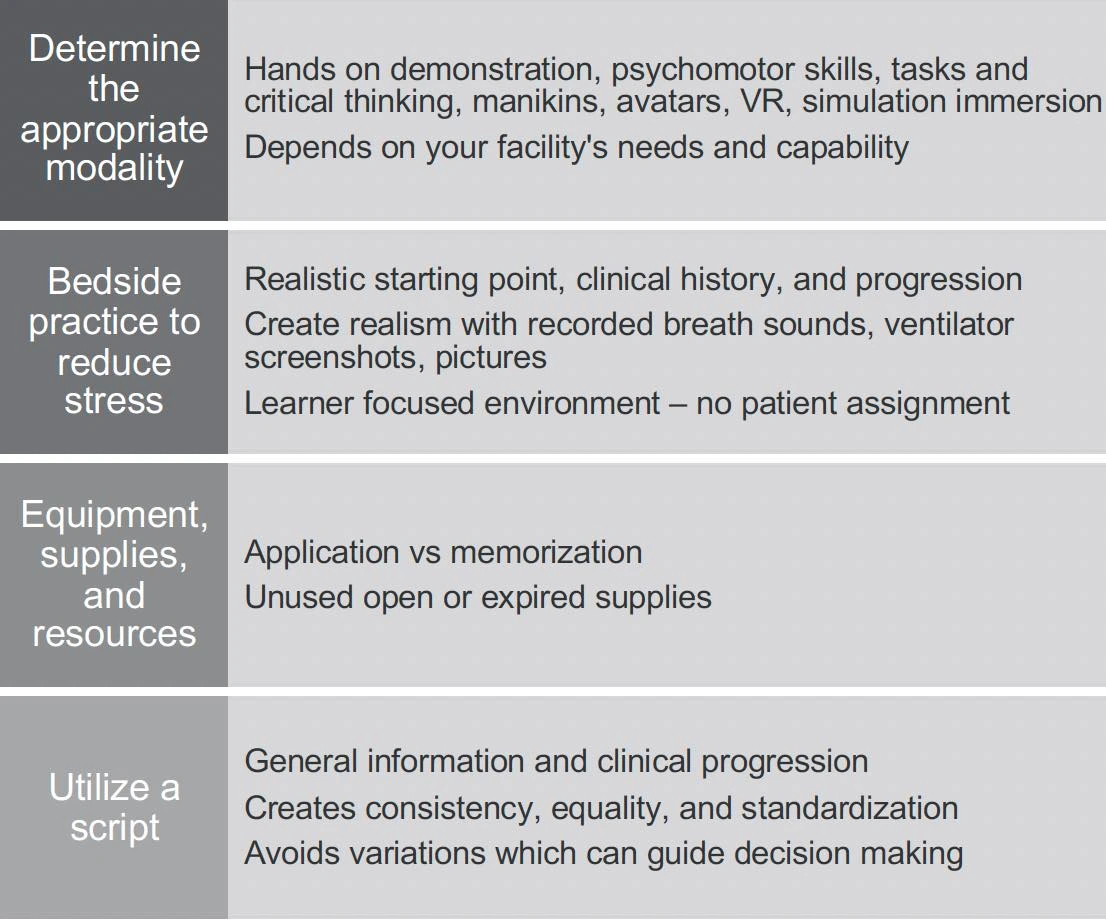
Figure 1. Prepare and Perform Assessment.
After building the scenario assessment, the staff need to be prepared (see Figure 1). Since this is a new process, for the first year and even in subsequent years, staff need to be prepared for that year's objectives and goals. This is the pre-briefing.
Leaders need to provide education sessions so staff are aware of what is being covered. A scenario-based assessment should include a pre-briefing plan: education sessions that provide preparation material and briefing to guide success. This step is critical when a facility begins this process, since it is likely quite different from previous annual assessments or competencies. Each objective created needs its own education session so the staff member is prepared and the goal remains achievable and relevant. Example sessions might mirror the simulation itself, or focus narrowly on something like blood gas analysis if that is part of the scenario. Anything involving equipment or a skill benefits from hands-on practice, and anything tied to a facility protocol benefits from reviewing that protocol with staff.
Preparation materials are gathered based on the scenario's objectives and purpose, and can include clinical material and supportive external resources, such as protocols, links to user manuals, quizzes, or vetted scholarly websites. This also means you are not creating new material if that is not feasible within your available time. The education session should take into account what time and materials your facility realistically has, and sessions should not add stress for the staff member or for whoever is preparing the education. Keep them short, feasible, and simple.
One suggestion is mini 15-minute group sessions or even one-on-one sessions, along with materials staff can review on their own: a short presentation, a one-pager, an infographic, or a microlearning, all of which are quick, easy references. Other options include sending links to reputable resources, creating self-learning modules on a learning management platform, or recording short videos demonstrating a skill or piece of equipment.
A pre-briefing script should also be developed and used consistently for every staff assessment, so everyone receives the same direction. The script should include ground rules for asking for more information during the scenario, asking for assistance with a skill that requires more than one person, and clarifying expectations, supplies, and available resources. There is no benefit to making this a surprise for staff; surprise only adds stress, and that is not the goal. Think about how a pop quiz feels: stressful, and not conducive to your best performance. The goal is not to catch staff off guard, but to make sure they are prepared and know what to expect.
Preparing and Performing the Assessment
Portions of an assessment can be hands-on, task- or skill-based, or focused purely on critical thinking, depending on the appropriate modality for the scenario. The modality is the platform for the experience, and can include simulated clinical immersion, in-situ simulation, computer-assisted simulation, virtual reality, procedural simulation, or hybrid simulation, depending on a facility's capabilities. This does not need to be as complex as it sounds. The goal is simply to incorporate elements like a standardized patient, whether that is a mannequin used consistently for every individual, an avatar, a partial task trainer, or a high-fidelity mannequin, using different levels of fidelity to create the perception of realism. Realism can come from recorded breath sounds pulled from the internet, screenshots of ventilator waveforms, or pictures of example-type patients (not real patients from your facility) that reflect the population being assessed. In my own practice, I have used pictures of staff members' children, with consent, to build a scenario around a patient near that same age. High-quality simulation-based education depends more on skilled facilitators than on elaborate equipment; you do not need expensive supplies, a dedicated simulation room, or the latest mannequins to run a meaningful assessment. If you have equipment or supplies that were opened but never used on a patient, or supplies that have expired, keep those for an educational section you can reuse year over year, or as part of orientation. Your supply department may also have expired supplies they can pass along.
Part of the preparation and performance also requires a scripted scenario, developed for consistency and standardization to ensure validity and reliability. Scenario-based annual competency assessments should encourage bedside practice to reduce the stress of being observed. To reduce that stress further, the scenario needs a backstory, past medical history, a realistic starting point of care, and realistic clinical progression. Wayne and colleagues note that one of the most important aspects of a scenario-based assessment is providing the staff member a learner-focused environment that is not affected by patient care assignments or clinical repercussions. In practice, that means the assessment is preferably done on a day off if feasible, or the staff member should at least be able to fully hand off their patient assignment so they are not worried about being interrupted by calls or patient needs.
This approach also supports debriefing that offers a non-threatening environment for feedback and reflective thinking. Staff should be permitted to use the resources they would normally have at bedside, which also reduces stress. Evaluation should be based on application rather than memorization of material. If resources are available, staff are not worried about memorizing something they would not normally have memorized, and instead can review it at bedside while making clinical decisions.
Within the script, there should be cues that provide a framework for advancing through the scenario based on the staff member's actions. If a psychomotor activity needs to be performed, the script should include a clear, concise prompt so staff know they are being asked to complete a specific action or skill. The script should also be written so that any individual could run the scenario without variation. For example, if two people are running the scenario and one is unavailable, a substitute could step in without changing the scenario itself. Avoiding variation matters because variation can be distracting or can inadvertently guide the decision-making process, creating inequity between assessments.
Performing the Assessment
Learner evaluation, or scoring, is required to individually identify whether objectives were met, scoring the staff member against predetermined specific and broad objectives within the same clinical scenario. It is important that participants understand the method of assessment going in, whether it is formative, summative, or high stakes. Most scenario-based assessments end up being summative, since they draw on skills staff have learned throughout their careers. They can also be high stakes if the final score affects an annual raise or a staff member's ability to practice in the ICU or on the floor if they cannot successfully complete the competency.
There are a few ways to score. A Likert-type scale might award two points for a skill fully accomplished without prompting or assistance, one point for a partial score reflecting some prompting, assistance, or minor errors, and zero points, or no score, when the individual does not perform the skill or task, or when major errors occur that would require assistance and should not result in a pass. Academic grading is another option: percentages and letter grades with weights assigned to each broad objective, structured so that passing is achievable, but receiving only partial credit across categories results in unsuccessful completion.
The main portion of a competency assessment should center on critical actions, meaning the foundational skills any clinician at the facility should be able to perform regardless of experience level. The score is calculated so that an individual who does not pass the foundational competency portion does not pass the assessment as a whole. If a staff member does not pass, our approach is to have them repeat the assessment within 60 days, which we call remediation. Staff must pass remediation, or they will be limited to non-ICU assignments and may also be placed on a performance improvement plan. Because the scenario-based assessment is tied to the annual performance evaluation for our staff, it is considered a high-stakes assessment.
Evaluation
Learning from this experience goes both ways, for the staff members being evaluated and for the leaders performing the assessment, developing the preparation sessions, and creating the materials. An evaluation process is needed to determine the quality and effectiveness of the scenario-based experience, incorporating feedback from participants and stakeholders such as managers and department directors. This evaluation data supports continuous quality improvement of both the education sessions and the annual competency itself.
Evaluations can use a Likert-type scoring system along with open comments, and should be anonymous so employees feel comfortable being candid; anonymity also increases response rates. Feedback should be provided to the employee in time, meaning immediately after completing the competency, so debriefing happens while the scenario is still fresh rather than waiting for the annual performance evaluation. That debrief should remain non-threatening and should create space for reflective thinking.
Scores from the competency are compared to previous years, where applicable, to identify growth or newly identified knowledge or skill gaps. In a first year, there will not be comparative scores yet, but starting the scoring process is still valuable for tracking improvement going forward. Each year, it is worth raising the stakes for specific objectives once scores trend toward improvement or near 100 percent. For example, blood gas analysis might initially allow partial credit, then later require full, accurate interpretation to receive a score. Similarly, a waveform-based objective might initially ask staff only to identify whether an asynchrony is present, then later require identifying the mode of ventilation, the asynchrony itself, and the corrective action.
Case Study: Asthmatic Scenario
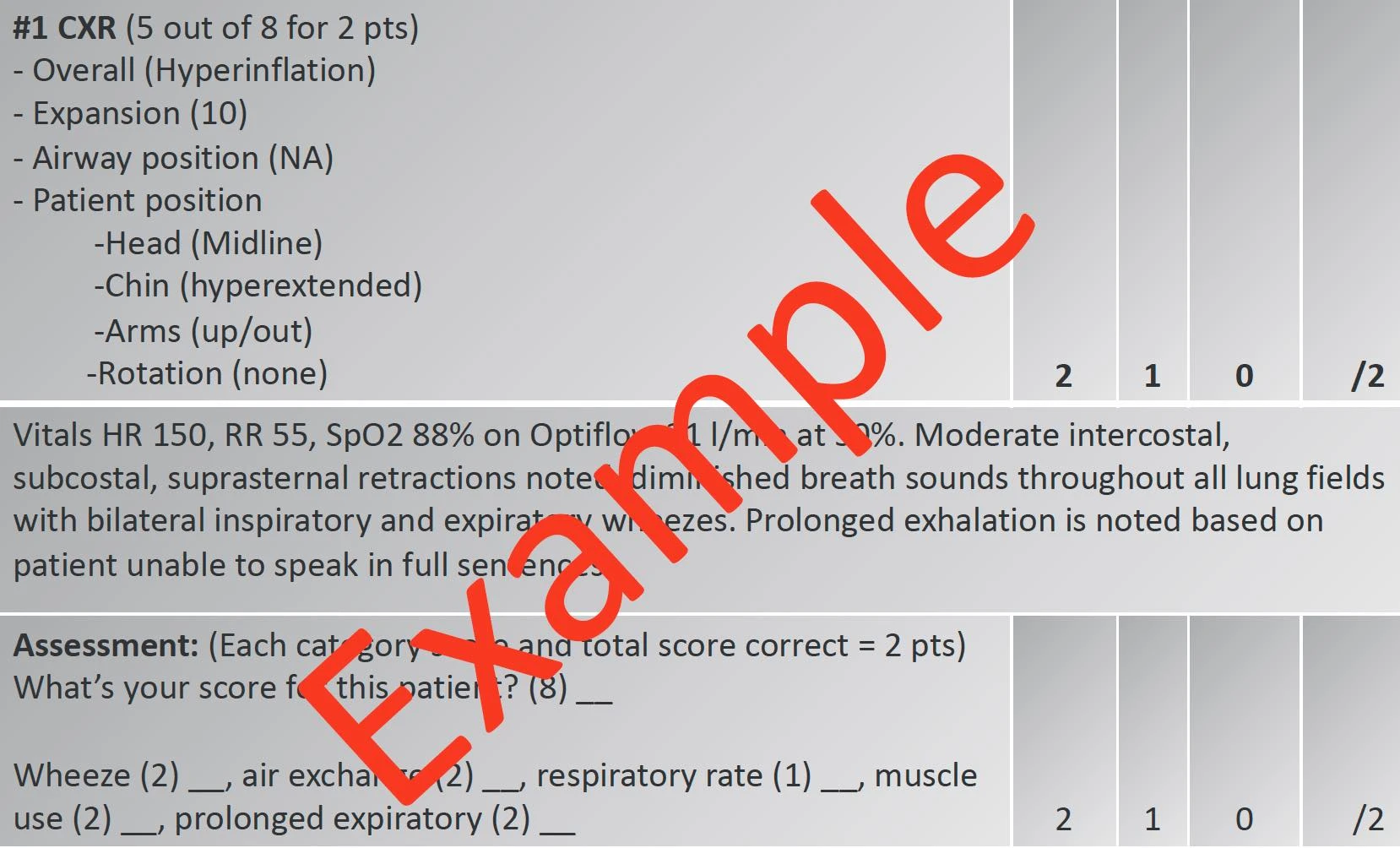
Figure 2. Chest X-ray and asthma severity scoring example.
To see how this comes together, consider an example built around a pediatric asthma scenario at our facility (see Figure 2). It starts with a needs assessment, a Likert-scored survey sent to staff, longer than what is summarized here, covering specific questions and topics along with staff responses. Those results were used to build the scenario's objectives, taking into account institutional, developmental, and departmental goals.
The scenario itself is built to feel like a real bedside encounter, especially useful if a facility does not have a high-fidelity mannequin, and to reflect the population staff would actually see. In this case, the scenario centers on a six-year-old, 25-kilogram male with a history of asthma and a four-day history of upper respiratory infection symptoms. His mother reports that he has been coughing and wheezing despite using his albuterol metered-dose inhaler; he received 5 mg nebulized albuterol three times in the emergency department with little improvement and is being admitted to the pediatric ICU. This creates a clear backstory, past medical history, and realistic starting point of care, from which the clinical progression unfolds.
The scoring portion of the scenario follows our facility's asthmatic protocol and a chest X-ray interpretation. For example, one scoring component asks staff to correctly identify five of eight findings on the chest X-ray, including overall hyperinflation, expansion, airway position, and patient positioning, for two points. A second component presents vital signs (heart rate 150, respiratory rate 55, oxygen saturation 88 percent on Optiflow at 21 L/min and 50 percent, with moderate intercostal, subcostal, and suprasternal retractions, diminished breath sounds throughout, bilateral inspiratory and expiratory wheezing, and prolonged exhalation) and asks staff to calculate an asthma severity score based on wheeze, air exchange, respiratory rate, and muscle use, with each correctly scored category and the overall total worth two points. This scoring tool is not something the staff member sees while performing the scenario; it exists for facilitators to score consistently and answer any questions that arise, and it is stored in our electronic medical record system alongside the resources staff are given for chest X-ray interpretation, so everyone knows the minimum expectation and can still provide more if they choose.
Staff are also given a clinical resource for the asthma assessment itself, which reflects material that is genuinely available to them at the bedside, for example, in the electronic medical record or through a linked clinical resource. Because they are not working from memory alone, this supports application and critical thinking rather than rote recall.
The total score for this assessment combines a version of Likert scoring and academic grading, weighted across several objectives: patient assessment, critical thinking, foundational competencies, chest X-ray interpretation, arterial blood gas interpretation, EtCO2 waveforms, and ventilator waveforms, for a total possible score of 54 points across the PICU and NICU. A score of 91 to 100 percent is rated as strongly exceeding expectations, 81 to 90 percent as exceeding expectations, and 75 to 80 percent as meeting expectations, all considered a pass with no remediation required. A score of 60 to 74.4 percent is rated as partially meeting expectations, and anything below 60 percent as not meeting expectations; both require remediation to pass. Our scoring system did not start out this detailed. When we first began clinical scenario-based assessments, it was far less complex, though we still built in points to keep scoring objective rather than subjective.
After the staff member completes the scenario, we need a moment as facilitators to finalize scoring. We typically have two team members scoring simultaneously to avoid missing anything the staff member says or does. During that time, we ask the staff member to step out of the room, but before they do, we give them a QR code or a paper printout of the evaluation so they have something to complete while we finish scoring. This evaluation asks questions that help us improve the preparation materials and the scenario-based assessment for the following year, and it remains anonymous, with staff aware that it is anonymous.
Summary
What you are ultimately trying to achieve through scenario-based staff assessments is improved safety and quality of care, along with better patient outcomes, shorter length of stay, and improvements to patients' lives, safety, and care overall. This can be done at any institution, regardless of size, because you are utilizing what you already have and what is feasible for your facility. Focus on your department and institution's goals, along with any knowledge gaps identified in your staff. Prepare staff thoroughly, especially in the first year, but also in subsequent years, so they understand exactly which respiratory skills or task knowledge you are asking them to demonstrate, since a small scenario cannot test the entirety of respiratory care. For example, at our facility we narrow scenarios to a two-hour time frame split between a NICU and a PICU scenario; you will need to determine what time frame is feasible for your setting.
Continue providing staff with resources they would normally have at the bedside, so they are not preoccupied with memorization and can instead focus on critical thinking. Provide a debrief that offers in-time feedback to support growth and reflective thinking, so staff can recognize their own areas of difficulty and build an action plan with their manager, rather than waiting until the annual performance evaluation, when the specific gaps identified may no longer be top of mind. From there, raise the stakes from the previous year to continue increasing staff knowledge and skill level.
Questions and Answers
How do you tailor scenario-based assessments for a team with varying levels of experience, so they remain challenging for advanced practitioners without overwhelming newer staff?
Generally, we focus on where we see deficits as a consensus across the team, rather than tailoring by individual skill level or tenure. In our asthma protocol example, we saw gaps in scoring regardless of how long an individual had worked at our facility; the gaps showed up broadly, not just among newer staff. We look for where there is consensus in a gap, rather than only addressing discomfort reported by newer staff members, so the assessment feels universal across the team rather than pitched at any one experience level.
How often do you change or refresh your scenarios so they do not lose effectiveness over time?
We change the scenario every year. It is never the same scenario twice. We do a needs assessment at the beginning of every year to see whether knowledge gaps have shifted; even if the gaps identified are the same as the previous year, we still recreate a new scenario rather than reuse the same situation.
How do you train the people who will be running and scoring the scenario with staff, the “train the trainer” process?
We have a small team that helps with this; we call them RT3s, our lead staff members, not managers. Based on the gaps identified in our SWOT analysis, we get together and decide what kind of scenario to build, so we are working together on development from the start. I typically handle the education, or pre-briefing, portion myself. Even though our leads help develop the scenario, I still test them on it afterward, since they need to demonstrate the same skills and perform at a high level. The manager and I observe and score the lead performing the scenario, and once they are trained, they can run the scenario with actual staff members. Because the scenario is scripted, with vitals, answers, and progression all built in, it walks the trainer through step by step.
What barriers do you typically run into when designing and running these scenarios?
One common barrier, especially without high-fidelity equipment, is staff members being unsure whether they should treat an action as real. Staff who have been at a facility for years tend to understand they should manage the mannequin as they would a real patient, but newer staff often need to be told explicitly, for example, that we will provide breath sound data rather than have them listen to the mannequin and assume it sounds clear. Walking newer clinicians through that expectation is part of the process.
For smaller facilities without the latest simulation equipment, what resources can be better utilized to run a meaningful scenario-based assessment?
Even as a larger institution, we do not have a high-fidelity mannequin. When we first started, we used baby dolls, literal children's toys; something as simple as that works, and you do not need a mannequin at all. It depends on how you are building the scenario and what you are assessing. Expired supplies, or supplies that were opened but never used on a patient, can also come into play. Sticking with our asthma example, you could save empty syringes from continuous albuterol administration to use as props. You can also run a scenario with nothing but a PowerPoint presentation and a computer, asking staff what they want to do with the data presented; it still promotes the same critical thinking. It requires getting creative with what you have, but that reflects real bedside practice, since it will not look much different from what staff actually use day to day.
You mentioned there is no benefit to making this a surprise to staff. Can you expand on why that matters?
There is a constant conversation about burnout in health care, so there is no reason to add to that stress. Keeping staff prepared and informed about what the assessment will cover, rather than catching them off guard, supports psychological safety and keeps the process from feeling like a pass-or-fail surprise. That helps every clinician feel comfortable enough to do their best for their patients while still benefiting from the resources and critical thinking the assessment is built to reinforce, and it helps keep staff motivated and engaged in their work.
References
References are provided in the course handout.
Citation
Murphy, S. (2026). Precision in practice: Elevating staff competence with scenario-based assessments. Continued.com. Available at https://www.continued.com/respiratory-therapy/courses/precision-in-practice-elevating-staff.

Sara Murphy
MBA, RRT, RRT-NPS, RRT-ACCS, AE-C
Related Courses
Supporting Neurodiverse Staff, Colleagues and Patients
Discussions about neurodiversity have gained momentum, highlighting the need for a greater understanding of this longstanding population. This session introduces respiratory therapists and other healthcare professionals to innovative concepts and strategies for dismantling barriers and promoting affirming and equitable care.Spanish for Respiratory Therapists
This course will provide respiratory therapists with basic Spanish terminology and phrases to conduct a patient assessment. Participants will learn how to communicate common subjective and objective parts of a patient exam using the Spanish language.Revisiting Adverse Childhood Experiences: Is This the Key to Managing COPD
A landmark study conducted by Kaiser-Permanente established a solid relationship between adverse childhood experiences (ACEs) and the development of Chronic Obstructive Pulmonary Disease (COPD). This interactive lecture will provide an overview of the findings from this study as well as current literature associated with the topic. An advanced discussion will challenge those providers in post-acute settings to evaluate opportunities to break the cycle of disease and improve quality-of-life for our at-risk population through education and empowerment.