Course Articles
A Comprehensive Introduction to the Diagnosis and Treatment of Obsessive Compulsive Disorder
Johann D'Souza, LP, PhD
This text-based course is an edited transcript of the webinar, A Comprehensive Introduction to the Diagnosis and Treatment of Obsessive-Compulsive Disorder, presented by Johann D'Souza, PhD, LP, on January 5, 2026.
Course Overview
Obsessive-compulsive disorder (OCD) is a widely misunderstood condition, frequently reduced in popular culture to quirks of tidiness or orderliness. This course provides a clinically grounded introduction to the disorder, moving from common misconceptions through formal diagnostic criteria, symptom subtypes, and evidence-based assessment tools, before arriving at a thorough examination of the gold-standard treatment: Exposure and Response Prevention (ERP). Developed for mental health practitioners and other healthcare professionals seeking continuing education, the material draws on current DSM-5-TR criteria, published research, and clinical examples to build practical competence. By the end of this course, participants will understand what OCD is, how it differs from superficially similar conditions, and how to implement the fundamental stages of ERP with individuals across the lifespan.
This material is for educational purposes and does not replace clinical judgment or local policy.
Limitations/Risks
- OCD is a highly complex disorder that shares symptoms with several other disorders. This webinar is not a replacement for supervision, consultation, and specialized professional training for the diagnosis and treatment of OCD.
- This webinar does not constitute a clinical credential and does not include all OCD subtypes, comorbid conditions, treatment options, or treatment complexities.
- Treatment protocols and diagnostic criteria continue to evolve; this webinar represents current knowledge at the time of presentation.
- The stigma associated with mental health issues and specific beliefs about mental health and treatment vary widely across cultures. In some cultures, seeking mental health treatment is highly stigmatized, leading to reluctance in seeking treatment and/or participating fully in treatment. Therefore, practitioners should exercise cultural humility at all times with all clients.
Learning Outcomes
After this course, participants will be able to:
- List the two primary symptoms of OCD.
- Describe the differences between OCD, anxiety, and other disorders.
- Explain three fundamental stages of Exposure & Response Prevention.
Common Myths
Before defining OCD precisely, it is useful to examine what OCD is not — because misunderstanding is widespread not only among the general public but within professional communities as well. Several persistent myths shape how people with OCD experience their disorder and the kind of help they seek.
One of the most pervasive myths is the idea that everyone is "a little OCD." There is a kernel of truth embedded here: many people experience recurring, intrusive thoughts from time to time. However, to receive a diagnosis of OCD, an individual must meet a clinical threshold of symptom severity and functional impairment that is uncommon for most people. The casual colloquial use of "OCD" to describe everyday preferences for order or cleanliness trivializes a condition that can be profoundly disabling.
A related and equally common myth is that OCD is always about hand washing, cleaning, or neatness. While contamination concerns and cleaning compulsions are among the more visible manifestations of OCD, they represent only one slice of the disorder's full range. OCD can present in ways that are entirely unrelated to cleanliness — for example, intrusive thoughts about harming a loved one, fears related to morality or religious transgression, or a vague but distressing sensation that something is "not quite right." Someone can meet full diagnostic criteria for OCD without ever engaging in cleaning behaviors at all.
Another myth holds that people with OCD are simply neurotic, eccentric, or beyond help. It is important to separate the person from the disorder: the unusual or distressing behaviors associated with OCD are products of the condition, not character flaws. With appropriate, evidence-based treatment, individuals with OCD can achieve substantial — often dramatic — symptom reduction and lead fulfilling, functional lives.
Perhaps the most clinically consequential myth is the belief that OCD can be treated by directly disputing or arguing against the dysfunctional beliefs driving it. Intuitively, it might seem that if a person is afraid of contamination, demonstrating that their fears are irrational should help. In practice, the act of counter-arguing, debating, or seeking logical reassurance tends to perpetuate OCD rather than relieve it. The obsessional cycle is not fundamentally a problem of faulty logic; it is a problem of avoidance and reinforcement — a distinction that becomes central to understanding why ERP is the treatment of choice.
Similarly, OCD is not simply a reflection of unresolved psychodynamic conflicts or childhood trauma. Stressful or traumatic experiences can certainly exacerbate symptoms or trigger their onset, but the current evidence base indicates a strong genetic predisposition that is primary to the disorder's development (American Psychiatric Association, 2022). Stressors can make it worse; they are not the root cause.
Finally, clinicians should be aware of how perfectionism can interact with OCD in treatment itself. Individuals with OCD tend to exhibit high rigidity and a low tolerance for uncertainty, and these traits can affect the treatment process. A patient may feel compelled to complete exposure homework "perfectly," inadvertently generating a new OCD cycle within the therapeutic work. Developing insight into this pattern — in both the patient and the clinician — is an important clinical competency.
Defining OCD
DSM-5 TR Definition
The formal definition of OCD in the Diagnostic and Statistical Manual of Mental Disorders, Fifth Edition, Text Revision is straightforward at its core (American Psychiatric Association, 2022). Three criteria must be met:
- The obsessions or compulsions are time-consuming and/or cause clinically significant distress or functional impairment.
- The obsessive-compulsive symptoms are not attributable to the effects of a substance or another medical condition.
- The disturbance is not better explained by the symptoms of another mental disorder.
What this definition leaves open is precisely what obsessions and compulsions are — and here the clinical literature departs significantly from everyday usage of these words.
Differentiating Disorders
Obsessions
In everyday speech, describing oneself as "obsessed" with a hobby or interest typically implies enthusiasm and pleasure. In the clinical context of OCD, the term means something nearly opposite. An obsession, as defined in the OCD literature, is a thought, image, or urge that is unwanted, intrusive, persistent, and irrational.
Each element of this definition carries diagnostic weight. The thought component refers to verbal content in one's mind — for example, the phrase "I am going to harm my child" entering awareness without the individual having invited it. An image refers to a mental picture, such as a vivid visualization of violence against a loved one. The third component, urge, is more nuanced and not universally experienced by people with OCD. It refers to a vague, uncomfortable somatic or perceptual sense that something is "not just right" — that a shirt sleeve is positioned incorrectly, that shoelaces are unevenly tightened, or that a symmetry has been disrupted. This phenomenon has been labeled "not just right OCD," and it is experientially distinct from cognitive worry.
The quality of being unwanted distinguishes OCD obsessions from ordinary preoccupations. The teenager who thinks about cars constantly is not experiencing obsessions in the clinical sense, because those thoughts are welcomed. Intrusive means the thought enters awareness without being sought; persistent means it returns repeatedly despite efforts to suppress or ignore it. The final criterion — irrational or unrealistic — is what most cleanly separates obsessions from the anxious worries seen in other disorders. Even exaggerated everyday worries bear some relationship to realistic events. OCD obsessions frequently carry a superstitious or magical quality that crosses into the clearly implausible: "If I do not wash my hands exactly five times, my grandmother will become ill and die." This irrational character is not a moral failing; it is the signature of the disorder.
The distinction between urge and fear of urge deserves particular attention for clinicians. A patient who reports "an urge to stab my spouse" when chopping vegetables is almost certainly not experiencing an actual drive to harm. What the patient experiences is an unwanted thought or image, accompanied by intense fear that they might act on it. The internal drive to harm is absent — that is precisely what makes the thought OCD rather than intent. Part of effective treatment involves helping patients develop insight into this distinction.
Compulsions
If obsessions are the internal, involuntary dimension of OCD, compulsions are the behavioral dimension — the things the person does in response. Compulsions are repetitive behaviors or mental acts that an individual feels compelled to perform in response to an obsession in order to reduce or prevent anxiety or distress, prevent a feared outcome, or make something feel "just right." Critically, they are either not connected in a realistic way to what they are intended to prevent or are clearly excessive in nature (American Psychiatric Association, 2022).
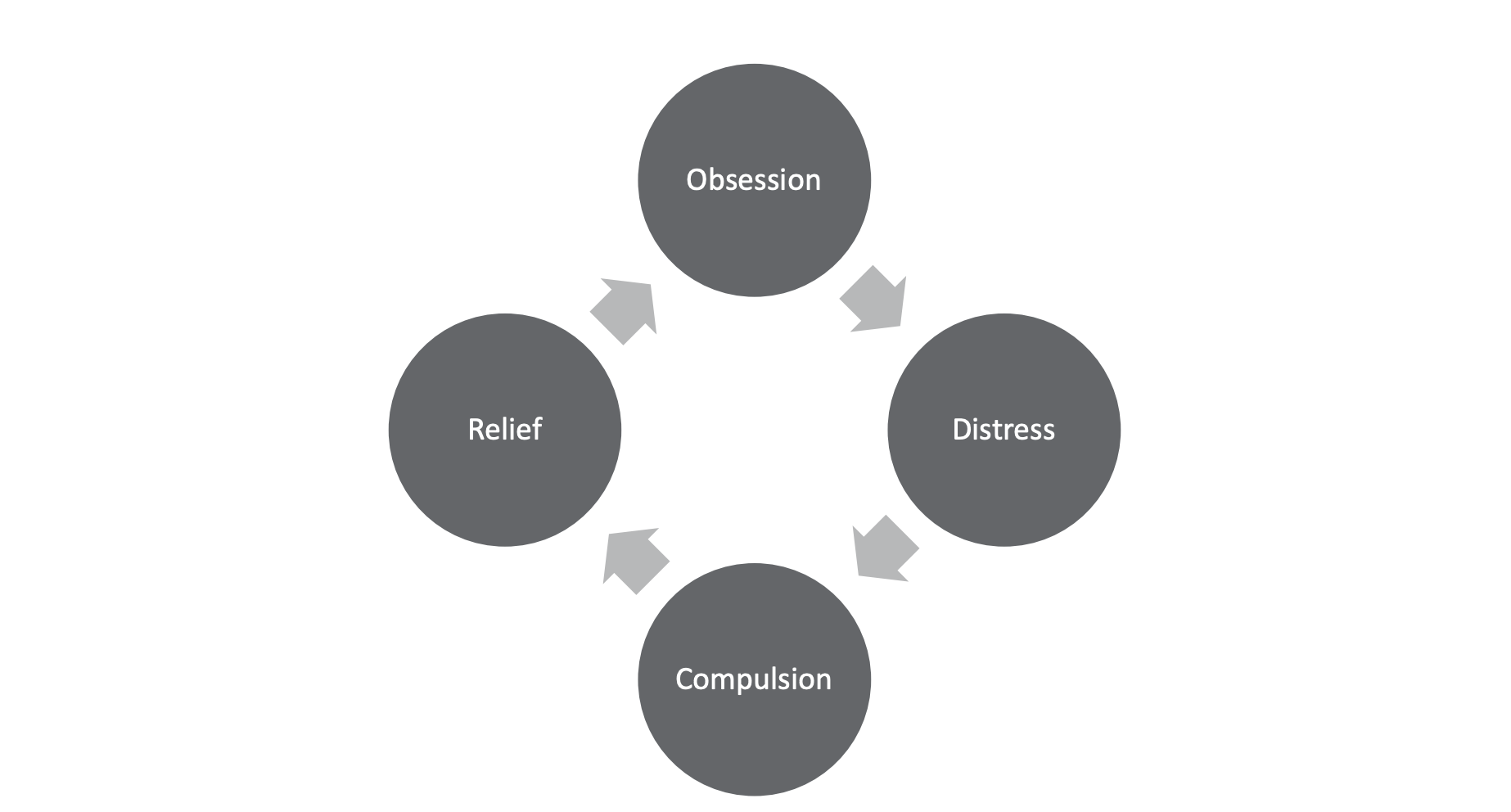
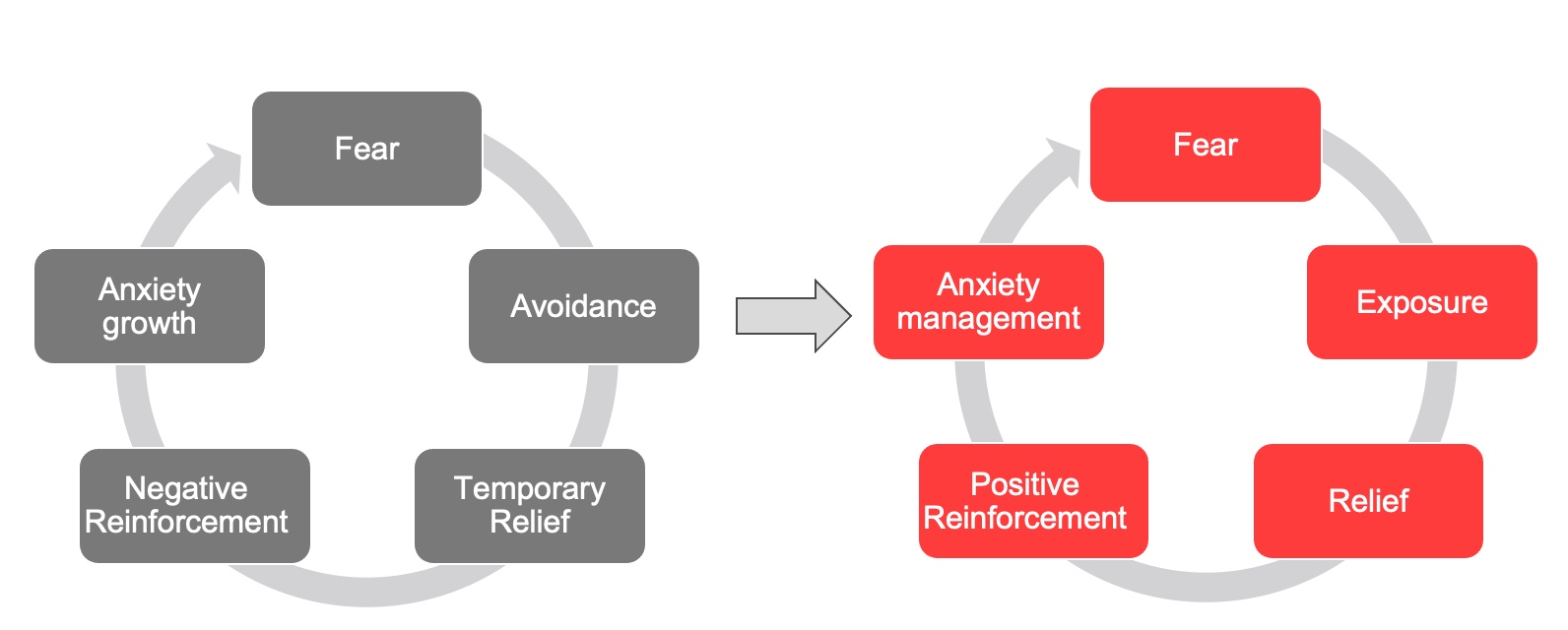
Compulsions may be overt and behavioral — hand washing, checking locks, arranging objects — or they may be entirely covert mental acts, such as silently counting, reviewing memories, or generating counter-thoughts. The compulsion is a choice, even when it feels automatic or overwhelming to resist. When working with children, clinicians should note that younger patients may be unable to articulate the connection between their obsession and their compulsive behavior. Helping these patients map the relationship between trigger, obsession, anxiety, compulsion, and temporary relief — the OCD cycle — is an important early phase of treatment.
The most universal category of compulsion is avoidance: any behavior the person engages in to steer clear of the feared thought, image, or situation. Reassurance-seeking is the next most common, in which the person repeatedly seeks confirmation from a spouse, parent, or clinician that the feared outcome has not occurred or is unlikely to occur. Providing reassurance, while immediately comforting, feeds the OCD cycle in exactly the same way a compulsion does. Confessing, checking, and rechecking, and mental reviewing are additional common compulsion types.
Insight
A critical clinical concept in OCD is the role of insight (Steinberg et al., 2025). Insight refers to the degree to which an individual recognizes that their obsessional fears are not realistic — that what they are experiencing is OCD, not an accurate perception of the world.
Image: The insight spectrum in OCD ranges from absent/delusional (firm belief that fears are real) through poor to good/fair (recognition that symptoms reflect OCD), with lower insight associated with poorer treatment outcomes (Steinberg et al., 2025).
At one extreme is good or fair insight: the person recognizes that feared thoughts are symptoms of a disorder and are not realistic, even if they still feel compelling. At the other extreme is absent or delusional insight: the individual is firmly convinced their fears are real. This rare but severe presentation — in which a person may be unable to leave the home because they are certain a harmed child is concealed somewhere in the building, despite living alone — begins to approximate a psychotic-spectrum disorder in its phenomenology.
More clinically common is poor insight, found in approximately one-fifth to one-third of individuals with OCD (Steinberg et al., 2025). These individuals oscillate: most of the time, they suspect they have OCD, but a persistent doubt remains — "maybe this time it really is true." Poor insight is more prevalent in OCD than in other anxiety-related conditions and carries significant treatment implications. Lower insight is one of the strongest predictors of poorer treatment response, making its assessment and its gradual improvement through treatment a clinical priority. One mechanism by which ERP improves insight is through repeated, successful fear-facing: when a person repeatedly confronts feared situations and observes that nothing catastrophic occurs, they accumulate experiential evidence that progressively weakens catastrophic beliefs.
Common OCD Subtypes
OCD can manifest in a remarkable variety of ways, and the specific content of obsessions is highly idiosyncratic. Nonetheless, research and clinical observation have identified common groupings or subtypes that help practitioners recognize and assess the full range of the disorder's presentations (Jalal et al., 2023).
Image: OCD subtypes mapped by obsession type and associated compulsions, illustrating the breadth of presentations beyond contamination and cleaning (Jalal et al., 2023).
Contamination OCD involves fears of germs, chemical contaminants, or substances with aversive sensory qualities, such as greasy or sticky textures. The corresponding compulsions typically center on washing, cleaning, or avoidance of perceived contaminants.
Scrupulosity involves an excessive fear of offending God, acting immorally, or being in a state of spiritual transgression. This subtype is of particular clinical importance because the symptom content intersects with the patient's deepest personal values. A patient with scrupulosity may engage in constant mental review of their words and actions, wondering whether an ambiguous statement was a lie or whether a momentary lapse placed them in spiritual jeopardy. Effective treatment requires a clinician who understands and respects the patient's religious and moral framework rather than pathologizing it wholesale.
Harm OCD involves recurrent, unwanted thoughts about causing harm to others or being harmed oneself. As noted in the section on obsessions, patients with harm OCD do not experience an internal drive to harm — they experience an overwhelming fear that they might. Taboo OCD is closely related, encompassing thoughts of a sexual nature, including fears of being attracted to children or committing sexual abuse. Because of the profound shame associated with these thoughts, patients are frequently reluctant to disclose them even to their therapist. Clinicians who do not directly and non-judgmentally inquire about this symptom domain may be treating a patient with significant taboo OCD without realizing it.
Just-right OCD involves the pervasive sense that things are not in their correct state — not perfectly symmetrical, not properly ordered, not adequately arranged. The discomfort is more somatic or aesthetic than cognitive; patients often struggle to articulate what specifically is wrong, only that something is not right.
On the compulsion side, avoidance is so universal that it can serve as a summary category for all compulsive behavior. Reassurance-seeking, confessing, checking and rechecking, repeating behaviors, and mental compulsions (internal reviews, counter-thoughts, neutralizations) round out the most common presentations (Jalal et al., 2023).
Other Related Disorders
OCD belongs to a broader family of conditions classified in the DSM-5-TR as obsessive-compulsive and related disorders, a grouping that reflects both phenomenological similarities and genetic relationships (Brierley et al., 2021). Understanding these related conditions helps clinicians think about comorbidity, differential diagnosis, and the broader context of a patient's presentation.
Image: OCD-related disorders sharing genetic and phenomenological features with OCD, including body dysmorphic disorder, tic disorders, illness anxiety disorder, body-focused repetitive behaviors, and hoarding (Brierley et al., 2021).
Tic disorders, including Tourette's syndrome, are among the most genetically proximate conditions to OCD. Vocal and motor tics — such as throat clearing or repetitive movements — are frequently comorbid with OCD, a pattern reflecting shared genetic architecture rather than coincidence.
Illness anxiety disorder (formerly hypochondriasis, often called health anxiety) involves excessive, disproportionate fear of having or developing a serious illness. This can present as a distinct disorder or as an OCD subtype, and careful assessment is needed to determine the most appropriate conceptualization.
Hoarding disorder may present as one symptom among many in a person with OCD or as a standalone condition. Similarly, body dysmorphic disorder — characterized by preoccupation with perceived flaws in physical appearance — shares important features with OCD and is treated with many of the same approaches.
Body-focused repetitive behaviors (BFRBs), including trichotillomania (hair pulling) and excoriation disorder (skin picking), are the most prevalent conditions in this category. They share a driven, repetitive behavioral quality with OCD compulsions and present similar treatment challenges.
OCD vs. Generalized Anxiety Disorder
The condition most frequently confused with OCD in clinical and general settings is generalized anxiety disorder (GAD). The two disorders share a surface-level quality — both involve excessive, unwanted mental activity that causes distress — but differ in several important ways (American Psychiatric Association, 2022).
The ego-dystonic nature of OCD obsessions is particularly diagnostic. A person with OCD is distressed by their thoughts precisely because those thoughts conflict with who they are and what they want. A person with harm OCD who fears harming their child is not someone who wishes to harm their child — the thought is alien to their identity. By contrast, GAD worries, while excessive, are connected to things the person genuinely cares about: finances, relationships, health, and performance. The person with GAD worries about things they wish would go well; the person with OCD is horrified by things they desperately wish would not happen.
Additionally, the behavioral responses differ. OCD generates highly specific, often ritualized compulsive patterns — particular sequences, numbers, or types of behaviors tied to the specific obsessional content. GAD generates more varied behavioral attempts to cope, primarily reassurance-seeking and preparation.
A note on perfectionism: Perfectionism itself is not a DSM diagnostic criterion, but individuals with OCD tend strongly toward rigidity, a high need for certainty, and discomfort with ambiguity. A person can be highly perfectionistic without having OCD and can have OCD without being a perfectionist, but the two frequently co-occur. This overlap has clinical relevance because perfectionism can become a vehicle through which OCD infiltrates the treatment itself, as patients attempt to perform their exposure homework "correctly" in a way that becomes its own compulsion.
Assessing OCD
When Does OCD Appear?
OCD can emerge at virtually any point across the lifespan, from preschool through adulthood. Research identifies two particularly common onset windows: between ages 8 and 12 and between late adolescence and early adulthood (Stein et al., 2025; Ziegler et al., 2021). The stress-diathesis model offers a useful framework for understanding this pattern: individuals with a genetic predisposition to OCD will typically not develop the full disorder until they encounter a meaningful life stressor. For most people, the physiological and psychosocial changes of puberty represent sufficient stress to trigger symptom onset, even without any specifically traumatic experience. Parents of children later diagnosed with OCD often report noticing precursor traits — rigidity, perfectionism, difficulty with transitions — from early in their child's development, long before those traits crystallized into clinically significant OCD.
The gap between symptom onset and formal diagnosis presents a significant public health challenge. On average, individuals wait approximately 13 years from the emergence of their first OCD symptoms to receiving a diagnosis (Ziegler et al., 2021). The interval from diagnosis to treatment is further extended, averaging approximately a year and a half (Ziegler et al., 2021). The combined effect is that individuals with OCD may spend a decade and a half or more living with a treatable condition before accessing an effective intervention. Contributing factors to this delay include the disorder's stigma, the private nature of obsessional content, and widespread lack of OCD-specific training even among mental health professionals.
Assessment
The gold-standard instrument for OCD assessment is the Yale-Brown Obsessive Compulsive Scale (Y-BOCS), a clinician-administered tool consisting of a detailed symptom checklist followed by a severity scale with established research-validated diagnostic cutoffs (Scahill et al., 1997). The Y-BOCS is broadly accepted within the field as the preferred assessment tool — a degree of consensus unusual in mental health assessment, where many comparable disorders have numerous competing instruments. Administering the full Y-BOCS takes between 30 and 60 minutes, depending on the clinical context.
Image: Standard OCD assessment framework including clinical interviews, the Yale-Brown Obsessive Compulsive Scale (Y-BOCS), and its child version (CY-BOCS), the latter validated by Scahill et al. (1997).
The Y-BOCS serves two distinct functions. The symptom checklist component comprehensively surveys the full range of OCD symptom types, frequently helping patients recognize the breadth and interconnectedness of their symptoms — an exercise that is itself therapeutically valuable, since many patients have not previously understood their disparate experiences as manifestations of a single disorder. The severity scale component quantifies the impact of the obsessions and compulsions on the patient's daily life, providing a baseline against which treatment progress can be tracked. Re-administering the severity scale every few weeks allows clinicians and patients to monitor symptom reduction in a concrete, measurable way.
For younger patients, the Children's Yale-Brown Obsessive Compulsive Scale (CY-BOCS) provides a developmentally appropriate parallel instrument (Scahill et al., 1997). The CY-BOCS is child-assessed rather than purely clinician-administered, accommodating the developmental differences in how children report and understand their symptoms.
Comprehensive assessment goes beyond the Y-BOCS alone. Clinical interviews help identify comorbid diagnoses (which are common in OCD), assess the family environment (particularly important when working with children and adolescents), and develop a neuropsychological profile of the individual's cognitive and emotional functioning. For clinicians who need a briefer initial screen, shorter instruments such as the Florida Obsessive Compulsive Inventory (FOCI) can be administered quickly, though they do not replace the Y-BOCS for comprehensive assessment purposes.
Treatment
Research on OCD treatment is unusually well-organized and convergent. There is broad expert consensus that cognitive behavioral therapy (CBT) incorporating Exposure and Response Prevention (ERP) is the most effective treatment currently available (American Psychiatric Association, 2022). ERP alone produces symptom reductions of 60 to 80 percent. Pharmacotherapy, primarily using selective serotonin reuptake inhibitors (SSRIs), produces symptom reductions of approximately 40 to 60 percent. A third evidence-based option, particularly relevant for children, is Supportive Parenting for Anxious Childhood Emotions (SPACE), a parent-based approach found to be efficacious, comparable, and non-inferior to direct CBT (Lebowitz et al., 2020).
Image: Evidence-based OCD treatments including CBT with ERP (60-80% symptom reduction), SSRI pharmacotherapy (40-60% reduction), and the SPACE parent-based program (non-inferior to CBT; Lebowitz et al., 2020).
The relative advantages of ERP over pharmacotherapy deserve elaboration. While ERP and SSRIs are both effective, ERP yields benefits that persist beyond the treatment period, whereas pharmacotherapy produces benefits primarily while the medication is being taken. Withdrawal from medication typically results in symptom return. Additionally, SSRIs carry side effects and, in some cases, risks of physiological dependence. Clinical guidance generally favors initiating ERP as the first-line intervention. Medication is considered when: symptom severity significantly interferes with daily functioning; ERP alone has not produced an adequate response; symptoms are so severe that they prevent meaningful engagement with ERP; or the patient declines ERP.
The question of combined treatment has been examined in meta-analyses. The evidence suggests that ERP combined with SSRIs is marginally more effective than ERP alone, but the magnitude of the advantage is small and, in many studies, does not reach statistical significance. This evidence supports a stepwise approach: begin with ERP, add medication if needed, rather than defaulting to combination treatment from the outset.
The SPACE program merits particular mention because it inverts the conventional assumption that treating a child requires the child to be present in therapy. SPACE is a parent-based treatment in which the clinician works directly with parents — teaching them how to reduce accommodation of OCD symptoms and support the child's tolerance of anxiety — without necessarily seeing the child. Research has demonstrated that its effectiveness is comparable to direct CBT for childhood anxiety and OCD (Lebowitz et al., 2020).
ERP
Exposure + Response Prevention
Exposure and Response Prevention is a two-component protocol, and both components are essential. Removing either significantly reduces the intervention's effectiveness.
The exposure component involves deliberately and repeatedly confronting the thoughts, images, urges, situations, or stimuli that provoke obsessional distress. This is not passive or accidental contact with feared stimuli; it is intentional, purposeful, and structured. Exposures are most effective when designed to generate genuine discomfort, not a sterile or intellectualized approximation of it.
The response prevention component involves actively choosing not to perform the compulsion in response to the triggered anxiety. Rather than washing, checking, seeking reassurance, counting, or engaging in mental rituals, the person allows the anxiety to persist and observes that it naturally diminishes over time without any intervention. This process of riding the discomfort — commonly described as "riding the wave" — is the mechanism through which OCD loses its power. Performing the compulsion, even once, "spoils" the exposure by interrupting the anxiety's natural decline and reinforcing the false belief that the compulsion was necessary.
ERP Treatment
The ERP treatment protocol follows a structured, sequenced process (American Psychiatric Association, 2022):
- Psychoeducation about the diagnosis and treatment — helping the patient understand what OCD is, what ERP is, and why it works.
- Establishing treatment goals — clarifying what the patient wants their life to look like without OCD.
- Developing a treatment plan collaboratively — ensuring the patient has genuine ownership and investment in the process.
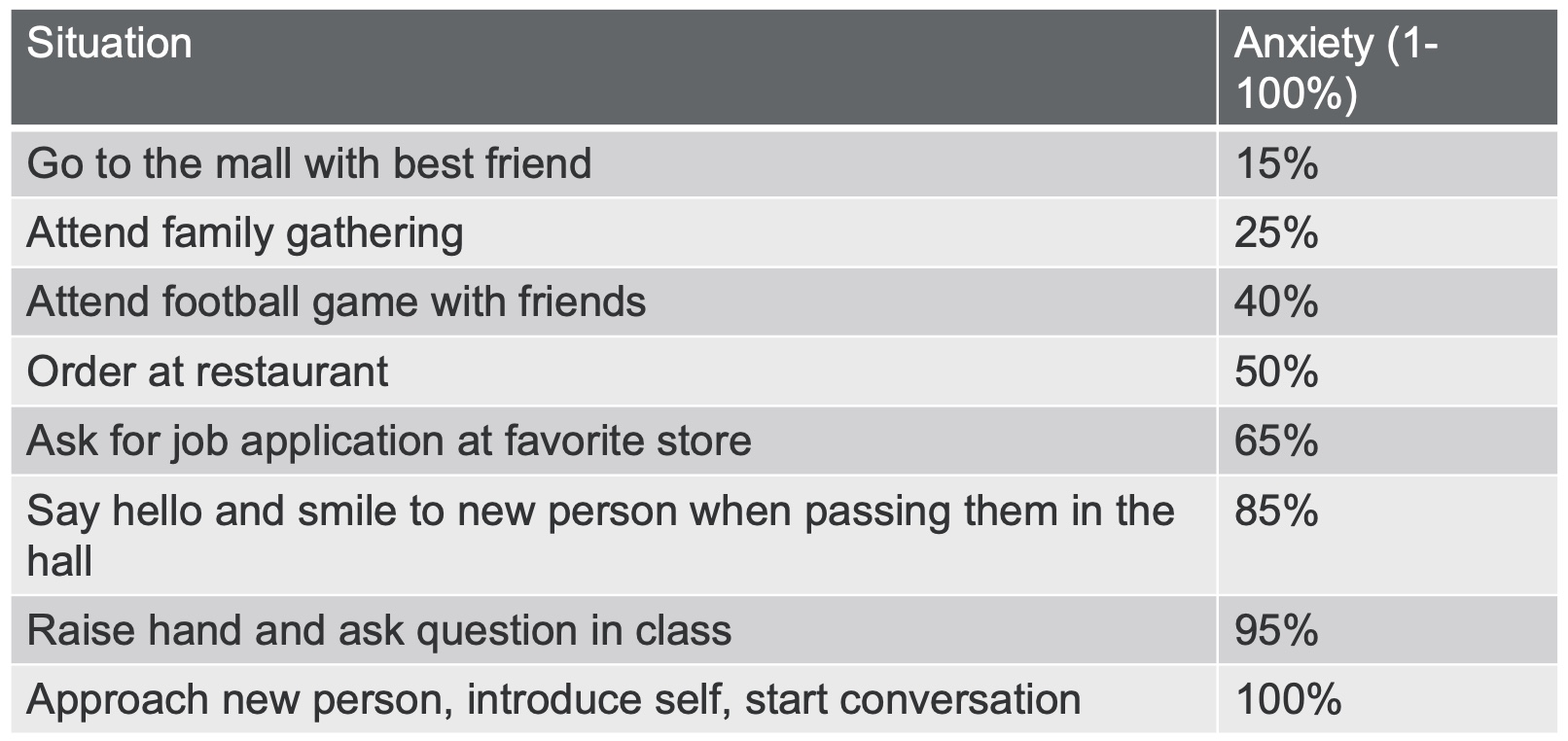
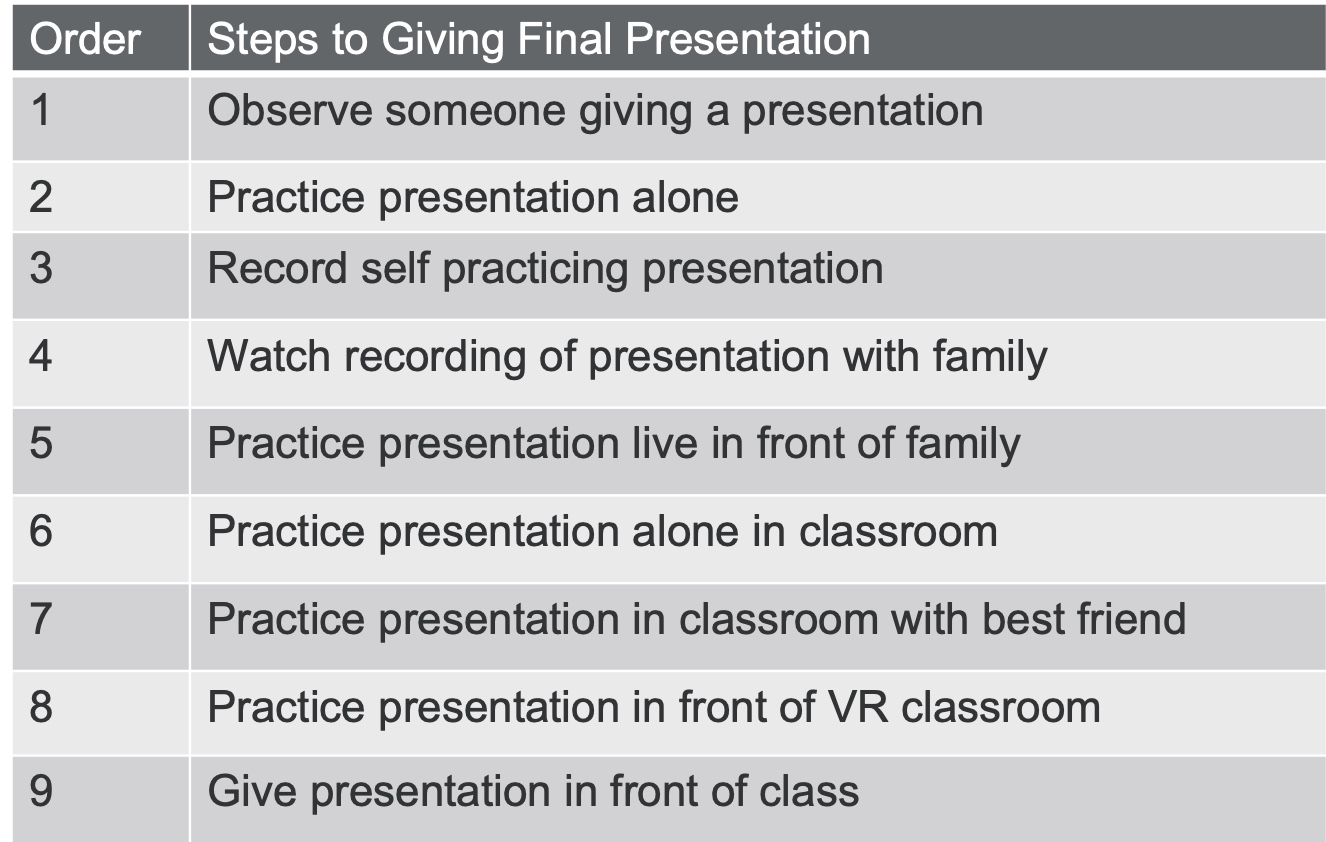
- Creating an exposure hierarchy or menu — listing the patient's fears in order from least to most anxiety-provoking, providing a structured roadmap for treatment.
- Practicing exposures in session — building the patient's confidence and correct technique before independent practice begins.
- Between-session practice (homework) — the primary driver of improvement, in which the patient independently conducts exposures in their daily life.
- Response prevention plans — developing specific strategies for managing compulsive urges when practicing independently.
Psychoeducation is not merely introductory. For patients who have never received an accurate conceptualization of their disorder, learning about OCD is itself a significant intervention. Clinicians often observe that patients experience relief simply from understanding that their seemingly bizarre or alarming experiences are recognized symptoms of a well-characterized disorder with effective treatment.
Establishing the exposure hierarchy is a collaborative process. The hierarchy typically begins with situations or stimuli that provoke only mild to moderate anxiety and progresses toward the most feared scenarios. This graduated approach (as opposed to flooding, which begins with the most difficult exposures) is the standard clinical recommendation. While flooding may produce faster results, most patients find a graduated approach more tolerable and are more likely to engage and persist in treatment.
The bulk of therapeutic change occurs outside the session, in the patient's independent practice. If the patient does not conduct exposures between sessions, symptom improvement will be minimal. This reality requires clinicians to invest significantly in building motivation, providing a clear homework structure, troubleshooting obstacles, and monitoring adherence.
The final stage — relapse prevention — is as important as the active treatment phase. Patients need a clear plan for responding when symptoms return, as they often do during periods of stress. A patient who understands that symptom recurrence does not mean treatment failure and who knows how to restart the exposure process independently has a fundamentally different prognosis than one who is discharged without this preparation.
Examples: Fear Learning and Safety Learning
The rationale for ERP rests on two contrasting models of how anxiety changes over time in response to feared triggers.
Image: Fear learning: repeated avoidance of a feared trigger causes the baseline anxiety level to rise over time, as each encounter-and-escape cycle reinforces the threat value of the stimulus.
Image: Safety learning: when feared triggers are faced without avoidance or compulsion, anxiety peaks and then naturally declines; with repeated exposures, each successive peak is lower, reflecting the acquisition of safety information.
When a feared trigger is encountered, and the response is avoidance or compulsion, anxiety spikes and then falls — but incompletely, returning to a baseline somewhat higher than before. Over time, repeated cycles of avoidance produce a gradual escalation of overall anxiety, so that the disorder becomes progressively more impairing. This is fear learning: the nervous system learns that the trigger is genuinely threatening because the person keeps running from it.
Safety learning is the alternative process, and it is the mechanism ERP is designed to cultivate. When a trigger is encountered, and the person does not avoid or engage in compulsion, anxiety spikes and may even increase briefly. But without escape, anxiety reaches its maximum and then declines naturally, following the physiological arc of an anxiety response. The next time the trigger is encountered, the anxiety peak is somewhat lower. Over many repeated exposures, the baseline anxiety associated with the trigger diminishes substantially. The nervous system has learned that the trigger is not genuinely dangerous — that the feared catastrophe did not occur. This is the informational foundation on which recovery is built.
ERP for OCD Hierarchy: Sample Case
The application of the exposure hierarchy is illustrated in the following example from a patient with harm OCD centered on the fear of poisoning a family member.
Image: Sample exposure hierarchy for harm OCD (fear of poisoning): steps progress from low-responsibility food contact (watching others cook) to high-responsibility direct cooking for family members, illustrating graduated exposure from least to most fear-provoking.
At the bottom of this hierarchy — the point of least anxiety — is watching a video of someone else cooking. This presents the feared context (food preparation) with minimal personal responsibility. As they progress upward through the hierarchy, the patient eventually reaches the highest level: cooking for their own family. At this level, the patient is directly responsible for the safety of loved ones — the maximal feared outcome. The hierarchy allows the clinician and patient to incrementally build evidence of safety, with each successful step reducing the overall threat valence of the feared scenario.
A critical clinical consideration is whether to use in-vivo (real-life) or imaginal exposures. In vivo exposures are more ecologically valid and closely replicate real-world conditions. However, some feared scenarios are impractical, impossible, or unethical to replicate in real life. A patient with a fear of harming a loved one cannot be asked to simulate that harm; a patient with a fear of jumping from a window cannot safely practice that fear literally. In these cases — which are common in harm OCD, taboo OCD, and other subtypes — imaginal exposures are used. In an imaginal exposure, the clinician guides the patient to vividly imagine the feared scenario in detail, using all five senses, sometimes incorporating a written script or trance techniques to deepen immersion. Imaginal exposures have several advantages: they can be conducted at any time, varied and extended beyond what real life allows, and adapted to feared scenarios that have no real-world analog. According to the presenter, imaginal exposures comprise the majority of exposures used in clinical practice.
Obstacles to Proper Diagnosis and Treatment
Despite the availability of highly effective treatment, many individuals with OCD go years or decades without receiving it. Multiple overlapping barriers account for this gap (Ziegler et al., 2021).
Stigma is a primary obstacle, especially when symptoms fall into taboo categories. A patient who is terrified that they might harm a child, commit incest, or act on a sexual thought they find abhorrent is profoundly unlikely to disclose that symptom without assurance of a non-judgmental clinical environment. The secrecy this engenders delays both diagnosis and treatment.
Lack of public awareness compounds stigma. Even when individuals suspect that their experiences might be symptoms of a diagnosable condition, they may not have access to accurate information about what OCD looks like, how it is diagnosed, or where to find help. Cultural context is relevant here as well: in communities where seeking mental health treatment is itself stigmatized, individuals may face significant social pressure against disclosure or help-seeking.
Lack of proper training among health professionals is a particularly consequential barrier. Research indicates that primary care physicians are no more likely than untrained laypersons to correctly identify OCD when it presents in their practice. This level of diagnostic miss among front-line healthcare providers means that many individuals who do seek care receive incorrect diagnoses or inappropriate treatment. Clinicians who work with OCD are encouraged to seek out specialty training rather than applying general anxiety treatment protocols, because the clinical presentation and the effective intervention differ meaningfully.
Difficulty finding specialists and financial constraints are interconnected practical barriers. OCD specialists with adequate training are not evenly distributed geographically, often have long waiting lists, typically charge higher fees, and frequently do not accept insurance. These structural factors disproportionately affect individuals with fewer resources, creating inequitable access to effective care.
Summary
OCD is a potentially debilitating mental health condition that affects approximately 2 to 3 million adults and approximately half a million children in the United States (Stein et al., 2025). Despite its severity and prevalence, it is highly treatable. CBT with ERP produces symptom reductions of 60 to 80 percent, making it one of the most effective interventions in all of mental health treatment. SSRIs and parent-based treatments offer additional evidence-based options that expand the range of patients who can benefit. At the same time, numerous barriers — stigma, limited professional training, geographic and financial constraints — prevent many individuals from accessing the care that could substantially relieve their suffering.
The goals of this course have been to provide participants with a foundation in what OCD is: its diagnostic definition, its two primary symptoms (obsessions and compulsions), its range of subtypes, and how it differs from related and superficially similar conditions. Participants have also been introduced to the fundamental stages of ERP, the mechanics of fear learning and safety learning, and the assessment tools used to characterize and track symptom severity. With this foundation, practitioners are better positioned to recognize OCD in their caseloads, to refer appropriately to specialists, and to begin building the specialized clinical skills that effective OCD treatment requires.
For additional resources, the International OCD Foundation (IOCDF) provides extensive educational material, clinician referral directories, and current research summaries at iocdf.org.
References
American Psychiatric Association. (2022). Diagnostic and statistical manual of mental disorders (5th ed., text rev.). https://doi.org/10.1176/appi.books.9780890425787
Brierley, M. E. E., Thompson, E. M., Albertella, L., & Fontenelle, L. F. (2021). Lifestyle interventions in the treatment of obsessive-compulsive and related disorders: A systematic review. Psychosomatic Medicine, 83(8), 817-833. https://doi.org/10.1097/PSY.0000000000000984
Jalal, B., Chamberlain, S. R., & Sahakian, B. J. (2023). Obsessive-compulsive disorder: Etiology, neuropathology, and cognitive dysfunction. Brain and Behavior, 13(6), e3000. https://doi.org/10.1002/brb3.3000
Lebowitz, E. R., Marin, C., Martino, A., Shimshoni, Y., & Silverman, W. K. (2020). Parent-based treatment as efficacious as cognitive behavioral therapy for childhood anxiety: A randomized noninferiority study of supportive parenting for anxious childhood emotions. Journal of the American Academy of Child & Adolescent Psychiatry, 59(3), 362-372. https://doi.org/10.1016/j.jaac.2019.02.014
Scahill, L., Riddle, M. A., McSwiggin-Hardin, M., Ort, S. I., King, R. A., Goodman, W. K., & Leckman, J. F. (1997). Children's Yale-Brown Obsessive Compulsive Scale: Reliability and validity. Journal of the American Academy of Child & Adolescent Psychiatry, 36(6), 844-852. https://doi.org/10.1097/00004583-199706000-00023
Stein, D. J., Ruscio, A. M., Altwaijri, Y., Chiu, W. T., Sampson, N. A., Aguilar-Gaxiola, S., ... Kessler, R. C. (2025). Obsessive-compulsive disorder in the World Mental Health surveys. BMC Medicine, 23(1), 416.
Steinberg, J. S., Morris, S. H., & Jaffee, S. R. (2025). 'Excessive and unreasonable': The relation between clinical insight and clinical correlates and treatment outcomes in obsessive-compulsive disorder across the life course. Child Psychiatry & Human Development, 56(1), 192-200.
Ziegler, S., Bednasch, K., Baldofski, S., & Rummel-Kluge, C. (2021). Long durations from symptom onset to diagnosis and from diagnosis to treatment in obsessive-compulsive disorder: A retrospective self-report study. PLOS ONE, 16(12), e0261169. https://doi.org/10.1371/journal.pone.0261169
D'Souza, J. (2026). A Comprehensive Introduction to the Diagnosis and Treatment of Obsessive-Compulsive Disorder. Continued Counseling, Article 131. Available at www.continued.com/counseling.
Feb 4, 2026
1 CE CreditADHD and Women: Ethical and Practice Implications for Clinical Providers
Christina Marsack-Topolewski, LMSW, PhD, MSW
This text-based course is an edited transcript from a live webinar presented by Christina Marsack-Topolewski, PhD, MSW, LMSW.
Introduction
It is a pleasure to present this comprehensive overview of ADHD and its ethical and practical implications for clinical providers working with women. The number of women diagnosed with Attention-Deficit/Hyperactivity Disorder continues to increase, bringing to light a unique set of challenges and considerations. Women frequently manage a multitude of life responsibilities and demands, which can present significant daily hurdles when coupled with ADHD. Living with ADHD can affect nearly every aspect of life, including one's professional life, financial stability, educational pursuits, the experience of motherhood, and other interpersonal relationships.
Furthermore, for women navigating life with ADHD, these challenges can be compounded by the presence of co-occurring conditions. This article will provide a framework for understanding the distinct complexities and journeys that women with ADHD often encounter. It will also discuss various interventions, strategies, and resources designed to support women with ADHD and their loved ones, acknowledging that the impact of ADHD extends beyond the individual to their entire relational network.
Learning Outcomes
After engaging with this material, participants will be able to:
- Identify the characteristics, signs, and symptoms of ADHD in adulthood that are unique to women.
- Describe co-occurring conditions commonly experienced by women with ADHD.
- Explain practical and evidence-based strategies to support women with ADHD and their loved ones.
Limitations and Risks
Supporting women with ADHD can be complex, and their coinciding needs can be wide-ranging. This discussion will not cover every aspect of these topics. Therefore, continued and additional training and education on this topic are recommended. Treatment and approaches to support individuals with ADHD and other comorbid challenges do not coincide with a one-size-fits-all approach. Practitioners should engage in cultural humility at all times and acknowledge cultural variations in mental health and treatment. Adequate support often requires the use of a multi-disciplinary team to ensure comprehensive treatment.
What is ADHD?
According to the guidelines from the American Psychiatric Association’s Diagnostic and Statistical Manual, Fifth Edition (DSM-5), the criteria for individuals ages 17 and older include:
“Frequent inattention, seen through at least five of the following, for at least six months, in a way that is inappropriate developmentally”:
- Careless mistakes and lack of close attention to detail
- Difficulty paying attention on tasks
- Does not listen when addressed
- Gets too side-tracked to finish chores or workplace duties
- Loses materials or equipment necessary for tasks
- Forgetfulness in daily living
- Difficulty in organizing tasks
- Easily distracted; daydreaming
- Difficulty or dislike of work that requires sustained mental effort
- Procrastination
(American Psychiatric Association, 2022)
Continued - What is ADHD?
Per the guidelines from the American Psychiatric Association’s Diagnostic and Statistical Manual, Fifth Edition (DSM-5), the criteria for individuals ages 17 and older also include:
“Frequent hyperactivity and impulsivity, seen through at least five of the following, for at least six months, in a way that is inappropriate developmentally”:
- Fidgeting, squirming, tapping
- Leaves seat when expected to sit
- Running or climbing at inappropriate times, feelings of restlessness
- Inability to play quietly
- Is often “on the go” and/or “driven by a motor”
- Talks excessively
- Blurting out responses
- Trouble waiting for turn
- Interrupting, intruding in conversations
Note: Six or more symptoms of inattention and/or hyperactivity-impulsivity are required for children up to age 16.
(American Psychiatric Association, 2022)
These diagnostic criteria provide a foundational understanding of ADHD. However, it is crucial to recognize that the manifestation of these symptoms can differ significantly between genders, particularly in adulthood. For individuals over the age of 17, the presence of at least five symptoms in either the inattention or hyperactivity-impulsivity domain, persisting for at least six months in a developmentally inappropriate manner, is indicative of ADHD. The impact of these symptoms on daily functioning across multiple settings is also a key diagnostic consideration.
ADHD Symptoms
Other symptoms commonly observed include:
- Poor time management (e.g., trouble multitasking)
- Emotional dysregulation (e.g., frequent/chronic stress, constant state of worry)
- Low frustration tolerance
- Mood swings
- Challenges focusing on a task
- Difficulties coping with stress
- Temper
(Mayo Foundation for Medical Education and Research, 2024)
When considering ADHD symptoms in adulthood, particularly for women, the challenges often extend beyond the core diagnostic criteria. Poor time management, including difficulties with multitasking, can profoundly impact adult life, where demands are often high and varied. Emotional dysregulation, manifesting as frequent stress, constant worry, or mood swings, can significantly affect an individual’s well-being and relationships. A low frustration tolerance can lead to interpersonal difficulties, especially in demanding roles such as parenting. Many women with ADHD report feeling overwhelmed by the daily tasks required to manage a household and career, often leading to internal frustration and self-criticism. The inability to focus on tasks and difficulties in coping with stress further exacerbate these challenges, contributing to a sense of being perpetually behind or unable to meet expectations.
ADHD in Adults
These conditions are required, too:
- Before age 12, must experience several inattentive or hyperactive-impulsive symptoms
- The symptoms must impact the person in at least two settings
- Clear evidence that the symptoms “interfere with or reduce the quality of” the person’s social, school and work activities
- Another mental disorder doesn’t better account for the symptoms
(American Psychiatric Association, 2013)
For an adult diagnosis of ADHD, it is essential to establish a developmental history of symptoms appearing before age 12. This underscores the understanding of ADHD as a neurodevelopmental disorder. Furthermore, the symptoms must be pervasive, affecting the individual in at least two significant settings, such as home, school, work, or social environments. This criterion highlights the functional impairment caused by ADHD, distinguishing it from transient difficulties. The impact must be clearly evident in a reduction of quality in social, academic, or occupational functioning. Finally, it is crucial to rule out other mental disorders that might better explain the symptoms, although co-occurring conditions are common and will be discussed further.
Symptoms may be common in women
- Racing thoughts
- Talking excessively
- Difficulty maintaining relationships
- “A scarred and wounded self-esteem”
- Stigma associated with their condition
(Holthe & Langvik, 2017)
Research indicates that certain ADHD symptoms are more commonly observed in women. These include racing thoughts, which can contribute to anxiety and overwhelm, and talking excessively, which may be a manifestation of internal hyperactivity. Difficulty maintaining relationships is a significant concern, often stemming from challenges with consistency, emotional regulation, or perceived social missteps. Many women with ADHD report a "scarred and wounded self-esteem," resulting from years of struggling with undiagnosed or misunderstood symptoms, leading to feelings of inadequacy or failure. The stigma associated with their condition further compounds these emotional burdens, often leading to shame and a reluctance to seek help or disclose their diagnosis. These gender-specific manifestations are crucial for clinicians to recognize for accurate diagnosis and tailored intervention.
Struggles Associated with Dysexecutive Functioning & ADHD
Visible:
- Running late, not making deadlines
- Presenting as “scattered”
- Outward aggression, frustration
Invisible:
- Self-esteem and self-efficacy implications
- Loneliness and isolation
- Internal frustration
- Anxiety
- Depression
The challenges associated with dysexecutive functioning in ADHD can be categorized into visible and invisible struggles. Visible struggles are those observable by others, such as consistently running late, failing to meet deadlines, appearing disorganized or "scattered," and exhibiting outward aggression or frustration. These external manifestations often lead to negative feedback from colleagues, family members, and friends, reinforcing feelings of inadequacy.
Invisible struggles, though less apparent to others, are deeply impactful. These include significant implications for self-esteem and self-efficacy, as women with ADHD may internalize their difficulties as personal failings rather than symptoms of a neurological condition. This can lead to profound feelings of loneliness and isolation, as the effort to maintain relationships becomes overwhelming or as perceived failures lead to withdrawal. Internal frustration is a constant companion, a silent battle against one's own cognitive processes. Furthermore, anxiety and depression are frequently co-occurring invisible struggles, often stemming from the chronic stress of managing ADHD symptoms and the emotional toll of perceived failures and social misunderstandings. Recognizing both visible and invisible struggles is essential for a holistic understanding of the impact of ADHD on women.
Masking of Symptoms
May mask in the following ways:
- Avoid interrupting others (by being quiet)
- Compensatory strategies to support routines and organization
- Exhibit perfectionistic tendencies
- Mirror what others do (e.g., this is common to other conditions and masking)
- Try very hard to focus and be overly conscientious
- Engage in substance misuse (e.g., this may hide/manage their symptoms in social environments)
- Engage in socially appropriate sports and physical activities – which may also mask symptoms
Masking can diminish the adverse effects of ADHD. Masking can be exhausting.
Masking is a common coping mechanism for women with ADHD, where they consciously or unconsciously hide their symptoms to conform to social expectations or avoid negative judgment. This can manifest in various ways, such as deliberately avoiding interrupting others by remaining quiet, even when they have something to contribute. Many develop elaborate compensatory strategies to maintain routines and organization, which, while effective in presenting a semblance of order, can be incredibly draining. Exhibiting perfectionistic tendencies is another form of masking, as an intense focus on flawless execution can be an attempt to overcompensate for perceived deficits in attention or organization. Mirroring the behaviors of others in social situations is also common, allowing them to blend in and avoid drawing attention to their struggles.
The effort to try very hard to focus and be overly conscientious is a constant internal battle, leading to significant mental fatigue. In some cases, individuals may engage in substance misuse as a maladaptive coping mechanism to hide or manage their symptoms in social environments, seeking to calm racing thoughts or reduce anxiety. Furthermore, engaging in socially appropriate sports and physical activities can also serve as a form of masking, as these activities may provide an outlet for hyperactivity or a structured environment that temporarily alleviates symptoms. While masking can temporarily diminish the adverse effects of ADHD in social or professional settings, it is an incredibly exhausting process that can lead to burnout, increased anxiety, and a profound sense of inauthenticity.
Executive Functioning
Executive functioning refers to a set of cognitive processes that are crucial for controlling behavior and operating effectively in daily life. These functions act as the "orchestra conductor" of the mind, enabling individuals to plan, organize, reason, and problem-solve. For individuals with ADHD, particularly women, challenges in executive functioning can profoundly impact various aspects of their lives.
Consider the intricate process of planning a trip: it involves booking flights, coordinating layovers, checking luggage, navigating security, and arranging accommodation and transportation. For a woman with ADHD, these seemingly straightforward tasks can become overwhelming due to difficulties with planning, sequential thinking, and managing multiple steps. If children are involved, the complexity escalates further, requiring meticulous organization of their belongings, car seats, and schedules. The ability to foresee potential issues, prioritize tasks, and maintain focus throughout such a multi-step process relies heavily on intact executive functions.
When executive functions are impaired, even routine daily activities can become monumental challenges. This can lead to visible struggles, such as missed deadlines and disorganization, and invisible struggles, including low self-esteem, internal frustration, and social isolation. Understanding the specific executive functioning deficits a woman with ADHD experiences is paramount for tailoring effective interventions. The goal is to develop strategies and coping mechanisms that support these cognitive processes, enabling her to navigate daily demands more effectively and enhance her overall quality of life. This includes recognizing and capitalizing on her strengths, as many individuals with ADHD possess remarkable creativity, quick thinking, and the ability to generate novel ideas, which can be leveraged in various settings, particularly in the workplace.
Diagnosis
Women in adulthood are equally likely to be diagnosed with ADHD as men.
- Misdiagnosis
- Underdiagnosis
- Overdiagnosis
- Late-diagnosis (Long & Coats, 2022)
The diagnostic landscape for ADHD presents unique considerations for women. While childhood diagnoses show a significant male-to-female ratio (approximately 3:1, with 75% boys compared to 25% girls), this ratio tends to equalize in adulthood. This suggests a notable pattern of underdiagnosis in girls during childhood, potentially due to masking behaviors, differing symptom presentations, or societal expectations that often lead to girls’ symptoms being overlooked or misattributed. Consequently, many women receive a late diagnosis in adulthood, often after years of struggling with unexplained difficulties and accumulating negative self-perceptions.
The phenomenon of misdiagnosis is also prevalent, as ADHD symptoms in women can overlap with or be mistaken for other conditions like anxiety, depression, or bipolar disorder. Conversely, there is also a concern for overdiagnosis in some contexts. The implications of late diagnosis are significant; women may miss out on early interventions and the development of effective coping strategies, leading to a cumulative impact on their self-esteem, relationships, and professional lives. The elevated demands of adulthood, such as managing careers, households, and families, can make undiagnosed or unmanaged ADHD particularly challenging, with potentially severe consequences like job loss or financial instability. Therefore, increased awareness among clinicians about the unique presentation of ADHD in women is crucial for timely and accurate diagnosis.
Prevalence of ADHD
- Childhood prevalence: 7.8 to 9.5% of children in the United States (Polancyznk et al., 2014)
- Adulthood prevalence: 4.4% of adults in the United States (Kessler et al., 2006)
- Global estimates:
- Persistent adult ADHD (with a childhood onset) = 2.58% or 139.84M in 2020
- Symptomatic adult ADHD (regardless of childhood onset) = 6.76% or 366.33M in 2020 (Song et al., 2021)
The prevalence of ADHD varies across different age groups and global regions. In the United States, childhood prevalence ranges from 7.8% to 9.5%, encompassing both boys and girls. For adults in the United States, the prevalence is estimated at 4.4%. Global estimates provide a broader perspective: persistent adult ADHD, defined as having a childhood onset, was estimated at 2.58% or approximately 139.84 million individuals in 2020. Symptomatic adult ADHD, which includes individuals regardless of childhood onset, showed a higher global prevalence of 6.76%, affecting around 366.33 million people in 2020. These figures underscore the widespread nature of ADHD across the lifespan and globally, emphasizing the importance of understanding its impact on diverse populations, including women. The disparity between childhood and adult prevalence, particularly the equalization of gender ratios in adulthood, highlights the need for continued research and clinical attention to how ADHD manifests and is diagnosed in women.
Propensity of ADHD
- About 2.5% of adults have ADHD (Simon et al., 2009); keep in mind other estimates indicate adults with ADHD comprise 2-4% of the population.
- Men’s and women’s rates of ADHD
- Men’s and women’s rates of risky/impulsive behaviors are similar.
- Women with persistent ADHD tended to be less likely to have hyperactive symptoms and to drive recklessly, but women had more anxiety (Cortese et al., 2016).
While general estimates suggest that about 2.5% to 4% of adults have ADHD, the gender-specific nuances are particularly insightful. As previously noted, the rates of ADHD diagnoses tend to equalize between men and women in adulthood, a significant shift from the childhood prevalence. Interestingly, research indicates that men and women with ADHD exhibit similar rates of risky or impulsive behaviors. However, a study by Cortese and colleagues (2016) found that women with persistent ADHD were less likely to present with overt hyperactive symptoms and were less prone to reckless driving compared to their male counterparts. This subtle difference in symptom presentation further contributes to the underdiagnosis of ADHD in women, as their hyperactivity may manifest more internally as racing thoughts or excessive talking rather than overt physical restlessness. A notable finding from this research is that women with ADHD often experience higher levels of anxiety, which aligns with broader population trends where women are more frequently diagnosed with anxiety disorders. This increased anxiety can complicate the clinical picture, sometimes leading to ADHD symptoms being overshadowed or misattributed to anxiety alone. Understanding these gender-specific propensities is vital for accurate assessment and tailored therapeutic approaches.
Co-Occurring Conditions in Women with ADHD
Co-occurring conditions
Adults with ADHD have a greater likelihood to experience other co-occurring conditions.
- Anxiety
- Autism spectrum disorder
- Depression
- Bipolar disorder
- Substance use disorder
(Micai et al., 2023; Pehlivanidis et al., 2020)
The presence of co-occurring conditions is a significant aspect of ADHD in adulthood, particularly for women. Research consistently demonstrates that adults with ADHD have a substantially higher likelihood of experiencing other mental health conditions. Common co-occurring conditions include anxiety disorders, which often manifest as chronic worry, panic attacks, or generalized anxiety. Autism spectrum disorder (ASD) can also co-occur with ADHD, presenting a complex diagnostic picture where symptoms of both conditions may overlap or exacerbate each other. Depression, including major depressive disorder, is frequently observed, often stemming from the chronic stress, emotional dysregulation, and interpersonal difficulties associated with unmanaged ADHD. Bipolar disorder is another condition that can co-occur, making differential diagnosis and treatment planning particularly challenging due to the fluctuating mood states. Finally, substance use disorders are also more prevalent among adults with ADHD, sometimes used as a maladaptive coping mechanism to self-medicate or manage overwhelming symptoms. Clinicians must be vigilant in screening for these co-occurring conditions to provide comprehensive and integrated care. A recent meta-analysis by Micai et al. (2023) highlighted the elevated risks, noting that adults with ADHD face five times the risk of comorbid anxiety, 4.5 times the risk of major depression, 8.75 times the risk of bipolar disorder, and 4.6 times the risk of substance use disorder compared to individuals without ADHD. This underscores the critical need for a thorough assessment that considers the full spectrum of potential co-occurring challenges.
Many domains of life impacted
ADHD in women can profoundly impact numerous domains of life, often due to the elevated social, employment, financial, relational, and functional demands placed on adults. The expectation to juggle multiple roles and responsibilities can become immensely overwhelming when compounded by ADHD symptoms.
- School and Work Life: Challenges in academic and professional settings are common. This can include difficulties with organization, time management, focus, and meeting deadlines, leading to underperformance, job changes, or unemployment. A study by Biederman et al. (2021) found that adults with ADHD were less likely to be currently employed (52% vs. 72% of peers without ADHD) and experienced more job changes over a decade (5.4 vs. 3.4). They also reported less satisfaction with family, social, and professional lives.
- Social Challenges: Intimate relationships, friendships, and peer interactions can be strained. Difficulties with listening, impulsivity in conversation, or inconsistency in plans can lead to misunderstandings and relationship breakdowns. Morley and Tyrrell (2023) found that female university students diagnosed with ADHD in adulthood reported significant social, academic, and psychological difficulties, including stigmatization and social discrimination.
- Family and Parenting: For women who are mothers, the demands of parenting can be particularly challenging. Managing household tasks, children's schedules, and personal needs while contending with ADHD symptoms can lead to immense frustration and feelings of inadequacy. The constant juggle often results in a feeling of being "at the bare bones" in terms of daily functioning, as one client described it, struggling to keep even basic necessities like milk in the fridge.
- Sleep Quality: Poor sleep hygiene is frequently reported, which further exacerbates ADHD symptoms and negatively impacts overall functioning and well-being.
The cumulative effect of these impacts can significantly diminish a woman's quality of life, highlighting the urgent need for tailored support that addresses the multifaceted nature of ADHD in adult women.
Case Example #1
Married mother of 4 struggles with ADHD (diagnosed in childhood), OCD, and anxiety. Spouse does not “believe in” mental health conditions. A lot of shame surrounding challenges. Mother has developed many coping strategies – still difficult. Balancing work, house obligations, and child rearing is immensely overwhelming.
This case illustrates the profound complexities faced by women with ADHD, particularly when compounded by co-occurring conditions and unsupportive family dynamics. The client, a married mother of four, grapples with a childhood diagnosis of ADHD, alongside obsessive-compulsive disorder (OCD) and profound anxiety. A significant barrier to her well-being is her spouse's disbelief in mental health conditions, which creates an environment of shame and discourages her from seeking or utilizing necessary support, including medication or therapy. Despite having developed numerous coping strategies since her early diagnosis and achieving professional success, the immense demands of balancing work, household obligations, and child-rearing have become overwhelmingly challenging. The added pressures of children's illnesses, childcare issues, or school breaks further intensify her struggles, especially within a traditional household where domestic responsibilities are primarily hers. This scenario highlights the critical need for interventions that not only address the client's symptoms but also navigate complex family systems and societal expectations.
Case Example #2
Female in early 40s, twice exceptional. Has childhood diagnosis of ADHD, anxiety. History of an eating disorder. Recent divorce – now back to the workforce. Recently single (now single mother of 3 children). New work position acquired around the time of her divorce. Struggling with meeting and juggling the multi-faceted needs of work, motherhood, home life, food in fridge. FMLA.
This case exemplifies the compounding stressors that can overwhelm a woman with ADHD, particularly during significant life transitions. The client, a female in her early 40s, is "twice exceptional," indicating both giftedness and a neurodevelopmental diagnosis. She has a childhood diagnosis of ADHD and anxiety, coupled with a history of an eating disorder. Her recent divorce has thrust her back into the full-time workforce after a significant hiatus, adding immense financial and logistical pressure. Now a single mother of three children, she finds herself struggling to meet the multifaceted demands of her new work position, motherhood, and maintaining a functional home life, to the extent that even basic tasks like keeping food in the refrigerator become a struggle. Her anxiety is heightened, and she experiences daydreaming at work, impacting her ability to meet professional demands. The severity of her challenges has led her to explore options like the Family and Medical Leave Act (FMLA) to gain a temporary reprieve and re-stabilize. This case underscores the need for comprehensive, tailored support that considers the interplay of ADHD with past traumas, co-occurring conditions, and current life circumstances, emphasizing the importance of practical strategies and external supports to manage overwhelming daily responsibilities.
Shared Terminology
- Autonomy: Making informed, independent decisions. Having control over own actions, choices, and life.
- Self-determination: The ability to determine what is best for yourself without force or coercion.
In the context of ethical practice, understanding autonomy and self-determination is paramount when working with women with ADHD. Autonomy refers to an individual's capacity to make informed, independent decisions and to have control over their own actions, choices, and life. For women with ADHD, this can be particularly challenging due to the internal and external pressures they face, including societal expectations and the impact of their symptoms on decision-making processes. Clinical providers must work to nurture and foster a therapeutic relationship predicated on respect and empowerment, helping clients to understand their diagnosis and its implications within their multifaceted lives.
Self-determination is closely related, emphasizing an individual's ability to determine what is best for themselves without external force or coercion. In cases where a client's environment, such as a spouse who dismisses mental health conditions, undermines their ability to make choices about their care, clinicians must support the client in finding ways to exercise their self-determination, even if it means adopting more private or "close to the vest" coping strategies. The ethical imperative is to help clients recognize and build upon their strengths, providing hope and a framework that extends beyond the challenges of ADHD, while also acknowledging the gender-specific pressures that women with ADHD often navigate. This involves a delicate balance of validating their experiences, offering practical support, and advocating for their right to make choices that enhance their well-being.
Ethical Considerations & Complexities in Supporting Women with ADHD and their Families
- Balancing viewpoints and perspectives
- Self-determination and autonomy should be at the forefront of all conversations
- Strength-based approach
- Using the client at the forefront of planning and treatment
- Safety is key
- Dreams for now and the future
- What’s realistic and doable?
- Capitalizing on supports
- Using relevant formal supports
- Importance of support from informal support networks
- Robust social networks
- Community (reduction of social isolation and loneliness)
- Changing and evolving needs
- Women with ADHD
- Other supports and their capacity
Supporting women with ADHD and their families involves navigating a complex ethical landscape that requires careful consideration of multiple factors. A primary ethical consideration is the need to balance various viewpoints and perspectives, particularly when family members hold differing beliefs about mental health. The principles of self-determination and autonomy must remain at the forefront of all clinical conversations, ensuring that the woman's right to make informed decisions about her care is respected, even if those decisions diverge from external recommendations.
A strengths-based approach is crucial, focusing on identifying and leveraging the client's inherent abilities and resources. This involves placing the client at the forefront of planning and treatment, ensuring that interventions are tailored to her unique needs and aspirations. Safety is always a key consideration, especially when symptoms or co-occurring conditions might pose risks to the individual or others. Clinicians should also explore the client's dreams for both the present and the future, helping to establish goals that are realistic and doable within her current context.
Capitalizing on both formal and informal supports is vital. Formal supports include professional services, while informal support networks, such as friends, family, and community groups, play a critical role in reducing social isolation and loneliness. It is important to foster robust social networks, recognizing that the give-and-take dynamic of relationships is essential for long-term sustainability. The needs of women with ADHD and their support systems are constantly changing and evolving, requiring clinicians to remain flexible and adaptive in their approach. This includes assessing the capacity of other supports within the family unit to ensure that the burden of care is not unduly placed on any one individual.
Ethics & ADHD in Women
Code of Ethics – Ethical Principles
- Service
- Dignity and Worth of the Person
- Who decides?
- Right to decline treatment and other recommendations
- Importance of Human Relationships
(National Association of Social Workers, 2023)
The ethical principles guiding practice with women with ADHD are deeply rooted in core professional codes of ethics. The principle of Service emphasizes the clinician's commitment to helping people in need and addressing social problems. For women with ADHD, this means providing comprehensive support that extends beyond symptom management to address the broader impacts on their lives, including employment, relationships, and overall well-being.
The principle of Dignity and Worth of the Person is paramount. This involves recognizing and respecting the inherent value of each individual, regardless of their diagnosis. A critical aspect of this principle is acknowledging the client's autonomy and their right to self-determination. This raises questions such as "Who decides?" when it comes to treatment plans and life choices. It firmly establishes the client's right to decline treatment and other recommendations, even if the clinician believes they would be beneficial. This requires a delicate balance of providing informed guidance while respecting personal agency.
Finally, the Importance of Human Relationships underscores the significance of building strong, collaborative relationships with clients and their support networks. This principle recognizes that individuals are interconnected and that interventions are most effective when they consider the broader family and community context. For women with ADHD, fostering robust social networks and ensuring instrumental engagement with others can significantly enhance their quality of life and well-being. This also extends to the clinician-client relationship, which should be built on trust, empathy, and mutual respect.
Ethical Responsibilities to Clients
Social workers respect and promote clients' right to self-determination and assist clients in their efforts to identify and clarify their goals. Social workers may limit clients’ right to self-determination when, in the social workers’ professional judgment, clients’ actions or potential actions pose a serious, foreseeable, and imminent risk to themselves or others.
(NASW Code of Ethics, 2023)
(Principle E): Respect for People's Rights and Dignity: Psychologists respect the dignity and worth of all people, and the rights of individuals to privacy, confidentiality, and self-determination. Psychologists are aware that special safeguards may be necessary to protect the rights and welfare of persons or communities whose vulnerabilities impair autonomous decision making.
The ethical responsibility to clients, particularly those with ADHD, centers on upholding their right to self-determination. As outlined in the National Association of Social Workers (NASW) Code of Ethics, social workers are mandated to respect and promote clients' autonomy, actively assisting them in identifying and clarifying their personal goals. This means empowering women with ADHD to make choices about their lives and treatment, even when those choices may differ from professional recommendations. However, this right is not absolute; clinicians may ethically limit self-determination when a client's actions or potential actions pose a serious, foreseeable, and imminent risk to themselves or others. This requires careful professional judgment and a clear understanding of the boundaries of intervention.
Similarly, the American Psychological Association (APA) Code of Conduct, under Principle E, emphasizes "Respect for People's Rights and Dignity." Psychologists are expected to respect the inherent dignity and worth of all individuals, along with their rights to privacy, confidentiality, and self-determination. The APA code also acknowledges that special safeguards may be necessary to protect the rights and welfare of vulnerable individuals or communities whose vulnerabilities might impair their autonomous decision-making capacity. This is particularly relevant for women with ADHD, who may experience cognitive or emotional challenges that impact their ability to make fully autonomous decisions at all times. Therefore, clinicians must balance the promotion of self-determination with the responsibility to protect clients from harm, always striving to empower them while ensuring their safety and well-being.
Ethics & ADHD in Women
Code of Ethics – Ethical Responsibilities to Clients
1.02 Self-Determination
The principle of self-determination, as articulated in ethical codes such as the NASW Code of Ethics (Section 1.02), is a cornerstone of responsible clinical practice with women with ADHD. This principle mandates that clinicians respect and actively promote their clients' right to make their own choices and decisions. For women navigating life with ADHD, this means empowering them to identify their own goals and clarify what they want for their lives, rather than imposing external expectations or solutions.
In practice, this translates to collaborative treatment planning where the woman with ADHD is an active participant in setting her therapeutic objectives. It involves providing her with comprehensive information about her diagnosis, potential interventions, and available resources, allowing her to make informed choices. This also means respecting her right to decline certain treatments or recommendations, even if they are medically or clinically advised, provided her decision does not pose a serious, foreseeable, and imminent risk to herself or others. The clinician's role is to support her in exploring the implications of her choices, fostering her capacity for independent decision-making, and building her confidence in managing her condition. This ethical stance ensures that interventions are client-centered and uphold the dignity and autonomy of the individual.
Practical and Evidence-Based Strategies
Treatment Goals
- Ensure the recognition of strengths and use a strengths-based approach
- Start with the basics
- Develop effective strategies and coping mechanisms
- Support facets of life that are impacted
- Help clients move toward better physical and psychological functioning
- Provide support to address multi-faceted impacts of ADHD and other co-occurring conditions
- Seek pathways to elevate strengths and build self-esteem
- Enable clients to live full, meaningful, and rewarding lives
Effective treatment for women with ADHD is guided by several key goals, all centered on empowering the individual and enhancing her overall quality of life. A foundational goal is to ensure the recognition of strengths and consistently employ a strengths-based approach. This involves identifying and building upon the woman's unique talents, resilience, and positive attributes, fostering a sense of self-efficacy and hope.
Another crucial goal is to "start with the basics." This means addressing fundamental areas of functioning that may be impacted by ADHD, such as sleep hygiene, nutrition, and foundational organizational skills. By establishing a solid foundation, clients can build confidence and gradually integrate more complex strategies. The development of effective strategies and coping mechanisms is paramount, equipping women with practical tools to manage their symptoms and navigate daily challenges.
Treatment should also aim to support all facets of life that are impacted by ADHD, including employment, relationships, finances, and parenting. This holistic approach ensures that interventions are comprehensive and address the real-world difficulties clients face. A core objective is to help clients move toward better physical and psychological functioning, promoting overall health and well-being.
Furthermore, it is essential to provide support to address the multifaceted impacts of ADHD and any co-occurring conditions. This often requires an integrated approach that considers the interplay between various diagnoses. Ultimately, treatment goals should seek pathways to elevate strengths and build self-esteem, counteracting the years of negative self-perception that many women with ADHD experience. The overarching aim is to enable clients to live full, meaningful, and rewarding lives, recognizing their inherent worth and potential beyond their diagnosis.
Practical Solutions
- Understand unique needs, realities, and experiences of women and pair supports accordingly
- Help loved ones understand what ADHD is like and daily implications
- Focus on solving problems, being proactive
- Take breaks
- Exercise and physical activity
- Focus on strengths
- Family meetings – to help with communication and routines
- Establish and utilize routines
- Visual and auditory supports
- Maintain a healthy lifestyle
- Financial organization and money management
- Symptom management skills
- Prioritize sleep, self care, and well being
- Consider (when applicable) employment supports
Implementing practical solutions for women with ADHD requires a tailored approach that acknowledges their unique needs and experiences. Firstly, it is crucial to understand the specific realities and challenges women face and to pair supports accordingly. This might involve addressing the societal pressures of juggling multiple roles, such as career, motherhood, and household management.
Educating loved ones about what ADHD is like and its daily implications is vital. This can foster empathy and understanding, reducing blame and promoting a more supportive environment. Encouraging a focus on problem-solving and proactive strategies helps clients move beyond reactive responses to challenges. Incorporating regular breaks, exercise, and physical activity can significantly improve attention, mood, and overall well-being.
A consistent emphasis on strengths is essential, helping women with ADHD recognize and leverage their unique abilities, such as creativity, quick thinking, or hyperfocus in areas of interest. Implementing family meetings can improve communication and establish clear routines, which are highly beneficial for managing ADHD symptoms. Establishing and consistently utilizing routines, supported by visual and auditory aids, can provide much-needed structure and predictability.
Maintaining a healthy lifestyle, including prioritizing sleep, self-care, and overall well-being, is foundational for symptom management. Developing financial organization and money management skills is also critical, as ADHD can often impact financial stability. Specific symptom management skills, tailored to individual needs, should be taught and practiced. Finally, when applicable, exploring and implementing employment supports can help women with ADHD thrive in their professional lives, ensuring reasonable accommodations and strategies for workplace success. These practical solutions, when consistently applied, can significantly enhance a woman's ability to manage ADHD and improve her quality of life.
Consider Dynamics in Couples
NON-ADHD PARTNER:
- Feelings
- Behaviors
- Internal narrative
ADHD PARTNER:
- Feelings
- Behaviors
- Internal narrative
When ADHD is present in one partner, the dynamics within a couple can become particularly complex, impacting both the individual with ADHD and their non-ADHD partner. Understanding the distinct feelings, behaviors, and internal narratives of each partner is crucial for effective intervention.
For the non-ADHD partner, common feelings include anger, frustration, sadness, and disappointment. They may feel overwhelmed by the perceived disorganization, forgetfulness, or impulsivity of their ADHD partner, leading to resentment and a sense of carrying an unequal burden. Their behaviors might include nagging, micromanaging, or withdrawing emotionally. The internal narrative of the non-ADHD partner often revolves around themes of "I have to do everything," "I'm not being heard," or "Why can't they just try harder?" They may struggle to differentiate between intentional neglect and ADHD symptoms, leading to personalizing their partner's challenges.
For the ADHD partner, feelings often include shame, guilt, inadequacy, and frustration. They may feel misunderstood, criticized, or constantly "beaten down" by their partner's reactions. Their behaviors might include procrastination, avoidance, or defensiveness when confronted about symptoms. The internal narrative of the ADHD partner often involves self-criticism, such as "I'm not good enough," "I'm always letting people down," or "I'm trying my hardest, but it's never enough." They may struggle with emotional dysregulation, leading to mood swings or outbursts, which further strain the relationship.
Effective couples therapy for ADHD involves helping both partners understand ADHD as a neurological condition, not a character flaw. It focuses on developing communication strategies, establishing clear expectations, and implementing practical solutions for managing symptoms. The goal is to foster empathy, reduce blame, and create a supportive environment where both partners feel understood and valued, moving towards a more balanced and harmonious relationship dynamic.
Parenting with ADHD
Medications may not last long enough through the day so that moms can both work effectively at the office and do caregiving duties when they get home (Seay, 2022).
In the article, Terry Matlen, an ADHD consultant, recommended moms:
- Help their families understand what ADHD is like
- Focus on solving problems, not blaming
- Take breaks to cool down or re-energize
- Have family meetings and learn how to communicate
- Create routines
Parenting with ADHD presents a unique set of challenges for mothers, often exacerbated by the demanding nature of modern life. One significant issue is the duration of ADHD medication efficacy; many mothers find that their medication wears off before they finish their workday, leaving them unmedicated for the demanding caregiving duties upon returning home (Seay, 2022). This can lead to increased struggles with organization, patience, and executive functioning during critical evening hours.
Terry Matlen, a renowned ADHD consultant, offers valuable recommendations for mothers navigating these complexities. She emphasizes the importance of helping family members, including children and partners, understand what ADHD is like. This fosters empathy and reduces misunderstandings, shifting the focus from blame to collaborative problem-solving. Matlen also advises mothers to prioritize self-care by taking breaks to cool down or re-energize, acknowledging the immense mental and emotional toll of managing ADHD while parenting. Implementing family meetings can be instrumental in improving communication and establishing clear routines, which are vital for creating a predictable and supportive home environment. Routines provide structure that can significantly alleviate the organizational challenges inherent in ADHD, benefiting both the mother and her children. By adopting these strategies, mothers with ADHD can enhance their parenting effectiveness and improve overall family dynamics.
Potential Concerns for Women and their Families
- Shortage of medications and generic medication
- Are ADHD medications harmful? Role of medication
- Organizational challenges
- Listening skills
- Whether medication should be stopped during pregnancy
Several potential concerns can impact women with ADHD and their families, requiring careful consideration and clinical guidance. A significant issue that has emerged is the shortage of ADHD medications, particularly generic versions. This can lead to disruptions in treatment, increased stress, and difficulties in maintaining symptom control, profoundly affecting daily functioning and quality of life.
Another common concern revolves around the safety and role of ADHD medications, especially during sensitive periods like pregnancy. Women often grapple with questions such as "Are ADHD medications harmful?" and "Whether medication should be stopped during pregnancy." These are complex decisions that require thorough discussion with medical professionals, weighing the risks and benefits for both the mother and the developing fetus.
Beyond medication, organizational challenges are a pervasive concern. These can manifest in various aspects of home life, work, and personal management, leading to chronic stress, missed appointments, and a sense of being perpetually overwhelmed. Difficulties with listening skills, a common ADHD symptom, can impact communication within relationships, leading to misunderstandings and frustration for both the woman with ADHD and her family members. Addressing these concerns requires a multi-faceted approach that combines medication management (when appropriate), behavioral strategies, organizational tools, and open communication within the family unit.
Special Considerations for Motherhood while Navigating Life with ADHD
Motherhood, while profoundly rewarding, can be exceptionally challenging for women navigating life with ADHD. The inherent demands of raising children—from managing schedules and household tasks to providing consistent emotional support—can exacerbate ADHD symptoms and create significant stress.
- Organizational Structures, Routines: The need for robust organizational structures and consistent routines becomes paramount. ADHD can make it difficult to establish and maintain these, leading to chaos and overwhelm. Clinicians can help mothers develop practical systems for managing household chores, meal planning, and children's activities, often utilizing visual aids and reminders.
- Visual Supports: Visual supports, such as chore charts, visual schedules, and color-coded organizational systems, can be invaluable tools for both the mother and her children. These external aids reduce the reliance on working memory and executive functions, making daily tasks more manageable.
- Outside Supports: Leveraging outside supports is crucial. This can include formal supports like professional organizers, ADHD coaches, or childcare assistance, as well as informal supports from family, friends, or community groups. Delegating tasks and accepting help can significantly alleviate the burden.
- Divisions of Duties in the Household: Equitable divisions of duties within the household are essential, especially if a partner is present. Open communication about responsibilities, acknowledging the impact of ADHD on certain tasks, can prevent resentment and foster a more collaborative environment. For single mothers with ADHD, this might involve creative solutions for outsourcing tasks or building a strong support network.
Ultimately, supporting mothers with ADHD involves a holistic approach that acknowledges the unique interplay between ADHD symptoms and the demands of parenting, providing tailored strategies to promote both the mother's well-being and a stable, nurturing environment for her children.
Tips for Clinicians Supporting Moms with ADHD
- Support use of routines
- Make problem solving a focus
- Help client avoid blame
- Support efforts to accept the reality of living with ADHD
- Support home structure to benefit all family members, including children
(Agnew-Blais et al., 2022)
Clinicians supporting mothers with ADHD can employ several effective strategies to enhance their clients' well-being and family functioning. Firstly, consistently supporting the use of routines is paramount. Routines provide predictability and structure, which are incredibly beneficial for individuals with ADHD in managing their daily lives and reducing cognitive load. Helping mothers establish and adhere to consistent schedules for themselves and their children can significantly alleviate stress and disorganization.
Secondly, making problem-solving a central focus of therapy is crucial. Instead of dwelling on past mistakes or perceived failures, guide clients to identify specific challenges and collaboratively develop practical, actionable solutions. This empowers mothers to feel more in control and capable of navigating difficulties.
Thirdly, it is vital to help clients avoid blame, both self-blame and external blame. Many mothers with ADHD internalize their struggles as personal failings, leading to shame and guilt. Clinicians can reframe these challenges as symptoms of a neurodevelopmental condition, fostering self-compassion and reducing the emotional burden. Similarly, addressing any blame from family members and facilitating understanding can create a more supportive home environment.
Fourth, supporting efforts to accept the reality of living with ADHD is a significant therapeutic step. Acceptance does not mean resignation but rather a realistic understanding of the condition's impact and a commitment to developing effective coping mechanisms. This can lead to greater self-awareness and a more adaptive approach to daily life.
Finally, clinicians should actively support the development of a home structure that benefits all family members, including children. This might involve strategies for decluttering, creating designated spaces for belongings, and implementing consistent household rules. By creating an organized and predictable home environment, clinicians can help reduce chaos, improve family dynamics, and enhance the overall quality of life for everyone involved. Resources from organizations like CHADD on coaching, organization, time management, and Cognitive Behavioral Therapy (CBT) can be invaluable tools for both clinicians and clients.
Care Techniques
- Awareness
- Medication (stimulants, nonstimulants, off-label use of anti-depressants)
- Cognitive-behavioral therapy, relaxation training, stress management, couples or family therapy
- Job mentoring, job/behavioral coaching in executive functioning skills
- Sleep hygiene
- Focus on strengths
- Digital detox and limits
- Exercise
- The power of…
- Laughter
- Knowledge
- Influence over ADHD
A comprehensive approach to caring for women with ADHD involves a combination of techniques tailored to individual needs. Awareness is the foundational step; understanding ADHD as a neurodevelopmental condition, rather than a character flaw, is crucial for both the individual and their support system.
Medication often plays a significant role in managing ADHD symptoms. This includes stimulants, nonstimulants, and sometimes off-label use of antidepressants, all of which should be carefully considered and managed by a medical professional.
Therapeutic interventions are equally important. Cognitive-behavioral therapy (CBT) helps individuals identify and change negative thought patterns and behaviors associated with ADHD. Relaxation training and stress management techniques equip clients with tools to cope with the chronic stress and emotional dysregulation that often accompany ADHD. Couples or family therapy can address relational dynamics strained by ADHD, fostering better communication and understanding.
For professional life, job mentoring and job/behavioral coaching in executive functioning skills can provide targeted support for workplace challenges, such as time management, organization, and task completion.
Prioritizing sleep hygiene is essential, as poor sleep can exacerbate ADHD symptoms. Strategies to improve sleep quality, such as consistent sleep schedules and a conducive sleep environment, are vital.
A consistent focus on strengths helps to build self-esteem and confidence, allowing women with ADHD to leverage their unique talents and abilities. Implementing digital detox and limits can reduce distractions and improve focus in an increasingly connected world. Regular exercise is a powerful tool for managing symptoms, improving mood, and reducing anxiety.
Finally, recognizing the power of laughter, knowledge, and influence over ADHD can be transformative. Laughter provides emotional release and perspective. Knowledge empowers individuals to understand their condition and advocate for their needs. And fostering a sense of influence over ADHD, rather than being controlled by it, cultivates agency and resilience. These care techniques, when integrated thoughtfully, can significantly improve the quality of life for women with ADHD.
Strategies and Supports
- Balancing expectations, roles, and responsibilities
- Pomodoro technique
- Task decomposition/breaking down of tasks
- Reminders
- Section 504 - Access, Reasonable accommodations
Effective strategies and supports are essential for women with ADHD to navigate their daily lives successfully. A key area of focus is balancing expectations, roles, and responsibilities. Women often face immense pressure to excel in multiple domains, and ADHD can make this balance particularly challenging. Clinicians can help clients identify realistic expectations, prioritize tasks, and delegate responsibilities where possible, fostering a more sustainable lifestyle.
Practical techniques can significantly aid in managing attention and productivity. The Pomodoro Technique, for instance, involves working in focused intervals (e.g., 25 minutes) followed by short breaks, which can help maintain concentration and prevent burnout. Task decomposition, or breaking down large tasks into smaller, more manageable steps, reduces overwhelm and makes daunting projects feel more achievable. Utilizing various reminders, such as digital alarms, sticky notes, or visual cues, can compensate for forgetfulness and aid in task initiation and completion.
In educational and employment settings, understanding and advocating for Section 504 access and reasonable accommodations is crucial. Section 504 of the Rehabilitation Act of 1973 prohibits discrimination based on disability and ensures that individuals with disabilities have equal access to programs and activities. For women with ADHD, this might translate to accommodations such as extended time on assignments, a quiet workspace, flexible scheduling, or access to assistive technology. By implementing these strategies and leveraging available supports, women with ADHD can enhance their executive functioning, improve productivity, and experience greater success and well-being in all aspects of their lives.
Practical Tips for Women with ADHD
- Practice wellness
- Stay active and connected with others
- Connect with others and find community
- Develop a support system
- Check out community resources and events
- Consider being a part of a faith-based community
- Recognize internal signs and symptoms that may co-occur/be associated with ADHD
- Support co-occurring conditions
For women living with ADHD, integrating practical tips into daily life can significantly enhance well-being and symptom management. A fundamental tip is to practice wellness holistically, encompassing physical, mental, and emotional health. This includes prioritizing adequate sleep, nutritious eating, and stress-reduction techniques.
It is crucial to stay active and connected with others. Regular physical activity can help manage hyperactivity and improve focus, while social engagement combats feelings of isolation. Actively seeking to connect with others and find community is vital. This might involve joining support groups, clubs, or shared interest groups where individuals can relate to similar experiences, fostering a sense of belonging and reducing loneliness.
Developing a robust support system—including friends, family, and professionals—provides a safety net and a source of encouragement. Additionally, exploring community resources and events can open doors to new opportunities for learning, social interaction, and practical assistance. For some, considering involvement in a faith-based community can offer spiritual support, a sense of purpose, and a structured social environment.
Finally, it is important to recognize internal signs and symptoms that may co-occur or be associated with ADHD, such as anxiety, depression, or emotional dysregulation. Being attuned to these internal cues allows for proactive management and seeking appropriate support for co-occurring conditions. By integrating these practical tips, women with ADHD can build resilience, enhance their coping skills, and cultivate a more fulfilling and balanced life.
Keep in mind…
Supports can be put in place to manage and alleviate the symptoms of ADHD. In the family and other contexts, striving for interdependence is key. Use the strengths to balance the needs of the total unit.
It is crucial to remember that while ADHD presents significant challenges, effective supports can be implemented to manage and alleviate its symptoms. The goal is not to eliminate ADHD, but to empower individuals to thrive despite its presence. In family and other relational contexts, striving for interdependence is key. This means fostering an environment where individuals can rely on each other's strengths and support each other in areas of weakness, rather than expecting complete self-sufficiency from every member. By recognizing and utilizing the unique strengths of each individual, the needs of the entire unit can be balanced, leading to greater harmony and collective well-being. This collaborative approach ensures that the burden of ADHD is shared, and that everyone contributes to creating a supportive and functional environment.
Remember
There is always something that can be done to help women living with ADHD improve their quality of life (which also helps the overall family quality of life). Consider helping individuals develop routines, strategies, coping mechanisms, and opportunities to build on strengths, augment social supports, and build self-esteem.
It is a fundamental truth that interventions and support can always be provided to help women living with ADHD enhance their quality of life. This improvement extends beyond the individual, positively impacting the overall family quality of life. Clinical providers should focus on empowering these women by assisting them in developing practical routines, effective strategies, and adaptive coping mechanisms. Creating opportunities to build on their inherent strengths is paramount, fostering a sense of self-efficacy and competence. Furthermore, actively working to augment their social supports—both formal and informal—can combat isolation and provide a vital network of assistance and understanding. Ultimately, the consistent effort to build self-esteem is crucial, helping women with ADHD to recognize their inherent worth and capabilities, leading to a more fulfilling and meaningful life.
Additional Information & Resources
DSM-5 Diagnostic Criteria in ADHD
See link for DSM-5-TR diagnostic criteria (pages 2-7): https://www.pbm.va.gov/PBM/AcademicDetailingService/Documents/508/10-1659_ADHD_QRG_P97097.pdf
https://www.aafp.org/dam/AAFP/documents/patient_care/adhd_toolkit/adhd19-assessment-table1.pdf?ref=clarityxdna.com
Resources
Resources for Adults with ADHD (copy and paste links into a new browser window):
- ADHD Fact Sheets (Note: there is a whole section of resources for adults with ADHD and parents)
- https://chadd.org/understanding-adhd/adhd-fact-sheets/
- Attention Deficit Disorder Association (ADDA)
- https://add.org/resources/
- CHADD
- https://chadd.org/for-adults/overview/
- National Institute of Mental Health
- https://www.nimh.nih.gov/health/publications/adhd-listing
Resources - Books
- ADHD & Marriage, where “The ADHD Effect on Marriage” author Melissa Orlov and psychiatrist and author Dr. Ned Hallowell blog about marriages when at least one spouse has ADHD. Hallowell, his wife (Sue Hallowell), and Orlov wrote “Married to Distraction.”
- “Executive Functioning Skills for Adult ADHD: Proven Techniques and Exercises to Learn Time Management, Increase Focus, and Stop Procrastinating,” by Catherina Kaylie
- “FAST MINDS: How to Thrive If You Have ADHD (Or Think You Might),” by Craig Surman, Karen Weintraub, and Tim Bilkey
- “Faster Than Normal: Turbocharge Your Focus, Productivity, and Success with the Secrets of the ADHD Brain” by Peter Shankman, who was diagnosed with ADHD in his 30s
- “Smart But Stuck: Emotions in Teens and Adults with ADHD,” by Thomas E. Brown, PhD
- “Taking Charge of Adult ADHD,” by Russell A. Barkley, PhD
- The New York Times 6 Books for adults living with ADHD (March 24, 2024): https://www.nytimes.com/2024/03/25/well/mind/adult-adhd-books.html
How to Engage in Consistency in Parenting as a Parent with ADHD
Resource: https://www.youtube.com/watch?v=1XvM9WSHgZI
Workplace Accommodations
Video: https://www.youtube.com/watch?v=-Cfatp1gy-8
Employees in the Workplace
Video: https://www.youtube.com/watch?v=_HXV2doQVlM
Supports and Resources - Websites for women with ADHD:
Website: https://www.qbtech.com/blog/top-6-must-visit-websites-for-women-with-adhd/
Books for Women with ADHD:
Website: https://www.additudemag.com/slideshows/adhd-books-for-women/#:~:text="The Queen of Distraction"&text=Written by a psychologist, this,and respected psychologist Sari Solden.
Information regarding Women and ADHD
Website: https://www.understood.org/en/topics/adhd-women
Kaleidoscope Society
Website: https://www.kaleidoscopesociety.com/
Duke Center for Girls & Women with ADHD
Website: https://adhdgirlsandwomen.org/
Verywell Mind
Website: https://www.verywellmind.com/add-symptoms-in-women-20394
ADDitude
Website: https://www.additudemag.com/category/adhd-add/adhd-in-adults/add-women/?srsltid=AfmBOorsazRsrqhshU8sI3xhryVJpBhtfxgnZY18IGNpQ0-g_t58f0yT
ADDA – Attention Deficit Disorder Association
Website: https://add.org/women-with-adhd/
References
Agnew‐Blais, J. C., Wertz, J., Arseneault, L., Belsky, D. W., Danese, A., Pingault, J. B., ... & Moffitt, T. E. (2022). Mother's and children's ADHD genetic risk, household chaos and children's ADHD symptoms: A gene–environment correlation study. Journal of Child Psychology and Psychiatry, 63(10), 1153–1163.
American Psychiatric Association. (2022). Diagnostic and statistical manual of mental disorders (5th ed., text rev.). https://doi.org/10.1176/appi.books.9780890425787
Attoe, D. E., & Climie, E. A. (2023). Miss. Diagnosis: A systematic review of ADHD in adult women. Journal of Attention Disorders, 27(7), 645–657.
Biederman, J., Faraone, S. V., Spencer, T. J., Mick, E., Monuteaux, M. C., & Aleardi, M. (2021, February 4). Functional impairments in adults with self-reports of diagnosed ADHD: A controlled study of 1001 adults in the community. Psychiatrist.com. https://www.psychiatrist.com/jcp/functional-impairments-adults-self-reports-diagnosed/
Bradley, S., Parzych, I., Platts, J., & Powell, L. (2025). Understanding and harnessing differences in women with ADHD: A qualitative study. Neurodiversity, 3, 27546330251317199.
Cortese, S., Faraone, S. V., Di Martino, A., & Castellanos, F. X. (2016). ADHD in women and girls: An update on the clinical picture and treatment. Current Psychiatry Reports, 18(1), 1-10.
Da Silva, A. G., Malloy-Diniz, L. F., Garcia, M. S., & Rocha, R. (2020). Attention-deficit/hyperactivity disorder and women. In J. Jr. Renno, G. Valadres, A. Cantilino, J. Mendes-Ribeiro, R. Rocha, & A. G. da Silva (Eds.), Women’s mental health (pp. 215–219). Springer Nature Switzerland. https://doi.org/10.1007/978-3-030-29081-8
Holthe, M. E. G., & Langvik, E. (2017). The strives, struggles, and successes of women diagnosed with ADHD as adults. Sage Open, 7(1), 2158244017701799.
Kessler, R. C., Adler, L., Barkley, R., Biederman, J., Conners, C. K., Demler, O., ... & Zaslavsky, A. M. (2006). The prevalence and correlates of adult ADHD in the United States: Results from the National Comorbidity Survey Replication. American Journal of Psychiatry, 163(4), 716–723. https://doi.org/10.1176/ajp.2006.163.4.716
Long, C. J., & Coats, J. L. (2022). Missed diagnosis: A systematic review of ADHD in adult women. Journal of Attention Disorders, 27(7), 645–657.
Martin, J. (2024). Why are females less likely to be diagnosed with ADHD in childhood than males? The Lancet Psychiatry, 11(4), 303–310.
Mayo Foundation for Medical Education and Research. (2024). Adult attention-deficit/hyperactivity disorder (ADHD). Mayo Clinic. Retrieved from https://www.mayoclinic.org/diseases-conditions/adult-adhd/symptoms-causes/syc-20350878
Micai, M., Fatta, L. M., Gila, L., Caruso, A., Salvitti, T., Fulceri, F., Ciaramella, A., D’Amico, R., Del Giovane, C., Bertelli, M. O., Romano, G., Schünemann, H. J., & Scattoni, M. L. (2023). Prevalence of co-occurring conditions in children and adults with autism spectrum disorder: A systematic review and meta-analysis. Neuroscience & Biobehavioral Reviews, 155, 105436. https://doi.org/10.1016/j.neubiorev.2023.105436
Morley, E., & Tyrrell, A. (2023). Exploring female students’ experiences of ADHD and its impact on social, academic, and psychological functioning. Journal of Attention Disorders, 27(10), 1129–1155.
National Association of Social Workers. (2023). Read the code of ethics. https://www.socialworkers.org/About/Ethics/Code-of-Ethics/Code-of-Ethics-English
Pehlivanidis, A., Papanikolaou, Κ., Mantas, V., Kalantzi, E., Korobili, K., Xenaki, L. A., Vassiliou, G., & Papageorgiou, C. (2020). Lifetime co-occurring psychiatric disorders in newly diagnosed adults with attention deficit hyperactivity disorder (ADHD) or/and autism spectrum disorder (ASD). BMC Psychiatry, 20(1). https://doi.org/10.1186/s12888-020-02828-1
Polanczyk, G. V., Willcutt, E. G., Salum, G. A., Kieling, C., & Rohde, L. A. (2014). Psychiatric comorbidities in children and adolescents with ADHD: A meta-analysis of clinical and community samples. European Child & Adolescent Psychiatry, 23(9), 833–848.
Rivas-Vazquez, R. A., Rivas-Vazquez, A. R., & Rivas-Vazquez, A. M. (2023). Masking in ADHD: A systematic review. Journal of Attention Disorders, 27(10), 1083–1094.
Seay, B. (2022, April 14). SuperMom is overrated! ADDitude. https://www.additudemag.com/parenting-moms-with-adhd-advice-help/
Simon, V., Czobor, J., Bálint, S., Mészáros, Á., & Bitter, I. (2009). Prevalence and correlates of adult attention-deficit hyperactivity disorder: A systematic review and meta-analysis. Psychological Medicine, 39(2), 195–208.
Song, P., Zha, M., Yang, Q., Zhang, Y., Li, X., & Rudan, I. (2021). The prevalence of adult attention-deficit hyperactivity disorder: A global systematic review and meta-analysis. Journal of Global Health, 11. https://doi.org/10.7189/jogh.11.04009
Additional Current References
Baggio, S., da Cunha Gonçalves, L., Heller, P., Wolff, H., & Gétaz, L. (2025). Informed Consent in Vulnerable Populations: The Case of Detained Persons with Attention Deficit Hyperactivity Disorder. Journal of Empirical Research on Human Research Ethics, 1. https://doi-org.ezproxy.uu.edu/10.1177/15562646251340474
Giray, L. (2025). Cases of Using ChatGPT as a Mental Health and Psychological Support Tool. Journal of Consumer Health on the Internet, 29(1), 29–48. https://doi-org.ezproxy.uu.edu/10.1080/15398285.2024.2442374
Harkness, K., Bray, S., Durber, C. M., Dewey, D., & Murias, K. (2025). Assessing the Contribution of Measures of Attention and Executive Function to Diagnosis of ADHD or Autism. Journal of Autism & Developmental Disorders, 55(4), 1353–1364. https://doi-org.ezproxy.uu.edu/10.1007/s10803-024-06275-9
Maffly-Kipp, J., & Morey, L. C. (2025). Detecting Attention Deficit Hyperactivity Disorder and its feigning using the Personality Assessment Inventory. Applied Neuropsychology: Adult, 32(3), 730–739. https://doi-org.ezproxy.uu.edu/10.1080/23279095.2023.2207215
Pehlivanidis, A., Kouklari, E.-C., Kalantzi, E., Korobili, K., Tagkouli, E., & Papanikolaou, K. (2025). Self-reported symptoms of attention deficit hyperactivity disorder (ADHD), autism spectrum disorder (ASD), and affective lability in discriminating adult ADHD, ASD and their co-occurrence. BMC Psychiatry, 25(1), 1–14. https://doi-org.ezproxy.uu.edu/10.1186/s12888-025-06841-0
Citation
Marsack-Topolewski, C. (2025). ADHD and Women: Ethical and Practice Implications for Clinical Providers. Continued Counseling - Article 110. www.continued.com/counseling
Sep 24, 2025
1 CE CreditPersonality Pathways to Substance Abuse: Understanding Traits, Risks, and Treatment
Benjamin Ampel, MA, PhD candidate
This text-based course is an edited transcript of a live webinar, presented by Benjamin Ampel, MA, PhD candidate.
Introduction
The landscape of substance use disorders is complex, marked by a myriad of contributing factors that range from genetic predispositions to environmental influences. Among these, individual personality traits emerge as a critical dimension, offering profound insights into why certain individuals may be more susceptible to substance abuse, how their patterns of use might differ, and what therapeutic approaches could prove most effective. This article delves into the fascinating intersection of personality and substance use, providing a comprehensive overview of the theoretical frameworks and empirical evidence that illuminate these pathways. The primary focus will be on understanding how personality forms and influences behavior, identifying key personality traits linked to substance abuse, and predicting treatment outcomes of substance abuse based on personality.
The journey into understanding personality begins with a fundamental distinction between temperament and personality. Temperament, often considered the biological foundation, refers to the innate, genetically influenced behavioral and emotional patterns observable from early infancy. It is the raw material, the predispositions with which an individual is born. Personality, on the other hand, is the intricate tapestry woven when this biological temperament interacts with the environment—both the physical surroundings and the social milieu. It represents the consistent patterns of behavior that manifest across various situations and over time, shaping an individual's unique way of perceiving, thinking, and acting.
While the realm of personality is vast and multifaceted, this exploration will primarily center on the Big Five personality traits, a widely accepted and empirically supported model for describing human personality. Within this framework, particular emphasis will be placed on the dimensions of extraversion and introversion, given their significant and often counterintuitive implications for substance use. Furthermore, the discussion will extend to the Behavioral Inhibition System (BIS) and Behavioral Activation System (BAS), two neurobiological systems that offer a deeper understanding of approach and avoidance motivations, which are profoundly relevant to addictive behaviors. By integrating insights from these models, this article aims to provide a nuanced perspective on how personality shapes the trajectory of substance use disorders and how this understanding can inform more targeted and effective clinical interventions.
Disclosures
Presenter Disclosure: Financial disclosures: Benjamin Ampel received an honorarium for presenting this course. Benjamin Ampel has published peer-reviewed articles on emotional regulation and personality, along with understanding the relationship between goal pursuit, self-regulation, and emotional regulation. Non-financial disclosures: Benjamin Ampel has no relevant non-financial relationships to disclose. Content Disclosure: This learning event does not focus exclusively on any specific product or service. Sponsor Disclosure: There is no external sponsor for this course.
Limitations and Risks
Personality is complex and multifaceted this webinar is not inclusive of all personality traits and factors that impact substance use. Practitioners should actively engage in supervision and self-reflection in an effort to reduce biased clinical judgments or reduced empathy for clients due to linking certain personality traits to substance abuse. Practitioners should practice culturally humility and utilize, and/or incorporate culturally responsive frameworks into practice.
Substance Use Disorders and Personality Overview
To begin, it is essential to establish a clear understanding of what constitutes a substance use disorder (SUD). According to the DSM-5 criteria, a diagnosis of SUD is based on a maladaptive pattern of substance use leading to significant impairment or distress. This pattern is manifested by at least two of the following criteria occurring within a 12-month period. The severity of the disorder is determined by the number of criteria met.
The DSM-5 outlines four main domains of criteria for SUD:
- Impaired Control: This domain encompasses behaviors that indicate a loss of control over substance use. Examples include taking the substance in larger amounts or over longer periods than originally intended, a persistent desire or unsuccessful efforts to cut down or control substance use, spending a great deal of time obtaining, using, or recovering from the substance's effects, and experiencing a strong craving or desire to use the substance. These indicators reflect a diminished capacity to regulate one's own consumption, even in the face of intentions to reduce or cease use.
- Social Impairment: This domain highlights the negative impact of substance use on an individual's social and occupational functioning. Criteria include a recurrent failure to fulfill major role obligations at work, school, or home due to substance use. It also involves continued substance use despite persistent social or interpersonal problems that are caused or worsened by the effects of the substance. Furthermore, giving up or reducing important social, occupational, or recreational activities because of substance use falls under this category, indicating a narrowing of interests and a prioritization of substance use over other life domains.
- Risky Use: This domain pertains to the use of substances in situations that pose physical hazards or despite awareness of negative consequences. It includes recurrent substance use in physically hazardous situations, such as driving under the influence or operating machinery while intoxicated. It also involves continued substance use despite knowledge of having a persistent or recurrent physical or psychological problem that is likely to have been caused or worsened by the substance. This criterion underscores a disregard for one's own well-being in favor of continued substance use.
- Pharmacological Criteria: These criteria relate to the physiological adaptations that occur with repeated substance use. Tolerance is a key indicator, characterized by a need for markedly increased amounts of the substance to achieve intoxication or the desired effect, or a markedly diminished effect with continued use of the same amount of the substance. Withdrawal is the other criterion, involving the development of a substance-specific syndrome due to the cessation of or reduction in substance use, or taking the substance (or a closely related substance) to relieve or avoid withdrawal symptoms. These physiological markers often signify a more entrenched pattern of dependence.
Understanding these diagnostic criteria provides a foundational context for exploring how personality intersects with substance use. As previously mentioned, personality is not merely an inherent trait but a dynamic construct shaped by the interplay of an individual's biological temperament and their environmental experiences. Temperament, the bedrock of personality, refers to the constitutionally based individual differences in emotional, motor, and attentional reactivity and self-regulation. These innate predispositions, evident even in infancy, influence how an individual interacts with and responds to their environment. For instance, some infants may exhibit high reactivity to novel stimuli, while others may be more subdued. These early differences can lay the groundwork for later personality traits, such as introversion or extraversion.
When this biological temperament consistently interacts with the physical and social environments over time, it solidifies into what we recognize as personality. This means that while an individual may be born with a certain predisposition, their experiences—their upbringing, social interactions, cultural context, and significant life events—all contribute to the refinement and expression of their personality traits. For example, a child with a naturally reactive temperament might, in a supportive and nurturing environment, develop coping mechanisms that lead to a resilient personality. Conversely, in a chaotic or unsupportive environment, the same temperament might manifest as heightened anxiety or withdrawal. Therefore, when examining the "personality pathways to substance abuse," it is crucial to consider this interplay, recognizing that both innate predispositions and learned behaviors contribute to an individual's vulnerability and their journey with substance use.
The Essential Trait Approach: The Big 5
To comprehend the profound influence of personality on substance use, it is imperative to first understand the prevailing framework for conceptualizing personality: the essential trait approach, which led to the development of the Big Five personality traits. The essential trait approach represents a scientific quest for a concise yet comprehensively predictive list of traits that can account for the broadest range of human behaviors. The core requirements for such a list are succinctness and non-redundancy, meaning each trait must be independent and contribute unique predictive power without overlapping significantly with others. The goal is to identify a parsimonious set of fundamental dimensions that can describe the vast complexity of human individual differences.
Given the immense vocabulary humans possess to describe personality across virtually every language and culture, a natural starting point for this quest was language itself. This led to the "lexical approach" to essential traits. The lexical hypothesis posits that the most important individual differences in human transactions will eventually become encoded in the natural language. In other words, if a personality trait is truly significant, people will have developed words to describe it. Researchers employing this approach began by sifting through dictionaries and asking individuals to describe people they knew well, identifying adjectives commonly used to characterize personality.
A seminal study illustrating this approach involved 1,300 raters who were given a list of 60 commonly used adjectives for describing people. Each rater was asked to think of a person they knew well and underline the adjectives they might use in a conversational description of that person. By analyzing which words were frequently used and which clustered together, researchers observed recurring patterns. For instance, while "bashful" and "bold" are antonyms, they both clearly describe aspects of the same underlying personality dimension. This systematic analysis of everyday language revealed that despite the seemingly endless array of descriptive terms, a finite set of core dimensions consistently emerged. This empirical process ultimately led to the identification of the Big Five personality traits, often remembered by the acronym OCEAN: Openness to Experience, Conscientiousness, Extraversion, Agreeableness, and Neuroticism.
Let us briefly delineate each of these Big Five traits and their general implications, before delving into their specific connections to substance use:
- Openness to Experience: This trait, sometimes referred to as intellect or culture, describes an individual's receptiveness to new ideas, experiences, and unconventional thinking. People high in openness are often characterized as original, daring, independent, and artistic. They possess a broad range of interests, are imaginative, and enjoy intellectual pursuits. Conversely, individuals low in openness tend to be more conventional, practical, and prefer routine. Interestingly, openness to experience has been linked to substance use, particularly with hallucinogenic substances. Research has even suggested that the consumption of certain psychedelics, such as psilocybin, can temporarily or even enduringly increase an individual's score on openness to experience. One study, for example, found that participants who took psilocybin mushrooms scored higher in openness to experience six months later compared to a control group.
- Conscientiousness: This trait encompasses an individual's motivation to achieve goals and their discipline in pursuing them. It reflects a tendency to be organized, persistent, and planful. Individuals high in conscientiousness are typically careful, self-reliant, scrupulous, and goal-directed. They are often seen as responsible and hardworking. While conscientiousness might intuitively appear to be a protective factor against substance use due to its association with self-control and adherence to norms, its relationship is more nuanced. Paradoxically, highly conscientious individuals, when faced with significant professional setbacks, such as job loss, tend to experience more profound negative emotional responses, including increased depression, anxiety, and reduced life satisfaction. This heightened vulnerability to stress can, in some cases, lead to the development of maladaptive coping mechanisms, including substance use, as a means to manage intense emotional distress.
- Extraversion/Introversion: This dimension describes the degree to which an individual is outgoing and derives energy from social interaction. Extraverts are typically talkative, friendly, spontaneous, and bold, seeking frequent interactions with others and often desiring dominance or leadership roles in groups. Introverts, conversely, are described as quiet, aloof, inhibited, or timid, preferring solitude and finding social interaction energetically draining. This trait is particularly central to the discussion of substance abuse, as it profoundly influences drug preferences and responsiveness to various therapeutic modalities. The intricate biological underpinnings of this dimension, particularly in relation to cortical arousal, will be explored in greater detail.
- Agreeableness: This trait reflects an individual's tendency towards nurturance, emotional supportiveness, and a desire to maintain harmonious relationships. Agreeable individuals are often described as good-natured, helpful, trusting, and lenient. They tend to inhibit negative emotions for the sake of others and prioritize interpersonal harmony. Conversely, individuals low in agreeableness may be more competitive, skeptical, and less concerned with others' feelings. While not as directly linked to specific drug preferences as extraversion or neuroticism, agreeableness can influence an individual's social environment and their susceptibility to peer influence, which are significant factors in substance use initiation and maintenance.
- Neuroticism/Emotional Stability: This trait represents an individual's tendency to experience negative emotions. Individuals high in neuroticism are often described as worrying, emotional, insecure, and jealous. They are prone to experiencing anxiety, depression, anger, and other distressing emotions. Conversely, individuals low in neuroticism, or high in emotional stability, are characterized as calm, unemotional, secure, and not easily perturbed. Neuroticism is a well-established risk factor for various mental health conditions, including substance use disorders, as individuals may turn to substances as a means of self-medication to alleviate intense emotional distress. The strong link between negative affect and substance use makes neuroticism a critical personality pathway to explore.
Each of these Big Five traits, in its own intricate way, contributes to an individual's unique vulnerability and trajectory concerning substance use disorders. While some traits may appear to be protective, their interaction with life events and other personality dimensions can create complex risk profiles. This foundational understanding of the Big Five sets the stage for a more focused examination of extraversion and introversion, and the underlying biological mechanisms that drive their distinct relationships with substance use.
Extraversion and Introversion: The Big Five
Extraversion and introversion constitute a fundamental dimension within the Big Five personality framework, yet their complexities often extend beyond common understanding. This trait is not merely about being outgoing or reserved; it delves into the very source of an individual's energy and their optimal level of environmental stimulation. When discussing extraversion and introversion, it is crucial to recognize that these are relative terms, describing an individual's position on a continuum compared to others. The majority of people, approximately 66%, fall within one standard deviation of the mean, exhibiting a blend of both introverted and extraverted tendencies. This middle ground is often referred to as "ambiversion." Ambiverts are not simply neutral; they possess the capacity to draw energy from both social interaction and solitude, adapting their behavior based on the situation. They might enjoy a lively party but also value quiet time for reflection, demonstrating a flexible mix of tendencies. However, for the purpose of understanding the more pronounced effects on substance use, focusing on the extreme ends of this spectrum—the highly introverted and highly extraverted individuals—provides clearer insights.
The concepts of introversion and extraversion were originally coined by Carl Jung and later popularized by Hans Eysenck, who proposed a strong biological basis for these differences. Eysenck's theory posited that introverts and extraverts differ in their baseline levels of cortical arousal, which influences how they restore energy. Introverts, as the prefix "intro" suggests, seek to restore their energy by pulling inward, into themselves. Social interactions, especially prolonged or intense ones, are energetically draining for them, leading to fatigue. They recharge in solitude, in environments with lower external stimulation. Conversely, extraverts, deriving their name from the prefix "extra," restore their energy by reaching outside of themselves, through social interaction and engagement with the external world. They find solitude and a lack of external stimulus to be draining and even boring, which depletes their energy. This fundamental difference in energy restoration is a cornerstone for understanding their distinct behavioral patterns.
As a direct consequence of these differing energy restoration mechanisms, introverts and extraverts exhibit notable differences in sociality, as articulated by Carver and Scheier (2016). Extraverts are inherently more likely to seek out social interactions. They are often drawn to group settings and tend to seek dominance within these groups, frequently assuming leadership roles. Furthermore, and for reasons that are biologically complex, extraverts tend to experience positive emotions more frequently in general. This propensity for positive affect can further reinforce their pursuit of stimulating social environments. For an individual to gauge their own position on this spectrum, a simple self-reflection can be illustrative: consider how you feel after leaving a large social gathering. An extravert might feel energized and even seek further social engagement, while an introvert might feel depleted and crave quiet time alone to recharge. This visceral experience reflects the underlying biological differences in how their brains process and react to external stimuli.
The distinction between introversion and extraversion extends beyond social preferences, manifesting in various aspects of life, including drug preference, communication styles, choice of workplace, and approaches to relationships. These differences are rooted in varying optimal levels of stimulation. Eysenck's arousal theory, further supported by research from Bullock and Gilliland (1993), suggests that introverts have chronically higher levels of cortical arousal, meaning their brains are naturally more active even in low-stimulus environments. In contrast, extraverts have chronically lower levels of cortical arousal, leading them to seek out more external stimulation to reach their optimal arousal level.
Consider a spectrum of stimulation, ranging from low (e.g., lying still in a dark, quiet room) to high (e.g., being yelled at by an angry mob). For an introvert, their optimal level of stimuli might be a quiet conversation with a familiar acquaintance. This level of interaction provides sufficient stimulation without overwhelming their already highly aroused nervous system. For an extravert, however, this same quiet conversation might be understimulating, leading them to seek out environments with louder music, more people, or more intense interactions to reach their preferred level of cortical arousal. Both introverts and extraverts are ultimately seeking an optimal level of brain activity, but they require different amounts of external stimulation to achieve it. An introvert's brain lights up more in response to the same stimulus compared to an extravert's brain. This means that a loud party, which might be exhilarating for an extravert, could be profoundly overwhelming and draining for an introvert, as their neural activity spikes significantly in response to the high sensory input. This fundamental difference in how their brains process and react to stimuli explains their divergent preferences and behaviors across various life domains.
Affect and Arousal
Before delving deeper into the biological underpinnings of personality and its connection to substance use, it is important to clarify two key terms: affect and arousal.
Affect: In psychology, affect refers to an emotion or feeling. It is the experience of emotion, such as joy, sadness, anger, fear, or interest. Affect is a subjective experience, but it can be expressed through observable behaviors, facial expressions, and physiological changes. When discussing personality, affect often refers to an individual's general emotional disposition or their tendency to experience certain types of emotions more frequently.
Arousal: Arousal refers to the level of physiological activation in the body and brain. It is a state of being awake, alert, and responsive to stimuli. Physiologically, arousal is reflected in various bodily responses, including heart rate, blood pressure, breathing rate, and neural activity in the brain. High arousal signifies a state of alertness and readiness for action, while low arousal indicates a state of relaxation or sleepiness. In the context of introversion and extraversion, arousal specifically refers to cortical arousal, or the level of activity in the brain's cerebral cortex. Understanding these terms is crucial for grasping the biological mechanisms that differentiate personality types and influence their interactions with substances.
Introversion-Extraversion: Biological Basis
The profound differences observed between introverts and extraverts in their preferred levels of stimulation, energy restoration, and social engagement are not merely psychological constructs; they are rooted in distinct biological mechanisms. A compelling perspective on this biological basis comes from Desmond Morris's (1969) concept of the "stimulus struggle," drawing parallels from the animal kingdom. Morris categorized species into specialists and opportunists. Specialists thrive by having a highly efficient, specialized method for obtaining food, which reduces their need to explore diverse environments. Opportunists, conversely, have evolved to specialize in exploration, requiring high levels of environmental stimulation to thrive. Morris posited that humans, as opportunistic animals, also engage in a "stimulus struggle," seeking an optimal balance—not too much, but not too little—of stimulation. This inherent variability in the need for stimulation among humans, Morris suggested, manifests as introversion and extraversion.
This idea aligns with the observation that introverts and extraverts have chronically different levels of cortical arousal in response to stimuli. As previously noted, introverts exhibit higher baseline cortical arousal, meaning their brains are more active even in quiet environments. Consequently, they require less external stimulation to reach their optimal arousal level and can easily become overstimulated. Conversely, extraverts have lower baseline cortical arousal, necessitating more external stimulation to achieve their desired level of brain activity. This difference in preferred stimulus level explains their divergent choices in environments and activities, as both types are ultimately striving for a similar, comfortable level of cortical arousal. For instance, an introvert's brain might experience significant neural activity from a quiet conversation, while an extravert might need the intensity of a loud party to achieve the same level of internal "buzz."
Empirical evidence supports these physiological distinctions. Gray (1970) demonstrated that introverts show an increased brain-stem auditory evoked response (B.A.E.R.) to startling noises. In studies where participants were exposed to static noises of varying decibel levels, introverts consistently exhibited a stronger neural response—more neurons firing—to the same sound intensity compared to extraverts. This means that a car door slamming, or loud music at a party, literally causes more brain activity and a greater sense of overwhelm for an introvert. This heightened reactivity explains why introverts find high-stimulus environments more challenging and why they prefer quieter settings where their brains are not constantly bombarded by excessive sensory input.
The key neurological structure implicated in regulating cortical arousal is the Ascending Reticular Activation System (ARAS). The ARAS is a network of neurons located in the brainstem that connects the cerebral cortex to the rest of the brain. Often referred to as the "ignition system" of the brain, the ARAS is responsible for regulating overall arousal, wakefulness, and the filtering of sensory information. Damage to the ARAS can result in severe states of reduced consciousness, such as a coma, underscoring its critical role in maintaining alertness and responsiveness. The ARAS also plays a vital role in filtering out extraneous sensory information, allowing individuals to focus on relevant stimuli. For example, the constant tactile sensation of clothing on one's skin is typically filtered out by the ARAS, preventing sensory overload. Furthermore, the ARAS regulates sleep and wakefulness, with lower neuronal firing rates during sleep and higher activity levels during waking states. Its regulatory functions are mediated through various neurotransmitter systems, including GABAergic, adrenergic, and dopaminergic pathways, which influence neural activity and arousal levels.
In the context of introversion and extraversion, the ARAS functions differently. For introverts, their ARAS requires less stimulation to become overstimulated, leading to a rapid and significant increase in cortical arousal. This inherent sensitivity means that even moderate levels of external stimuli can quickly push an introvert's brain beyond its optimal arousal threshold, leading to feelings of being overwhelmed or drained. Conversely, extraverts require larger amounts of stimulation to activate their ARAS sufficiently, prompting them to actively seek out more stimulating environments and activities to achieve their desired level of cortical arousal. Recent research further supports this, showing that extraverts exhibit less brain activity in certain areas during memorization tasks and have lower resting brain activity when deprived of stimulation. This under-stimulation is a profoundly uncomfortable feeling for extraverts, driving their continuous pursuit of higher levels of external engagement.
This biological distinction profoundly influences various aspects of an individual's life. For instance, communication styles differ markedly. Extraverts tend to be more blunt, forceful, and prone to pushing social boundaries, such as using nicknames quickly or initiating physical touch, as these behaviors generate stimulating social feedback. Introverts, being chronically overstimulated, are more cautious and less inclined to engage in such boundary-pushing behaviors, as their brains are already working overtime. Workplace preferences also diverge; open-plan offices, designed for constant interaction and stimulation, are often ideal for extraverts but can be detrimental to introverts' cognitive functioning and memory due to sensory overload. Relationship approaches also reflect these differences, with extraverts often seeking broader social networks and introverts preferring deeper, more intimate connections.
Crucially, these biological differences in cortical arousal and ARAS functioning also impact drug preferences. Extraverts, with their chronically under-stimulated brains, tend to gravitate towards stimulants such as caffeine, cocaine, methamphetamine, and MDMA. These substances artificially increase neural firing and cortical arousal, helping extraverts achieve their desired level of internal stimulation. For them, a stimulant can make a quiet conversation feel more engaging or provide the "speed" they naturally crave. Conversely, introverts, who are often chronically overstimulated, tend to prefer depressants and anxiolytics. Substances like alcohol, benzodiazepines (e.g., Valium, clonazepam), and other GABAergic agonists literally slow down neural firing, reducing cortical arousal and helping introverts feel less overwhelmed, particularly in social environments. This allows them to function more comfortably in highly stimulating settings that might otherwise be unbearable. However, this preference also carries the risk of developing dependence on these substances to navigate everyday social interactions or to find solace in solitude, often leading to private and isolated patterns of substance use. Understanding this biological basis is paramount for developing targeted and effective interventions for substance use disorders, recognizing that different personality types may require distinct therapeutic approaches.
Extraversion & Substance Use
The inherent drive for stimulation in extraverted individuals creates distinct pathways to substance use, often mediated by social contexts and positive expectancies. Research consistently highlights several mechanisms through which extraversion is linked to substance abuse.
One significant mechanism is the social-amplification pathway. Extraverts are naturally drawn to social gatherings and environments that offer high levels of stimulation. These settings frequently involve alcohol and other substances, leading to increased exposure and opportunities for use. A longitudinal study of 1,200 first-year undergraduates, for example, found that high extraversion predicted earlier alcohol initiation and a greater number of drinking days throughout their freshman year (Geeraerts & Cooper, 2022). This suggests that the extravert's desire for social engagement and excitement places them in situations where substance use is prevalent, thereby amplifying their risk. Even though alcohol is a depressant, and extraverts generally prefer stimulants, the social context in which alcohol is consumed often provides the stimulating environment that extraverts seek. They are drawn to the party culture, the lively interactions, and the overall buzz of social events where alcohol is a common lubricant. This social aspect can override the physiological effects of alcohol as a depressant, making it appealing for its ability to facilitate social interaction and reduce social anxiety, particularly for extraverts who may also experience neurotic tendencies.
Another crucial mechanism is the positive-expectancy mechanism. Extraverts tend to hold stronger positive expectancies regarding the effects of alcohol and other substances. They anticipate that substance use will enhance their social experiences, increase pleasure, and reduce inhibitions, thereby facilitating the very social engagement they crave. A meta-analysis of 46 studies revealed that extraversion was significantly associated with stronger positive alcohol expectancies, and these expectancies fully mediated the frequency of heavy-episodic drinking (Kuntsche et al., 2021). This means that extraverts are more likely to believe that drinking will lead to desirable outcomes, which in turn drives their higher rates of consumption, particularly in binge drinking scenarios. The expectation of amplified positive social experiences fuels their engagement with substances.
Furthermore, there is a clear drug specificity linked to extraversion. Due to their chronically under-stimulated cortical arousal, extraverts exhibit a pronounced preference for stimulants. These substances, such as caffeine, cocaine, and methamphetamine, artificially increase neural activity, helping extraverts achieve their desired level of internal stimulation. A twin analysis, controlling for shared genetics, found that extraversion was uniquely linked to stimulant and cocaine use (Dash, Martin, & Slutske, 2023). This preference is not merely anecdotal; it is rooted in the biological drive to compensate for lower baseline brain activity. For an extravert, a stimulant can make an otherwise mundane situation feel more engaging and exciting, aligning with their inherent need for high levels of arousal. This explains why they might be more drawn to substances that "speed up" their internal experience, making social interactions and other activities feel more vibrant and stimulating.
It is also important to consider the interplay between extraversion and other personality traits, such as neuroticism. An individual can be a highly neurotic extravert, meaning they are outgoing and seek stimulation but also experience significant anxiety. In such cases, alcohol, despite being a depressant, can function as an anxiolytic, reducing their anxiety in social settings. This dual effect—providing social lubrication and anxiety reduction—can make alcohol particularly alluring, increasing the likelihood of binge drinking episodes. The combination of a desire for high stimulation and a need to manage anxiety can create a complex vulnerability profile for extraverted individuals.
Clinical & Treatment Implications for Extraversion
Understanding the unique characteristics of extraverted individuals has significant implications for tailoring effective clinical interventions for substance use disorders. Treatment strategies for extraverts should leverage their inherent social energy and desire for stimulation, while also addressing their specific vulnerabilities.
- Leverage Social Energy: Extraverts thrive in environments that offer social interaction and engagement. Therefore, treatment approaches should actively incorporate group-based modalities. This includes group cognitive behavioral therapy (CBT), where the interactive nature of the setting can keep extraverts engaged and motivated. Peer-led recovery meetings, such as Alcoholics Anonymous (AA) or Narcotics Anonymous (NA), can be highly beneficial, as they provide a structured social environment and opportunities for connection. While AA generally works equally well for introverts and extraverts once engaged, extraverts may find the group dynamics and shared experiences particularly appealing, fostering a sense of belonging and accountability. Additionally, organizing "sober socials" or other pro-social, substance-free activities can provide extraverts with the stimulation and social connection they crave without the involvement of substances. These interactive activities can boost attendance and engagement in recovery programs.
- Watch Party Culture and Protective Behavioral Strategies: Extraverts are often drawn to high-stimulation settings, such as parties, concerts, or sporting events, where substance use might be prevalent. Instead of advocating for complete avoidance of such environments, which may be unrealistic or unsustainable for some extraverts, it is crucial to teach protective behavioral strategies (PBS). These strategies aim to reduce the risks associated with substance use in high-stimulation settings. Examples include pacing drinks, alternating alcoholic beverages with water, setting limits on consumption, avoiding drinking games, and having a designated sober friend. For extraverts, who may get caught up in the excitement and social dynamics of these environments, learning how to navigate them safely is paramount to preventing binge drinking episodes.
- Use Motivational Incentives: Extraverts are often driven by external rewards and recognition. Incorporating motivational incentives into treatment can significantly enhance their engagement and retention. This could involve public recognition boards for achieving sobriety milestones, offering leadership roles in after-care programs or peer support groups, or providing voucher incentives for adherence to treatment goals. Public acknowledgment and opportunities to lead can tap into an extravert's desire for dominance and social validation, keeping them motivated and invested in their recovery journey.
- Address Relapse Triggers: For extraverts, common relapse triggers often include loneliness and boredom. When deprived of the external stimulation and social interaction they naturally crave, extraverts can experience significant discomfort and a strong urge to seek out substances as a means of alleviating this under-stimulation. Therefore, during early abstinence, it is critical to help extraverts schedule pro-social, substance-free activities. This proactive approach ensures that their need for engagement and connection is met through healthy outlets, reducing the likelihood of turning back to substances. Therapists should work with extraverted clients to identify and plan for periods of potential boredom or isolation, equipping them with a repertoire of alternative, stimulating activities.
While extraverts generally form rapport easily and are highly engaging in therapy, clinicians should be mindful of their potential for quick boredom. Therapy sessions, particularly those involving deep introspection or slow processing of emotions, might feel less stimulating than what an extravert is accustomed to. Therefore, therapists may need to employ more active, engaging techniques, incorporate varied activities, and maintain a dynamic pace to keep extraverted clients invested. The goal is to channel their natural drive for engagement and reward-seeking into the recovery process, transforming their inherent personality traits into assets for long-term sobriety.
Brain Asymmetry: Hemispheric Dominance and Personality
Beyond the broad dimensions of personality, a deeper understanding of individual differences can be found in the subtle yet significant variations in brain activity, particularly in the concept of brain asymmetry or hemispheric dominance. This area, however, has often been subject to popular misconceptions that warrant clarification. The notion of being "right-brained" (creative, emotional, holistic) versus "left-brained" (logical, verbal, analytical) is a sweeping generalization that lacks scientific accuracy. While certain functions, such as language production (e.g., Broca's area), are predominantly localized in one hemisphere, the brain functions as an integrated whole, with both hemispheres constantly communicating and collaborating. Therefore, it is crucial to distinguish scientific understanding from pop-psychology simplifications. This discussion will not delve into psychological interventions like Eye Movement Desensitization and Reprocessing (EMDR) or neurolinguistic programming, nor will it address outdated concepts of "masculine versus feminine hemispheres."
Instead, brain asymmetry, in a scientifically grounded context, refers to the quantifiable differences in activation levels between the right and left sides of the brain, typically measured through techniques like electroencephalography (EEG). This difference is often expressed as a numerical value: a negative number indicates higher activity on the left side of the brain, while a positive number indicates a higher degree of activity on the right side of the brain. These differences, even at rest, have been found to predict an individual's emotional disposition. Specifically, research has shown that individuals with greater right frontal EEG activity (positive asymmetry) tend to exhibit more pessimistic emotional dispositions. Conversely, those with greater left frontal EEG activity (negative asymmetry) are often characterized by more upbeat or optimistic emotional dispositions.
Further research has refined this understanding by examining brain asymmetry in response to emotional stimuli. When participants were exposed to films designed to elicit specific emotions, individuals with higher left hemisphere activity were more responsive to positive mood films, experiencing and expressing more positive affect. Conversely, those with higher right hemisphere activity showed greater responsiveness to negative mood films, indicating a heightened sensitivity to distressing emotions. This suggests that hemispheric dominance is not merely a static state but influences how individuals process and react to emotional information from their environment.
The initial understanding of total differences in hemispheric dominance was limited by the sensitivity of older EEG technology, which could not pinpoint specific brain regions with precision. However, advancements in neuroimaging have allowed researchers to describe these differences more accurately in terms of approach and avoidance emotional tendencies. This refined perspective posits that distinct neural circuits are responsible for motivating behavior towards desired outcomes (approach) and away from undesired ones (avoidance).
Specifically, left hemisphere activity is associated with approach behaviors and emotions. This includes emotions such as joy, interest, and even anger (when anger is directed towards overcoming an obstacle or achieving a goal). The left prefrontal cortex, in particular, is linked to the Behavioral Activation System (BAS), which drives individuals towards incentives and rewards.
In contrast, right hemisphere activity is associated with avoidance behaviors and emotions. This includes emotions such as distress, disgust, and fear, which motivate withdrawal from perceived threats or negative stimuli. The right prefrontal cortex is linked to the Behavioral Inhibition System (BIS), which is responsible for inhibiting behavior in the face of potential punishment or danger.
This shift in understanding from broad hemispheric dominance to specific approach and avoidance systems provides a more nuanced and clinically relevant framework for understanding how brain asymmetry influences personality and, by extension, vulnerability to substance use disorders. It highlights that emotional disposition is not simply about being generally "positive" or "negative," but rather about the relative strength of one's motivational systems for engaging with or withdrawing from the world.
BIS/BAS: Behavioral Activation System and Behavioral Inhibition System
The Behavioral Inhibition System (BIS) and the Behavioral Activation System (BAS) represent two fundamental neurobiological systems that underpin individual differences in motivation, emotion, and behavior, offering a powerful framework for understanding personality pathways to substance use. These systems, rooted in brain asymmetry, govern an individual's sensitivity to cues of punishment versus reward.
The Behavioral Inhibition System (BIS) is a neurological system in the brain that is primarily responsible for causing individuals to withdraw from undesirable stimuli or potential threats. It is associated with vigilance, anxiety, and a tendency to inhibit ongoing behavior in the face of punishment or non-reward. Individuals with a highly active BIS are more sensitive to cues of punishment and tend to experience emotions like distress, disgust, and fear. Self-reports of high BIS sensitivity are correlated with higher activity levels in the right frontal area of the brain, particularly the right prefrontal cortex. This system is thought to involve serotonin activity, which plays a role in modulating mood and anxiety. Greater BIS activity is characteristic of introversion, neuroticism, and low agreeableness, as these traits are often associated with caution, emotional reactivity to negative stimuli, and a tendency to avoid social conflict or perceived threats.
Conversely, the Behavioral Activation System (BAS) directs individuals toward certain desirable goals or incentives. It is responsible for approach emotions such as joy, interest, and even anger when it serves as a motivator to overcome obstacles. Individuals with a highly active BAS are more sensitive to cues of reward and tend to pursue goals vigorously. Self-reports of high BAS sensitivity are correlated with higher activity levels in the left frontal area of the brain, particularly the left prefrontal cortex. This system is strongly linked to dopamine activity, a neurotransmitter crucial for reward processing and motivation. Greater BAS activity is characteristic of extraversion and openness to experience, as these traits are associated with a drive for novelty, social engagement, and a general pursuit of positive experiences.
It is important to understand that BIS and BAS sensitivities are not mutually exclusive; an individual can be high in both, low in both, or high in one and low in the other. Temperament differences often emerge as a relative balance between positive affect/approach behaviors (BAS) and negative affect/inhibition behaviors (BIS).
- BAS sensitivity (Dornbach-Bender et al., 2020) magnifies an individual's reactions to positive events and correlates with higher self-reported positive affect. These individuals are highly responsive to rewards and are motivated by the anticipation of pleasure.
- BIS sensitivity (Lin et al., 2023) magnifies an individual's reactions to negative events and is strongly related to neuroticism. These individuals are highly responsive to potential punishments and are motivated by the avoidance of pain or negative outcomes.
The interplay of these systems can explain various psychological difficulties:
- Anxiety: Often indicative of an oversensitive BIS activity, where individuals are excessively vigilant to potential threats and prone to worry and avoidance behaviors.
- Depression: Can be associated with high BIS activity (increased sensitivity to negative experiences) coupled with weak BAS activity (reduced motivation to pursue rewards and experience pleasure).
- Antisocial personality: Often characterized by high BAS activity (strong drive for reward and sensation-seeking) combined with low BIS activity (weak responsiveness to punishment or negative consequences), leading to impulsive and reckless behaviors without sufficient inhibition.
Understanding the relative strengths of an individual's BIS and BAS provides a powerful lens through which to view their vulnerability to substance use disorders and to tailor interventions more effectively.
BIS/BAS and Substance-Use Disorders
The Behavioral Inhibition System (BIS) and Behavioral Activation System (BAS) framework provides a robust explanation for distinct pathways to substance use disorders, influencing drug preference, craving, and relapse patterns. The differential sensitivity to reward and punishment cues, mediated by these systems, plays a critical role in shaping an individual's relationship with substances.
High BAS (Reward Sensitivity): Individuals with a highly active BAS are inherently more sensitive to cues of reward and are driven by the pursuit of pleasure and positive experiences. This heightened reward sensitivity has been consistently linked to various aspects of substance use. Research indicates that high BAS is associated with earlier initiation of substance use, higher frequency of use, and greater polysubstance involvement (Loxton & Dawe, 2001; Keough & O’Connor, 2014). This is particularly true for stimulants and alcohol. Stimulants, by their very nature, directly activate the brain's reward pathways, providing the intense positive reinforcement that high BAS individuals crave. Alcohol, while a depressant, is often consumed in social, stimulating environments that offer immediate rewards (e.g., social connection, reduced inhibition), making it appealing to those driven by BAS.
Furthermore, a BAS-dominant profile strongly predicts stronger cue-induced craving and rapid reinstatement after abstinence (Franken & Muris, 2006). This means that individuals with a high BAS are more likely to experience intense cravings when exposed to environmental cues associated with substance use (e.g., seeing a bottle of alcohol, being in a place where they used to use). Their strong drive for reward makes them highly susceptible to these triggers, leading to a quicker return to substance use even after periods of abstinence. The anticipation of pleasure and the memory of past rewards associated with the substance exert a powerful pull, making sustained recovery challenging without targeted interventions.
High BIS (Punishment Sensitivity): Conversely, individuals with a highly active BIS are more sensitive to cues of punishment, threat, and negative emotional states. Their motivation is often driven by the desire to avoid pain, anxiety, or discomfort. This heightened punishment sensitivity influences their drug preference, leading them towards substances that dampen negative affect. High BIS sensitivity is associated with a preference for anxiolytic or depressant drugs, such as opioids and benzodiazepines (e.g., Valium, Xanax), and alcohol (Simons, Wills, & Gibbons, 2009). These substances provide a sense of calm, reduce anxiety, and alleviate emotional distress, offering a temporary escape from the discomfort associated with an overactive BIS. For these individuals, substance use is often a form of self-medication, a means to quiet an agitated internal state or to cope with overwhelming negative emotions.
Moreover, a BIS-dominant profile is strongly associated with relapse under stress or social threat, mediated by worry and avoidance coping (Keough & O’Connor, 2014). When faced with stressful situations, interpersonal conflicts, or perceived social threats, individuals with a high BIS are more likely to experience intense anxiety and engage in avoidance behaviors. Substance use becomes a readily available coping mechanism to escape these uncomfortable feelings, even if it leads to long-term negative consequences. The cycle of stress, anxiety, avoidance, and substance use can be particularly entrenched for BIS-dominant individuals, making stress management and anxiety-focused strategies crucial components of their treatment.
In summary, the BIS/BAS framework highlights that substance use is not a monolithic phenomenon but rather a multifaceted issue driven by distinct motivational pathways. High BAS individuals are drawn to substances for their rewarding, pleasure-enhancing effects, leading to a focus on approach-based motivations. High BIS individuals, on the other hand, are drawn to substances for their anxiety-reducing, pain-dampening effects, driven by avoidance motivations. Recognizing these differential sensitivities is paramount for clinicians to develop personalized and effective treatment strategies that address the unique underlying motivational drivers of each client's substance use disorder.
BIS/BAS-Informed Treatment Implications
The insights derived from the Behavioral Inhibition System (BIS) and Behavioral Activation System (BAS) framework offer invaluable guidance for tailoring treatment interventions for substance use disorders. By understanding a client's predominant motivational system—whether they are primarily driven by reward seeking (BAS) or punishment avoidance (BIS)—clinicians can design more effective and personalized therapeutic strategies.
For High BAS Clients (Reward Sensitivity):
High BAS clients, characterized by their strong drive for reward and sensitivity to incentives, respond best to approach-based interventions that emphasize immediate gains and positive reinforcement.
- Contingency Management: This is a highly effective approach for high BAS individuals. It involves providing tangible rewards (e.g., vouchers, privileges) for desired behaviors, such as negative drug tests or attendance at treatment sessions. The immediate and consistent reinforcement directly taps into their reward-seeking motivation, making abstinence and treatment adherence more appealing.
- Voucher Incentives: Similar to contingency management, voucher programs offer monetary or other valuable incentives that can be exchanged for goods or services. This provides a clear, tangible reward system that aligns with the BAS drive for positive outcomes.
- Goal-Oriented Cognitive Behavioral Therapy (CBT): CBT approaches that frame abstinence as an immediate gain, focusing on the positive rewards of sobriety (e.g., improved health, better relationships, financial stability), are particularly effective. This involves helping clients identify and pursue new, healthy goals that provide a sense of accomplishment and reward, replacing the gratification previously sought from substances.
- Tailoring Motivational Interviewing Frames: "Possible Selves" (BAS-focused): In motivational interviewing, clinicians can leverage the concept of "possible selves" to highlight a rewarding future self. For high BAS clients, this means emphasizing the "thriving sober self"—a future where they experience increased joy, success, social connection, and personal fulfillment as a direct result of abstinence. This positive vision taps into their intrinsic motivation for reward and achievement.
- Integrating BIS/BAS Assessments: Utilizing assessments like the Carver-White scale at intake can provide valuable information about a client's BIS/BAS profile. This allows for improved treatment-matching and has been shown to predict treatment retention (Daughters et al., 2008). Knowing a client's motivational tendencies from the outset enables clinicians to select interventions that are most likely to resonate and be effective.
For High BIS Clients (Punishment Sensitivity):
High BIS clients, who are more sensitive to punishment and driven by the avoidance of negative emotional states (like anxiety), benefit most from anxiety-focused strategies that reduce punishment expectancy and provide effective coping mechanisms for distress.
- Mindfulness: Mindfulness-based interventions, such as Mindfulness-Based Relapse Prevention (MBRP), are highly beneficial. These practices help clients develop a non-judgmental awareness of their internal experiences, including cravings and anxiety, without being overwhelmed by them. By observing thoughts and feelings without reacting impulsively, clients can reduce their reliance on substances as an avoidance strategy. Mindfulness helps to lower craving and improve emotional regulation, offering a quiet coping skill that aligns with an introvert's preference for less external stimulation.
- Exposure Plus Relaxation: This therapeutic technique involves gradually exposing clients to anxiety-provoking situations or cues (e.g., places where they used to use, stressful social scenarios) while simultaneously teaching and practicing relaxation techniques. This helps to reduce the conditioned fear response and build tolerance to discomfort without resorting to substance use. It directly addresses the avoidance motivation characteristic of high BIS individuals.
- Safety-Planning: Developing comprehensive safety plans helps high BIS clients identify potential triggers for anxiety and relapse and pre-plan concrete strategies to manage these situations without using substances. This reduces the uncertainty and perceived threat, thereby decreasing punishment expectancy and enhancing their sense of control.
- Tailoring Motivational Interviewing Frames: "Possible Selves" (BIS-focused): For high BIS clients, motivational interviewing can emphasize the "feared future self" or a "rock-bottom" scenario. This approach leverages their avoidance motivation by highlighting the negative consequences of continued substance use (e.g., health deterioration, loss of relationships, financial ruin). By vividly contrasting their current struggles with a potentially worse future, clinicians can motivate clients to pursue abstinence as a means of avoiding these feared outcomes (Simons et al., 2009).
- Individualized and Smaller Group Therapies: Introverts, who often characterize high BIS profiles, tend to have a slower alliance formation in therapy. Building rapport and disclosing intimate details can be highly stimulating and overwhelming for them. Therefore, one-on-one motivational interviews or cognitive behavioral therapy in small groups (rather than large ones) are often more effective. In larger groups, extraverts may dominate, causing introverts to withdraw and limit their disclosure, thereby hindering their therapeutic progress. The increased availability of telehealth services, particularly since the pandemic, has also proven beneficial for naturally introverted individuals, allowing them to engage in therapy from the comfort of their own environment, reducing external stimulation.
By integrating BIS/BAS assessments at intake and tailoring interventions accordingly, clinicians can significantly improve treatment-matching and predict retention rates. This personalized approach acknowledges the unique motivational landscape of each client, fostering greater engagement and ultimately leading to more successful and sustainable recovery outcomes.
Conclusion
The journey through the intricate pathways connecting personality to substance use disorders reveals a profound and multifaceted relationship. It underscores that vulnerability to addiction is not a monolithic phenomenon but rather a complex interplay of innate temperament, learned behaviors, and underlying neurobiological systems. By delving into the Big Five personality traits, with a particular focus on extraversion and introversion, and the Behavioral Inhibition System (BIS) and Behavioral Activation System (BAS) framework, this article has illuminated how individual differences shape drug preferences, patterns of use, and responsiveness to therapeutic interventions.
We have seen that personality, as the dynamic outcome of temperament interacting with environmental influences, provides a consistent lens through which to understand an individual's behavioral patterns across time and situations. The Big Five model—encompassing Openness to Experience, Conscientiousness, Extraversion, Agreeableness, and Neuroticism—offers a comprehensive yet succinct framework for categorizing these enduring traits. While each trait contributes uniquely to an individual's risk profile, the dimensions of extraversion and introversion stand out due to their direct links to cortical arousal and the pursuit or avoidance of stimulation.
The biological basis of introversion and extraversion, particularly the role of the Ascending Reticular Activation System (ARAS) in regulating cortical arousal, provides a compelling explanation for divergent preferences. Extraverts, with their chronically under-stimulated brains, gravitate towards stimulants and high-stimulation environments, seeking to elevate their arousal to an optimal level. Their social-amplification and positive-expectancy pathways often lead to earlier initiation and higher frequency of substance use, especially alcohol and stimulants, within social contexts. Conversely, introverts, with their chronically higher baseline arousal, prefer depressants and quieter environments, using substances to dampen overwhelming neural activity and cope with anxiety or social overstimulation.
The BIS/BAS framework further refines this understanding, distinguishing between approach-motivated (BAS) and avoidance-motivated (BIS) individuals. High BAS sensitivity predicts a preference for rewarding substances and a heightened risk of cue-induced craving and relapse driven by the pursuit of pleasure. High BIS sensitivity, on the other hand, is linked to a preference for anxiolytic substances and a greater susceptibility to relapse under stress, driven by the desire to alleviate discomfort and avoid negative emotions.
The clinical implications of this knowledge are profound. Recognizing a client's predominant personality traits and motivational systems allows for the tailoring of interventions, moving beyond a one-size-fits-all approach. For extraverted, high BAS clients, strategies that leverage their social energy, provide positive incentives, and teach protective behavioral strategies in stimulating environments are crucial. Group therapies, peer-led recovery, and goal-oriented CBT that frames abstinence as immediate gain can be highly effective. For introverted, high BIS clients, anxiety-focused strategies, mindfulness, exposure with relaxation, and safety planning are paramount. Individualized therapy or smaller group settings, where they feel less overwhelmed, are often more conducive to building rapport and facilitating disclosure. Tailoring motivational interviewing to emphasize either "thriving sober selves" (for BAS) or "feared future selves" (for BIS) can further enhance engagement.
Ultimately, integrating personality assessments and principles into substance abuse treatment fosters a more empathetic, nuanced, and effective approach. By understanding the unique internal landscape of each client—their inherent drives, sensitivities, and coping mechanisms—clinicians can develop personalized pathways to recovery that resonate with the individual, enhancing treatment retention and promoting long-term sobriety. This holistic perspective not only improves clinical outcomes but also deepens our appreciation for the rich tapestry of human diversity in the journey towards healing.
References
Avila, C., & Parcet, M. A. (2022). Reward and punishment sensitivity modulate response to anxiety-management training in substance-use disorder. Journal of Psychopharmacology, 26(2), 206–214. https://doi.org/10.1177/0269881111405365
Bullock, W. A., & Gilliland, K. (1993). Eysenck’s arousal theory of introversion–extraversion: A converging-measures investigation. Journal of Personality and Social Psychology, 64(1), 113–123. https://doi.org/10.1037/0022-3514.64.1.113
Carver, C. S., & Scheier, M. F. (2016). Perspectives on personality (8th ed.). Pearson.
Dash, G. F., Martin, N. G., & Slutske, W. S. (2023). Big Five personality traits and illicit drug use: Specificity in trait–drug associations. Psychology of Addictive Behaviors, 37(2), 318–330. https://doi.org/10.1037/adb0000793
Daughters, S. B., Lejuez, C. W., Strong, D. R., Brown, R. A., & Kahler, C. W. (2008). The role of reward sensitivity in the effectiveness of contingency management for smoking cessation. Journal of Consulting and Clinical Psychology, 76(5), 852–861. https://doi.org/10.1037/0022-006X.76.5.852
Dornbach-Bender, A., Ruggero, C. J., Smith, P., & Schuler, K. (2020). Association of behavioral activation system sensitivity to lower-level facets of positive affect in daily life. Personality and Individual Differences, 152, 109570. https://doi.org/10.1016/j.paid.2019.109570
Franken, I. H. A., & Muris, P. (2006). Gray’s impulsivity dimension and substance use: BIS/BAS personality characteristics and cannabis use in adolescents. Addictive Behaviors, 31(5), 849–854. https://doi.org/10.1016/j.addbeh.2005.06.012
Geeraerts, S. B., & Cooper, M. L. (2022). Extraversion and alcohol use in the first year of college: A daily-diary approach. Addictive Behaviors, 131, 107293. https://doi.org/10.1016/j.addbeh.2022.107293
Gray, J. A. (1970). The psychophysiological basis of introversion–extraversion. Behaviour Research and Therapy, 8(3), 249–266. https://doi.org/10.1016/0005-7967(70)90069-0
Keough, M. T., & O’Connor, R. M. (2014). Clarifying the role of worry in substance-use behaviors using the BIS/BAS framework. Addictive Behaviors, 39(9), 1391–1398. https://doi.org/10.1016/j.addbeh.2014.04.017
Kuntsche, S., Kuntsche, E., & Gmel, G. (2021). Personality and alcohol expectancies: A systematic review and meta-analysis. Addiction, 116(11), 2997–3011. https://doi.org/10.1111/add.15470
Lin, Q., Jiang, M., & Xu, Y. (2023). Behavioral inhibition sensitivity magnifies negative affect reactivity: Evidence from a daily-experience study. Personality and Individual Differences, 205, 112005. https://doi.org/10.1016/j.paid.2023.112005
Loxton, N. J., & Dawe, S. (2001). Reward and punishment sensitivity in dysfunctional eating and hazardous drinking in adolescents: The influence of BIS/BAS. Personality and Individual Differences, 31(3), 371–385. https://doi.org/10.1016/S0191-8869(00)00147-0
Morris, D. (1969). The human zoo. McGraw–Hill.
Simons, J. S., Wills, T. A., & Gibbons, F. X. (2009). The role of BAS and BIS in substance use: Cue reactivity and craving in daily life. Addictive Behaviors, 34(3), 252–257. https://doi.org/10.1016/j.addbeh.2008.10.004
Wardell, D. J. (1974). Stimulus intensity and introversion–extraversion: Toward an optimal-level theory. Australian Journal of Psychology, 26(2), 75–82. https://doi.org/10.1080/00049537408255202
Additional Current References
Please Note: The following resources have been included as additional resources associated with this topic area. These resources were not used by the presenter when creating this course.
Ayhan, C. H., Aktas, M. C., Aktaş, S., & Ali Tarakçi, A. S. (2025). The examination of the relationship between 5-factor personality traits and social anxiety among Iindividuals with alcohol and substance use disorders. Eastern Journal of Medicine, 30(1), 82–90. https://doi-org.ezproxy.uu.edu/10.5505/ejm.2025.98853
Forstmann, M., & Sagioglou, C. (2025). The content, consistency and accuracy of stereotypes about recreational users of various psychoactive substances. European Journal of Social Psychology, 1. https://doi-org.ezproxy.uu.edu/10.1002/ejsp.3162
Jain, T., Patriquin, M., & Sanches, M. (2025). Associations between big five personality dimensions and lifetime use of cannabis. American Journal on Addictions, 34(3), 322–326. https://doi-org.ezproxy.uu.edu/10.1111/ajad.13668
Martínez-Gabaldón, E., & Martínez-Pérez, J. E. (2025). Personality traits and drug use: A longitudinal study using data from the British Cohort Study. European Addiction Research, 30(6), 357–365. https://doi-org.ezproxy.uu.edu/10.1159/000541265
Sharifibastan, F., Erevik, E. K., Morken, K. T. E., & Pallesen, S. (2025). Associations between HEXACO personality traits, substance use disorders, and behavioral addictions: a protocol for a comprehensive systematic review and meta-analysis. Systematic Reviews, 14(1), 1–10. https://doi-org.ezproxy.uu.edu/10.1186/s13643-024-02741-8
Citation
Ampel, B. (2025). Personality pathways to substance abuse: Understanding traits, risks, and treatment. Continued - Counseling, Article 112. Available at www.continued-counseling.comMay 30, 2025
1 CE CreditUnderstanding the Current Trends on Autism Spectrum Disorders and Other Co-occurring Conditions Among Those Engaging in Substance Misuse
Christina Marsack-Topolewski, LMSW, PhD, MSW
This text-based course format is a transcript of a live webinar that was created by Continued and edited with AI assistance.
Learning Outcomes
After this course, participants will be able to:
- Describe the characteristics and variance in the manifestation of autism.
- Identify common co-occurring mental health conditions among individuals with autism.
- Explain substance use and abuse realities relevant to individuals with autism.
Introduction
As the prevalence and diagnosis of autism spectrum disorder continues to increase, it is relevant to have an understanding of the multi-faceted nature of this condition. Individuals with autism have a high propensity to develop other co-occurring conditions that impact their lives and their overall quality of life. High rates of mental health conditions and substance use disorders have been found among individuals with autism. This course will provide a foundation of autism, discuss common co-occurring conditions, and explore substance use and abuse realities.
Substance Use Disorder
To set the stage for our discussion, it is important to understand Substance Use Disorder (SUD) from a diagnostic perspective. The Diagnostic and Statistical Manual of Mental Disorders, Fifth Edition, Text Revision (DSM-5-TR) provides comprehensive criteria for SUD. It recognizes 10 separate classes of drugs and outlines 11 diagnostic criteria. The DSM-5-TR integrates the historical categories of substance abuse and dependence into a single disorder, Substance Use Disorder, with varying severity levels: mild, moderate, and severe.
The four main categories of criteria for SUD include:
- Physical dependence
- Risky use
- Social problems
- Impaired control
Examples of the 11 diagnostic criteria include: taking the substance in larger amounts or for longer than intended; not managing to do what one should at work, home, or school because of substance use; and needing more of the substance to achieve the desired effect, indicating tolerance. It is crucial to differentiate whether observed behaviors are primarily due to SUD, autism, or a combination of both, as this has significant implications for accurate diagnosis and tailored intervention.
Overview of Autism
Characteristics, Variance in the Manifestation, and Prevalence
Autism Spectrum Disorder (ASD) is a neurodevelopmental condition characterized by specific diagnostic criteria outlined in the DSM-5-TR. It is essential to note that these challenges are not better explained by an intellectual disability or global developmental delay.
Autism Spectrum Disorder Characteristics
The diagnostic criteria for ASD, according to the DSM-5-TR, include:
- Social communication and social interaction deficits. These encompass challenges in expressive, receptive, and social language, making everyday communication and social nuances particularly confusing.
- Restricted, repetitive behaviors, interests, or activities. This can manifest in various ways, from repetitive movements to intense, narrow interests, and adherence to routines.
- Symptoms must be present in the early developmental period. Even if a diagnosis is received later in life, the symptoms must have been evident during early development, though they may have been masked or camouflaged.
- Impairment in social, occupational, or other domains impacting current functioning. The symptoms must cause significant impairment across multiple contexts, such as school, work, relationships, and other functional areas of life.
The concept of "social camouflaging" or "masking" is particularly relevant. Individuals with autism may learn to blend in or hide their autistic traits in social situations, which can be incredibly exhausting and may lead to delayed or missed diagnoses. This ability to mask can make it difficult for others to recognize the underlying challenges, leading to a lack of appropriate support.
Points of Consideration
Understanding the variance in the manifestation of autism is paramount. As the saying goes, "If you've met one person with autism, you've met one person with autism." This highlights the unique ways ASD can present in individuals, making a one-size-fits-all approach to support and intervention ineffective.
Prevalence
The prevalence of autism has seen a significant increase over the past few decades. According to the Centers for Disease Control and Prevention (CDC), as of April 15, 2025, approximately 1 in 31 children in the United States are diagnosed with ASD. This marks a notable rise from previous estimates, such as 1 in 36 children in 2022 and 1 in 44 prior to that. While data on adults with autism is still developing, emerging literature suggests that the prevalence among adults may be even higher.
Broadening of Diagnostic Criteria, Greater Awareness, Screening in Part, Greater Identification
Several factors contribute to this increasing prevalence. The broadening of diagnostic criteria in the DSM, coupled with greater public awareness and increased screening efforts, has led to greater identification of individuals with ASD. Many individuals who historically went undiagnosed or were misdiagnosed with other conditions, such as depression or anxiety, are now receiving accurate autism diagnoses. Early and accurate diagnosis is crucial for accessing specialized treatment and support. Increased survival rates for preterm babies and various environmental factors also play a role in the rising numbers.
Diagnosis Ratio
Historically, findings exhibit a 3:1 male-to-female ratio, with many studies indicating a 4:1 ratio. However, it is important to consider that females with autism may be more adept at social camouflaging, leading to underdiagnosis in this population.
Autism and Co-Occurring Conditions
The presence of co-occurring conditions, or comorbidities, is a significant aspect of the autistic experience. Individuals with ASD often experience a higher likelihood of developing other mental and physical health challenges compared to the general population.
Common Co-Morbidities
Common co-occurring mental health conditions among individuals with autism include:
- Attention-deficit/Hyperactivity disorder (ADHD)
- Executive functioning challenges
- Anxiety disorders
- Depression
- Eating disorders, such as Anorexia and Avoidant/Restrictive Food Intake Disorder (ARFID). ARFID is a newer eating disorder characterized by highly selective eating or a general lack of interest in food, which can lead to poor growth and nutrition.
It is crucial to note that misdiagnosis with other conditions can be common, highlighting the need for thorough assessment and a nuanced understanding of how ASD presents alongside other challenges.
Possible Reasons for Co-morbidities
Several factors contribute to the high rates of comorbidities in individuals with ASD:
- Social isolation: A significant challenge, with recent reports indicating high rates of loneliness in the general population, which is often amplified for individuals with autism.
- Need to control one's own environment: This can manifest in behaviors resembling obsessive-compulsive disorder or various anxieties.
- Craving social inclusion, but challenges with obtaining it: Many individuals with autism desire social connection but struggle with the nuances of forming and maintaining friendships.
- Sensory challenges: Difficulties processing sensory input (e.g., tactile experiences, smells) can lead to distress and contribute to maladaptive coping mechanisms.
- Challenges across all settings: If daily life feels consistently difficult across work, school, and relationships, the likelihood of developing co-occurring conditions increases.
- Disrupted plans and routines: Unexpected changes can lead to significant distress and emotional dysregulation.
Other Considerations
Beyond mental health conditions, individuals with autism may face additional challenges throughout their lives, from childhood to adulthood, across various settings such as school, work, and relationships. These include:
- Bullying: Individuals with ASD are often targets of bullying due to their social differences.
- Safety issues: They are at an increased risk for abuse, exploitation, and neglect, partly due to challenges with social language, naivety, and trusting nature.
Autism and Substances
Substance Use and Abuse Realities
The intersection of autism and substance use is a critical area of study, revealing unique vulnerabilities and patterns of misuse within the autistic population.
Prevalence of Substance Misuse in Autism
The prevalence of Substance Use Disorder (SUD) in people with Autism Spectrum Disorder (ASD) appears to be higher than once considered. While previous data may have underestimated this, current research suggests a greater extent of use and misuse. Studies indicate a ranging prevalence of substance abuse in samples with ASD, from 1.3% to 36% (Ressel et al., 2020). Some research even suggests a double risk for individuals with ASD to develop an SUD compared to those without autism (Kunreuther, 2021). The variability in prevalence rates can be attributed to differences in sample characteristics and diagnostic measures across studies. It is important to note that assessment measures specifically designed to screen for substance abuse in individuals with ASD are often lacking, leading to limitations in establishing a general prevalence.
Common Substances Used
When data is collected regarding specific types of substances used, the following are commonly reported:
- Tobacco
- Alcohol
- Cannabis
A systematic review by Ressel et al. (2020) highlighted that while these substances are commonly used, studies often report varying rates of associated substance abuse. For instance, rates of alcohol use disorder (AUD) range from 1.3% to 16%, and cannabis use disorder rates are reported between 6.5% and 8% among ASD samples.
Considerations
Individuals with ASD might be less likely to self-report substance misuse, making accurate data collection challenging. Drug use is often reported as a means of self-medication. Studies indicate that individuals with ASD are nine times more likely to use recreational substances to manage behavior and are also more likely to use them to manage mental health symptoms (Weir et al., 2021). This suggests that substance use can be a maladaptive coping mechanism for the unique challenges faced by autistic individuals, such as social difficulties, sensory overload, and emotional dysregulation. The visual of a backpack, for instance, can symbolize the hidden struggles and the search for relief that individuals might undertake, sometimes leading to the exploration of substances. The image of a solitary figure contemplating a landscape can evoke feelings of disconnection, while a group of individuals embracing at sunset can represent the crucial need for community and belonging, especially in the context of recovery.
Risk and Protective Factors
Understanding the specific risk and protective factors for individuals with ASD is crucial, as they may differ from those in the general population.
Risk and Protective Factors for General Population May Differ for Those with ASD
Factors that may be more common among those with ASD and contribute to increased risk include:
- Fewer social resources: This can encompass a lack of belonging, diminished social networks, and lower social capital.
- Less/lack of appropriate support and services: Inadequate access to tailored interventions can exacerbate vulnerabilities.
- Greater likelihood to experience physical and mental health conditions: The high comorbidity rates increase the overall burden on individuals.
- Difficulties with emotional regulation: Challenges in managing emotions can lead to maladaptive coping strategies, including substance use.
- Challenges with behavior management: Difficulties in self-regulation can contribute to impulsive behaviors related to substance use.
The image of a building with the question "HOW ARE YOU, REALLY?" painted on its side powerfully conveys the often-unseen struggles and the importance of truly understanding the internal experiences of individuals, particularly those with ASD who may mask their difficulties.
Risk Factors for SUD in ASD Population
Several factors specifically increase the risk of SUD in the ASD population:
- Comorbid externalizing disorders.
- Perceived social deficits.
- Psychological distress.
While some studies have found these factors to be statistically non-significant in isolation, the cumulative effect and the interplay of these elements are important. High autistic traits have been found in some studies to increase the risk for "high drug use" in adolescent populations with autism. However, conclusions regarding the direct association between substance abuse and autistic traits require cautious interpretation due to variations in study methodologies and sample sizes.
Environmental Risk Factors for Substance Use or Abuse
Ressel et al. (2020) identified six key environmental risk factors that increase the likelihood of developing substance abuse among individuals with ASD and ADHD:
- Late ASD diagnosis: A delayed diagnosis can mean a prolonged period without appropriate support and understanding, increasing vulnerability.
- Few social resources: Limited social connections and support networks can lead to isolation and a greater propensity for maladaptive coping.
- Lack of structure: Unstructured environments can be particularly challenging for individuals with ASD who often thrive on routine and predictability.
- Family history of SUD: This is a common risk factor across populations, but its impact can be amplified for individuals with ASD.
- Early smoking onset: Initiating smoking at a young age is a known predictor of future substance use.
- Family history of adversity: Adverse childhood experiences and other traumatic events within the family environment can significantly increase the risk for SUD.
Other Considerations for Possible Elevated Risk of SUD in ASD
Beyond environmental factors, several individual characteristics contribute to an elevated risk of SUD in individuals with ASD:
- Sensory challenges: Individuals with autism may engage in substance use to mitigate the impact of adverse sensory experiences, such as difficulties processing tactile input, under-responsiveness to sensory input, or challenges with processing smells. The image of headphones on a yellow background can symbolize the need for sensory regulation and the potential use of substances to achieve it.
- ADHD: The comorbidity of ADHD with ASD is common, and the associated challenges with executive functioning can increase vulnerability to SUD.
- Mood and/or anxiety disorders: These co-occurring mental health conditions are frequently self-medicated with substances.
- Individual cognitive characteristics:
- Perceived social deficits: Some individuals with autism report that substance use increases their confidence in social environments and eases communication, leading them to use substances to reduce social anxiety.
- High social motivation: Paradoxically, individuals with ASD who have a high desire for social interaction and high social interest (high reward dependence) may be more prone to SUDs if they struggle to achieve meaningful social connections naturally.
- Psychological distress: High levels of psychological distress are a significant precipitating factor for substance use and abuse in individuals with autism. The blurred image of the word "FOCUS" can represent the cognitive challenges and psychological distress that individuals with ASD may experience, leading them to seek relief through substances.
- Weak executive functioning: Deficits in executive functioning (e.g., planning, reasoning, problem-solving, self-management) can contribute to difficulties with self-management and increase the likelihood of using substances as a maladaptive coping mechanism. The prefrontal cortex, responsible for executive functions, is the last part of the brain to develop, and developmental delays in this area can be particularly challenging for individuals with ASD, especially when compounded by other comorbidities.
Other Vulnerability Factors
Additional factors that increase the risk of substance use among people with autism include:
- Childhood use of drugs: Early initiation of drug use is a strong predictor of future SUD.
- Being coerced or tricked into drug use: Individuals with developmental disabilities may be more susceptible to coercion due to traits such as naivety, trusting nature, and difficulties in discerning intentions. Augmenting skills to reduce this vulnerability is crucial.
- Trauma: Adverse childhood experiences and other traumatic events can significantly increase the risk for SUD. The impact of trauma on individuals with autism can be unique and requires specialized understanding and intervention.
Demographics to Consider
Research on the intersection of disability, opioid misuse, and suicidality provides important demographic considerations. A study by Marsack-Topolewski and Chan (2024) on a sample of people with disabilities (not exclusively autism) revealed:
"Results indicated NMPOU [non-medical prescription opioid misuse] was associated with higher odds for serious thoughts of suicide. Having a disability was associated with higher odds for having a plan for suicide and having a suicide attempt. Adolescents with disabilities who engaged in NMPOU had over three times the likelihood for serious thoughts of suicide. Social work services can be tailored for adolescents with disabilities within the context of the family unit to address the impact of the opioid epidemic using a disability-oriented framework." (Marsack-Topolewski & Chan, p. 1, 2024).
Further analysis using the National Survey for Drug Use and Health (NSDUH) by Chan and Marsack-Topolewski (2023) examined the effect of opioid misuse and disability on serious thoughts of suicide, having a suicide plan, and making a suicide attempt. The findings indicated that NMPOU was associated with 37% higher odds for having a suicide plan and 73% higher odds for having a suicide plan over the last year. Opioid misuse is suggested to be a significant risk factor for suicide, and individuals with disabilities are found to be at greater risk. These studies underscore the critical need for targeted interventions and support for adolescents with disabilities, including those with ASD, who are at heightened risk for both substance misuse and suicidality.
Protective Factors
While the risks are significant, it is equally important to identify and leverage protective factors that can decrease the risk of substance use and abuse among individuals with ASD.
- Individual personality: Traits such as low sensation-seeking tendencies can serve as a protective factor.
- Environmental factors: Limited access to drugs significantly reduces the opportunity for substance use.
- Specialized interventions: Tailored support and treatment approaches can build resilience and reduce vulnerabilities.
However, it is also noted that among a clinical sample of adolescents with ASD, there was a higher prevalence of smoking and over four times the risk of illicit drug use, highlighting the complexities in this population.
Clinical Implications: Assessment, Diagnosis, Treatment
Targeted Screening and Diagnosis
A critical clinical implication is the need for targeted screening and diagnosis for both SUD and mental health conditions, particularly in adolescents with ASD. Current screening methods and tools may not be adequately geared to capture these phenomena in the autistic population, leading to undiagnosed cases. Screening should be provided and meticulously aligned with the unique needs and presentation of individuals with ASD. Many individuals with co-occurring ASD and SUD remain undiagnosed, underscoring the urgency for improved assessment practices.
Treatment (SUD and Mental Health Conditions)
- Targeted prevention: Proactive measures are essential to prevent the onset of SUD in individuals with ASD.
- Tailored approach for treatment: A "one-size-fits-all" approach is ineffective. Cognitive Behavioral Therapy (CBT), when tailored to the needs of individuals with ASD, has shown promising results.
- Group CBT: Studies have indicated that group CBT, specifically designed for patients with ASD and co-occurring SUD, yielded positive outcomes (Walhout et al., 2022). This intervention led to lower levels of alcohol use, less passive coping styles, reduced depression, decreased anxiety, and less stress. Notably, a three-month follow-up after the group intervention showed even stronger effects, suggesting the benefit of sustained support. This highlights the potential for specialized and tailored interventions to be highly efficacious for this specific population.
Considerations for Substance-Use Services
Substance use services must be designed to account for the unique needs of individuals with ASD and their co-occurring substance use challenges. Many individuals with ASD who seek substance use services also experience high rates of anxiety (87%), depression (75%), and ADHD, with chronic pain also being commonly reported (Munday et al., 2025). The reasons for substance use vary, often including self-medication for anxiety, depression, sensory challenges, or to enhance social confidence and communication.
Therefore, there is a clear need for personalized, inclusive, and neuro-affirming care. This involves:
- Trauma-informed approaches: Recognizing and addressing the impact of past traumas, which are prevalent in the ASD population.
- Neuro-affirming environments: Providing quiet spaces free of sensory stressors, which can be highly beneficial for individuals with sensory sensitivities.
- Individualized and tailored communication: Adapting communication styles to suit the specific needs of the individual, recognizing that social masking can be exhausting and may hide underlying difficulties.
- Understanding social masking: Professionals must be aware that individuals with ASD may acutely blend in or mask their characteristics in social situations, leading to exhaustion and withdrawal afterward. This masking can contribute to delayed diagnoses and a lack of understanding of their true needs.
- Managing co-occurring conditions: Treatment plans must integrate support for all co-occurring mental and physical health conditions, as they are often intertwined with substance use.
Studies by Marsack-Topolewski and Weiss (2020) and Munday et al. (2025) have highlighted significant access issues and barriers to substance use services for adults with autism, including challenges related to accommodation, acceptability, availability, and affordability. These findings underscore the importance of professional development for practitioners in substance use supportive spaces to ensure that services are trauma-informed, neuro-affirming, tailored, and specific to individuals with ASD who are dealing with SUDs.
Complexities in Supporting Care Recipients, their Families, and Providers
Supporting individuals with ASD who are experiencing substance misuse challenges involves navigating significant complexities, balancing multiple viewpoints and perspectives. This includes:
- Balancing viewpoints and perspectives: Ensuring that all voices are heard, including those of the person with SUD, their family, and care providers.
- Safety is key: Prioritizing the safety and well-being of the individual throughout the treatment and recovery process.
- Dreams for now and the future: Helping individuals and their families envision realistic and achievable goals for their present and future.
- Limited supports: Acknowledging that formal and informal supports can be limited due to factors such as waitlists and costs. Leveraging relevant formal supports and emphasizing the importance of robust informal support networks and community engagement (to reduce social isolation and loneliness) is crucial.
- Changing and evolving needs: Recognizing that the needs of the person with SUD, as well as paid and unpaid care providers, will change over time, requiring flexible and adaptive support strategies.
Multi-pronged Approach
Moving forward, a multi-pronged approach is necessary to address the complex interplay of autism, co-occurring challenges, and substance misuse. Key areas of focus include:
- Awareness: Increasing understanding among the general public, healthcare professionals, educators, and families about the unique vulnerabilities and needs of individuals with ASD regarding substance use.
- Prevention: Developing and implementing targeted prevention strategies that consider the specific risk factors and protective factors for the autistic population.
- Treatment: Enhancing access to and the quality of specialized, neuro-affirming treatment options for SUDs in individuals with ASD. This includes leveraging interventions like group CBT and ensuring services are trauma-informed and individualized.
- Support for the person with SUD: Providing comprehensive support that addresses not only substance use but also underlying mental health conditions, sensory challenges, and social difficulties.
- Support for family and caregivers: Recognizing the vital role of families and caregivers and providing them with resources, education, and emotional support.
- Professional development: Ensuring that professionals across various disciplines receive ongoing training and education to understand the intricate relationships among autism, co-occurring challenges, and substance misuse.
- Understanding the relationship: Continuing research to deepen our understanding of these complex interconnections to inform evidence-based practices.
The image depicting Naloxone (Narcan) nasal spray and Zimhi (naloxone HCl injection) serves as a stark reminder of the opioid crisis and the importance of overdose prevention and response, highlighting a critical aspect of substance misuse realities.
Treatment and Services
Effective treatment and services for individuals with ASD and SUD require a comprehensive and integrated approach. Key components include:
- Hotline support: Providing immediate access to crisis lines and helplines for guidance and support.
- Recovery support: Offering ongoing support systems to aid in long-term recovery, including peer support groups and community-based programs.
- Treatment options: Ensuring a range of evidence-based treatment modalities are available, tailored to the individual's needs and preferences.
- Education, advocacy, community, family support: Empowering individuals and their families through education, advocating for their rights and needs, fostering a sense of community, and strengthening family support systems.
Treatment Directions
The direction of treatment should prioritize personalized, inclusive, and neuro-affirming care, recognizing the unique presentation of ASD and its comorbidities.
Supporting Clients in Building and Maintaining Relationships
Community and social connection are often missing pieces for individuals with ASD, yet they are vital for well-being and recovery. Supporting clients in building and maintaining relationships involves:
- Connecting with local support groups (e.g., through SAMHSA's Find Support services).
- Seeking out local activities, events, and faith communities that align with their interests.
- Connecting with online informational groups for peer support and shared experiences.
- Making time for existing friendships and relationships.
- Reinforcing the message: "Remember – you are not alone!"
The image of multiple hands reaching out to touch a tree trunk powerfully symbolizes the importance of connection, support, and the collective strength found in community.
Remind and Help Clients and Consumers Know that They are Not Alone
Emphasizing that individuals are not alone in their struggles is a powerful message that can foster hope and encourage help-seeking behaviors. Resources such as SAMHSA's support group locator and information on group therapy for substance abuse can be invaluable tools for clients and their families.
Resources
A wealth of organizational resources is available to support individuals, families, and professionals in addressing autism, mental health, and substance misuse.
Organizational Resources – Opioid Prevention and Misuse
- Centers for Disease Control (CDC) Opioid Overdose: Offers an overdose prevention and response toolkit.
- CDC – Overdose Prevention Resources: Provides a variety of communication resources for overdose prevention.
- CDC – Health Care Provider Toolkits: Includes toolkits specifically for healthcare providers, such as the Naloxone Toolkit.
- Rural Community Toolbox: A valuable resource for rural communities, particularly concerning opioid prevention and misuse.
- SAMHSA Opioid Prevention Toolkit: Another comprehensive toolkit for overdose prevention and response.
- State of Michigan Opioid Resources: Provides diverse resources, including access to the "Michigan Safer Opioid Prescribing Toolkit."
- Wyoming Prevention Depot: Offers resources on opioid risk and protective factors.
- National Helplines: Many states offer helplines, in addition to the national helpline: 1-800-662-4357.
Organizational Resources – Support
- Mental Health America: A leading community-based nonprofit dedicated to addressing the needs of those living with mental illness.
- NAADAC: The Association for Addiction Professionals: Provides education, clinical training, and advocacy for addiction professionals.
- National Institute on Alcohol Abuse and Alcoholism (NIAAA): Offers publications and resources on treatment for alcohol problems.
- National Institute on Drug Abuse (NIDA): Provides scientific information on drug abuse and addiction.
- National Institute on Mental Health (NIMH): The lead federal agency for research on mental disorders.
Resources
- SAMHSA Buprenorphine Practitioner Locator: Helps locate practitioners who can provide buprenorphine for opioid use disorder.
- SAMHSA Find Help: A comprehensive tool to find treatment services.
- SAMHSA Opioid Treatment Program Directory: Provides a directory of opioid treatment programs.
Organizational Resources
Note - Links are subject to change.
- Substance Abuse and Mental Health Services Administration (SAMHSA):
- Website: https://www.samhsa.gov/
- SAMHSA’s National Hotline: 1-800-662-HELP (4357)
- Substance Abuse and Mental Health Services Administration (SAMHSA) – Find Treatment:
- Website: https://findtreatment.gov/
Supports
- 988 Lifeline:
- 988 Suicide & Crisis Lifeline Website: https://988lifeline.org/
- National Helpline:
- Treatment referral and information, 24/7
- Website: https://findtreatment.gov/
- 1-800-662-HELP
Online resources are available for practitioners working with specific populations, such as the Deaf and hard of hearing, to ensure that information and support are accessible and aligned with their unique needs.
Limitations and Risks
Substance use and abuse are complex and the coinciding needs for individuals with autism can be wide ranging. This webinar will not cover every aspect of these topics. Therefore, continued and additional training and education on this topic are recommended. Treatment and approaches to support individuals with autism experiencing substance misuse challenges do not coincide with a one-size-fits-all approach. Practitioners should engage in cultural humility at all times and acknowledge cultural variations regarding substance use and abuse, as well as treatment. Adequate support often require a multi-disciplinary team to ensure comprehensive treatment.
References
American Psychiatric Association. (2013). Diagnostic and statistical manual of mental disorders (5th ed.). https://doi.org/10.1176/appi.books.9780890425596
Anderson, S. A. R., & Catallozzi, M. (2021). Autism spectrum disorder and the risk of substance use disorder: A call for targeted screening and prevention in adolescents. JAMA Pediatrics, 175(2), e205376. https://doi.org/10.1001/jamapediatrics.2020.5376
Barber, W., Aslan, B., Meynen, T., Marsden, J., Chamberlain, S. R., Paleri, V., & Sinclair, J. M. A. (2025). Alcohol use among populations with autism spectrum disorder: narrative systematic review. BJPsych Open, 11(1), 1–15. https://doi-org.ezproxy.uu.edu/10.1192/bjo.2024.824
Beck, J. S., Lundwall, R. A., Gabrielsen, T., Cox, J. C., & South, M. (2020). Looking good but feeling bad: “Camouflaging” behaviors and mental health in women with autistic traits. Autism, 24(4), 809–821. https://doi.org/10.1177/1362361320912147
Brede, J., Babb, C., Jones, C., Elliott, M., Zanker, C., Tchanturia, K., ... & Mandy, W. (2020). “For me, the anorexia is just a symptom, and the cause is the autism”: Investigating restrictive eating disorders in autistic women. Journal of Autism and Developmental Disorders, 50, 4280–4296. https://doi.org/10.1007/s10803-020-04479-3
Centers for Disease Control and Prevention. (2025). Data and statistics on autism spectrum disorder. https://www.cdc.gov/autism/data-research/index.html
Chan, K. T., & Marsack-Topolewski, C. N. (2023). The association of opioid misuse and suicidality among people with disabilities. Substance Use & Misuse, 58(1), 1–10. https://doi.org/10.1080/10826084.2022.2125271
Çi̇çek, A. U., Arslan, S. C., Bozok, B. K., Çolak, S. A. S. M., Abanoz, E., & Ucuz, İ. (2025). The Prevalence of Comorbid Psychiatric Disorders in Children and Adolescents with Asperger Syndrome. Journal of Harran University Medical Faculty / Harran Üniversitesi Tıp Fakültesi Dergisi, 22(1), 132–140. https://doi-org.ezproxy.uu.edu/10.35440/hutfd.1564572
Dickter, C. L., Chang, I., Burk, J. A., & Bravo, A. J. (2025). Autistic traits, emotion regulation, social anxiety, drinking to cope, and problematic alcohol use: A cross-cultural examination among young adults from seven countries. Substance Use & Misuse, 60(5), 766–774. https://doi.org/10.1080/10826084.2024.2447435
Haasbroek, H., & Morojele, N. (2022). A systematic literature review on the relationship between autism spectrum disorder and substance use among adults and adolescents. Review Journal of Autism and Developmental Disorders, 9(1), 1–20. https://doi.org/10.1007/s40489-021-00242-1
Hrycko, A. J., & Sinderbrand, M. (2025). Inpatient hospitalization of adolescents diagnosed with autism spectrum disorder: An ethical analysis. American Journal of Bioethics, 1–7. https://doi-org.ezproxy.uu.edu/10.1080/15265161.2025.2497989
Jadav, N., & Bal, V. H. (2022). Associations between co‐occurring conditions and age of autism diagnosis: Implications for mental health training and adult autism research. Autism Research, 15(11), 2112–2125. https://doi.org/10.1002/aur.2808
Kunreuther, E. (2021). Autism spectrum disorder and substance use disorder: A dual diagnosis hiding in plain sight. Psychiatric Clinics, 44(1), 35–49. https://doi.org/10.1016/j.psc.2020.11.004
Latif, F., Bajwa, S., Ashraf, R., Malik, S., Dogar, F. A., & Anjum, A. (2025). Unveiling the impact of neurodevelopmental disabilities on intra-family dynamics: A phenomenological exploration. Professional Medical Journal, 32(1), 84–93. https://doi-org.ezproxy.uu.edu/10.29309/TPMJ/2025.32.01.8342
Loomes, R., Hull, L., & Mandy, W. P. L. (2017). What is the male-to-female ratio in autism spectrum disorder? A systematic review and meta-analysis. Journal of the American Academy of Child & Adolescent Psychiatry, 56(6), 466–474. https://doi.org/10.1016/j.jaac.2017.03.013
Marsack-Topolewski, C. N., & Chan, K. T. (2024). The relationship of opioid misuse and suicidality among adolescents with disabilities. Families in Society, Advance online publication. https://doi.org/10.1177/1044389424122916
Munday, K., Papadopoulos, C., Adkin, T., & Gray-Hammond, D. (2025). Improving substance-use services for autistic adults: Insights and recommendations from autistic adults. Autism in Adulthood. Advance online publication. https://doi.org/10.1089/aut.2024.0213
Ressel, M., Thompson, B., Poulin, M. H., Normand, C. L., Fisher, M. H., Couture, G., & Iarocci, G. (2020). Systematic review of risk and protective factors associated with substance use and abuse in individuals with autism spectrum disorders. Autism, 24(4), 899–918. https://doi.org/10.1177/1362361320910963
Walhout, S. J., Zanten, J. V., DeFuentes-Merillas, L., Sonneborn, C. K., & Bosma, M. (2022). Patients with autism spectrum disorder and co-occurring substance use disorder: A clinical intervention study. Substance Abuse: Research and Treatment, 16. https://doi.org/10.1177/11782218221085599
Weir, E., Allison, C., & Baron-Cohen, S. (2021). Understanding the substance use of autistic adolescents and adults: A mixed-methods approach. The Lancet Psychiatry, 8(8), 673–685. https://doi.org/10.1016/S2215-0366(21)00160-7
Citation
Marsack-Topolewski, C. (2025). Understanding current trends in autism spectrum disorders and co-occurring conditions among those engaging in substance misuse. Continued Counseling - Article 107. www.continued.com/counseling.May 21, 2025
1 CE CreditDSM-5 Paraphilias and Paraphilic Disorders
Giselle Levin, PsyD
This text-based course is an edited transcript of a live webinar presented by Giselle Levin, PsyD.
This material is for educational purposes and does not replace clinical judgment or local policy.
Course Overview
In this course, we will undertake a thorough and critical examination of the current classification of paraphilias and paraphilic disorders within the Diagnostic and Statistical Manual of Mental Disorders, 5th Edition (DSM-5). We will move beyond a simple recitation of diagnostic criteria to explore the historical evolution of these classifications, the ethical and legal implications of diagnosis, and the complexities of distinguishing between non-pathological sexual diversity and genuine psychological distress. Our analysis will be guided by central questions we must consider as clinicians, including the fundamental difference between a paraphilia and a paraphilic disorder and the role of classifications in the context of consent and criminal behavior. This discussion underscores the need for a nuanced, ethically-informed, and culturally competent approach to understanding paraphilic interests and behaviors.
Limitations/Risks
This presentation focuses on the fundamentals of DSM-5 Paraphilic Disorders. We discuss distinguishing paraphilias and paraphilic disorders, DSM-5 criteria, and an overview of treatment. This presentation does not provide in-depth training related to diagnosing and treating paraphilic disorders. Seek consultation or refer as needed.
This presentation provides a general overview of DSM-5 Paraphilic Disorders, but does not explore the cultural variations in how these disorders may be perceived, expressed, or diagnosed across different communities. Clinicians should apply culturally competent approaches and consider how societal norms, stigma, and access to care may influence assessment and treatment. Seeking culturally informed consultation or resources is recommended when working with diverse populations.
Learning Outcomes
After this course, participants will be able to:
- Differentiate between non-disordered sexuality and DSM-5 paraphilias in two case studies.
- Describe ethical concerns related to the pathologizing of normal human sexual diversity within the DSM-5.
- Identify situations in which clients could benefit from diagnosis and treatment for DSM-5 paraphilias.
FAQs
- Are there guidelines for documentation that you recommend around paraphilic disorders?
- How do you treat patients who are invested in the idea that they have a paraphilia when there are no issues of nonconsensual behavior?
- Given that the DSM-5's paraphilic disorders have so many problems, what are your thoughts about what ideally DSM-6 should do with the chapter?
- How do we recommend we combat stigma among our coworkers about paraphilic disorders?
- Sexual offending is such a huge problem. Do you have different views on paraphilic disorders that involve sexual offenses compared with those that don't?
Guiding Questions:
- What is the difference between a paraphilia and a paraphilic disorder?
- How do we distinguish "normal" variations in human sexuality from a paraphilic disorder?
- Should psychological disorders be used as a mechanism for understanding criminal behavior and/or non-consensual sexual behavior?
Notice!
- What surprises you?
- What seems to be clinically relevant or irrelevant to your work?
- Which criteria feel helpful or unhelpful with regard to distinguishing "normal" sexual diversity and pathology?
History & DSM-5 Changes
The history of nosology—the way in which we classify diseases and disorders—is a journey that reveals as much about societal values and political landscapes as it does about scientific understanding. The evolution of the paraphilic disorders chapter within the DSM is a prime example of this.
When the first edition of the DSM was released in 1952, it included a category for "sexual deviation" under the broader heading of sociopathic personality disorder. This category was incredibly broad and encompassed a wide spectrum of behaviors that were not explicitly linked to procreation. This included homosexuality and what was then termed "transvestism," as well as other interests like pedophilia, fetishism, and sexual sadism.
The inclusion of these behaviors under a psychiatric label marked a significant shift from the previous view that these acts were sinful or evil. The perspective moved from one of morality to one of medicine, from seeing individuals as "bad" to seeing them as "mad". While some might argue that this medicalization was a step toward a more empathetic view, it also had severe negative consequences. The classification provided a seemingly scientific justification for the institutionalization of queer individuals, castration, and widespread discrimination. It gave society a scientific sanction to fire people from their jobs, to expel them from their families, and to deny them citizenship on the basis of their sexual orientation or gender expression. This period, therefore, highlights a crucial question that still resonates today: to what extent is the DSM a truly scientific document, and to what extent is it a reflection of social and political pressures? The scientific rigor behind the paraphilic disorders chapter has, in fact, been heavily questioned, and this lack of a strong evidence base has led to continued debate.
The landscape changed dramatically in 1973 with the removal of homosexuality from the DSM, an action driven largely by the tireless work of queer rights activists. This change was not without controversy and was met with strong resistance from many clinicians. The introduction of "paraphilias" in the DSM-III in 1980 was, in many ways, a compromise between these opposing factions. It also introduced a new, now-removed category of "ego dystonic homosexuality," which pathologized individuals who were distressed by their same-sex attractions, allowing a continued space for classification of same-sex attraction as a disorder under a new guise. This was a clear example of the DSM adapting to social pressures while still maintaining a degree of what some would consider a pathologizing stance.
The DSM-IV introduced a key element that is still central today: the "distress criterion". This meant that an individual could be diagnosed with a paraphilic disorder based on the presence of distressing urges or fantasies, even without having acted on them or having any functional impairment. This was a significant development because it shifted the focus from behavior alone to the individual's internal experience.
The DSM-5, released in 2013, further refined this by making a crucial distinction between a paraphilia and a paraphilic disorder. The emphasis was placed on either personal distress, functional impairment, or the causing of harm or risk of harm to others. This distinction was a major step toward acknowledging that not all unusual sexual interests are pathological.
Paraphilias vs. Paraphilic Disorders
The distinction between a paraphilia and a paraphilic disorder is a cornerstone of the DSM-5's approach to this topic.
A paraphilia is defined by the DSM-5 as an "intense and persistent sexual interest other than genital stimulation or preparatory fondling with normal, physically mature, and consenting human partners" (American Psychiatric Association, 2022). This definition is complex and contains several key components that require careful unpacking. First, the sexual interest must be for a specific act or target, one that is outside of what the manual considers "normal" or "preparatory" sexual activity. The term "normal" itself is highly problematic and subjective. Second, the interest must be "intense and persistent," a qualitative measure that lacks a clear, research-supported definition, making it difficult to apply consistently. Finally, the "erotic target" must be other than what is considered a "normal, physically mature, and consenting human partner". This raises questions about what constitutes a "normal" partner and whether certain sexual interests, such as those for a particular body type, could technically be considered a paraphilia. The DSM-5 acknowledges that there are a vast number of potential paraphilias, many of which do not have a specific diagnosis in the manual.
The shift from the term "paraphilia" to "paraphilic disorder" in the DSM-5 was meant to clarify that not all paraphilic interests are pathological. For a paraphilia to become a paraphilic disorder, it must meet specific criteria. The individual's paraphilic interest, urges, or behaviors must either cause "distress or functional impairment to the individual" (Criterion B) OR have "caused harm or risk of harm to others" (Criterion B). This distinction is absolutely critical because it means that a person could have a paraphilia (meeting Criterion A) but not have a diagnosable disorder (by not meeting Criterion B). For example, a person with an intense and persistent fetishistic interest in feet would only be diagnosed with Fetishistic Disorder if that interest was causing them significant distress in their life or interfering with their daily functioning.
The distress and impairment criterion, however, is a point of significant contention. It is often challenging to determine whether an individual's distress stems from their sexual interest itself or from the societal stigma and internalized shame associated with that interest. We will explore this ethical dilemma further in later sections, but it is a fundamental problem with the current diagnostic framework.
Voyeuristic Disorder (F65.3)
Voyeuristic Disorder is defined as having "recurrent and intense sexual arousal from observing an unsuspecting person who is naked, disrobing, or engaging in sexual activity" (American Psychiatric Association, 2022). The fantasies, urges, or behaviors must have been present for at least six months.
The diagnostic criteria (Criterion B) further specify that for a diagnosis to be made, the individual must have either acted on these urges with a non-consenting person, OR their urges or fantasies must cause them significant distress or functional impairment (American Psychiatric Association, 2022). This is a vital point to remember as it distinguishes a momentary impulse from a diagnosable disorder.
The criteria also include an age requirement (Criterion C), stating that the individual must be at least 18 years old (American Psychiatric Association, 2022). This is an attempt to avoid pathologizing what the DSM-5 considers to be "normative sexual exploration" in adolescence.
The manual provides specifiers for individuals "in a controlled environment" (e.g., a prison or psychiatric hospital) and for those "in full remission". To be in full remission, an individual must have not acted on the urges and must have experienced no distress or impairment for at least five years while in an uncontrolled environment (American Psychiatric Association, 2022). The long duration of the remission period is notably longer than for many other mental health conditions.
It is important to note that consensual voyeuristic behavior, such as a partner watching another undress with their knowledge and agreement, would not meet the diagnostic criteria unless the individual experienced significant distress or functional impairment that was not related to societal stigma.
Exhibitionistic Disorder (F65.2)
Exhibitionistic Disorder shares a similar structure to Voyeuristic Disorder. It is characterized by "recurrent and intense sexual arousal from the exposure of one's genitals to an unsuspecting person" (Criterion A) (American Psychiatric Association, 2022). The fantasies, urges, or behaviors must persist for a period of at least six months.
As with other disorders, the individual must have (Criterion B) either acted on these urges with a non-consenting person, OR their fantasies and urges must cause them marked distress or functional impairment (American Psychiatric Association, 2022). Acts of exhibitionism are common, but the key to a diagnosis lies in the intensity and recurrence of the interest, which is much less common.
The specifiers for this disorder include whether the exposure is directed toward prepubertal children, physically mature individuals, or both. Additional specifiers exist for "in a controlled environment" and "in full remission" (American Psychiatric Association, 2022). Again, the element of a "non-consenting person" is central to the behavior, but the distress and impairment criteria can be met even in the absence of a non-consenting act, which is a point of confusion for some clinicians.
Frotteuristic Disorder (F65.81)
Frotteuristic Disorder is defined by (Criterion A) a "recurrent and intense sexual arousal from touching or rubbing against a non-consenting person" (American Psychiatric Association, 2022). This must be present for a period of six months. The diagnostic criteria (Criterion B) require that the individual has acted on these urges OR that the fantasies and urges cause them significant distress or functional impairment (American Psychiatric Association, 2022).
This is an important distinction to make because frotteuristic acts—unwanted touching or rubbing against another person—are surprisingly common, occurring in up to 30 percent of adult men in the United States and Canada. However, a diagnosis of Frotteuristic Disorder is only made when there is a recurrent and intense sexual interest driving the behavior, which is a far less common occurrence. Statistics show that only 10 to 14 percent of men in outpatient settings with paraphilic disorders and hypersexuality meet the criteria for this disorder. Therefore, a single act of frotteurism would not warrant a diagnosis, as it does not meet the "recurrent and intense" criteria. The disorder, like others, also has specifiers for "in a controlled environment" and "in full remission" (American Psychiatric Association, 2022).
Sexual Masochism Disorder (F65.51)
Sexual Masochism Disorder stands apart from the previous disorders because it does not inherently involve a non-consenting partner. This disorder is defined as having (Criterion A) "recurrent and intense sexual arousal from being humiliated, beaten, bound, or otherwise made to suffer" (American Psychiatric Association, 2022). The fantasies, urges, or behaviors must have been present for at least six months.
The diagnostic criteria (Criterion B) state that these behaviors, urges, or fantasies must be causing the individual significant distress or functional impairment (American Psychiatric Association, 2022). A diagnosis would not be made for a person who engages in consensual sexual masochism without experiencing distress. This distinction is critical because it separates consensual BDSM activities from a diagnosable disorder. Many people engage in consensual activities that fall under this umbrella, such as rope play or degradation, without any negative psychological consequences.
The disorder includes a specifier for "with asphyxiophilia," which is defined as deriving sexual arousal from choking (American Psychiatric Association, 2022). This is noted for its inherent dangers and the higher risk of death associated with such behavior. As with other disorders, there are specifiers for "in a controlled environment" and "in full remission".
The case study of Michael, an 80-year-old gay man who was distressed by his consensual masochistic interests due to his Mormon upbringing, perfectly illustrates the complexity of the "distress" criterion. While he technically meets the criteria for the disorder because he has distress, the root of his distress is not the behavior itself but the internalized shame from societal stigma.
Sexual Sadism Disorder (F65.51)
Sexual Sadism Disorder is the counterpart to masochism, defined as having (Criterion A) "recurrent and intense sexual arousal from the physical or psychological suffering of another person" (American Psychiatric Association, 2022). This must also be present for a period of six months.
The diagnostic criteria (Criterion B) require that the individual has either acted on these urges with a non-consenting person OR that their urges and fantasies cause them significant distress or functional impairment (American Psychiatric Association, 2022). A key point from the DSM-5 is that individuals who sadistically assault others but deny any sexual arousal or distress can still be diagnosed with this disorder. This is because the act itself, which has caused harm to another, is sufficient for the diagnosis. This is an important distinction, as it shows that harm to others can trump the individual's self-reported experience of distress or arousal.
It's also worth noting a striking statistic: less than 10 percent of sexual offenders in the United States meet the criteria for Sexual Sadism Disorder, which suggests that the vast majority of sexual offenders are not motivated by this specific type of paraphilic interest. This disorder, like the others, has specifiers for "in a controlled environment" and "in full remission" (American Psychiatric Association, 2022).
Pedophilic Disorder (F65.4)
Pedophilic Disorder is defined as having (Criterion A) "recurrent and intense sexual arousal from sexual activity with a prepubescent child (under the age of 13)" (American Psychiatric Association, 2022). The fantasies, urges, or behaviors must have been present for at least six months. The diagnostic criteria (Criterion B) require that the individual has either acted on these urges OR that their urges and fantasies cause them significant distress or functional impairment (American Psychiatric Association, 2022).
A critical diagnostic criterion to emphasize is (Criterion C): the individual must be at least 16 years old AND at least five years older than the child (American Psychiatric Association, 2022). Therefore, a 13-year-old and a 17-year-old would not meet the criteria, as the five-year age gap is not met.
The DSM-5 also notes that individuals who repeatedly approach children can be diagnosed even if they deny sexual intent or distress, as their behavior itself is sufficient for the diagnosis (American Psychiatric Association, 2022).
Specifiers for this disorder include whether the attraction is "exclusive" or "non-exclusive" to prepubescent children, the gender of the children of interest ("attracted to males/females/both"), and whether the interest is "limited to incest" (American Psychiatric Association, 2022). It is also important to note that while pedophilia (the paraphilia) is often considered a lifelong condition, pedophilic disorder is not. An individual could stop meeting the criteria for the disorder if their urges no longer cause distress or functional impairment, though they would still be considered to have the paraphilia of pedophilia.
Let's consider a quiz question: According to the DSM-5, which of the following individuals would meet criteria for pedophilic disorder? a) A 23-year-old man who has sexually arousing fantasies about young children but has never acted upon any urges and denies distress or interpersonal difficulty. b) An 18-year-old boy who is in a sexual relationship with a 13-year-old girl. c) A 16-year-old boy who has highly distressing sexual fantasies about a 9-year-old cousin. d) A 45-year-old woman who is sexually involved with a 16-year-old girl.
The correct answer is (c). The 16-year-old meets the age requirement (Criterion C) of being at least 16 and at least five years older than the nine-year-old. He is experiencing highly distressing fantasies, which meet the criteria for the disorder (Criterion B). The other options fail to meet the criteria: (a) lacks distress or action (Criterion B); (b) has an insufficient age gap (Criterion C); and (d) involves a child outside of the prepubescent definition (Criterion A).
Fetishistic Disorder (F65.0)
Fetishistic Disorder is defined as having (Criterion A) "recurrent and intense sexual arousal from either non-living objects or a highly specific focus on non-genital body parts" (American Psychiatric Association, 2022). This must be present for at least six months. The diagnostic criteria (Criterion B) require that these behaviors, urges, or fantasies cause the individual significant distress or functional impairment (American Psychiatric Association, 2022).
It is important to note (Criterion C) that this diagnosis is not given if the interest is limited to cross-dressing or to sex toys that are designed to stimulate the genitals (American Psychiatric Association, 2022). An example would be an intense sexual interest in shoes, feet, or armpits, where these objects or body parts become the primary focus of sexual arousal.
While many people might enjoy incorporating a fetishized object or body part into their sexual activity, a person with this disorder would often have a preference for the fetishized object over traditional sexual acts. They would feel more sexually satisfied with the fetishized object present. Only a small number of people with this disorder would feel that they absolutely need the fetishized object to be present to experience sexual arousal. The disorder has specifiers for the type of fetish (body parts, nonliving objects, other), "in a controlled environment," and "in full remission" (American Psychiatric Association, 2022).
Transvestic Disorder (F65.1)
Transvestic Disorder is defined as having (Criterion A) "recurrent and intense sexual arousal from cross-dressing" (American Psychiatric Association, 2022). The fantasies, urges, or behaviors must have been present for at least six months. The diagnostic criteria (Criterion B) require that these behaviors, urges, or fantasies cause the individual significant distress or functional impairment (American Psychiatric Association, 2022).
A key point to emphasize is that this diagnosis is not for people who cross-dress for reasons of gender affirmation, as in the case of a trans person. It is specifically tied to sexual excitement. The disorder is noted to be more prevalent in men than women and can be specified as "with fetishism," meaning the individual is aroused by specific garments or fabrics, or "with autogynephilia," which is defined by the DSM-5 as being aroused by the thought or image of oneself as a woman (American Psychiatric Association, 2022).
I want to highlight a troubling statement from the DSM-5 that suggests this behavior can "interfere with or detract from heterosexual relationships," implying a bias toward "conventional marriages" and a potential pathologization of behavior that is simply a departure from a narrow definition of normalcy (American Psychiatric Association, 2022). This phrasing in the manual itself underscores the ethical and political dimensions of these classifications.
Differential Diagnosis
When a person presents with symptoms or behaviors that may be related to a paraphilic disorder, it is crucial for a clinician to consider a differential diagnosis. Certain conditions can mimic or present with similar behaviors, but the underlying cause is different.
For example, if a sexual interest or behavior only occurs during a manic episode, a period of acute psychosis, while under the influence of substances, or in the context of a neurocognitive disorder, a paraphilic disorder diagnosis is not appropriate. The behavior is considered a symptom of the primary condition, not a stand-alone disorder. The case study of Robert, a 25-year-old man whose new and erratic behaviors, including assault, coincided with symptoms of a potential manic episode or substance use, illustrates this.
Similarly, a person with Conduct Disorder or Antisocial Personality Disorder might engage in norm-breaking behaviors, including assaultive behavior, but if there is no specific, recurrent, and intense sexual interest driving the behavior, a paraphilic disorder diagnosis is not warranted. I want to specifically mention that general sexual assault is not included as a paraphilic disorder.
Obsessive-Compulsive Disorder (OCD) is another important differential to consider. The case study of Mary, a 19-year-old with intense and distressing thoughts about touching a young child, perfectly illustrates this. Her thoughts are "ego-dystonic," meaning they are inconsistent with her self-concept and she finds them highly distressing. There are no positive feelings or sexual arousal associated with the thoughts, and she has no desire to act on them. The anxiety and rumination about being a pedophile are classic signs of OCD, not a paraphilic disorder. The DSM-5's distress criterion can be particularly challenging in such cases, as the distress may be a result of the intrusive thoughts rather than a paraphilic interest.
Finally, let's touch on the difference between Transvestic Disorder and Gender Dysphoria. While the DSM-5 suggests that a person with Transvestic Disorder does not have gender incongruence, it also confusingly states that a person can have both (American Psychiatric Association, 2022). This ambiguity highlights the need for clinicians to rely on a thorough assessment of the individual's full experience, rather than a superficial checklist of symptoms.
BDSM vs. Paraphilic Disorders?
The relationship between BDSM and the paraphilic disorders chapter in the DSM-5 is a contentious and often misunderstood topic. Drawing on my personal and professional experience, I want to emphasize that the fundamental distinction between consensual BDSM and a paraphilic disorder is the presence or absence of consent.
In BDSM, consent is not just assumed but is an active, ongoing, and fundamental part of the practice (Dunkley & Brotto, 2020). It involves detailed pre-scene negotiation, clear communication of desires and boundaries, and the use of safety mechanisms like safe words. Without consent, BDSM activities would be considered abuse or assault, not a consensual sexual practice.
Which Paraphilic Disorders Could Overlap with BDSM Behaviors?
Certain paraphilic disorders, specifically Sexual Sadism Disorder and Sexual Masochism Disorder, could potentially overlap with behaviors found in BDSM. However, the disorders that involve a non-consenting person, such as Voyeuristic Disorder, Exhibitionistic Disorder, and Frotteuristic Disorder, cannot be considered consensual BDSM. The very nature of the act is predicated on the lack of consent.
Can Overlap:
- Sexual Sadism Disorder
- Sexual Masochism Disorder
Cannot Overlap:
- Pedophilic Disorder
- Frotteuristic Disorder
- Voyeuristic Disorder
- Exhibitionistic Disorder
The case study of Michael, the 80-year-old gay man who was distressed by his consensual masochistic interests due to his religious upbringing, demonstrates the problematic nature of the distress criterion. While he technically meets the criteria for Sexual Masochism Disorder (due to distress), his distress is not about the behavior itself but the societal stigma and internalized shame associated with it. This is a powerful argument for the ethical concerns surrounding the DSM-5's classification.
ICD-11 Diagnoses
In contrast to the DSM-5's approach, the ICD-11, published in 2019, has taken a different path (World Health Organization, 2019). It has removed several diagnoses related to consensual behavior, including Fetishism, Fetishistic Transvestism, and Sadomasochism. Any consensual BDSM was removed.
The ICD-11 has shifted its focus to disorders that involve non-consensual behavior. For example, Sexual Sadism was changed to "Coercive Sexual Sadism Disorder" to focus specifically on non-consensual acts of sadism. What remains are disorders such as Exhibitionistic Disorder, Voyeuristic Disorder, Pedophilic Disorder, Coercive Sexual Sadism Disorder, and Frotteuristic Disorder. This move reflects a global effort to destigmatize consensual sexual interests and to concentrate diagnostic efforts on behaviors that cause genuine harm. This contrast between the DSM and ICD highlights the ongoing debate about the proper role of these diagnostic manuals in a diverse and evolving world.
Prevalence
Understanding the prevalence of various sexual interests and behaviors is essential for a clinician attempting to distinguish between a common variation in human sexuality and a statistically abnormal one.
A 2017 study found a surprisingly high prevalence of BDSM fantasies or practices, with almost 70 percent of people reporting at least one such fantasy or practice (Herbenick et al., 2017). However, a much smaller percentage, around 7 percent, actually identified as BDSM practitioners (Brown et al., 2020). This shows that a wide range of sexual interests exists, but most people do not organize their sexual identity around them.
Image Caption: Prevalence of BDSM fantasies versus BDSM practitioner identity in the general population. While nearly 70% of people report BDSM fantasies (Herbenick et al., 2017), only about 7% identify as practitioners (Brown et al., 2020). Data notes: Left Chart (BDSM Fantasies): Yes (red, ~69%), No (grey, ~31%) . Right Chart (BDSM Practitioners): Yes (red, ~7%), No (grey, ~93%).
Image Caption: Prevalence of various sexual interests in the general population (Herbenick et al., 2017). Rates include Public sex (43%), Spanking (30%), Role play (22%), Bondage (20%), Whipping (13%), and BDSM parties (8%). Data notes: Diagram shows six boxes with percentages: Public sex: 43%; Spanking: 30%; Role play: 22%; Bondage: 20%; Whipping: 13%; BDSM parties: 8%.
Another study found that 45 percent of people had a desire to engage in a paraphilia, and nearly 34 percent had actually engaged in a paraphilic behavior (Joyal & Carpentier, 2017). It's important to emphasize that many of the interests considered paraphilic by the DSM-5—such as voyeurism, fetishism, frotteurism, and masochism—are not, in fact, "statistically unusual" because they occur in more than 16 percent of the population (Joyal & Carpentier, 2017). The key difference between a common interest and a paraphilic disorder lies in the "recurrent or intense" nature of the interest, which is much less common, endorsed by less than 10 percent of people. This distinction is vital for clinicians to consider, as they must not mistake a common, if unconventional, sexual interest for a diagnosable disorder.
Criticisms of Paraphilic Disorders
The DSM-5's chapter on paraphilic disorders has been the subject of significant criticism from a number of experts in the field. I want to highlight an article by Moser (2019), who argued that the chapter would likely not pass a peer review process for publication in an academic journal. This scathing critique points to a number of fundamental problems with the chapter.
First, Moser (2019) noted a lack of transparency surrounding the development of the chapter, with committee members reportedly signing a confidentiality pledge and a lack of evidence that expert feedback was genuinely incorporated. The DSM-5 is a "consensus document," not a comprehensive literature review, and critics argue that this approach led to a chapter that is not rooted in quality research. No field trials were conducted to support the validity and reliability of the new diagnoses and criteria (Moser, 2019).
Other criticisms include the ambiguity of key terms. For instance, the manual lacks a clear definition for what constitutes an "intense" sexual interest, making it difficult to distinguish between a paraphilic and a "normophilic" interest (Moser, 2019). The term "preference," used by the APA, is also seen as problematic, as it can evoke the same kind of stigma that was historically used to pathologize homosexuality (Moser, 2019). This raises the question of whether a strong preference for a particular body type, such as redheads or curvy people, could technically be considered a paraphilia, a line of reasoning that, while absurd, highlights the flaws in the manual's language. For non-consensual disorders, Moser (2019) notes that "the crime is the disorder," questioning why this logic isn't applied to other crimes like embezzlement or even general sexual assault.
A major ethical and clinical criticism is the "distress criterion". I repeatedly voice a strong dislike for this criterion, noting that it is nearly impossible to distinguish between personal distress and distress that is a result of societal stigma and internalized shame. The APA's guidance that the distress should be personal, not from societal stigma, is seen as impractical and naive, as every individual is impacted by the society and culture in which they live. As Moser (2019) argues, it's unclear how a clinician could know where the distress truly originated, and most clinicians may not even be aware of this fine distinction from an APA fact sheet. This can lead to the pathologizing of people who are simply struggling with the shame and guilt of having a non-normative sexual interest, rather than a genuine psychological disorder. I argue that a psychiatric diagnosis should not be a reflection of what is "culturally or morally abhorrent" but should instead be based on a clear and evidence-based understanding of psychopathology.
How Do YOU Define Psychopathology?
Our discussion of the criticisms of the DSM-5's paraphilic disorders chapter culminates in a thought-provoking question about the very definition of psychopathology. This question forces clinicians to reflect on the foundations of their practice and the ethical implications of diagnosis.
Image Caption: Defining psychopathology is complex. It is often considered an intersection of what is statistically abnormal, culturally or morally abhorrent, and what causes clinical distress or functional impairment. Data notes: Central term: Psychopathology. Four surrounding terms: Statistically Abnormal, Culturally/Morally Abhorrent, Clinical Distress, Functional Impairment.
A diagnosis should not be made simply because a behavior is statistically abnormal, as many paraphilic interests are not. It should not be made simply because a behavior is culturally or morally abhorrent, as this opens the door to pathologizing any behavior that falls outside of a narrow societal norm. Diagnosis should also not be based solely on functional impairment or clinical distress without careful consideration of the source of that distress. As discussed in the case study of Michael, the source of distress was not his consensual BDSM activities but the internalized shame from his religious upbringing. A proper definition of psychopathology must be robust enough to withstand these challenges and must be rooted in a clear understanding of the individual's psychological experience, not just their behavior or the judgments of society.
Ethical Considerations
The diagnosis of a paraphilic disorder is not a neutral clinical act; it carries with it significant and potentially devastating ethical and legal consequences. It is important to highlight the fact that these diagnoses can be used in court to invoke sexually violent predator (SVP) statutes. This can lead to the involuntary commitment of individuals for life, sometimes preventatively, based on the presence of a diagnosis. This means that a person could be institutionalized without having committed a sexual crime, simply because they have a specific paraphilic disorder. This underscores the power and responsibility inherent in a diagnostic manual like the DSM-5.
Moser (2019) is quoted as saying that the APA should be held accountable for the harm its classifications cause, arguing that the DSM is a "policy and social document" as much as it is a scientific one, and that the APA should be clear when the science does not support its position.
The stigma associated with these diagnoses is immense and can lead to serious psychological harm. The DSM-5 itself acknowledges that suicidality is associated with the stigma-related shame and guilt experienced by some BDSM practitioners (American Psychiatric Association, 2022). This is a tragic consequence of a diagnostic system that has, in some cases, failed to adequately distinguish between unconventional sexual interests and genuine psychological pathology. The ethical obligation of clinicians is, therefore, to be extremely cautious and thoughtful in their application of these diagnoses, always considering the potential for harm to the individual.
Treatment: An Overview
Treatment for paraphilic disorders is a complex and multifaceted undertaking that typically involves a combination of pharmacological and behavioral therapies. The goal of treatment is not to change a person's sexual interest but to address the behaviors that are causing harm or distress.
Image Caption: An overview of common treatment modalities for paraphilic disorders includes pharmacological, behavioral, and cognitive-behavioral therapies.
Pharmacological treatments are often used to reduce sexual arousal and libido and are most commonly used with individuals who have a history of sexual offending. Behavioral therapies, such as Cognitive Behavioral Therapy (CBT), Dialectical Behavior Therapy (DBT), and Schema-Focused Therapy (SFT), are also used to treat paraphilic disorders. These therapies are designed to address the cognitive distortions that maintain the behaviors, to help the individual recognize and correct maladaptive behaviors, and to address affective components such as a lack of empathy, which are often present in individuals with psychopathy or Antisocial Personality Disorder. The ultimate goal of these therapies, particularly in forensic settings, is to reduce recidivism. It is important to note that these treatments are most often used with sexual offenders.
Pharmacological Treatments
The use of pharmacological interventions for paraphilic disorders is a testament to the serious nature of the behaviors they are meant to address. The most common medications used are Selective Serotonin Reuptake Inhibitors (SSRIs), which can help to improve impulse control and reduce "deviant thoughts" in some individuals.
More aggressive treatments include anti-androgens and GnRH agonists, which work to reduce sexual arousal and libido by blocking testosterone. I use the stark phrase "akin to castration levels" to describe the effect of these medications. This highlights the severity of the treatment and the potentially life-altering side effects. The impact on bone health can be severe, with some individuals developing osteoporosis. Other side effects can include diabetes and high blood pressure. These medications are not a cure for the paraphilia itself but are intended to manage the intense urges and reduce the risk of re-offending. They are a tool used in a broader treatment plan that includes therapy and other behavioral interventions.
CBT & Other Therapies
Behavioral therapies are a cornerstone of treatment for paraphilic disorders, particularly for sexual offenders. Cognitive Behavioral Therapy (CBT) is a key modality used to identify and address the cognitive distortions that may maintain a person's paraphilic behaviors. The focus is on helping the individual recognize and correct maladaptive thoughts and behaviors.
I also want to mention the use of Dialectical Behavior Therapy (DBT) and Schema-Focused Therapy (SFT), which can be used to address broader psychological issues that may be present, such as psychopathy, Antisocial Personality Disorder, or a lack of empathy.
A comprehensive treatment plan might include psychoeducation about behavioral change, a functional behavioral analysis to understand what is perpetuating the behaviors, impulse control training, and the development of risk cards to help the individual identify situations that might lead to re-offending. Communication skills training and relapse prevention are also crucial components. Ultimately, the goal of these therapies is to reduce recidivism and to help individuals live a life that is in line with their values, even if they continue to have paraphilic interests. The discussion of an Internet-administered CBT protocol provides a detailed example of what such a treatment might look like, with a clear focus on education, skill-building, and relapse prevention.
Clinical Utility
A central question that must be asked of any psychiatric diagnosis is whether it has "clinical utility," a standard that the APA itself endorses. Citing Moser (2019), I would argue that the clinical utility for paraphilic disorders is questionable. While there may be a general link between paraphilias and other psychological disorders (Renaud, 2019), this does not automatically mean that all paraphilias should be pathologized.
The clinical utility of these diagnoses is most clear in forensic settings. Citing Shumate et al. (2023), I would argue that the focus of diagnosis and treatment should be on those who have a paraphilic disorder and have sexually offended, with the primary objective being to reduce recidivism.
For individuals who have paraphilic interests but have not acted on them and are not causing harm to others, the clinical utility of a diagnosis is far less clear. For people who engage in consensual BDSM or who have fantasies and arousal without a risk of offending, the focus of treatment should not be on eliminating their sexual interest. Instead, the focus should be on helping them manage any distress or functional impairment that they are experiencing, particularly if that distress is a result of societal stigma and internalized shame.
The case study of Michael perfectly illustrates this point. He was distressed by his consensual masochistic interests because of his religious upbringing, not because the interests themselves were inherently pathological. In such a case, the goal of therapy would be to help him process and manage his internalized shame, not to diagnose him with Sexual Masochism Disorder and attempt to "cure" his sexual interest. I also want to mention that there is very little data on what is considered "normal" sexual behavior, which further complicates the clinical utility of these diagnoses.
Who is the best candidate for treatment?
Our final question is a poll, designed to test the understanding of the key concepts discussed throughout this course.
Who is the best candidate for treatment for paraphilic disorders? a) A patient who is practicing sexual sadism with a consenting adult partner. b) A patient who is experiencing significant distress due to their addiction to pornography. c) A patient who crossdresses and experiences arousal while doing so. d) A patient who has exposed his genitals to a nonconsenting person.
The correct answer is (d). The rationale is that treatment for paraphilic disorders, particularly the forensic-focused treatments discussed, is most appropriate for individuals who have caused harm to others through non-consensual behavior.
Options (a) and (c) involve consensual behaviors and would not be the primary focus of treatment. While these individuals may be experiencing distress, the treatment would be focused on managing the effects of societal stigma and internalized shame, not on eliminating the paraphilic interest itself. Option (b) is not considered a paraphilic disorder in the DSM-5. I want to reiterate the central theme of this presentation: the diagnosis and treatment of paraphilic disorders should be reserved for those who are causing harm to others, with the goal of reducing recidivism, and should not be used to pathologize consensual sexual diversity.
Conclusion
I urge clinicians to think carefully and critically about when to diagnose and when to treat paraphilic disorders. I would like to reiterate that the "consequences can be huge" when it comes to the potential for legal ramifications like involuntary commitment and the profound psychological burden of stigma. It is important to underscore the inherent complexities of distinguishing between sexual diversity and genuine pathology, and careful consideration should be taken when reviewing the ethical concerns surrounding the DSM's role in potentially pathologizing consensual behaviors. The core message here is to prioritize treatment for individuals who have caused harm to others through non-consensual acts, with the primary goal of reducing recidivism. For individuals experiencing distress related to consensual sexual interests, the focus should shift to addressing the impact of societal stigma and internalized shame, rather than pathologizing their sexual preferences. I hope that the "crash course" has "changed the way you think about paraphilic disorders" and how to diagnose or treat, and when to diagnose or treat, if at all. Thank you for your time.
References
American Psychiatric Association. (2022). Diagnostic and statistical manual of mental disorders (5th ed., text rev.). https://doi.org/10.1176/appi.books.9780890425787
Brown, A., Barker, E. D., & Rahman, Q. (2020). A systematic scoping review of the prevalence, etiological, psychological, and interpersonal factors associated with BDSM. The Journal of Sex Research, 57(6), 781–811.
Herbenick, D., Bowling, J., Fu, T. C., Dodge, B., Guerra-Reyes, L., & Sanders, S. (2017). Sexual diversity in the United States: Results from a nationally representative probability sample of adult women and men. PloS one, 12(7), e0181198.
Dunkley, C. R., & Brotto, L. A. (2020). The role of consent in the context of BDSM. Sexual Abuse, 32(6), 657–678.
Joyal, C. C., & Carpentier, J. (2017). The prevalence of paraphilic interests and behaviors in the general population: A provincial survey. The Journal of Sex Research, 54(2), 161-171.
Moser, C. (2019). DSM-5, paraphilias, and the paraphilic disorders: Confusion reigns. Archives of Sexual Behavior, 48(3), 681-689.
Renaud, M. (2019). An examination of the relationship between the paraphilias and anxiety (Doctoral dissertation, Université d'Ottawa/University of Ottawa).
Sahoo, S., Pandiyan, S., & Chakravarty, R. (2023). Paraphilias: an update on nosology and diagnostic challenges. The Journal of Forensic Psychiatry & Psychology, 34(3-4), 371-385.
Shumate, J., Song, S. H., & Saleh, F. M. (2023). Paraphilic disorders, psychopathy, and those who sexually offend: a narrative review of treatment modalities. International Journal of Impotence Research, 1-7.
World Health Organization. (2019). International classification of diseases (11th ed.). https://icd.who.int/
Additional Current References
Please Note: The following resources have been included for members to view additional resources associated with this topic area. These resources were not used by the presenter when creating this course.
Abreu, R. L., Barrita, A. M., Sostre, J. P., Parmenter, J. G., & Watson, R. J. (2025). Interest in preexposure prophylaxis, cyberbullying, internalized stigma, and parental acceptance among Latinx sexual and gender diverse youth. Health Psychology, 44(3), 266–274. https://doi.org/10.1037/hea0001455
Hsu, K. J., Morandini, J. S., & Rudd, S. (2025). Cut from the same cloth? Comparing the sexuality of male cross-dressers and transfeminine individuals through the conceptual framework of autogynephilia. Archives of Sexual Behavior. Advance online publication. https://doi.org/10.1007/s10508-024-03053-7
Jabbour, J. (2025). Interest in BDSM: Structural, sexual, and personality factors. Dissertation Abstracts International: Section B: The Sciences and Engineering, 86(6-B).
Kirgios, E. L., Silver, I., & Chang, E. H. (2025). Does communicating measurable diversity goals attract or repel historically marginalized job applicants? Evidence from the lab and field. Journal of Experimental Psychology: General, 154(3), 624–643. https://doi.org/10.1037/xge0001699
McCauley, P. S., Eaton, L. A., Puhl, R. M., & Watson, R. J. (2025). Support from school personnel and in-school resources jointly moderate the association between identity-based harassment and depressive symptoms among sexual and gender diverse youth. Journal of Educational Psychology. Advance online publication. https://doi.org/10.1037/edu0000945
Citation
Levin, G. (2025). DSM-5 and paraphilias and paraphilic disorders. Continued - Counseling, Article 109. Available at www.continued.com/counselingMay 2, 2025
1 CE CreditThe Effect of ADHD on Adults: Providing Support to Clients and Their Loved Ones
Christina Marsack-Topolewski, LMSW, PhD, MSW
Editor's Note: This text-based course is an edited transcript of the webinar, The Effect of ADHD on Adults: Providing Support to Clients and Their Loved Ones, presented by Christina Marsack-Topolewski, PhD, MSW, LMSW.
Learning Outcomes
After this course, participants will be able to:
- Identify the characteristics, signs, and symptoms of ADHD in adulthood.
- Describe the multi-faceted nature of ADHD and co-occurring conditions common among adults with ADHD.
- Identify and apply practical and evidence-based strategies to support adult clients with ADHD and their loved ones.
Welcome/Today's Focus
Hello everyone! Today, we will discuss adults with ADHD and how we can best support them and their loved ones. This is often a significant factor in why they seek our help, as it’s not uncommon for a loved one, spouse, or family member to encourage them to explore what’s going on.
In my career, I’ve worked as both a special education teacher consultant and a clinical outpatient therapist. I’ve supported individuals across different stages of life, from children in K-12 settings who receive an early ADHD diagnosis and benefit from IEPs or 504 plans to adults who come in later seeking an evaluation or a formal diagnosis. For many adults, ADHD has created a ripple effect through various facets of their lives—impacting their work, relationships, and home life. Often, these individuals may not realize how significantly ADHD has been affecting them until something brings it to light, whether it’s a challenge at work, tension in a relationship, or feedback from someone close to them.
As a society, we often associate ADHD with children and adolescents, but millions of adults in the United States—and many more globally—live with ADHD. The truth is that ADHD doesn’t simply dissipate in adulthood. Many adults were either misdiagnosed or not diagnosed at all during childhood and adolescence. They may have developed their coping mechanisms to navigate school and other early life challenges, though often not without significant difficulty. When these individuals reach adulthood, they may encounter professionals—whether therapists, coaches, or evaluators—who help them identify and address what’s been underlying their experiences.
Today, we’re focusing specifically on adulthood and what we can do to support adults with ADHD. ADHD affects many areas of life, such as employment, family dynamics, and relationships, and without the right supports and tailored strategies, these areas can suffer. Our discussion will cover how ADHD presents differently in adults, how stress plays a pivotal role in its manifestation, and the complexities of the condition’s multifaceted nature. We’ll also look at evidence-based strategies and practical approaches to support adult clients and their loved ones.
It’s essential to recognize that ADHD in adulthood doesn’t exist in isolation. It impacts the individual, their relationships, and their broader environment. The ripple effects can be profound, whether it’s a couple navigating challenges, a family dealing with competing needs, or an individual striving to manage their work life. I’m excited to delve into this topic and explore ways we can help adults with ADHD find success and balance in their lives. Let’s get started.
Risks & Limitations
Regarding limitations, I want to acknowledge that this is a one-hour training, and while ADHD is a topic we could easily spend an entire day exploring, we need to remain mindful of the scope of our time together. Additionally, as clinicians, we must be aware of the limitations and boundaries within our scope of practice. Supporting clients with ADHD often benefits from a team-based approach, which might include collaboration with other practitioners, medical providers, or holistic supports. Taking this interdisciplinary perspective can be incredibly valuable for clients, allowing them to access a range of resources and perspectives that complement one another.
It’s also important to recognize that ADHD often doesn’t occur in isolation. Many clients with ADHD present with comorbid conditions, such as anxiety, depression, or learning disabilities. This has certainly been my experience, and I imagine it aligns with what many of you have seen in your own work. These co-occurring challenges can compound the effects of ADHD, so it’s critical to approach treatment holistically. Addressing the strengths, challenges, and unique needs of each client requires us to integrate evidence-based interventions that are both comprehensive and individualized.
Another consideration is the role of cultural beliefs and attitudes toward mental health conditions like ADHD. These perspectives can vary widely depending on the communities and populations we serve. Much of my consulting work has been in a highly diverse area of Michigan, where I frequently work with families to increase their understanding of ADHD and its impact. Part of this work involves reducing stigma, not just around ADHD, but also the co-occurring conditions that are often seen alongside it. Many of these conditions carry additional stigmatization, which can create barriers to accessing care or support.
As clinicians, it’s vital that we practice cultural humility and promote cultural diversity and awareness in our work. Addressing stigma requires intentionality, whether it’s through psychoeducation, fostering understanding, or creating safe spaces for clients and families to discuss these challenges. By doing so, we help create opportunities for clients to access the care they need while feeling understood and supported. These efforts are essential in ensuring that our interventions are not only effective but also culturally responsive and inclusive.
What Comes to Mind When You Think of Adults with ADHD?
When I think about adults with ADHD, a lot of themes come to mind. Disorganization is one of the key challenges, as well as difficulties with focus and memory. Many adults I’ve worked with describe a sense of being paralyzed in their lives—not knowing where to start, struggling with executive functioning skills like planning and organizing, and feeling like they’re unable to move forward. This sense of being stuck often leads to feelings of shame, guilt, and grief, especially when reflecting on how these struggles have impacted their lives over time.
Employment is often a significant pain point. Many clients come to me because ADHD has started to severely interfere with their ability to hold down a job or perform effectively at work. They may find themselves prematurely quitting or facing difficulties meeting the demands of their roles. Similarly, challenges with time management play a major role. Managing deadlines, coordinating household tasks, paying bills, and fulfilling parenting responsibilities all require a level of organization and planning that can feel overwhelming for adults with ADHD.
Another recurring theme is the challenge of motivation and task-switching. Clients often describe bouncing between tasks, becoming distracted, and struggling to follow through. The constant availability of technology can exacerbate this, with many clients recounting stories of picking up their phone for a specific reason only to find themselves derailed by social media or other distractions. These moments can create a frustrating cycle, heightening anxiety and self-criticism.
Impulse control is another topic that frequently arises in conversations. Impulsive decisions, especially related to finances, can have a ripple effect, particularly in relationships. For example, a partner may feel frustrated by unplanned purchases or difficulty sticking to a budget. In a work setting, impulsivity might mean missing out on promotions or opportunities due to impulsive actions or decisions. This can take a toll on self-esteem and contribute to the already complex emotional landscape of living with ADHD.
What stands out most is the cumulative effect of these challenges. Adults with ADHD are often navigating multiple layers of frustration, both internal and external. This makes it especially important to build strategies that are tailored to the individual. Effective supports need to be personalized, addressing not just the practical skills needed to manage daily life but also the emotional impacts like shame, self-esteem struggles, and relationship dynamics. By stepping back and recognizing the unique needs of each person, we can start to develop strategies that truly help them thrive.
Section #1: Characteristics, Signs, and Symptoms of ADHD in Adulthood
Let's first discuss the characteristics, signs, and symptoms of ADHD.
Aspects to Consider
Adults navigating life with ADHD often find their experiences uniquely challenging. Some may have made it through school or early life without significant struggles or noticeable issues, particularly if they didn’t exhibit the more overt behavioral manifestations commonly associated with ADHD. These individuals may have "flown under the radar," avoiding early diagnosis or intervention. However, the challenges can become overwhelming as they reach adulthood and face the complexities of managing multiple schedules, calendars, and competing demands. This is often compounded by the frustrations that arise within familial or relational contexts, where the ripple effects of ADHD may be felt acutely.
The adverse outcomes of unmanaged ADHD can manifest in various aspects of life. Employment difficulties, financial instability, strained relationships, and internal emotional struggles are common. Many adults with ADHD grapple with feelings of shame, embarrassment, or inadequacy when they perceive themselves as unable to meet their expectations or those of others. This internalized frustration can further erode self-esteem and exacerbate feelings of being stuck or unproductive.
Co-occurring conditions often complicate the picture. Anxiety and depression are frequent companions of ADHD in adulthood, particularly when the condition has gone unmanaged or unrecognized. These individuals may also feel regret or loss as they reflect on milestones or opportunities they missed due to their struggles. This can lead to a profound dissatisfaction with their trajectory and challenges in envisioning a way forward.
In my work with adults with ADHD, I’ve often observed how these challenges extend into their family dynamics, adding layers of tension and difficulty. Relationships can become strained as partners, parents, or children navigate the impacts of ADHD together. The frustration of unmet expectations, both personal and shared, can be palpable.
What’s critical is identifying ways to support these individuals and their families so that they can build healthier, more functional dynamics. The goal is to equip adults with ADHD with the tools and strategies to thrive while fostering understanding and collaboration within their relationships. In doing so, we can help create pathways for success and harmony, even amidst the unique challenges ADHD presents.
ADHD in Children
Adults with ADHD often find themselves grappling with challenges that can be traced back to their childhood experiences. Some individuals may have gone through school and other areas of their lives without significant behavioral manifestations, allowing them to avoid detection or diagnosis. These individuals might have only recognized their ADHD in adulthood when faced with more complex and demanding responsibilities, such as managing multiple calendars, work expectations, parenting duties, or relationship dynamics. Others may have known about their diagnosis from an early age but find that their existing strategies no longer suffice as their life circumstances and expectations evolve.
When considering ADHD in children, executive functioning delays are a significant factor. Samantha Woods, the founder of Kaizen Education Services, highlights that children with ADHD may experience a delay in executive functioning skill acquisition of up to 30% of their chronological age. This delay doesn’t vanish in adulthood—many individuals reach adulthood already behind in developing these critical skills, which can exacerbate their challenges in managing their lives.
Per the DSM-5 criteria for individuals aged 17 and older, ADHD presents with symptoms of frequent inattention, which can align with common issues like focus and organization. For a diagnosis, these symptoms must persist for at least six months in inappropriate ways for the individual’s developmental stage. Examples include careless mistakes, lack of close attention to detail, and difficulty sustaining attention on tasks. These behaviors can lead to frustration, reduced self-efficacy, and, in some cases, significant self-criticism.
Another hallmark of adult ADHD is the perception that the individual doesn’t listen when addressed directly. This might manifest as apparent daydreaming, distraction, or fidgeting during conversations, which can be frustrating for both the individual and those around them. In relationships, such behaviors often lead to complaints from partners about inattentiveness or forgetfulness. For instance, in couples counseling, I worked with a wife who described her husband’s daily forgetfulness, difficulty organizing tasks, and frequent distractions. These behaviors made her feel like she had to take on the role of “conductor” in their household, which included managing children, work, and home responsibilities. She also highlighted procrastination, noting her husband’s repeated delays in completing tasks over several years, which led to further marital tension.
Hyperactivity and impulsivity are also key components of ADHD and can persist into adulthood. While children might be unable to play quietly, adults often express these traits differently. This may include talking excessively, blurting out responses, interrupting others during conversations, or struggling to wait their turn. Some adults with ADHD have shared that others perceive them as interrupting or intruding, especially in group or conversational settings.
ADHD “grows up,” and as it does, the manifestations of hyperactivity, impulsivity, and inattention adapt to the complexities of adult life. These challenges can strain relationships, hinder productivity, and impact self-esteem. Recognizing and addressing these behaviors is critical to supporting adults with ADHD in managing their symptoms and improving their quality of life. Through tailored strategies, awareness, and support, adults with ADHD and their loved ones can navigate these challenges more effectively.
ADHD in Adults
For adults with ADHD, it’s important to recognize that this is a developmental disability. While it may not always be diagnosed in childhood or may even go undiagnosed entirely, the criteria for ADHD require symptoms to have been present before the age of twelve. This developmental origin is key, even if the diagnosis or recognition doesn’t occur until much later. Most individuals with ADHD experience a combination of inattentive and hyperactive-impulsive symptoms that affect multiple areas of their lives.
One hallmark of ADHD is that its symptoms manifest across various settings and contexts. These symptoms are not confined to just one environment, such as school or home, and individuals cannot simply “turn it on or off.” In some of my school-based work, I’ve observed children who manage to hold everything together during the school day, masking their ADHD symptoms to meet expectations. However, once they get home, the effort required to maintain that level of control can lead to emotional exhaustion, resulting in a release or unraveling. In adulthood, ADHD continues to impact different aspects of life, including social, professional, and personal settings, creating challenges that span these environments.
A key diagnostic feature of ADHD is that symptoms interfere with or reduce the quality of a person’s social, academic, or occupational activities. This can sometimes create a conundrum, particularly for individuals in the “twice-exceptional” (2e) population. Twice-exceptional individuals are those who possess very high intellectual capabilities while also living with a disability, such as ADHD. I’ve worked with many adolescents and adults in this group, and I find it fascinating to see how they navigate life. These individuals with IQs typically in the gifted range—often 130 or higher—face unique challenges because of their dual exceptionalities.
For 2e individuals, ADHD symptoms don’t disappear despite their intellectual abilities. Often, their intelligence allows them to compensate or “get by,” particularly in academic settings, where they may not struggle with the material but instead find school boring or unengaging. Their cognitive strengths can mask the challenges posed by ADHD, making it harder to identify and address their needs. This masking does not mean ADHD impacts them any less; it simply plays out differently because of their exceptional capabilities. Working with this population often involves meaningful conversations about how they view the world and navigate their unique experiences.
It’s also critical when working with adults with ADHD to ensure another mental disorder does not better account for their symptoms. This delineation is essential for accurate diagnosis and effective intervention. Co-occurring conditions, such as anxiety and depression, are common among adults with ADHD, but it’s vital to assess whether these are secondary to ADHD or independent issues requiring separate attention.
Ultimately, ADHD in adults remains a pervasive influence across multiple domains of life. Whether we’re working with individuals in the twice-exceptional population or anyone else impacted by ADHD, recognizing its developmental roots and multifaceted presentation is essential for providing the tailored support they need.
Executive Functioning
As I mentioned earlier, executive functioning is a key concept when working with individuals with ADHD, and it often plays a central role in their challenges. I like to think of executive functioning as the orchestra of the mind. It’s the cognitive system that allows us to plan, reason, organize, navigate social situations, and problem-solve effectively.
From a neurological perspective, the parts of the brain responsible for executive functioning—primarily the prefrontal cortex—are the last to develop. For typically developing individuals, this brain area doesn’t fully mature until the early twenties. In neurotypical males, this development often occurs slightly later than in females. Ideally, once this part of the brain fully functions, people can make better decisions, plan and organize more effectively, and navigate life’s challenges more easily.
For individuals with ADHD, however, executive functioning is often impaired, which leads to significant challenges. These difficulties are not limited to ADHD—they are also common in other conditions, such as autism spectrum disorder, where executive functioning deficits are prevalent. Impairments in executive functioning can manifest as trouble organizing tasks, maintaining focus, managing time, or navigating complex social and professional situations.
From a clinical standpoint, addressing executive functioning deficits is a crucial part of working with adults with ADHD. These deficits often fragment their ability to manage daily life, and our strategies must be tailored to meet these needs. For instance, interventions might focus on helping clients develop practical tools for planning and organization, strategies for improving decision-making, or techniques for navigating interpersonal dynamics more effectively.
For adults with ADHD, executive functioning challenges can impact every aspect of their lives. Understanding and targeting these deficits with individualized, aligned strategies can make a profound difference in helping them lead more organized, balanced, and successful lives. This work requires a combination of practical tools, empathy, and an awareness of the neurological realities that underlie these challenges.
Propensity of ADHD
Let’s take a moment to discuss the prevalence and presentation of ADHD in adults. Approximately 2.5% of adults are diagnosed with ADHD, though this figure can vary slightly depending on the source. More recent peer-reviewed articles suggest that the prevalence may range from 2% to 4% of the population. These numbers give us a baseline but highlight the importance of continuing research to understand better how ADHD presents across different demographics and contexts.
When it comes to risky and impulsive behaviors, research has found similarities between men and women with ADHD. However, some key differences in presentation are noteworthy. For example, a 2016 article by Dr. Cortes and colleagues observed that women with persistent ADHD were less likely to exhibit hyperactive symptoms or engage in behaviors like reckless driving compared to their male counterparts. Instead, these women were more prone to experiencing anxiety. This finding serves as a clinical red flag, emphasizing the need to assess for co-occurring conditions like anxiety and depression when working with adults—especially women—with ADHD. These overlapping conditions often complicate the diagnostic picture and can influence treatment strategies.
This insight into prevalence and gender differences sets the stage for the next part of our discussion, where we’ll delve further into how ADHD interacts with co-occurring conditions and what that means for clinical practice.
Section #2: Multi-faceted Nature of ADHD and Co-occurring Conditions Among Adults With ADHD
Today, we're going to talk about that multifaceted nature and some of the co-occurring conditions that are likely or more likely to be at play for individuals with ADHD.
Many Domains of Life Impacted
When we begin to think about the domains of life affected by ADHD, several key areas come to mind—though there are certainly more. Work is a recurring challenge for many adults with ADHD. It’s a domain where the symptoms of inattention, disorganization, or impulsivity often collide with the structured demands of employment, leading to frustrations, missed opportunities, or job instability.
Intimate relationships also frequently surface as a significant area of difficulty. Many individuals I work with express that ADHD contributes to tension and dissatisfaction in marital or romantic partnerships. The dynamics of these relationships can become strained when ADHD-related behaviors, such as forgetfulness or impulsivity, interfere with communication, trust, or shared responsibilities.
Sleep quality is another area that is profoundly impacted. Poor sleep isn’t just unpleasant; it amplifies the challenges of ADHD by exacerbating issues with executive functioning, focus, and emotional regulation. When you’re already navigating the difficulties of ADHD, adding sleep deprivation to the mix can make daily life feel nearly impossible.
Friendships can also suffer. Maintaining social connections requires planning, follow-through, and emotional presence—skills that can be inconsistent for those with ADHD. Parenting is yet another domain that often becomes a source of stress. ADHD-related struggles with organization, planning, and consistency can lead to challenges in following through with routines, managing household dynamics, or effectively meeting children’s needs.
Finances are another significant and frequently mentioned area of difficulty. This is especially relevant given the current economic landscape, where financial pressures are heightened. For adults with ADHD, managing finances can be an ongoing source of stress and tension, both within themselves and in the context of their families. Impulsive shopping, online purchases, and difficulty keeping track of budgets can result in significant financial strain. These behaviors can create guilt and frustration for the individual and strain familial relationships due to shared financial responsibilities.
These interconnected domains illustrate the breadth of ADHD’s impact on an individual’s life. Each area influences the others, often creating a compounding effect. Addressing these challenges requires a comprehensive approach that focuses on practical strategies and considers the emotional and relational toll ADHD takes.
Example #1
I want to share a couple of examples to illustrate the challenges adults with undiagnosed ADHD can face. As I mentioned earlier, many individuals go into adulthood without a diagnosis, often because they managed to get through school without drawing significant attention to themselves. However, as the demands of adult life increase, ADHD symptoms can become more apparent, leading to struggles in various areas.
One case involved an adult male who sought counseling at the urging of his friends and family. He was experiencing significant marital challenges and difficulties maintaining steady employment. From his perspective, he was working very hard, but his inability to consistently hold down a job created strain at home. At this point, he had no formal diagnosis of ADHD.
Another example involved a young father, also undiagnosed, whose ADHD was causing tension in his marriage. This couple had a few children, and his impulsivity and financial instability increasingly burdened the wife. For instance, he would occasionally secure a job but then lose it due to impulsive decisions. In one instance, he worked at a store and decided to close early on a quiet night because no customers were coming, despite store policy requiring him to stay until the scheduled closing time. His employer reprimanded him, explaining that the hours were non-negotiable. Yet, on another night, he repeated the behavior—again closing early to join friends or because he didn’t see the point in staying. After several similar incidents, he lost his job.
This pattern left the family in a precarious financial position. The wife, frustrated and overwhelmed, found herself in a caregiver role—managing the household and their children and often stepping in to compensate for her husband’s behaviors. This dynamic created significant marital tension because of the financial stress, and the wife felt she was parenting her spouse rather than partnering with him. This imbalance understandably impacted their intimacy and the overall health of their relationship.
In counseling, the focus was on helping the couple establish clear boundaries and shared accountability. Strategies were developed for the husband to manage his impulsivity better and adhere to work expectations. Equally important was addressing the marital dynamic to ensure the wife was no longer in a caregiver role. The goal was to help them rebuild their relationship as equals, fostering a healthier and more supportive partnership.
These examples highlight how untreated or undiagnosed ADHD can ripple through different aspects of life, affecting not just the individual but also their loved ones. They underscore the importance of identifying strategies that support both the person with ADHD and their relationships, helping them create more balanced and functional dynamics.
How Does ADHD Impact Marriage and Relationships?
Adults with ADHD are more likely to experience increased relationship distress. Based on clinical examples and anecdotal reports, it’s no surprise that the symptoms of ADHD can lead to heightened tension and challenges in navigating the functionality of daily life. These challenges often stem from core ADHD symptoms like inattention, impulsivity, and emotional dysregulation, which can make communication and connection more difficult for couples.
There is also evidence suggesting that adults with ADHD may experience higher rates of breakups, promiscuity, and repeated marriages. Impulsivity and emotional dysregulation, in particular, can contribute to instability in relationships, leading to patterns of risky behaviors or difficulties maintaining long-term commitments. These behaviors can further strain relationships, creating cycles of misunderstanding and conflict.
A recent study by Dr. French and colleagues in 2024 indicated that adults with ADHD are more likely to have been divorced. This aligns with research showing that ADHD symptoms often create significant relational stress, particularly when left unaddressed. Issues such as inconsistent communication, challenges in emotional regulation, and difficulties in managing daily responsibilities can erode relationship satisfaction and contribute to separation or divorce.
Dynamics in Couples
When considering the dynamics in couples where one partner has ADHD, it’s important to examine the internal narratives and feelings that may arise, particularly for the non-ADHD partner. Many individuals I’ve worked with, whether in individual therapy or couples counseling, describe the significant frustrations expressed by their non-ADHD partner. These frustrations often stem from feeling like they carry the weight of responsibilities within the relationship. For example, they might feel responsible for coordinating household tasks, managing childcare, and ensuring everything runs smoothly. This sense of imbalance can lead to resentment, especially when there’s uncertainty about whether the ADHD partner will be able to maintain consistent employment or follow through on commitments.
From the ADHD partner’s perspective, they may struggle with guilt or a sense of inadequacy when faced with their partner’s frustration. This dynamic can create a cycle of tension within the relationship, where one partner feels overwhelmed by their perceived burden and the other feels criticized or misunderstood. These feelings and behaviors often become a central focus in therapy, as they can significantly affect the overall health of the relationship.
Medication is a topic that frequently comes up in these discussions. While many individuals with ADHD report benefits from medication, others express dissatisfaction due to side effects, the way it makes them feel, or its duration of effectiveness throughout the day. For parents with ADHD, this can be particularly challenging, as the demands of parenting often extend well beyond the medication’s effective window. Balancing these challenges while managing the daily demands of parenting and household responsibilities can feel overwhelming for both partners.
Clinically, I’ve often worked with individuals receiving weekly therapy who also consult with a PCP or psychiatrist for medication management. This team-based approach can be particularly helpful, as ADHD often requires a multifaceted support system. When medication is part of the treatment plan, it can be critical to ensure that it aligns with the individual’s daily needs and responsibilities—such as parenting long hours.
For many parents, whether or not ADHD is part of the picture, balancing the competing demands of work, family, and personal responsibilities is already a significant challenge. When ADHD is added to the mix, these challenges can intensify, requiring thoughtful strategies, collaborative efforts, and a strong support network to navigate effectively.
Parenting With ADHD
Parenting, managing children, maintaining a household, and balancing paid work outside the home are challenges that can feel overwhelming for anyone, but these demands are significantly amplified for individuals with ADHD. Many new moms or parents have said, “I just can’t keep up.” This feeling of falling behind, even in the absence of ADHD, is already a significant stressor. When you add ADHD into the mix, especially alongside potential co-occurring conditions, these challenges become even more pronounced.
For individuals with ADHD, difficulties with organization, time management, and memory can make it harder to juggle the various responsibilities of parenting and household management. Tasks that might feel manageable to others can quickly become overwhelming. This can lead to feelings of frustration, guilt, or even anger. For instance, forgetting to sign a child’s permission slip, missing an appointment, or struggling to keep up with basic household chores can create a cumulative sense of failure, even if the person is doing their best.
Frustration often becomes a common thread. Parents with ADHD might feel this frustration not only toward the tasks at hand but also toward themselves for struggling in areas where they wish they could excel. This emotional toll can spill over into relationships and family dynamics, creating a cycle of stress that affects everyone in the household. Understanding and addressing these layers is critical in supporting parents with ADHD as they navigate their unique challenges.
Tips for Moms With ADHD
Some helpful tips for moms—and certainly these can apply to fathers or caregivers—start with creating routines. Routines can be beneficial for most people, providing structure and predictability. For individuals with ADHD, they are particularly valuable in reducing overwhelm and ensuring that essential tasks are completed consistently. Establishing a routine helps set clear expectations, making it easier to navigate daily responsibilities.
Another critical aspect is focusing on problem-solving, often from a solution-focused clinical perspective. Rather than dwelling on what’s gone wrong, the goal is to identify what can be addressed or tackled in the moment. This approach encourages forward movement and reduces the tendency to linger on frustrations or mistakes. Importantly, it’s about avoiding blame, which is rarely productive and often counterproductive, especially for individuals with ADHD. Shifting the conversation to solutions can empower individuals to feel more in control and capable of managing their challenges.
I often encourage starting with smaller, more manageable problems in clinical work. Focusing on issues that can be resolved relatively easily helps build momentum and confidence. Feeling effective—whether as a therapist, a parent, or an individual seeking help—can be incredibly motivating. For clients, tackling even small challenges can create a sense of accomplishment and reinforce their ability to progress.
Equally important is fostering acceptance and self-compassion. For those with ADHD, accepting the reality of living with the condition can be a powerful step toward reducing self-criticism and blame. Self-compassion becomes an essential tool, allowing individuals to navigate their challenges with grace rather than frustration.
This message of self-compassion applies universally. Whether or not someone has ADHD, all parents—especially moms—can benefit from acknowledging the demands of their role and being kind to themselves when things don’t go as planned. Encouraging this mindset can help reduce the pressure of perfection and create space for resilience and growth.
Tips for Dads with ADHD
For dads with ADHD, symptom management skills are essential to fostering stability in their lives and relationships. A primary focus often involves identifying strategies to manage ADHD symptoms effectively, emphasizing approaches that can enhance marriage or partnership stability. One foundational strategy is utilizing structured calendars and routines, which can help mitigate the disorganization and forgetfulness often associated with ADHD.
In recent years, I’ve noticed a growing challenge: the proliferation of multiple calendars. Many individuals now juggle phone calendars, work calendars, Google calendars, paper calendars, and more. This abundance of tools, while helpful, can sometimes add to the confusion rather than reduce it. A simple yet impactful step is ensuring these calendars are synced and coordinated. Consolidating and streamlining scheduling systems can significantly improve organization and communication, especially within a household.
For instance, a shared digital calendar that partners and family members can access allows everyone to stay on the same page about appointments, events, and responsibilities. This coordination not only reduces the likelihood of missed commitments but also minimizes the stress and miscommunication that can strain relationships.
By focusing on symptom management through these practical strategies, dads with ADHD can better navigate their roles at home and work, fostering stronger partnerships and more cohesive family dynamics. These tools may seem basic, but their consistent use can improve daily functioning and relational stability.
Special Considerations for Parents with ADHD Parenting Kids with ADHD
Managing time and staying organized can be particularly challenging for individuals with ADHD. In my experience, working with people to set reminders, use timers, and build in buffers for underestimated time has been incredibly helpful. Time management is often a significant hurdle for this population, and underestimating how long tasks or commutes will take can lead to late or missing commitments altogether, which can cause a cascade of frustrations and complications.
I’ve worked extensively with parents who have ADHD and are also parenting children or adolescents with ADHD. This dynamic can be especially challenging. It’s a situation where both the parent and child are navigating similar struggles with organization, executive functioning, and time management. Supporting the parent is critical—not just to help them better manage their responsibilities but also to empower them to model and coach their child in developing their own executive functioning skills. For children and adolescents, this might include teaching time estimation, breaking tasks into smaller steps, and creating visual supports, which can also benefit the parent.
Visual supports can be powerful tools for improving organization in both parents and children. These might include visual schedules, chore charts, or color-coded systems that help everyone in the household stay on track. Referrals to external resources or support programs can also provide additional structure and coaching, reinforcing these skills sustainably for the family.
Household management and delegation can be tough for any parent, but for those with ADHD, it becomes even more complex. Questions like "Who does what?" and "When should it be done?" can quickly overwhelm if there isn’t a clear system in place. Developing structured routines for household tasks—whether it’s a rotating schedule for chores, shared digital lists, or designated responsibilities—can help reduce confusion and create more stability. These approaches ensure that the burden doesn’t fall disproportionately on one parent and promote collaboration within the family, easing stress and improving functionality.
Impact on Work Roles and Responsibilities
A newly published article from 2022 highlights an important reality: adults with ADHD are less likely to be employed. This is a significant issue, as employment provides not only financial stability but also contributes to self-esteem, daily structure, and a sense of purpose. The challenges that adults with ADHD face in maintaining steady employment often come up in clinical settings, and it’s critical to address them to support overall functionality and well-being.
There are many reasons why employment can be difficult for individuals with ADHD, both from personal observations and supported by peer-reviewed literature. This population tends to experience more frequent job changes, which can lead to increased stress over the trajectory of their careers. Without adequate supports and structures, the workplace can become a particularly challenging environment. Many jobs offer minimal on-the-job training, leaving employees to navigate their responsibilities with little guidance or support. For someone with ADHD, this lack of structure can be overwhelming, amplifying the challenges associated with organization, time management, and task prioritization.
In these situations, clinicians can work with clients to help them develop personal supports and strategies to compensate for workplace gaps. For example, creating a detailed list of responsibilities, setting up reminders and alarms, and organizing their calendar to include meetings and deadlines can be immensely helpful. These are strategies I’ve often used myself in professional settings to stay organized and on track, even without a diagnosis of ADHD. For adults with ADHD, implementing such systems can be life-changing, offering a sense of control and predictability in an otherwise overwhelming environment.
Ideally, these skills would begin developing during childhood or adolescence, but the need often persists into adulthood as the demands and expectations of work and life increase. Employment issues, coupled with challenges in family and professional life, often lead to decreased overall satisfaction. For adults with ADHD, this lack of internal satisfaction can be particularly disheartening, as it often reflects a broader struggle to meet their own and others’ expectations.
Clinicians can help individuals with ADHD navigate these challenges by focusing on strategies that build structure and reinforce confidence. Empowering clients to create systems tailored to their needs improves their employment outcomes and enhances their overall quality of life.
Employment & Education
When considering employment and education, it’s clear that adults with ADHD often experience lower rates in both areas. This is not particularly surprising based on my experience. For many individuals with ADHD, formal education is simply not an area of high interest. I’ve worked with numerous adolescents transitioning into adulthood who have expressed a strong disinterest in continuing formal education despite showing significant aptitudes in various areas.
For these individuals, it’s about finding where they best fit. Many prefer hands-on work, which is a fantastic direction to explore. Hands-on roles can align well with the strengths and preferences of individuals with ADHD, allowing them to engage actively and avoid some of the challenges they might face in more traditional academic or desk-oriented settings.
Supporting these individuals involves helping them identify career paths that capitalize on their strengths and interests, fostering a sense of accomplishment and fulfillment. For those uninterested in formal education, exploring vocational training, apprenticeships, or other experiential learning opportunities can provide meaningful alternatives that lead to success and satisfaction.
Money/Finances
Figuring out where an individual with ADHD can achieve meaningful and sustainable income is critical to supporting their financial and overall well-being. Money and finances, while not always openly discussed, are often areas of significant difficulty for adults with ADHD. In my experience, financial challenges frequently create tension within families and add stress to the lives of individuals with ADHD.
Planning, organizing, and managing finances can be particularly problematic. Adults with ADHD are more likely to miss payments or struggle to keep track of bills due to difficulties with organizational skills. Additionally, they may engage in riskier financial behaviors, making impulsive purchases or decisions that aren’t fully thought through. These habits can result in challenges such as accumulating high credit card balances, further exacerbating stress and stigma.
Providing practical strategies to help manage finances is incredibly valuable. This might include setting up automated bill payments, using budgeting apps that send reminders, or working with a financial coach who understands ADHD-related challenges. Helping individuals create a financial system tailored to their needs and abilities can significantly reduce stress and improve their financial stability.
The stigma surrounding financial struggles can often prevent individuals from seeking help, but it is key to address this openly in a supportive and nonjudgmental way. By normalizing these challenges and focusing on solutions, we can empower adults with ADHD to take control of their finances and, in turn, alleviate some of the associated familial and personal tensions.
Example #2
Another example, which echoes some of the dynamics I’ve shared previously, is the high propensity for frustration within couples where one partner has ADHD. A common theme is one partner feeling as though they’re parenting the other, taking on most responsibilities, and feeling burdened by the imbalance. This sense of inequity can lead to significant tension and dissatisfaction in the relationship.
One specific issue that frequently arises is high screen time. Often, one partner in the relationship might spend a significant amount of time on their phone, tablet, or computer, which can be especially frustrating for the other partner. This frustration is magnified when the non-ADHD partner already feels like they are compensating for a lack of follow-through or organization from their ADHD partner. This dynamic not only exacerbates feelings of inequity but can also create emotional distance and resentment in the relationship.
Co-occurring Conditions
Adding to these challenges are co-occurring conditions that frequently accompany ADHD. These can include anxiety, depression, or other mood disorders, which further complicate the relational and functional dynamics. Addressing these layered issues requires an understanding of the interplay between ADHD symptoms and any co-occurring conditions, along with strategies to improve communication, shared responsibility, and emotional connection within the relationship.
I want to highlight that anxiety is one of the most prevalent co-occurring conditions we see alongside ADHD, as well as autism spectrum disorder (ASD). This aligns with my clinical experience, and I’ve also covered this extensively in webinars focused on autism. ASD, in particular, often presents with a range of co-occurring conditions, with ADHD being one of the most common. However, individuals with ASD frequently experience other challenges, including depression, bipolar disorder, and even substance use disorders. These layered complexities require a nuanced and comprehensive approach to treatment.
A recently published 2023 study using extensive data sets underscores the significant risks associated with these co-occurring conditions. This analysis compared 14.6 million people without ADHD to over half a million individuals with ADHD. The findings revealed that adults with ADHD were five times more likely to have comorbid anxiety disorders and four and a half times more likely to have major depressive disorder. These statistics are a stark reminder of how frequently other significant mental health challenges accompany ADHD.
Clinically, this means we must address not only the core symptoms of ADHD but also the emotional regulation challenges, learning disabilities, and other explosive or reactive behaviors that can accompany these co-occurring conditions. Interventions must be multifaceted, targeting both the ADHD symptoms and the broader mental health needs of the individual to improve their overall functioning and quality of life. Understanding these risks allows us to develop more targeted and effective strategies, focusing on emotional and behavioral regulation.
Section #3: Practical and Evidence-based Strategies For Adult Clients With ADHD and Their Loved Ones
Now, let's talk about what we can do.
Patient/Family Support
One big piece that has proven incredibly effective in the families I’ve worked with is patient and family support. Families need to understand what ADHD is and how it manifests so they can better navigate the challenges it presents. This is especially important in situations where an adult comes into a clinic for an evaluation, often not knowing they have ADHD. They may have managed through their thirties or forties without a diagnosis, but their loved ones often sense something is wrong—they don’t know what it is.
This dynamic can be incredibly confusing and frustrating for families. They may see behaviors or patterns that don’t make sense to them, like an office filled with clutter—everything is there, but there’s no discernible organization. I often hear analogies from clients that resonate with this experience. One of my favorites is comparing it to a car trunk packed with thousands of items, all jumbled together without any clear system. The capacity is there, but the organization is missing.
For individuals with ADHD, this lack of structure can create a chaotic environment, both physically and mentally. And for their loved ones, witnessing this can be equally overwhelming. For example, walking into an office where papers are scattered everywhere, items are piled haphazardly, and no clear order can evoke anxiety. It’s common to hear stories about forgotten lunches unearthed weeks later amid the clutter.
Anything we can do to help support organizational strategies and create systems that bring order to this chaos can make a tremendous difference. Helping individuals with ADHD and their families better understand and address these dynamics not only reduces tension but also fosters greater empathy and collaboration within the household. It’s about finding ways to take the overwhelming and make it manageable, one bucket or trunk at a time.
Care Techniques
Care techniques for adults with ADHD often begin with building awareness. People need to understand what ADHD is, how it manifests, and how it impacts various aspects of life. This awareness extends to individuals with ADHD as well as their families, friends, and employers. Exploring treatment options with primary care providers or psychiatrists can be beneficial, particularly when it comes to considering medications, which can often help manage core symptoms. Additionally, cognitive-behavioral therapy (CBT), relaxation training, stress management techniques, and couples or family therapy can all play crucial roles in comprehensive care.
From my experience, couples therapy has been particularly helpful for many of the couples I’ve worked with. It provides a space to develop strategies for moving forward together, addressing specific challenges, and fostering a better understanding of each partner’s needs. Similarly, from a professional standpoint, job mentoring programs or workplace supports can make a significant difference. While some jobs allow individuals to "hit the ground running," adults with ADHD often benefit greatly from additional structures and supports. These can reduce stress, ease onboarding, and enhance job performance and satisfaction.
Sleep hygiene is another area that often requires attention. Many individuals with ADHD struggle with maintaining regular sleep schedules, and for some, racing thoughts in the middle of the night can further disrupt rest. Establishing consistent bedtimes and wake-up times and creating a bedtime routine can provide a helpful framework. This can include limits on digital device usage before bed—a "digital detox." While this advice is relevant for the general population, it’s especially important for adults with ADHD, who may be more prone to mindless scrolling that disrupts sleep and reduces productivity.
Exercise is another piece of the puzzle. I often hear resistance to incorporating exercise routines because of busy schedules. Some individuals have excellent routines that they would never compromise, but others feel they don’t have time. For those individuals, redirecting even a small portion of digital device time—perhaps 20 minutes a day—toward physical activity can have significant benefits. Having a clear, visual schedule for exercise can also be motivating, especially when it’s paired with practical steps like organizing workout clothes and equipment in an accessible spot to eliminate delays and excuses.
Finally, laughter and emotional connection can profoundly influence managing ADHD. These elements often carry significant weight, providing relief and improving mood while helping to build resilience against the challenges ADHD presents. Creating a balance of structure, support, and positive experiences is key to helping individuals with ADHD thrive.
Practical Solutions
I have many other practical solutions, but I want to take a moment to focus on the incredible strengths I’ve seen in the adolescents and adults with ADHD that I’ve worked with. These individuals often have unique and remarkable abilities, and I think it’s so important to emphasize how we can strengthen and augment these talents. By focusing on their strengths, we’re not just helping them utilize their abilities more effectively, but we’re also contributing to their overall self-esteem and self-efficacy.
When individuals recognize and capitalize on what they’re good at, it has a ripple effect. They begin to see their value in tangible ways, which can profoundly impact how they view themselves and approach challenges. It’s about helping them build confidence in their ability to navigate life, whether that’s in their relationships, their work, or their daily routines.
At the same time, we can’t overlook the importance of self-care and overall well-being. We often need to create tailored strategies that fit the individual’s lifestyle and preferences, ensuring that these practices feel accessible and achievable. Supporting self-care goes hand in hand with fostering strengths, as both are crucial for helping individuals with ADHD manage their challenges and thrive in their personal and professional lives.
Strategies and Supports
Structure and routine can be incredibly helpful, especially for individuals with ADHD who are managing busy lives or facing multiple demands. The question often becomes, how do we balance expectations, roles, and responsibilities? And equally important, how do we build efficiencies that make life more manageable?
One strategy I find particularly effective is the Pomodoro Technique. It’s a fantastic tool, especially for those resistant to starting a task. The concept is simple: you work for a set amount of time—usually five minutes to start—then take a short break and repeat. When introducing this to clients, I often hear, "Five minutes? I can do that." Once they start, they often find it easier to keep going, building momentum. Over time, as they grow more comfortable, the work intervals can be extended to ten, fifteen, or even twenty minutes. The key is using a timer to keep things structured and manageable. If they reach the goal and still feel productive, they can keep working, taking a break only when needed, then resetting the timer. It’s a flexible, adaptable method, and I’ve seen it work wonders with adolescents, adults, and parents seeking strategies to stay on track.
Basic reminders are another straightforward but effective tool. Let’s be honest—most of us benefit from reminders in our daily lives. Whether it’s an alarm, a phone notification, or a sticky note, these small cues can make a big difference in helping people stay organized and meet their goals.
In educational settings, reasonable accommodations can also be a game changer. Section 504 accommodations in schools and colleges, for example, can provide much-needed support. These might include extended time for tests, quiet spaces for work, or assistance with note-taking. The goal with these accommodations, as with any strategy, is to meet the individual where they are and help them build systems that work for their unique needs. These tools, combined with a focus on routine and structure, can make a profound difference in managing ADHD effectively.
Beliefs and Values
Beliefs and values play a significant role in how ADHD is understood and managed, not just by individuals but by families and society as a whole. One important dynamic to acknowledge is the presence of denial, which can often arise within families. This denial may stem from a variety of factors, including the stigma associated with ADHD or a lack of understanding about the condition. Some family members or societal influences may adopt an "if I can’t see it, it doesn’t exist" mindset, creating significant barriers to recognition and support.
Another contributing factor is the history of overdiagnosis of ADHD in certain contexts. This has led some people to dismiss legitimate concerns or downplay symptoms, perpetuating skepticism about the validity of an ADHD diagnosis. These dynamics can complicate seeking proper evaluation and care, particularly when co-occurring conditions occur. Families may struggle to differentiate between what’s attributable to ADHD and what might be a result of anxiety, depression, or other overlapping challenges.
Understanding and addressing these beliefs is crucial, as they directly impact the willingness of individuals and families to seek and accept help. Recognizing the validity of ADHD and its effects while fostering an open and informed dialogue can help overcome these barriers and create a supportive environment for those affected.
Simplify
Simplify, simplify, simplify. This mantra can be helpful, especially when working with individuals with ADHD. If you’re familiar with Marie Kondo and her approach to organizing spaces—focusing on simplifying and clearing clutter—you’ll understand how transformative it can be. Personally, I enjoy her approach, and I often think about how applicable it is when supporting individuals with ADHD.
The principle of simplifying applies not just to physical spaces but also to routines and systems. When things are simplified, they’re often easier to manage. This is true for everyone, but especially for those with ADHD, where reducing chaos can alleviate overwhelm and promote focus. For example, having an organized closet where clothes are easy to find can take one layer of stress out of the day. It’s not just about neatness; it’s about creating an environment that supports efficiency and reduces decision fatigue.
Whether it’s organizing a workspace, streamlining a daily routine, or even decluttering a mental to-do list, simplicity can be a game-changer. It’s about making life more manageable, one step at a time, and creating systems that allow people to focus on what matters.
Keep in Mind
I just want to note that we can put many supports in place to help manage and alleviate the symptoms of ADHD. This can have a positive impact not only on the individual but also on their family, coworkers, and others in their environment. There is a trickle-down effect.
Resources/Books
I have resources and podcasts available as well (in the handout).
Questions and Answers
I have noticed that my adult ADHD clients are hypersensitive to others' attitudes and behaviors towards them, which causes them to retreat physically and emotionally. Would you say that this is a trait of an adult ADHD person, and how do you develop that change?
Yes, I’ve also seen this, and it’s a great question. I think part of this hypersensitivity can come from the feeling of putting in so much effort and still perceiving or experiencing frustration from others. It’s something many of us can probably relate to in certain contexts, but for individuals with ADHD, this sensitivity may be heightened. Oftentimes, I’ve found that my clients with ADHD, or even students I’ve worked with, may inadvertently send signals to others—such as missing deadlines or underperforming in ways that others notice—that lead to frustration.
Initially, others might not vocalize their irritation, but repeated instances can escalate tensions. This is particularly evident in workplace settings or relationships, where the ADHD individual feels they’re doing their best, but others perceive a lack of effort or reliability. To address this, it’s important to build strategies that highlight their strengths, create systems to support consistency and improve self-awareness.
It’s also worth addressing how to balance the potential benefits of self-disclosure. Not every context requires full disclosure, but in some cases, gently educating colleagues or loved ones about how ADHD impacts behaviors can foster understanding and reduce frustration. This education can be done comfortably and doesn’t overexpose the individual’s challenges.
While hypersensitivity is common, building on strengths, setting clear parameters, and creating strategies to meet expectations better can help mitigate these challenges. Education—for the individual and their social or work circles—can also play a key role in improving dynamics.
I have had clients with an ADHD diagnosis who were also seeing me for substance abuse treatment. They often struggled with time management, disorganization, and bouncing between tasks socially and professionally. Many also became addicted through self-medicating with street drugs. How do you navigate this overlap?
Thank you for sharing this—it’s a very real and complex issue. Clients managing both ADHD and substance abuse face a unique set of challenges, and I appreciate the skills you’re bringing to this work, as it’s such a critical area of need.
One of the most difficult aspects is disentangling the overlapping symptoms of ADHD and substance use. For example, impulsivity, disorganization, and difficulty with self-regulation can be hallmark characteristics of both ADHD and substance use disorders, making it challenging to determine where one ends and the other begins.
With many clients, substance use may initially arise as a way of self-medicating for untreated ADHD symptoms, like restlessness, focus issues, or emotional dysregulation. However, over time, the substances themselves can compound these issues, creating a cycle that’s hard to break.
In treatment, it’s essential to approach both conditions concurrently. This often involves helping the client build sustainable routines, work on time management and organizational skills, and develop healthier coping strategies to address ADHD symptoms without turning to substances. Medication management can also play a pivotal role, especially when overseen by a skilled psychiatrist familiar with both ADHD and addiction.
Your awareness of these complexities and work in this area is valuable. Supporting clients through this dual diagnosis is challenging, but your skills and attention to both conditions can make a tremendous difference. Thank you for bringing this issue into focus.
References
Please refer to the additional handout.
Citation
Marsack-Topolewski, C. (2024). The Effect of ADHD on adults: Providing support to clients and their loved ones. Continued.com, Article 78. Available at www.continued.com/counseling
Jun 21, 2024
1 CE CreditUnderstanding and Supporting Children and Teens with ADHD
Heather Schmitt, LP, PhD
Editor’s Note: This text is a transcript of the course Understanding and Supporting Children and Teens with ADHD, presented by Heather Schmitt, PhD, LP.
Learning Outcomes
After this course, participants will be able to:
- Define ADHD, including common symptoms and features
- Describe brain-based developmental differences between children with ADHD and their neurotypical peers
- •dentify strengths and support areas in children and teens with ADHD
- Describe practical, evidence-based strategies that promote self-regulation and executive functioning skills
Introduction
Regarding the limitations and risks of this topic, I'll be talking about this from a neurodevelopmental perspective. Although it's based on the latest science and research, other approaches to treatment or perspectives can enhance progress or understanding that aren't incorporated in this specific course. Also, this course, as titled, will focus on child and teen populations. I will not be addressing young adults or adulthood. Additionally, my training and expertise as a licensed psychologist have been developed in the context of clinical settings and a background in school psychology. I'm not a certified neuropsychologist. I don't conduct hospital-based work. Lastly, this course will not be a deep dive into the topic; rather, it is intended to provide a nice breadth of knowledge.
Abbreviations
Some abbreviations that will be used throughout the course are listed below.
- ADHD: Attention-deficit/hyperactivity disorder
- ADHD-I: ADHD, predominately inattentive presentation
- ADHD-HI: ADHD, predominately hyperactive-impulsive presentation
- ADHD-C: ADHD, combined presentation
- EF: Executive functioning
ADHD Defined
I want to define ADHD and provide some background information from a diagnostic standpoint so that you have an accurate understanding of what it is. Under the umbrella of ADHD, there are different ADHD presentations. In other words, diagnostic labels are used to describe ADHD, and they are based on two different types of clusters of symptoms. There is the inattentive cluster (ADHD-PI) which was previously known as ADD, there is the hyperactive-impulsive cluster of symptoms (ADHD-PHI), and there is the combination of both (ADHD-C).
Previously and pretty extensively, these were called types of ADHD. Very recently, there's been a change to that wording to call them presentations. The change was made to emphasize that at different times an individual with ADHD may have more or less of one of those dimensions present. It's not a distinct or separate type of ADHD.
ADHD-PI
The first presentation is the primarily inattentive type. This tends to be the child or teenager that might be described as a daydreamer or a "scatterbrained" individual. They have a lot of difficulties maintaining attention and listening, following through with different instructions and tasks, and keeping tasks and physical materials organized. They are easily distracted by things going on around them. They might be forgetful and lose or misplace items. They have difficulty with attention to detail, and these children might avoid or dislike tasks that require sustained mental effort, which tends to be a lot of academic-focused work.
The highest rate of inattentive presentation is among adolescents. That means that of all of the individuals preschool through adolescents diagnosed with ADHD, the highest rate is among adolescents. Think of it as the expectations of younger children versus those of older children as they mature. It kind of matches development. Difficulties with these skills will be noticed more in adolescents, and these types of skills can become even more critical to success and independence.
ADHD-HI
The next presentation is the hyperactive impulsive predominant presentation. This is the child who is often "driven by a motor." They might be fidgety or restless, have difficulty staying in their seat, or prefer to stand up to do things. They might run or climb around excessively. They have difficulty doing things quietly, even if it's playing by themselves or speaking when it's a quiet environment. The child may talk excessively and may impulsively blurt things out rather than waiting to share what they have to say. They interrupt others and have difficulty waiting their turn.
For this presentation, the highest rate is among the preschool population. As children age towards school age and adolescence, that percentage is lower. You'll see why when I talk more about brain development.
ADHD-C
Third is ADHD-C, which is the combined presentation. With all the symptoms mentioned above, these children show a fair number of both of those clusters of symptoms. The highest rate of ADHD-C tends to be among school-aged children. Developmentally, it makes sense that difficulties with those skills become more apparent versus observing a preschooler or an adolescent who might have ADHD.
According to the DSM-V, there are other factors to consider for a child to be diagnosed with ADHD. First, it has to emerge in childhood and be inconsistent with what we would expect for their age in terms of their ability to sit still, pay attention, remember things, etc. Typically we expect to see this earlier in childhood; at least has to be by age 12.
Also, the number of symptoms that must be present differs by age. Up to age 16, six of the previously mentioned symptoms must be present to meet the criteria for that presentation. If they're 17 years old or older, then five of those symptoms must be present. Think of each of those presentation clusters as a group of symptoms. If a child has six or more symptoms in the hyperactive-impulsive cluster, then they meet the criteria. Do they have six or more inattentive symptoms? Then they meet the criteria for ADHD-PI. If it's both, then they would be combined.
The DSM-V also has a specifier for the amount of impairment or how severe those symptoms are. A child may present with symptoms in two clusters, but it may minimally impact them at home and school. An ADHD-Combined presentation might also be mild. But if a child presents with eight inattentive symptoms and, two of them are hyperactive-impulsive, but there is considerable impairment across all settings (social, academic, home, extracurricular), then that child would be diagnosed with ADHD, primarily inattentive, and specified as severe.
The ADHD Brain
Next, I want to describe the ADHD brain. This is important for understanding what ADHD looks like and why.
Genetic Factors
ADHD is highly hereditary. Genes are the biggest contributor to ADHD. It's truly one of the most genetically-influenced disorders. It exceeds anxiety, depression, and many other disorders that we know are heritable. It is rivaled, maybe, by bipolar disorder and autism, which are also fairly similar in hereditariness.
We know about genetic factors because of different family studies. For example, research has shown that there is an elevated risk of ADHD among biological relatives of children that have been diagnosed. Depending on the study, 10-35% of biological relatives are at risk of having ADHD when a child does. If a parent has ADHD, there's a risk of up to 57% of children presenting with it. All of that speaks to the high hereditary factor. We also know through adoption studies that there is no increased risk of ADHD. This further supports the role of genetics and biology. When discussing genetics, we typically don't attribute ADHD to chromosomal abnormalities, differences, or extra chromosomes. For example, we don't see Fragile X or Down's syndrome as causing ADHD. However, children with those rare genetic abnormalities may be at increased risk for developing ADHD or presenting with those symptoms.
Neurological Factors
Many neurological factors related to ADHD can be tied to brain structures and how they function. MRI studies and other brain imaging have shown differences in the volume or the size of select brain regions and reduced blood flow to these particular regions. There is typically a significantly smaller right frontal region of the frontal lobe, which is kind of the "boss" of the brain.
Areas like the basal ganglia, corpus callosum, and anterior cingulate cortex are impacted regarding executive functioning skills as well as other higher-order skills that I will discuss shortly. Basically, structure and functional differences emerge when an individual has ADHD.
We also know there are many neural networks. One network seems to relate to hyperactive symptoms or motor systems in the brain being highly active. Another network underlies more of the attentional symptoms related to planning-related executive functioning skills. A third network mediates or impacts impulse control, and a fourth neural network explains self-regulation difficulties which is a type of gateway to the emotional brain or when the limbic system gets highly activated. All of these networks are known to influence the presentation of ADHD symptoms.
The last neurological factor related to ADHD is neurotransmitter deficiencies. This hasn't been as established as the other factors, but there is clearly a role for dopamine and norepinephrine levels. We know this because individuals with ADHD often respond positively to stimulant medications that address neurotransmitters distributed in the brain's neural networks described above.
Environmental Factors
Several environmental factors can cause ADHD. This does not include psychosocial factors like teaching or child-rearing approaches. There is no current credible evidence that ADHD exists purely because of social factors. With environmental factors, I'm referring to how things in the environment might interact with the genetic factors that a child is predisposed to. Those types of factors, particularly environmental biological factors, can impact the development of ADHD. For example, exposure to toxins (e.g., smoking, alcohol) during pregnancy and fetal brain development has shown some relation to ADHD causality. Also, low birth weight, any associated minor brain hemorrhaging, and environmental toxins, such as postnatal lead exposure in the first two to three years of life, can cause ADHD.
Role of Medication
Lastly is the role of medication. There's a growing amount of research suggesting that treating ADHD with medication may actually result in more normalized brain development. Basically, there is a neuroprotective effect, meaning comparative medications are never used if there's an effective dosage of a stimulant used to increase brain activity in underactive neural networks. We see continued increases in the functioning of those brain regions with that medication use. So, functioning can be closer to typical as those medications are used.
Brain Development: ADHD versus Neurotypical
An important way to think about and understand the neurodevelopmental basis of ADHD is by comparing brain development between individuals with ADHD and their neurotypical peers. An imaging study by Shaw and colleagues (2007) compared how the brain matures in ADHD versus neurotypical peers. Maturation in these studies is defined as the cerebral cortex thickening. When the outer layer of the brain, that neural tissue (i.e. gray matter), is at its peak thickness, that is considered maturation. Once the brain reaches that point, it starts thinning, which is that "pruning stage" you may have heard of in brain development. The purpose of that pruning stage is to make the brain more efficient post-puberty during the teenage years. So scientists want to know when does the brain reaches maturation, meaning it's heading into that pruning stage and becoming more efficient. When scientists looked closely at the ADHD brain compared to normal development, they found that the ADHD brain follows the same pattern of maturation, but the rate is quite delayed in children with ADHD.
For youth with ADHD, the researchers found, on average, a three-year delay in different brain regions compared to their age-matched peers. Specifically, they found a delay in the maturation of the prefrontal cortex, which is largely responsible for executive functioning skills and often affected by individuals with ADHD.
Interestingly, the motor cortex matured faster in the youth with ADHD. Researchers speculate that this mismatch might account for some of the restlessness and fidgety symptoms that are common in children with ADHD. The thought is that the brain is maturing at a different rate, and there is a big gap in the difference at that maturation stage, a three-year difference when a child has ADHD versus a child who doesn't have ADHD.
Common Myths
It is important to understand common myths of ADHD so that we can debunk them when they come up in different situations.
Myth 1: ADHD doesn't exist
The first myth is that ADHD doesn't exist. The child's just lazy, and they're unmotivated. I hear or see these labels a lot. At the same time, some youth who struggle with ADHD have passions and strengths outside of the classroom. I always encourage families and other professionals to reframe this idea of a child being unmotivated. It is more likely that they have a skill deficit. It's not that they won't do a certain task as a matter of principle or because they're lazy, it's because they can't do it. In terms of ADHD not existing, plenty of research validates that ADHD is a neurological lifelong disorder.
Myth 2: Someone with ADHD cannot pay attention and/or sit still
The idea that someone with ADHD cannot pay attention or sit still is false. There are times when they can sit still and/or pay attention. ADHD affects people in non-preferred, difficult tasks or demanding environments. For example, attentional difficulties occur when the child's expected to sit for a long period of time and there are a lot of demands on their attention, versus sitting still while passively watching a movie about a topic they're very interested in. This can be really frustrating about ADHD and how it presents for certain people. It's consistently inconsistent sometimes. A child might be able to do something in one situation or in one setting, but they struggle the next time.
Myth 3: Someone with ADHD cannot complete their work, get good grades/test scores
ADHD is not related to intelligence or IQ. I'm sure you've also seen this often: "When a child with ADHD can pay attention, they're quite smart." It's not about being unintelligent. There are many gifted individuals who also have ADHD.
Myth 4: ADHD can be caused by the environment - like parenting approaches or TV/video games
As I said before, no credible evidence indicates that social environment alone can lead to a child developing ADHD. We know because of the sibling and twin studies I referenced earlier. After accounting for those genetic factors, there's little variation that can be explained by other things. Social factors like parenting approaches or video game use certainly impact functioning and possibly outcomes for a child, but they do not alone single-handedly create ADHD.
Myth 5: Medication can cure ADHD or become addictive
Another myth is that medication can cure ADHD or, problematically, ADHD meds become addictive. First, there are no medications that cure ADHD. The medications are used to effectively treat the symptoms and address the brain-based differences so the person can manage tasks temporarily.
Regarding addiction, there is no credible evidence that using stimulant medications to treat ADHD in childhood leads to an addictive disorder in adolescents or adulthood. That said, are there individuals who misuse stimulant medications? Of course. But when those medications are used as prescribed, in a therapeutic dose, there's no evidence of addiction. In fact, there's evidence of quite the opposite. With appropriate use, medications can be a protective factor. In other words, it decreases the likelihood that someone will misuse substances to self-medicate or unhealthily cope with difficulties that arise.
Myth 6: Children eventually outgrow ADHD
The last myth is that children eventually outgrow ADHD. Although there are many ADHD symptoms that improve over time, most adults diagnosed with ADHD at a young age have some difficulties that persist. Remember, since the normal pattern of maturation is simply delayed, that can explain why many youth with ADHD are first described as immature. Their brain development is likely similar to a child that is younger at that point in time. But as the child ages, that maturation starts to catch up to their peers a bit. It may seem like they outgrew it, but what is really happening is that gap or difference in maturation and brain development starts to close as they age. By age 15 or 20, those functioning differences or discrepancies become less noticeable or milder in presentation than their peers. But they aren't actually outgrowing it 100%.
Identifying Strengths and Support Areas
It's important to identify strengths and support areas for any child, particularly the child with ADHD because it's highly likely that he or she has received much negative feedback about their areas of difficulty. Think about some behaviors that can be disruptive or challenging, particularly for hyperactive impulsive children. Researchers have found that children with ADHD are exposed to much more criticism and correction than their neurotypical peers. They're often viewed and described as not living up to their potential. They are labeled the class clown, disruptive, the troublemaker, and lazy. In fact, this is so significant that experts in ADHD have estimated that by age 12, children with ADHD have received 20,000 more negative messages from their parents, teachers, or their peers than children without ADHD. That is a significant number.
Think about the classroom. It's probably realistic to guess that a child with ADHD might get a negative correction or a comment from a teacher every 20 minutes or three times an hour, "Sit down in your seat." "Go back and focus on your work." "Stop talking to your friend." "Get started." A student is in class for six hours a day, 180 days a year. That's more than 3,200 corrections or criticism statements that are directed at that child. They're not ill-intended, but that's a lot of negative feedback. That's not including parent comments, coach comments, corrections, or comments from their peers. The point is that these youth are at risk of developing a damaged view of themselves and a negative view of school. So, it becomes very important to incorporate strengths into a child's everyday life.
Find out what the child is passionate about and good at. It is important to actively embrace their strengths and what they care about outside of school. Incorporate those things, and give them attention and value. I can't emphasize this to parents enough. Children with ADHD are just as smart as other children. They're often creative, outgoing, intuitive, artistic, and artistic. They have the ability to become wildly successful adults. Let's ensure we're doing justice to those attributes.
Another important aspect when working with a child with ADHD is to recognize that they work harder than most of their peers because the world is not built for their brain. A child with ADHD tends to struggle a lot in that traditional academic setting where you sit still, you listen, you pay attention, you do worksheets, et cetera.
They spend so much time, about six hours a day, doing tasks or activities that can be excruciatingly difficult and not super-rewarding for them. It's actually a strength that they are managing to get through the academic world. A good analogy is it's like being on an NBA team, but you're the shortest guy. You made it to the NBA, and you're obviously a skilled basketball player, but you probably had to work a lot harder than someone who was tall. You might have to compensate and come up with skills like a fancy hook shot or a drop back three in order to play at the level of your taller teammates.
Another way to support those with ADHD is to meet them where they are. We should not be making expectations based on what a same-aged peer can do or what a neurotypical sibling did at that age. Often, ADHD challenges aren't about a knowledge deficit; rather, the child just can't perform. So think about how can we get this child one step closer to performing while meeting them where they are.
We also want to regularly recognize growth, especially when they receive criticism and corrections. Find ways to give positive feedback and praise even those small steps towards success. Encourage teachers, parents, coaches, et cetera to be extra mindful and do it in a systematic way. For every one criticism or correction you're giving (it's okay to do that), be sure to give them at least three to five positive reinforcement comments. Provide some praise that's deserved for how hard they're working. This might require looking outside the school arena. Balance that need of, "We're going to focus on you getting your homework done and succeeding academically," with what the do outside of the school. Where can we give them their praise?
Another aspect related to embracing strengths and understanding is psychoeducation. Often, the child misunderstands what ADHD is, and there can be a lot of stigmas. For example, I recently started meeting with a middle schooler who had previously been in therapy to target difficulties with organization and impulsiveness. He's taking medication but didn't understand why he was taking it. He also didn't know he had ADHD. So I spent some time explaining what ADHD is and isn't so that he could better understand his brain and why certain things are hard. As we discussed that, he explained that students at his school use ADHD to mean stupid or dumb. So, it was basically a derogatory statement. And he honestly believed that's what it meant. When he learned he had ADHD, he thought that meant he was stupid or dumb. So that education piece is so important.
Lastly, we must practice flexibility and creativity. Think about those passions and strengths the child has and how you can change what you are doing or how you can structure tasks to help the student succeed. For example, I frequently give breaks for focus time and work time and therapy. Instead of doing a fun activity at the end of the session, I do 15 minutes of focus and work and then take a short break to do a fun or physical activity. I am also more intentional with incorporating movement around the room. I'm finding ways to embrace that child's activeness and incorporate it as a strength in the work that they need to do in therapy.
Some additional examples of strengths are:
- Can do many things at once
- Ambitious
- Have many different ideas
- Can tell when others are hurting
- Strong emotions
- Determined, won’t easily give up
- Social
- Passionate about things interested in
- Love telling others their opinion
- High energy
- Love to move around
- Adventurous
- Kind to people
- Imaginative, creative
- Great with animals
- Good at knowing history
- Play video games well
- Amazing builder
- Very artistic
The idea is to reframe our thinking. It might be easy to say the child is too distracted. However, we could say the child can do many things at once. Rather than saying a child is overly sensitive, maybe we say they can really tell when others are hurting. Rather than saying a child is too talkative, we can say that they love telling other people about their opinion, which is a strength.
Support: Self-Regulation & Executive Functions Skills
Although there's no single agreed-upon definition of what executive functioning (EF) is, many agree that it's often a key deficit area for children with ADHD. All of these different processes are housed in the prefrontal cortex of the brain, where that slower maturation occurs.
Executive functions help us organize and start different tasks. They help us persist and stay focused. They help us stay alert and do things quickly and efficiently. They help us modulate our emotions and manage frustration in the midst of things. They also help us access information readily, retain it, and keep it in mind. Working memory and recall are highly involved. Lastly, our executive functions help us monitor what we're doing. For example, is my behavior working or not? I am aware of a situation and can change what I am doing based on a certain outcome. So, there is a lot of forward-thinking, current-noticing, et cetera.
These abilities center around the concept of self-regulation. Self-regulation is any action an individual directs at themselves to result in a change in their behavior to achieve a certain outcome or goal in the future. All of these different skills, organizing and starting, staying focused, keeping our attention there, managing distractors, and keeping our emotions in check, are working together to help us toward that goal. They involve regulating ourselves. Regulating our behavior, regulating our emotions, and regulating our brain or our cognitions.
Here is an example. I have a New Year's resolution to eat healthier snacks with less sugar. I walk into a coffee shop and immediately see this beautiful display of pastries and cookies. The situation might tempt me to buy something that will ruin my resolution. To deal with that, while I'm waiting for my latte, I focus on my phone instead of the cookies. Or maybe I'll walk to the far side of the shop so I don't see them as much. I might even visualize how good I will feel eating something healthier. All of this involves self-regulation.
Many executive functioning skills are at work in this scenario. I have to be aware that I'm in this dilemma and that I'm having this urge. I have to inhibit that emotional response or thought of, "Oh my gosh, that cookie would go perfectly with my latte, and I want it." I have to redirect my attention away from that display case. I have to look at my phone and manage my attention accordingly. I need to talk to myself and visualize the future and what outcomes might be most helpful. That's a lot of working memory. I am also brainstorming different ways to cope with my urge and thinking of different things I could do. I need to organize myself and problem-solve.
To identify self-regulation or executive functioning skills systematically, I recommend information-gathering with parents, teachers, and other people who work with the student. There are also some normed questionnaires, such as the BRIEF-2, the CEFI, and the BDEFS-CA, that can give a sense of impairment or show where the biggest challenges are. They all range from age 5-18.
There are also some informal checklists, such as the Executive Skills Self-Assessment (in Hansen, 2013), that targets executive functioning skills in teenagers. It has a nice, brief self-report inventory. It asks different questions about how true something is for that teenager, then groups those questions into specific skills that may need to be addressed.
Evidence-Based Strategies
Overview
Regarding ADHD treatment, medication is the primary recommendation for children, which is often not what people want to hear. I'm definitely not a pill-pusher by any means. I'm a psychologist, and I do therapy. But because of those brain-based differences, medication can be such a game-changer in addressing that biological piece. It can be a critical part of treatment, but it's not the end all be all. Research consistently shows medication can provide some benefit. Behavioral approaches and targeting skills can provide some benefit as well. But if medication is combined with behavior therapy, that is where we see the most benefit for most individuals with ADHD.
When it comes to behavioral supports, there are two categories. One category focuses on the environment, and the other focuses on the individual. Environmental supports are behavioral therapy approaches that typically involve parents or the school. We are structuring the environment so that the child can be successful because of how their brain develops and how it works.
With the individual-focused category, there is evidence for some of those CBT approaches to treat ADHD-related challenges. Again, it's most helpful to think about ADHD difficulties as a performance deficit, not a knowledge or a skill deficit. Often a child with ADHD can understand what they need to do or what something means, but they struggle to perform it. They just can't do it in the moment because their attention is hard to regulate; they're easily distracted and can't inhibit their impulses. This is key for intervening effectively and appropriately and understanding what's difficult, when, and why.
Consider looking at different inconsistencies to determine where there's a skill deficit versus a performance deficit. For example, maybe a child can organize his backpack really well but has a disastrous desk. Is it because he doesn't know what being organized looks like or what it means? Probably not. He can probably describe a clean desk as having pens in a pouch and papers stacked up neatly. The student has the knowledge but can't put it into action. Maybe the classroom only does desk cleanings once a month, so he's left to his own devices to implement strategies. At the end of the day, he can't perform it even though he understands it. But he can keep his backpack organized. Why is that? It might be because the child's parent works with him daily and reminds him where things belong. They've color-coded and labeled everything and put a system in place to help him keep up with it. So, the environment becomes key to providing social supports where those problems exist.
Strategy 1: Instruction/Task Delivery
The first environmental strategy is how you present instructions or tasks to the child. There are hallmark symptoms of difficulty paying attention to details and keeping attention. Our instructions need to be simple and to the point. The fewer words, the better. If it's too lengthy or wordy, we will lose the child's attention.
The visual piece is also key. By having something visual, it takes what would load onto the frontal lobe, or working memory, and puts it in the real world.
How we present commands is also important to consider. It can impact how likely the child is to listen and understand. Here are some examples of what NOT to do:
- "Let's" commands - These are unclear, tell the child that you will help and that the two of you are doing the task together. Instead, make those commands very clear in terms of what's expected, "You need to pick up your plate" or "Please grab that toy." Not, "Let's do it."
- Vague commands - "Stop it." "Be good." That's short and sweet but very unclear for the child. Instead, remove any need to think or pay more attention and say exactly what you want, "Place your hands in your lap" or "Walk slowly with me." Make it specific.
- Chain commands - If you tell a child with ADHD, "All right, go upstairs, take a shower, brush your teeth, grab that laundry and throw it down to me, then put on your pajamas and start to read before bed," they might get as far as the stairs. These tasks must be broken down into at least one or two steps.
- Buried commands - Again, thinking about their attention, we don't want to bury our instructions. For example, we don't want to say, "It's going to rain today. The forecast is calling for a lot of storms, so please put on your coat, or you might get wet and track water into the house, and it will be a mess." It's okay to have long conversations or to elaborate, but when giving an instruction or an expectation, get straight to the point. Give one small detail, such as, "Put on your coat; we're leaving."
Also, check for remembering. It can be helpful to have the child repeat the direction back to you so you know they were attending and listening. However, just because they can repeat it back to you doesn't mean they can do it. Be sure to follow some of the other strategies that were discussed previously.
Another strategy that can help youth with ADHD initiate the next task, shift attention, manage emotions, and be flexible is to give warnings for transitions versus shifting focus abruptly. For example, if we play a card game in a therapy session, instead of suddenly saying, "Okay, time to stop. We have to get back to practicing our coping skills," I'm going to give a reminder at the start of the session, "Remember we have a short break, and then we get back to work." As we approach the transition, say, "Remember, three more minutes until 45." The transition may not go perfectly, but it does make it easier for the child the more we can warn about those transitions.
Strategy 2: Externalize Information
I mentioned this earlier, but externalizing information and having many visual cues are great ways for the child to access the steps or the details they need without depending on their working memory. This is great for homework time, routines, different rules or expectations at school, tasks that must be completed, notes with reminders, or anything that involves a certain amount of time.
We can also use a timer as a visual. ADHD can be thought of as a "nearsightedness" with time or time blindness. It can be thought of as a time disability. Children with ADHD often don't use that internal clock to manage their behavior and to organize. We want to incorporate learning or experiencing how long tasks take or how much time has passed. When it comes to time and timers, we can practice that with them. For example, "Let's see how long it takes to walk to the mailbox and back. We'll time it every day and learn how many minutes that takes." Being able to estimate time helps with learning to plan and complete tasks efficiently and effectively.
Visual schedules are also great. It can be very helpful for children with ADHD to have proportional blocks of time. If I'm showing that first, we have school and then we have soccer practice, but we know that school is six hours and soccer practice is one hour, we want to make activities visually proportional to the amount of time spent doing them versus the same size.
Visuals should be appealing. We may need to revamp them or use new ones more often for children with ADHD than other children. We want to capture their attention in the moment versus blending in the background. So think about changing photos or letting a child pick a new visual or a new font so that it continues to be exciting and relevant for them.
Strategy 3: Swift, Frequent, & Potent
This next strategy is related to the time disability concept. We want to decrease the time between when something happens, how we respond to it, and the outcome. We want it to be swift. We want to act quickly and often with children with ADHD.
Regarding immediacy, we want the correction or praise to be given right after the behavior occurs. Delays of any kind make it less effective for children with ADHD. This applies to giving rewards or punishment. If the behavior happened 10 minutes ago, it may well have been last year. The connection is not there.
Frequency is the idea of giving more praise for tasks that seem simple or that children without ADHD can do without much effort. Also, a child with ADHD will have the urge or impulse to do something else, especially if what's expected is unrewarding or tedious. So think about frequency and give positive feedback throughout a task, not just at the end of it.
Finally, there is potency. I mentioned earlier that we compete with the environment for the child's attention and ability to regulate. Anything that's implemented has to be prominent and stand out. Reinforcers have to be more powerful. The same is true with punishment. We need to think about how we can increase the strength of a reward. We might have to change that formula, especially when considering potency. Children with ADHD habituate much quicker to rewards. Many people will say, "Oh, that's not really working anymore." However, we can keep the system and the rewards but change the potency. Think about changing it and making it more potent or interesting for them.
Strategy 4: Resource Replenishment
The frontal lobe, which houses executive functioning abilities, requires a lot of mental resources and effort within the brain. It's like water in a reservoir or in a glass. When we're using our executive functioning skills, that resource is exhaustible, there's only so much in the cup, and it's going to drain. Different tasks are going to drain that cup quicker. If it's something more difficult, lengthy, or boring, that water will drain faster. For children with ADHD, that cup is much smaller because of their developmental delay, and it often empties quicker.
This is where replenishing is key. We can replenish with routine physical exercise and movement. We don't want schools using recess as a punishment and removing it. That is a refuel time. We can replenish during executive-functioning loaded tasks. When a lot of sustained effort or persistence is required, or something is long, these children need breaks during that task. They can be brief, but they'll need them during and after, with rewards along the way.
Strategy 5: Facilitate “Social Economy”
Another key strategy is what I call "social economy." We want to promote positive social opportunities and successes for these children. They can exhibit poor social behavior or be viewed negatively by peers because of their difficulties. For example, there are studies in which a peer is told, "Oh, this kid has ADHD," when that is not true (the experimenters are just saying that), and they proceed to play and interact with that child differently and more negatively than if the peer was not told the child had ADHD. So, it's important that peers see this child with ADHD in a positive way.
The way we can do that for them is to plan and structure opportunities for success. At home, have structured play dates where you're setting limits on activities that they can or can't do. You're making it more formal versus just running around and playing. Maybe you're doing a science experiment or a craft. These children need that one-on-one at first to succeed with a peer, and then you can slowly add more children.
They're probably going to need more adult check-ins or facilitating appropriate behaviors. Social interactions and opportunities might have to be shorter at first. We want to ensure they are going well and smoothly; then, we can increase the length of time or the number of people.
Also, keep in mind what the goal is. Is it simply for them to have a friend over? Then, focus on that and not correct a bunch of other behaviors. Ways this can look at school is giving the child special jobs that their peers see them doing well and getting a lot of positive attention. It can be earning privileges for the class. For example, maybe one of their rewards is the class gets a bonus recess. That can facilitate a positive economy for that student. And remember, it is common for children to misunderstand or misuse the ADHD label. We have to make sure peers are educated on neurodiversity so that there is acceptance and receptiveness to those differences.
Strategy 6: Social Behavior Skill Training
Research suggests that social skill training can be very effective. But a key piece is promoting generalizing. How do we do that? We give direct instruction on a social skill, rehearse it, coach the child directly, and then give feedback. Social skills are like making conversations or sharing how we follow along with rules during a game, or take turns. Working on that in a session is helpful, but we must focus on generalization. Oftentimes, there is this train-and-hope philosophy of the child learning the correct thing to do, and now they will go do it. But they can't enact it well because they're not self-monitoring in that moment. They can't regulate their impulses, so they need an adult or a parent to coach them and promote their successful use of it. Plus, those adults are more likely to be in naturally occurring situations. We can do social skills training to generalize by coordinating across settings and with different adults to reinforce the skill.
Here is a sample practice sheet that I might have a child take outside of a session. Maybe we're focusing on back-and-forth conversations, so we practice building a conversation together, like building a tower. So I will have them practice it. I will have them notice situations, and the parents will help them monitor them and become more aware.
Strategy 7: Organizational Skills Training
Difficulty with organizational skills becomes prominent around third grade, and then it persists. Third grade has a curriculum where students are expected to be much more independent. So early intervention, particularly before middle school, becomes key because we know as students advance into middle school, there are many more demands on organizational skills. They have numerous classes or homework and less adult supervision.
Similar to social skills training, there's a lot of direct instruction in organizational skills. You're rehearsing and coaching the child in the moment. Tracking tasks is a good example. How do I record my assignments? How do I manage materials or time? What are some ways to organize my room or my binder?
We can teach them to track how long tasks take or plan what to do first, second, third. We can teach them how to break tasks into steps and monitor progress. We are working on these organizational skills in a clear, direct way. There are numerous great curriculums available for organizational skills training.
It will be important to incorporate rewards. Learning organizational skills is hard, so using the system or starting to learn steps will be important when focusing on this with a child with ADHD. And as always, we're scaffolding. So the adults are present and engaged while helping the child build and maintain that system.
A few more examples include a child who is having difficulty turning in their homework. I want to think through all of the steps involved in that and what skills we want the child to develop. Is it writing it down in their notebook or bringing home the right materials? Another example here is a teenager who is working on organizing their room. We want to think about the steps it takes to clean and organize that space.
All of these examples are based on some organizational skill training workbooks or materials that are included in the resources.
Summary
My goal with this course was to describe what ADHD is, including common symptoms. Explain brain-based differences between children with ADHD and their neurotypical peers, including common myths. Identify strength areas and support areas. And discuss how to implement practical, evidence-based strategies that promote self-regulation by adapting the environment and working with the child directly.
Questions and Answers
Do you think ADHD in adolescence is overdiagnosed?
That's a hard question because I think right now is a time when we're becoming more aware of it. But I will add that often, ADHD can be misidentified. So just because a child is distracted doesn't mean they have ADHD. Many kids with anxiety, for example, are highly distracted. They're thinking about things that could go wrong or trying to monitor themselves, and they're thinking about it and worrying. So we know anxiety can affect executive functioning and attention. So, I think it can definitely be misdiagnosed if we just assume a child who's inattentive must have ADHD. That's where getting a comprehensive evaluation, a comprehensive neuropsych evaluation or psychoeducational eval is such an important piece before we just jump to conclusions.
Does positive or negative reinforcement work for children with ADHD, or is ADHD something a young child, like a second grader, wouldn't be able to control?
It's a balance. We don't want to expect a behavior that the child cannot, but we do want to promote a behavior for success. So a lot of that brings me back to this expectation I have for this second grader. Are my expectations based on another second grader who doesn't have ADHD, and I'm setting the bar too high? If so, that will be impossible for the child with ADHD to reach because of those neurodevelopmental differences. Or am I thinking about something the child needs to do to succeed and steps we can reinforce and promote to make that happen? So, it varies on the individual case, but, often, we need to ensure that our expectations are realistic. We also have to ask if the environment makes it possible. I think that becomes a huge question. I'm expecting this kid to regulate their emotions, but if I have an environment that's overwhelming their executive functioning skills, they won't be able to regulate that emotion.
Do you have recommendations regarding school or homework skills like organizing spaces?
I do. There is an organizational workbook listed in the references. I would highly recommend looking for anything that's described as organizational skills training. That is very evidence-based. I'm not promoting certain material, but this is a really great curriculum that talks about different trainings and skills and helps to break them down into steps.
How do you teach neurodiversity in the classroom?
There are a lot of great children's books, especially for younger students, that are wonderful at illustrating what strength lies in diversity and what it means, and what it doesn't mean. They are written in a way that's accessible for children too. Often in the classroom, I recommend that teachers include them in their curriculum. Have that be the story time, have that be the topic, without singling out a specific child if the child doesn't want to share that about themselves. These stories are a great way to create an environment of understanding and acceptance. Videos that explain what ADHD is are great resources too. There's a really good one on YouTube that is cartoon-style, and it's a child explaining to another child that they have ADHD, here's what it is, and here's what it means.
References
American Psychiatric Association (APA). (2022). Diagnostic and statistical manual of mental disorders (5th ed., text rev.).
Barkley, R. A. (2022). Improving clinical diagnosis using the executive functioning—self-regulation theory of ADHD. The ADHD Report, 30(1), 1-9.
Barkley, R. A. (Ed.). (2018). Attention-deficit hyperactivity disorder: A handbook for diagnosis and treatment (Fourth edition). Guilford Publications.
Connaughton, M., Whelan, R., O'Hanlon, E., & McGrath, J. (2022). White matter microstructure in children and adolescents with ADHD. NeuroImage: Clinical, 102957.
Drechsler, R., Brem, S., Brandeis, D., Grünblatt, E., Berger, G., & Walitza, S. (2020). ADHD: Current concepts and treatments in children and adolescents. Neuropediatrics, 51(05), 315-335.
Gallagher, R., Abikoff, H.B., & Spira, E.G. (2014) Organizational skills training for children with ADHD. The Guilford Press.
Hansen, S. (2013). The executive functioning workbook for teens. Instant Help Books.
Miller, K. (2018). Thriving with ADHD: workbook for kids. Althea Press.
Shaw, P., Eckstrand, K., Sharp, W., Blumenthal, J., Lerch, J. P., Greenstein, D. E. E. A., ... & Rapoport, J. L. (2007). Attention-deficit/hyperactivity disorder is characterized by a delay in cortical maturation. Proceedings of the national academy of sciences, 104(49), 19649-19654.
Tourjman, V., Louis-Nascan, G., Ahmed, G., DuBow, A., Côté, H., Daly, N., & Sadek, J. (2022). Psychosocial interventions for attention deficit/hyperactivity disorder: A systematic review and meta-analysis by the CADDRA guidelines work GROUP. Brain sciences, 12(8), 1023.
Citation
Schmitt, H. (2023). Understanding and Supporting Children and Teens with ADHD. SpeechPathology.com. Article 20596. Available at www.speechpathology.com
Jun 14, 2023
1 CE CreditWhen to Worry About a Child's Worries
Andrea Roth, PsyD, LP
Editor’s note: This text-based course is an edited transcript of the webinar, When to Worry About a Child’s Worries, presented by Andrea Roth, PsyD, LP.
Learning Outcomes
After this course, participants will be able to:
- Explain when worry transitions from normative to clinical/concerning
- Identify different types of pediatric anxiety
- Describe the framework of treating anxiety in the pediatric population
Introduction
I am excited to get started. Today's topic of conversation is when to worry about a child's worries. We will discuss when to draw the line between typical and clinical worries. Due to today's timing, this will not be a deep dive into the training model, but it will be an initial glance at a framework for treating anxiety in children.
Limitations/Risks
As I mentioned, the limitations and risks for the presentation and learning today are to provide an initial and broad overview of anxiety in the pediatric population. It is not meant to be used as the basis for an official diagnosis, nor should it be used to create a comprehensive treatment plan. The presentation today should not substitute for clinical consultation and supervision. It should not be used to replace a full diagnostic interview. It is attended for an initial first glance and then the risks. A common potential risk could be a potential misdiagnosis of a pediatric anxiety disorder. Let's get into it.
Anxiety: Normal or Not?
Anxiety is the big question today, and my first slide is the biggest one. Is it normal or not? Yes, overwhelmingly yes, anxiety is not just normal. It is expected, it is typical, and it is great. When I work with children, particularly teenagers, the first thing I say to them is that if we did not have anxiety, we would not look both ways before crossing the street. Anxiety makes us look both ways and not just run into traffic. It is the thing that gets us up in the morning and gets us moving and to school or to work. These are all things that anxiety gifts us. It is not just normal. It is great. It is an adaptive system in the body that tells us when we are in danger. Like adults, we experience anxiety probably several times a day, do kids and teens, they may get anxious or express anxiety if they are afraid of the dark, they are maybe starting at a new school, they are taking a test, they might be worried about seemingly smaller things like getting a pimple, but it becomes problematic when our body tells us that there is a danger when there is no real danger, the discomfort, and anxiety that I listed in all those situations, it is considered normal and even beneficial. It can be motivating and productive. An example of that again would be if I had a job interview or a child had a test. Anxiety might be what makes us prepare.
If we talk about that difference, it is problematic when there is no real danger. The analogy that I take to a lot of kids is what we say, I think a lot of us say this, long ago, there were cavemen, and there were actual animals that were out in the wild, and they were coming up to you. Or there was a bear, potentially an actual bear that would attack you. Today that does not happen, but way back then, they needed that. They needed that "fight or flight" response to keep them safe. Over time that has evolved, and that same response we get when there was an actual bear in the cave with us still happens when we are about to take a test or go into the interview. We often will say to kids that there is no bear in the room. Our body thinks that there is a bear in the room. Again, that is when we can draw the line when we are having these large responses, when there is no bear in the room, and when there is no real danger.
Developmentally Appropriate Fears
- Early childhood – separation anxiety, unfamiliar situations, dogs, spiders, monsters/ghosts
- Elementary school – real world dangers (fire, storms, intruders, illness, drugs)
- Middle School – social status and social acceptance, academic and athletic performance
- High school – social issues, future success, moral issues (Evans, et al., 1999)
Let's dig into those developmentally appropriate, potentially even helpful, age-appropriate fears. I broke it down into different ages and stages. I think this is important because any of us who went to graduate school may learn about developmental ages and stages, the typical fears and development that occurs at each stage. I think particularly for parents who did not take these courses do not know these things. At times, they have a lot of questions, i.e., is it normal that Johnny worries about this? Or gosh, Johnny's worried about this, and I do not think they should be. I will outline at which age and stage fear is developmentally typical.
Early childhood is typically preschool, the five years of age or under crowd. The one we all know and think about is separation anxiety. It is not uncommon. It is not concerning if a kid hesitates to separate from their parent. If they do not like going into an unfamiliar situation or a brand-new place. Separating from the adult they are familiar with is a very age-typical fear. Then we move into the other scary stuff. You might know some adults who are afraid of these things, like dogs and spiders or creepy crawlies. Little kids are afraid of those, and because of the developmental age of a five-year-old and under, they have magical thinking. At that age, they still think that monsters and ghosts could be real. They are not old enough and intellectually advanced enough to understand that these are things in stories and movies and are not real, making it a pretty true fear for them.
If we shift down to elementary school, this is a kindergarten through five years of age, depending on where you live and your school district. These are more real-world dangers, fires, storms, intruders or burglars, illness, and drugs. The reason why I think this is relevant at this age is that kids at this age are starting to hear more. They are aware of more. There are fire, storm, and tornado drills in school. Kids these days have intruder drills in school. They might have friends with older siblings. They might be exposed to the news or other conversations they hear. They are exposed to much more at this age, but developmentally and intellectually, they are possibly and probably not advanced or old enough to pull these things apart. We have these fire drills four times a year in school, which must make it a real threat. However, they do not necessarily have the ability to sit down and think, "Okay, but actually, how often have there been fires in school?" Again, they are exposed to much, but they do not have the intellectual awareness to pull apart and understand the nuances of these factors.
Shifting into middle school, I think social status becomes something they often think about. Social acceptance and their academic and athletic performance. They are just more aware of comparisons between each other. Grades are more of a factor. They are more present, aware, and potentially ranked and rated. They are coming in first place and second place in their athletic events. They are aware and a little more fearful and anxious around these things because they are typical. If it is not clinically concerning, it might be the thing that motivates them. It might be the thing that makes them run faster or helps them practice more.
In high school, they get into more anxiety around social issues, future success, and moral issues. Adulthood is right around the corner, and they are starting to think and then eventually maybe worry a little bit about what is next. What does that mean for me, moving out? When we look at moral issues, I draw the comparison back to that elementary school. These kids are thinking about potentially some of the same things. Still, they have that more advanced, more developed intellectual ability to piece apart or pull apart these more complex moral issues they are exposed to. Those elementary kids hear similar stuff, but they do not understand it. High school kids hear that stuff, but they, for the most part, can understand it a little bit better. These are the developmentally appropriate fears. Now we are going to shift to the big question, when do we worry about it? The difference between normative typical anxiety and worry from an anxiety disorder is the severity of the anxiety.
When To Worry About Anxiety
- Anxiety becomes a problem when it interferes with functioning
- Intensity
- What is the degree of the stress present?
- Impairment
- Does the stress interfere with daily life?
- Flexibility
- Can your child recover when the stressor is not present?
While feeling anxious is a very natural reaction to stressful situations. It becomes a disorder and clinically concerning when it interferes with a child's ability to handle everyday situations and prompts them to avoid things that most people their age typically enjoy. It interferes with their functioning. We look at these three aspects, intensity, impairment, and flexibility. What is the intensity? What is the degree of stress that they have? Are they a little bit nervous that they can move forward, or is it very consuming? Are they having very big somatic symptoms? Is it very intense for them?
Impairment, I think, is very important to look at. Does it interfere with their daily lives? As adults, our job is very obvious. Is it the job you are sitting in your office doing, it is in the home, it is out of the home, or do you have a job? It is a part of your family member. Maybe it is being a spouse or being a parent? When we talk about their job in childhood, kids love when I ask, what is your job? Their jobs are primarily going to school, being a friend, being a daughter or son, and potentially some extracurricular activities.
Are their fear and anxiety interfering with one of those functions? A pretty good example I like to point out when we talk about impairment is a five or six-year-old with some anxiety around perfectionism. It will start interfering with their job at school because this child may be reluctant to try something new that they have learned. They are reluctant to read because they shut down. They fear getting it wrong, saying it wrong, and not being able to do it perfectly, So they will shut down rather than keep trying repeatedly. Maybe they are reluctant in their extracurriculars, the soccer team they are on. They are scared and refuse to play in the game or play in practice. They are not practicing or doing everything with everyone else because either that one time they did mess up or maybe did not even mess up, but they have this internalized fear of not doing it well enough. Not being as good as the other kids. If we look at impairment, we want to consider their daily lives. How much is this getting in the way?
Lastly, flexibility, can they recover? Are they resilient? Again, because fear is typical and daily, many times a day, can they recover from it? Going back to the earlier example, the kid on the soccer field kicks and misses, and a moment of shock is expected. They might fear what happens if I do that again, but can they flexibly get past it? Can they either take a break and come back? Can they keep playing in the game, or is it just a total shutdown if they mess up? Are they just done? Are they done for the day? Can they come back from it? Can they flexibly recover from these sorts of stressors is a big thing to look at.
- Severe anxiety is unrealistic
- Severe anxiety is out of proportion
- Severe anxiety is being overly self-conscious
- Severe anxiety is often unwanted and uncontrollable
- Severe anxiety doesn’t go away
- Severe anxiety leads to avoidance
These are really important bullet points. I am going to read each one, and I am going to give an example of each because I think it is important to dig into these. Severe anxiety is unrealistic. The example I like to give is a kiddo with obsessive-compulsive disorder (OCD). They might worry if they have contamination-based OCD, AIDS or HIV, or some other severe illness from touching a doorknob or touching other people's things. Or they are worried that they might become sick and seriously ill if they see words written with red ink or something specific. To us, that sounds completely unrealistic, but for a child with OCD, it feels very real to them. From the outside, it is a very unrealistic association, a very unrealistic worry, and out of proportion.
The example here is the high school student, the sophomore maybe, who stresses overtaking the SATs. It is just that a sophomore taking the SAT is absurdly stressed over it to the point where it affects all parts of them. They are having somatic symptoms, and they are not sleeping. They are stressed out over it. Maybe another child with a generalized anxiety disorder might have trouble sleeping because they have worries about a spelling quiz the next day. It is typical for a junior to be a little anxious before their real SATs, but for those younger kids who are stressed out, unable to sleep the whole night, and not eating in anticipation of a test, I think we can examine that part.
Severe anxiety is being overly self-conscious. An example here is of maybe a boy feeling a little nervous about talking to the girls in his class. Someone with a social anxiety disorder might avoid ordering in a restaurant because they are afraid of humiliating themselves. They do not order. This is not a three-year-old. This is an older child who will not order or will not speak to someone in public because they are very worried about humiliating themselves. Severe anxiety is often sadly unwanted and uncontrollable.
An example is a kindergartner who might cry at school because they miss their mom, or maybe a little boy with separation anxiety might cry at school because they cannot stop thinking about his mom dying if he is away from her. These are not thoughts that this child wants to have. They are unwanted and uncontrollable, but they keep coming back up. Kids will vocalize this, "I do not want to think about this. It just keeps coming into my head. I cannot stop it." Severe anxiety does not go away. It is not a phase or a stage. Sadly, it does not disappear as time goes on.
Another example would be anxiety is common and even expected after a disturbing experience, but over time most resilient children will bounce back from them. Three months later, a girl with post-traumatic stress disorder (PTSD) will still have nightmares, leading to avoidance. Another kiddo who might be nervous about attending a birthday party avoids it because of social anxiety. They are very worried about maybe humiliating themselves. They want to go to the birthday party and see all their friends, but they cannot do it, and they avoid it because of the anxiety they are experiencing. Maybe another kiddo with a specific phobia, fearful of loud noises, might refuse to go to a birthday party or a concert with the family or the park because they are afraid it could be loud. Maybe a balloon would pop at the birthday party. They are avoiding things that other kids their age might typically enjoy and things that they want to do but avoid because of the anticipated anxiety that they might have.
Red Flags
- Stomachaches or headaches without medical cause
- Difficulty falling asleep due to excessive worry
- Recurrent nightmares • Persistent school refusal/problems
- Inability to concentrate
- Reluctance to socialize or try new things
- Repetitive behaviors
- Strong needs for reassurance
- Socially disruptive
- Family history of anxiety
Continuing on, we are going to talk about red flags. Red flags for clinical or more concerning anxiety are somatic symptoms, stomach aches, headaches, pain, and gastrointestinal issues. There is no organic medical cause for them. They might have difficulty falling asleep due to excessive worry. From my perspective, this is a big one. This is a huge one. I think that sometimes this is even the first red flag we catch.
This is the first clue that something might be up: very often, kids with anxiety struggle with sleep. Nighttime fears are most common, and it presents most heavily between the ages of six and eight. It is interesting. We associate that back with those real-world worries they are starting to have. I think these kids are busy during the day, but the second they lay down in bed and all is quiet around them, they start to have these worrying thoughts. They start to think about these things and become anxious, affecting their sleep.
The same goes for recurrent nightmares. I am not talking about the kiddo that has a nightmare every blue moon, maybe once a month, once every few months. The kid who asserts that they have nightmares every night but cannot tell you what they are about or does not talk about it all that much. They only say they do. I am talking about children who have regular and recurrent, and distressing nightmares, which is a certain red flag for anxiety.
Persistent school refusal and problems. I like to think of this more as school resistance. Refusal, as we are staying with the theme of typical versus concerning, I think it is typical when my kids have groaned in the morning now and then, maybe more often than not, "Ugh, I do not want to go to school, I do not want to go to school," but then they groan and trudge on through their morning, and they go. My kids are small. My oldest is in kindergarten. I know she is happier within 30 seconds of getting into the classroom.
School resistance and refusal, these are not kids that are moaning and groaning in the morning. They are almost impossible to get out of bed. The parent cannot get them to move through that morning routine to get into or out of the car. They are visibly distressed and resistant to going to school because many causes of anxiety could happen in school. It is very individualized, but again, we want to pull apart this like moaning and groaning versus these children that genuinely refuse or are resistant toward going to school in the morning.
Another red flag is an inability to concentrate. Kids with anxiety can report struggling with attending to something or concentrating. It is important to pull this apart from attention deficit attention-deficit/hyperactivity disorder (ADHD) or an executive functioning concern. Some school staff sometimes struggle to pull this apart because they look out at the classroom and see the kid over there. The teacher might think it is a more typical executive functioning deficit when this child is anxious. Whether it be what is being presented in front of them on the board or whatever tech they use, this generalized worry that they are having is just too stressful, so they are over here or there thinking about something a little more relaxing or something that comes to their mind, and they do not even remember what we talked about.
Sometimes worry thoughts are uncontrollable, but they are here. It is not based on executive functioning. It is based on anxiety. Another one is a reluctance to socialize or try new things. Maybe they have repetitive behaviors. We are pointing to pediatric OCD here, tapping, counting, and asking the same question repeatedly. That is that reassurance seeking. Parents always say this to me, "Gosh, he asks me the same thing every day or multiple times a day." He knows the answer. Who is going to pick me up from school? It is always me, I am always the one going to pick you up from school, but Johnny asks me every day, "You picking me up, you picking me up?" That is a massive red flag that sometimes parents can think is an annoyance, but in reality, it should be a red flag. It can be socially disruptive. A family history of anxiety is like a hereditary gift that keeps giving. It is not a linear presentation. When I say that, I mean dad has OCD, and the kid has OCD. The dad might have a specific phobia, and the kid might have separation anxiety, OCD, or selective mutism. It is the little hereditary piece of anxiety, not necessarily the specific diagnosis.
What’s the Problem with Anxiety?
We talked about how anxiety is sometimes normal and helpful, so what is the problem? It affects 9.4% of American kids and adolescents. Anxiety is one of the greatest predictors of other mood disorders, chronic depression and alcohol abuse in adulthood, and anxiety in children if left untreated. Again, we have now pointed to the fact that this is not a stage if it is clinically concerning. It is not a phase, and they are not going to grow out of it. In all likelihood, they are not going to age out of this. They need treatment. They need help in some form. If left untreated, it can predict other mood disorders, depression, and alcohol abuse. Of more than 40 million adults in the United States, which is 18%, have reported anxiety that is disabling for them. It is impacting their lives. Pediatric anxiety can turn into adult anxiety, and that number doubles if left untreated.
Generalized Anxiety Disorder (GAD)
We are going to get into these specific diagnostic pictures. These are little snapshots of different types of pediatric anxiety. The first one we are going to start with is Generalized Anxiety Disorder (GAD). What is generalized anxiety disorder? It is excessive and exaggerated anxiety about everyday events with no reason for that worry. They tend to expect disaster or worst-case scenarios. In kiddos, the anxiety is often focused on performance in school or sports. Am I going to pass the test? What if I do not play well? Will I get into a good college? It might drive extreme studying. I will study well for my test, but I will study all night and not sleep.
Ordinary Worry vs. GAD Worry
One might say that a kid with generalized anxiety is their own tyrant. They are bossy, and that is what it looks like. The anxiety can impact a kiddo's quality of life and their ability to participate in social activities in school. Signs and symptoms of this would be if the child might have GAD if they worry incessantly about everything. All the small things, particularly their performance in school or other activities or their ability to meet expectations. They tend to seek reassurance to assuage their fears and worries. Examples of this could be, will we get there on time? Who is picking me up? What if I cannot fall asleep? They ask these things potentially over and over again, or they are just consistently asking these questions for reassurance. Their anxiety can make them seem rigid, maybe even irritable and restless. I think that a lot of the time, we have this picture in our mind of what someone with anxiety should look like, and it is like curled in the fetal position, shaking, crying. It is a caricature of anxiety, but particularly for small children, the presentation can be varied externally. These kids can be irritable and restless. I know myself personally if I am irritable, and I am much more likely to snap at my husband in the morning when I am very anxious about something. I think expanding what that external presentation can look like can be helpful. It can also lead to physical symptoms, including fatigue, stomach aches, headaches, GI symptoms, frequent trips to the bathroom, and difficulty concentrating. They may have difficulty falling asleep or maintaining sleep. Keeping on with our theme, we are going to pull apart ordinary worry versus generalized anxiety worries.
Ordinary worries lead to planning and problem-solving, whereas chronic worries interfere with problem-solving and planning. In ordinary worry, their attention is focused on developmentally important issues. In chronic worries, the attention is focused on unlikely disasters. Ordinary worries do not interfere. Chronic worries crowd out ordinary activities. Ordinary worries end with choices made and actions taken. I am feeling a little nervous. What should I do about this? In chronic worry, worries are not solved, repeated, and replaced with other worries. I sometimes refer to this as whack-a-mole worries, one goes away, and another pops up. It is the focus of the child's life.
If we look at ordinary versus more chronic concerning GAD worry, examples of this would be ordinary being before the first day of preschool, the kiddo feels a little bit nervous. They maybe take a little bit longer to fall asleep that night. They need an extra hug from their parent before getting into the room. Another example would be a toddler crying when their parent drops them off at daycare, but they can calm down. It is my kid, my kindergartner. She is maybe a little bit upset going in, but within 30 seconds and a hug from mom, totally fine. While chronic worry is the differentiation, the kid with much anxiety about going to preschool complains of tummy aches every morning that are real, or they beg their parents to let them stay home throughout the school year. Again, this is not the "ugh, school," it is the kid who is begging to stay home. Going back to the toddler who is distraught when they are dropped off at daycare, they cry the entire day and cannot be comforted by the teacher they love. It is not the kid who recovers and a little bit of time. It is the kid who cries all day long.
Separation Anxiety
- Great difficulty separating from parents/caregivers
- Typical between 1 - 2 years of age
- Inhibits daily functioning
- Does not get better with time/experience (APA, 2022)
We are going to move on to separation anxiety with the little ones, where we see this most often. They have great difficulty separating from their parents or caregivers. It is most typically present, ebbs, and flows in infancy and toddlerhood. We typically see it most between one and two, and it inhibits their daily functioning. It, again, does not get better with time and experience. I am going to come back to that many times. This is not something we will see if it is typical separation anxiety. They are going to age out of it. As I said, separation anxiety will pop up if you have had an infant or a toddler and you know these kids well. It crops up and goes away developmentally appropriately through infancy and toddlerhood, even a smidge in early childhood. It comes and goes and comes. It is present and does not go away when it is clinically concerning. It does not get better.
Specific Phobias
In the next one, we are going to get into specific phobias. This is probably the most characterized fear and anxiety we see in media, TV, and movies. What is a specific phobia? What are specific phobias? They are disorders characterized by an excessive and irrational fear of an object or situation that is not normally considered dangerous. Children with specific phobias aren't anxious in general. They are only worried and anxious when confronted with that particular thing that causes them to fear, the terror. The confrontation can be direct or indirect, whether it is dogs, the dark, clowns, or loud noises. The thing itself, or even a song about it. For instance, they see it on TV, hear about it, and someone else is talking about it, and they do not have to be confronted by the big dog. Someone is just talking about their big dog.
Children with specific phobias are going to anticipate and avoid the thing that triggers their fear, which can then interfere with their normal activities. Adults and adolescents realize that their fear is unwarranted. Kids might not be able to do that. Some common childhood-specific phobias would be the natural environment ones, that category of the natural environment, storms, water, and heights. The next category would be animals, insects, creepy crawlies, big dogs, dogs in general, or cats. Then lastly is blood injury, I do not know about you, but my children have never been like, "Yippee, doctor, I would love getting shots." Blood injury phobias are mostly needles, seeing blood, or fear of other medical procedures. It is important to pull this apart. There is the typical fear most kids do not love going to the doctor for shots, but they are able to do it. They get their lollipop, and they move on. Pulling this apart with a kid who will not go in, I cannot get them out of the car seat, I cannot get them out of the car. They are screaming. We cannot get it done. Pulling it apart, always pulling it apart. Other signs and symptoms of a specific phobia avoiding things that they fear, dogs, water, and bugs. They might cry or throw a tantrum. Physical symptoms might be present, like trembling, dizziness, and sweating.
Social Anxiety Disorder
The next diagnosis is social anxiety disorder, a fear of social situations. This is a condition that is characterized by excessive self-consciousness, much self-consciousness that goes beyond shyness or just general nerves. I think everyone has periods and bouts of shyness. This goes way beyond that. Kids with social anxiety disorder are worried about being judged negatively by others and terrified of doing or saying something that may cause humiliation. The fear feels uncontrollable, even though older kids often realize their preoccupation is not reasonable. Older kids sometimes say, "I know this is ridiculous, I know that this is not going to happen, but I cannot get past it. I am still fearful."
There are two main types of social anxiety disorder, which I feel are not always known. There is number one is performance anxiety disorder, performance-based social anxiety disorder, which includes things like speaking in public, ordering in restaurants, and shopping in stores. There is a more interactional variety flavor of social anxiety. These are social situations, even when you are not in the spotlight. Children with interactional social anxiety might fear going to school, eating in public, and using public restrooms. Most people with interactional social anxiety might also experience performance social anxiety. What do we know about the onset of social anxiety? It is most common in adolescence and can happen in early childhood. We see it most often in adolescents. If left undiagnosed and untreated, it can lead to isolation and depression. When kids experience this, we are going to talk about selective mutism in just a second. Kiddos who have intense social anxiety, smaller kids, little kids that have selective mutism, they might be aware of it when they are younger, but as these kids age, they get into middle school and high school, we do often see the depression coming alongside it, because these kids are more aware of their limitations, these are kids who want friends, it is not that they do not want friends, it is that they want friends, they want to interact, they want to be social, but they are held back by their anxiety that they cannot, and that unsurprisingly can lead to depression as well.
Signs and symptoms then of social anxiety. You might suspect social anxiety disorder if your child or if a child is inordinately fearful of criticism, and again, I think most kids can be a little bit sensitive to criticism or getting in trouble, but again, I think you pull it apart by the kid who becomes distraught or just overly emotional or super emotional, uncontrollable from criticism. Kids with this disorder often express their anxiety by asking, "Well, what if I do something stupid? What if I do it wrong? What if I say the wrong thing? What if they think I am dumb?" Some kids tend to ask these questions a lot. Young children sometimes throw tantrums and cry when confronted with a situation that terrifies them, and their behavior can be misunderstood as oppositional. The fear they experience can trigger physical symptoms such as shaking, sweating, and shortness of breath, which could interfere with their daily life. They may have a full refusal to speak in front of others. If you think about giving a presentation in front of the class, reading at story time, et cetera, they might isolate themselves in the cafeteria or at recess, those unstructured times when they are meant to be socializing, they might isolate themselves that they are able to avoid the thing that makes them anxious, which would be the peers when they are in group events, they either engage in solitary activities, as I said, or they speak very, very little, maybe they are just answering questions that are directed toward them, but they are not spontaneously engaging in speech. They may avoid movie theaters, and restaurants, going to unfamiliar places, or being with unfamiliar people. They do not tend to love crowds in crowded places.
Selective Mutism (SM)
- An anxiety disorder in which a child is unable to speak in some settings and to some people
- May seem like the child is willful and refuses to speak, but the child experiences it as an inability
- Parents often notice signs of SM when a child is 3 or 4 years old; may not be diagnosed until the child goes to school (APA, 2022)
Social anxiety disorders mean a more severe cousin, selective mutism. This is a diagnosis that personally at Thriving Minds, we work a ton with. It is a diagnosis when I speak to people in the general public that is not just widespread. When we have trainees come to us, they have almost never worked with kids with selective mutism or been trained to work with kids with selective mutism, but I think as time progresses, we are seeing this become a little more well-known, a little more understood, which is wonderful, because I do think that it is a diagnosis that can be overlooked or misdiagnosed or confused with other things often, and the treatment is very specific for it. What is selective mutism? Selective mutism is an anxiety disorder in which a child is unable to speak in some settings and with some people. The child with SM typically, not always, talks very normally at home, for instance, or if they are alone with their parents somewhere. They are in their comfortable bubble. These kids are more often than not described as chatterboxes. They never stop talking. They are going, going, going, going home, but they cannot speak at all, and it is not that they will not, they cannot, they are unable to speak or above a whisper, for example, in other social situations, in school, in the community, with the public, with extended family members. Again, chatterboxes at home when they are in their comfortable bubble with their comfortable people, talking all the time or like normal, but then the second they are outside of that bubble, they are unable to speak, unable to communicate with others due to anxiety. Parents and teachers, this is the issue. Parents and teachers can sometimes think that this is willful. They refuse to speak, do not want to speak, do not speak, or speak loud enough to be heard, but the child, what they are experiencing is an inability.
It is important to think about how we discuss these children and how we write about these children when we write up clinical reports here about children with selective mutism. When editing a trainee's report, I go through them with a fine tooth comb because I think it is important when we discuss that Johnny will not speak in public with his friends. That is always something I circle, and I say, "This should not say will not communicate, will not speak to friends. It is cannot, or is unable to." Such a strong myth of selective mutism must be that this is willful and intentional. It could cause severe distress. These kiddos cannot communicate even if they are in pain or say they need to use the bathroom. It prevents them from participating in school and other age-appropriate activities. It is not uncommon for us to have families that come to us young children saying, "Oh, Johnny has accidents in school once a week because Johnny cannot ask to go to the bathroom." They need to talk to someone. It breaks my heart that sometimes these kids get hurt on the playground, fall off the monkey bars, and skin their knees, and a teacher does not see it, and this kid cannot communicate it. They are unable to communicate that they have hurt themselves, and not until they get home that night and a parent sees the big scrape on their knee does it come out. It is important to remember this is a "cannot," not a "will not."
It should not be confused with a reluctance to speak, a child adapting to a new language, or shyness in the first few weeks of school. That selective mutism is common in kids with English as their second language or some other speech delay. The way that we pull that apart is that it is not a familiarity with the language. This kid, while French is their primary language, is fluent in English, and they can speak in English with their comfortable people. This is non-unfamiliarity, a discomfort with the language. It is anxiety based. We can pull that apart. Signs and symptoms, if your child suffers or suffers from selective mutism, they might be freely verbal and gregarious at home. I would describe them as a chatterbox sometimes, but completely or mostly nonverbal at school. Some kids feel and seem paralyzed with fear when unable to speak. They have difficulty communicating even nonverbally, even sometimes just like the cashier at the store, "You having fun today?" Even this sometimes is difficult for them, and they cannot do it. They cannot nod or shake their head. Others will use gestures; sometimes, they can use facial expressions and nod if they cannot speak. Even in the home, some will fall silent if someone other than a family member is present. They are in their comfortable bubble, but mom's friend Sally comes over, who I do not know. I am turning it off all of a sudden because I am anxious, and I am unable to speak in front of this unfamiliar person.
Obsessive Compulsive Disorder (OCD)
The next diagnosis that we are going to talk about is pediatric OCD. I should say the last one we are going to speak about is pediatric OCD. What is OCD? it is an anxiety condition that plagues a person with unwanted thoughts, images, and impulses called obsessions. They are impossible to suppress, causing great anxiety, stress, and worry. They develop repeated ritualized actions called compulsions to alleviate the anxiety caused by these obsessions. Obsessions without compulsions, while rare, are present. Sometimes, we hear kids talk about these distressing thoughts or images, and we seemingly cannot find the compulsive behavior associated with them rarely but present. The disorder can manifest as early as five, but a child might lack the self-awareness to recognize the thoughts and fears, and they cannot recognize that the thoughts that they are having are exaggerated or unrealistic. They might not be fully aware of why they are compelled to perform a certain ritual. They know that it makes them feel like just right is the way that we phrase this, or they phrase it often, momentarily. Later on, magical thinking could emerge. We all experience some magical thinking to an extent. We might avoid crossing a black cat walking under a ladder if we think about societal superstitions. I used to live in New York City, and there are rarely 13 floors in buildings that adults created. We are superstitious about breaking mirrors, but people with OCD have more intense reactions to them. They avoid them more frequently, and they are more disruptive to their lives. For example, though we know an idea potentially is farfetched, a child finds themself being compelled to scratch the shoulder. If they scratch the left, I have to scratch the right. If I scratch the left, it has to be, and I cannot think of the word. It has to be the same on both sides and symmetrically is linked to my parent's safety. If I do not scratch symmetrically, mom is going to die in a car accident. These are the things that seem seemingly unlinked that can be linked by anxiety or by OCD,
How OCD is Maintained
Figure 1. The cycle of OCD (Puliafico & Robin, 2017).
Figure 1 is a diagram of how OCD is maintained. I use this analogy often with kiddos called the "bug bite." These are things that we do not just do once. Usually, we do it over and over and over again. If I have this obsessive thought that I need to scratch symmetrically, we are going to stick with that example. My compulsive behavior is doing this, and I do it. I scratch symmetrically on both sides like I scratch a bug bite. It feels better for a moment, and then it comes back again, and I have to do it again. I feel better, and then it comes back again.
Let's talk about how OCD is maintained. Again, we stick with this example, the obsessive thought is like, scratch symmetrically, or your mom dies, or your mom's going to have a car accident. I feel distressed. I feel very, very distressed. "Oh my God, I do not want that to happen." I engage in compulsive behavior. I scratch symmetrically three times on both sides. I feel much better. I feel relief, mom's safe, mom's fine. If we understand this to be correct, the obsessive thought is going to come right back around because I am continuing this loop. It will keep looping over and over again, just like the bug bite's going to keep itching and itching and itching and itching again. Spoiler alert: we will talk about treatment in about a couple of minutes. We have to break the chain. We have to stop itching for the bug bite. The bug bite's never going to go away unless we stop itching it. We have to stop engaging in the cycle to make it go away.
How Anxiety is Maintained Through Escape and Avoidance
The other way in which we maintain anxiety is through escape and avoidance. Avoidance is oxygen. Escape and avoidance are the oxygen of anxiety. If you think about a fire, it is the thing that keeps it going. It stokes it and keeps it going. Avoidance keeps kids from learning that their fear is a warning, not a prediction. It is not necessarily going to happen. It gets in the way of them learning that just because they think something does not mean it is going to happen. Avoidance becomes the default way of responding to the world and teaches kids to steer themselves away from unpredictable or uncomfortable situations. We think, "Oh, Johnny's afraid of spiders, I am always going to squish them away. What is the problem with that?" We are slowly teaching Johnny that if something makes him uncomfortable, he should stay away from it. They generalize these things. These are lessons that we are teaching to them. We will get into this more when we talk about treatment and the things we are targeting when we talk about pediatric anxiety.
An Introduction to Evidence-Based Treatment for Anxiety
Let's talk about evidence-based treatment for anxiety, the gold standard for treating anxiety. I cannot say it enough. This is like the introduction. This is the skeleton of it.
Our Goal in Treating Anxiety….
Our goal in treating anxiety is to teach kids how to face their fears. We also want to teach them that when something feels hard or scary but is not dangerous, the more we practice doing it, the braver we become, and the easier and less scary it becomes. We are teaching bravery. We are not teaching them not to be fearful. In anticipating giving this presentation today, I asked my five-year-old who was the bravest person she knew, real or fake. Unsurprisingly, it was Elsa. Elsa is the bravest person she knows. I said, "Why?" "Elsa's not afraid of anything."
Dr. Mom clicked in and said, "That is not true." Very kindly, very politely, that is not true. Elsa is afraid of things, but Elsa is afraid and then does things anyway. She knows that it is worthwhile, and just because she feels scared does not mean there is danger. She does it anyway. The opposite of fear or bravery is not fear. Being brave is being fearful and doing it anyway. We want to practice being brave and building up our brave muscles, the language we use with kids.
The Cognitive Triad
Finally, teaching kiddos that being brave is not a feeling, you can feel scared, but you can act brave. With kids closer to five and older, I want to say even maybe older than five. You can also explain that when we feel scared, there is nothing dangerous. We can get into this a little bit more, it is like when the fire alarm goes off at home, but there is not a fire. It is just the toast burning. It is like, the popcorn that I burnt in the microwave again. When we have scared feelings, but there is nothing dangerous, we do not have to run away to safety. We can ignore that feeling, just like the fire alarm goes off when it is toast burning. You do not have to run out of the house. You have to turn the fire alarm off. We are effectively helping them learn to turn the fire alarm off when it is just mom burning the popcorn again.
Figure 2. The Cognitive Triad (Stallard, 2009).
Figure 2 is a diagram of the Cognitive Triad. The crux of treatment is the cognitive triad. I was looking through these this morning and realized these arrows should be going both ways, but to be honest, I am not that savvy with PowerPoint, so I did not do it. The cognitive triad is thoughts, feelings, behaviors, and any emotion, but in this instance, anxiety affects how we think, feel, and do behaviorally. These arrows should be bidirectional. They all impact each other. When I work with children, I tell them the good news. If we affect any of these, if we change any of these, it is going to make them all better, but great news, I am going to teach you how to fight all three of these, I am going to teach you how to work with all three of these, and this is the basis of our work.
Thoughts and Reframing
Let's talk about the first one, thoughts. Anxiety affects us in the way that we think. I am going to use the example of potentially my very real fear of large dogs. It is going to be the through line that I use. If I am fearful of dogs and walking down the street, and my neighbor with their gigantic horse dog is walking in front of me, I might think, "Oh my God, it is going to bite me. Oh my God, it is going to kill me." When in reality, the dog is on a leash, and it is totally fine, and it has an owner, but that is going to be the thought that goes through my mind, "Oh my God, the dog's going to bite me, it is going to kill me."
We are going to try to empower kids to talk back to anxiety through "thought challenging," which is what we call it. Often with kids, and to be honest with adults, we want to teach them how to externalize their worry. This helps destigmatize, take away the shame, and it helps give them someone to fight with rather than fighting themselves. We call this the "worry bully" often. They can give it whatever name they want. We want to tell it no, and we want to challenge these thoughts. We challenge thoughts by identifying anxious and unhelpful thoughts. We ask ourselves, what else could this be? What else could happen? What would I tell a friend? This is my favorite, and even if it were true, could I cope? The dog is walking across from me. What else could happen? Well, it barks, and the owner pulls it back. What would I tell a friend? I would tell a friend it is cool.
You will be fine. Look, there is an owner, and if it were true, could I cope? If the dog bites me, I probably would not be thrilled, but I would not die. I guess and create a more accurate replacement thought. my then replacement thought for that, I am walking down the street, I am thinking the dog's going to bite me, I ask myself all these thought-challenging questions, I am going to flip it, and I am going to say, "I am feeling afraid of the dog, but in reality, there is an owner, the owner is not going to let this dog bite me probably." Still going to sit with a little bit of fear little bit of probably, but I have challenged myself. I have looked at the odds, I've looked at the reality of the situation, and I have looked at the facts around me. That is how we challenge thoughts in that little triad.
Relaxation
We will talk about physiological relaxation. What I like to refer to as the holy trinity of relaxation. We always, and any book, any manual you come to, always talk about these three, diaphragmatic breathing, taking deep breaths, and visualization. You will learn how to do it in 57 different ways. There is lazy eight breathing. There are 4, 7, and 8 types of breathing, which is not even all. I always come back to that there is no right or wrong way to do this as long as it is deep. I teach kids to breathe in through their nose and out through their mouth; the inhale should be shorter than the exhale. It is in for three, out for five, in for five, out for seven. Personally, I think we are giving them something to focus on, and yes, getting more oxygen, getting them to slow down, does physiologically relax them. Progressive muscle relaxation, there are all sorts of great scripts out there to help kids relax their muscles. Progressive means we are going piece by piece to relax their muscles, and then visualization. This is any guided visualization and imagery you have heard on an app, podcast, or YouTube. You imagine yourself on a fluffy cloud. These are things that slow our bodies down. I am not going to get into the real technical, biological pieces of this and all the, I am not going to get into that, but these are the things that slow our body down.
Fighting Escape and Avoidance
- Create a measurement tool for worry – like the fear thermometer (stoplight for younger)
- Take small steps toward success
- Ex: Going on a camping trip without parents
Figure 3. A diagram of fighting escape and avoidance ((Stallard, 2009).
Figure 3 is a diagram of fighting escape and avoidance. The last piece on the triad is what they do, the behavior. When we are anxious, the behavior that we most likely engage in is escape and avoidance. The opposite of that is confrontation and exposure. this is usually what we engage in. We want to create a measurement tool for worry, like the fear thermometer. I am sure that a lot of people have seen that, that zero to 10, or you think about that imagery in the doctor's office, like how bad does it hurt? If they are younger, we could do a simple stoplight, green, yellow, or red. We want to take small steps toward success. When people hear exposure, when they think about these things, they think of it like clockwork, orange is a room full of tarantulas, but that is not what exposure is.
It is this gradual graduated process where we are taking small steps towards success. In Figure 3, the big goal is going on a camping trip with a friend without your parents. The small steps we will expose ourselves to, the small steps we will take is going on a play date, just like a little hour-long play date at a friend's house. Maybe the parent is there for the first step, or maybe the parent's not even there for the second step. We are then going to drive in the friend's car, the friend's parent will drive us, and we will have a play date at the friend's house at night. It is dark, getting close to that bedtime stuff. We are going to go on a daytime field trip with a friend's family. We are going to spend the whole day with that friend's family. Then we are going to have a sleepover at that friend's house. We are going to stay all night, and then once we have done all these things, we can go on the camping trip. These are all incrementally smaller things that the child would rate the first few as, like a green light, the middle ones would be yellow light, and the later ones would be red light. They build confidence as they climb the ladder to do that big goal at the end, that camping trip.
Caregiver Behaviors Associated with Anxiety
- Overcontrol – intrusive parenting, exerting control in conversation, limiting of authority and independence
- Overprotection – excessive caution and protective behaviors without cause
- Modeling of Anxious Interpretation – agreeing with child’s distortion of the risk in a situation, reinforcing the idea that normal things in the world are too scary to approach
- Tolerance or Encouragement of Avoidance Behaviors – suggesting or agreeing with not trying something difficult
- Rejection or Criticism – disapproving judgment, dismissive, or critical behavior
- Conflict –fighting, arguing, and disharmony in family associated with higher levels of anxiety (Dacey et. al., 2016)
Last, we are going to talk a little bit about parent work and parent coaching for anxiety, a huge piece of pediatric anxiety is working with the parents. Not going to get into this super in-depth today, but we are going to talk about it. There are caregiver behaviors associated with anxiety, overcontrol and intrusive parenting, exerting control in conversations, limiting authority and independence, overprotective, and excessive caution and protective behaviors without cause. Modeling of anxious interpretation, agreeing with the kids' distortion of the risk in the situation, reinforces the idea that normal things in the world are too scary to approach. Another is the tolerance or encouragement of avoidance behaviors, suggesting or agreeing that we should not try something difficult. "Oh, you do not want to play soccer. It is too hard. No worries, we are not going to do it." Teaching them to say, "That is hard. Let's not do it." Rejection or criticism, unsurprisingly, disapproving judgment, being dismissive or having critical behavior, and then high conflict tends to make anxiety worse or have anxiety present. Fighting, arguing, and disharmony in the family are associated with higher anxiety levels, which is unsurprising.
Positive Caregiver Behaviors that Buffer Stress
On the flip, positive caregiver behaviors buffer stress, rewarding coping behavior, focusing on means and not ends, and rewards. That means, as you have tried, it was hard. You tried rewarding taking on challenges, recognizing partial success is a big one. Extinguishing excessive anxious behavior. We want to reduce as parents. We want to reduce anxious behavior by not responding to it excessively, either with concern or anger. That is not giving a lot of attention to the child's anxiety. We want to manage our own anxiety. This is a tough one. We want to limit displays of distress. We do not want to introduce parents' worries to the mix. I talk to my spouse about this all the time. The man is terrified of spiders, making both of our children afraid. I constantly talk to him about engaging in brave behavior in front of them because he is teaching them to be afraid of spiders, but we can also develop family communication and problem-solving skills. We have an open house policy for positive communication and problem-solving opportunities. We want to be communicative about these things. Then, of course, we always come back to that authoritative parenting. The democratic parenting style that directs child's behavior while valuing their independence is warm but firm and associated with lower anxiety levels and self-confidence.
Parental Rescue and Accommodation
- Parental Accommodation – refers to parental behavior modifications that attempt to prevent or reduce child distress associated with participation in age - appropriate activities and/or exposure to feared or avoided stimuli
- Works similarly to escape/avoidance
Next, we are almost done, is parental rescue and accommodation, this is a big concept that we are literally going to scratch the surface on, parental accommodation is to find, it refers to parental behavior modifications that attempt to prevent or reduce the child's distress associated with participation in age-appropriate activities and or exposure to feared or avoided stimuli, it helps, it works similarly, pardon, to escape and avoidance, I just said these big words, I just said this weird definition, the most concrete example of parental accommodation that I can give you that I give to all parents is that child who has contamination-based OCD and is just washing their hands over and over and over and over again, parents are going to Costco, they are going to Costco and they are buying the barrels of hand soap and they are just saying, "This makes Johnny feel better if he washed his hands over and over again, I am naturally just going to keep giving him soap, giving him soap, giving him soap." Again, scratching the surface of parental accommodation because it is a big heavy topic.
How Parents Can Help
Parents have to understand that accommodating distress is very natural. When our kids are struggling, we want to take that from them. We want to hold that for them, it is understanding, and as clinicians, it is important for us to impart this to parents. It is natural, it is understanding, but it is more useful. It is more helpful to allow your child to sit in distress. It is more helpful to support them and allow them to learn that they can do hard things. Does this mom need to all of a sudden have no soap in the house? No, think about that ladder again. We can do it in small ways, and the parent can stop accommodating little by little.
I wrote down a couple of my most frequently asked questions when I give a presentation similar to this that I will get to with my ticking down the last few minutes. One of the questions I get when I talk about this with parents is that clinicians need to know how to talk with parents. They ask, "How do I sit there while my child struggles?" I only get a little bit of parental help. They always say, "What do you want me to do? How can I sit there while my kid struggles?" As clinicians, we can coach them that it is not black and white. I think that they think that if we are not saying, "You are not hugging and cuddling and comforting them, or saying you are fine," then I am telling them to stand in the corner to point and laugh.
I think is just one end of the spectrum or the other. It is not that black and white. What we can say is the magic statement. We can have parents use a combination. It is an equation of empathy plus encouragement, "I understand that this is difficult for you. I see that this is hard, or I see that you are scared right now, but I know you have got this. I know you can do this." Empathy plus encouragement and also modeling brave behavior goes a long way. If we get into the habit of modeling brave behavior in front of our kids, we will know better what to help them do in these moments. When my husband is confronted with a big spider, he says, "Oh, I am pretty scared of this spider, but I know I can do this. I know it is probably not going to hurt me. I am just going to pick him up and move him outside." He is going to know better how to help my child than when they are feeling a little bit anxious.
If anxiety is another one I get a lot of, parents always ask me this. If anxiety is hereditary and it is all over my family, we talked about how it is hereditary, "Are we just doomed, and should we give up now?" The answer is a resounding no, absolutely not. They are not doomed. Yes, they are more likely a child with anxious parents and anxious family members are more likely to have anxiety, but they are not doomed for it. I like to give the analogy of diabetes. While a child who has parents that are diabetic is also more likely to have diabetes themselves, parents can do many things to help this child live a healthy lifestyle. They can help them make healthy dietary choices. They can help them exercise. There are many things parents can do to either reduce the risk or the severity of their diabetes.
In the same way, as parents or clinicians, we can coach parents to help reduce the risk of anxiety to help reduce the severity of anxiety. Again, by all those things, modeling brave behavior, encouraging and rewarding bravery. Are we doomed that the kid might have it? No, we could prevent the severity of it, we can prevent it from popping up, and there are lots and lots of things we can do.
References
American Psychiatric Association. (2022). Diagnostic and statistical manual of mental disorders (5th ed., text rev.). https://doi.org/10.1176/appi.books.9780890425787
Dacey, J.S., Mack, M.D., & Fiore, L.B. (2016) Your Anxious Child: How Parents and Teachers Can Relieve Anxiety in Children, 2nd Edition. Wiley-Blackwell.
Evans, D. W., Gray, F. L., & Leckman , J. F. (1999). The Rituals, Fears and Phobias of Young Children: Insights from Development, Psychopathology and Neurobiology. Child Psychiatry and Human Development, 29(4), 261–276. https://doi.org/10.1023/a:1021392931450
Lebowitz, E. R. (2020) Breaking Free of Child Anxiety and OCD: A Scientifically Proven Program for Parents. Oxford University Press.
Lebowitz , E.R. (2019) Addressing Parental Accommodation When Treating Anxiety in Children. Oxford University Press.
Puliafico , A.C., Robin, J. (2017). The OCD Workbook for Kids: Skills to Help Children Manage Obsessive Thoughts & Compulsive Behaviors. New Harbinger Books, Inc.
Stallard, P. (2009). Anxiety: Cognitive Behaviour Therapy with Children and Young People (1st ed.). Routledge. https://doi.org/10.4324/9780203098714
Citation
Roth, A. (2022). When to Worry About a Child’s Worries. Continued.com - Social Work, Article 191. Available at www.continued.com/social-work
Dec 6, 2022
1 CE CreditEvidence-based Treatment for Social Anxiety Disorder in Teens
Janelle Youngdahl, LP, NCSP, PhD
Editor's Note: This text-based course is a transcript of the webinar, Evidence-based Treatment for Social Anxiety Disorder in Teens, presented by Janelle Youngdahl, PhD, LP, NCSP.
Learning Outcomes
- After this course, participants will be able to describe the etiology and presentation of social anxiety disorder.
- After this course, participants will be able to explain the consequences and co-morbidities of social anxiety disorder.
- After this course, participants will be able to identify evidence-based treatment options for social anxiety disorder.
Introduction
Thank you so much. I am excited to talk about social anxiety disorder today, specifically in teens, and what the evidence-based treatment options are.
Limitations and Risks
- This presentation is a broad overview of the presentation and treatment of social anxiety disorder in teens. Information from this presentation should not be used to make a formal diagnosis. Only trained and qualified professionals should implement the treatment strategies that will be discussed. This presentation is not a substitute for supervision or therapy.
- Content material may be sensitive or triggering due to nature of discussing mental health concerns.
The limitations and risks of this presentation are that this presentation is a broad overview of the treatment of social anxiety disorder. Information should not be used to make a formal diagnosis on its own, and only trained, qualified professionals should implement these treatment strategies that will be discussed. Additionally, this presentation is not a substitute for supervision or therapy. Finally, the content material may be sensitive or triggering due to the nature of discussing mental health concerns and some of the consequences.
Social Anxiety Disorder (SAD): Diagnostic Criteria
- Intense fear of being judged, negatively evaluated or rejected in social situations
- Must occur in peer settings for teens
- Social situations almost always provoke fear
- Social situations are avoided or endured with intense fear
- Fear is out of proportion to the actual threat, persistent, and causes impairment of functioning
Social anxiety disorder is categorized by the intense fear of being judged, negatively evaluated, or rejected in a social situation. The fear of being negatively evaluated in a social setting has to be with peers or same-aged or similar-aged individuals. Social situations must almost always provoke intense fear, not some of the time or every once in a while. Social situations are avoided or endured with an intense fear that exceeds the actual threat. For example, a person could have an intense fear about a school presentation that would be out of proportion to what the threat of that presentation would normally cause. The fear is persistent and causes impairment of functioning. We will talk more about this impairment of functioning piece when we get into the consequences.
Development
- Median age of onset: 13 years
- Heredity
- Predisposing traits are strongly genetically influenced.
- Temperament
- Behavioral inhibition
- Fear of negative evaluation
- Environment—learned behavior
- Experiencing stressful/humiliating event or repeated negative evaluation
- Socially anxious modeling parents
In social anxiety disorder, the median onset is 13 years old or right at the beginning of the teenage years. This is when we see social anxiety most commonly popping up and developing. A few broad factors that can increase the risk of developing a social anxiety disorder are heredity, temperament, and environment/learned behavior. Anxiety disorders and symptoms run in families, and anxious traits can be inherited. I will talk a little bit more about the environmental piece, but that is one of the ways that we can see anxiety developing within a family system. Temperament can also influence the development of a social anxiety disorder, specifically in individuals with higher behavioral inhibition and a sense of being concerned about negative evaluation. Finally, the environment and learned behavior are influential. For example, suppose a teenager experiences a stressful and humiliating event or has repeated negative evaluations from peers. In that case, this learned behavior will be influential in potentially developing a social anxiety disorder. Considering the hereditary influence on social anxiety disorder, parents with social anxiety disorder can display socially anxious behaviors, which the teenager can model.
Key Signs and Symptoms
- Avoidance of social situations
- Feelings of shame, humiliation, and embarrassment
- Physical symptoms
- Inadequate eye contact and/or speaking in soft voice
Some key signs and symptoms of social anxiety disorder are persistent avoidance of social situations, intense feelings of shame, humiliation, and embarrassment, and physical symptoms like a racing heart, blushing, excessive sweating, dry throat and mouth, trembling, muscle twitches, and shortness of breath. These physical symptoms are seen in the anticipatory phase and during social situations. They also display inadequate eye contact and a soft speaking voice. They avoid looking at people and try to fly under the radar, almost appearing to be shy in some instances.
Common Fears
- Attending social events
- Talking to authority figures
- Attending school
- Being teased
- Being the center of attention/being watched
- Having to speak in a formal, public setting
- Interacting with new people
Some common fears I have encountered when working with individuals with social anxiety disorder are attending social events, school sporting events as spectators or participants, birthday parties, homecoming dances, or any time there is a large group. They also do not like to talk to authority figures like teachers, doctors, therapists, and friends' parents. These are all commonly feared situations.
It is hard to avoid social situations at school, so this environment is often paired with fear. Teens do not want to go to school because they have to see all of their peers, and they can negatively evaluate them. They worry about being teased, made fun of, or the center of attention. They feel like all eyes are on them, whether that is an actual situation or something that they are worrying will happen. They do not like to speak in a formal or public setting. This could range from giving a presentation in front of a class to getting called on in the classroom. Lastly, they do not like to interact with new people. They can be anxious about the first day of school, the first day of summer camp, going to an extracurricular activity, or situations where they are not sure who is going to be there.
Consequences
- Increased rates of school refusal and school dropout
- Lower employment levels, workplace productivity, and socioeconomic status
- Decreased well-being and quality of life
- Lack of relationships (social or romantic)
First, as I mentioned earlier, some of the main consequences are school refusal and school dropout. There are so many social expectations in the school setting, and because that is a feared setting for teenagers with social anxiety disorder, it is commonly avoided. It could be for weeks, months, a year, and even lead to the student doing virtual schooling or homeschooling. Or it could lead to the student dropping out altogether.
As teenagers age and enter into early adulthood, we see lower employment levels for similar reasons as school refusal or low school attendance. Work is a social setting, and you have to interact with people. There is lower workplace productivity and decreased attendance in meetings, group projects, and reaching out to ask questions. Decreased school attendance and poor employee productivity can lead to a lower socioeconomic status.
As you might imagine, there is decreased well-being and quality of life, with a high, intense level of anxiety for a large portion of their lives. Many things in our lives are socially laden, like going to school, the grocery store, walking down the street, and shopping. With a social anxiety disorder, a person feels anxious most of the time. If they avoid social situations, they are not getting out and doing things that could bring joy, or the things they used to do are now more challenging.
Similarly, they have a lack of social and romantic relationships. Social relationships are complicated for these individuals, as they find it hard to seek out, initiate, and maintain relationships.
Common Co-morbidities
- Other anxiety disorders
- Specific phobia
- Separation anxiety disorder
- Generalized anxiety disorder
- Selective mutism
- High functioning ASD
- Major depressive disorder
- Chronic isolation
- Substance use disorders
- Self-medicating
Some common co-morbidities of social anxiety disorder are other anxiety disorders, specific phobias related to social settings, or a humiliating or stressful social event that happened in the past. Individuals with social anxiety disorder have comfortable and familiar people they do not feel anxious with, like best friends, parents, or siblings. Separating from them can be very difficult and add an additional layer. Uncontrollable worries, restlessness, and decreased concentration can indicate a generalized anxiety disorder. Selective mutism can also occur in social situations. The person does not want to be seen or heard. There can be some overlap with those diagnoses as well.
Those with high-functioning autism can also have social skills deficits. They do not feel comfortable in social situations because they cannot relate to other social peers. They withdraw from those activities because they recognize their deficits. Individuals with social skills deficits on the spectrum may have more negative peer evaluations and experience more stressful and humiliating social events. Thinking back to the development of social anxiety disorder and learned behavior, it makes sense that this population would have a higher risk of social anxiety disorders.
I touched on major depressive disorders and decreased well-being. With a social anxiety disorder, on top of that, there can be chronic isolation and difficulty leaving home.
Finally, substance use disorders coincide with social anxiety disorders as many individuals turn to substances to self-medicate, help them calm down, and quiet their symptoms.
Assessing for Social Anxiety Disorder
- Diagnostic interview
- Broad and narrow-band rating scales
- Child Behavioral Checklist (CBCL)
- Social Anxiety Scale for Adolescents (SAS-A)
- Screen for Child Anxiety Related Emotional Disorders (SCARED)
- Youth Self-Report (YSR)
- Social Interaction Anxiety Scale (SIAS)
- Severity Measure for Social Anxiety Disorder (SMSAD)
(Carlton et al., 2022; Nishikawa et al., 2022)
To assess for social anxiety disorder, you must do a detailed diagnostic interview, including talking to the teenager, parents, and teachers. They will provide important information about whether or not they meet the criteria for a social anxiety disorder.
Some good broad and narrow-band rating scales can also be used to look specifically at some of these symptoms. The Child Behavior Checklist (CBCL) is a broad-band behavioral checklist that looks at all behaviors, including anxiety. The Social Anxiety Scale for Adolescents (SAS-A) is excellent for this population to identify symptoms, specifically social anxiety. The SCARED, Screen for Child Anxiety Related Emotional Disorders, is specifically for anxiety-related disorders and is a narrow-band scale. The Youth Self-Report (YSR) is another broad-band tool that looks at different behaviors, including anxiety. The Social Interaction Anxiety Scale (SIAS) looks at social interactions relevant to social anxiety disorders. Finally, the Severity Measure for Social Anxiety Disorder (SMSAD), which I will talk about more in a moment. These are some of the most commonly recognized rating scales looking to assess for social anxiety disorder and get a better idea of what the symptoms are.
Monitoring Symptoms
- Severity Measure for Social Anxiety Disorder
- Valid and reliable measure for assessment and progress monitoring
- Measures the severity of social anxiety symptoms
- Age range: 11-17
- 10-items
- Can be regularly administered to track progress
(Carlton et al., 2022)
The Severity Measure for Social Anxiety Disorder is excellent for assessing and monitoring symptoms. It is a valid and reliable measure for both of these and is appropriate for ages 11 to 17. It can be given regularly to track progress at the beginning of each therapy appointment to measure the severity of the social anxiety symptoms that that individual is experiencing. It is brief with ten items.
Many people will also have clients complete a PHQ before their session. This is similar to that, specifically for social anxiety disorder. As stated, it monitors symptoms over time to see if they improve or worsen. We can also look at specific weeks. For example, their symptoms could be severe one week, and we can track the triggers that may have led to that. I am getting ahead of myself, but this is a good start for intervention.
Cognitive Behavioral Therapy (CBT)
- CBT is considered the gold-standard therapy approach for treating social anxiety
- Exposure + cognitive restructuring (Stefaniak et al., 2022)
- Social anxiety disorder responds well to cognitive behavioral therapy in terms of symptom reduction and diagnosis remission (Yang et al., 2018)
Research has shown that cognitive behavioral therapy is the gold standard for treating social anxiety disorder. Specifically, the exposure and cognitive restructuring pieces that fall within cognitive behavioral therapy are the most commonly utilized and effective for treating this disorder (Stefaniak et al., 2022).
Yang and colleagues found that social anxiety disorder responds well to CBT for symptom reduction and diagnosis remission. This is the first line of treatment we use for individuals with social anxiety disorder.
Before I get into the specifics of this, I want to give an overview of cognitive behavioral therapy, theoretically and conceptually. Cognitive behavioral therapy focuses on our thoughts, feelings, and behaviors, specifically how those all interact cyclically, as shown in Figure 1.
Figure 1. Conceptual theory of CBT.
Our thoughts impact our feelings, which affect our behaviors and thoughts, which influence our feelings, and so on. Cognitive behavioral therapy, as indicated by the name, focuses on the behaviors and thoughts of this cycle. These are the critical areas of intervention for CBT. We are going to intervene at the behavioral and thought levels.
An example is a thought, "No one at school likes me." An individual's feelings associated with that thought are probably sadness, anxiety about going to school, feeling lonely, upset, and stress. If one has those feelings, they are likely to engage in behaviors consistent with feeling that way, such as avoiding school, staying home, drawing their blinds, taking a nap, isolating themselves, and socially withdrawing. If they engage in those behaviors, negative thoughts will continue to happen or increase. This is how we see that cycle happening. Again, CBT is working to intervene at that behavioral and thought level. Even if they are anxious, upset, or sad, what can we do with this behavior and thoughts to break the cycle?
CBT: Thoughts
- Strategies for Addressing Unhelpful Thoughts
- C-C-C (catch it, check it, change it)
- Identification/labeling
- Check for helpfulness or likelihood of thought
- Replacement thought
- Thought responding
- Mantra
- Cognitive restructuring
- Thought record
- Challenging worry thoughts
- C-C-C (catch it, check it, change it)
C-C-C
I will start with the thought portion. The strategies that I will be focusing on today are broader overviews. We want them to catch the thought, check it, and change it. They first need to identify when they have an unhelpful idea, label it, and put it into a category, which I will describe in a second. They then need to check it for helpfulness or the likelihood of that thought occurring. Lastly, they need to change it by coming up with a replacement thought or doing something to manipulate that unhelpful automatic thought. The example that I give when working with my clients is I ask them to visualize an airport and the security checkpoint. We want to put our thoughts through a security checkpoint before they can live in our heads. When an unhelpful or negative thought enters that security line, we want it to set off an alarm so we can further inspect it. Is this thought likely, realistic, or the truth? Like the airport security with a wand, they want to change something about it. If they identify that it is an unhelpful thought, they need to change it. We want them to change it, make it more helpful and less bothersome, and then put it back through that security point until it can pass through. We do not want these thoughts to roam around in their brain. We need to put them through this evaluation procedure. I will talk more about the change piece in detail when I talk about cognitive restructuring.
Thought Responding
Another strategy is thought responding or restating. A way to do this would be to develop a mantra when an unhelpful thought pops into your head, like "My thoughts do not control me" or "I make mistakes sometimes." You ask your client to restate their thought, such as, "My mind is telling me that no one likes me," or, "I'm having a thought that no one likes me." This is in contrast to the statement "No one likes me" as an absolute fact. Facts are indisputable, and they feel like they are true. If the statement is not worded as an absolute fact, we can do some restructuring around that and poke some holes in the argument.
Cognitive Restructuring
Cognitive restructuring is the "change it" part of the CCC process. Two specific ways to restructure our thoughts are challenging the worry thoughts and a thought record. Figure 2 shows an example of the thought record, but before I go into the specific pieces, I want to give a broad overview of cognitive distortions in case that is not a well-known concept.
A cognitive distortion is unhelpful thought patterns that automatically pop into our brains, translating into a thinking error. It is a thought that is unhelpful and probably not true. I tend to tread lightly with the error piece when I work with clients because I do not want them to feel like their thoughts are invalid. I tend to say, "It's an unhelpful thought." Even if they believe that it is valid, we can at least agree that it is not helpful. There are ten different patterns of negative thoughts that can fall into these cognitive distortions, and going back to the "catch it, check it, change it" strategy, cognitive distortions fall in the "catch it" category as we are labeling and identifying it.
Thought Record.
A thought record is a way for clinicians and therapists to work through some of this restructuring formally, as shown in Figure 2.
Figure 2. Example of a thought record.
The first column is the situation or what was happening when the thought occurred, and the second column is the automatic thought. The third column is the cognitive distortion category that the thought falls into, while the fourth is a replacement thought. I describe this to my clients as a planner. Remembering what you must do is difficult, and putting it on paper clears some space in your mind. It is similar to unhelpful thoughts in our brains. The thoughts can feel overwhelming, and we may feel like we need to hold onto them. If we can get them down on paper, we can maybe put them to the side and come back to it later. A thought record helps us formally restructure our thoughts and gets our thoughts out of our brain momentarily.
Let's go through a few examples. A client misspoke during a presentation in front of their class, which sent them spiraling. The automatic thought was, "I never do anything right. My classmates will make fun of me forever, and no one will want to be my friend." We will catch this thought and figure out what category it is.
While I did not specifically talk about all of the cognitive distortion categories, I will explain the ones in these examples. One is overgeneralizing, where a pattern is drawn based on a single event. I tell my clients to look for keywords that are outliers in their thoughts which can lead us to think this could be overgeneralizing. The keywords for overgeneralizing are never, anything, forever, and no one. These are extreme outlier words. "I never do anything right." You have never done anything right in your entire life? It is an overgeneralization. Catastrophizing or magnification is blowing something a little out of proportion. You misspoke during a presentation, so you will never have any friends again? It is worst-case scenario thinking. Jumping to conclusions is where you are predicting the future. "Everyone's going to make fun of me forever." We are catching an unhelpful thought and categorizing it.
The next step is to come up with a replacement thought. I will preface this by saying that I recommend my clients come up with a neutral middle-of-the-road replacement thought. I do not want them to come up with an opposite positive thought because I do not think it is realistic that they will use that replacement thought. For example, the opposite positive of the automatic thought in this example would be, "I always do everything right. My classmates never make fun of me; everyone wants to be my friend." While it would be great if someone thought that, it is unrealistic. It is too big of a jump to go from "I never do anything right" to "I do everything right." We want them to come up with something neutral, heading toward positivity. We want them to take the negative thought, come up with the absolute opposite, and find something in the middle. As time moves on, the thoughts will generally trend towards more positive on their own. Neutral is just a good starting point. With that in mind, a replacement thought for this situation would be, "Sometimes I make mistakes. My classmates probably won't remember this tomorrow. My friends like me even though I'm not perfect." Again, this is not the most positive statement, but I'm sure it will bother the client much less if they can think this thought versus the original.
The following situation is an upcoming school dance. The automatic thought is, "Everyone will stare at me and make fun of my outfit. I'm a loser, so I won't have anyone to talk to, and I will have a terrible time." We see jumping to conclusions and catastrophizing. We also see something new in this one, which is labeling. "I'm a loser." The replacement thought for this could be, "People haven't made fun of the clothes I have worn before. I know a few people who will be there, and they are usually friendly to me. I'll probably have fun for at least part of the time." It is not overly positive, but it is more likely that the client will use that replacement thought than an overly positive one.
This is the thought record procedure. Again, the client needs to get it on paper so they have a formal format to work through to get it out of their brain and engage in active cognitive restructuring.
Challenging Worry Thoughts.
- What's the worst that can happen? Can I handle that?
- What happened in a similar situation in the past?
- What evidence do I have that this thought is untrue?
- Is there a more likely outcome?
- Am I 100% sure that what I'm worried about will happen?
The next part of cognitive restructuring for social anxiety disorder that is helpful is challenging worry thoughts. These five questions are the typical questions that I will use with clients when we examine the evidence against the worry thoughts. Not every single one of these questions will apply to each worry thought, but usually, one or two of them will apply.
The first is, "What's the worst that can happen?" and the second is, "Can I handle that?" When we have anxiety thoughts, there is usually an unknown where we do not know what will happen in the future. We tend to fill that empty gap of the unknown with a worst-case scenario thought, or "Whatever it is not going to be good." We can work with the teen to generate lists of the worst that can happen. You may be thinking, why would I want to shed light on all the bad things that could happen to them? However, putting things down on paper makes them less scary, or there may be less than the client initially thought. Unfortunately, there will be situations when the worst-case scenario does happen. You can help them shift to how they can handle that if it does happen. Again, our anxiety tells us that we should fear these situations because they are terrifying, and we would not be able to deal with them if they happened. I like to change that and remind clients of all the times they have handled hard things in the past. So worst-case scenarios have happened. "I'm so sorry about that. How did you handle it?" We can also ask how they managed that. Thinking about past difficulties puts them in the mindset that they can handle hard things. Even if the worst-case scenario does happen, it is usually not as bad as they think, and it gets them to generate some ideas.
The next question is, "What happened in a similar situation in the past?" While we cannot predict the future, patterns of past behavior can sometimes give us a good idea of what might happen in the future. Asking patients or clients to think back to times when they had a school presentation, went to a sporting event, attended school, et cetera, may help them. "What happened the last time you attended school? Walk me through that day." Usually, there are not a lot of worst-case scenario situations that have happened in previous situations. Again, there may be some, and we have talked about how to manage that, but usually, they can say, "I went to the game, and my friend met me at the door. I walked in with her, sat with her the whole game, and our team won. It ended up being pretty fun." You can then say, "If that happened last time, what do you think would be different about the next time you go?" Or, "If you're worried that the next time's going to be horrible, what do you think will change?" They may say, "It ended up better than I thought."
What evidence do I have that this thought is untrue? We always want to remind our clients of the times when they worry about something that does not end up happening. We tend to sometimes focus a lot on anticipatory worries and anxiety. For example, they may think they will fail a math test, but then they do not. In this situation, we should circle back and remind them, "You were so worried about this. What ended up happening?" You can remind them that they were worried about things in the past that did not end up coming true. "Some things may end up coming true, but this is something we need to work through.
The next one I talk about is, "Is there a more likely outcome?" They have this list of worst-case scenarios, and now we want them to shift to "What is a more likely outcome?" The next one is, "Are they 100% sure that what they are worried about will happen?" I usually take a playful approach with clients when discussing this question. if they are worried about everyone making fun of their outfit and they are not going to have anyone to talk to, I might say, "Are you 100% sure that's going to happen? Would you be willing to bet a week's worth of video games on it?" or "I'll bet $100 on it." They usually say, "No, I'm not 100% sure that it's going to happen," because they cannot predict the future.
The following line of thinking is, "Can I delay thinking about it until if/when I need to?" In this situation, I illustrate that when we worry about something that does not end up happening, we spend a lot of time worrying. They have to deal with it anyway, so they might as well not have spent the week prior, spending a lot of time and energy thinking about it. In the best-case scenario, they spent a week thinking about something when they did not have to worry. In the worst-case scenario, they have to deal with it for twice as long. This is the point that I try to bring home. We do not know 100% that something is going to happen. Thus, we try to delay it and manage symptoms by putting off thinking about it until we have to if it does come true.
"What evidence do I have that this thought is untrue?" If you ask a teenager with social anxiety disorder, "What's the evidence you have that this thought is true?" they will give you a long list. We want them to provide evidence that it is false, as that is the hard part. They have to put in more work. An example I use for this is a debate activity at school. "Let's imagine there is a debate about the best season. Your first automatic thought might be summer as there is no school, nice weather, and you can hang out with your friends. However, your teacher says that you must argue that winter is the best season. That might be hard because you do not think winter is the best season. So to get a good grade, you generate the list of reasons winter is the best season and poke holes in your opponents' arguments about summer. By the end of that debate, you may still think summer is the best season, or you may have even changed your mind. Still, either way, you can see a couple of holes in the argument." This is a great scenario to show a teen that when we do this with our unhelpful or "worry" thoughts, the worry thought is going to be the automatic one that we support. Still, if we debate the other side and come up with at least three pieces of evidence that the thought is untrue, it takes power away from that thought. They may not believe the alternative thought completely, but it takes control away from the initial one and makes the anxiety seem less powerful and credible.
CBT: Behavioral Strategies
Shifting more towards the behavioral parts of cognitive behavioral therapy and the treatment for social anxiety disorder, we will talk about relaxation strategies and then systematic desensitization or exposures.
- Relaxation
- Diaphragmatic breathing
- Progressive Muscle Relaxation (PMR)
- Mindfulness
- Exposure
- Systematic desensitization
The relaxation strategies I will talk about are diaphragmatic breathing, progressive muscle relaxation, and mindfulness.
Diaphragmatic Breathing
- Promotes full oxygen exchange
- Lowers heart rate and blood pressure
- "Chest Breathing" > "Belly Breathing"
- Breathe in through nose, out through mouth
- One hand on chest and one on belly
Diaphragmatic breathing is breathing in through your nose, holding it, and breathing out through your mouth to promote a full exchange of oxygen. This full breath improves physiological symptoms associated with anxiety, like lowering heart rate and blood pressure. It makes us feel better from the outside to the inside. Compared to the other relaxation strategies, this is the one I hear about the most. Many teens say this does not work, and I think it is because most take a couple of deep breaths and quit. That does not work. To promote the full exchange of oxygen and reap the benefits, we need to move from chest-breathing to belly-breathing. What I say, which is oversimplified, is "With regular breathing, air goes into our body, stops at our chest, and comes right back out. What we want to do for diaphragmatic breathing is to push that air down to our belly." I have clients put one hand on their chest and one hand on their belly, take a deep breath through their nose and feel their belly inflate. I will sometimes even say, "Imagine you are blowing up a balloon in your belly, and when you blow out, the balloon deflates." They should spend about 5 to 10 minutes on this cyclical breathing pattern to see results.
Progressive Muscle Relaxation
- Reduces body tension and relieves physical symptoms
- Deep breathing + tightening and releasing muscles
- Inhale while tightening muscle, hold 5-10 seconds, exhale while releasing
- Imagery as a helpful addition
- What the muscle looks like when tense and relaxed
- Stress/tension/thoughts leaving your body when muscle is released
Progressive muscle relaxation is the tightening and releasing of muscles progressively, starting with the toes and working your way up to your forehead. You can also add some deep breathing during that. Ordinarily, I would start with my toes, but as an example, I will demonstrate this with my hand. Take a deep breath and tighten your hand into a fist for 5 to 10 seconds. Release while exhaling a deep breath out.
Imagery can also be helpful for deep breathing and progressive muscle relaxation. Some clients prefer to visualize what their muscles look like when they are tense, like tight fibers. And then when they release, maybe that looks like loose fibers. Other clients like to visualize like they are collecting all the worry thoughts and squeezing them. When they release, they may blow their worries away like dandelion fluff.
Imagery, in addition to deep breathing and progressive relaxation, can be a nice trifecta leading to a reduction of body tension and physical symptoms.
Mindfulness-Based Cognitive Therapy
- Mindfulness-based Cognitive Therapy (MBCT) increases self-esteem and self-concept and decreases symptoms of social anxiety.
- Symptom reduction: physiological symptoms, fear, and avoidance
(Raee et al., 2022)
The next broader category of strategies is mindfulness relaxation strategies. Research has shown that mindfulness-based cognitive behavioral therapy works specifically well with social anxiety disorder. It increases self-esteem and self-concept and decreases symptoms of social anxiety, like physiological symptoms, fear, and avoidance.
- Mindfulness Strategies
- Guided meditation
- Listen and follow along
- Guided imagery
- Visualize "happy place"; add detail using 5 senses
- 5-4-3-2-1 grounding technique
- 5 things you see, 4 things you can touch, 3 things you can hear, 2 things you can smell, 1 thing you can taste
- Mindful activities
- Pay attention to your 5 senses in the moment while completing an activity/task
- Guided meditation
Mindfulness looks like a couple of different things. One is guided meditation for clients who are slightly more reluctant to engage in relaxation strategies. I usually start with this because it is a listen-and-follow procedure. They can get an app on their phone or go on YouTube and search for guided meditation for anxiety. A calm voice will walk them through the process of doing some of these relaxation techniques.
Guided imagery is another good one where you ask the client to visualize a happy place or a fond memory using as much detail as possible and their five senses. For example, if it is a trip to the beach, ask them what they see and hear and who is with them. You can also ask who is with them and what the temperature is. "Tell me about a happy memory" or "Tell me about a time when" are opening questions, and you can get increased details by asking questions. Additional questions can be what they are wearing, the time they left, how far the beach is from where they parked, did they bring a towel and chair, and so on. You ask these questions as it will be hard for them to come up with many of those details on their own.
The five, four, three, two, one grounding technique is the five things you see, four things you touch, three things you hear, two things you smell, and one thing you taste. This technique can be done wherever you are, bringing you intentionally back into the moment of feeling your senses.
I always say you can do anything mindfully. If baking cookies or taking a shower, they can pay close attention to their senses during that activity. Mindfulness does not need to add anything to their schedule.
Worry and Exposure Cycles
Before discussing exposure, I want to review the avoidance and exposure cycles in Figure 3.
Figure 3. Avoidance and exposure cycles.
The avoidance cycle is on the left here, where a lot of social anxiety lives. You avoid the feared situation and feel temporary relief. Avoidance is negatively reinforced because of that temporary relief which leads to the anxiety growing. The next time you experience a feared situation, you think the only way you will feel better is if you do not do it. So you continue to avoid fearful situations, and your world gets very small.
If we shift to the right, there is a feared situation. You do it anyway and then feel relief because it is done. The relief positively reinforces exposure, and the anxiety is more managed. That is the cycle where we want to move clients. Remind them that you can feel relief from the exposure like you can from the avoidance.
Systematic Desensitization
- Gradual exposure to feared situation
- Imaginal
- Virtual reality
- In-vivo
- Paired with relaxation strategies
- Utilization of exposure/fear hierarchy
With exposures, we want to use this systematic desensitization model. It is a gradual exposure to the feared situations. This can be done in an imaginable way. For example, "I want you to imagine giving the presentation in front of the class," or "I want you to imagine walking into that football game." It can be used with virtual reality, which is cool, now that technology is increasing. They can also do it in-vivo.
We want to pair these relaxation strategies with systematic desensitization with relaxation strategies to make the person as comfortable as possible for the client during the exposure. Relaxation strategies before and during the exposure can help to make the experience less uncomfortable for them.
We want to use a fear or exposure hierarchy so we know what an excellent next step exposure-wise is and what would be something too many steps ahead. In a minute, I will discuss fear hierarchies and give examples. But first, I wanted to revisit the virtual reality piece because research has shown that this can be helpful in exposure and cognitive behavioral therapy for social anxiety disorder.
Virtual Reality as Therapy Tool
- Recent research indicates VR as helpful option for exposure
- Easier to organize exposure situation
- Gives therapist control over the situation and intensity of exposure
(Stefaniak et al., 2022; Horigome et al., 2020)
Specifically, virtual reality makes it easier to organize exposure situations because you can create the simulation. You do not have to coordinate with schools, peers, or community members to set that up. It also gives the therapist more control and intensity of the exposure. For example, I can create exposure with someone in my office. We can plan in-vivo situations as much as we can, but perhaps there is a substitute in the class, an unruly student, or someone who makes a negative comment to them. I cannot control for those variables or the intensity. Maybe it was easier than I thought it would be, or perhaps it was more complicated than I thought it would be.
With virtual reality, I can make the situation as intense as I want with specific variables. It can be a helpful tool for social anxiety exposure for social anxiety, mainly because the exposures require the participation of other peers, which can be hard to control.
Exposure Hierarchy Examples
I am going to give two examples of exposure hierarchies. Figure 4 shows one.
Figure 4. Exposure Hierarchy Example 1.
The first is unrelated tasks, all related to social situations. You have them rate their anxiety for the tasks from 1 to 100. One is the situation does not make me anxious at all, and 100 makes me very anxious. You have them come up with different situations that they would ideally like to do and have them rank these in order. You then start with the one that is the easiest. In the example, the teen wants to go to the mall with their best friend. Have them practice that until the 15% goes down to 0% or 5%. You then move to the following scenario.
It is also essential to update these exposure hierarchies because you never want a client to do an exposure in which they are rating a 100% anxiety level. That expectation is too high, setting them up for failure or a bad experience. You do not want to go from step A to step D. You want to go from A to B, then B to C, and so on. You want each step to feel slightly out of their reach and comfort zone, but they think they can do it. This contrasts with them standing at the bottom of a mountain and looking up at something they do not feel comfortable doing. This is why these exposure hierarchies are so critical. They may say, "Since the last time I saw you, I attended a football game with my friends, and it was fine." We would take off that goal and replace it with another one.
Figure 5 shows an example of an exposure hierarchy that specifically breaks down the steps to one final goal in Figure 5.
Figure 5. Exposure Hierarchy Example 2.
This example is giving a final presentation. A task is broken down into different steps to get the client from where they are currently to the final goal of giving the presentation. They then rank order those steps. First, they are going to start by observing someone giving a presentation. Next, they are going to practice that presentation alone in their room. They will then record themself practicing that presentation and watch it with their family. They move to do it live in front of their family. They do the presentation alone but now in the classroom. The next step is that the best friend will be in the classroom, or maybe they will do it in a virtual reality classroom. Lastly, they give the presentation in person. This example shows breaking down those steps of one task, rank-ordering them, and then doing that systematic desensitization for each to move up the list.
Summary
- Definition: intense fear of being judged, negatively evaluated, or rejected in social situations
- Consequences: increased school refusal/dropout, lower SES, decreased quality of life, and lack of relationships
- Treatment: CBT focusing on cognitive restructuring and systematic desensitization
- Treatment Outcomes: symptom reduction, improved coping skills, diagnosis remission
Here is a summary of what we talked about today. The definition of social anxiety disorder is an intense fear of being judged, negatively evaluated, or rejected in social situations. The consequences of social anxiety disorder are increased school refusal and dropout, leading to lower socioeconomic status, decreased quality of life, and lack of social and romantic relationships.
The gold standard treatment for social anxiety disorder is cognitive behavioral therapy, focusing specifically on cognitive restructuring. Cognitive restructuring uses the catch it, check it, change it technique, doing a thought record, or challenging the worry thoughts. Systematic desensitization, relaxation strategies, exposure, and fear hierarchies can also be used. Cognitive behavioral therapy leads to symptom reduction, improved coping skills, and diagnosis remission. It is an effective, evidence-based treatment for social anxiety disorder.
I hope you learned much more about social anxiety and feel more comfortable treating it and working with clients who experience it.
References
Carlton, C., Gargia, K., Richey, J., & Ollendick, T. (2022). Screening for Adolescent Social Anxiety: Psychometric properties of the severity measure for social anxiety disorder. Child Psychiatry & Human Development, 5, 237-243.
Horigome, T., Kurokawa, S., Sawada, K., Kudo, S., Shiga, K., Mimura, M., & Kishimoto, T. (2022). Virtual reality exposure therapy for social anxiety disorder: a systematic review and meta-analysis. Psychological Medicine, 50, 2487-2497.
Nishikawa, Y., Fracalanza, K., Rector, N., & Laposa, J. (2022). Now I always have to perform well! Effects of CBT for social anxiety disorder on negative interpretations of positive social events. Cognitive Therapy and Research, 46, 1126-1136.
Raee, M., Fatahi, N., Sadegh Homayoun, M., Ezatabadipor, H., & Marzieh, S. (2022). The effect of mindfulness-based cognitive therapy (MBCT) on self-esteem, self-concept, and social anxiety of people with social anxiety disorder. Journal of Psychiatry, 23(5), 1-7.
Stefaniak, I., Hanusz, K., Mierzejewski,P., Bien ́kowski,P., Parnowski, T., & Murawiec, S. Preliminary study of efficacy and safety of self administered virtual exposure therapy for social anxiety disorder vs. cognitive-behavioral therapy. (2022). Brain Science, 12, 1236.
Yang, L., Zhou, X., Pu, J., Liu, L., Cuijpers, P., Zhang, Y.,…& Xie, Peng. (2019). Efficacy and acceptability of psychological interventions for social anxiety disorder in children and adolescents: a meta-analysis of randomized controlled trials. European Child & Adolescent Psychiatry, 28, 79-89.
Citation
Youngdahl, J. (2022). Evidence-based treatment for social anxiety disorder in teens. Continued Psychology, Article 180. Available from www.continued.com/psychology.
Nov 18, 2022
1 CE Credit