Course Articles
Working with Transgender and Gender Diverse Youth: Navigating the Current Political Climate, Clinical Practice Guidelines, and Ethical Considerations
Giselle Levin, PsyD
Editor’s note: This text-based course is an edited transcript of the webinar, Working with Transgender and Gender Diverse Youth: Navigating the Current Political Climate, Clinical Practice Guidelines, and Ethical Considerations, presented by Giselle Levin, PsyD.
Learning Outcomes
After this course, participants will be able to:
- Describe current mental health challenges facing transgender and gender-diverse youth.
- Identify standards and clinical practice guidelines for provision of gender-affirming care of youth.
- Apply clinical interventions to support transgender and gender-diverse youth coping with minority stress and other mental health challenges.
Limitations/Risks
- This presentation presents the fundamentals of working with trans and gender-diverse youth. Further training, supervision, and/or consultation may be required before working with specific patients.
- Information in the presentation is generalized and may not apply to specific patients. Refer or consult as needed.
- Ethical and legal standards may differ from state to state. Ensure that you are familiar with the laws and ethics specific to your state.
- Individual and cultural considerations should be explored prior to pursuing treatment and interventions.
Introduction
Today, we will explore how mental health professionals like you can support transgender and gender-diverse youth and their families in your practice. We will focus on the impact of minority stress, discussing its significance and associated mental health challenges. As a fundamental course, we'll introduce the standards of care, though we will not delve deeply into complex topics.
Assessing gender-diverse youth for readiness to begin puberty blockers, hormones, or surgeries requires a nuanced approach. Such medical gender-affirming care demands additional training, supervision, and consultation. You may encounter patients with complex needs that necessitate specialized attention. In these cases, always refer or consult based on your training level and comfort with the patient's specific situation.
We'll also cover some general information useful when dealing with particular cases. Understanding ethical and legal standards is crucial, which vary significantly from state to state. I will show a detailed map highlighting the various pieces of legislation proposed and passed across different states. Being aware of the laws in your state is essential, as is understanding the ethical codes specific to your professional field. For instance, as a psychologist, my guidelines might differ from those for Licensed Marriage and Family Therapists (LMFTs) or social workers. Lastly, we must consider individual and cultural factors before pursuing treatment or interventions. These preliminary considerations are vital in providing effective and sensitive care to your patients.
The Political Climate: Events, Legislation, and Articles
Let's examine the current political climate, focusing on recent events, legislation, and related articles. We'll start with anti-transgender bills in 2024. Remarkably, even though it's only April of 2024, there have already been 539 bills proposed across 41 states this year. This widespread legislative activity has affected nearly every state in the U.S. Of these bills, 21 have passed, 92 have failed, and the majority, 426, remain active. This volume of legislation underscores the significant attention and contention surrounding this issue.
What exactly do these bills entail? These bills target:
- Re-definition of sex
- Curriculum censorship
- School facilities bans (bathrooms, lockers)
- School sports bans
- Forced outing in schools
The redefinition of sex often stipulates sex as strictly binary—male or female—and identical to the sex assigned at birth. This conflation of sex and gender precludes any later changes in gender identity if it doesn't match the sex assigned at birth.
Another significant area is curriculum censorship. This includes bills that prevent discussions about LGBTQ+ individuals, particularly transgender and gender-diverse topics, within schools. It restricts teachers from using books with non-binary or transgender characters and limits educational resources and opportunities. Such bills also aim to censor or ban LGBTQ+ groups in schools and impose facility bans that restrict students from accessing certain facilities, like bathrooms, that do not align with their gender assigned at birth.
For example, a transgender girl who fully presents as female would be compelled to use the boys’ bathroom or locker room. School sports bans are also prevalent, prohibiting transgender students from joining teams that align with their gender identity rather than their assigned sex at birth.
Forced outing is another concerning issue. This practice requires that transgender students be outed at school, making their transgender status known to teachers and peers, which can lead to bullying and create a hostile environment.
Healthcare restrictions are also widespread. These include age limits on accessing gender-affirming care and could even carry criminal penalties for providers who offer such care to transgender youth. Interestingly, these restrictions often exempt similar treatments for cisgender youth or mandatory treatments for intersex infants.
Speaking of intersex individuals—those whose biological characteristics do not fit typical binary notions of male or female bodies—it’s estimated that approximately 1.7% of the population is intersex. This might involve chromosomal differences or ambiguous genitalia. Many intersex infants undergo surgery without their consent, yet such procedures are generally not subject to the same restrictions as gender-affirming surgeries for older youth.
Additionally, there are prison restrictions that disproportionately affect transgender individuals in incarceration, often denying them access to essential gender-affirming treatments. Funding restrictions also play a role, blocking programs like Medicaid from covering necessary treatments for transgender individuals.
Religious exemptions are another barrier, allowing healthcare providers and others in the community to deny care or services to LGBTQ+ individuals based on religious beliefs. Lastly, there are significant hurdles regarding accurate IDs. Restrictive bills limit the ability to update gender information on official documents like birth certificates and driver's licenses, which can lead to discrimination and violence, as well as practical challenges in employment, housing, and travel.
In addition to the types of bills previously discussed, there are other anti-LGBTQ+ legislative actions that don't necessarily fit neatly into those categories. These include bans on marriage equality and bills that preempt or override local non-discrimination protections, stripping back established rights and safeguards for LGBTQ+ individuals.
Bills Passed in 2024
AL SB129: “Each public institution of higher education shall ensure that every multiple occupancy restroom be designated for use by individuals based on their biological sex.”
In higher education, policies now mandate that individuals use restrooms based on their biological sex, not their gender, gender identity, or presentation. This requirement overlooks the complexities of gender expression and identity.
ID H0421: “In human beings, there are two, and only two, sexes: male and female; (2) Every individual is either male or female; (3) An individual's sex can be observed or clinically verified at or before birth”
This is scientifically incorrect. As previously mentioned, an estimated 1.7% of people are intersex, meaning they possess sex traits that do not conform to the traditional binary. For example, someone with androgen insensitivity syndrome, a common intersex condition, is genetically male with XY chromosomes but is resistant to male hormones like testosterone. Consequently, they do not develop male characteristics and typically appear female at birth, often being designated as female despite lacking internal female reproductive organs and being infertile.
Another intersex condition, congenital adrenal hyperplasia, occurs in individuals with XX chromosomes who produce high levels of androgens. This can lead to ambiguous genitalia, where external genitalia may appear male, yet internal genitalia include a uterus. Therefore, the sex of someone with congenital adrenal hyperplasia cannot be definitively observed or clinically verified at birth.
These examples illustrate that such legislation is not grounded in science and is, in fact, scientifically inaccurate. It can be especially harmful not only to transgender individuals but also to those who are intersex.
WI AB377: “The three designations are 1) males, 2) females, and 3) males and females. The bill defines “sex” as the sex determined at birth by a physician and reflected on the birth certificate. The bill also requires an educational institution to prohibit a male pupil from participating on an athletic team or in an athletic sport designated for females. Finally, the bill requires the educational institution to notify pupils and parents if an educational institution intends to change a designation for an athletic team or sport.” VETOED
This bill was vetoed, but it aimed to define sex strictly as male and female, the only designations deemed valid, a scientifically incorrect concept. Additionally, it stipulated that these designations be determined at birth. Under this bill, a male pupil—including a transgender girl—would not be allowed to participate on an athletic team or in a sport designated for females. Furthermore, the bill mandated that educational institutions notify students and parents if a transgender child was to join a sports team that aligned with their gender identity.
ID H0455: “Requiring students to share restrooms and changing facilities with members of the opposite biological sex generates potential embarrassment, shame, and psychological injury to students, as well as increasing the likelihood of sexual assault, molestation, rape, voyeurism, and exhibitionism; every public school restroom or changing facility accessible by multiple persons at the same time must be: (a) Designated for use by male persons only or female persons only; and (b) Used only by members of that sex.”
You can see that many of these rules deeply affect students, which is particularly concerning given that schools are already challenging environments for youth. Under these regulations, students would not be able to use restrooms that align with their gender identity. Interestingly, the rationale provided states that allowing students to share restrooms and changing facilities could lead to potential embarrassment, shame, and psychological injury. However, this concern appears to focus solely on cisgender students. The statement further suggests that this mixing increases the likelihood of sexual assault, molestation, rape, voyeurism, and exhibitionism.
Yet, there is no research supporting the claim that transgender individuals using bathrooms that align with their gender identity are more likely to perpetrate any form of sexual misconduct in those settings. Thus, these assertions are not backed by empirical evidence. Moreover, the policy mandates that public school restrooms and changing facilities, like locker rooms, be designated strictly for male or female use based on the sex assigned at birth.
WY SF0099: “No physician or health care provider shall: [...] Provide, administer, prescribe or dispense [...] prescription drugs that induce [...] puberty suppression or blocking prescription drugs to stop or delay normal puberty; [...] Supraphysiologic doses of testosterone to females [...] Supraphysiologic doses of estrogen to males.”
Here, we examine another bill that was passed, which prohibits physicians and healthcare providers from offering medical gender-affirming care to youth. This includes prescribing or dispensing drugs that induce, block, or delay puberty.
We'll discuss puberty blockers in more detail shortly. These medications are completely reversible and provide transgender youth with additional time to explore their gender identity and consider their options before making any irreversible decisions. Importantly, puberty blockers also spare them from undergoing puberty, which might be dysphoric and distressing. Once these blockers are discontinued, the individual will experience their natural puberty.
The bill also addresses testosterone and estrogen, which are used in hormone therapy. We will delve into the distinctions between puberty blockers and hormone therapy later. While the effects of hormone therapy are partially reversible, some aspects are irreversible. This bill bans both treatments, impacting the ability of transgender youth to receive care that could significantly ease their gender dysphoria.
ID S1352: “No person engaged in the practice of professional counseling or marriage and family therapy in the state of Idaho shall be required to provide counseling to or facilitate the counseling of a client in support of goals, outcomes, or behaviors that conflict with the sincerely held religious, moral, or ethical principles of the counselor or therapist.”
We're seeing that therapists who do not support transgender youth are not required to provide services, which, in a way, aligns with ethical obligations to refer patients when there is significant negative bias. Ethically, it is crucial that patients are treated by professionals who can support them without prejudice.
However, the situation is nuanced. While it is understandable that a transgender youth would not benefit from working with a therapist who harbors strong anti-trans sentiments, the legislation also allows therapists to refuse to facilitate counseling that supports the client's goals if these goals conflict with the therapist's moral principles. This aspect of the law can lead to a lack of support for transgender youth, as it permits professionals to decline to provide essential therapeutic services based on personal beliefs, potentially leaving vulnerable clients without necessary care.
I must emphasize that the ramifications of these bills extend beyond transgender individuals, affecting cisgender people as well. This is particularly evident in policies like bathroom bans or facility restrictions.
Consider, for instance, the impact on intersex individuals, who make up an estimated 1.7% of the population and do not fit neatly into the binary categories of male or female. They are directly affected by such legislation. But the implications also reach cisgender individuals. For example, women with polycystic ovarian syndrome (PCOS), a condition that can cause facial hair growth, may face discrimination in female restrooms despite being cisgender.
Moreover, societal assumptions about gender appearance can lead to accusations and challenges for cisgender individuals as well. Online and in public spaces, cisgender women and men are sometimes mistakenly identified as transgender, leading to harassment and discrimination. This can occur even with individuals who exhibit traditionally feminine or masculine traits—demonstrating that appearance alone is not a reliable indicator of someone's gender identity.
These legislative measures also affect children and youth, who may be subjected to similar forms of discrimination and misunderstanding. The scope of harm from such bills is wide, impacting not only those who are transgender but also many who are not, including those with certain medical conditions and the broader cisgender population.
Tracking Anti-Trans Legislation
If you're interested in staying informed about anti-trans legislation, several excellent resources are available. "Erin In The Morning" offers a comprehensive Anti-Trans Legislative Risk Assessment Map, which details the status of proposed and passed bills in each state. This map is particularly useful for understanding the legislative risks and includes separate sections for adults and youth. Initially, much of this legislation targeted youth, but there is now also a significant amount aimed at adults.
Additionally, the ACLU is tracking 484 anti-LGBT bills. Their website provides updates on their progress, whether they have just been proposed or have already been passed. It’s a valuable resource for those looking to understand the broader scope of legislation affecting the LGBTQ+ community.
There is also a trans legislation tracker available online. This tool is specifically designed to follow legislation that directly impacts transgender individuals. Using these resources can provide a clearer picture of the legislative landscape and help you stay informed about changes that might affect your community.
In The News
Recently, there has been a noticeable increase in media coverage concerning gender-affirming care, particularly for youth. A prominent New York Times article raised concerns about the adequacy of mental health assessments for youth receiving such care. It suggested that co-occurring mental health issues were not adequately addressed, leading some individuals to ultimately detransition or express regret.
The World Professional Association for Transgender Health (WPATH), a key global organization in transgender healthcare similar to the American Psychological Association (APA), provides evidence-based standards of care. WPATH's latest manual, the Standards of Care 8, is accessible online at no cost and extensively cites the supporting research. WPATH also maintains a confidential forum for medical and mental health experts to discuss complex cases. Unfortunately, this forum was recently compromised by anti-trans activists, resulting in the unauthorized release and misrepresentation of confidential information in what became known as the "WPATH Files."
Erin In The Morning responded with a detailed rebuttal, highlighting the misinterpretations and distortions of the leaked information, which seemed designed to fuel anti-trans rhetoric. This incident is just one example of the challenges facing medical and mental health providers working with transgender individuals, particularly youth. There have been cases of individuals posing as patients to expose providers, a form of healthcare fraud that adds to the already tense environment.
There are numerous anti-trans articles circulating. We'll discuss further how this affects transgender youth and explore ways you, as a provider, can take a supportive stance. It's crucial to understand that transgender healthcare, particularly for trans youth, is currently at the center of intense political controversy. This group has been singled out as a focal point for debate and conflict. Consequently, there is a significant amount of anti-trans rhetoric specifically targeting this vulnerable population. As healthcare providers, recognizing this context is essential for effectively supporting and advocating for transgender youth.
Trans and Gender-Diverse (TGD) Youth
Let's shift our focus to understanding trans and gender-diverse youth. First, it's important to clarify terminology. We often use the terms "trans and gender-diverse" or "trans and gender-expansive" because not all youth under this umbrella identify strictly as transgender. Additionally, some children who identify as gender-diverse in their youth may not retain these identities into adulthood. Gender diversity can be fluid and subject to change, which we'll explore further.
To provide some context on the broader spectrum of LGBT identification, let’s consider recent data. According to a Gallup Poll, which has been tracking LGBT identification since 2012, with the latest poll conducted in 2024, there are notable generational differences in how people identify. Among Boomers, only 5% identify as part of the LGBT community, compared to 10% of Millennials and a significant 25% of Gen Z—reflecting a substantial generational shift.
Specifically focusing on transgender identification, the numbers are smaller but still indicative of a generational change: 0.2% of Boomers, 1.1% of Millennials, and 2.8% of Gen Z identify as transgender. Most of the LGBT Gen Zers are bisexual, with about 15% identifying as such, which is a stark contrast to those identifying as gay or lesbian. Other identities within the LGBT spectrum, including transgender, represent smaller percentages but are crucial for understanding the full diversity within these communities.
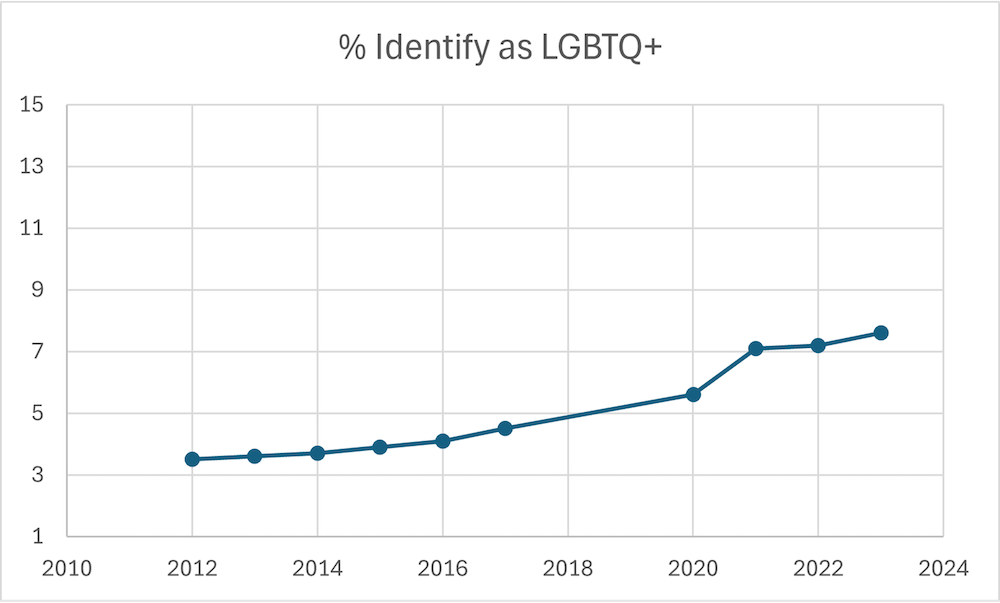
Figure 1. Graph showing the percentage of people identifying as LGBTQ+.
Since the initiation of the Gallup Poll in 2012, which tracks LGBT identification among those aged 18 and older, there has been a noticeable increase in the percentage of individuals identifying as LGBT. Figure 1 provides a visual display of this information. In 2012, approximately 3.5% of the population identified as LGBT, a figure that rose to 5.6% four years ago and stands at 7.6% today. This significant increase suggests a changing landscape in societal acceptance and self-recognition of diverse sexual orientations and gender identities.
The rise in LGBT identification, particularly among Gen Z, where a large portion identifies as bisexual, may reflect greater societal acceptance and visibility. Older generations, like Boomers, who identify as LGBT are more likely to describe themselves as lesbian or gay, which may indicate a previous era's more restrictive understanding of sexuality. The broader acceptance of bisexuality today suggests that individuals who might not have previously explored or accepted this aspect of their identity now feel more comfortable doing so.
Moreover, the acceptance of non-binary identities within the transgender community has also grown. Historically, societal acceptance was generally extended only to those who presented themselves fully as either female or male—transgender women or men. There is increasing recognition and support for individuals who identify outside these binary categories, acknowledging those who feel they lie somewhere in the middle, embody elements of both, or do not fit into the binary at all. This shift is critical in understanding the increase in individuals identifying as transgender or non-binary.
Gender Diversity in Children
Gender diversity in children is a normal aspect of developmental progression. From as early as two or three years old, children begin to recognize and interact with the concept of gender, understanding its social elements. In preschool, it's common to see children gravitating toward certain toys or clothing traditionally associated with a particular gender—boys opting for dolls or wearing tutus and girls preferring boys' attire and rejecting the color pink.
It's crucial to recognize that such expressions of gender diversity in young children are not indicative of a pathological condition. Nor do they necessarily predict a future transgender identity or gender incongruence. For example, a boy who enjoys wearing tutus might grow up to identify as a man, possibly as a more feminine man or as a gay man, reflecting variations in sexual orientation rather than gender identity. Similarly, femininity in cisgender gay men or masculinity in straight women are expressions of gender diversity that don't strictly align with transgender or non-binary identities.
Gender expression in children is fluid and cannot reliably predict future gender identity. A child showing gender-diverse traits may grow up to identify within a range of possibilities—from continuing to embrace a gender-diverse identity, to identifying as a feminine man or masculine woman, or not aligning with any of these categories permanently. Essentially, there is no fixed path or clear predictor for how a child's gender identity will evolve.
Understanding this fluidity is vital in supporting gender-diverse children. We recognize gender diversity not as an anomaly but as a part of the broader spectrum of human development that occurs naturally alongside the emergence of gender awareness in children. This perspective is fundamental when discussing what gender diversity means for children and how to support their growth in a nurturing and affirming environment.
Gender Diversity in Adolescence
Gender diversity in adolescence presents unique considerations. In discussions about adolescence, including those within WPATH (World Professional Association for Transgender Health), we typically consider this period as extending from puberty to the age of maturity. However, the exact parameters of adolescence aren't strictly defined, as puberty can start very early in some children, and cognitive development, particularly executive control neural systems, continues into the mid-twenties. This development challenges the notion that turning 18 automatically signifies the transition from adolescence to adulthood, as cognitive development continues well past this age.
In the United States, the age of majority is 18, but it's important to recognize that this age can range from 15 to 21 in other countries. Moreover, turning 18 doesn't necessarily equate with immediate independence or adult responsibilities. Many individuals continue to depend on their parents well into their mid-twenties, which is why considerations relevant to adolescents often apply to transitional-age youth—those from the age of majority up to about 25. These young adults are navigating the complex journey from adolescence to full adulthood, dealing with both social and psychosocial challenges.
Legally, the standards of care for adolescents apply up until the age of 18. After this, adult standards of care take precedence. It's also crucial to acknowledge that some adolescents may experience gender incongruence from childhood, while others only encounter these feelings during puberty—a time of significant physical and gender development that can trigger the onset of gender dysphoria or incongruence.
Regarding terminology, "dysphoria" and "incongruence" are often used interchangeably, though they represent a diagnostic distinction between DSM-5 and ICD-11 frameworks. These terms describe a mismatch between an individual's gender assigned at birth and their experienced gender.
Adolescence is a pivotal time for gender identity development, which often begins in childhood but intensifies during puberty. Influences such as social media and peer interactions play significant roles in shaping gender expectations and identities during this time. As adolescents learn and navigate these influences, their understanding of gender and identity continues to evolve, making adolescence a critical period for support and guidance in gender identity development.
A comprehensive clinical approach is crucial when working with transgender adolescents. This approach is necessary partly because adolescents must be able to understand hypothetical situations to give informed consent for treatments that might have long-term effects. Children often struggle with this concept, but adolescents are generally developing the cognitive awareness needed to think about future consequences and cause-and-effect relationships. However, it's also common for adolescents to display risk-taking behaviors and experience a sense of urgency, perceiving time differently than adults.
Those of you who have worked with teenagers, especially those in distress like depression, might notice that they have difficulty envisioning a life different from their current situation. They often feel an immediate need for change, driven by a heightened sensitivity to rewards, which focuses their attention on short-term outcomes rather than long-term implications. Additionally, adolescents place significant importance on peer relationships, which can be a source of support or a risk factor, depending on the health of those relationships. As they seek more autonomy from their parents, the influence of their peers can become even more pivotal.
The variability in maturity among teenagers is notable. For example, a 17 or 18-year-old might exhibit less self-awareness and insight than a 14-year-old. This individuality means that when making decisions about gender-affirming medical treatments—which can have lifelong consequences—it's essential to consider a range of developmental factors.
This nuanced understanding of adolescent development informs our approach to their care. In my presentations on hormone therapy or surgery for adults, the focus on these developmental considerations is less intense, reflecting adults' greater maturity and decision-making capacity. However, with adolescents, we exercise heightened diligence during the assessment process to ensure that decisions about their care are made with a full understanding of the potentially irreversible effects. This careful approach is vital in supporting adolescents as they navigate these critical decisions.
Minority Stress & Mental Health in Trans and Gender-Diverse Youth
Minority Stress Theory
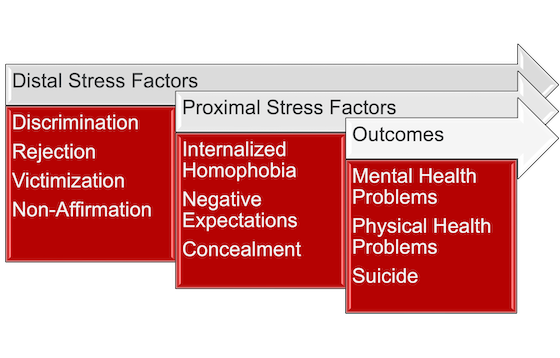
Let's delve into the topic of minority stress and its impact on the mental health of youth. Minority stress theory, developed by Meyer and seen in Figure 2, is a foundational framework for understanding the mental and physical health disparities observed in LGBT individuals, particularly transgender people.
Figure 2. Minority Stress Theory.
Research strongly supports the minority stress theory, suggesting that LGBT people face higher rates of mental and physical health issues. The question arises: Why does this disparity exist? The theory identifies two primary types of stress factors: distal and proximal.
Distal stress factors represent external stressors that significantly affect the well-being of transgender individuals. These include discrimination, rejection by family, peers, or institutions, victimization through physical or verbal abuse, and non-affirmation, such as being deliberately misgendered or called by incorrect pronouns.
The impact of these distal stress factors is profound, directly correlating with severe outcomes. They contribute to a heightened incidence of mental and physical health problems within the transgender community, particularly among transgender youth. Furthermore, these factors are strongly associated with the tragically high rates of suicide observed among transgender individuals.
The direct link between these external stressors and negative health outcomes underscores the critical need for supportive interventions and policies to mitigate these stressors and provide transgender individuals, especially youth, with safer, more affirming environments.
Proximal stress factors involve the internalization of the external stressors described as distal factors. These internal stressors include internalized homophobia or transphobia, where a transgender individual may feel there is something inherently wrong with them due to their identity, leading to feelings of shame, disgust, or severe self-criticism.
Additionally, negative expectations can heavily impact transgender individuals, especially youth. Many feel their future prospects are bleak—believing they will never succeed in personal relationships, career ambitions, or broader societal acceptance. This often results in low self-esteem and confidence, which may not always be directly linked to their gender identity in their own minds but stems from the ongoing internalization of societal rejection and stigma.
Concealment is another significant proximal stress factor. Many transgender individuals may hide their identity by engaging in activities like secretly trying on clothes that affirm their gender identity or purchasing and hiding such items to avoid detection and potential conflict. This behavior is a direct response to the fear and anxiety produced by societal judgment and lack of acceptance.
These proximal stress factors mediate the relationship between external pressures and the negative outcomes they cause, establishing a complex interaction where external abuses become internal struggles that further exacerbate health and well-being issues. This mediation illustrates how distal factors impact individuals directly and indirectly by fostering harmful internal narratives and behaviors.
Furthermore, the concept of multiple minority stress must be considered. This occurs when individuals identify with more than one marginalized group, compounding their experiences of stress and adversity. For example, a transgender person of color may face intersecting prejudices related to both their gender identity and race, intensifying their experience of minority stress and its associated impacts. Understanding and addressing these layered stresses is crucial for supporting the mental and physical health of transgender individuals, particularly those who are navigating multiple marginalized identities.
ADDRESSING Framework
The ADDRESSING framework, developed by Pamela Hayes (2008), is an essential tool for understanding the complexities of individual identity, particularly concerning marginalization, power, and privilege. This framework breaks down various categories contributing to an individual's identity, each linked to potential marginalization. Here's a brief overview of each component within the ADDRESSING acronym:
- Age: Young people and older adults often possess less societal power than adults aged 18 to 65, who typically have more influence.
- Disability (Developmental): Autism is a common example. Individuals with developmental disabilities may experience increased minority stress. Notably, there is a significant overlap between individuals who are autistic and those who are transgender, with higher incidences of autism among transgender populations and vice versa.
- Disability (Acquired): Conditions like traumatic brain injury or spinal cord injuries that occur later in life. Like developmental disabilities, these also lead to increased minority stress and can profoundly impact an individual’s life and identity.
- Religion: Religions other than Christianity often face more marginalization in predominantly Christian societies.
- Ethnicity: Ethnic minorities, or kids of color, generally experience greater marginalization compared to their white peers.
- Socioeconomic Status (SES): Individuals from lower socioeconomic backgrounds have less privilege than those from higher income brackets.
- Sexual Orientation: Within the transgender community, those who are heterosexual typically experience less discrimination compared to transgender individuals who are gay, lesbian, bisexual, or otherwise non-straight. For example, a transgender girl attracted to men is considered straight and may face fewer challenges than a transgender girl attracted to women or both genders. Transgender individuals who are straight have better mental health care. They have more privileges than transgender individuals who are also lesbian, gay, or bisexual.
- Indigenous Heritage: Individuals with indigenous backgrounds can face unique challenges and discrimination, adding another layer to their identity and experiences of marginalization.
- National Origin: The citizenship status of an individual, particularly when they are transgender, can significantly impact their mental health and well-being. Non-U.S. citizens, especially from countries with limited LGBT rights, face ongoing stress due to potential instability in their residency status. For example, I currently have a patient who is a transgender woman from India, sponsored by her company to work in the tech industry, which is notably volatile at the moment, especially in the Bay Area. She lives with the constant fear of losing her job, and if that were to happen, she believes she would have only about 30 to 60 days to find new employment or face deportation to India, where she would have far fewer protections.
- Gender: It's also crucial to acknowledge how gender affects experiences of privilege and marginalization. Transgender individuals and women typically have less privilege compared to cisgender men, facing numerous systemic barriers that impact their social, professional, and personal lives.
Understanding these dimensions of identity through the ADDRESSING framework helps to highlight the intersecting challenges faced by individuals, emphasizing the need for targeted support and inclusive policies to mitigate these pressures.
Impact of Minority Stress
The impact of minority stress on mental health disparities among transgender and gender-diverse youth is significantly influenced by their experiences of discrimination and rejection. Research confirms that support and acceptance from family, friends, and educational institutions play a critical role in the well-being of these youths. When their social environments embrace them, transgender and gender-diverse youth often show good psychological adjustment and resilience.
Conversely, when they lack support, the consequences can be severe. Distal stressors such as discrimination and rejection can lead to these youths feeling ostracized from their school life, exacerbating feelings of isolation. This external rejection often fosters internalized transphobia and low expectations, which can further deepen their sense of isolation and alienation.
Effective coping strategies involve proactive advocacy for inclusion, particularly within educational settings. Working directly with teachers to promote understanding and acceptance and fostering peer support networks are essential actions. Addressing the mental health needs of transgender youth thus requires a holistic approach that involves their families, peers, and schools. These elements are not just supportive aspects of their lives; they are pivotal determinants of a transgender youth's mental health outcomes.
Have You Heard the News?
The impact of anti-trans legislation is a significant source of minority stress for transgender youth and young adults, manifesting as a profound distal stress factor. A study conducted between September and November of 2021 explored the implications of exposure to news about newly proposed anti-trans legislation and how perceptions of support for this legislation within one's social network—such as from parents or friends—affect these individuals.
The findings were concerning: news consumption related to this legislation was directly associated with increased rumination and physical health symptoms among trans youth and young adults. Furthermore, if these individuals perceived that their social network supported the legislation, they experienced even greater rumination, depressive symptoms, physical health symptoms, and an intensified fear of disclosing their identity.
The study also included open-ended questions, which revealed that this legislation not only affects access to gender-affirming healthcare but also impedes their ability to seek general healthcare services. Many avoid medical settings altogether due to fear of discrimination or past negative experiences. Additionally, the legislative climate has led to an increase in discrimination during medical treatment and prompted unhealthy coping responses among these individuals. These findings highlight a crucial message for policymakers: the laws they propose and enact have real and damaging effects on the mental and physical well-being of trans youth.
Gender-Affirming Interventions for Trans and Gender-Diverse Youth
Gender-Affirming Care: Social Transition
Gender-affirming interventions for trans and gender-diverse youth are crucial for their well-being and are often misunderstood. Here’s an overview of what these interventions entail and the standards of care involved.
- Name change;
- Pronoun change;
- Change in sex/gender markers (e.g., birth certificate, identification cards, passport, school and medical documentation, etc.);
- Participation in gender-segregated programs (e.g., sports teams, recreational clubs and camps, schools, etc.);
- Bathroom and locker room use;
- Personal expression (e.g., hairstyle, clothing choice, etc.);
- Communication of affirmed gender to others (e.g., social media, classroom or school announcements, letters to extended families or social contacts, etc.). (Coleman et al., 2022)
Social transition is the primary approach for children who are prepubertal, typically younger than 10 or not yet at Tanner stage 2 of puberty. Medical interventions like hormones, puberty blockers, or surgeries are not considered for children who have not reached these developmental milestones. Social transition involves several reversible changes designed to affirm a child's experienced gender. This includes updating their name across various settings to reflect their gender identity, adopting pronouns that align with the child’s gender identity, and changing gender markers on official documents such as birth certificates, school records, and medical documents to reflect the child's affirmed gender. Children are also allowed to participate in activities and programs, such as sports teams, that align with their gender identity.
For prepubertal children, hormonal differences are not yet a factor, which supports their inclusion based on their affirmed gender rather than their sex assigned at birth. Facilitating access to bathrooms and locker rooms that correspond with the child’s gender identity is another aspect of social transition. Supporting the child in expressing themselves through clothing, hairstyle, and other forms of personal presentation that reflect their identity is also key. Additionally, helping to communicate the child’s gender identity to others, which might include social media announcements or letters to extended family members, is part of this process.
These elements of social transition are entirely non-medical and reversible. They are aimed at supporting the child in a way that affirms their identity, which is critical for their psychological and emotional health.
Gender-Affirming Care: Prosthetics
In addition to social transition, other non-medical, gender-affirming interventions involve prosthetics or specific training to help individuals express their gender identity. These interventions, which do not involve medication or surgery, play a crucial role in aligning one’s external appearance with one's gender identity.
For masculinizing purposes, binders are often used. These compression garments are designed to flatten the chest, creating a more masculine appearance, and are suitable for individuals who have experienced breast development but are not seeking medical treatment. Packers, another form of prosthetic, are utilized to create the appearance of a bulge in the genital area, simulating the presence of a penis. STP (stand-to-pee) devices enable individuals who do not have a penis to urinate while standing. These devices are shaped to function as prosthetics and urinary aids.
For feminizing effects, gaffs and tucking are common practices. Tucking involves repositioning the penis and testicles to achieve a smoother appearance in tight clothing, while gaffs are specialized undergarments designed to hold these parts securely. Breast forms, worn to simulate the appearance of breasts, enhance the feminine silhouette. Wigs also play an essential role, particularly for individuals who desire longer hair or face challenges with hair loss.
Additionally, aesthetic procedures like laser hair removal aid in achieving a more consistent appearance with one’s gender identity, though their reversibility varies. Voice training is another critical aspect, helping individuals modify their vocal pitch and resonance to better match their gender presentation. While some may seek professional guidance for voice training, others might use self-guided methods.
These gender-affirming interventions, while non-medical, are vital components of the support system for transgender and gender-diverse individuals, offering additional ways to safely and comfortably express their identities.
Gender-Affirming Care
The final piece of gender-affirming care involves medical transition, which consists of three primary categories. The first category includes puberty blockers, also known as GnRH analogs. These blockers prevent the development of endogenous secondary sex characteristics, effectively pausing puberty. This intervention is fully reversible, with no impact on fertility or other puberty-related changes once the treatment is discontinued. Puberty blockers provide adolescents with additional time to explore their gender identity without the distress often associated with puberty. For instance, a 12-year-old at Tanner stage 2 might use puberty blockers to halt puberty, allowing time for further cognitive development and exploration before making decisions about hormones, which are only partially reversible.
Tanner stage 2 marks the onset of visible changes. For those designated female at birth, this stage typically starts between ages 9 and 11 and is characterized by the development of breast buds under the nipples, which may become itchy or tender. The areola, the darker area around the nipple, expands, and the uterus begins to grow. A small amount of pubic hair starts to appear. Tanner stage 2 generally begins around age 11 for those designated male at birth. Changes include enlargement of the testicles and the scrotum, with some pubic hair forming at the base of the penis. It is at this stage that puberty blockers are deemed appropriate, not earlier.
The second category of medical transition involves hormones. For individuals assigned male at birth, the regimen can include estrogen and testosterone blockers, while those assigned female at birth may receive testosterone. The effects of hormone therapy are partially reversible. For example, breast growth induced by estrogen does not recede when hormone treatment is stopped and would require surgical removal if desired. Prolonged hormone use can also impact fertility. Testosterone administration can lead to irreversible changes such as voice deepening and facial and body hair growth. Hair loss, another effect of testosterone, is also irreversible. Fertility effects are generally more reversible for those assigned female at birth taking testosterone compared to those assigned male at birth on estrogen and testosterone blockers.
The third category is surgeries, which are entirely irreversible. While reconstructive surgeries are possible, they do not fully reverse the original alterations. Masculinizing top surgery, or double mastectomy, is the most common procedure performed under age 18, typically starting at age 16. This procedure achieves a flatter chest appearance. Most other surgeries are recommended after age 18.
WPATH Standards of Care 8: Children
Continuing with the Standards of Care 8, we focus now on children, particularly those who are pre-puberty. It is crucial to emphasize that the standards of care do not involve any medical interventions for these children. Instead, the focus is on providing support through knowledge and understanding.
- 7.1 - We recommend health care professionals working with gender-diverse children receive training and have expertise in gender development and gender diversity in children and possess a general knowledge of gender diversity across the life span.
- 7.2 - We recommend health care professionals working with gender-diverse children receive theoretical and evidenced-based training and develop expertise in general child and family mental health across the developmental spectrum.
- 7.3 - We recommend health care professionals working with gender-diverse children receive training and develop expertise in autism spectrum disorders and other neurodiversity or collaborate with an expert with relevant expertise when working with autistic/neurodivergent, gender-diverse children
- 7.4 - We recommend health care professionals working with gender-diverse children engage in continuing education related to gender-diverse children and families.
- 7.5 - We recommend health care professionals conducting an assessment with gender-diverse children access and integrate information from multiple sources as part of the assessment.
- 7.6 - We recommend health care professionals conducting an assessment with gender-diverse children consider relevant developmental factors, neurocognitive functioning, and language skills.
- 7.7 - We recommend health care professionals conducting an assessment with gender-diverse children consider factors that may constrain accurate reporting of gender identity/gender expression by the child and/or family/caregiver(s).
- 7.8 - We recommend health care professionals consider consultation, psychotherapy, or both for a gender-diverse child and family/ caregivers when families and health care professionals believe this would benefit the well-being and development of a child and/or family.
- 7.9 - We recommend health care professionals offering consultation, psychotherapy, or both to gender-diverse children and families/caregivers work with other settings and individuals important to the child to promote the child's resilience and emotional well-being.
- 7.10 - We recommend health care professionals offering consultation, psychotherapy, or both to gender-diverse children and families/caregivers provide both parties with age-appropriate psychoeducation about gender development.
- 7.11 - We recommend that health care professionals provide information to gender-diverse children and their families/caregivers as the child approaches puberty about potential gender-affirming medical interventions, the effects of these treatments on future fertility, and options for fertility preservation.
- 7.12 - We recommend parents/caregivers and health care professionals respond supportively to children who desire to be acknowledged as the gender that matches their internal sense of gender identity.
- 7.13 - We recommend health care professionals and parents/caregivers support children to continue to explore their gender throughout the pre-pubescent years, regardless of social transition.
- 7.14 - We recommend the health care professionals discuss the potential benefits and risks of a social transition with families who are considering it.
- 7.15 - We suggest health care professionals consider working collaboratively with other professionals and organizations to promote the well-being of gender-diverse children and minimize the adversities they may face.
Healthcare professionals working with gender-diverse children must be well-trained in gender diversity across the lifespan. This training should also encompass general child and family mental health and expertise in working with neurodiverse conditions such as autism spectrum disorders and ADHD. For those without direct training in these areas, collaboration with experts who possess this knowledge is essential. This is particularly important given the noted overlap between transgender identities and autism; many autistic children are trans, and vice versa, though the reasons for this correlation are not fully understood and continue to be a subject of research.
The diagnostic criteria for autism, primarily based on studies of cisgender boys, may not accurately reflect the experiences of cisgender girls or transgender children. Recent research indicates that the manifestation of autism characteristics can differ significantly in these groups compared to the established DSM-5 criteria. This highlights the necessity for ongoing education and adaptation of diagnostic approaches to better serve a diverse population.
WPATH also emphasizes the importance of continuous professional development. Healthcare providers are encouraged to pursue continuing education to stay abreast of evolving practices and theories, ensuring they are equipped to provide the most effective support. Conducting comprehensive assessments that integrate information from multiple sources is also recommended. These assessments should aim to develop tailored intervention recommendations that support the child's mental health and well-being without pushing medical transitions.
It is crucial that assessments and interventions neither encourage nor discourage a child’s gender expression. The goal is to support the child in a manner that respects their self-identified gender needs. Assessments should thoroughly consider the child's environment, including family, school, and community contexts, utilizing multiple informants such as teachers, parents, extended family members, and other community figures to comprehensively understand the child’s situation.
Understanding the legal context in which the child lives is also vital. For example, if a child resides in Texas, it is important to know the specific legal implications for transgender youth in that state. Assessments might explore various dimensions such as the child’s gender identity and expression, any dysphoria or incongruence they experience, the strengths and challenges faced by the child and their family, experiences of gender minority stress, levels of support within the school, faith community, and extended family, potential conflicts within the family regarding the child’s gender, and the child’s overall mental health.
In comprehensive assessments for transgender and gender-diverse children, it's vital to gather a detailed medical and developmental history. This includes identifying any potential risks such as past trauma, abuse, suicidality, and co-occurring family stressors like chronic illness, homelessness, or poverty. Understanding the mental health of parents, caregivers, and siblings and the family's overall dynamics is also crucial.
Additionally, assessing the child's neurocognitive functioning and language skills is important. These factors can influence how accurately the child and their family report gender identity and expression. External pressures from family or school environments may compel a child to conform to certain gender expressions, and recognizing these influences is essential for accurate assessment and support.
Continuing education is imperative in this field. Professionals must stay informed about legislative changes, ongoing research, and evolving best practices. The recent introduction of the Standards of Care 8 underscores the importance of keeping knowledge current. In cases where it benefits the child and family, consultation or psychotherapy can be valuable, and it's crucial that this care coordinates with other aspects of the child’s life, such as school and faith communities.
Providing psychoeducation is a crucial element of working with transgender children and their families. Parents and children often require extensive information, especially as children approach puberty and begin considering their options regarding gender-affirming medical treatments. It is vital for healthcare providers to offer comprehensive details about available interventions, such as puberty blockers, ensuring that the family fully understands their effects and implications.
If a child expresses interest in exploring gender-affirming treatments, it is essential to discuss the potential impacts on fertility, as this is a common concern among families. Discussing fertility preservation options can help alleviate some anxieties about the future and aid families in making informed decisions. However, it's important to remember that if a child or their parents are not interested in these treatments, they should not be pressured or obligated to consider them.
Supporting a child's exploration of their gender identity is fundamental, whether or not they choose to socially transition. This support includes affirming the child's gender identity in a manner that respects their individuality and personal journey. It's also worth noting that a social transition can vary across different contexts. For example, a child might transition socially at home but not at school. Whether or not to disclose a social transition is a personal decision and should be guided by the child's comfort and safety, especially in environments where anti-trans legislation may affect their rights.
Additionally, it is crucial to address any concerns the family might have about sexual functioning, which can be a sensitive topic for some. While not all families will want to discuss this aspect, providing clear and age-appropriate information is essential for those who do. Furthermore, sex education should be introduced before puberty. This education should be inclusive, providing all children, including those who are transgender or gender-diverse, with the knowledge they need to understand their bodies and the changes they will undergo. This preparation concerns physical health and fosters a supportive environment that respects and affirms the child's developing identity.
When discussing social transition for transgender children, it is essential that the initiative for such a transition originates from the children themselves, not from assumptions made by their parents. For example, a parent should not deduce a child’s gender identity simply because they dislike traditionally gender-typed colors like pink and suggest the child might be a boy. Instead, the child should express their own desires and interests, and the transition should reflect their wishes.
Families can discuss with the child the advantages and disadvantages of social transitioning. It's important to note that social transition may occur in varying contexts; a child might transition at home but not at school, which is acceptable. Sometimes, a child may socially transition at a very young age, around 3 to 6 years old. In these cases, it's possible that neither their classmates nor their teachers are aware of the transition. This lack of disclosure is generally acceptable and often preferred to protect the child's privacy. This privacy should be respected unless external circumstances, such as anti-trans legislation, require disclosure. However, ideally, no one should be compelled to discuss their transgender identity involuntarily.
Exploring the risks and benefits of social transitioning is crucial. On the positive side, social transitioning can significantly enhance a child’s psychosocial adjustment and overall well-being. Research indicates that the mental health of socially transitioned children often parallels that of their cisgender siblings and peers, suggesting fewer mental health disparities than those observed in gender-diverse children and adolescents who have not transitioned socially. Supportive family environments frequently accompany these transitions and likely contribute to positive mental health outcomes.
However, there are potential downsides. Social transition may expose children to risks such as bullying or ostracism, particularly if they do not conform to established gender roles within their school or community. Additionally, the internal stress from experiencing gender incongruence can be a source of distress for gender-diverse children.
Importantly, all children, including those who are transgender and gender-diverse, have the right to be supported and respected in their gender identities. They are a particularly vulnerable group, and the social determinants of health significantly impact their well-being. For these marginalized minorities, robust support from families and schools is crucial, playing a critical role in fostering their health and overall development.
WPATH Standards of Care 8: Adolescents
Let's switch our focus to adolescents. When discussing this age group, we refer to the Standards of Care 8 outlined by WPATH. It’s important to note that the numbers I mention correspond to specific standards within these guidelines.
- 6.1 - We recommend health care professionals working with gender-diverse adolescents:
- 6.1.a - Are licensed by their statutory body and hold a postgraduate degree or its equivalent in a clinical field relevant to this role granted by a nationally accredited statutory institution.
- 6.1.b - Receive theoretical and evidenced-based training and develop expertise in general child, adolescent, and family mental health across the developmental spectrum.
- 6.1.c - Receive training and have expertise in gender identity development, gender diversity in children and adolescents, have the ability to assess capacity to assent/consent, and possess general knowledge of gender diversity across the life span.
- 6.1.d - Receive training and develop expertise in autism spectrum disorders and other neurodevelopmental presentations or collaborate with a developmental disability expert when working with autistic/neurodivergent gender-diverse adolescents
- 6.1.e - Continue engaging in professional development in all areas relevant to gender-diverse children, adolescents, and families.
- 6.2 - We recommend health care professionals working with gender-diverse adolescents facilitate the exploration and expression of gender openly and respectfully so that no one particular identity is favored.
- 6.3 - We recommend health care professionals working with gender-diverse adolescents undertake a comprehensive biopsychosocial assessment of adolescents who present with gender identity-related concerns and seek medical/surgical transition-related care, and that this be accomplished in a collaborative and supportive manner.
- 6.4 - We recommend health care professionals work with families, schools, and other relevant settings to promote acceptance of gender-diverse expressions of behavior and identities of the adolescent.
- 6.5 - We recommend against offering reparative and conversion therapy aimed at trying to change a person’s gender and lived gender expression to become more congruent with the sex assigned at birth.
- 6.6 - We suggest health care professionals provide transgender and gender-diverse adolescents with health education on chest binding and genital tucking, including a review of the benefits and risks.
- 6.7 - We recommend providers consider prescribing menstrual suppression agents for adolescents experiencing gender incongruence who may not desire testosterone therapy, who desire but have not yet begun testosterone therapy, or in conjunction with testosterone therapy for breakthrough bleeding.
- 6.8 - We recommend health care professionals maintain an ongoing relationship with the gender diverse and transgender adolescent and any relevant caregivers to support the adolescent in their decision-making throughout the duration of puberty suppression treatment, hormonal treatment, and gender-related surgery until the transition is made to adult care.
- 6.9 - We recommend health care professionals involve relevant disciplines, including mental health and medical professionals, to reach a decision about whether puberty suppression, hormone initiation, or gender-related surgery for gender-diverse and transgender adolescents are appropriate and remain indicated throughout the course of treatment until the transition is made to adult care.
- 6.10 - We recommend health care professionals working with transgender and gender-diverse adolescents requesting gender-affirming medical or surgical treatments inform them, prior to initiating treatment, of the reproductive effects, including the potential loss of fertility and available options to preserve fertility within the context of the youth's stage of pubertal development.
- 6.11 - We recommend when gender-affirming medical or surgical treatments are indicated for adolescents, health care professionals working with transgender and gender-diverse adolescents involve parent(s)/guardian(s) in the assessment and treatment process, unless their involvement is determined to be harmful to the adolescent or not feasible.
The first standard involves the requisite training, licensing, and credentials necessary when working with transgender adolescents. Importantly, while one does not need to be a mental health professional to assess a transgender-diverse adolescent, mental health professionals are generally best suited for this role. Typically, it is recommended that a mental health professional conduct assessments, especially those related to blockers, hormones, or surgery. However, a well-trained primary care physician could also competently perform this evaluation.
Additionally, those working with autistic or neurodivergent adolescents should seek ongoing training and professional development to ensure they are providing the most informed and effective care. It's crucial to facilitate the exploration and expression of gender in an open and respectful manner, ensuring that no specific identity is favored. This means avoiding any bias that might influence an adolescent either to embrace or reject a trans identity or to adhere strictly to the gender assigned at birth. The goal is to maintain a neutral, supportive space that allows youth to explore their identity at their own pace.
Conducting a comprehensive biopsychosocial assessment of adolescents is essential in a collaborative and supportive manner. It's important to recognize that not all children who are gender-diverse will continue to identify this way into adolescence. Similarly, adolescents may vary significantly in how quickly they consolidate their gender identity. This process occurs rapidly for some, while it evolves more slowly for others. This variability underscores the need to meet each youth where they are and proceed at a pace that respects their individual process.
Robust evidence supports the benefits of gender-affirming medical treatments in adolescents, but it's crucial to note that this evidence is based on clinical settings that incorporated detailed, comprehensive diagnostic assessments over time. There is no supportive evidence for making medical or surgical decisions without a thorough and prolonged assessment process. Therefore, the recommendation is clear: comprehensive diagnostic biopsychosocial assessments are necessary and represent the evidence-based approach for managing gender-diverse youth.
When working with families and schools, similar to interactions with children, it's crucial to avoid any approaches akin to reparative or conversion therapy. Such practices, aimed at changing a child's experience of their gender or eliminating gender incongruence, are not only ineffective but also harmful and unethical. Extensive research indicates that these methods can have detrimental effects on adolescents' well-being.
Health education on tucking and binding is also essential. If patients are engaging in these practices or are interested in doing so, it is important to provide proper guidance. Many teens might be tucking and binding unsafely, using materials like ace bandages or excessively tight tape, which can disrupt circulation and lead to issues such as back and chest pain, shortness of breath, and overheating. For example, one patient reported wearing two to three binders simultaneously, keeping them on while sleeping and during exercise, which is highly inadvisable. Binders are not meant for prolonged wear, especially not during sleep or physical activity, and should not be substituted with ace bandages. There are binders specifically designed for safe use, and these should be recommended instead. Notably, 87% of transgender masculine individuals, those designated female at birth who are transitioning to a more masculine identity, have a history of binding.
Discussing tucking, which involves retracting the testes and penis for a smoother appearance at the groin, is also crucial. This practice can affect sperm production and fertility, necessitating thorough educational support on these topics. Menstrual suppression is another consideration; it can be managed with various agents, regardless of whether the patient is using testosterone or puberty blockers. Some individuals may opt only for menstrual suppression without pursuing hormone therapy. Just as some cisgender women choose not to menstruate for personal comfort, similar options should be accessible for transgender individuals. Options include estrogen and progestin medications, oral progestins, and IUDs.
Puberty blockers, or GnRH (Gonadotropin-releasing hormones) analogs, can also suppress menstruation. However, testosterone, while it can suppress menstruation, may not immediately stop uterine bleeding, and breakthrough bleeding can occur. Importantly, testosterone is not a form of birth control and is teratogenic, meaning it can cause harmful effects on a fetus if pregnancy occurs. Therefore, it is vital to provide sex education and discuss birth control options with sexually active patients who could become pregnant, even if they are not menstruating. Ovulation and the potential for pregnancy can still occur in individuals using testosterone or puberty blockers who do not menstruate.
Providing ongoing support throughout the duration of puberty suppression, hormone treatment, or surgical interventions is crucial until the transition to adult care is complete. This process should not be limited to a single evaluation, after which the adolescent is sent on their way with prescriptions for hormones or puberty blockers. Decision-making is an ongoing process that requires constant support, especially as adolescents experience changes that might affect them differently than anticipated.
All of the research and evidence supporting these interventions were conducted in settings that fostered ongoing clinical relationships between the adolescents, their families, and their providers. This continuous support within multidisciplinary settings, where medical and mental health professionals collaborate closely, is essential for effective treatment. It’s important to understand that the evidence base comes from these types of collaborative environments.
Both medical and mental health professionals should be involved in both the initial evaluation and the ongoing care concerning blockers, hormones, and surgery. It’s not sufficient to have only mental health support; medical professionals must also be involved. While only one letter from a professional is required to proceed with treatment, this letter should reflect the entire team's comprehensive assessment and consensus, encompassing medical and mental health perspectives.
The multidisciplinary team might include professionals from various fields, such as adolescent medicine or primary care, which is often needed to confirm the stage of puberty. Endocrinologists may be required to prescribe hormones or puberty blockers, while psychologists, psychiatrists, and social workers address mental health aspects. Speech-language pathologists might be involved in voice training, along with support staff and the surgical team.
Discussing fertility is crucial when considering gender-affirming treatments for adolescents. It is essential to address the potential for fertility loss associated with various treatments and explore options for fertility preservation.
Puberty blockers are fully reversible, meaning they do not typically impact long-term fertility. However, transitioning directly from puberty blockers to hormones could potentially result in fertility loss. Furthermore, genital surgeries, although less common among adolescents, can have an irreversible impact on fertility. Therefore, discussing fertility preservation options, such as egg retrieval or sperm preservation, is important. It is vital that both parents and the adolescent understand the pros and cons of these options thoroughly.
Differences in perspective between parents and adolescents regarding reproductive capacity can lead to disagreements. Parents might place a high value on the potential for grandchildren, whereas the adolescent may express a clear disinterest in having children. Such disparities underscore the importance of facilitated discussions that help both parties understand each other’s viewpoints and the implications of treatment decisions.
It is also crucial to consider the adolescent’s decision-making competency regarding their future reproductive choices. While many adolescents feel certain about not wanting children, their desires and life circumstances could change as they mature. Guidance from professionals experienced in adolescent development and family dynamics is essential in these discussions. These professionals should help set realistic expectations for fertility preservation outcomes and ensure that these discussions are informed and based on the adolescent’s and family’s needs and values. These conversations need to occur both before initiating any medical intervention and throughout transition.
Fertility counseling is often recommended, even if preservation is not pursued. However, it is important not to coerce adolescents into fertility preservation if it is not aligned with their or their parents’ wishes. Procedures like egg retrieval can be distressing and physically uncomfortable, particularly for transmasculine individuals, due to the highly gendered nature of most reproductive health environments.
I'm currently working with an adult patient who was going through the egg retrieval process prior to continuing on testosterone. They experienced significant anxiety, partly because they had previously undergone the procedure. The environment, heavily feminized with images of women, did not align with their transmasculine identity, adding to their discomfort. They also found the process physically uncomfortable and painful.
These considerations must be navigated sensitively, ensuring that discussions about fertility preservation are inclusive and respectful of the adolescent’s gender identity and personal preferences. The decision to undergo fertility preservation is complex and must balance medical possibilities with the psychological comfort and personal desires of the adolescent, making professional guidance and open communication essential throughout the process.
It's crucial not to make assumptions about an adolescent's goals, especially given the limited research in this area. There is existing research involving childhood cancer survivors, which suggests that some participants experienced regret and distress over missed opportunities for fertility preservation. However, the experiences of transgender individuals may differ significantly.
Involving parents or guardians in both assessment and treatment is generally standard practice, with the assessment often occurring over multiple sessions—individually with the child, with the parents, and then together. This process can be extensive. Exceptions may occur, such as in cases where the adolescent is in foster care, under Child Protective Services, or where parental involvement might be harmful due to issues like abuse. However, in the majority of cases, parental or guardian involvement is crucial. Depending on the institution’s policy, consent from one or both parents might be necessary.
Parents and caregivers can provide valuable insights into the adolescent's gender development, medical and mental health history, and overall level of functioning. Discrepancies in reports between the adolescent and their parents about mental health can also provide critical information for understanding the youth's needs.
Working closely with parents is vital. It is essential to educate them about the treatment process, follow-up care, and potential complications. It’s important to take parents' concerns seriously and address their questions thoroughly, which can help in assessing the influence of peers or social media on the adolescent's understanding of gender.
There may be instances where parents do not consent to treatment. While some may still be generally supportive of their child’s gender identity, others may hold unsupportive or even antagonistic views. These perspectives, while challenging, are important to engage with as part of the therapeutic process. Many parents, with appropriate support and psychoeducation, may become more accepting and supportive of their trans and gender-diverse children over time.
Thus, continuing to work with families remains critical regardless of their initial stance on medical care. Even if a parent does not consent to specific treatments, supporting them can still positively impact the family dynamics and the well-being of the adolescent.
The following recommendations are made regarding the requirements for gender-affirming medical and surgical treatment (All of them must be met):
- 6.12 - We recommend health care professionals assessing transgender and gender-diverse adolescents only recommend gender-affirming medical or surgical treatments requested by the patient when:
- 6.12.a - The adolescent meets the diagnostic criteria of gender incongruence as per the ICD-11 in situations where a diagnosis is necessary to access health care. In countries that have not implemented the latest ICD, other taxonomies may be used, although efforts should be undertaken to utilize the latest ICD as soon as practicable.
- 6.12.b - The experience of gender diversity/incongruence is marked and sustained over time.
- 6.12.c - The adolescent demonstrates the emotional and cognitive maturity required to provide informed consent/assent for the treatment.
- 6.12.d - The adolescent’s mental health concerns (if any) that may interfere with diagnostic clarity, capacity to consent, and gender-affirming medical treatments have been addressed.
- 6.12.e - The adolescent has been informed of the reproductive effects, including the potential loss of fertility and the available options to preserve fertility, and these have been discussed in the context of the adolescent’s stage of pubertal development.
- 6.12.f - The adolescent has reached Tanner stage 2 of puberty for pubertal suppression to be initiated.
- 6.12.g - The adolescent had at least 12 months of gender-affirming hormone therapy or longer, if required, to achieve the desired surgical result for gender-affirming procedures, including breast augmentation, orchiectomy, vaginoplasty, hysterectomy, phalloplasty, metoidioplasty, and facial surgery as part of gender-affirming treatment unless hormone therapy is either not desired or is medically contraindicated.
When discussing gender-affirming medical and surgical treatments, it's imperative that the adolescent meets the diagnostic criteria for gender incongruence as outlined in the ICD-11. If the ICD-11 is not yet implemented within a specific healthcare system, an alternative classification, such as the DSM-5, may be used. However, the ICD-11 is generally preferred because it categorizes gender incongruence under conditions related to sexual health rather than mental and behavioral disorders. This shift is significant as it reflects a more current understanding that gender diversity is not a mental health condition, similar to historical changes in the classification of homosexuality.
The ICD-11 allows for diagnoses such as gender incongruence of adolescence or adulthood (HA60) for adolescents, gender incongruence of childhood (HA61) for children, or unspecified gender incongruence (HA6Z). This classification is less pathologizing and helps reduce stigma compared to the DSM-5’s diagnosis of gender dysphoria.
It's essential to recognize that adolescents may experience shifts in their gender-related experiences and needs. Therefore, they should ideally demonstrate several years of persistent gender diversity and incongruence before initiating less reversible treatments such as hormones or surgery. Puberty suppression is particularly beneficial as it can provide adolescents experiencing distress from the changes associated with puberty the time to decide if they want to undergo the typical changes of their biological puberty or pursue hormone therapy.
However, prolonged periods without hormones can impact bone health and density, making the extended use of puberty suppression treatments a complex decision. While several years of observation and assessment are ideal, practical considerations, including potential impacts on physical health, must also be taken into account. Social transition can provide significant relief and additional time for adolescents to explore their gender identity before making any medical decisions.
While we have already discussed reproduction and fertility, it is vital to reiterate the importance of these topics in the context of gender-affirming care.
A critical aspect of treating adolescents involves ensuring they have the emotional and cognitive maturity to consent to or assent to treatment. This typically requires both parental consent and the adolescent's assent. The adolescent must fully understand the treatment, including the ability to evaluate the risks and benefits. They must appreciate the nature of their decision, especially considering the long-term consequences of irreversible treatments such as hormone therapy or surgery.
To make an informed decision, adolescents need to clearly communicate their choices and understand the timelines for expected changes from treatments like hormones. They should be aware of what is reversible, partially reversible, and irreversible, weighing all the pros and cons to determine if the treatment aligns with their needs.
It's crucial to assess whether the adolescent can thoughtfully consider the future implications of partially or fully irreversible interventions. This includes evaluating if they have the self-reflective capacity to understand how their gender-related needs and priorities might evolve over time. Adolescents should consider their responses if their perspectives on gender identity change in the future.
Additionally, it's essential to determine if the adolescent can manage the day-to-day and long-term aspects of a medical treatment. This includes adhering to medication schedules, attending necessary medical follow-ups, and handling any associated responsibilities.
When considering the capacity to consent, it's essential to evaluate all aspects thoroughly, particularly mental health concerns, which are prevalent among transgender youth. This demographic may face a range of mental health issues, including depression, self-harm, suicidality, and eating disorders. When such concerns are present, the priority must be safety and stabilization. For instance, an adolescent grappling with suicidality or an active eating disorder may not be in a position to make informed decisions about gender-affirming medical or surgical treatments. Furthermore, these conditions could potentially destabilize them further, prompting careful consideration of whether they are ready for such treatments.
Mental health concerns can also complicate the assessment process. It may be challenging to distinguish between gender incongruence and other mental health issues, such as compulsions, special interests associated with autism, or symptoms stemming from trauma or psychosis. Such complexities necessitate a nuanced approach to evaluating the adolescent's true needs and readiness for transition-related care.
Moreover, if an adolescent is experiencing a depressive episode, it could impair their ability to engage in thoughtful decision-making. For autistic adolescents, persistent communication differences and a preference for concrete or rigid thinking can further complicate discussions around treatment options and future planning.
Treatment adherence is another critical consideration. An adolescent dealing with severe depression might struggle to consistently take prescribed medications or follow through with post-surgical care. While mental health issues do not need to be fully resolved before proceeding with gender-affirming treatment, they must be sufficiently managed to ensure the adolescent can safely participate in and benefit from treatment.
Regarding treatment timing, it's crucial that adolescents reach Tanner stage 2 before initiating puberty blockers. For hormones and surgery, the recommendation generally includes at least 12 months on hormones before considering surgical options. This duration allows for anatomical changes necessary for certain procedures, such as breast augmentation, and ensures that the adolescent has adequate time to psychologically adjust to the physical changes hormones induce.
Gender-Affirming Care: Outcomes
Let's discuss the outcomes associated with gender-affirming interventions. There is substantial evidence indicating that these interventions improve mental health outcomes. These interventions, which include puberty blockers, hormone therapy, and surgery, have been shown to lead to a resolution in gender dysphoria. This resolution is often associated with enhanced psychological functioning and increased satisfaction with body image.
It's important to note that trans adolescents generally exhibit poorer mental health compared to their cisgender peers. However, studies have shown that after undergoing puberty suppression, their mental health tends to improve significantly. Additionally, trans males who have undergone hormone therapy report lower levels of depression and anxiety compared to those who have not yet started hormone treatments. These findings underscore the potential benefits of gender-affirming interventions in improving mental health.
It's crucial to recognize that while these interventions can markedly enhance mental health, their impact varies. Not all adolescents will experience the same benefits, particularly if they have preexisting mental health issues. Gender-affirming treatments specifically address gender dysphoria; they do not directly treat other mental health conditions. Therefore, it is possible for an adolescent to continue experiencing mental health challenges even after undergoing hormone treatments, surgery, or puberty blockers. This highlights the importance of comprehensive mental health care that addresses all aspects of an adolescent’s well-being, not just those related to gender dysphoria.
What About Regret & Detransition?
Research concerning regret and detransition is a topic that garners significant attention, often highlighted in various articles due to public concern. However, studies indicate that the rates of adolescents choosing to cease puberty blockers are relatively low. For example, two Dutch studies from 2018 and 2019 found that only about 2% to 3.5% of adolescents chose to stop puberty suppression. It's crucial to note that puberty suppression is entirely reversible, so stopping these treatments does not result in long-term or sustained effects.
Regarding detransition, research shows that while some adolescents do detransition, they do not necessarily regret initiating treatment. For instance, an individual might have achieved the desired irreversible effects from hormone therapy, such as a lower voice, and choose to discontinue treatment while still feeling positive about the decision to start it.
A significant study conducted between 2014 and 2020 by a gender diversity service in Western Australia that provides gender-affirming care to children and adolescents up to 18 years tracked 552 closed referrals and provided insightful data. Out of the 548 patients included in the study, only a very small percentage, 5.3%, re-identified with their birth sex after being referred. Remarkably, only two patients, approximately 1% of those who received some form of treatment such as puberty suppression or hormones, later re-identified with their birth sex. The findings suggest that some individuals might re-identify during the assessment process and choose not to proceed with treatment.
It is essential to distinguish between detransition and regret. Detransition refers to the cessation of the medical transitioning process, which does not necessarily imply regret about the decision to start. Furthermore, the rates of re-identifying with the birth sex are exceedingly low, and stopping hormone therapy does not always mean re-identifying with one's birth sex. Individuals might continue to identify with the same or a different transgender identity but decide against continuing medical transition.
This complexity underscores the need for nuanced understanding and support in the realm of gender-affirming care, recognizing that the paths of gender identity and transition are highly individual and not uniformly linear.
Clinical Approaches
Let's briefly review some clinical approaches. Since we've covered these extensively, I'll quickly summarize the key points.
Supporting TGD Youth
- The role of advocacy
- Join community organizations
- Join with parents and families
- Provide psychoeducation and training
- Make your voice heard in schools, with medical providers, in politics/courts, and in the media
- Support youth in their families, schools, and communities
- Understand the role of multiple minority stress
- Address barriers to accessing care
Advocacy plays a crucial role in supporting transgender and gender-diverse youth. It is vital to engage with community organizations, collaborate with parents and families, and make one's voice heard in various settings, including schools, medical environments, political arenas, and the media.
Family Interventions
- Providing psychoeducation
- Allowing space for families to express reactions to their child's gender
- Emphasizing the protective power of family acceptance
- Utilizing multiple modalities of support,
- Giving families opportunities for allyship and advocacy
- Connecting families to TGE community resources
- Centering intersectional approaches and concerns
- Types of support:
- Emotional
- Instrumental
- Appraisal
- Informational
- Parental support is essential!
In working with families, it is important to provide education and space for them to express their reactions to their child's gender identity, even if those reactions are not always positive. Emphasizing the protective power of family acceptance is crucial. Employ multiple modalities of support and provide opportunities for allyship and advocacy. For example, connecting families with advocacy organizations and community resources can help them support their children more effectively. It is also important to consider intersectional approaches, acknowledging that these families may face additional challenges related to other marginalized identities.
Studies have shown that family support can take various forms, including emotional support, such as expressions of love, empathy for mental health issues, and communication about emotions. Instrumental support might include financial assistance, help with healthcare, and support during social and legal transitions. Appraisal involves giving feedback and affirming the child’s gender, helping choose a name, or helping choose pronouns. Informational support includes providing advice and sexual health information. These elements are crucial in helping transgender children feel supported by their families.
Guidelines for Schools
- Create a welcoming environment
- Create antibullying measures – and actually enforce them!
- Provide opportunities to explore medical transition options if indicated
- Use the youth’s name and pronouns correctly
- Support the youth in connecting with LGBT groups, trusted staff, and peers
It is essential to help schools create a welcoming environment in the educational setting. This involves implementing and enforcing anti-bullying measures, using the youth’s chosen name and pronouns correctly, and providing opportunities for medical transition if indicated. Schools should also facilitate connections with LGBT groups, trusted staff, and LGBT peers. In one school, for example, affirming teachers displayed symbols on their doors to indicate their support, allowing LGBT students to identify allies.
Unfortunately, the risks of inadequate support are starkly highlighted by incidents like the case of Nex Benedict, a non-binary student in Oklahoma. Nex was reportedly bullied and attacked and tragically found dead the following day. This case underscores the severe impact that bullying and lack of support can have on the physical and mental health of transgender youth, emphasizing the importance of robust advocacy and protective measures in all environments that influence the lives of these young individuals.
Ethical Considerations
Ethical considerations are critical, especially when working with transgender youth. As we conclude today's discussion, it's important to emphasize the role of ethical guidelines in guiding professional conduct.
Ethics Codes
Always refer to the ethics codes specific to your profession. These codes provide a framework for addressing the complex situations you may encounter and ensure that you uphold the highest standards of practice. Additionally, be well-informed about the legal and ethical environment in your state. Local laws and regulations can significantly impact how services are provided to transgender youth, and staying informed ensures that your practice meets professional standards and regional legal requirements. Below are links to Ethics Codes for some of the major behavioral health professions. Please ensure you always refer to your own ethical code.
- AAMFT: https://www.aamft.org/Legal_Ethics/Code_of_Ethics.aspx
- ACA: https://www.counseling.org/resources/ethics
- APA: https://www.apa.org/ethics/code
- NBCC: https://nbcc.org/assets/ethics/nbcccodeofethics.pdf
- NAADAC: https://www.naadac.org/code-of-ethics
- NASW: https://www.socialworkers.org/About/Ethics/Code-of-Ethics/Code-of-Ethics-English
The Ethics of Gender-Affirming Care
The ethics of gender-affirming care, particularly for transgender youth, involves navigating complex issues that require a nuanced understanding of medical ethics and human rights perspectives. The World Professional Association for Transgender Health (WPATH) and its Standards of Care emphasize the ethical principles of self-determination and the right to access healthcare.
When deemed capable, adolescents should have the autonomy to make decisions about their healthcare. This often involves dual consent—both from the adolescent and their parents. However, the ethical principle of self-determination supports an adolescent's right to choose their own treatment, assuming they have the capacity to consent. This principle is particularly poignant in cases where gender-affirming care is deemed medically necessary, as it is the only treatment known to effectively address gender incongruence and has been shown to lead to significantly positive outcomes.
However, it is crucial to ensure that adolescents receive appropriate education about their treatment options and a thorough and thoughtful assessment process. This ensures they truly understand and can consent to their treatment, safeguarding against potential harm that could arise from treatments they are not fully prepared to undertake.
It is also important to recognize that choosing not to intervene—allowing puberty to progress without interruption—is not a neutral act. For many transgender adolescents, this could lead to intense distress and negative psychological outcomes. Inaction, under the guise of avoiding harm, can itself be harmful.
For example, I am currently working with a 20-year-old who began hormone therapy at around 17 or 18, with parental consent. However, prior to this, there was a period of confusion and non-consent from the parents. During this time, she obtained hormones via the internet, stating that it was life-saving and that her friend, by facilitating access to hormones, literally saved her life. While it's not ideal to encourage unsupervised medical interventions, this situation underscores the lengths to which individuals may go to alleviate their distress.
Moreover, consider the patient who wore three binders to flatten their chest despite the physical pain it caused. This example highlights the severe distress associated with experiencing gender incongruence and the potential risks individuals might take to find relief.
Ethics and the Law
When ethics and law are in conflict, particularly in the realm of gender-affirming care for transgender youth, professionals face significant challenges. Instances where laws may label supportive parents as potential child abusers simply for consenting to gender-affirming care for their children highlight the stark contrasts between ethical medical practices and legal mandates. This was a proposed law in Texas, and a psychologist took that law to court. These situations are distressing, not only to the families affected but also to the professionals involved.
In states where gender-affirming care is restricted or banned, families sometimes resort to extreme measures, such as traveling to neighboring states or even countries where such care is accessible. For example, families in Texas might travel to New Mexico to receive the necessary treatments that are prohibited in their home state. This places a financial and emotional burden on the families and highlights the disparities in healthcare access based on geographical location.
For mental health professionals and psychologists, these conflicts between ethics and law underscore the importance of being actively involved in policymaking. Advocating for laws that reflect current scientific understanding and best practices in healthcare is crucial. Many policymakers may lack awareness of the latest research or the scientific consensus on issues related to gender identity, which can lead to legislation that is not only scientifically unsound but also harmful.
Professionals can leverage their expertise to educate policymakers, participate in legislative processes, and challenge unjust laws in court. The case of the psychologist who took such a law to court is a prime example of how professionals can actively defend ethical practices and support the rights of transgender individuals.
Conversion Therapy
Conversion therapy, often referred to as reparative therapy, attempts to change an individual's sexual orientation or gender identity. It is important to acknowledge that this practice is ineffective and unethical. Research and clinical consensus have demonstrated that gender incongruence cannot be "treated" or altered through such therapeutic approaches; they simply do not work.
Gender-affirming treatments are the only interventions that have been shown to alleviate the distress associated with gender dysphoria. These treatments support the individual’s gender identity rather than attempting to change it, which is crucial for improving mental health outcomes.
Moreover, it's worth noting that conversion therapy is illegal in several states, reflecting its disapproval within the professional community and its recognition as a harmful practice. Engaging in or endorsing conversion therapy goes against the ethical guidelines of most professional bodies in the mental health field. As such, it is vital for professionals to avoid any involvement in practices that attempt to change a person's sexual orientation or gender identity.
Confidentiality
Finally, confidentiality is a critical ethical consideration when working with transgender youth. It is imperative not to disclose a child's gender identity to their parents or family without the child's explicit permission. Often, a child may reveal their gender identity to a healthcare provider while still not being ready to come out to their family.
To manage expectations and protect confidentiality, it is advisable to include specific provisions in the consent forms that are discussed and agreed upon with the parents at the onset of treatment. These provisions should clearly state that while issues of significant risk will prompt a breach of confidentiality — for example, if the child is in danger — the details of the child's gender identity will remain confidential if sharing those details poses no immediate risk.
Furthermore, it is important to discuss with the child the potential mental health impacts of coming out to their family. This conversation can help prepare the child for various outcomes and ensure they are making informed decisions about their disclosure.
Additionally, be cautious about documentation. In large healthcare systems, where multiple providers may access a patient's records or where parents can view their child's medical information, it is crucial to document sensitively. If certain information, such as the child's discussed gender identity, needs to be kept confidential, ensure it is documented in a way that respects the child's privacy.
Overall, establishing clear guidelines about confidentiality from the start with both the child and their parents can prevent misunderstandings and protect the child's privacy while under your care.
Resources
- APA Guidelines for Treatment of Transgender & Gender Diverse Practice
- WPATH Standards of Care, Version 8
- UCSF Guidelines for the Primary and Gender-Affirming Care of Transgender and Gender Nonbinary People
References
ACLU. (2024). The ACLU is Tracking 484 Anti-LGBTQ Bills in the U.S. Retrieved from https://www.aclu.org/legislative-attacks-on-lgbtq-rights-2024
Andrzejewski, J., Pampati, S., Steiner, R. J., Boyce, L., & Johns, M. M. (2021). Perspectives of transgender youth on parental support: Qualitative findings from the resilience and transgender youth study. Health Education & Behavior, 48(1),74-81.
Call, D. C., Challa, M., & Telingator, C. J. (2021). Providing affirmative care to transgender and gender diverse youth: disparities, interventions, and outcomes. Current Psychiatry Reports, 23, 1-10.
Cavve, B. S., Bickendorf, X., Ball, J., Saunders, L. A., Thomas, C. S., Strauss, P., & Moore, J. K. (2022). Reidentification with birth-registered sex in a Western Australian pediatric gender clinic cohort. JAMA pediatrics, 178(5), 446-453.
Coleman, E., et al. (2022). Standards of care for the health of transgender and gender diverse people, Version 8. International journal of transgender health, 23(Suppl 1), S1–S259.
Dhanani, L. Y., & Totton, R. R. (2023). Have you heard the news? The effects of exposure to news about recent transgender legislation on transgender youth and young adults. Sexuality Research and Social Policy, 20(4), 1345-1359.
Hays, P. A. (2008). Entering another's world: Understanding clients' identities and contexts. In P. A. Hays, Addressing cultural complexities in practice: Assessment, diagnosis, and therapy (2nd ed., pp. 65–83). American Psychological Association.
Johns, M. M., Zamantakis, A., Andrzejewski, J., Boyce, L., Rasberry, C. N., & Jayne, P. E. (2021). Minority stress, coping, andtransgender youth in schools—Results from the Resilience and Transgender Youth Study. Journal of School Health,91(11), 883-893.
Malpas, J., Pellicane, M. J., & Glaeser, E. (2022). Family-based interventions with transgender and gender expansive youth:Systematic review and best practice recommendations. Transgender Health, 7(1), 7-29.
Reed, E. (2024). Anti-Trans Legislative Risk Assessment Map – February Update. Retrieved from https://www.erininthemorning.com/p/anti-trans-legislative-risk-assessment-96f
Testa, R. J., Habarth, J., Peta, J., Balsam, K., & Bockting, W. (2015). Development of the gender minority stress and resilience measure. Psychology of Sexual Orientation and Gender Diversity, 2(1), 65.
Trans Legislation. (2024). What is Happening With Anti-Trans Bills in 2024? Retrieved from https://translegislation.com/
Additional Current References
Please Note: The following resources have been included for members to view additional resources associated with this topic area. These resources were not used by the presenter when creating this course.
Georges, E., Brown, E. C. B., & Cohen, R. S. (2024). Prohibition of gender-affirming care as a form of child maltreatment: Reframing the discussion. Pediatrics, 153(1), 1–5. https://doi.org/10.1542/peds.2023-064292
Handler, T., Merchant, M., Guzik, C., Chen, S., Kralik, N., Ojo, A., & Zaritsky, E. (2024). Diagnosis and time to treatment for pediatric patients with gender dysphoria. Journal of LGBT Youth, 21(1), 20–28. https://doi.org/10.1080/19361653.2022.2139788
Pomarico-Denino, V. (2024). Gender-affirming care for the adolescent patient. Nurse Practitioner, 49(3), 11–18. https://doi.org/10.1097/01.NPR.0000000000000147
Rangi, S. K., Rehmer, J., & Ferrando, C. A. (2024). Prevalence of Polycystic Ovarian Syndrome in young and adolescent transmasculine patients presenting for gender-affirming care. Journal of Pediatric & Adolescent Gynecology, 37(1), 51–55. https://doi.org/10.1016/j.jpag.2023.09.003
Restar, A. J., Layland, E. K., Davis, B., Thompson, H., & Streed, C. (2024). The public health crisis state of transgender health care and policy. American Journal of Public Health, 114(2), 161–163. https://doi.org/10.2105/AJPH.2023.307523
Citation
Levin, G. (2024). Working with transgender and gender diverse youth: Navigating the current political climate, clinical practice guidelines, and ethical considerations. Continued.com, Article 80. Available at www.continued.com/counseling
Apr 22, 2024
2 CE CreditsDecoding Coercive Control: Advanced Strategies for Proficient Domestic Violence Assessment
Sybil Cummin, LPC, ACS, MA
Editor’s note: This text-based course is an edited transcript of the webinar, Decoding Coercive Control: Advanced Strategies for Proficient Domestic Violence Assessment, presented by Sybil Cummin, MA, LPC, ACS.
Learning Outcomes
After this course, participants will be able to:
- Critique the difference between the incident model of domestic violence and the pattern-based model of coercive control and how this impacts victims and survivors.
- Apply the model of pattern-based coercive control to assessment practices when working with victims and survivors of domestic violence.
- Apply ethical decision-making skills when assessing and working with victims and survivors of domestic violence.
Risks and Limitations
Risks
- Mental health professionals should be aware of the legal and ethical boundaries associated with domestic violence (DV)/intimate partner violence (IPV) and must ensure that they are providing legally appropriate and ethical services.
- Domestic/intimate partner violence is a sensitive and potentially triggering topic. Participants, especially those who have experienced DV themselves, may find the content emotionally distressing.
Limitations
- Domestic/intimate partner violence is often characterized by complex power dynamics, manipulation, and control tactics. Understanding and navigating these dynamics can be challenging for mental health professionals, and supervision is encouraged and recommended.
- This training is not inclusive of the various cultural norms, values, and attitudes surrounding domestic violence. Therefore, practitioners are encouraged to seek additional training on cultural humility and intersectionality to be better able to honor each client’s diversity and unique challenges.
- This training provides generalized information regarding DV/IPV and does not provide state-specific information or client-specific information.
Introduction and Definitions
Let's begin with a fundamental definition of domestic violence or intimate partner violence. As the risks and limitations suggest, there's a variance in definition depending on the state of residence. In fact, each of the 50 states offers its own legal interpretation of domestic violence. Consequently, assessing and holding individuals accountable becomes considerably more challenging. Furthermore, different definitions may apply within advocacy or therapeutic contexts, complicating the overall picture.
Domestic violence, also known as intimate partner violence, is a systematic and willful pattern of power and control perpetrated by one intimate partner against another and includes, but is not limited to intimidation, physical assault, sexual assault, psychological and/or emotional abuse, and economic coercion. Three takeaways from this definition are that it's not solely physical violence, it is a systematic process, and it is willful.
Let's delve into the concept of coercive control. Renowned expert Evan Stark, highly regarded in this field, aptly characterizes victims of coercive control as "hostages at home." Coercive control manifests as a pattern of behavior that systematically strips the victim's liberty, freedom, and sense of self. In the context of working with survivors of domestic and intimate partner violence, it becomes evident that many lack a strong sense of identity. They grapple with profound self-doubt and find themselves unable to assert their own decisions for themselves and their families. The absence of freedom is palpable.
Another definition of coercive control is making a person subordinate or dependent by isolating them from sources of support, exploiting their resources and capacities for personal gain, depriving them of the means needed for independence, resistance, and escape, and regulating their everyday lives” (Stark, 2007; WHO, 2021).
When evaluating whether someone is a victim of intimate partner or domestic violence, it's crucial to scrutinize the areas where their autonomy is compromised. Victims often find themselves dependent on their partners, stripped of the ability to make decisions for themselves, and subject to stringent regulation of their daily lives by another individual. These hallmarks of coercive control serve as red flags, signaling the presence of abuse and the need for intervention and support. By recognizing and addressing these indicators, we can better identify and assist those trapped in abusive situations.
Domestic Violence Stats and Common Reactions
Some of the statistics surrounding intimate partner violence are truly alarming, and it's essential to bring them to light for those who may not be familiar with this issue. Consider this: 1 in 3 women and 1 in 4 men have experienced some form of physical violence at the hands of an intimate partner. This encompasses a spectrum of behaviors, ranging from slapping to shoving and pushing (WHO, 2021).
It's important to note that many instances of intimate partner violence may not fit traditional perceptions of domestic abuse. In fact, a staggering 58% of all cases involve coercive control—a crucial aspect to focus on. Understanding the presence of coercive control is pivotal for assessing the potential lethality of a situation and determining the feasibility of interventions like couples therapy.
Furthermore, the aftermath of leaving an abusive partner presents its own challenges. Up to 90% of women report experiencing continued harassment, stalking, or abuse post-separation (Hardesty et al. 2012, Mitchell et al. 2021). This is where my expertise lies. I specialize in supporting survivors navigating the complexities of post-separation abuse, particularly within the family court system. While some of my clients are still in abusive situations, many come seeking assistance after leaving their partners. This has been my focus for over five years, and I remain committed to providing tailored support to those in need.
Figure 1 shows the Power and Control Wheel, which we won't cover extensively here, as you can find a detailed explanation in the resources section provided at the end. However, it's crucial to understand that physical and sexual violence within intimate relationships is often intertwined with various elements of coercive control. In essence, these forms of violence are underpinned by coercive control tactics. Without addressing these coercive control dynamics, it's challenging to fully grasp the dynamics of abuse in such relationships. Distinguishing between situational violence and domestic terrorism is important. Situational violence may involve isolated physical incidents, whereas domestic terrorism encompasses a broader spectrum of coercive control tactics, often without direct physical violence.
Figure 1. Power and control wheel. (Click here to enlarge this image.)
To illustrate some of the behaviors associated with coercive control, let's briefly touch on the continuum of violence, as seen in Figure 2. Perpetrators of abuse may escalate their tactics as they perceive a loss of control over their partner. This escalation can include increased physical, sexual, and even lethal forms of abuse. It's crucial to recognize that even in relationships without a history of physical violence, there's still a risk of lethality. Recent cases in the media highlight this unfortunate reality, where fatalities occurred despite no prior instances of physical abuse. As clinicians, it's imperative to adeptly assess for coercive control dynamics, as they serve as the primary indicator of potential escalation to lethal levels of abuse.
Figure 2. Continuum of violence. (Click here to enlarge this image.)
The Incident Model of Domestic Violence
Let's address the prevailing myth of the incident-based model in the context of how intimate partner violence is perceived and handled within our legal and judicial systems. Currently, many criminal courts, family courts, and child protection agencies operate under the premise of an incident-based model when addressing cases of domestic violence. However, this approach stands in stark contrast to our understanding of the complex dynamics inherent in intimate partner violence.
In criminal court proceedings, for instance, the focus tends to narrow solely on the specific incident of abuse that led to police involvement and subsequent arrest. The broader patterns of abuse leading up to that incident are often overlooked or deemed irrelevant. Similarly, in family court settings, if there's no formal conviction of domestic violence, judges may overlook available statutes designed to protect victims and survivors. This is symptomatic of the pervasive belief in the incident-based model, which oversimplifies the complexities of domestic violence dynamics.
Traditionally, the cycle of violence model has perpetuated this myth, emphasizing a cycle of tension, incident, and reconciliation. However, this framework fails to acknowledge the insidious nature of coercive control and its role in sustaining abusive relationships. In reality, the elements of coercive control—such as isolation, manipulation, and economic exploitation—are often more pervasive and damaging than individual incidents of physical violence.
The implications of adhering to an incident-based model extend beyond legal proceedings and into the realm of mental health treatment. Many survivors of intimate partner violence experience trauma that transcends singular incidents of abuse. The trauma is deeply intertwined with the erosion of autonomy and the systemic response to their experiences. Interactions with the legal system, including disbelief, reluctance to report, or fear of repercussions, often exacerbate this trauma, overshadowing the physical abuse itself.
In essence, the incident-based model fails to capture the full spectrum of abuse experienced by survivors of intimate partner violence. It is imperative that we shift towards a more comprehensive understanding of coercive control dynamics to better support survivors and address the systemic barriers they face in seeking justice and healing.
The Pattern-Based Model
To effect meaningful change in how we address intimate partner violence, it's imperative to shift from the entrenched incident-based model to a pattern-based approach. This paradigm shift is crucial across various professional spheres, whether you're a clinician, law enforcement officer, hospital staff member, or working in child protection. Rather than fixating solely on individual incidents, we must focus on identifying and understanding the patterns of coercive control that underpin abusive relationships.
Domestic violence doesn't suddenly materialize during a single incident—it often begins insidiously, sometimes even before the first date, particularly in the era of online dating. Elements of coercive control, such as manipulation and isolation, may manifest early in the relationship and escalate over time. By recognizing these non-physical forms of abuse as red flags, we can intervene before situations escalate to physical or sexual violence, potentially averting tragic outcomes such as homicide.
Indeed, the current rate of intimate partner homicides is alarmingly high. However, by shifting our collective focus to early intervention and prevention strategies rooted in understanding coercive control dynamics, we can reduce these devastating statistics. This shift requires a concerted effort to educate and raise awareness among professionals and the broader community about the insidious nature of intimate partner violence and the importance of identifying and addressing coercive control behaviors. By breaking free from the constraints of the incident-based model and embracing a pattern-based approach, we can work towards a future where fewer lives are lost to domestic violence.
Situational vs. Domestic Terrorism
When distinguishing between the incident-based and pattern-based models, particularly in contexts like couples therapy or child protection assessments, it's crucial to differentiate between situational abuse and domestic terrorism. Situational abuse typically stems from a deficit in conflict resolution skills or emotional intelligence, resulting in heated arguments or occasional physical altercations. While fear may be present, there's often a lack of pervasive patterns of control or autonomy deprivation within the relationship.
On the other hand, domestic terrorism, as conceptualized by Gottman and echoed in Sue Johnson's Emotionally Focused Therapy (EFT), involves systematic patterns of power and control throughout the relationship. This encompasses various forms of abuse, including financial coercion, emotional manipulation, gaslighting, and minimizing behaviors. Notably, perpetrators may employ "love bombing" tactics early in the relationship, presenting a false facade to align with their partner's values before gradually revealing their controlling nature after commitments are made.
Importantly, domestic terrorism or intimate partner violence is not mutual or bidirectional. Instead, it's characterized by unilateral control exerted by one partner over the other, often involving coercive control tactics aimed at depriving the victim of autonomy and agency within the relationship. By recognizing these distinctions, professionals can better assess and intervene in cases of intimate partner violence, tailoring interventions to address the underlying dynamics at play.
Assessments
As a clinician, your role in working with clients affected by intimate partner violence may vary, influencing the assessments you choose to utilize. Formal assessments can offer valuable insights into the dynamics of coercive control and the level of danger faced by survivors. Here are some assessments commonly used in this context:
- Danger Assessment: Widely utilized by advocacy agencies, the Danger Assessment is adept at gauging levels of danger and assessing elements of coercive control. It is a 20-question assessment that provides valuable information for safety planning and intervention strategies.
- Lethality Assessment: Primarily utilized by law enforcement, the Lethality Assessment focuses on assessing the risk of lethality, particularly regarding the presence of weapons or instances of strangulation. It's a crucial tool consisting of four questions for determining immediate safety concerns.
- DALE Assessment: While less commonly known, the DALE Assessment boasts higher validity and reliability rates than the Lethality Assessment. It is an 11-question assessment also utilized by law enforcement to assess the likelihood of homicide. It specifically targets elements of coercive control. However, its cost may deter widespread use.
- Coercion in Intimate Partner Relationship Scale: This assessment stands out as the sole instrument currently available that comprehensively measures various tactics of coercion (Dutton et al., 2007), including economic, sexual, emotional, and psychological coercion. It offers a holistic understanding of the dynamics at play in abusive relationships.
Each of these assessments serves a unique purpose and can inform tailored intervention strategies. However, it's essential to recognize the challenges associated with using formal assessments, including cost, accessibility, and limitations in capturing the full spectrum of coercive control tactics. As such, a combination of formal assessments, clinical judgment, and ongoing evaluation is often necessary to effectively support survivors of intimate partner violence.
Limitations of Formal Assessments
Using formal assessments with clients affected by intimate partner violence comes with several limitations that must be acknowledged. Firstly, safety concerns may hinder survivors from answering truthfully, particularly if they fear repercussions from their abuser. This underscores the importance of creating a safe and supportive environment for disclosure.
Additionally, the language used in formal assessments may not resonate with survivors' understanding of their experiences. For instance, terms like "narcissistic abuse" may or may not align with survivors' perceptions of their relationships. It's crucial to use language that reflects survivors' realities and validates their experiences, even if it diverges from traditional terminology associated with domestic violence.
Furthermore, many formal assessments primarily focus on physical abuse and may not adequately capture the full spectrum of coercive control tactics, such as emotional or financial abuse. This limited scope can overlook the nuanced dynamics of abusive relationships and hinder accurate assessment and intervention.
Moreover, formal assessments are often normed based on specific demographics, such as cisgender male offenders and cisgender female victims, and may not account for diverse experiences or contexts. This can lead to misinterpretation of survivors' responses and overlooking their situations' complexities.
In response to these limitations, it's essential for professionals to approach assessments with cultural humility, sensitivity, and a trauma-informed lens. This includes actively listening to survivors, validating their experiences, and considering the broader context in which abuse occurs. Supplementing formal assessments with open-ended questions and qualitative inquiry can provide a more comprehensive understanding of survivors' needs and experiences. Ultimately, the goal is to empower survivors to share their stories in a safe and supportive environment, facilitating effective intervention and support.
Behaviors of Coercive Control
When assessing for behaviors of coercive control, professionals should consider a range of factors that may indicate the presence of abuse. While this list is not exhaustive, it highlights key behaviors that warrant attention.
- Isolation
- Excessive monitoring
- Denying autonomy
- Gaslighting and minimization
- Economic abuse
- Reinforcing traditional gender roles
- Using children
- Controlling access to medical care
- Making all sexual relationship decisions
- Threatening to harm pets/children
- Post-separation abuse
Isolation is a significant red flag. Professionals should assess the level of isolation experienced by the survivor, probing when it began and how it manifested. Isolation tactics may include limiting contact with friends and family, controlling communication, or monitoring movements.
Excessive monitoring is another concerning behavior to watch for. Signs of excessive monitoring may include constant check-ins, GPS tracking, or surveillance. It's important to explore how monitoring behaviors started and the methods used, including technological means.
Denying autonomy can erode a survivor's sense of agency. Professionals should evaluate whether the survivor has autonomy over personal decisions, such as clothing choices, religious preferences, or hairstyle. Denial of autonomy can manifest in various aspects of life and contribute to feelings of powerlessness.
Gaslighting and minimization are manipulative tactics commonly employed by abusers. Gaslighting involves manipulating the survivor's perception of reality, while minimization downplays the seriousness of abusive behaviors. The extent of gaslighting and minimization should be carefully examined.
Economic abuse is a pervasive form of control. Professionals should investigate the dynamics of economic abuse, which may involve financial control, exploitation, or sabotage. Economic abuse can take various forms, including restricting access to funds, ruining credit, or coercing financial decisions.
Reinforcing traditional gender roles can perpetuate power imbalances. It's important to identify instances where the abuser reinforces traditional gender roles without mutual agreement or through coercion. This may involve imposing rigid expectations related to gender roles and responsibilities.
Using children to further abuse is a particularly concerning behavior. Professionals should pay attention to whether children are used as tools to perpetuate abuse, both during the relationship and after separation. This can include using children to manipulate or control the survivor or engaging in parental alienation tactics.
Controlling access to care is another significant indicator of abuse. Professionals should assess whether the abuser controls the survivor's access to medical care, sexual health decisions, or threatens harm to pets and children. These behaviors can further entrench power imbalances and inhibit the survivor's ability to seek help.
Post-separation abuse can continue even after separation. Professionals should recognize that coercive control can persist, with abusers using various tactics to maintain control over the survivor's life. This includes harassment, stalking, legal manipulation, and undermining efforts to establish independence.
By carefully evaluating these behaviors and their impact on the survivor, professionals can gain a deeper understanding of the dynamics of coercive control and tailor interventions to promote safety and autonomy.
Assessing as a Clinician
As a clinician, assessing for coercive control and domestic violence may involve a nuanced approach that extends beyond formal assessments. Whether or not to use formal assessments depends on various factors, such as the specific goals of the assessment and the context of the client's situation.
Formal assessments may be useful if the goal is to determine the presence of abuse claims, especially in situations where caseworkers are involved. These assessments can provide valuable insights that inform safety planning and intervention strategies.
Additionally, formal assessments may be beneficial for determining the scope of practice or suitability for working with a particular client. For example, couples therapists may utilize assessments like those in Gottman's work to assess for the presence of domestic violence or terrorism within the relationship.
However, it's essential to consider the limitations of formal assessments, particularly in cases where safety or truthfulness may be compromised. Survivors living with their abusive partners may be hesitant to answer questions truthfully for safety reasons, potentially impacting the validity of the assessment results.
In such cases, clinicians can supplement formal assessments with targeted questions during intake or initial sessions. These questions can help gauge the level of autonomy and decision-making within the relationship, providing valuable insights into the dynamics of coercive control. Here are some examples of questions for your initial sessions.
- How are decisions made in your relationship?
- Does it seem like you have lost relationships with friends and family over the last X number of years?
- Has your physical health changed in the last X number of years?
- How has your confidence level changed over the last X number of years?
I often inquire about the decision-making dynamics within the relationship, prompting clients to provide examples. This helps me gauge the level of autonomy they possess in their relationship. Follow-up questions are essential for further elucidating this aspect.
Another question I frequently pose relates to changes in the client's relationships with friends and family over time. In cases of abuse and coercive control, the answer often reveals significant distancing from loved ones. Follow-up questions delve into the specifics of these changes, exploring factors such as geographical relocation, jealousy, lack of support, or conflicts with the partner.
Assessing changes in physical health is another important aspect of my evaluation. Victims and survivors of intimate partner violence commonly experience significant physical health challenges. I probe for any shifts in health status, such as the onset of autoimmune conditions or unexplained pain.
Additionally, I inquire about changes in the client's confidence levels over time. Many survivors experience a decline in self-assurance, which can be indicative of the psychological impact of coercive control. Exploring these changes provides valuable insights into the client's well-being.
These questions serve as valuable tools for assessing the presence of coercive control within relationships. While I no longer engage in couples therapy, I used to incorporate these inquiries into couple sessions as well. I approach these questions with sensitivity, particularly when suspecting the presence of domestic violence, to ensure the client feels safe and supported.
Why Are They Coming To See You?
As you assess clients, it's crucial to understand their primary reason for seeking therapy. Even if my expertise lies in working with survivors of domestic violence, narcissistic abuse, and coercive control, clients may arrive with different presenting problems. They might have been referred to me by another therapist due to symptoms like severe anxiety, unexplained weight loss, or identity struggles. Therefore, it's essential to explore the underlying reasons for their visit.
Individual Work
- Is the presenting problem IPV/DV?
- Would they resonate with the term “domestic violence”
- Where are they in the healing process?
For instance, severe anxiety might be linked to living in a coercive control environment, leading to trauma, dysregulation, and possibly depression. Assessing their relationships is paramount in understanding their mental health landscape.
Rather than immediately labeling them as victims of domestic violence, it's more effective to discuss specific behaviors they're experiencing and ask questions in a non-judgmental manner. By examining patterns over time, we gradually introduce psycho-education about their experiences. This approach fosters understanding without imposing labels prematurely.
However, prompt safety planning becomes imperative if the client faces imminent danger due to high lethality risks.
Another crucial aspect of assessment is gauging where clients are in their healing journey. Are they still in the relationship, feeling trapped in a trauma bond? Or have they managed to leave but remain dependent? Some may be ready to delve into trauma work, indicating progress in their healing process. Understanding their current stage aids in tailoring interventions to their specific needs.
Couples Work
- Are they safe enough to be honest?
- Assessing between situational violence and domestic terrorism?
When conducting couples therapy, it's crucial to determine if the clients feel safe enough to be honest with each other. Additionally, it's essential to differentiate between situational violence and domestic terrorism, which encompasses coercive control and intimate partner violence (IPV). If one or both partners are experiencing domestic terrorism, it's contraindicated to proceed with couples therapy.
Therefore, it's vital for therapists working with couples to feel confident and comfortable in assessing for signs of domestic terrorism. This ensures the safety and well-being of both partners and facilitates appropriate interventions tailored to their specific needs.
Child Therapy
- Is it ethical to continue working with them?
Clients seeking therapy for their child raise important considerations, particularly regarding the potential impact of domestic violence and coercive control on the child's well-being. While it may not be definitive, it's highly probable that children are affected by such dynamics in the home, even if the parents have separated due to post-separation abuse.
In instances where children are brought in for therapy, such as play therapy, it's imperative to conduct thorough assessments for signs of domestic violence and coercive control. Despite the focus on child therapy, these assessments remain essential.
Given the complexity of the situation, therapists must carefully evaluate the ethical implications of continuing therapy with the family. This involves considering whether it's appropriate to proceed with therapy and if the therapeutic environment is conducive to the child's well-being. The importance of ongoing assessment and ethical decision-making cannot be overstated when providing therapy for children impacted by domestic violence and coercive control.
Safety Planning and Continued Assessment
Once you've completed the assessment, the next steps are crucial. If the risk level is relatively low, meaning there hasn't been physical abuse, weapon use, or strangulation, and the pattern isn't escalating, your approach will differ. You'll focus on safety planning, particularly around high-risk behaviors and any threats that have been identified, including the rapid cycling of abusive incidents.
Safety planning around court decisions is paramount for survivors navigating the family court system post-separation. The period following separation, especially the first year, carries the highest risk of lethality. This is also a critical time to address child safety, as child homicides often occur when court decisions oppose the perpetrator's wishes. Continuous assessment and active listening remain essential, even if the survivor has left the abusive situation years ago.
In the provided resources, downloadable safety plans and videos are available. One is tailored for those still residing in the home, while the other is designed for individuals who have left. Additionally, there's a resource dedicated to tech safety, addressing concerns about potential monitoring through devices like cars and computers. Given recent instances of invasive monitoring tactics, such as key loggers where a partner can see every single keystroke made on the computer, it's crucial to remain vigilant and provide support and resources as needed.
Assessment Over Time
Assessment over time is crucial, especially considering that as your client improves, particularly if they're still in the same environment, the lethality risk may rise. This stems from the dynamics of coercive control, where the abusive individual escalates their behavior to maintain dominance when they sense losing control. Even if there hasn't been physical violence yet, it doesn't guarantee safety, even after leaving the situation. The normalization of coercive behaviors often hampers early assessment efforts. Clients may downplay, excuse, or even conceal aspects of their experiences as a survival mechanism rooted in a lack of trust in themselves and others.
This process can be gradual, and therapists may find themselves grappling with self-doubt and frustration over what seems like slow progress. It's important to acknowledge that these cases often progress at a different pace and require patience and persistence. Despite any challenges, therapists should recognize their efforts and the inherent difficulty of addressing abuse within the therapeutic setting.
Aha Moments
Your "aha" moments in therapy often stem from maintaining a non-judgmental stance and fostering a safe space for your clients. Prioritizing safety and trust-building lays the groundwork for accurate assessment and effective intervention. Unless there are immediate threats of violence or harm, your primary focus should be on creating an environment where clients feel secure and supported. This foundation of safety enables them to engage in the therapeutic process and absorb the psychoeducation and insights you provide.
When discussing coercive control and domestic violence, it's essential to begin with specific behaviors rather than labeling their experiences outright. By exploring these behaviors and identifying patterns, you empower clients to recognize the dynamics in their relationships. Additionally, it's crucial to respect their autonomy throughout the therapeutic journey. Avoid replicating the power dynamics of the abuser by allowing clients to make their own choices and decisions about their lives.
Your role as a clinician is to help clients reclaim their sense of self, rediscover their values, and regain autonomy over their lives. By fostering a collaborative and empowering therapeutic environment, you support clients in their healing journey for themselves and their families.
Examples
Example 1
Here's an example to illustrate the importance of understanding coercive control, even in cases where physical violence isn't present.
Kate, “But he never hit me.”
- Late 40s, one child, graduate degree
- Married 12 years
- Attended same church
- Moving her away from family, friends, job, church
- Slow shift in preventing her from making financial decisions
- Indirect emotional abuse
- Feigning concern for mental health
- Spiritual abuse
- Abuse ramped up after separation
A client sought therapy feeling completely off balance and anxious, yet she didn't perceive herself as a victim of domestic violence because her partner never physically harmed her. Despite this perception, her therapist referred her to me, noting my specialization in working with domestic violence survivors. In our sessions, she revealed a complex story: married for 12 years with a child, she seemed to have a stable life until she became pregnant, and subtle shifts began.
Initially, it seemed like a reasonable decision—moving for better opportunities and climate—but gradually, she was isolated from family, friends, her job, and church. Financial autonomy slipped away, and emotional abuse insidiously crept in, particularly targeting her family of origin. Her partner feigned concern for her mental health but weaponized it against her. There was also significant spiritual abuse.
After deciding to leave, the abuse escalated post-separation. Legal battles became relentless, draining her financially and emotionally. The constant court appearances hindered her job search, trapping her in a cycle of control and manipulation.
This case underscores the need to recognize coercive control beyond physical violence. Despite the absence of overt abuse, the client endured a systematic erosion of her autonomy and well-being. Her reluctance to seek help initially highlights the pervasive myths surrounding domestic violence, emphasizing the importance of understanding and addressing coercive control in therapeutic practice.
Example 2
Here's a case study involving a couple, AJ and Sandy, who initially sought therapy for communication issues and postpartum support. Despite eight months of therapy, Sandy's anxiety symptoms worsened. When the therapist inquired about physical violence at home, both denied any occurrence.
The narrative shifted from the couple's issues to escalating concern for Sandy's mental health, leading to a referral to a psychiatrist. The clinician reported starting to "feel something was not right" and sought consultation, prompting a discussion on restructuring sessions to focus on couple dynamics and probing into decision-making, finances, and care for the child. As the therapist held AJ accountable and asked probing questions, the sessions became tense, eventually culminating in a physical altercation that hospitalized Sandy.
Remarkably, throughout their relationship, there had been no prior incidents of physical violence. This case underscores the importance of ongoing assessment, as subtle signs of coercive control may not be immediately apparent. Recognizing these dynamics early on could have prompted a referral to individual therapy for Sandy before attempting couples work, as it became evident that the relationship dynamics posed significant risks.
Coercive control's insidious nature often keeps it concealed, making it challenging to detect. Our preconceptions about domestic violence and coercive control can blind us to its presence. The relationships affected by these dynamics may appear normal on the surface, further complicating identification. Moreover, victims themselves may struggle to recognize the extent of their situation.
Wrapping It Up
In conclusion, it's imperative to transition away from an incident-based approach to addressing domestic violence and coercive control. This shift is crucial because relying solely on isolated incidents overlooks a significant portion of abuse, limiting our ability to prevent further harm and protect vulnerable individuals, including children. Embracing a pattern-based model enables us to intervene more effectively and mitigate the risk of lethality, physical violence, and the psychological impact on children.
While formal assessments have their limitations, they remain valuable tools in our efforts to address coercive control. However, it's essential to recognize that assessing coercive control is a nuanced process that requires time and trust to navigate successfully. This is particularly true in couples therapy, where establishing rapport and understanding the dynamics of the relationship are paramount. Communicating this need for time and patience upfront can help clients appreciate the complexity of the assessment process and foster a collaborative approach to addressing their concerns.
Resources
NetDoctor. (2020). Coercive control. https://www.netdoctor.co.uk/healthy-living/a26582123/coercive-control/
Psych Central. (2023). Coercive control. https://psychcentral.com/health/coercive-control#humiliation
Stalking Awareness Organization. (n.d.). Definition FAQs. Accessed on 4/1/2024. Retrieved from: https://www.stalkingawareness.org/definition-faqs/#1537978411858-2c051fd6-222b
Beyond Power and Control. (2024). Physical Safety Checklist. https://www.beyondpowerandcontrol.com/uploads/8/3/2/8/83280480/bpac_physicalsafetychecklist.pdf
New South Wales Government. (2015). Domestic Violence Safety Assessment Tool (DVSAT). http://www.domesticviolence.nsw.gov.au/__data/assets/file/0020/301178/DVSAT.pdf
Rising Beyond Power and Control. (2024). Resources. https://www.risingbeyondpc.com/resources.html
YouTube. (2023). [Is My Ex Tracking Me? Tips to Protect Yourself and Your Family]. https://www.youtube.com/watch?v=Ku07ZyBfDlU&t=2356s
Centers for Disease Control and Prevention. (2022). Fast Facts: Intimate Partner Violence. https://www.cdc.gov/violenceprevention/intimatepartnerviolence/fastfact.html
References
Crossman, K. A., Hardesty, J. L., & Raffaelli, M. (2016). “He could scare me without laying a hand on me”: Mothers’ experiences of nonviolent coercive control during marriage and after separation. Violence Against Women, 22(4), 454–473. https://doi.org/10.1177/1077801215604744
Dichter, M. E., Thomas, K. A., Crits-Christoph, P., Ogden, S. N., & Rhodes, K. V. (2018). Coercive control in intimate partner violence: Relationship with women's experience of violence, use of violence, and danger. Psychology of Violence, 8(5), 596-604. https://doi.org/10.1037/vio0000158
Johnson, M. P. (2008). A typology of domestic violence: Intimate terrorism, violent resistance, and situational couple violence. Northeastern University Press.
Jones, M. S. (2020). Exploring coercive control, PTSD, and the use of physical violence in the pre-prison heterosexual relationships of incarcerated women. Criminal Justice and Behavior, 47(10), 1299-1318. https://doi.org/10.1177/0093854820920661
Kennedy, A. C., Bybee, D., Mccauley, H. L., & Prock, K. A. (2018). Young women’s intimate partner violence victimization patterns across multiple relationships. Psychology of Women Quarterly, 42(4), 430–444. https://doi.org/10.1177/0361684318795880
Lohmann, S., Cowlishaw, S., Ney, L., O’Donnell, M., & Felmingham, K. (2024). The trauma and mental health impacts of coercive control: A systematic review and meta-analysis. Trauma, Violence, & Abuse, 25(1), 630-647.
Spearman, K. J., Hardesty, J. L., & Campbell, J. (2022). Post-separation abuse: A concept analysis. Journal of Advanced Nursing, 00, 1–22. https://doi.org/10.1111/jan.15310
Stark. (2007). Interpersonal violence. Coercive control: How men entrap women in personal life. In Interpersonal violence. Coercive control: How men entrap women in personal life (Editor). Oxford University Press.
Stark, E., & Hester, M. (2019). Coercive control: Update and review. Violence Against Women, 25(1), 81–104.
Yaxley, R., Norris, K., & Haines, J. (2017). Psychological assessment of intimate partner violence. Psychiatry, Psychology and Law, 25(2), 237-256. https://doi.org/10.1080/13218719.2017.1356211
Additional Current References
Please Note: The following resources have been included so members can view additional resources associated with this topic area. The presenter did not use these resources when creating this course.
Becker, P., Miller, S. L., & Iovanni, L. (2024). Pathways to resistance: Theorizing trauma and women’s use of force in intimate relationships. Violence Against Women, 1. https://doi.org/10.1177/10778012241233000
Cardenas, I., Graham, L. M., Sarmiento Mellinger, M., & Ting, L. (2024). Individuals who experience intimate partner violence and their engagement with the legal system: Critical considerations for agency and power. Journal of Health Care Law & Policy, 27(1), 113–144.
Juarros-Basterretxea, J., Fernández-Álvarez, N., Torres-Vallejos, J., & Herrero, J. (2024). Perceived reportability of intimate partner violence against women to the police and help-seeking: A national survey. Psychosocial Intervention, 33(1), 55–64. https://doi.org/10.5093/pi2024a3
Lohmann, S., Cowlishaw, S., Ney, L., O’Donnell, M., & Felmingham, K. (2024). The trauma and mental health impacts of coercive control: A systematic review and meta-analysis. Trauma, Violence & Abuse, 25(1), 630–647. https://doi.org/10.1177/15248380231162972
Peeren, S., McLindon, E., & Tarzia, L. (2024). “Counteract the gaslighting” – a thematic analysis of open-ended responses about what women survivors of intimate partner sexual violence need from service providers. BMC Women’s Health, 24(1), 1–11. https://doi.org/10.1186/s12905-024-02943-1
Cummin, S. (2024). Decoding coercive control: Advanced strategies for proficient domestic violence assessment. continued.com - Counseling, Article 55. Available at www.continued.com/counseling
Apr 15, 2024
1 CE CreditProviding Behavioral Health Treatment to LGBTQ+ Populations: Introductory Ethical and Clinical Considerations
Andrew Arriaga, PhD
Editor's Note: This text-based course is an edited transcript of the webinar, Providing Behavioral Health Treatment to LGBTQ+ Populations: Introductory Ethical and Clinical Considerations, presented by Andrew Arriaga, PsyD.
Learning Outcomes
After this course, participants will be able to:
- Identify key terms, concepts, and empirical findings relevant to the understanding of LGBTQ+ people and their experiences.
- Identify common issues often reported by LGBTQ+ people in psychotherapy.
- Identify therapeutic challenges that may arise in psychotherapy with LGBTQ+ people.
Risks and Limitations
Today, I’d like to begin by discussing some of the risks and limitations we face. First, it’s essential to explore individual and cultural considerations before pursuing any treatment plans or interventions. Much of this is likely covered in your training—whether through graduate programs or hands-on clinical work—but these factors should always be carefully examined, often with supervision, to address potential concerns ahead of time.
The availability of gender-affirming therapeutic or medical support can vary widely depending on agency policies, local laws, and federal guidelines. As many of you are probably aware, gender-affirming care laws differ significantly across the United States. Some of what we discuss today may not directly apply to your specific region. However, that doesn’t lessen the importance of these concepts. Laws and federal guidelines are constantly evolving, so it’s critical to stay informed. Continuing education and supervision are highly recommended when working with LGBTQ+ populations. For some, this is a core focus in their work—particularly in behavioral health—but others may not have had as much exposure to these communities in their training or practice.
In light of this, it’s always beneficial to seek out further courses, like this one, and connect with supervisors who can offer broader perspectives and open up space for discussion. This approach is invaluable when serving populations with whom you may have limited familiarity. Since this is an introductory course, we won’t be able to dive deeply into all the health disparities and interventions across the lifespan for LGBTQ+ individuals. I’m sure many of you anticipated this, given the nature of the course, but it’s worth reiterating. Hopefully, in the future, I’ll have the opportunity to return, and we can take a deeper dive into these disparities and the interventions designed to address them. As you move forward from this course, keep in mind the importance of continued education and supervision. These will ensure you develop a thorough understanding of the health disparities LGBTQ+ individuals face and the appropriate interventions for supporting them in clinical settings.
Ethics Codes
As you know, behavioral health providers come from diverse training backgrounds, so many of us have encountered some or all of these codes in one way or another throughout our education. I strongly encourage you to always refer back to your specific ethical code when faced with ethical questions or decisions. While we all generally receive training grounded in similar ethical principles, there may be nuanced differences depending on the field in which you work.
Below are links to Ethics Codes for some of the major behavioral health professions. Please ensure you always refer to your own ethical code.
- AAMFT: https://www.aamft.org/Legal_Ethics/Code_of_Ethics.aspx
- ACA: https://www.counseling.org/resources/aca-code-of-ethics.pdf
- APA: https://www.apa.org/ethics/code
- NBCC: https://nbcc.org/assets/ethics/nbcccodeofethics.pdf
- NAADAC: https://www.naadac.org/code-of-ethics
- NASW: https://www.socialworkers.org/About/Ethics/Code-of-Ethics/Code-of-Ethics-English
Ethical Considerations
I’d like to begin by focusing on some general ethical considerations when working with LGBTQ+ individuals. As I’ve mentioned, ethical codes across behavioral health professions share commonalities, and many of us are familiar with at least a few of them. These codes typically require that, as professionals, we remain competent in serving a diverse range of clients, regardless of specific backgrounds. This applies not only to LGBTQ+ individuals but to all clients we encounter. It’s a vital point to keep in mind.
It’s natural to feel overwhelmed when faced with clinical situations that are unfamiliar or outside our comfort zones. However, a key ethical consideration is recognizing that our role as behavioral health professionals is to hold space for clients from all walks of life. We have the foundational skills to do this. So, if you're considering working more with LGBTQ+ populations but feel uncertain about your level of competence or confidence, I encourage you to remember that these ethical principles are already a part of your professional training.
That said, we also acknowledge that working with LGBTQ+ clients can be challenging for clinicians who may hold biases or discomfort with certain identities. This issue isn’t limited to LGBTQ+ clients; it can also apply to individuals from different religious, racial, or ethnic backgrounds. However, I always remind colleagues that the core of this work is about adhering to the same ethical standards you would apply to any client. So, whenever you find yourself making clinical decisions, always refer back to the ethical codes of your profession.
Important Ethical Concepts
I’d like to focus on a few ethical concepts that I find particularly important when working with LGBTQ+ clients. Many of these terms, if not all, will likely be familiar to you, but let’s explore them in this context.
First, autonomy. It’s crucial to remember that, just like with any client, LGBTQ+ individuals know themselves best. Gatekeeping care can be a significant concern, especially when clients feel misunderstood or sense that a clinician is steering them in a direction misaligned with their experiences. At the end of the day, we must trust that our clients understand their own needs.
Next, beneficence and nonmaleficence—core values we’re all familiar with in behavioral health. These principles remind us to do right by our clients, to help them navigate challenges in ways that are both productive and safe. Above all, we must ensure we’re not causing harm. When facing ethical dilemmas, it can help to simplify the situation: Am I doing everything within my ability to serve this person? Is there any risk that my actions could harm them? Avoiding decisions that could cause harm is especially critical when working with LGBTQ+ individuals, as there are often additional nuances to consider, which we’ll dive into later.
Fidelity and veracity—respecting others' rights and dignity—may seem straightforward, but they are fundamental to our work. This includes ensuring confidentiality and creating a safe space for LGBTQ+ clients, whether they are currently identifying as such or not. It’s essential that they feel comfortable exploring their experiences and unique challenges in an environment that honors their dignity and listens without judgment.
Lastly, justice. A significant aspect of working with LGBTQ+ individuals often revolves around social justice. Some of us are engaged in anti-racist training, social equity efforts, or advocacy work within our communities, and these elements can also shape our clinical practice. For LGBTQ+ communities, social justice concerns frequently arise, given the ongoing legal and social barriers that impact access to care and equality. Recognizing and supporting clients on their journey toward justice, both in and outside of the therapy room, is invaluable. Our role as clinicians, from an ethical standpoint, is to align with and support those efforts, recognizing the broader social and legal issues that continue to affect these populations.
Key Terms
Let’s dive into some key terms and concepts. Some may be familiar, and a few might feel quite straightforward, but it’s useful for all of us to refresh our understanding, especially as some of these terms carry nuances that differ from how they’re often used in everyday language.
- gender identity: This refers to how a person perceives themselves—as a man, a woman, both, neither, or somewhere along the spectrum. Essentially, it’s about how individuals define themselves and what they choose to call themselves. You may hear terms like cisgender man, transgender woman, non-binary, or agender, all of which relate to gender identity.
- gender expression: This differs from gender identity. Here’s where we start to get into the nuances of language, as these terms are often used interchangeably in everyday conversation. However, from a clinical and research standpoint, it’s important to distinguish between them. Gender expression refers to how people outwardly communicate their gender identity through behavior, clothing, hairstyles, voice, and overall presentation. For example, you might hear someone described as presenting masculinely, femininely, or with an androgynous expression. These terms reflect aspects of gender expression, rather than gender identity itself.
- anatomical sex: This refers to physical attributes such as external genitalia, sex chromosomes, gonads, hormones, and internal reproductive structures. These are typically the biological markers used to assign sex at birth, which leads us to the next term.
- sex assigned at birth: This is determined by a medical professional based on the visible physical characteristics of a newborn. Typically, this assessment is made by visual examination of external genitalia, such as assigning male if a baby is born with a penis. However, like gender, sex is a complex concept, and this visual method of assigning sex can sometimes oversimplify the biological variations that exist.
- sexual/romantic attraction: Generally, this refers to a person’s emotional or sexual attraction to people of the same or different genders. You may also encounter the term sexual orientation, which is often used interchangeably in this context. While these terms overlap in casual conversation and even in some clinical spaces, it’s helpful to clarify that we’re talking about attraction in both romantic and sexual senses here.
The Genderbread Person
I want to take a moment to introduce the "Genderbread Person." There have been many versions of this circulating for over a decade, but it's a useful tool in clinical work to highlight the differences between these terms and delve into the nuances. It helps explain to clients—whether they are LGBTQ+ or simply exploring their identities—how gender identity, gender expression, and sex assigned at birth can intersect and diverge in unique ways.
Figure 1. The Genderbread Person. Image Source: genderbread.org – CC Universal Public Domain Dedication
When I work with clients using the Genderbread Person, it can also be helpful for parents or family members in therapy, especially those with LGBTQ+ loved ones or those trying to become more supportive. I usually begin with gender identity, as we discussed earlier. This refers to a person’s internal sense of self—how they see themselves and what they prefer to be called. Terms like man, woman, and non-binary are often associated with gender identity.
Next, I move to gender expression. The key point here is that gender expression is how we outwardly communicate our internal identity to the world. Clothing plays a big role in this, but so do other personal choices in style and behavior. For instance, some might assume that identifying as a woman means you should wear dresses and makeup, but that’s simply not the case. If you prefer sweatpants and don’t like makeup, that’s perfectly valid. The takeaway here is that gender identity and expression don’t necessarily predict one another. A feminine man or a masculine woman, whether LGBTQ+ or not, is entirely possible. These are separate constructs, and understanding this is crucial for psychoeducation.
When we talk about anatomical sex, we’re shifting into the more medicalized terminology—terms like male, female, and intersex, which refer to physical characteristics. This leads into sex assigned at birth, where a newborn’s sex—often labeled as male or female— is assigned by a medical professional based on external genitalia. However, as we’ll discuss, this can be more complex, especially in cases of intersex individuals.
Now, an important distinction to make is between gender identity and sexual orientation. Sexual or romantic attraction to others has no bearing on one’s gender identity. For instance, if a cisgender man—someone assigned male at birth who identifies as a man—is attracted to both men and women, that has no direct connection to his gender identity. Attraction, whether sexual or romantic, exists as a separate construct.
This distinction is especially important because, in public discourse and media, there’s often confusion between gender identity and sexual orientation. Trans and gender-diverse individuals are frequently lumped together with queer people, which can blur the lines between these concepts. The Genderbread Person graphic highlights this beautifully, illustrating that identity, expression, sex, and orientation are distinct elements.
Understanding these concepts allows clients to gain clarity about their own experiences: Is this about my gender? How I present myself? Or is it about who I’m attracted to? Each is its own construct, and recognizing this helps break down confusion and fosters deeper self-awareness.
Additional Key Terms
Let’s go over some additional key terms. I’ve included these because, especially in work with younger people or those who are more comfortable discussing LGBTQ+ issues, you may encounter terms that are unfamiliar or used in shorthand. Some of these may seem elementary, and you’ve likely heard them many times before.
- heterosexual: Most of us are familiar with this term or the shorthand “straight” or “hetero.” It refers to someone who experiences sexual, romantic, or emotional attraction to people of a different gender. Historically, it’s been defined as attraction to the "opposite" gender, but since gender is now understood as a spectrum, we try to move away from that language and be more mindful of gender diversity.
- bisexual: This term, with shorthand “bi,” refers to a person who experiences sexual, romantic, or emotional attraction to their own gender as well as to others. Some may assume this means attraction to men and women only, but bisexuality can also include attraction to non-binary or agender individuals. So, defining bisexuality strictly as attraction to men and women is exclusionary. Instead, we acknowledge that it means attraction to the same gender and others.
- pansexual: Shorthand “pan,” refers to sexual, romantic, or emotional attraction to individuals regardless of their gender identity or sex assigned at birth. This broader concept of attraction extends beyond specific gender categories and can include an openness to many, or all, gender identities.
- aromantic and asexual: Often shortened to “aro” and “ace,” these terms are frequently heard together, especially when working with younger clients. Someone who identifies as aro-ace experiences little to no romantic or sexual attraction. However, it’s important to note that individuals on these spectrums may still experience some attraction but don’t feel the need to act on it in the way others might.
- intersex: This refers to individuals born with chromosomal or physiological variances, including ambiguous genitalia. Sex assigned at birth is often based solely on external genitalia, but as we know from biology, sex involves more than just what is visible at birth. Hormones, chromosomes, and reproductive structures all play a role in defining sex, and these factors may not always align with the assigned label. Intersex people exist, and their experiences are distinct from those of individuals assigned male or female at birth. There’s a broader ethical conversation about the practice of assigning sex at birth based on genitalia alone, but that’s a topic for another day.
- transgender: Shortened to “trans,” is a term you’ve likely heard in many contexts—whether in the news, schools, or clinical practice. It’s often used as an umbrella term to describe individuals whose gender identity does not align with their sex assigned at birth. For example, a transgender man is someone who was assigned female at birth but identifies and lives as a man. A transgender woman is someone assigned male at birth who identifies as a woman. It’s important to recognize that within the trans community, individuals may use more specific terms for themselves, such as trans man, trans woman, or trans girl. Some may even prefer not to use the term "trans" at all and simply identify as a man or a woman. Checking in with clients about the language they prefer is crucial.
- gender binary: This is the social system that assigns everyone to be raised as a boy or girl based on their sex assigned at birth. This rigid perspective of gender assumes that male and female are the only two options. However, we know that non-binary or genderqueer individuals exist—people who don’t identify strictly as male or female. Gender fluidity, which refers to a flexible range of gender expression and identity, can be confusing for some who aren’t used to thinking of gender as fluid.
It’s common to hear even more unfamiliar terms when working with younger individuals. It’s important to remember that, ultimately, the client’s view of their own identity and the language they prefer is what matters most—regardless of what you may have learned in a class or even here. While we’ve covered some typical terms for familiarity’s sake, it’s crucial to let our clients lead the way in how they identify and express themselves.
Some people may feel different on different days, choosing to express themselves in a variety of ways. For example, one day they may enjoy wearing dresses, and another day they may prefer a more masculine presentation with jeans and sneakers. This doesn’t necessarily reflect their gender identity but could simply be an expression of their fluid identity. With that said, the language around gender and sexual orientation is constantly evolving. It’s always important to follow the lead of your clients and ask directly if you’re unsure. Simple questions like “What would you like me to call you?” or “Do you have a preferred pronoun, name, or gender identity?” can make an LGBTQ+ client feel truly seen and heard.
Why is This Topic Important
Why is this topic important? I’m sure many of you could think of several reasons off the top of your head, but I’d like to highlight a few key ones that I’ve found particularly motivating in this field. These reasons underscore why we should be competent in this work—or at least work toward that goal.
As clinicians, we have an ethical duty to be prepared to serve individuals from all backgrounds. This means being aware of terms and concepts that are central to LGBTQ+ experiences, so we can create a welcoming and inclusive space for these clients. Familiarizing ourselves with these terms ensures that we are ethically prepared to support them.
Additionally, awareness of LGBTQ+ identities and the social issues within these communities continues to grow. You’ve probably noticed this yourself—there’s increasing visibility around queer and trans people. By “queer,” I’m referring to those who identify as sexual minorities, such as gay, lesbian, bisexual individuals, and more. As society becomes more knowledgeable, we often see an increase in the presentation of these identities in clinical spaces, as people feel more comfortable bringing these aspects of themselves into therapy.
LGBTQ+ individuals also face a unique set of interpersonal and intrapersonal stressors, which need to be carefully considered in clinical work. I’ll walk through some of these stressors and the theoretical background that explains why they exist. Because of these increased stressors, LGBTQ+ people continue to experience disproportionately higher rates of health and wellness disparities—far exceeding those of majority populations.
LGBTQ+ Identity Statistics
Let’s go over a few statistics about identity and where things stand today based on the most recent data. Analyses conducted by the Williams Institute, using 2020-2021 data from the Behavioral Risk Factor Surveillance System—a major study conducted most years—revealed some notable findings about identity. Even I was a bit surprised by some of these, but it's heartening to see these shifts.
For example, 36% of respondents in the Southern U.S. identified as LGBTQ+, making it the largest regional population compared to the Northeast, Midwest, and Western states. This was unexpected for me, as someone from the South and Texas, but it’s encouraging to see more openness in this region, especially considering the political and cultural challenges that LGBTQ+ people often face in the Southern United States.
Additionally, almost one in six adults aged 18 to 24 identify as members of the LGBTQ+ community. I was pleasantly surprised by this as well. Of course, there are often heated discussions around this statistic—questions like, "Why are more young people identifying this way? Is there a rise in people becoming queer or trans?" In my opinion, much of this can be attributed to increased social acceptance and visibility for Gen Z and Gen Alpha, leading to greater comfort in openly identifying as LGBTQ+.
As for state-level data, California has the largest number of LGBTQ+ adults, with about 1.5 million. It’s also worth noting that, currently, the U.S. Census does not include questions about sexual orientation or gender identity, despite various proposals over the years. As a result, we rely heavily on studies conducted by universities and research institutes to provide this data.
Minority Stress Theory
Let’s start with a bit of theory. Ilan Meyer’s Minority Stress Theory is a framework you’ll often encounter in research and work with LGBTQ+ people. It posits that these populations face unique intra- and interpersonal stressors, which contribute to poorer health and wellness outcomes, beyond what is typically experienced by majority populations. When I talk about intrapersonal and interpersonal stressors, I’m referring to the stress that arises from interactions with others or from being in negative environments.
Interpersonal stressors include experiences like discrimination, microaggressions at work, or being denied services. This can be explicit or policy-driven and doesn’t always involve direct one-on-one discrimination. Intrapersonal stress, on the other hand, may be less familiar, especially to those who haven’t struggled with issues like shame or identity. LGBTQ+ individuals often face stress from internal conflicts, fear, or confusion when acknowledging their identities.
One common form of intrapersonal stress is internalized phobia, where an LGBTQ+ person begins to internalize negative messages from transphobic or homophobic encounters and directs that negativity toward themselves. This internalized negativity can be profoundly impactful and is unique to these populations. Meyer’s theory has been foundational in LGBTQ+ health and wellness research and is the basis for thousands of studies. The theory has also expanded to include other aspects of identity that compound stress, such as race, ethnicity, or socioeconomic background. Staying informed on the latest research and theoretical perspectives is crucial for engaging in this work, even if you’re not reading research articles all the time. Checking in occasionally can be helpful.
LGBTQ+ Barriers to Care
LGBTQ+ individuals often face significant barriers to care, sometimes even before measurable health impacts arise. Many postpone or avoid medical or behavioral healthcare altogether—even when dealing with serious issues like infections, suicidal ideation, or distressing mental health problems.
There are several reasons why LGBTQ+ individuals may avoid care. A major one is the fear of having their gender-diverse or sexual minority identity pathologized. The outdated view that being transgender or homosexual is something “wrong” still lingers in some spaces. Until recently, homosexuality was classified as a disorder in the DSM, and gender dysphoria remains in the current edition, largely for insurance purposes. Despite this, many still fear going into a hospital or therapy setting and being treated as though something is inherently wrong with them.
There are also more direct concerns, such as discrimination by healthcare providers. This discrimination doesn’t always manifest overtly; it can come in the form of microaggressions or comments rooted in heteronormative or cisnormative beliefs. Finally, past negative experiences with healthcare providers can deter people from seeking care. If a doctor made them uncomfortable when they disclosed their sexual orientation, it can discourage them from returning to that space—or to any medical provider. It’s common for clients to ask for lists of LGBTQ+-affirming providers, emphasizing their need to feel understood and cared for in the same way as cisgender and heterosexual individuals.
LGBTQ+ Health Disparities
Minority Stress Theory has sparked extensive research into why LGBTQ+ individuals face significant health disparities. Several large studies have shed light on these disparities. For example, the All of Us research project found that LGBTQ+ adults are more likely to experience tobacco use disorder than their heterosexual and cisgender counterparts. This pattern extends to other substances as well, with research showing elevated rates of alcohol and substance use among queer and trans people. The link between stress and tobacco use, in particular, highlights how these disparities may reflect the increased stress faced by these populations.
On a more positive note, a study by The Trevor Project found that higher levels of social support are associated with fewer suicide attempts among LGBTQ+ youth. This finding reminds us that social support—whether from family, friends, or school—can be protective against suicidality.
However, challenges remain. One in four transgender adults reported experiencing an issue with their insurance related to being transgender in the past year. As my previous work in the Gender Health Department with Kaiser Permanente illustrated, insurance coverage for gender-affirming care remains a significant barrier. While there’s a perception that greater visibility for trans issues means more equality, this is not always the case.
A Myriad of Presenting Issues
In therapy, queer and trans individuals often present with many of the same issues as other clients: depression, anxiety, social isolation, and marginalization. While these issues can affect anyone, the factors behind them—such as rejection by family or the broader community—can look different for LGBTQ+ individuals.
Family conflict, for example, is common across the board but may stem from lack of acceptance of a client’s identity. For clinicians experienced in addressing family conflict, those skills are just as valuable when working with LGBTQ+ clients. Similarly, issues like substance abuse and addiction are prominent among certain LGBTQ+ subcommunities, and licensed addiction specialists can bring their expertise to this work.
More severe concerns, such as complex trauma or physical and sexual violence, are also common. Transgender individuals, especially trans women of color, are often targets of violence due to prejudice and political discourse around their identities. While trauma can affect anyone, the targeted nature of violence against transgender people is a stark reality.
Finally, LGBTQ+ individuals may present with psychosis, though there’s no unique connection between this condition and their identity. Like all clients, they may face psychosis for a variety of reasons.
Other Unique Issues
There are some unique issues to consider when working with LGBTQ+ individuals. One common issue I’ve encountered is the questioning of identity. Someone may come to therapy without identifying under the LGBTQ+ umbrella, but they’re trying to figure out, “What does this mean for me? Am I gay? Am I transgender? Am I non-binary or sexually fluid?” You’ll hear all sorts of terms in these situations, and it can be a very confusing journey for the client. This is where psychoeducation around language, gender, sexual orientation, and birth sex can be incredibly valuable in helping clients clarify these questions.
Coming out, or informing others about one’s sexual orientation or gender identity, is a unique issue within the LGBTQ+ community. While not entirely exclusive to this group—people may “come out” regarding political ideologies or religious beliefs—coming out as LGBTQ+ often brings its own set of challenges. Even someone who feels secure in their identity might face difficulties when entering new spaces, especially if they haven’t had to come out in a while. The process of coming out is ongoing, as long as we are meeting new people, and the environment can impact whether it feels safe to do so.
Gender dysphoria is another major issue for individuals exploring their gender identity. This disconnect between one’s gender identity and their sex assigned at birth, or societal expectations based on appearance, can manifest as discomfort with secondary sex characteristics, pronouns, or even the name being used for them. Gender dysphoria is complex, and working through it often requires additional training and supervision to ensure you’re guiding clients in a helpful, non-harmful way.
Internalized homophobia and transphobia, as mentioned earlier, can also be deeply challenging in therapy. Some clients may not even recognize that they are acting out this internalized negativity toward their own identity.
Pointed discrimination—whether in medical, educational, or workplace settings—can be another major issue. LGBTQ+ individuals may face systemic or interpersonal discrimination that others do not. Acknowledging these struggles helps clients feel seen and validated in their day-to-day challenges.
A particularly unique issue is the why behind identity. When there’s shame associated with a minority identity, people often ask themselves, “Why me? Why do I feel different from my heterosexual siblings? How did I end up like this?” While research continues to explore the predictors of LGBTQ+ identity, there’s still much uncertainty. Holding space for this uncertainty, especially when clients are grappling with shame, can be an important part of the therapeutic process. Acceptance can play a key role in this work.
Even for Clinicians, Issues Arise!
Even for us as clinicians, issues can arise in therapy. One common issue discussed in supervisory meetings is identity disclosure by the therapist. There are strong arguments on both sides of this, and it can depend on your therapeutic orientation, setting, and personal beliefs about how a therapist should show up in the room. There is no definitive answer, which is why it’s helpful to acknowledge that this is a complex issue for many clinicians.
This includes whether to disclose your sexual orientation, gender identity, or even the pronouns you use. These days, with the push toward transparency, many clinicians include their pronouns in email signatures. This is often done to signal to prospective LGBTQ+ clients that their identities will be respected. However, some therapists believe that providing personal information could overshadow the client’s concerns or pressure them to be open about their own identity. If you’ve struggled with this, you’re not alone—it’s a topic of ongoing discourse in the field.
So What If I Make a Mistake?
What happens if you make a mistake? If you use the wrong pronouns, the wrong name, or an outdated term for someone’s sexual orientation?
The first thing to do is apologize. Acknowledge the mistake: “I’m so sorry, I didn’t use your correct pronouns.” Then, correct yourself and move on. It’s important to avoid over-apologizing, as this can shift the burden onto the client to comfort you. Even though the mistake was well-intentioned, repeated apologies can make the client feel like they need to take care of the therapist, when they’re the ones who were slighted.
It’s also important to keep updated on preferred terms, pronouns, and names, especially if you have a large caseload. Clients may experiment with different names or pronouns throughout the course of therapy, and that’s okay. Be patient with yourself—it does get easier with time. While some may feel frustrated by this fluidity, simplifying identity exploration in that way does a disservice to the complexity of the process.
If you work in a setting where medical charts or patient files are accessible to others—such as when working with adolescents—it’s important to be mindful of how you use pronouns and names. For example, if a client isn’t ready for their family to know about their identity, you may choose not to chart using the pronouns or name they use in session. The implications of when and where to use these terms are complex, but with practice and guidance, it becomes more manageable.
Case Study
All right, as we near the end, I’d like to present a case study for consideration. You’re halfway through your third session with Amos, a 16-year-old Mexican American who uses he/him pronouns, when he reveals that he’s been scratching himself deeply over the past week. When you ask why, he hesitantly admits that he’s trying to suppress “unnatural urges.” Eventually, he confides that he believes he’s developing a crush on a close male friend, but the thought terrifies him because he’s worried he might be gay. At this point, you also recall that during the intake, Amos’s mother expressed her desire to be informed if there were any safety concerns. So, my question is: How would you proceed with Amos, given what you now know about his self-harm, its potential link to his sexuality, and his mother’s request? I’m curious to hear your thoughts on possible first steps and how you might approach this.
I can imagine that you might have conflicting thoughts about how to handle this situation. Some of you might think, “I would consult my supervisor to talk this through before proceeding.” That’s completely understandable, as it’s not always easy to give an immediate response in cases like this.
I’ll give you a moment to think about it and share your approach if you have something in mind. Broadly speaking, I think the key here is to prioritize ethical and clinical considerations, focusing on protecting our clients from harm while providing the best possible care.
I don’t intend to provide a clear-cut answer because there isn’t one. How you approach this could vary depending on the nuances of the situation. For example, you might consider whether there’s a way to address the mother’s concerns without outing Amos or jeopardizing his trust. When working with teens, we often enter gray areas regarding confidentiality. Although Amos is 16, and his parents could access his charts in most states, navigating this ethically while maintaining the therapeutic relationship is critical.
This is a common ethical dilemma, particularly when working with younger clients. It requires careful thought—sometimes what seems like the obvious answer, such as disclosing everything to the parent, may not be the best approach. There are many ways this could play out, and each has its own set of considerations.
Limitations
Now, let’s consider some limitations when working with LGBTQ+ clients. It’s important to remember that queer and trans identities are not monolithic. No two LGBTQ+ individuals are the same, just as no two straight or cisgender individuals are the same. So, even if you’ve worked with a trans client before, it doesn’t mean the next trans client will share the same experiences. There may be overlap, but each person’s story is unique, and we must approach them as such. As cultural climates shift, so do language norms. It’s essential to stay current with the language your clients use to describe themselves and their identities. Additionally, it’s crucial to consider intersecting identities before making assumptions. For example, a queer person of color may have different experiences than a white queer person. These intersections play a vital role in shaping the client’s experiences and how they present in therapy.
Finally, it’s worth noting that there are still no major federal efforts to gather comprehensive national data on LGBTQ+ experiences. This is a significant limitation in understanding the full scope of these communities. As data collection evolves, hopefully, we will have more accurate and refined insights into LGBTQ+ populations in the future.
Summary
In summary, we are ethically bound to be competent in serving clients from all backgrounds, including LGBTQ+ individuals. These populations face unique social stressors that contribute to the health and wellness issues often highlighted in research. While LGBTQ+ clients may present with similar issues as cisgender and heterosexual clients, we must remain aware of the unique challenges they face. Lastly, when ruptures occur with LGBTQ+ clients, it’s most effective to apologize, correct the mistake, and move forward.
References
American Psychological Association. (2017). Ethical principles of psychologists and code of conduct. https://www.apa.org/ethics/code
American Counseling Association. (2014). Code of ethics. https://www.counseling.org/resources/aca-code-of-ethics.pdf
Clay, R. A. (2015, April). Competence vs. conscience: ‘Conscience clause’ initiatives expand beyond psychology training into the practice arena. Monitor on Psychology. https://www.apa.org/monitor/2015/04/competence
Drescher, J., & Fadus, M. (2020). Issues arising in psychotherapy with lesbian, gay, bisexual, and transgender patients. FOCUS, 18(3), 262–267. https://doi.org/10.1176/appi.focus.20200001
Flores, A. R., & Conron, K. J. (2023). Adult LGBT population in the United States. https://williamsinstitute.law.ucla.edu/wp-content/uploads/LGBT-Adult-US-Pop-Dec-2023.pdf
Hailes, H. P., Ceccolini, C. J., Gutowski, E., & Liang, B. (2020). Ethical guidelines for social justice in psychology. Professional Psychology: Research and Practice, 2(1), 1-11. https://doi.org/10.1037/pro0000291
James, S. E., Herman, J. L., Rankin, S., Keisling, M., Mottet, L., & Anafi, M. (2016). The report of the 2015 U.S. transgender survey. National Center for Transgender Equality. https://doi.org/10.1038/064604a0
Leitch, J., & McGeough, B. L. (2023). A proposed stage model of LGBTQ people’s selection of and engagement with therapists. Families in Society, 104(3), 372–383. https://doi.org/10.1177/10443894221150667
McLemore, K. A. (2018). A minority stress perspective on transgender individuals’ experiences with misgendering. Stigma and Health, 3(1), 53–64. https://doi.org/10.1037/sah0000070
Meyer, I. H. (2003). Prejudice, social stress, and mental health in lesbian, gay, and bisexual populations: Conceptual issues and research evidence. Psychological Bulletin, 129(5), 674–697. https://doi.org/10.1037/0033-2909.129.5.674
Meyer, I. H. (2010). Identity, stress, and resilience in lesbians, gay men, and bisexuals of color. The Counseling Psychologist, 38(3), 442–454. https://doi.org/10.1177/0011000009351601
Tran, N. K., Lunn, M. R., Schulkey, C. E., Tesfaye, S., Nambiar, S., Chatterjee, S., Kozlowski, D., Lozano, P., Randal, F. T., Mo, Y., Qi, S., Hundertmark, E., Eastburn, C., Pho, A. T., Dastur, Z., Lubensky, M. E., Flentje, A., & Obedin-Maliver, J. (2023). Prevalence of 12 common health conditions in sexual and gender minority participants in the All of Us research program. JAMA Network Open, 6(7), e2324969. https://doi.org/10.1001/jamanetworkopen.2023.24969
The Trevor Project. (2022). 2022 National Survey on LGBTQ Youth Mental Health. https://www.thetrevorproject.org/survey-2022/
Additional Current References
Please Note: The following resources have been included for members to view additional resources associated with this topic area. These resources were not used by the presenter when creating this course.
Chu, T. L. (A.), Treacy, A., Moore, E. W. G., Petrie, T. A., Albert, E., & Zhang, T. (2024). Intersectionality matters: Gender, race/ethnicity, and sport level differentiate perceived coach-created motivational climates and psychological needs. Sport, Exercise, and Performance Psychology, 13(1), 59–75. https://doi.org/10.1037/spy0000331
Dorrell, K. D., Benjamin, I., Dyar, C., Davila, J., & Feinstein, B. A. (2024). Minority stress and relationship satisfaction among bi+ individuals: The roles of partner gender and sexual orientation. Psychology of Sexual Orientation and Gender Diversity. Advance online publication. https://doi.org/10.1037/sgd0000711
Jeon, M. E., Udupa, N. S., Potter, M. R., Robison, M., Robertson, L., Rogers, M. L., & Joiner, T. E. (2024). Measurement invariance of the Depressive Symptom Inventory–Suicidality Scale across race, ethnicity, sexual orientation, and plurality of minoritized identities. Psychological Assessment. Advance online publication. https://doi.org/10.1037/pas0001306
Kim, H. J., Romanelli, M., & Fredriksen-Goldsen, K. (2024). Multidimensional social connectedness of sexual and gender minority midlife and older adults: Findings from the National Health, Aging, and Sexuality/Gender Study (NHAS). American Journal of Orthopsychiatry. Advance online publication. https://doi.org/10.1037/ort0000726
Lloyd, A., Granot, Y., Rovegno, E., Bazin, A., Bryant, A., & Richards, M. (2024). How schools can bolster belonging among Black lesbian, gay, bisexual, and queer youth. Translational Issues in Psychological Science. Advance online publication. https://doi.org/10.1037/tps0000039
Citation
Arriaga, A. (2024). Providing behavioral health treatment to LGBTQ+ populations: Introductory ethical and clinical considerations. Continued.com, Article 70. Available at www.continued.com/counseling
Feb 14, 2024
1 CE Credit